Cleveland Museum of Art
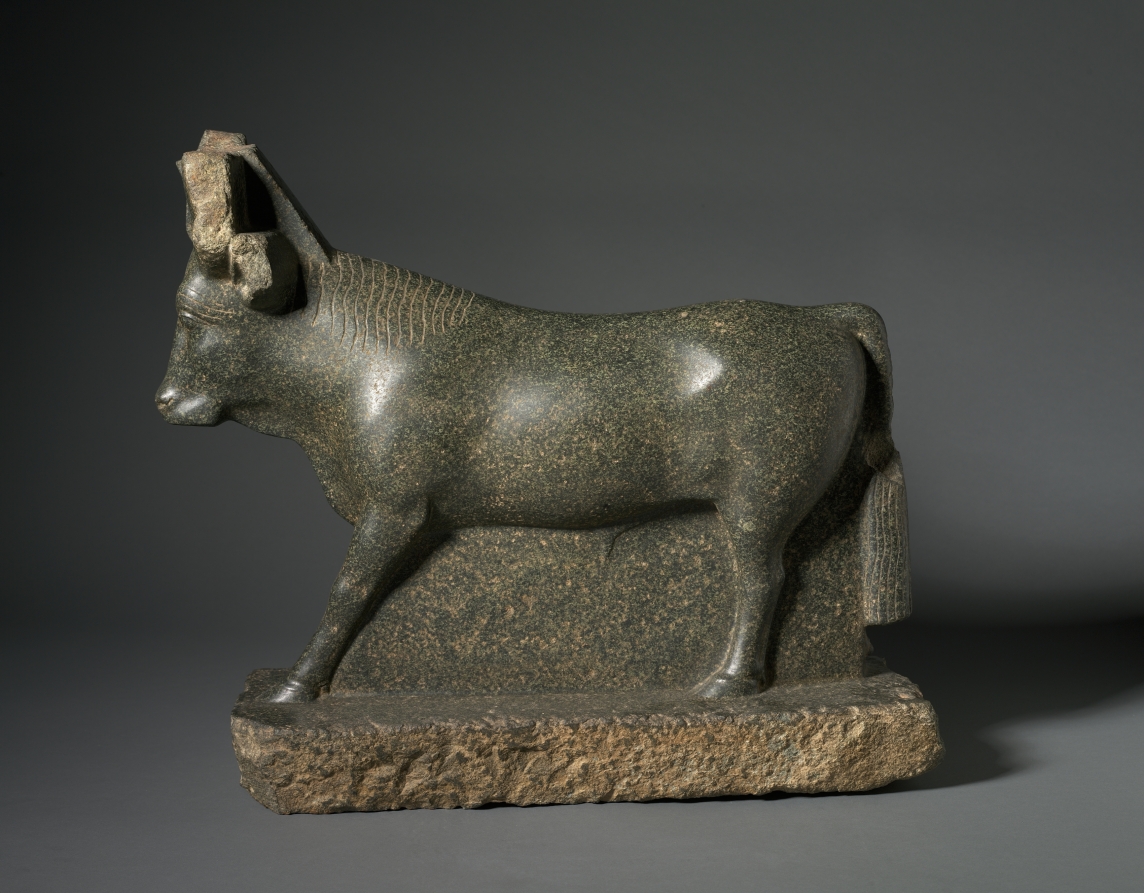
Apis Bull
- Date
- 400–100 BCE
- Medium
- serpentinite
- Culture
- Egypt, Greco-Roman period (332 BCE–395 CE), Ptolemaic dynasty (305–30 BCE)
- Department
- Egyptian and Ancient Near Eastern Art
- Institution
- Cleveland Museum of Art
Sacred animal cults have a long history in ancient Egypt, but they became even more important in the Ptolemaic and Roman periods. Because each god could incarnate himself into any animal species, beasts of all sorts--dogs, cats, ibises, crocodiles--were protected, venerated, mummified, and collected by the thousands in specialized animal cemeteries. The sacred bull cults were different. Apis, the bull of Memphis, was a god in his own right. But he was also associated with other deities, such as Ptah, the god of Memphis, and Osiris, in the form of Osiris-Apis (or Serapis). Statues and reliefs always show him crowned with a sun disk and cobra. When an Apis bull died, he was given a burial fit for a king in an area of the Memphite cemetery known as the Serapeum. A larger base, likely inscribed, may have hidden the rough, unfinished lower edges of this statue.
The authoritative record is held by Cleveland Museum of Art. LinkedCulture surfaces this object and its connections; it does not alter institutional metadata.
Related across collections
Semantically similar works from Cleveland Museum of Art and other institutions.
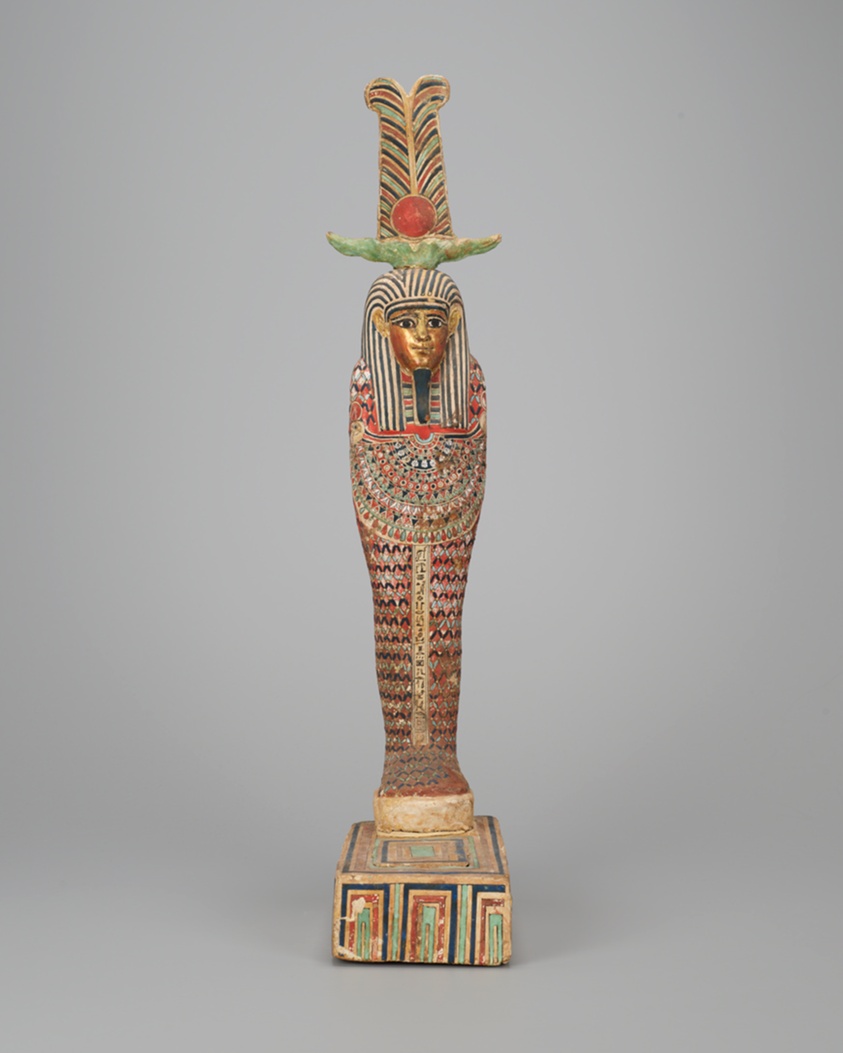
Statue of Ptah-Sokar-Osiris
Art Institute of Chicago

Statuette of the Apis Bull
Art Institute of Chicago
Taureau Apis
Joconde
Apis Bull
Harvard Art Museums

Statuette of the Apis Bull
Art Institute of Chicago
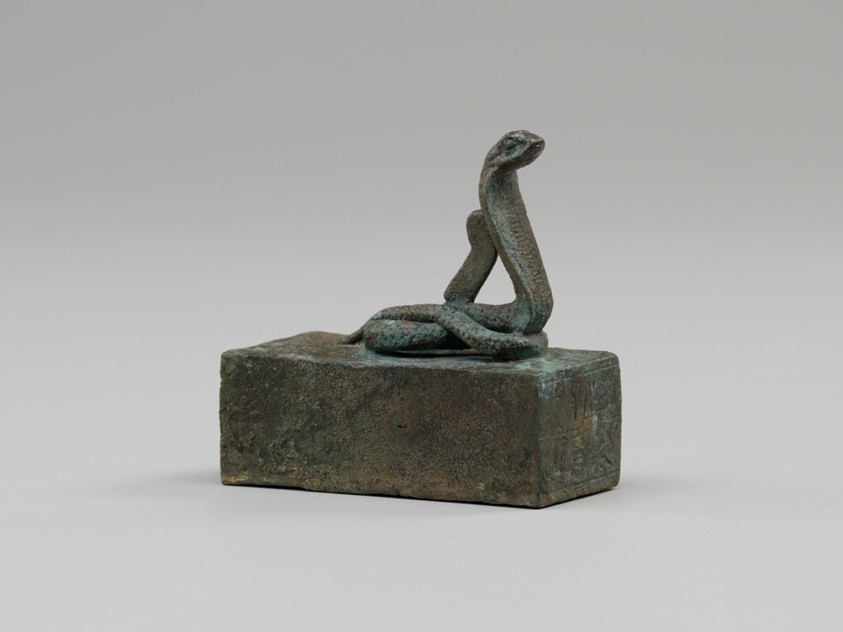
Box for a Mummified Animal with Cobra Figure
Art Institute of Chicago
Osiris
Joconde
Osiris
Joconde
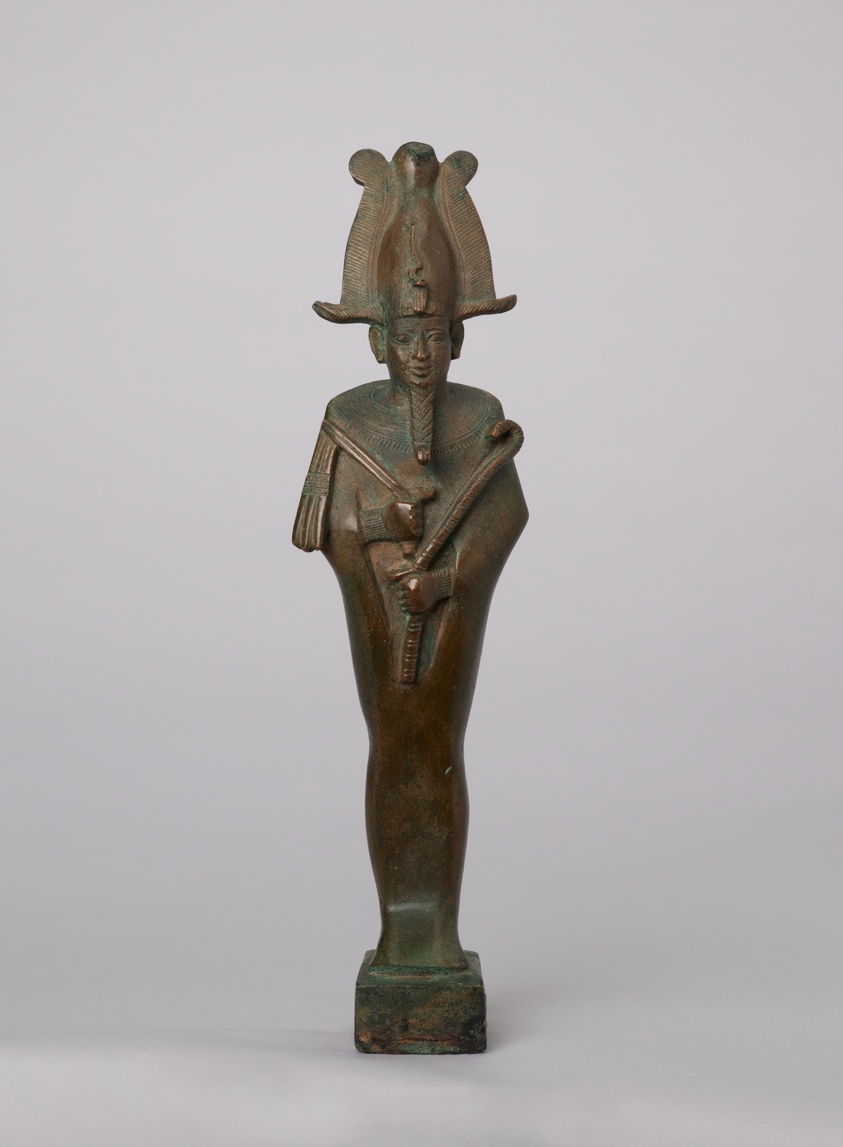
Statuette of Osiris
Art Institute of Chicago
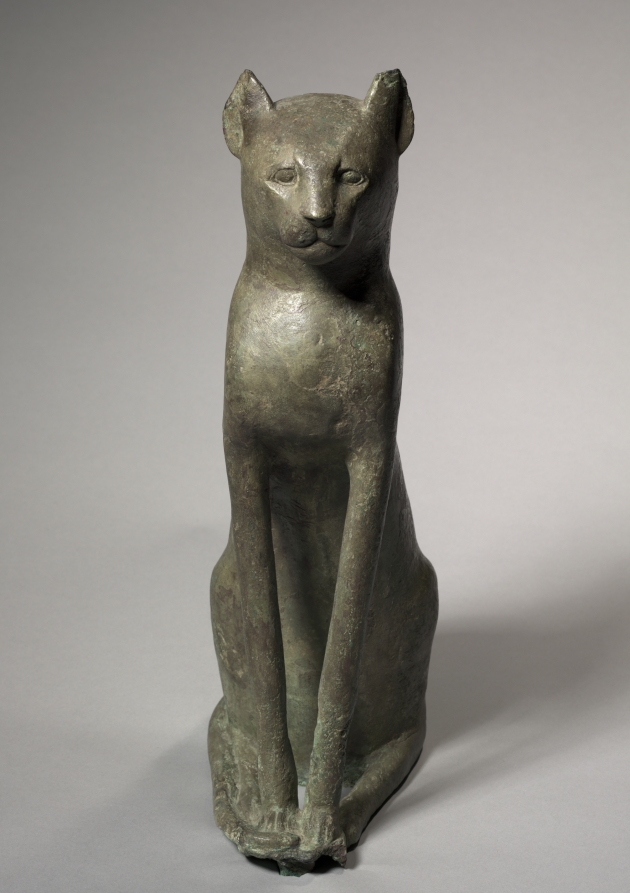
Cat Coffin
Cleveland Museum of Art
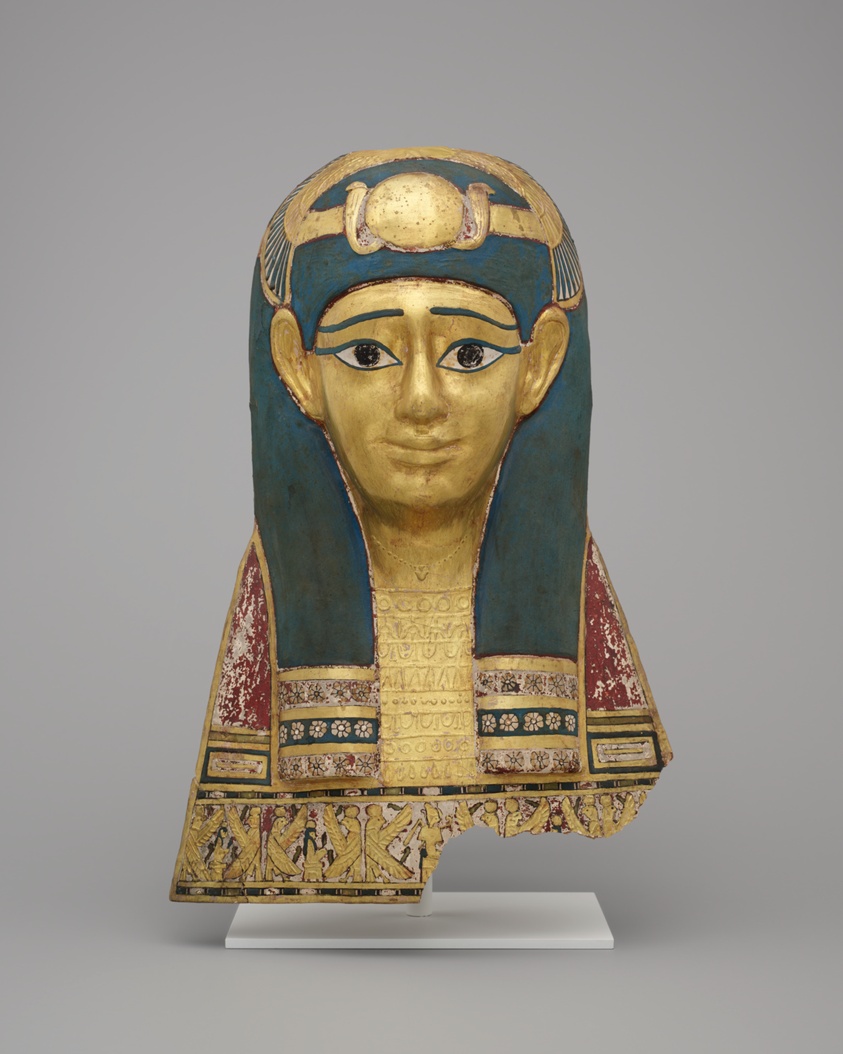
Funerary Mask
Art Institute of Chicago
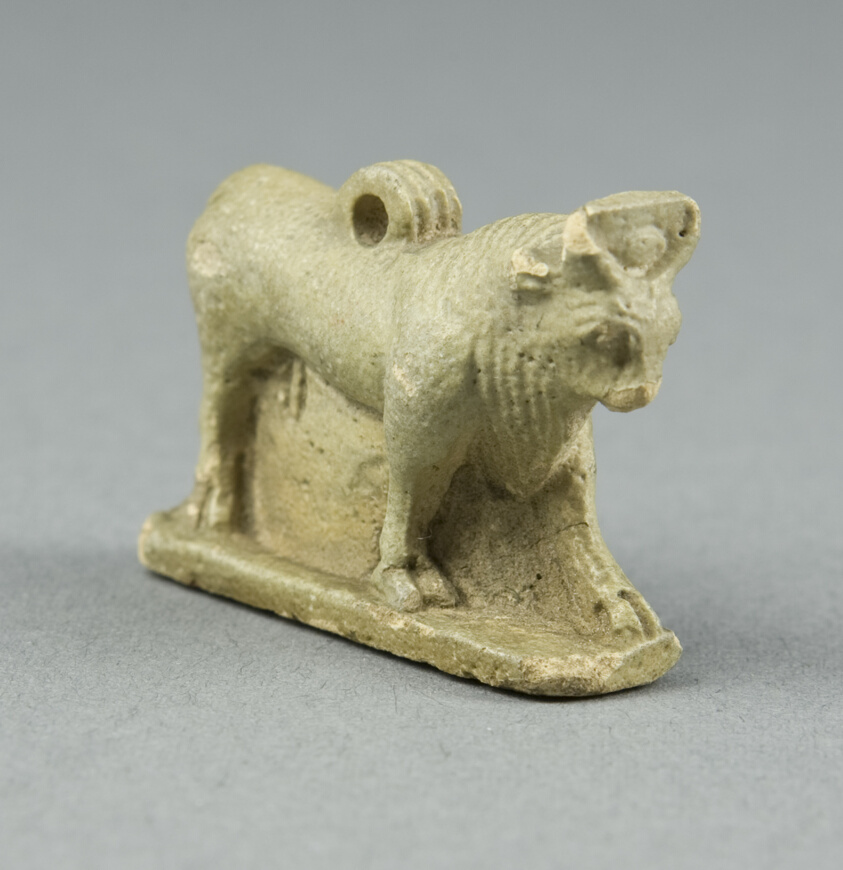
Amulet of the Apis Bull
Art Institute of Chicago