Cleveland Museum of Art
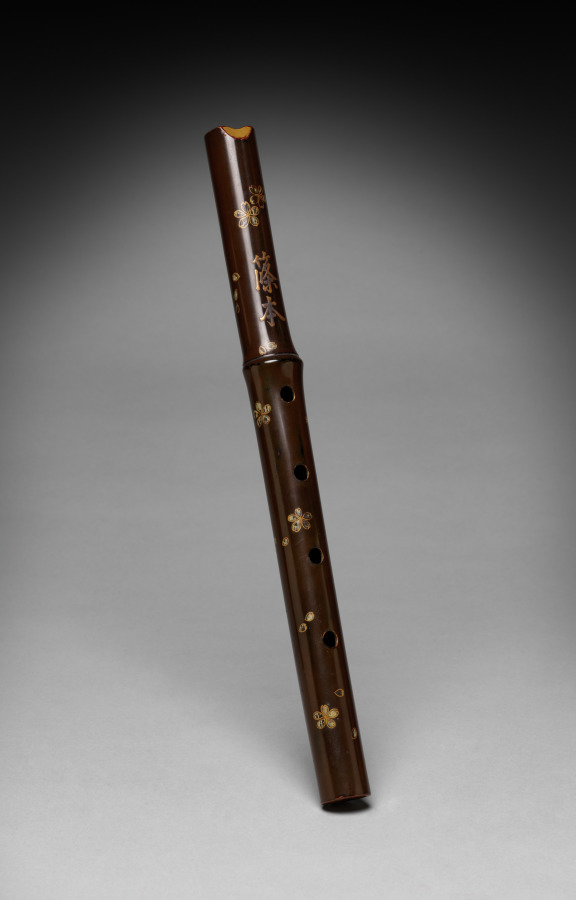
End-blown Flute (Hitoyogiri)
- Date
- late 1800s
- Medium
- Lacquered bamboo with gold and silver maki-e (sprinkled powder designs)
- Culture
- Japan, Meiji period (1868–1912)
- Department
- Japanese Art
- Institution
- Cleveland Museum of Art
The hitoyogiri 一節切 is considered one type of shakuhachi 尺八 bamboo flute and was popular in the 16th and 17th centuries. It is smaller and of weaker sound than the better known fuke 普化, and was thus known as a "small bamboo" or kotake 小竹, during a brief 19th-century revival. The node of the bamboo is positioned between the four finger holes on the front, and the thumb hole at the top of the back. This one has a design of cherry blossoms and scattered petals. The name of this flute, hitoyogiri 一節切 comes from the fact that it has a single node in the bamboo from which it is made.
The authoritative record is held by Cleveland Museum of Art. LinkedCulture surfaces this object and its connections; it does not alter institutional metadata.
Related across collections
Semantically similar works from Cleveland Museum of Art and other institutions.
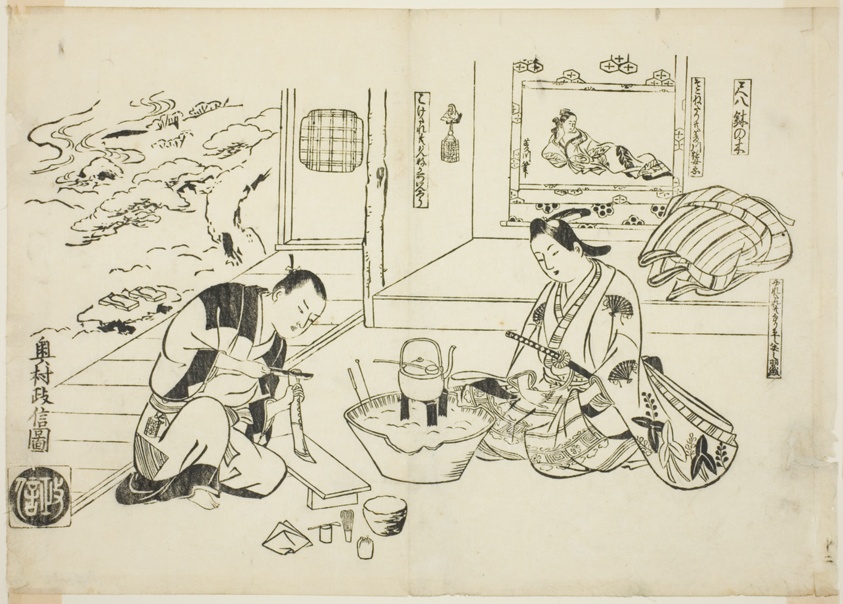
The Bamboo Flute and the Potted Tree (Shakuhachi hachi-no-ki), no. 12 from a series of 12 prints depicting parodies of plays
Art Institute of Chicago

Vertical flute
Minneapolis Institute of Art

Gagaku Flutes named “Winter Wind” (Kogarashi) with Box and Case
Minneapolis Institute of Art
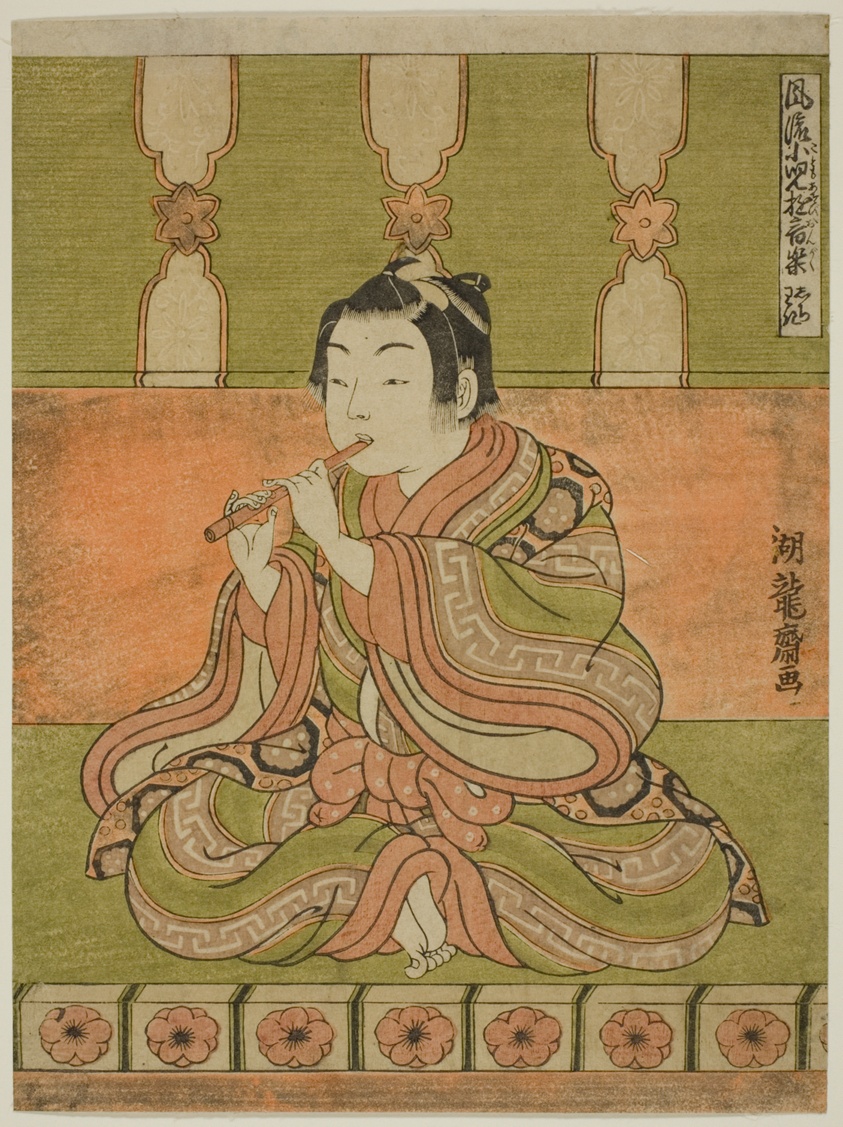
The Flute (Hichiriki), from the series "Fashionable Musical Amusements of Children (Furyu kodomo asobi ongaku)"
Art Institute of Chicago

An Actor in a Samurai Role Holding a Bamboo Flute
Minneapolis Institute of Art
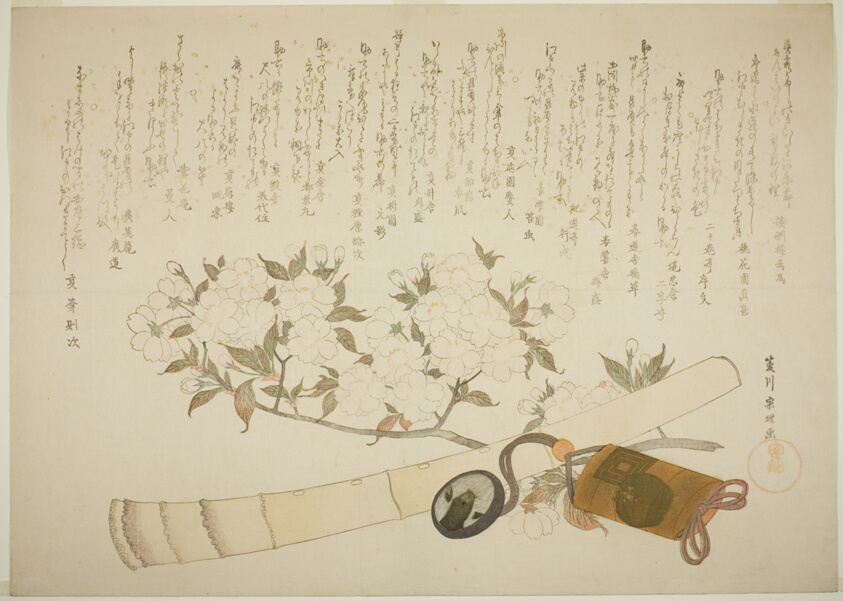
A Branch of White Peach Blossom, an Inro case, and a Hotchiku Flute
Art Institute of Chicago

One-of-a-kind Bamboo Root
Minneapolis Institute of Art
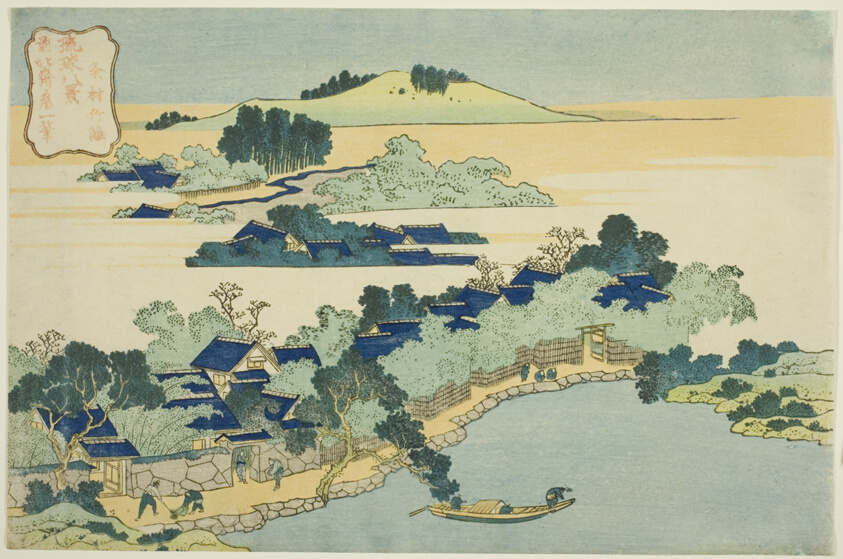
Bamboo Grove at Kume Village (Kumemura no chikuri), from the series “Eight Views of Ryukyu Islands (Ryukyu hakkei)”
Art Institute of Chicago
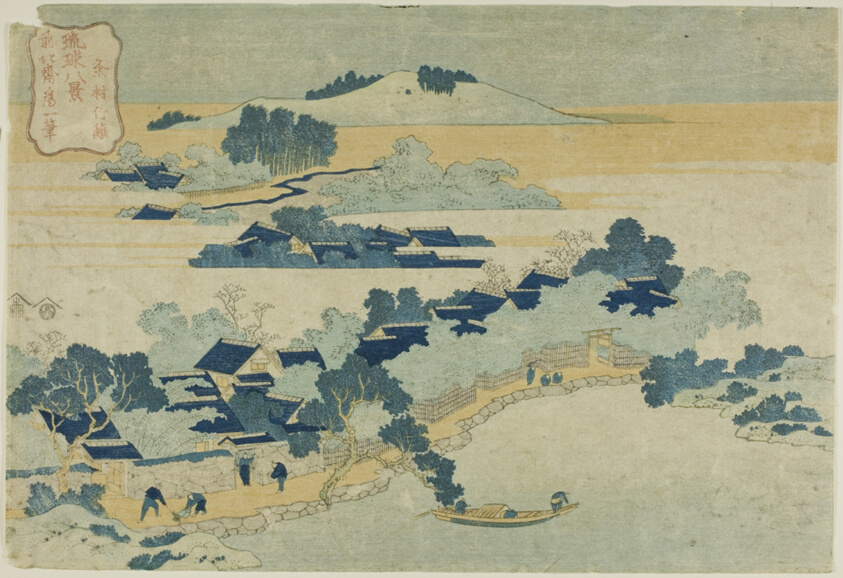
Bamboo Grove at Kume Village (Kumemura no chikuri), from the series “Eight Views of Ryukyu Islands (Ryukyu hakkei)”
Art Institute of Chicago

Flute
The Metropolitan Museum of Art
The courtesans Hitomoto and Tagasode of the Daimonji House from the printed album "A Competition Among the New Beauties of the Yoshiwara Mirrored in Their Writing" (Yoshiwara keisei shin bijin awase jihitsu kagami)
Harvard Art Museums

Minamoto no Yoshitsune (Ushiwaka Maru) Playing a Flute
Art Institute of Chicago