
Minneapolis Institute of Art
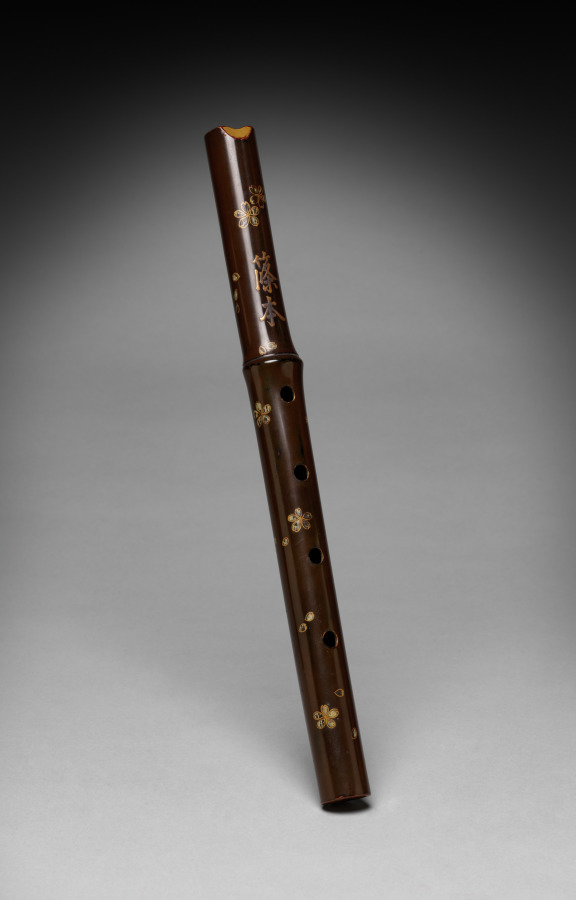
Vertical flute
China
- Date
- c. 1800
- Medium
- Bamboo
- Department
- Asian Art
- Institution
- Minneapolis Institute of Art
The Chinese have used bamboo to create functional objects since the Stone Age. The material is inexpensive and extremely versatile. The Zhu bu , or Bamboo Treatise , from the third century describes how to use bamboo for food, the manufacture of paper, pipe stems, buckets, brush handles, medicine, and musical instruments. The excavated tomb of Marquis Yi of Zheng (433 BCE) yielded several wind instruments made of lacquered wood and bamboo. These included pan pipes, reed mouth-organs, and two transverse flutes. While much later in date, this bamboo flute is similar in size and structure to the one being played by the Eastern Han tomb figurine shown here. It is not certain when the bamboo flute was first used by the Chinese, but it was common throughout the Bronze Age and, by the Han dynasty, it seems to have gained popularity as an instrument for entertaining. The bamboo flute, like the qin , or zither, has remained a favorite instrument of scholars down to the present day. China, Asia
The authoritative record is held by Minneapolis Institute of Art. LinkedCulture surfaces this object and its connections; it does not alter institutional metadata.
Related across collections
Semantically similar works from Minneapolis Institute of Art and other institutions.

Vertical flute
Minneapolis Institute of Art

Tomb figure of a musician playing a bamboo flute
Minneapolis Institute of Art

Flute
The Metropolitan Museum of Art

Incense Cylinder
Minneapolis Institute of Art
End-blown Flute (Hitoyogiri)
Cleveland Museum of Art

Zither (qin)
Minneapolis Institute of Art

Bamboo
Minneapolis Institute of Art

Junzhong (zither)
Minneapolis Institute of Art

Zheng ritual bell
Minneapolis Institute of Art

Bo bell
Minneapolis Institute of Art
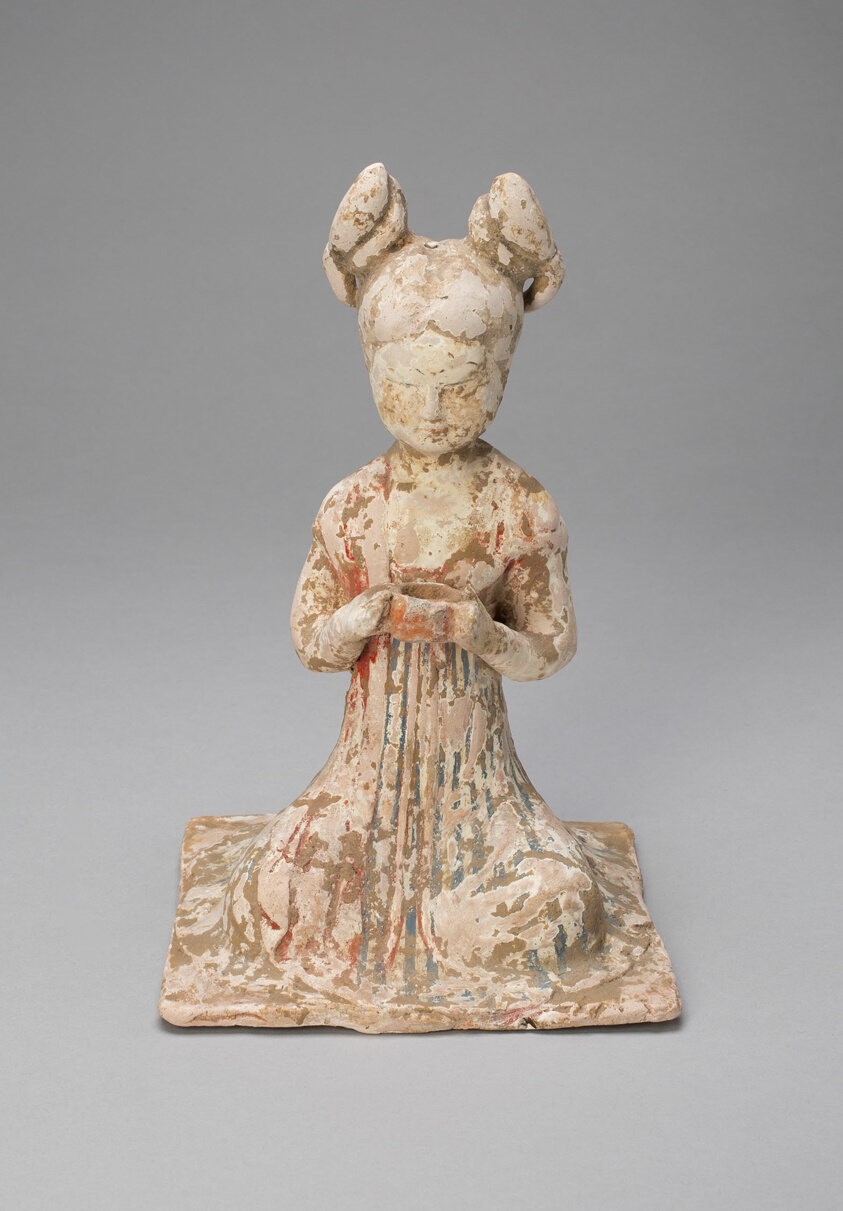
Female Musician
Art Institute of Chicago
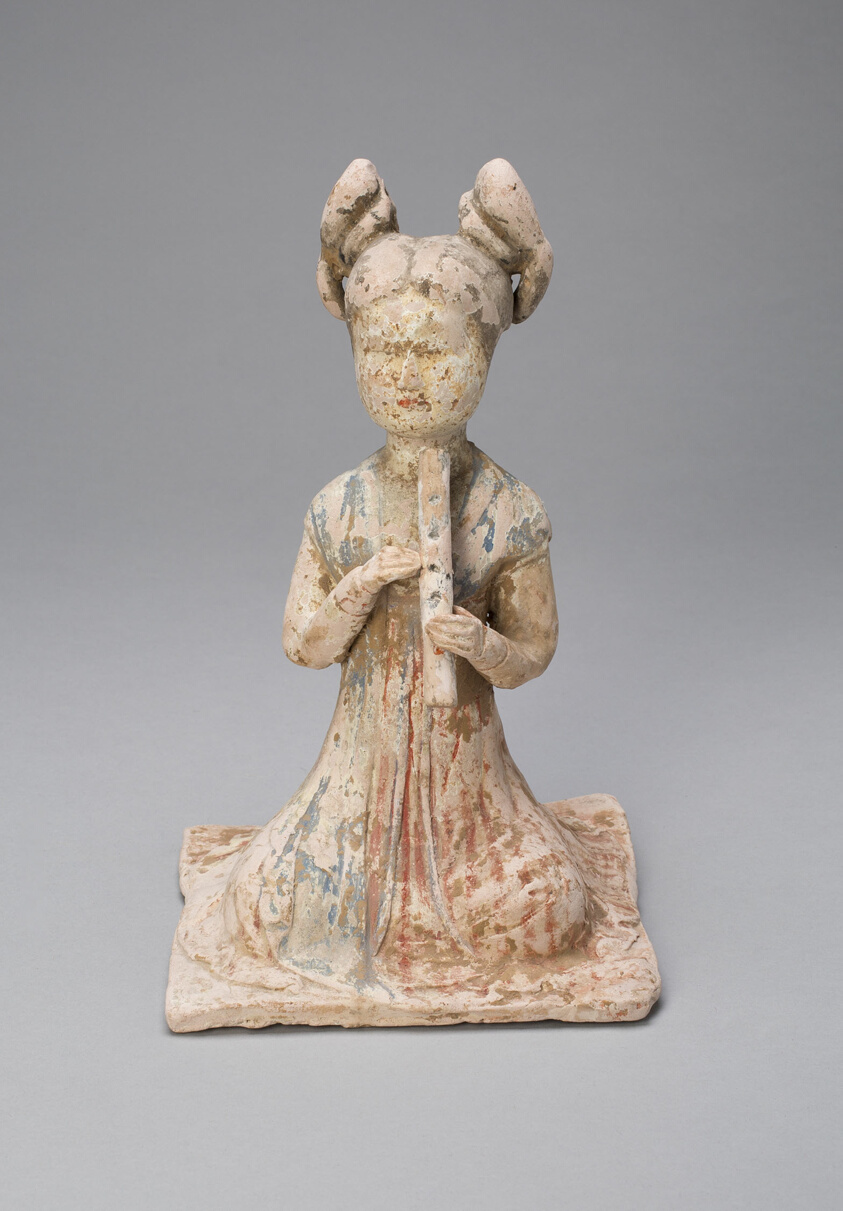
Female Musician
Art Institute of Chicago