Cleveland Museum of Art
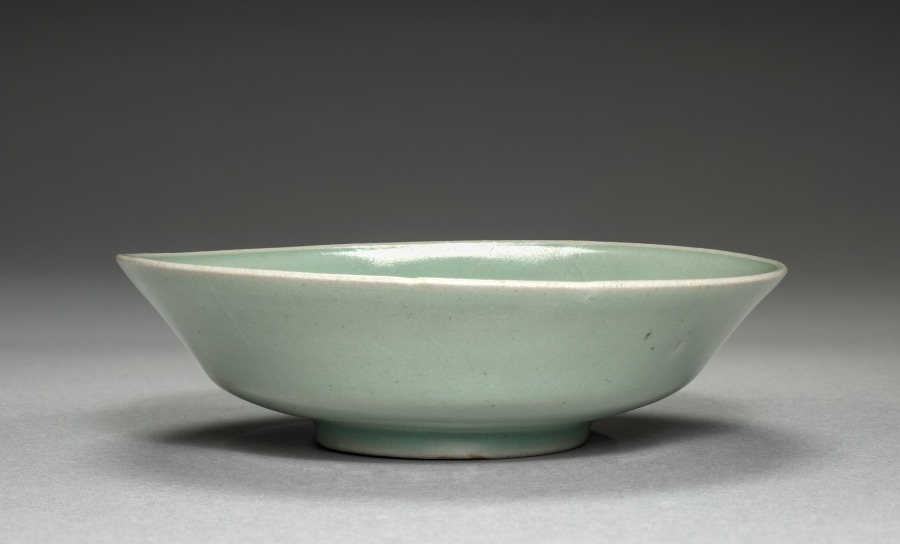
Dish
- Date
- 1100s
- Medium
- glazed porcelain
- Culture
- Korea, Goryeo dynasty (918–1392)
- Department
- Korean Art
- Institution
- Cleveland Museum of Art
Celadons wares used for everyday such as this dish were among the most common burial objects in tombs during the Goryeo period (918–1392). Furnishing tombs with an elaborate assemblage of objects was believed to honor and comfort the newly dead. Generally, Goryeo tombs were left untouched until the late 19th century. During the colonial period (1910–45), however, Japanese archaeologists competitively excavated the tombs located in Kaeseong, the former capital of the Goryeo period and soon became available for Japanese and Western collectors. The pale bluish glaze indicates that this dish was created in the 12th century, the time when the production of celadon reached its technical peak.
The authoritative record is held by Cleveland Museum of Art. LinkedCulture surfaces this object and its connections; it does not alter institutional metadata.
Related across collections
Semantically similar works from Cleveland Museum of Art and other institutions.
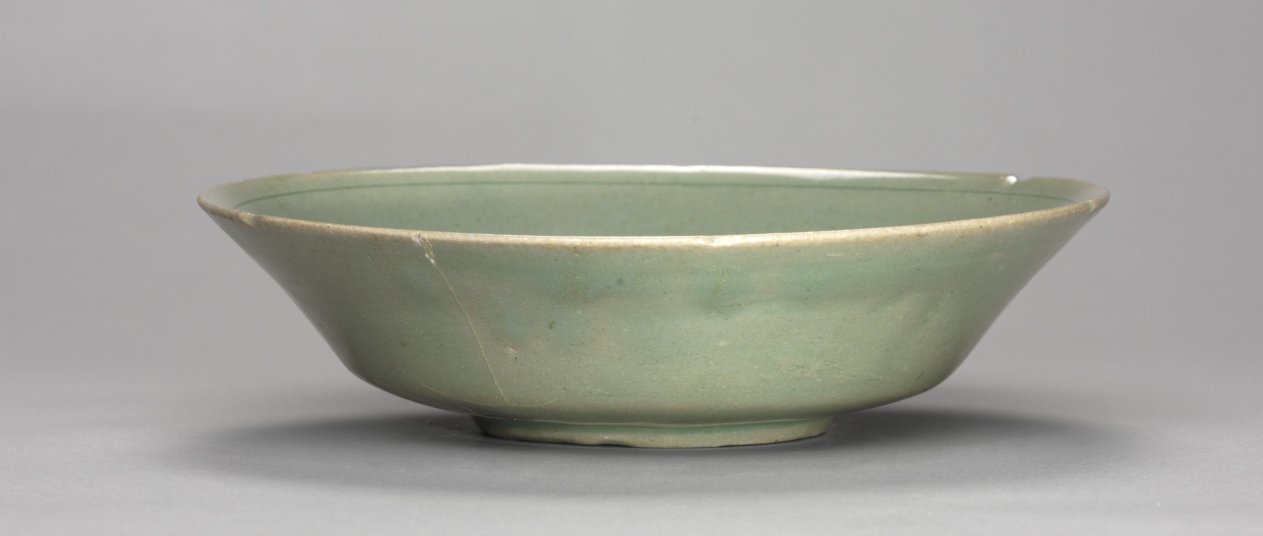
Dish
Cleveland Museum of Art
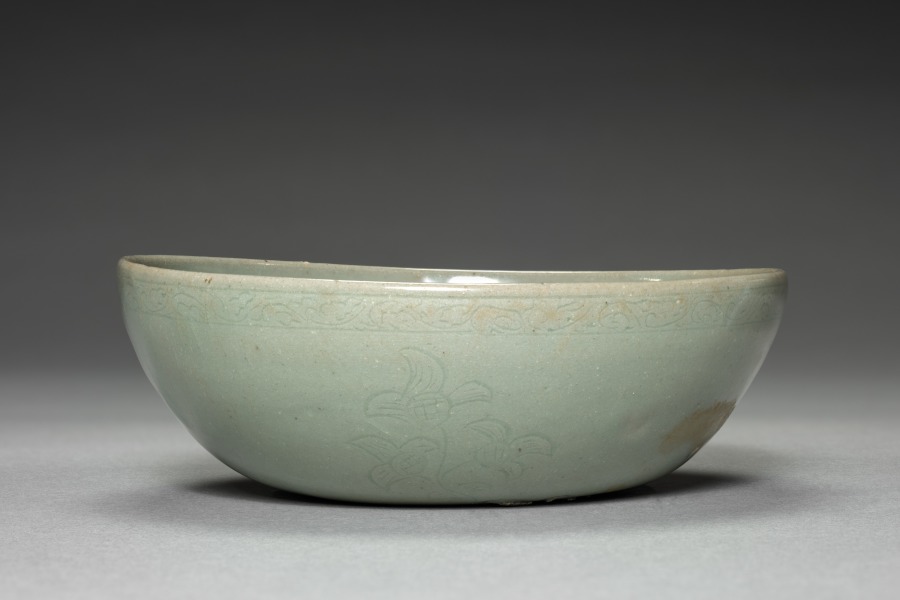
Dish with Incised Floral Design
Cleveland Museum of Art
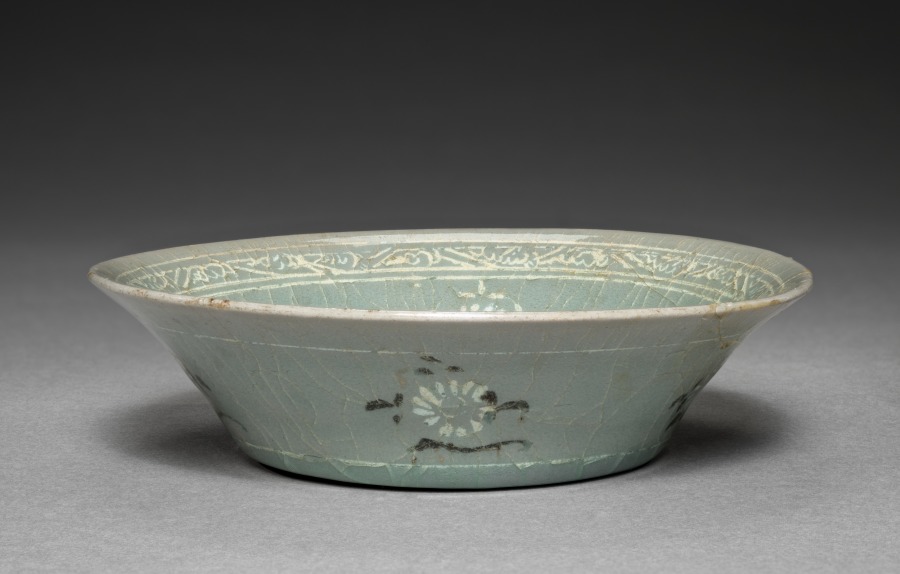
Dish with Inlaid Chrysanthemum Design
Cleveland Museum of Art
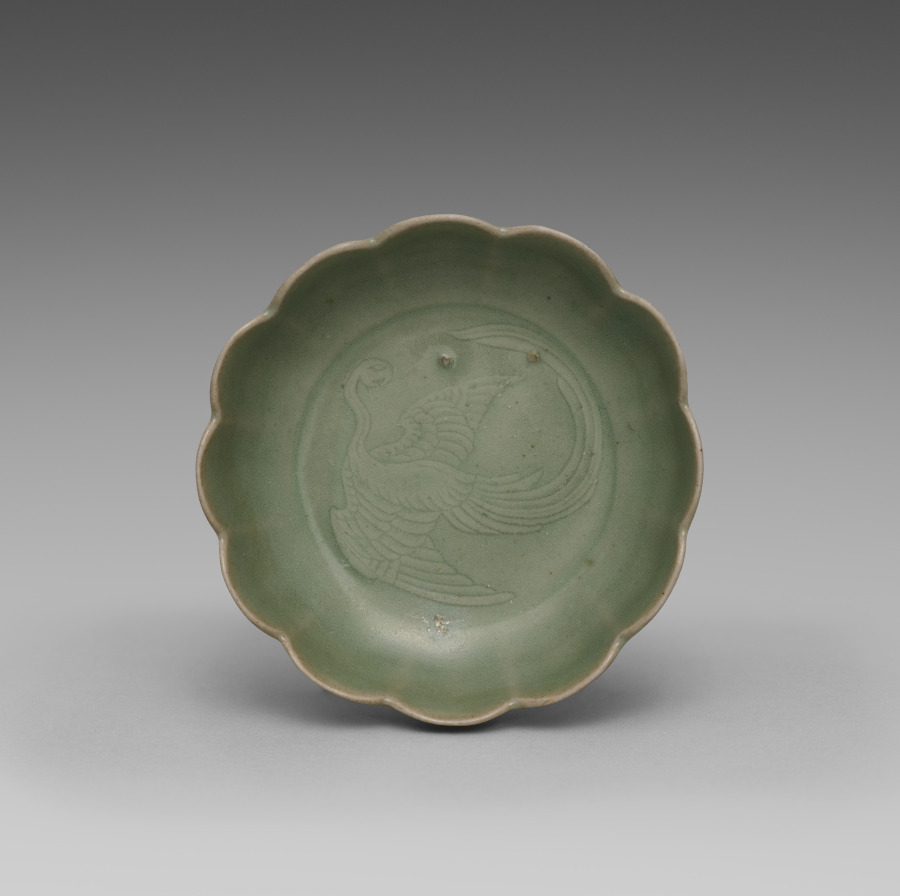
Celadon Dish with Molded Phoenix Design in the Shape of a Flower
Cleveland Museum of Art
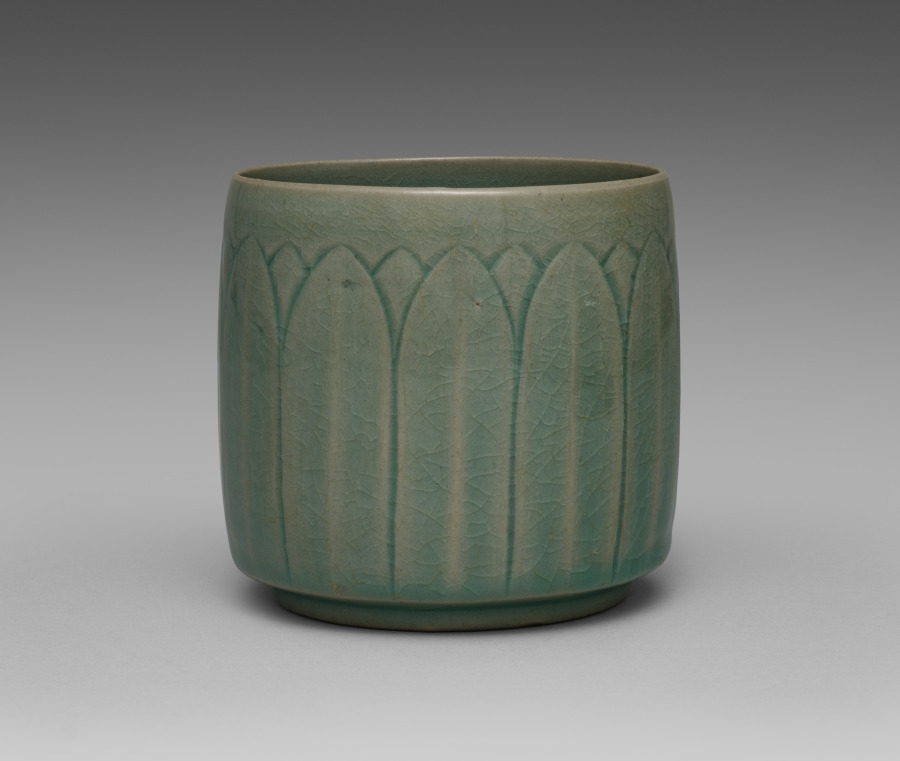
Celadon Cup with Molded Lotus Petal Design
Cleveland Museum of Art
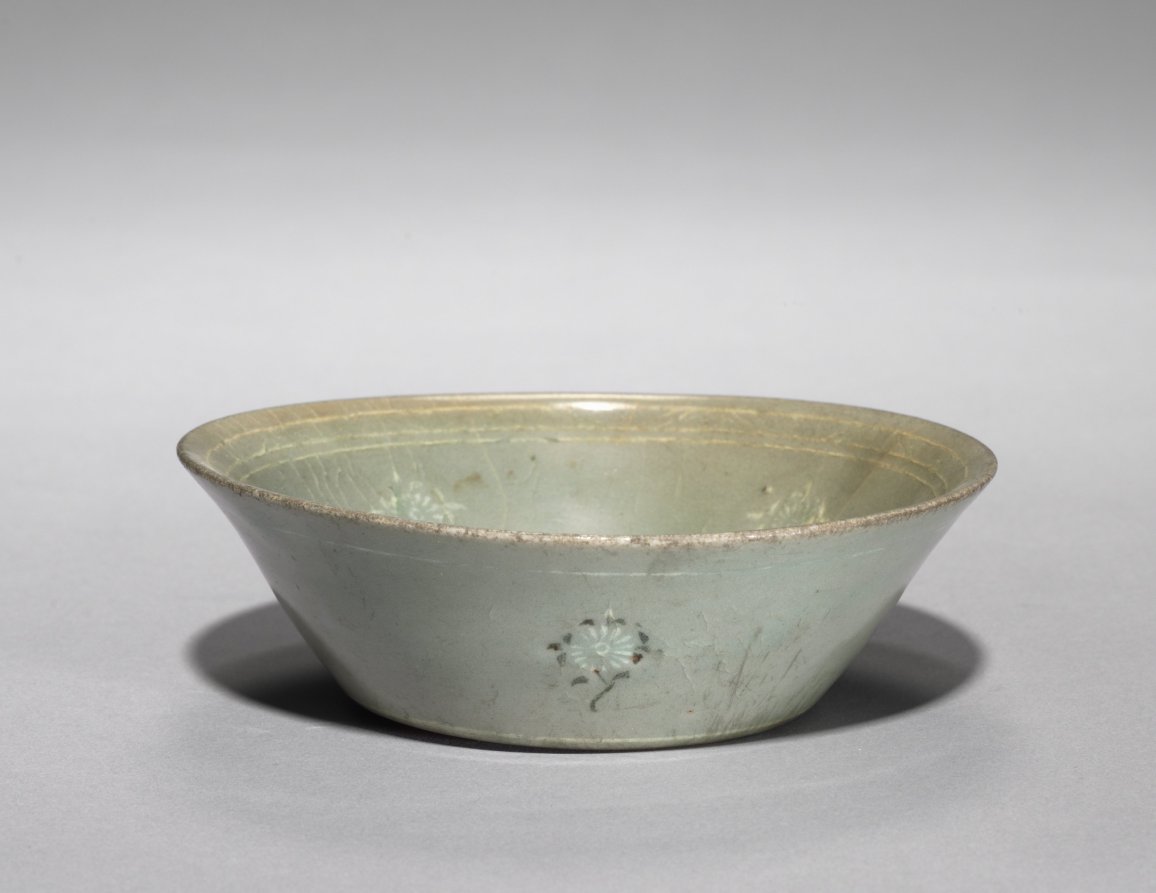
Saucer with Inlaid Chrysanthemum Design
Cleveland Museum of Art
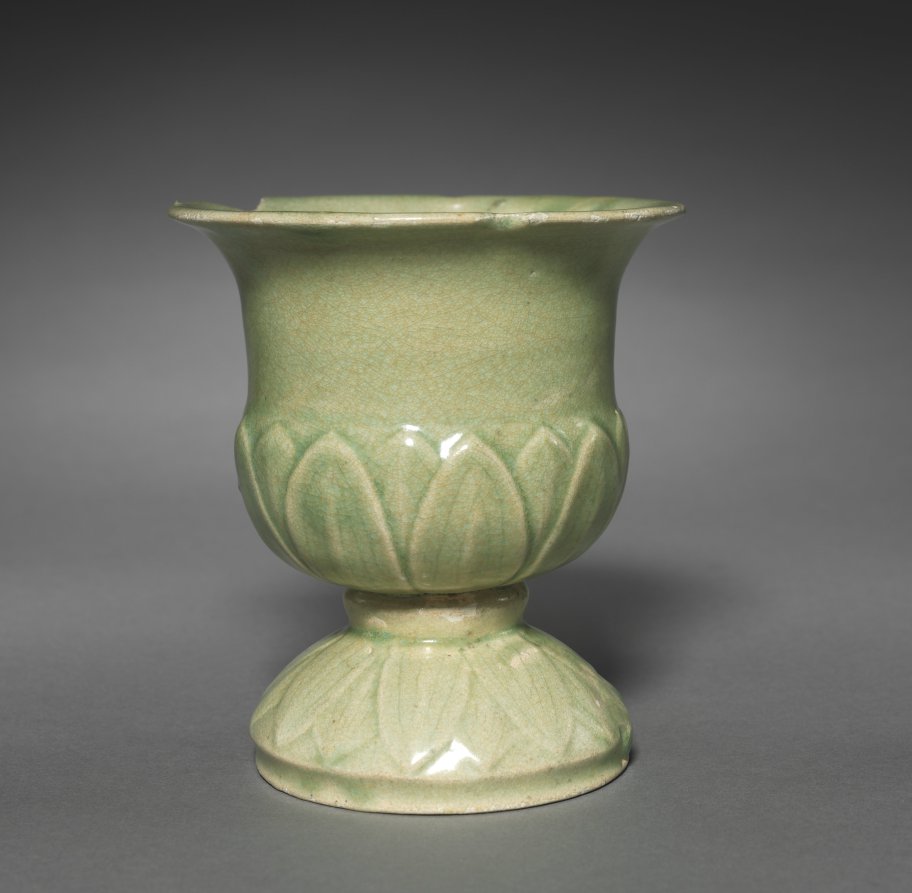
Incense Burner with Lotus Petal Design in Relief
Cleveland Museum of Art
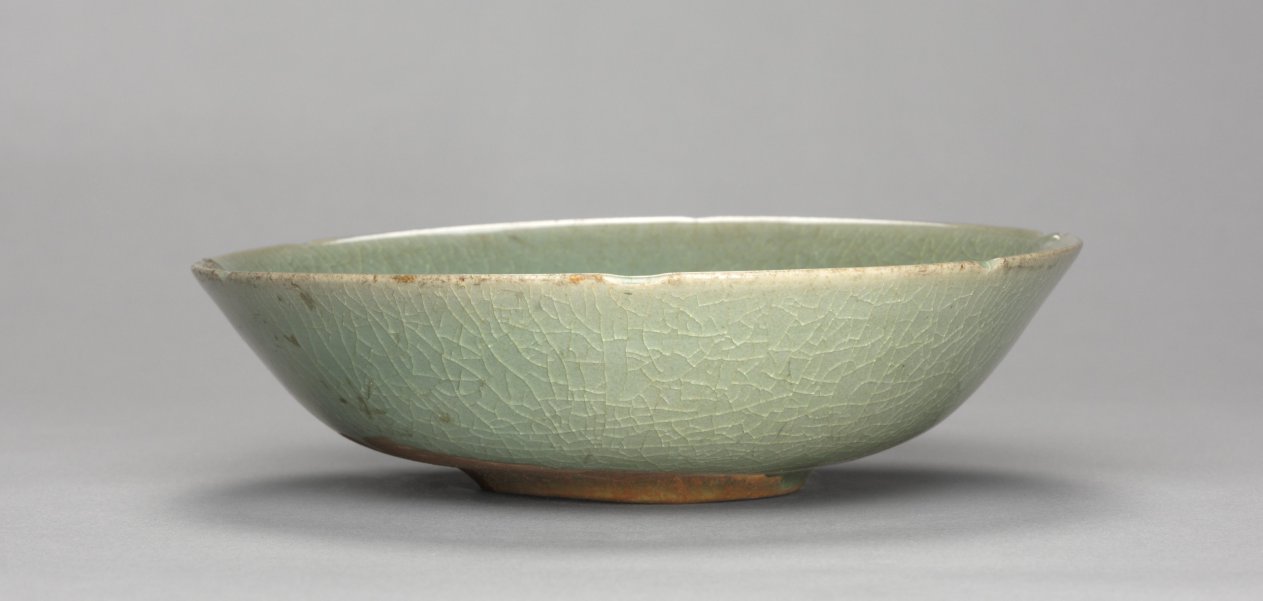
Crackle-glazed Bowl
Cleveland Museum of Art
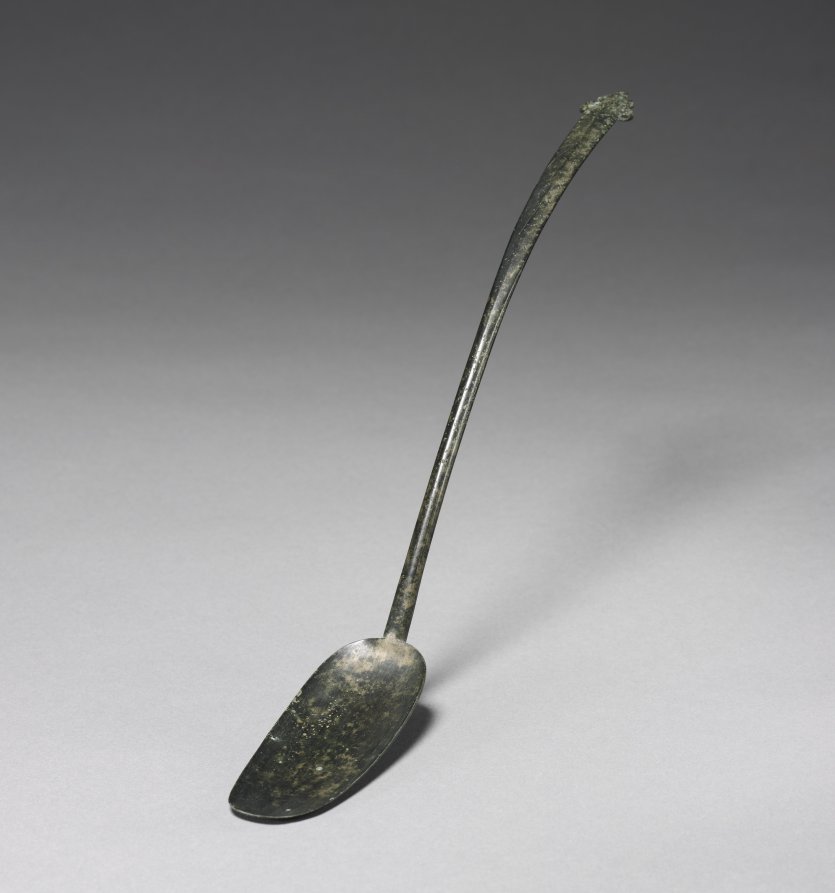
Spoon
Cleveland Museum of Art
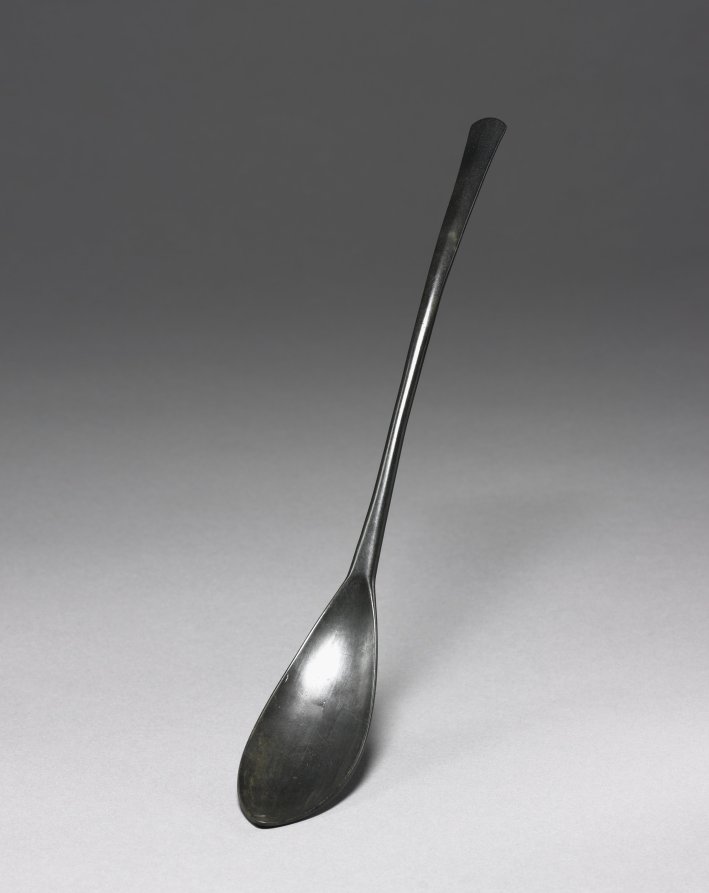
Spoon
Cleveland Museum of Art
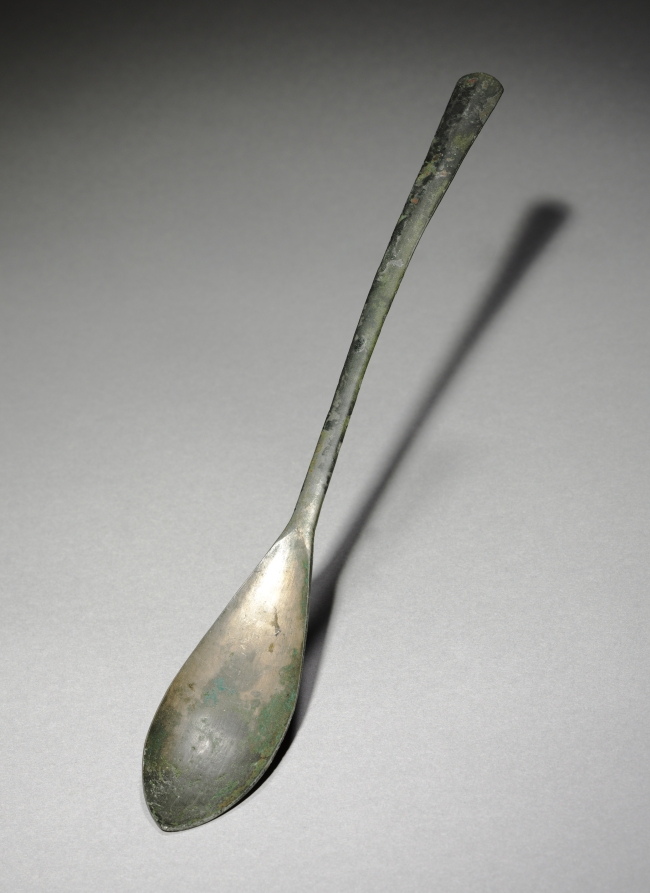
Spoon
Cleveland Museum of Art
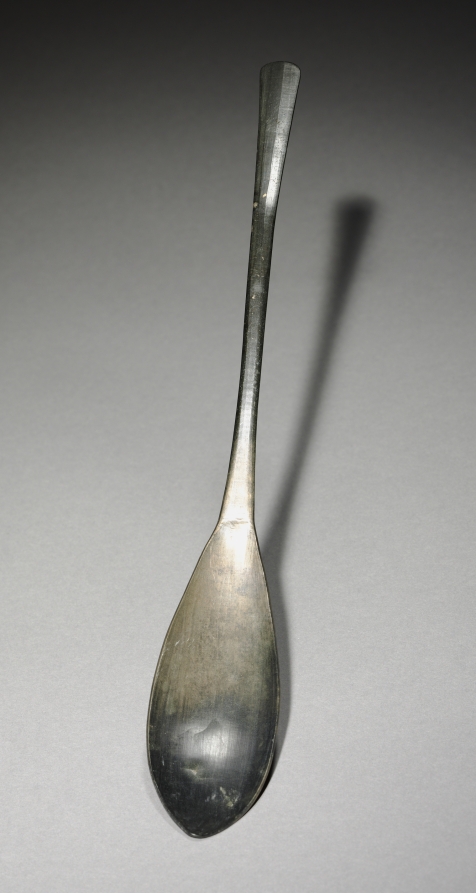
Spoon
Cleveland Museum of Art