Cleveland Museum of Art
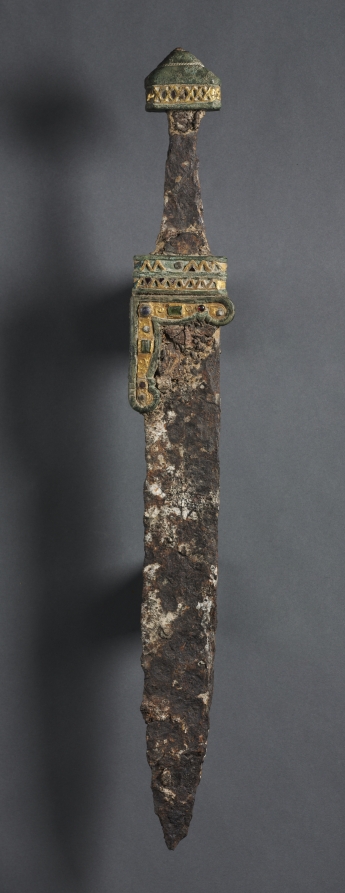
Single-Edged Knife (Scramasax)
- Date
- c. 500–700
- Medium
- iron, brass, gold foil, gold wire, gemstones
- Culture
- Merovingian, Migration period, 6th-7th Century
- Department
- Medieval Art
- Institution
- Cleveland Museum of Art
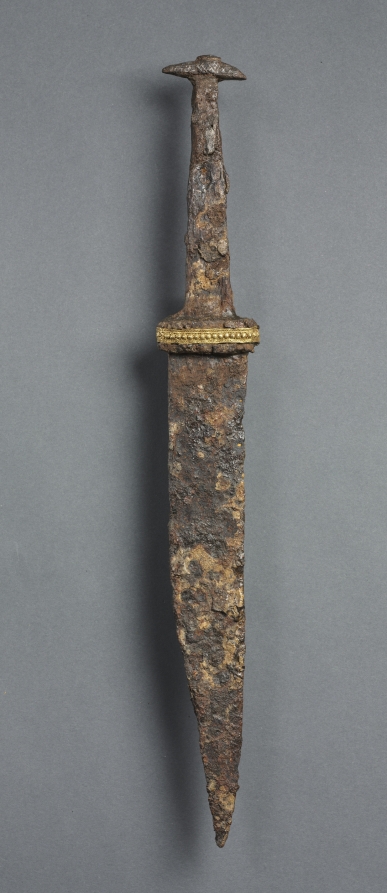
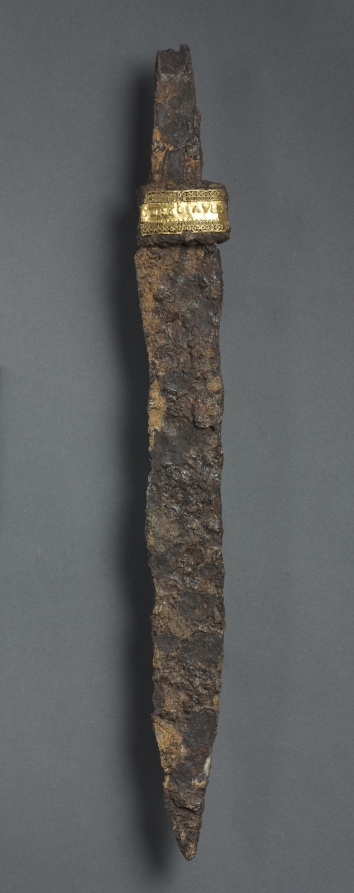
The scramasax, a single-edged knife, was a general purpose implement. It could serve equally well as a tool or as a weapon and usually did not exceed 12 inches in length. As with most objects of the Migration period, iron weapons survive as excavated grave goods and tend to be heavily corroded. The grips, now missing, were probably fashioned from wood or bone and silver inlay decorated the pommels (the knob on the hilt, or handle). The ornamental gold foil bands, perhaps from the original scabbards (the cases in which the blades of swords or daggers are kept) have survived relatively intact.
The authoritative record is held by Cleveland Museum of Art. LinkedCulture surfaces this object and its connections; it does not alter institutional metadata.
Related across collections
Semantically similar works from Cleveland Museum of Art and other institutions.
Single-Edged Knife (Scramasax)
Cleveland Museum of Art
Single-Edged Knife (Scramasax)
Cleveland Museum of Art
Scabbard for Knife or Axe (Kharga)
Cleveland Museum of Art
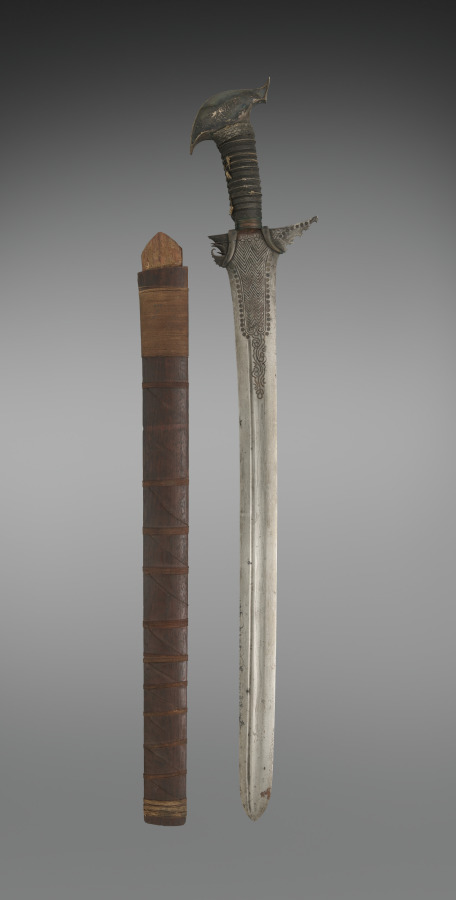
Sword (Kalis or Sundang) and scabbard
Cleveland Museum of Art
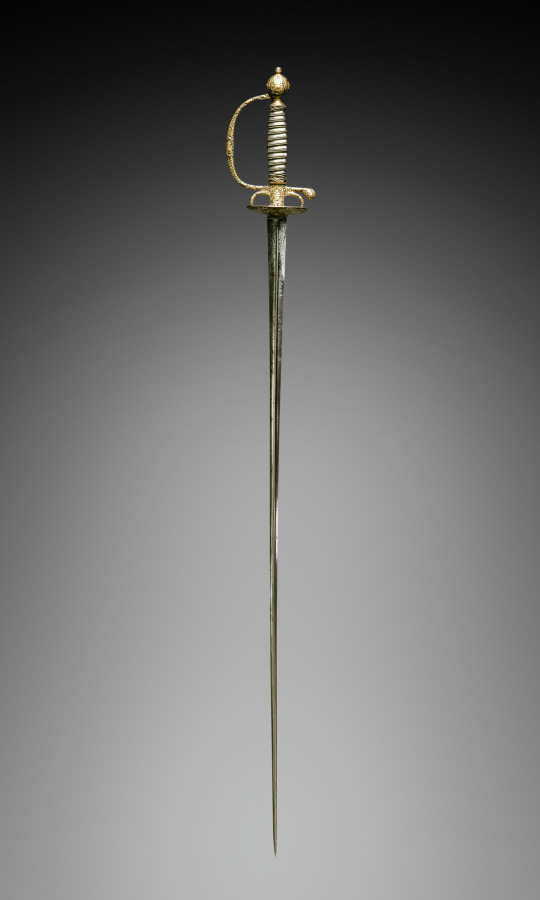
Smallsword
Cleveland Museum of Art
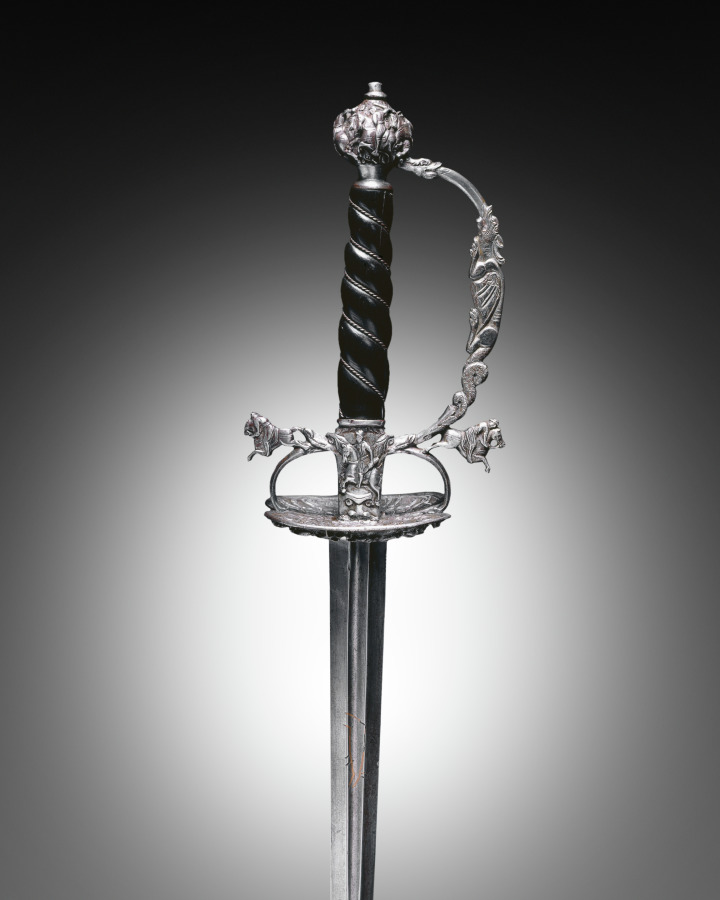
Small Sword
Cleveland Museum of Art
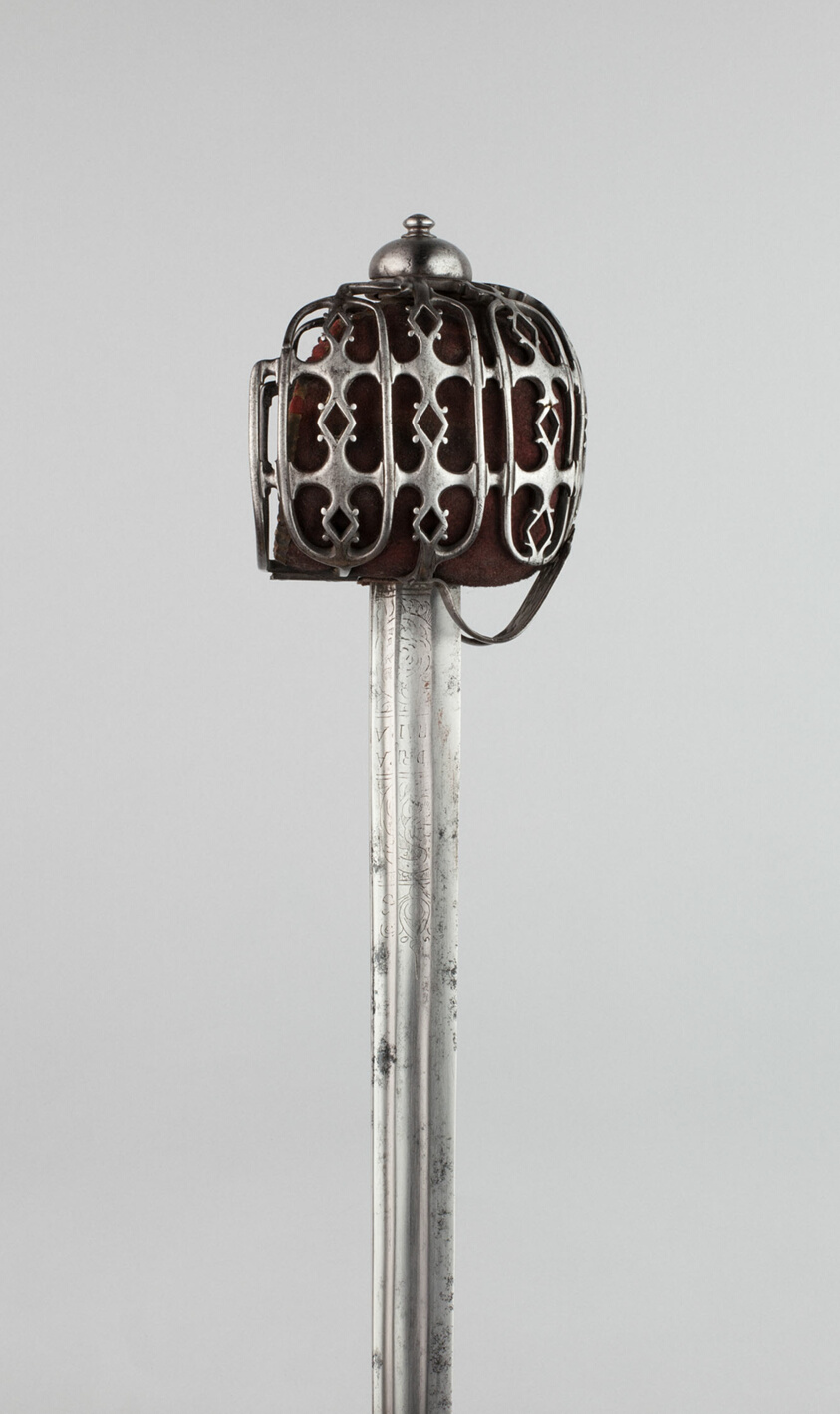
Basket-Hilted Broadsword with Scabbard (Claymore)
Art Institute of Chicago
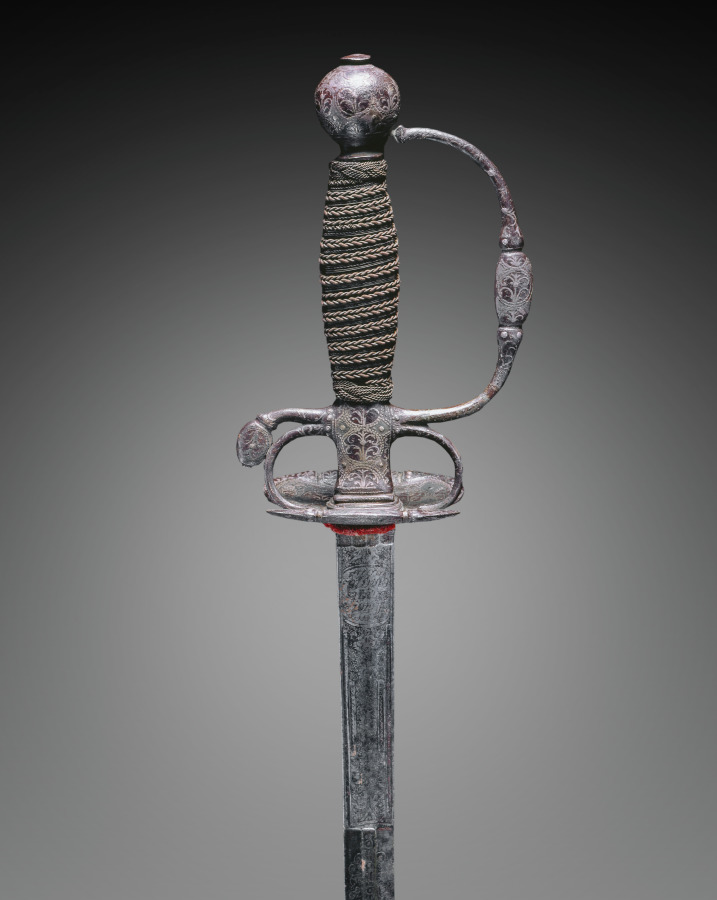
Small Sword
Cleveland Museum of Art
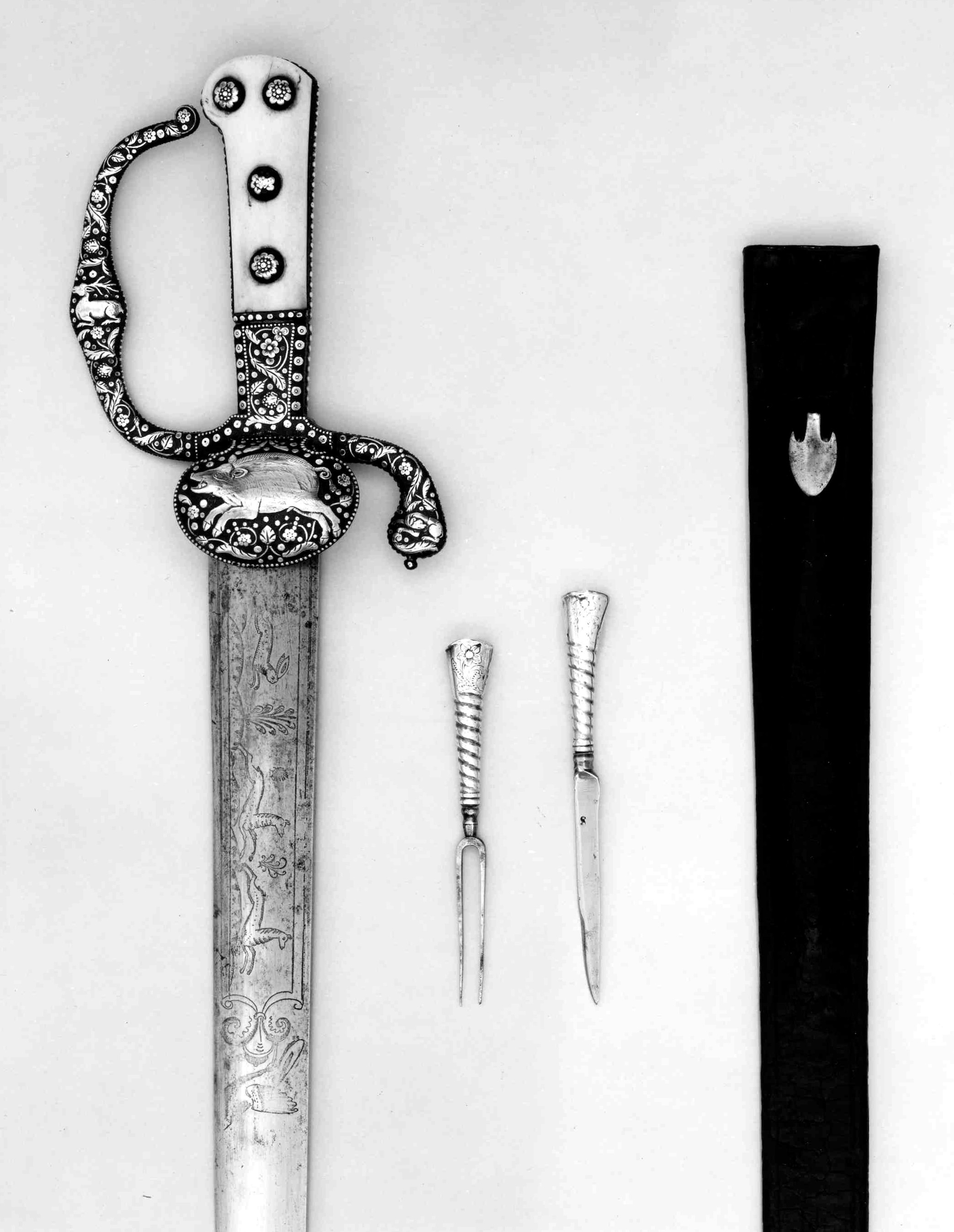
Hunting Sword with Scabbard, Knife, and Fork
The Metropolitan Museum of Art
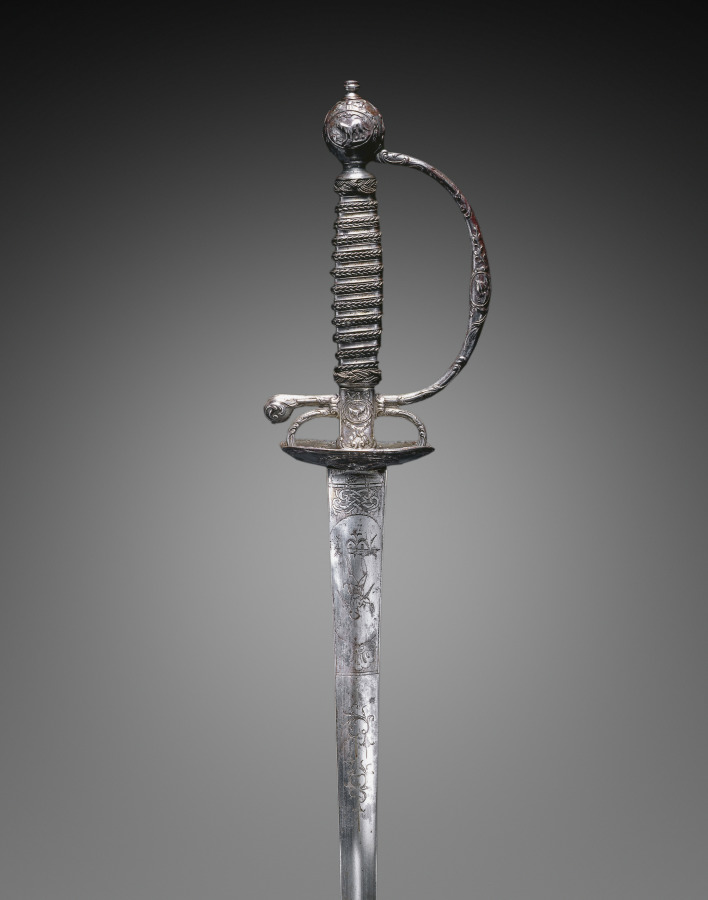
Small Sword
Cleveland Museum of Art
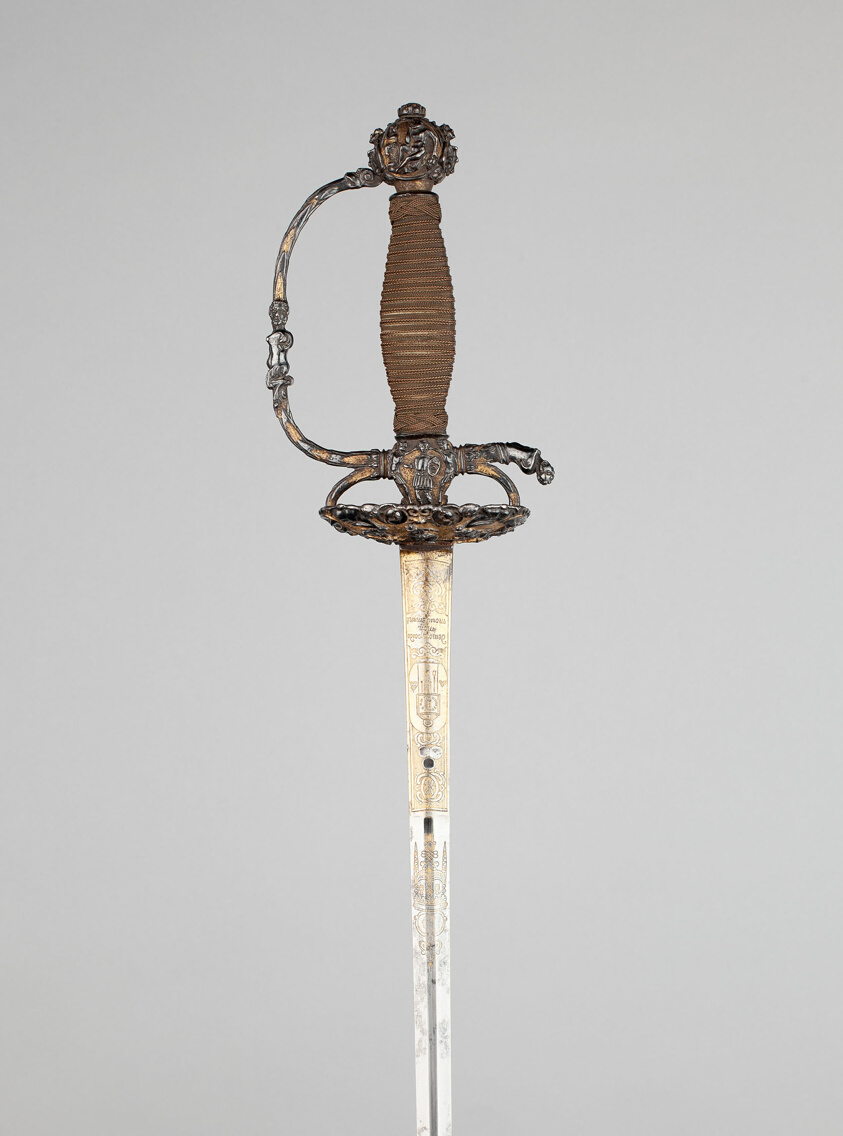
Composite Smallsword and Scabbard
Art Institute of Chicago
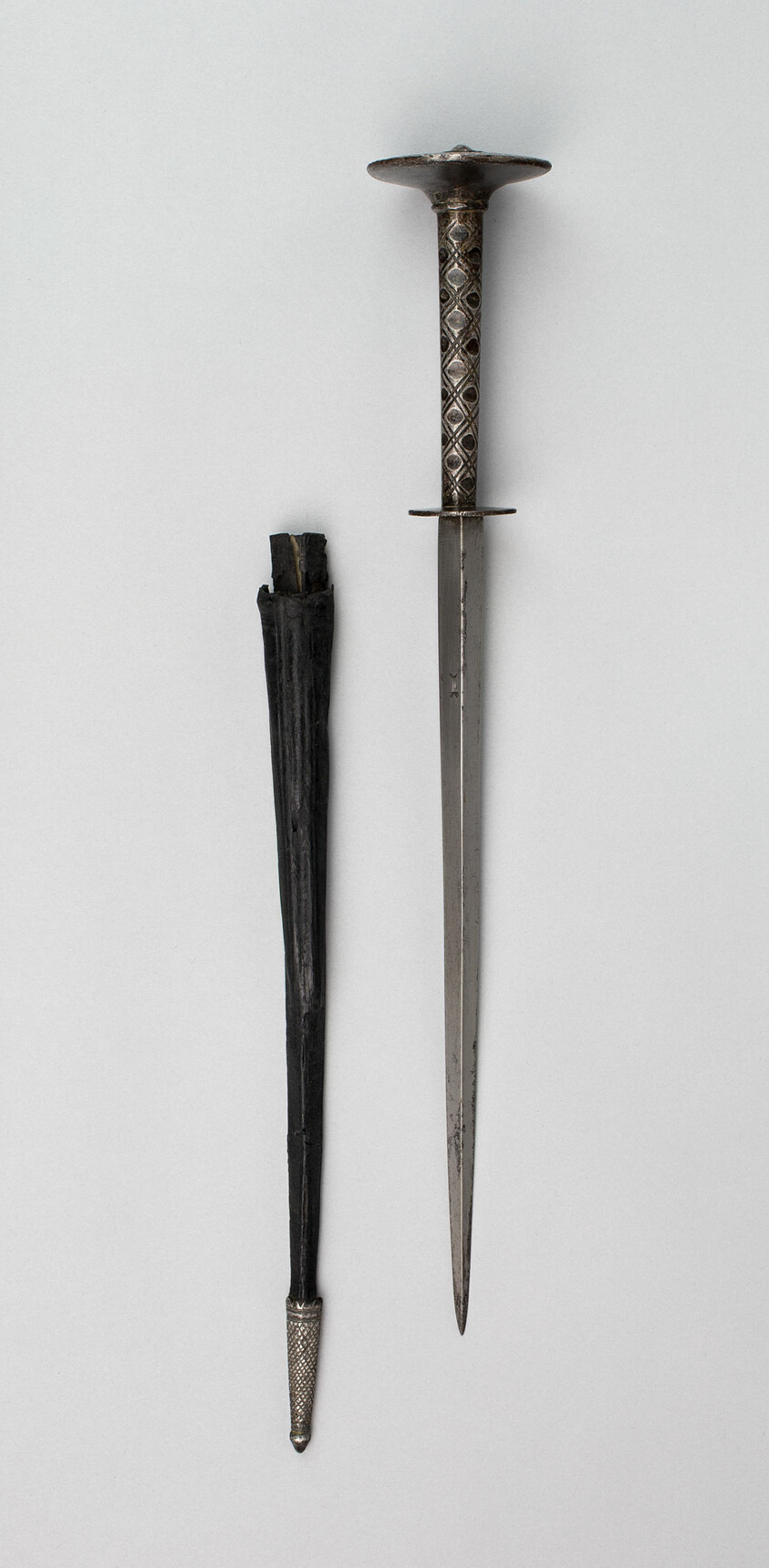
Roundel Dagger and Scabbard
Art Institute of Chicago