Cleveland Museum of Art
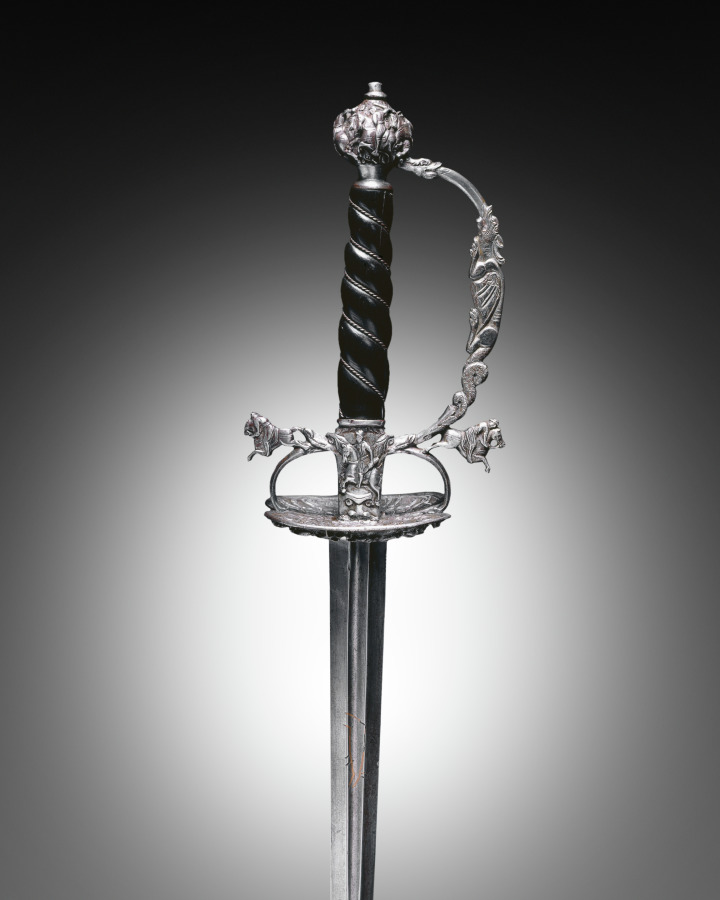
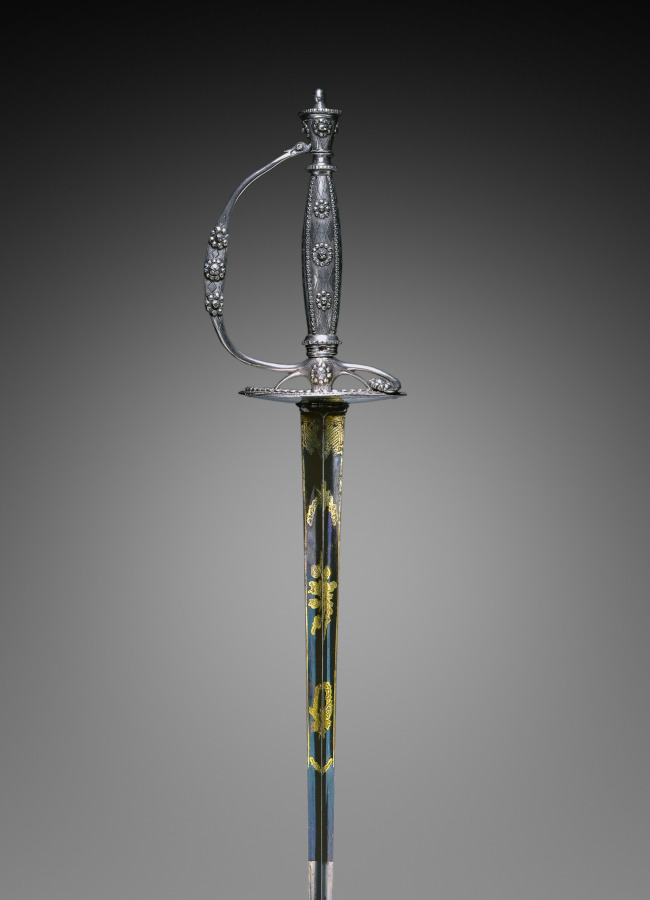
Small Sword
- Date
- 1640–60
- Medium
- steel, wood, steel wire, copper, chiseled shell guard; blade: blued, gilded, pierced and engraved
- Culture
- Germany, Passau (?), 17th century
- Department
- Medieval Art
- Institution
- Cleveland Museum of Art
During the 1700s, the small-sword emerged as a light, quick weapon. Like the rapier it was carried by unarmored civilians, the noblemen of the upper classes. Over time this delicate sword became more an accessory of male attire than a weapon essential to life and death. The sword hilt, which shows even when the blade is sheathed, became the ground for elaborate decoration. These small-swords thus represent the final stage in the evolution of the sword, from the edged weapons of antiquity to the elegantly refined blades of the 1700s and 1800s. This small sword has a veritable panoply of animal imagery. Men ride horses across the crossguard, the horizontal element closest to the blade, and around the pommel, the globular tip of the handle. Mythical animals feature prominently on the guard, the semi-circular piece that covered the knuckles.
The authoritative record is held by Cleveland Museum of Art. LinkedCulture surfaces this object and its connections; it does not alter institutional metadata.
Related across collections
Semantically similar works from Cleveland Museum of Art and other institutions.
Small Sword
Cleveland Museum of Art
Small Sword
Cleveland Museum of Art
Small Sword
Cleveland Museum of Art
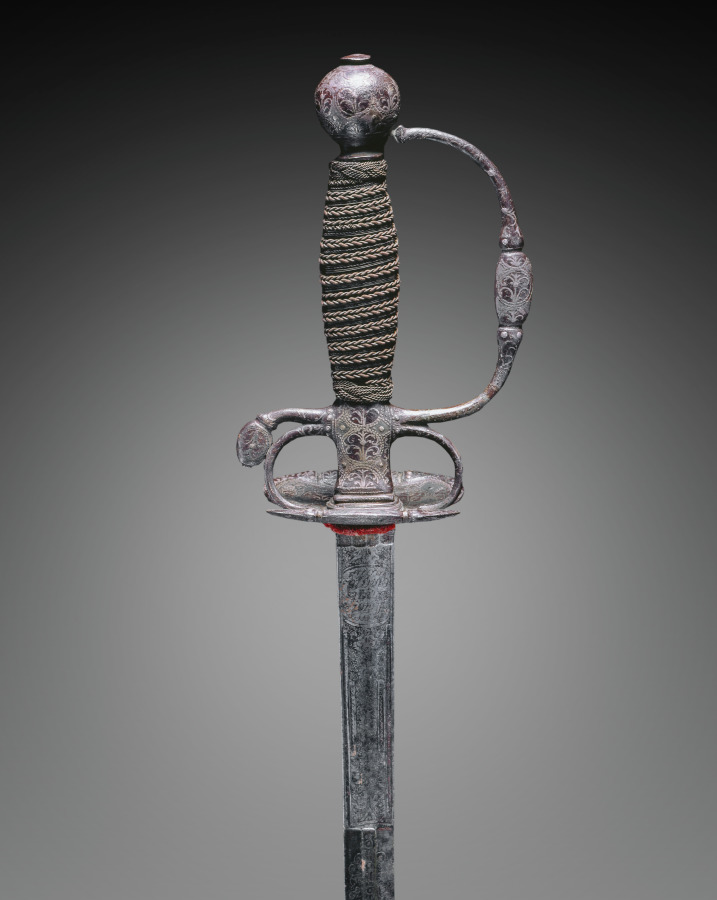
Small Sword
Cleveland Museum of Art
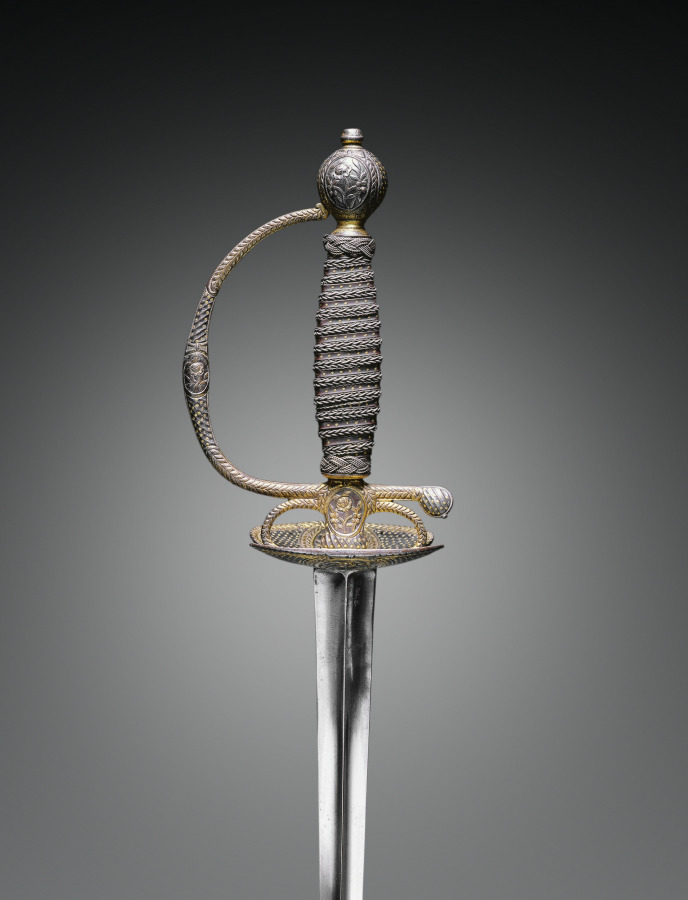
Small Sword
Cleveland Museum of Art
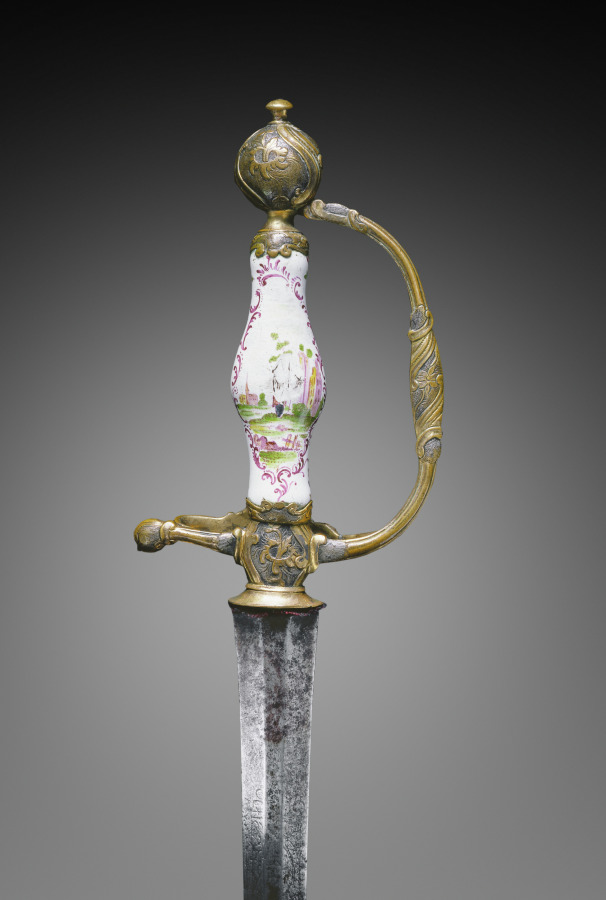
Small Sword
Cleveland Museum of Art
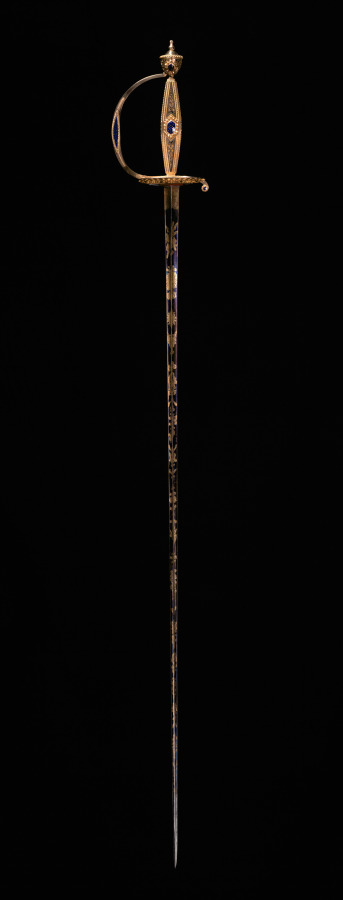
Small-Sword
Cleveland Museum of Art
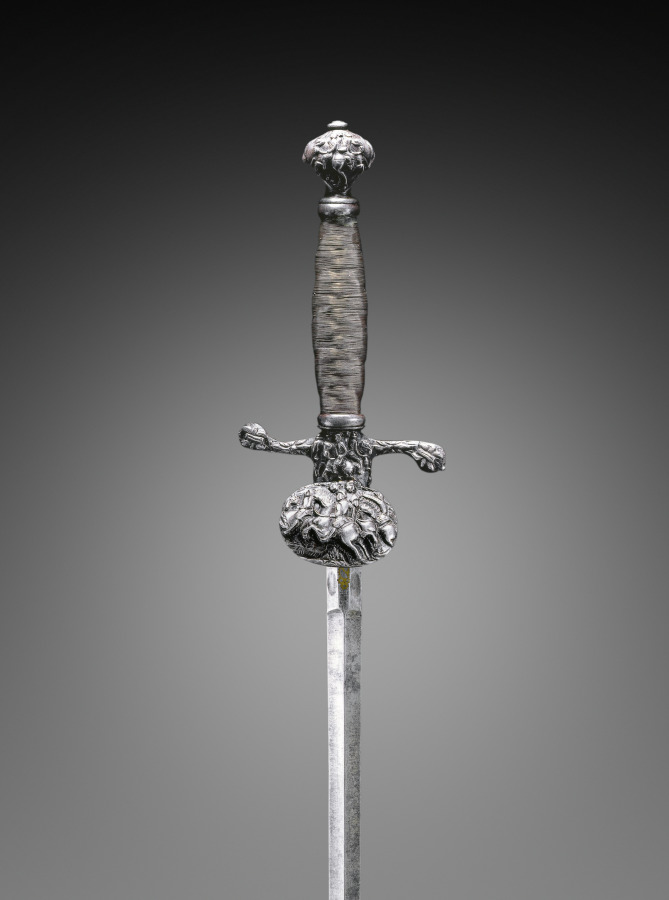
Small Sword
Cleveland Museum of Art
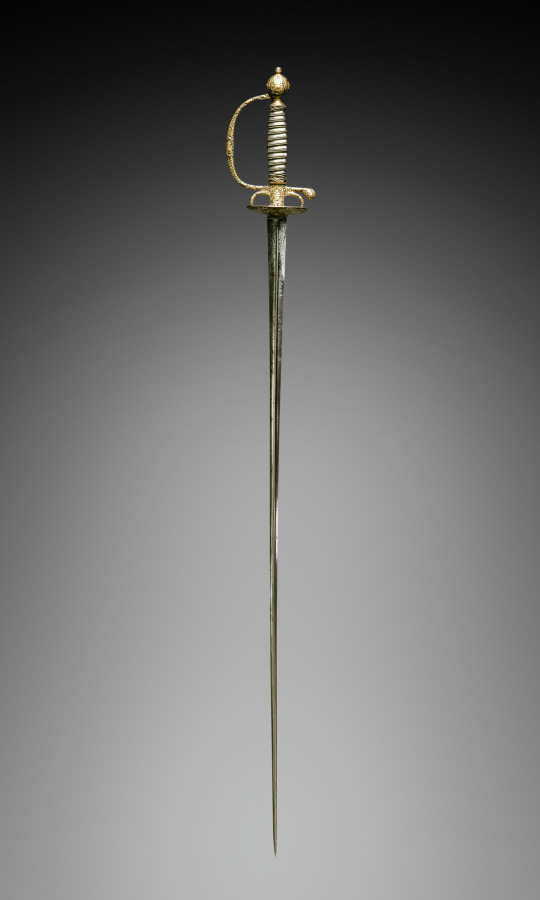
Smallsword
Cleveland Museum of Art
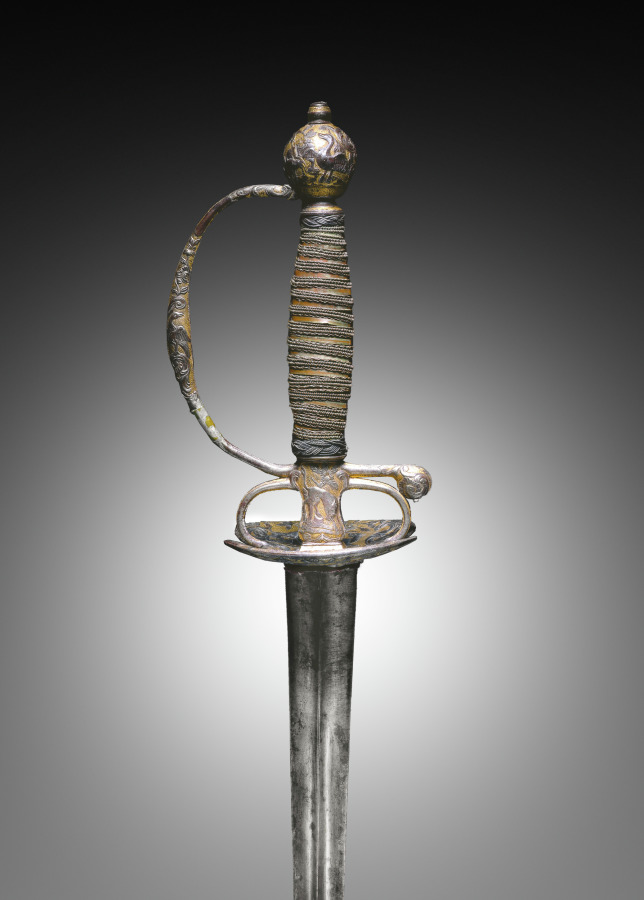
Small Sword
Cleveland Museum of Art
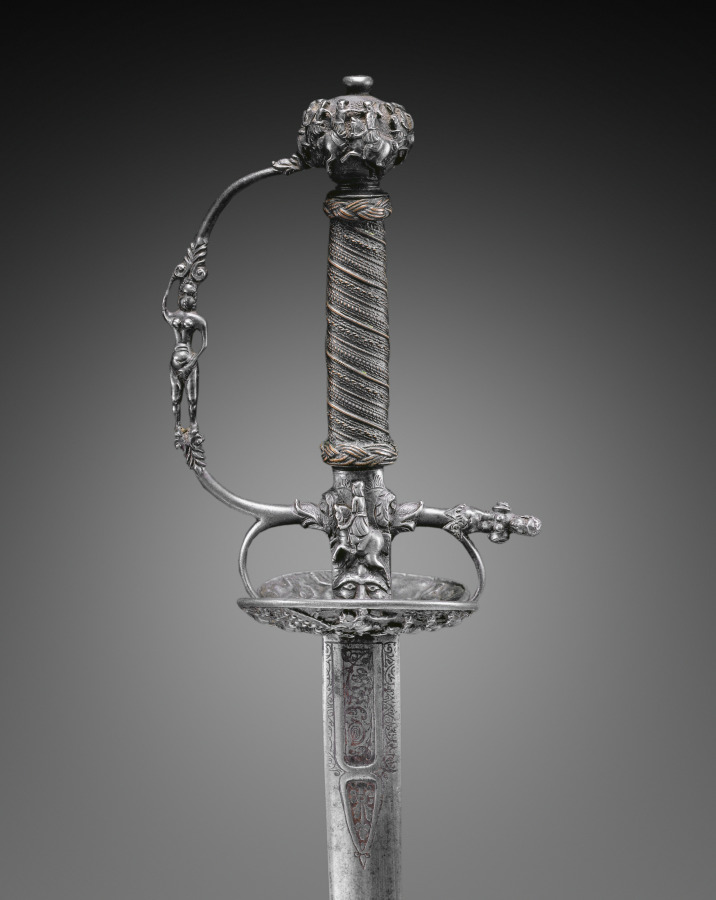
Small Sword
Cleveland Museum of Art
Court Sword
Cleveland Museum of Art