Cleveland Museum of Art
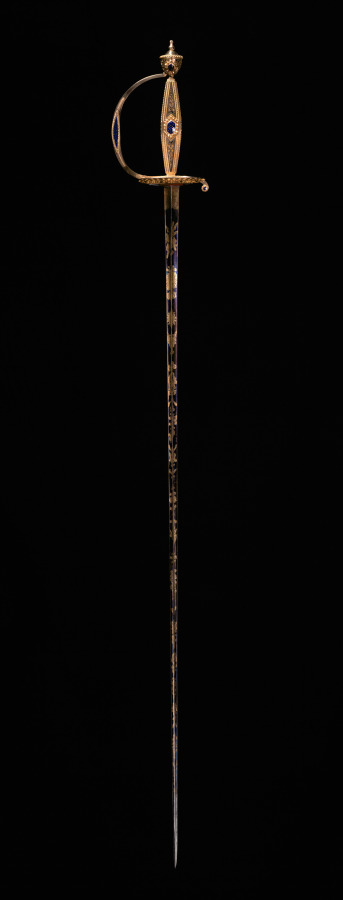
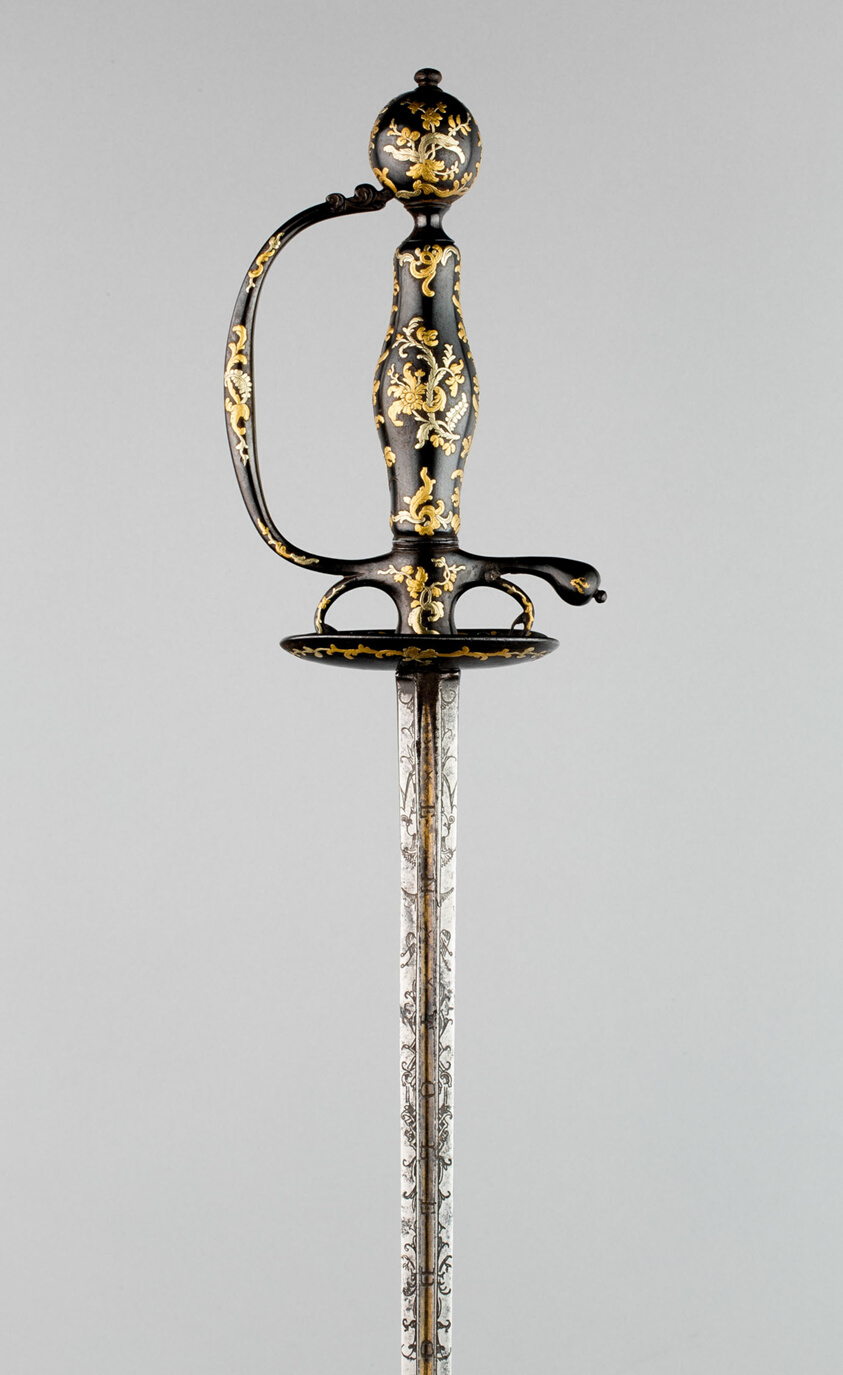
Small-Sword
- Date
- c. 1790–1800
- Medium
- hilt: gold with blue translucent enamel; blade: etched, blued and gilded steel
- Culture
- Switzerland, Geneva(?) (blade: Germany, Solingen, early 18th c.), late 18th Century
- Department
- Medieval Art
- Institution
- Cleveland Museum of Art
This example shows the small-sword at its latest and most refined stage of development. Though highly reflective of French taste, it was probably fashioned in a Swiss workshop under French influence or by a French craftsman working in Switzerland. Worn publicly as an emblem of social rank, this sword was likely custom-made for an affluent individual to use on formal or court occasions. So-called because of its short blade, the small-sword emerged as the light and quick weapon of choice for aristocratic civilians during the 1700s. Such a sword was traditionally suspended at about mid-thigh from the left side of a belt, the hilt exposed through the opening of the gentleman's coat. Highly visible, the hilt invited lavish decoration through precious materials such as gold and enamels, as seen here. Considered a type of masculine jewelry at that time, small-swords featured a variety of hilt styles that went in and out of fashion. Many were decorated to match personal costume, and jewelers worked on the finest small-swords of the day.
The authoritative record is held by Cleveland Museum of Art. LinkedCulture surfaces this object and its connections; it does not alter institutional metadata.
Related across collections
Semantically similar works from Cleveland Museum of Art and other institutions.

Small Sword
Cleveland Museum of Art

Smallsword
Cleveland Museum of Art
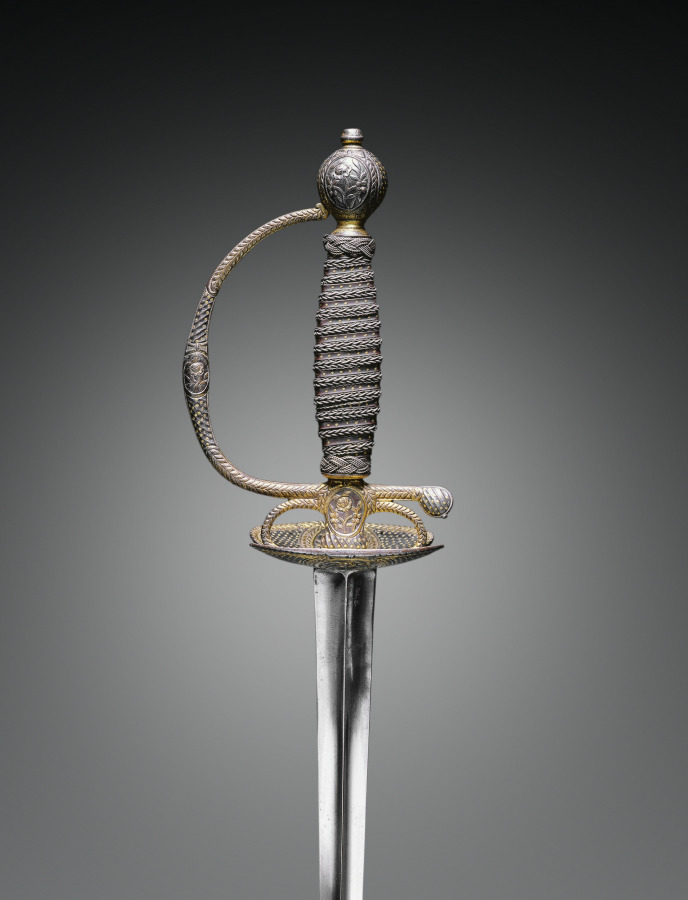
Small Sword
Cleveland Museum of Art

Small Sword
Cleveland Museum of Art

Small Sword
Cleveland Museum of Art

Small Sword
Cleveland Museum of Art

Small Sword
Cleveland Museum of Art

Small Sword
Cleveland Museum of Art
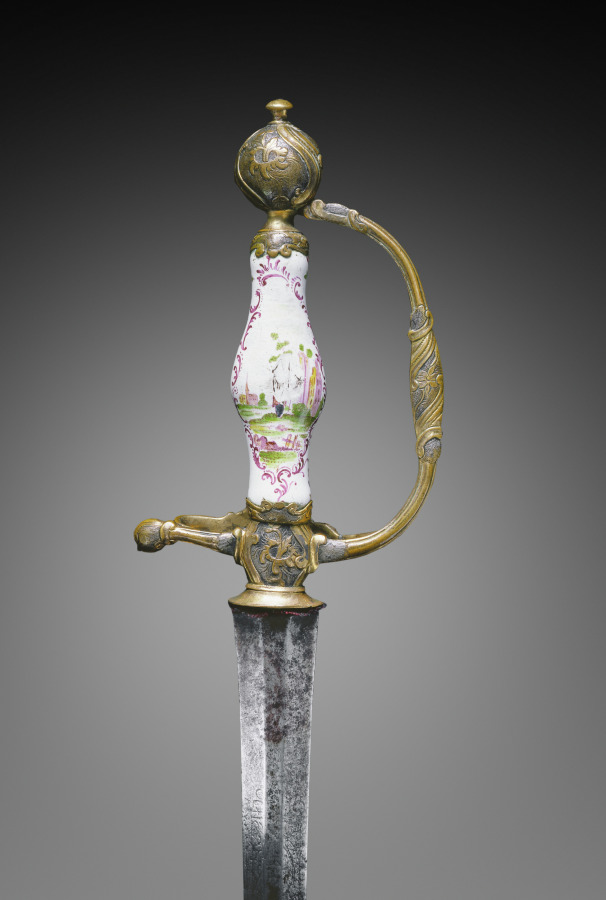
Small Sword
Cleveland Museum of Art

Small Sword
Cleveland Museum of Art
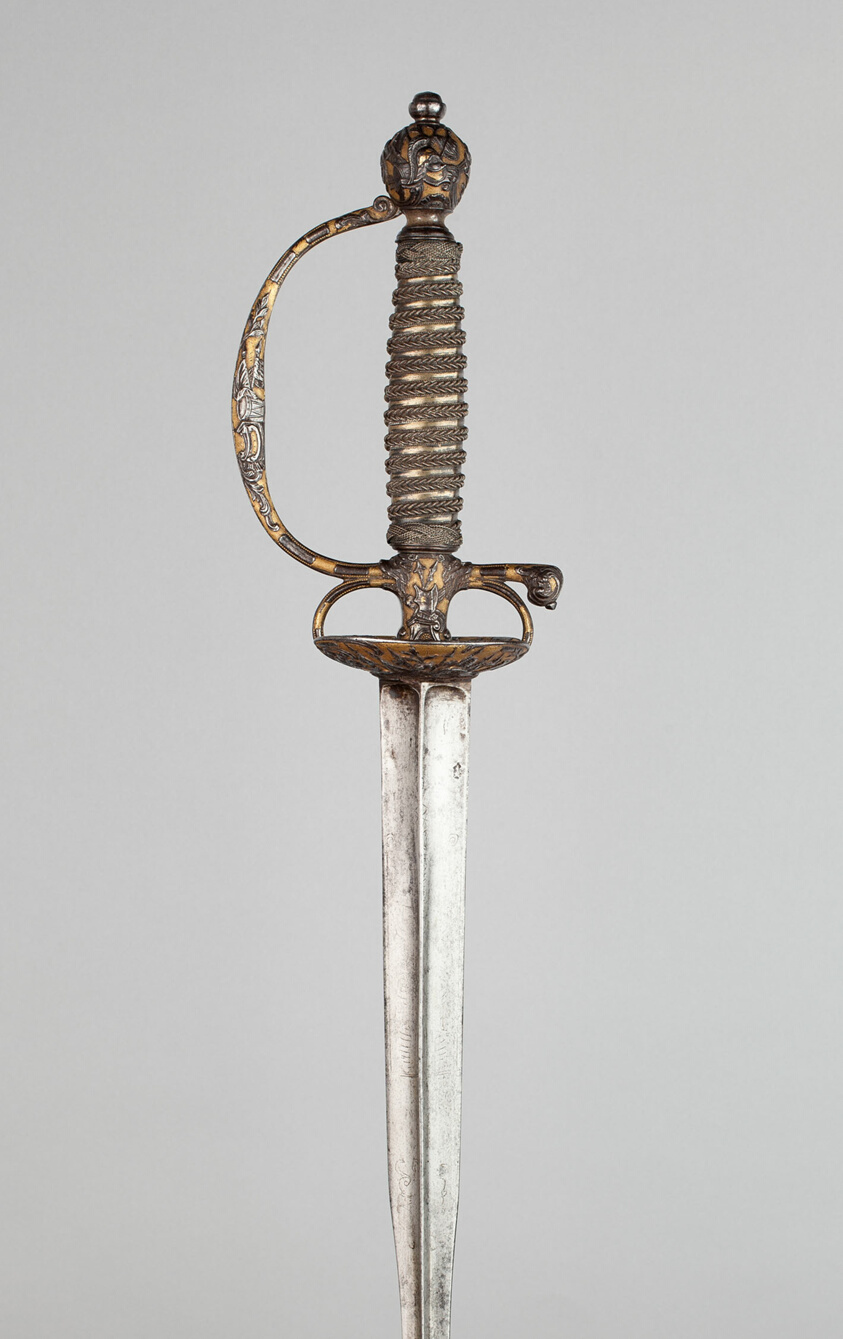
Smallsword
Art Institute of Chicago
Smallsword
Art Institute of Chicago