Cleveland Museum of Art
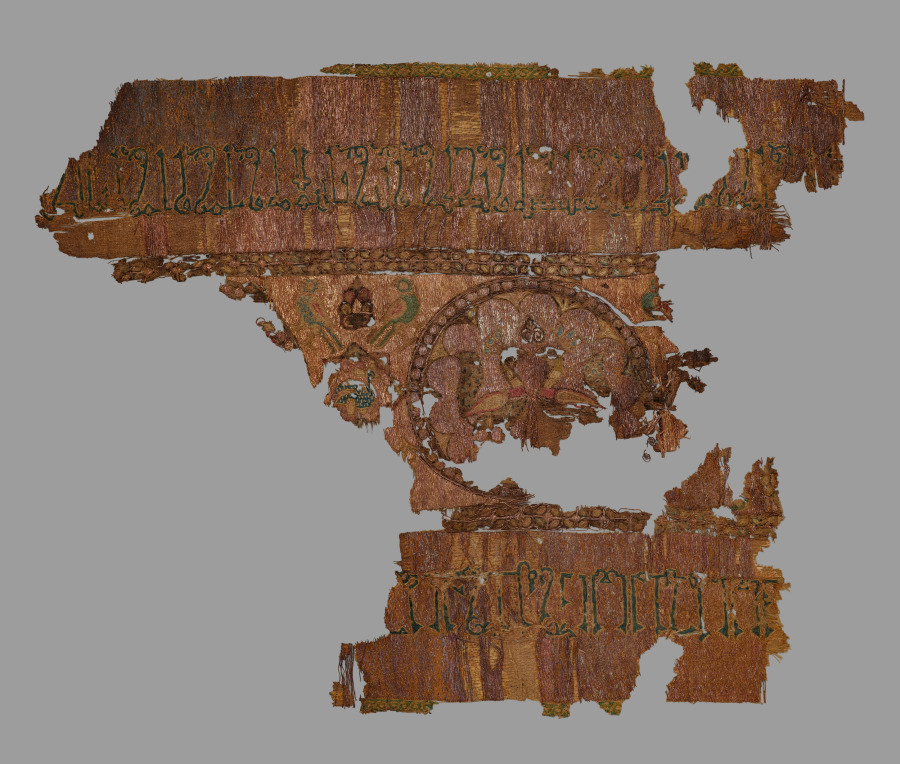
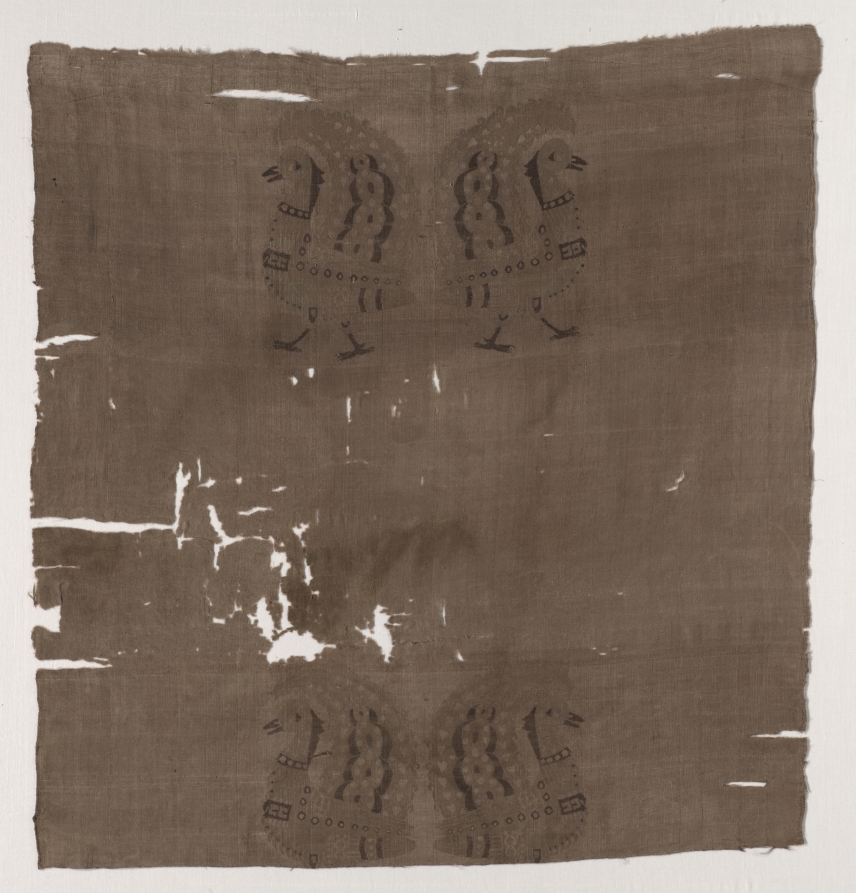
Fragment with peacocks and inscription
- Date
- 1000–1100s
- Medium
- Silk warp and cotton weft (mulham): plain weave; silk, gilt, and silver thread: embroidery, couched and split stitches
- Culture
- Iraq, probably Baghdad, Seljuq period
- Department
- Textiles
- Institution
- Cleveland Museum of Art
One of the stories in "The Thousand and One Nights" is of a slave girl named Zumurud who lived in Khurasan and embroidered curtains with designs of animals and birds in colored silk and gold threads. Sumptuous embroideries were not only commissioned by rulers, caliphs, and court officials but also widely exported. Today, less than a dozen fragments of these rich embroideries survive. All are worked on "mulham," a fabric having silk warps and cotton wefts that was a specialty of Iran and Iraq. With the exception of the Cleveland Museum of Art's fragment CMA 1952.257 , which was found in Baghdad, all of the known examples were preserved until the 1900s in Egyptian graves and refuse heaps. The design is arranged in three broad bands; the top and bottom have two opposing lines of Kufic inscription and the center has roundels.
The authoritative record is held by Cleveland Museum of Art. LinkedCulture surfaces this object and its connections; it does not alter institutional metadata.
Related across collections
Semantically similar works from Cleveland Museum of Art and other institutions.
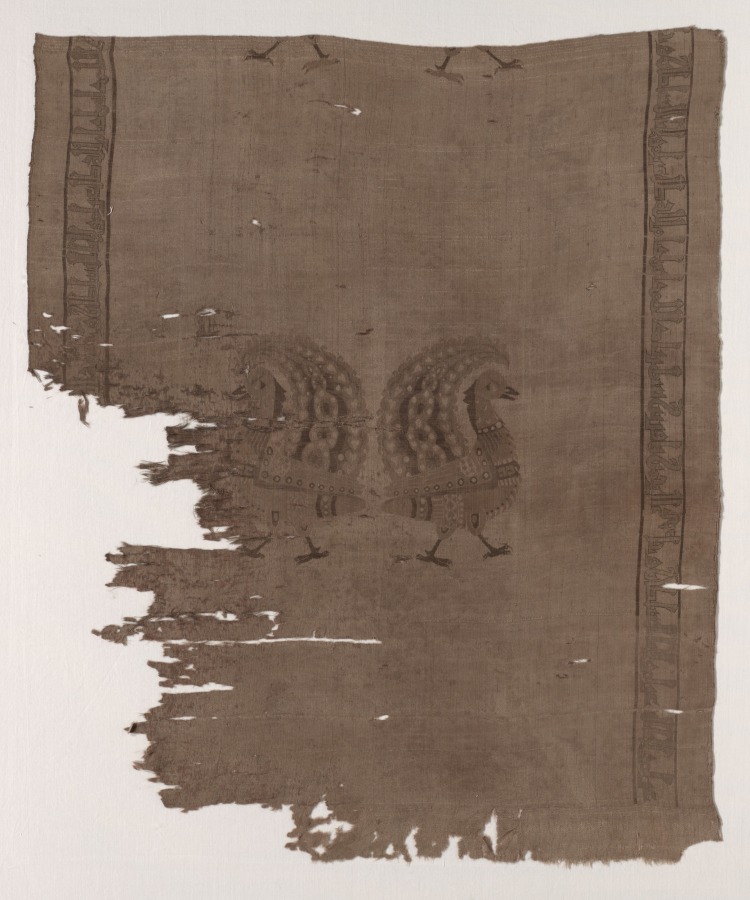
Fragments with peacocks and inscriptions
Cleveland Museum of Art
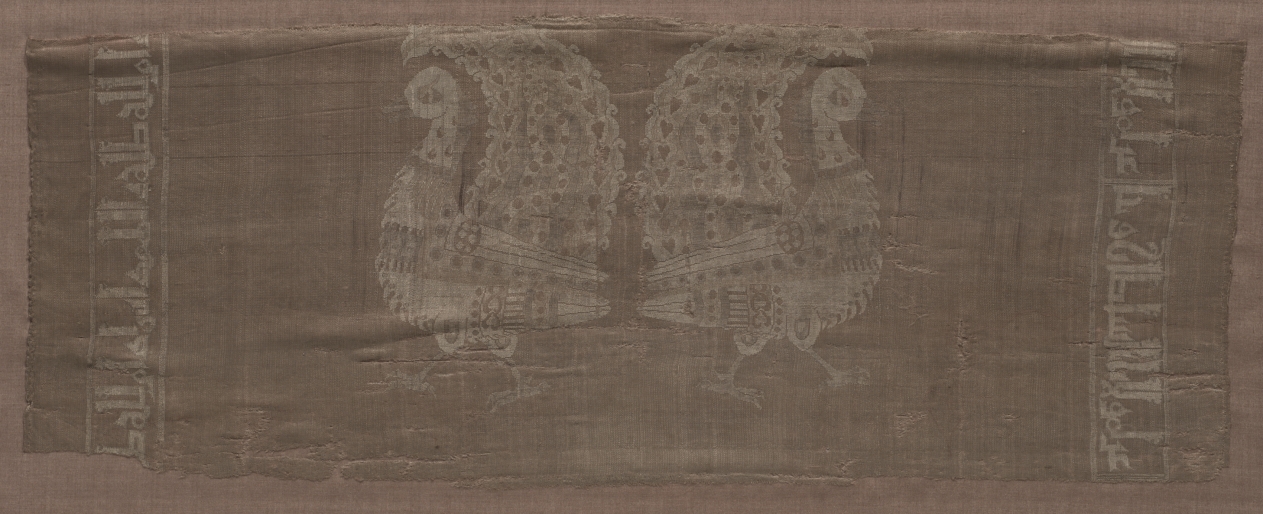
Fragment with peacocks and inscriptions
Cleveland Museum of Art
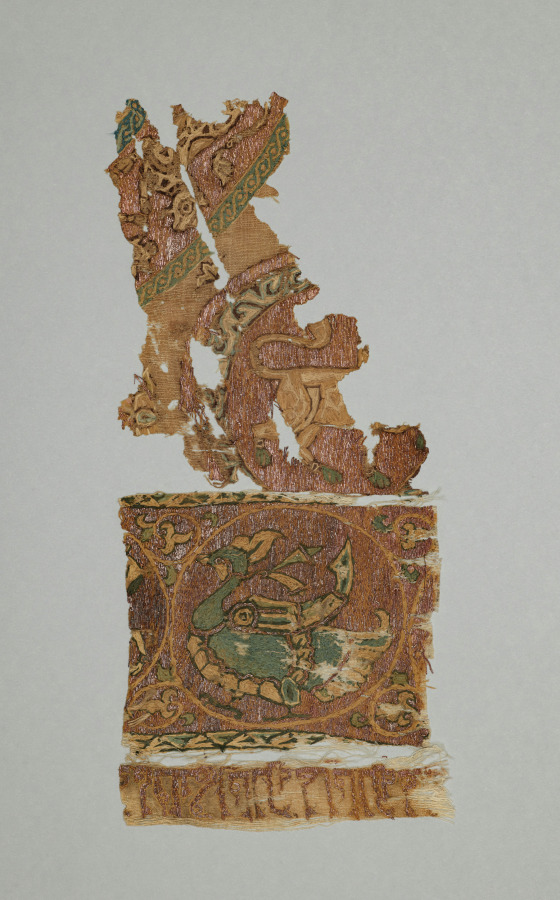
Embroidered border and field of animals in large roundels
Cleveland Museum of Art
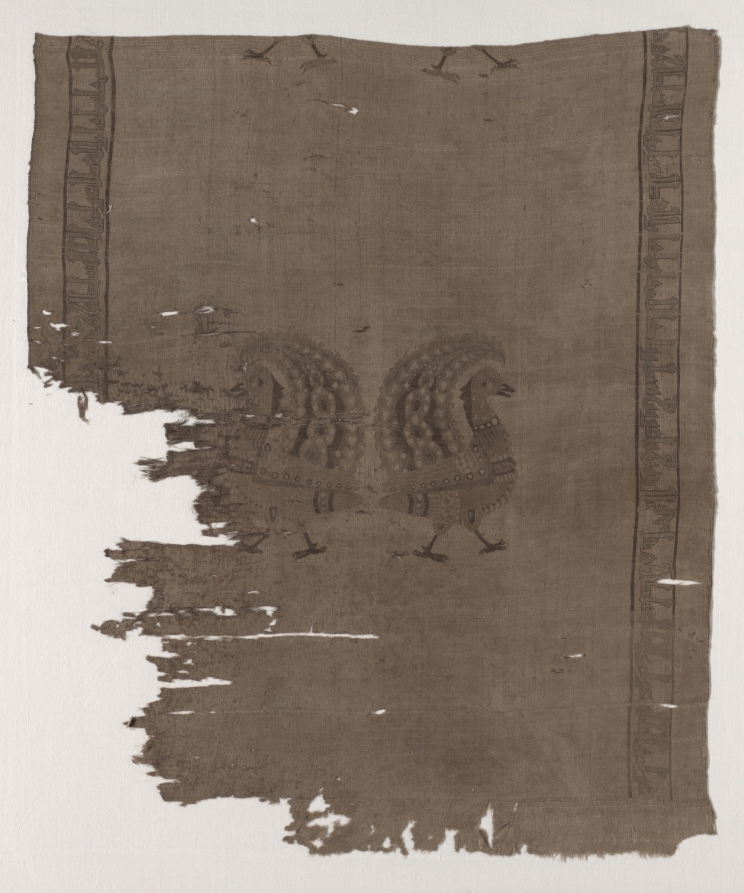
Fragment with peacocks and inscriptions
Cleveland Museum of Art
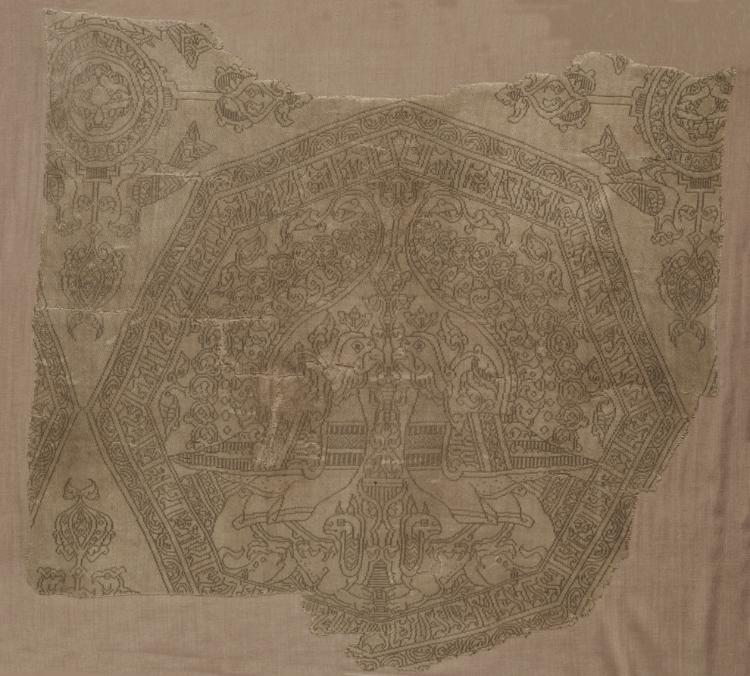
Fragment with Inscription
Cleveland Museum of Art
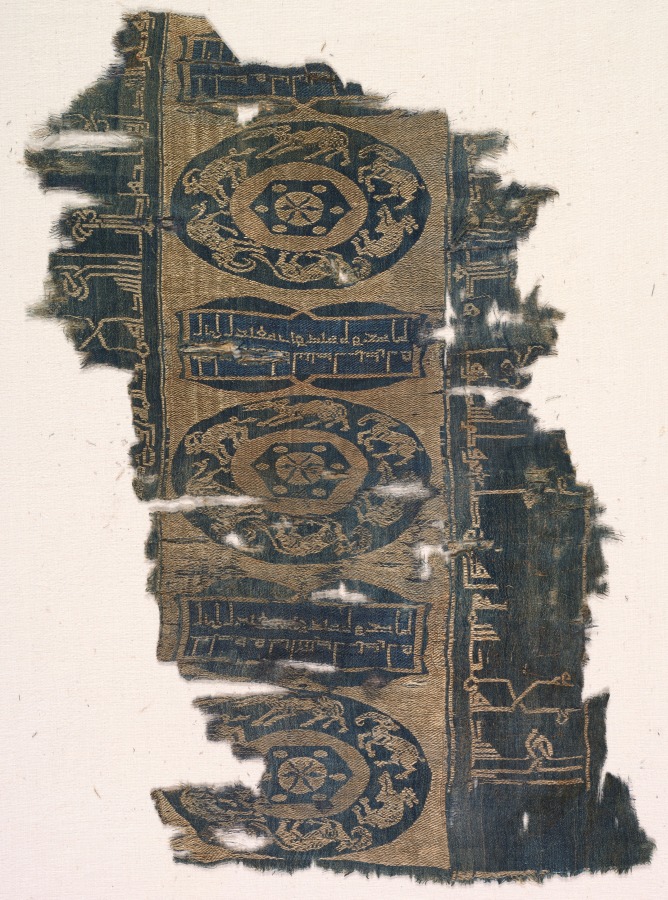
Fragment with running animal roundels and kufic inscriptions
Cleveland Museum of Art
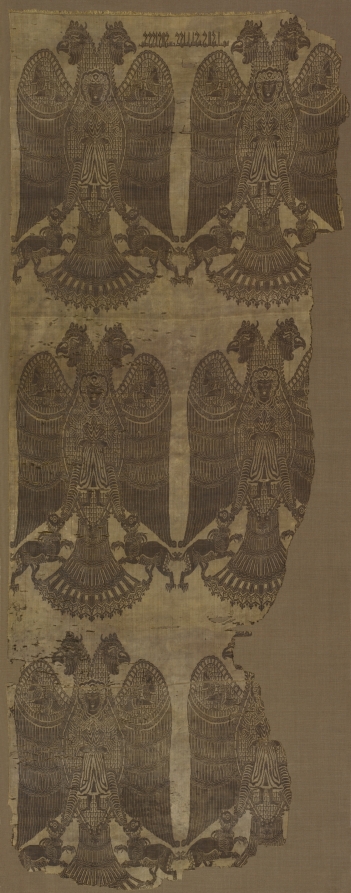
Fragment with Inscription
Cleveland Museum of Art
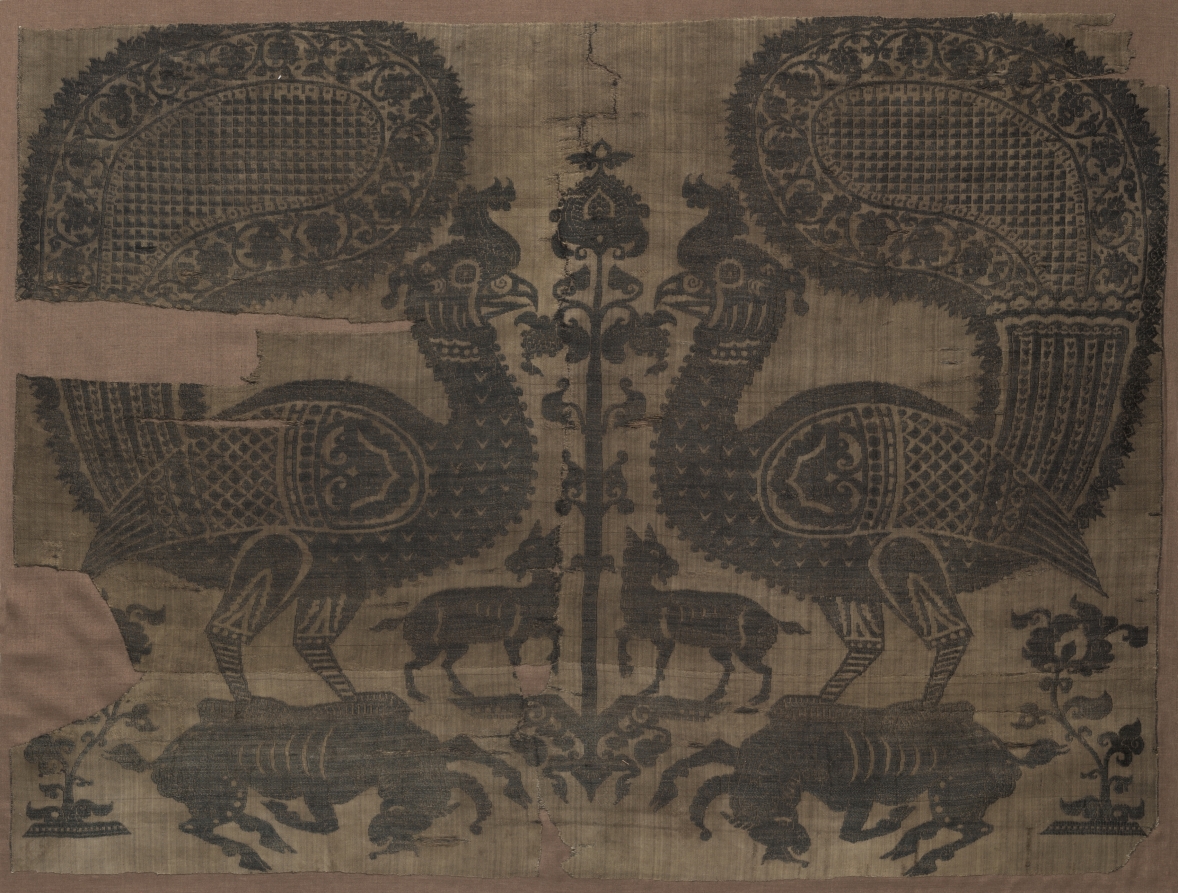
Fragment
Cleveland Museum of Art
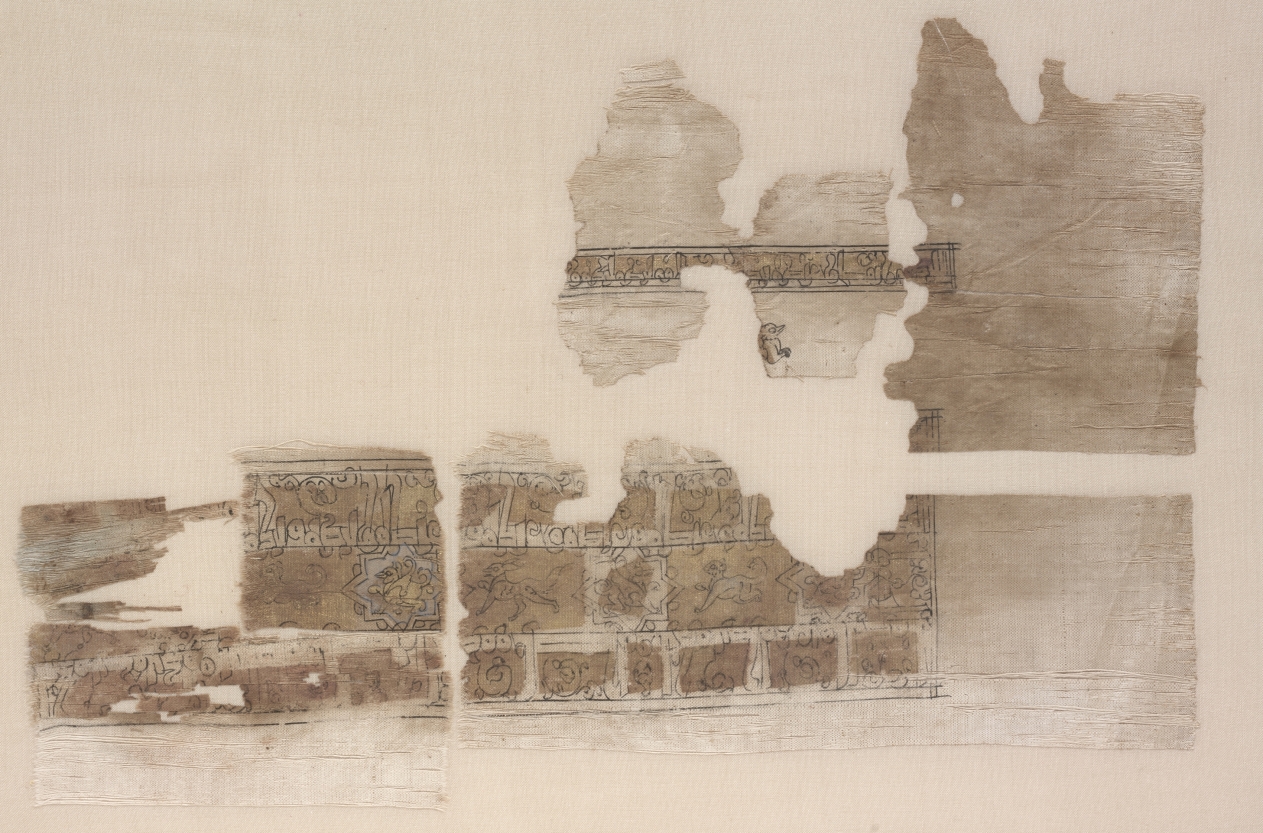
Fragment with tripartite band
Cleveland Museum of Art
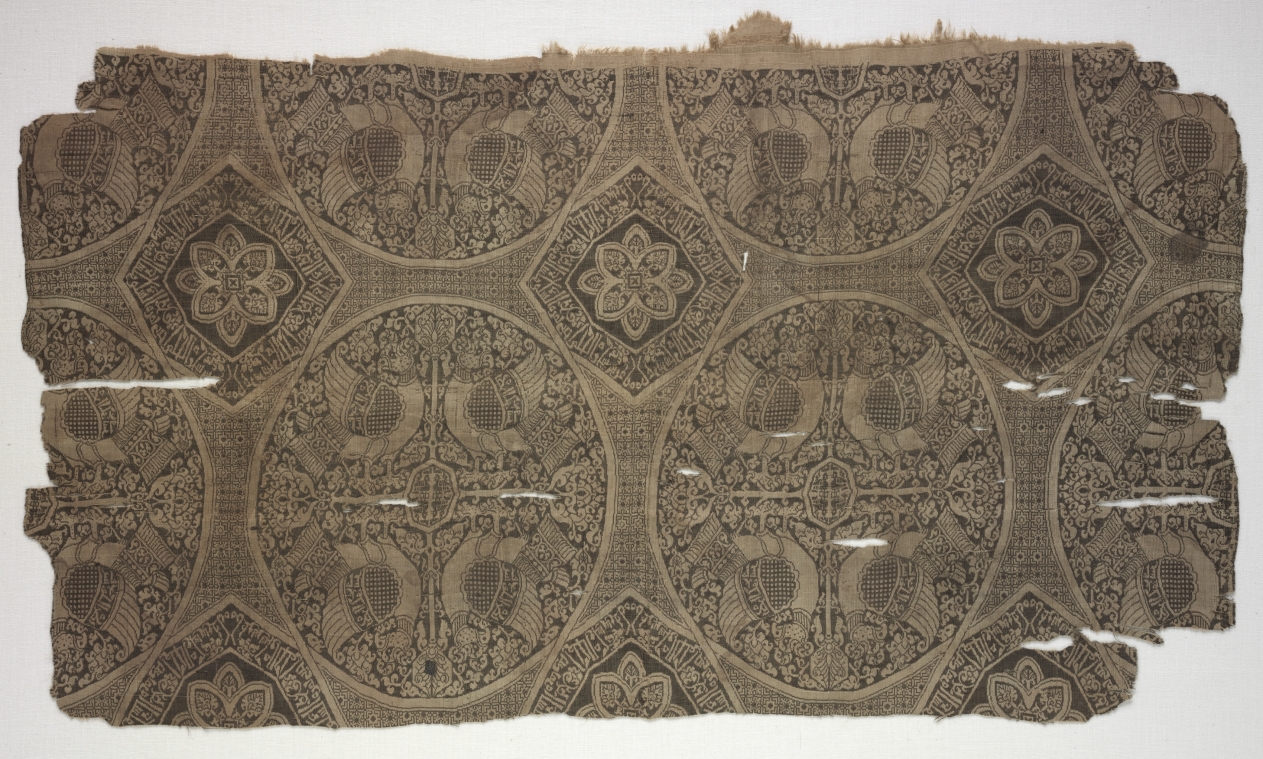
Fragment
Cleveland Museum of Art
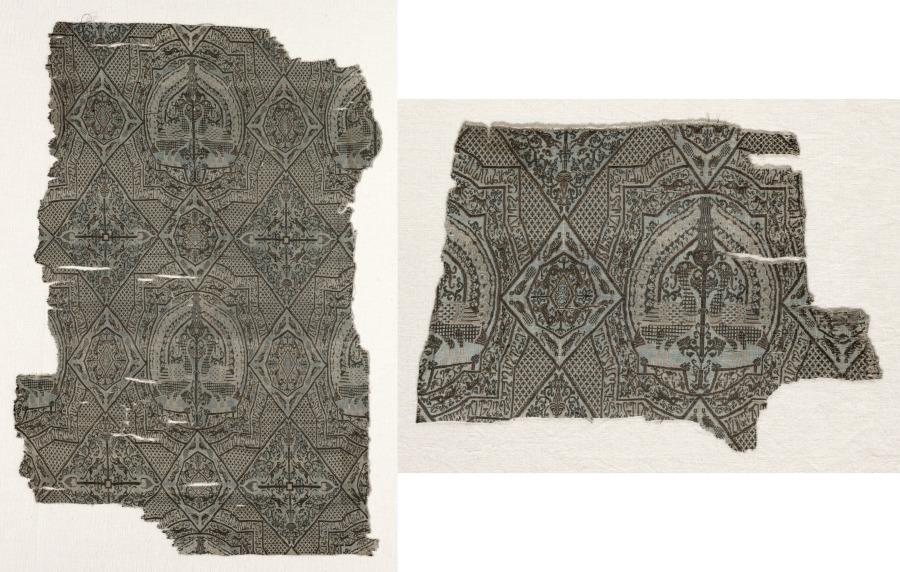
Fragments
Cleveland Museum of Art
Fragment with peacocks
Cleveland Museum of Art