Cleveland Museum of Art
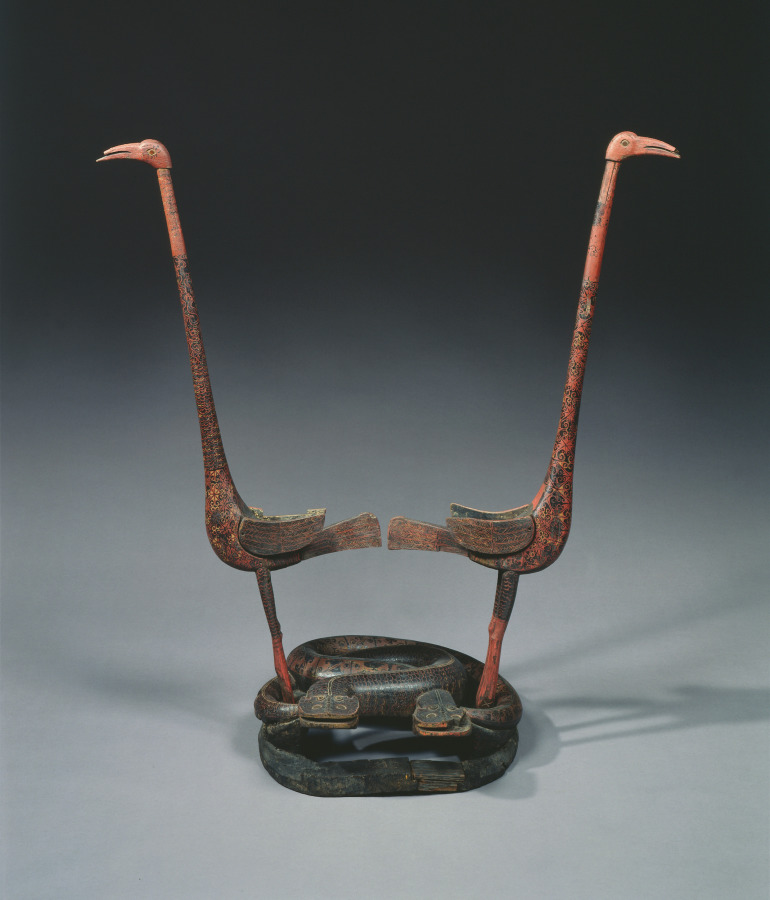
Cranes and Serpents
- Date
- 475–221 BCE
- Medium
- lacquered wood with polychromy
- Culture
- China, reportedly from Hunan province, Changsha, Warring States period (475–221 BCE), State of Chu (c. 1046–223 BCE)
- Department
- Chinese Art
- Institution
- Cleveland Museum of Art
A different style of ritual art developed in the state of Chu in South China. In addition to bronze vessels, lacquered wood artifacts expanded the repertory of ritual implements. This extraordinary sculpture was probably a drum stand for supporting a suspended drum in ritual ceremonies. It is unique among other excavated drum stands of the Chu, which typically show two birds standing on tigers. The theme of the bird stepping on the serpent was common in the Chu visual culture. Yet the slender proportions and seemingly flimsy structure of this particular set raise the question of whether it was utilitarian or mostly served symbolic functions in the tomb. The birds' and serpents' bodies have designs painted in red lacquer and yellow pigment against the black lacquer. Scientific analyses confirm the additional use of a blue or green pigment that has been discolored over time. The cranes' long necks allowed a lightweight drum to be suspended from strings through the beaks, while the densely intertwined snakes provided a weighty base to stabilize the object during musical performances.
The authoritative record is held by Cleveland Museum of Art. LinkedCulture surfaces this object and its connections; it does not alter institutional metadata.
Related across collections
Semantically similar works from Cleveland Museum of Art and other institutions.
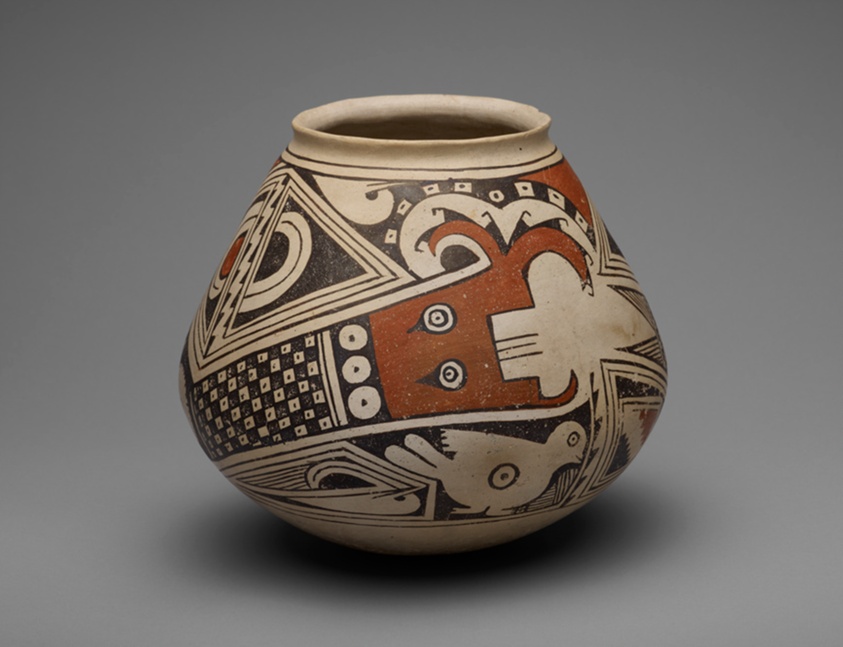
Jar with Two Plumed or Horned Serpents with Birds and P-shaped Motifs
Art Institute of Chicago
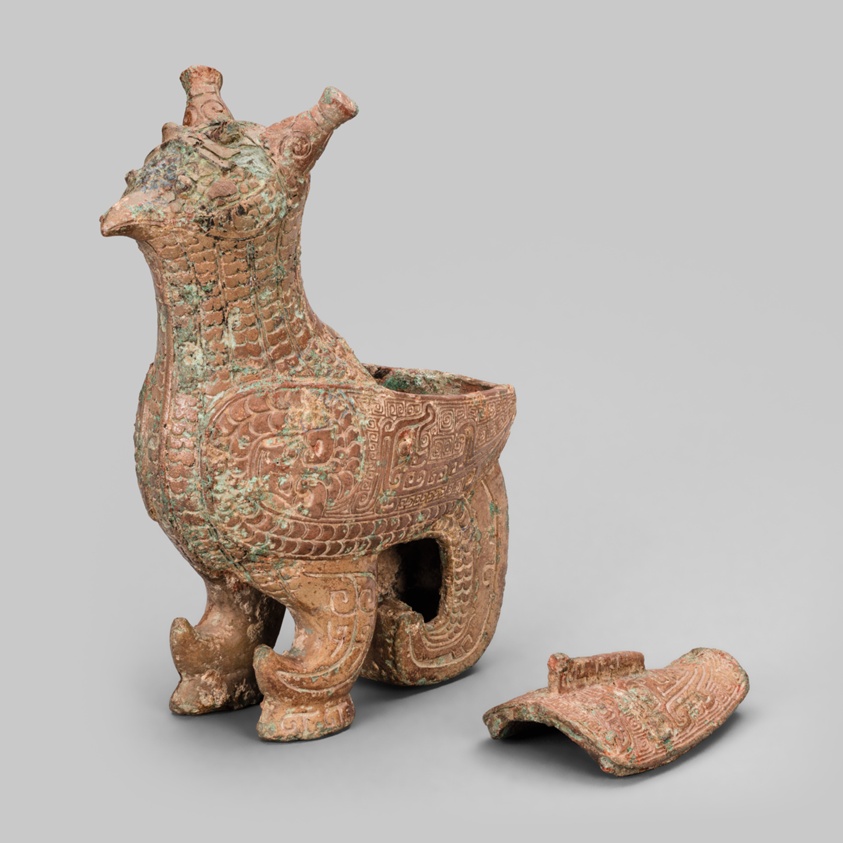
Bird-Shaped Container (zun)
Art Institute of Chicago
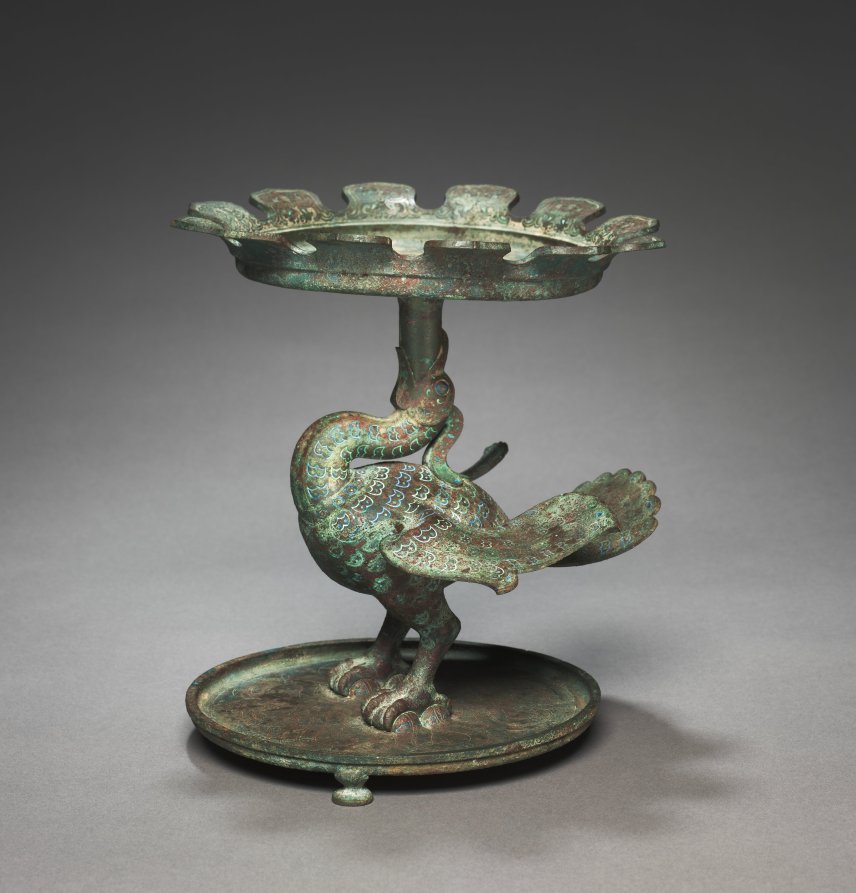
Shallow Basin Supported by a Bird (Bian)
Cleveland Museum of Art
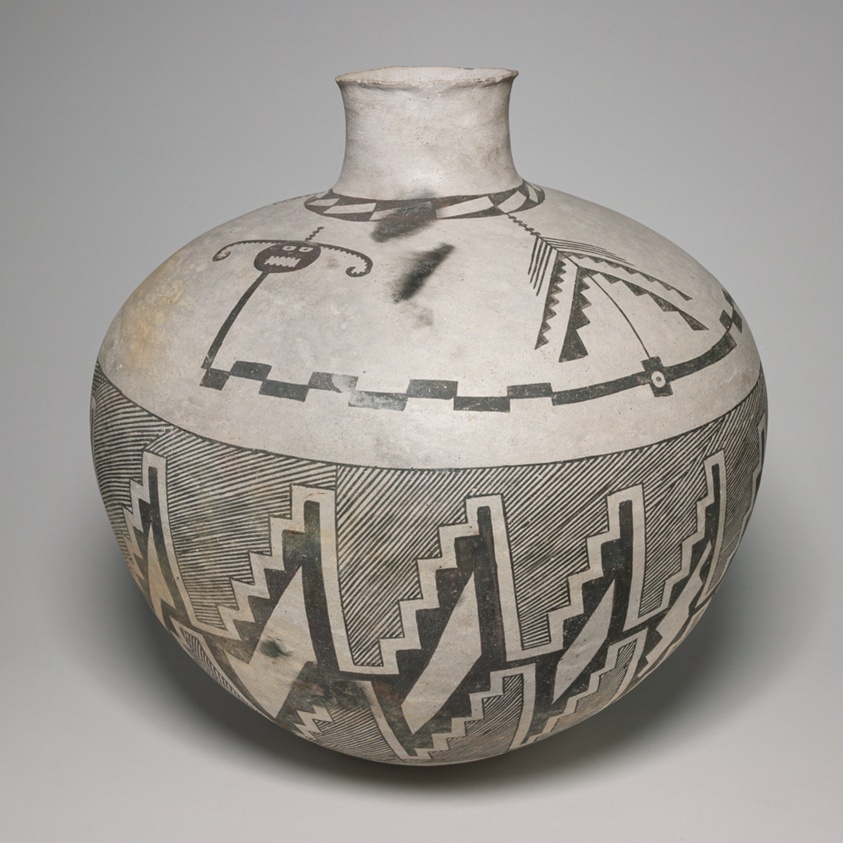
Jar with Horned Serpents and Interlocking, Hatched-and-Black Stepped Designs
Art Institute of Chicago

Figurine of a female court attendant
Minneapolis Institute of Art
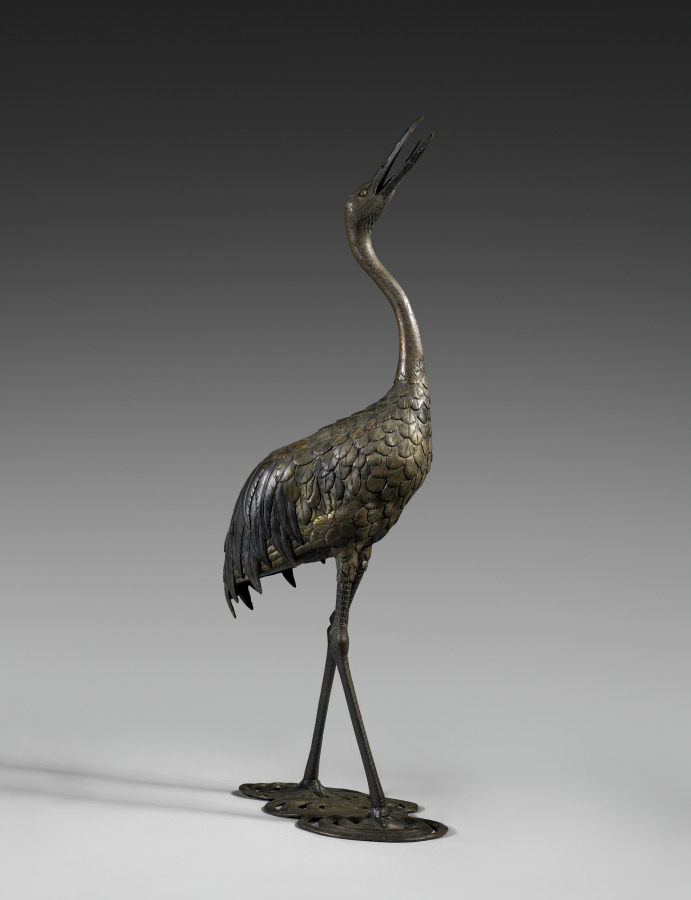
Crane
Cleveland Museum of Art
Equestrian Male, from the tomb sculpture set: Two Equestrian Figures, One Male with a Tall, Elaborately Embellished Hat, One Female with Hair in a Topknot, Both with Pointed Boots, and Hands Positioned to Hold the Reins of their Standing, Saddled Horses
Harvard Art Museums
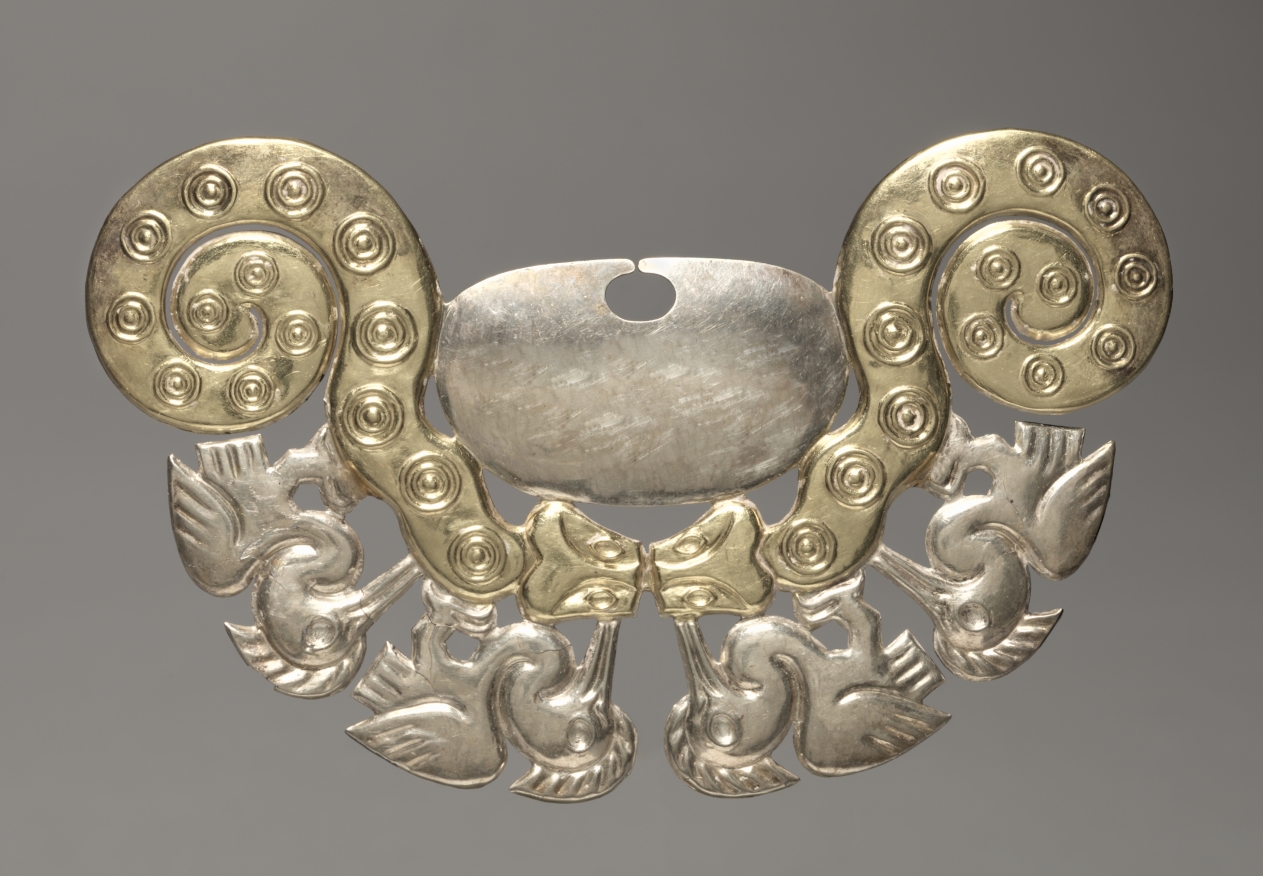
Nose Ornament with Serpents and Long-necked Birds
Cleveland Museum of Art
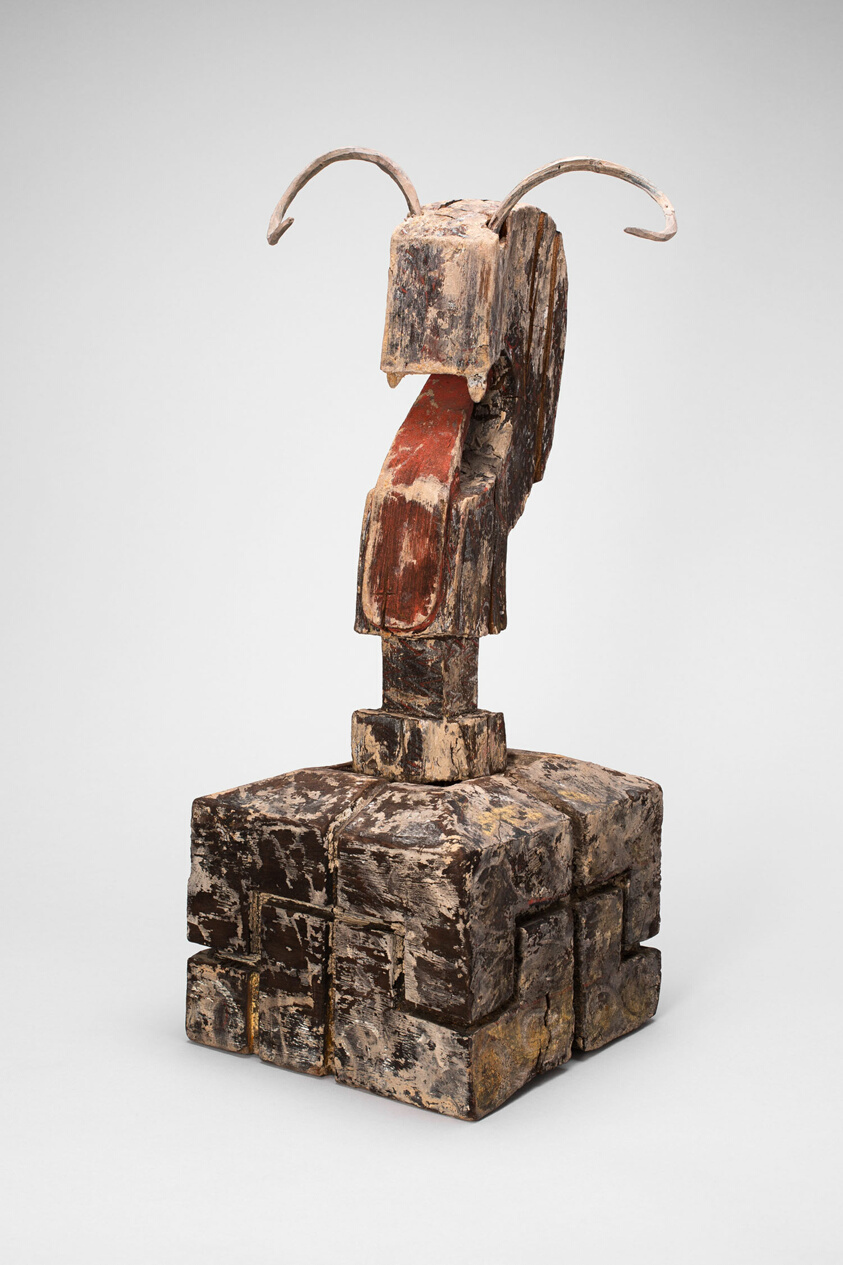
Grave Guardian Beast (Zhenmu Shou)
Art Institute of Chicago
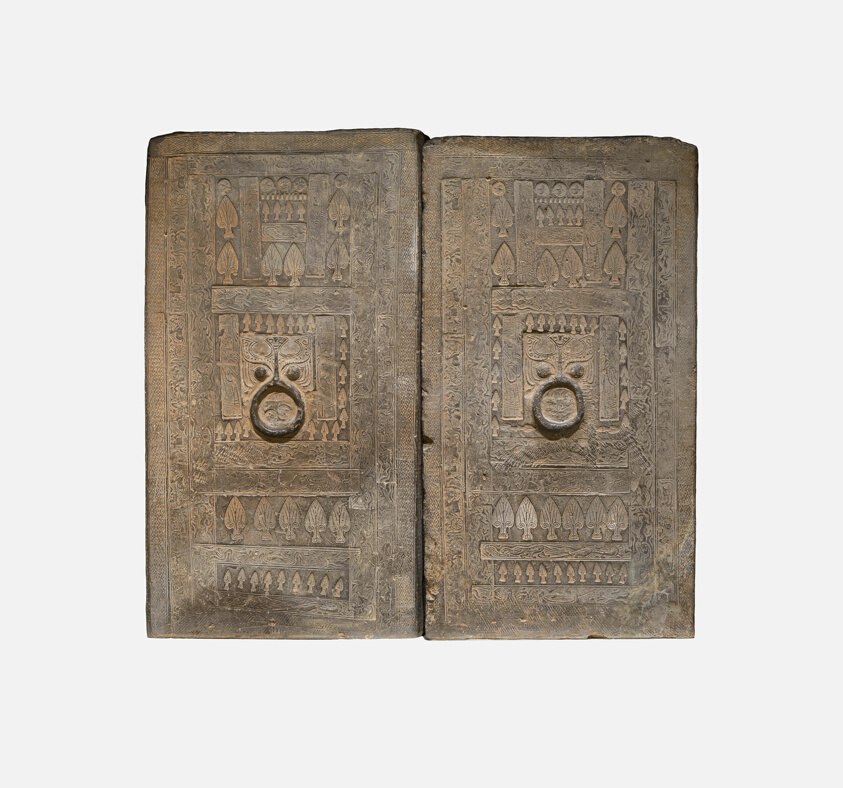
Pair of Tomb Chamber Doors
Art Institute of Chicago
Tomb Figurine in the Form of a Standing, Plump Court Lady with Upturned, Pointed Shoes and an Elaborate Coiffure, Her Hands in a Gesture at Chest Level
Harvard Art Museums
Drum Stand, from the tomb sculpture set: Kneeling Female Figure Beating a Circular Drum on a Stand in the Form of a Kneeling Human with a Bird's Beak (or Wearing a Bird Mask)
Harvard Art Museums