Cleveland Museum of Art
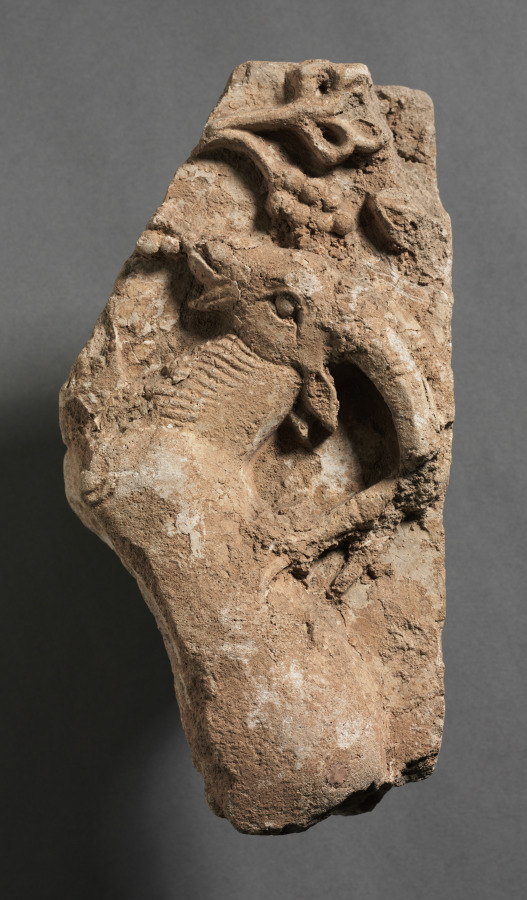
Ibex Eating
- Date
- c. 400–600 CE
- Medium
- stucco (gypsum plaster) with traces of paint
- Culture
- Iran, Sasanian Empire (224–651 CE)
- Department
- Egyptian and Ancient Near Eastern Art
- Institution
- Cleveland Museum of Art
From about 224 CE until about 650 CE, the Sasanian kings ruled a rich and powerful empire that stretched from Iran and Iraq to Afghanistan and Georgia (Russia). The Sasanians, named for Sasan, their first king, controlled parts of the lucrative Silk Route, and with their accrued wealth they built great palaces furnished with luxurious silks and lavish vessels made of silver mined in their own territories. The Sasanians were Zoroastrians—worshippers of Ahuramazda, the spirit of Good, who was in constant struggle with Evil. On some of the works of art here, the hunting scenes or the scenes of combat between two animal species or between human and animal reflect Zoroastrian beliefs. On other works, scenes of wine drinking, dancing, and other forms of revelry are similar to favorite decorations on Greek and Roman vases in pottery and precious metal. The Sasanians, who ruled the major trading routes through Central Asia, decorated their palace architecture with painted stucco. A favorite motif of many ancient Near East Cultures depicted goats standing on their hind legs to eat leaves or berries from the Tree of Life .
The authoritative record is held by Cleveland Museum of Art. LinkedCulture surfaces this object and its connections; it does not alter institutional metadata.
Related across collections
Semantically similar works from Cleveland Museum of Art and other institutions.
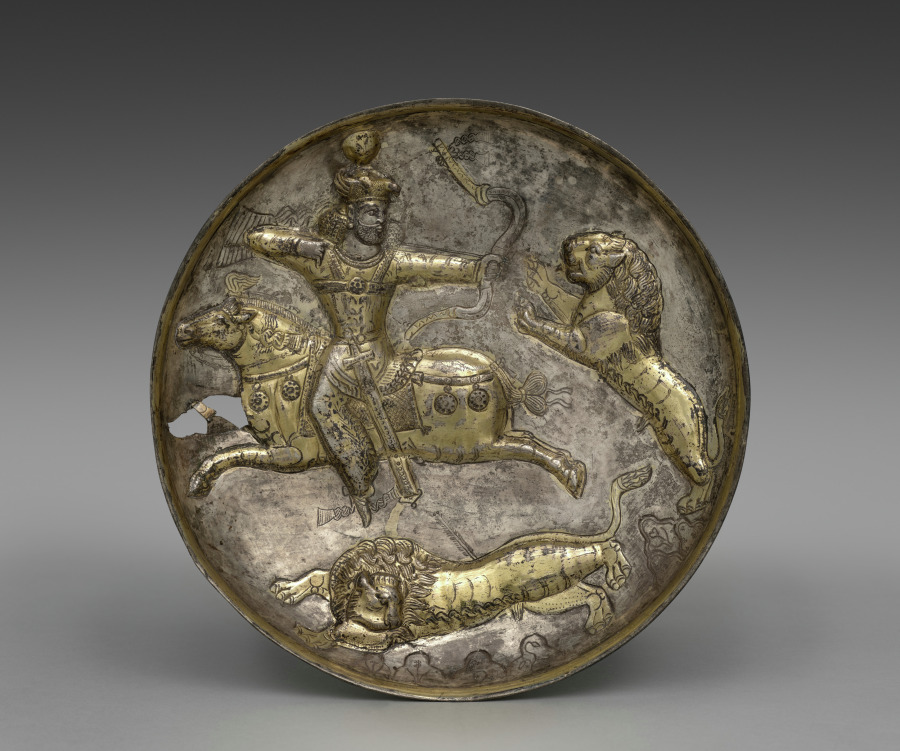
Dish with King Hormizd II or Hormizd III Hunting Lions
Cleveland Museum of Art
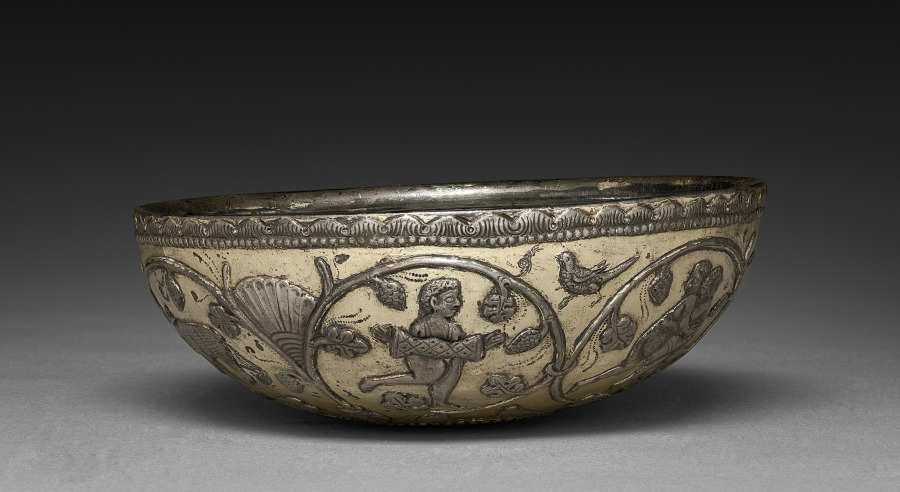
Bowl
Cleveland Museum of Art

Drachm of Yazdgird II
Getty Museum
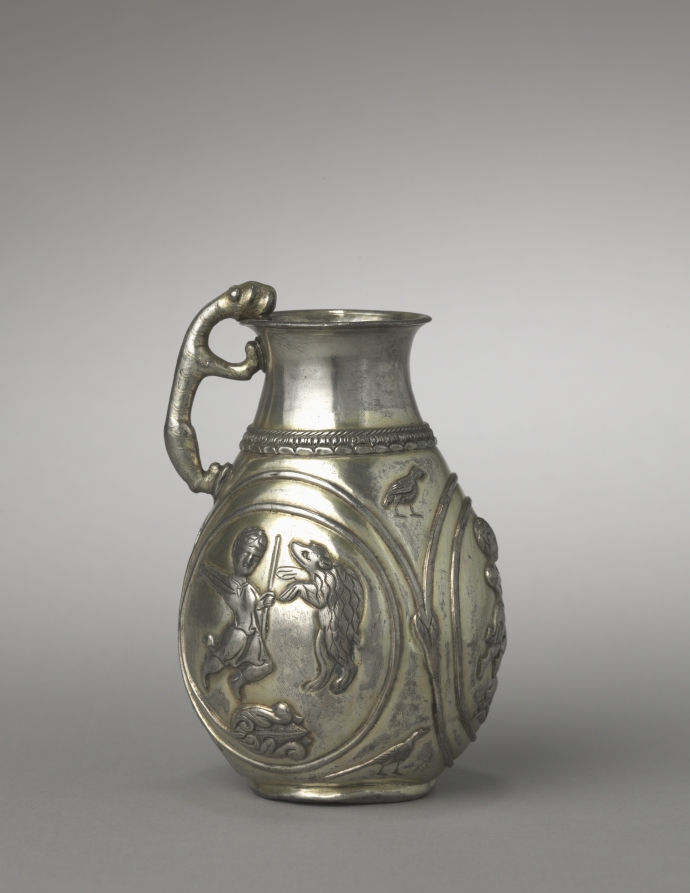
Hunt Pitcher
Cleveland Museum of Art

Drachm of Yazdgird III
Getty Museum

Drachm of Kosrow I
Getty Museum
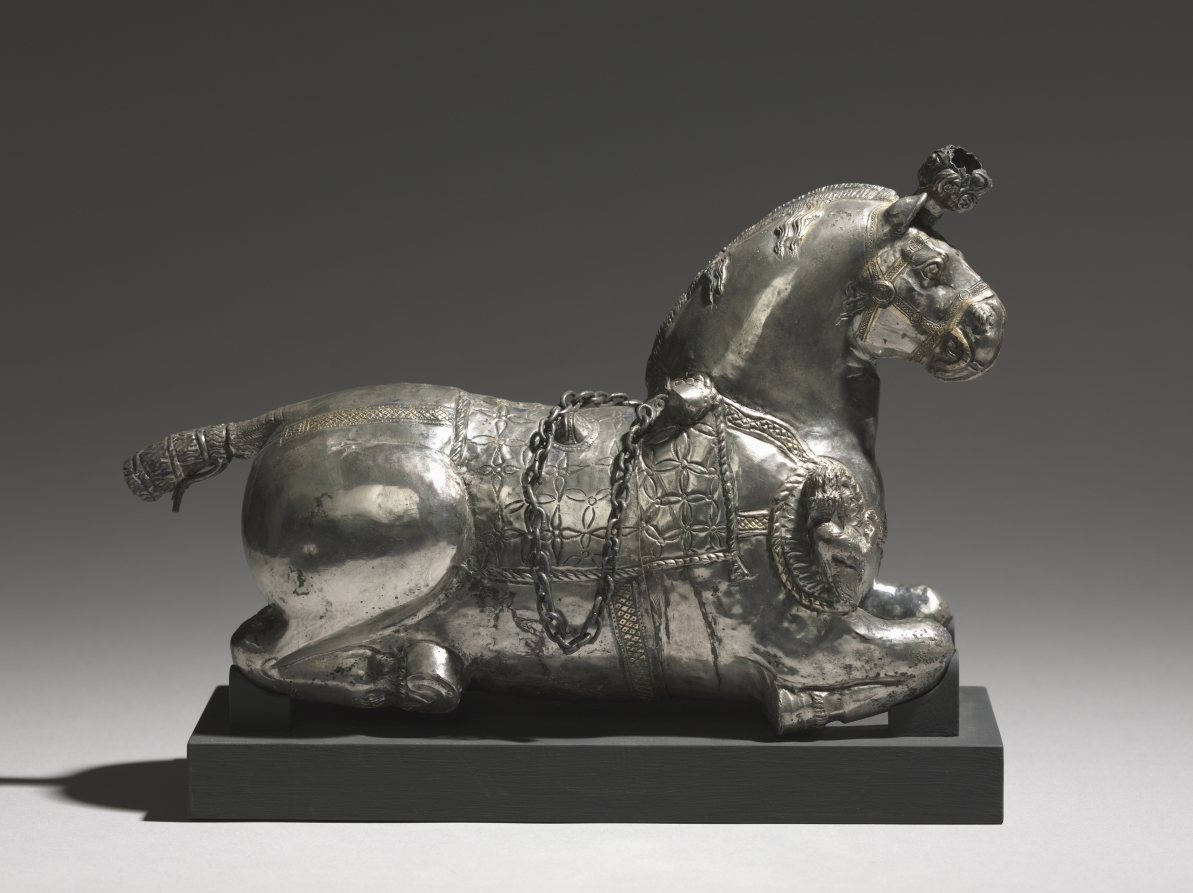
Horse-Shaped Drinking Vessel
Cleveland Museum of Art

Iskandar (Alexander the Great) Battling the Zangi
Minneapolis Institute of Art
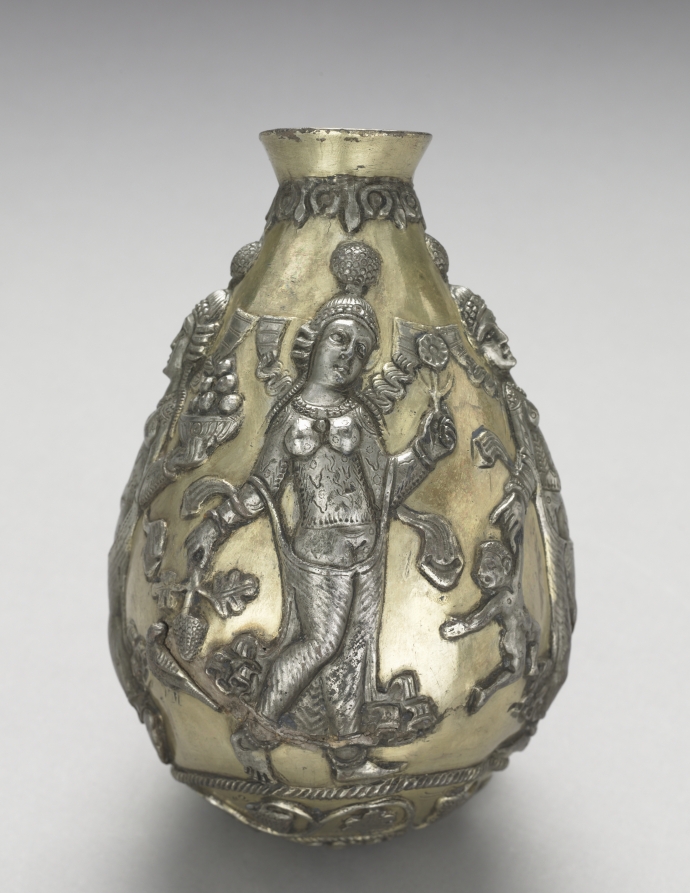
Anahita Vessel
Cleveland Museum of Art

Bowl with Leaf Calyx Medallion
Getty Museum
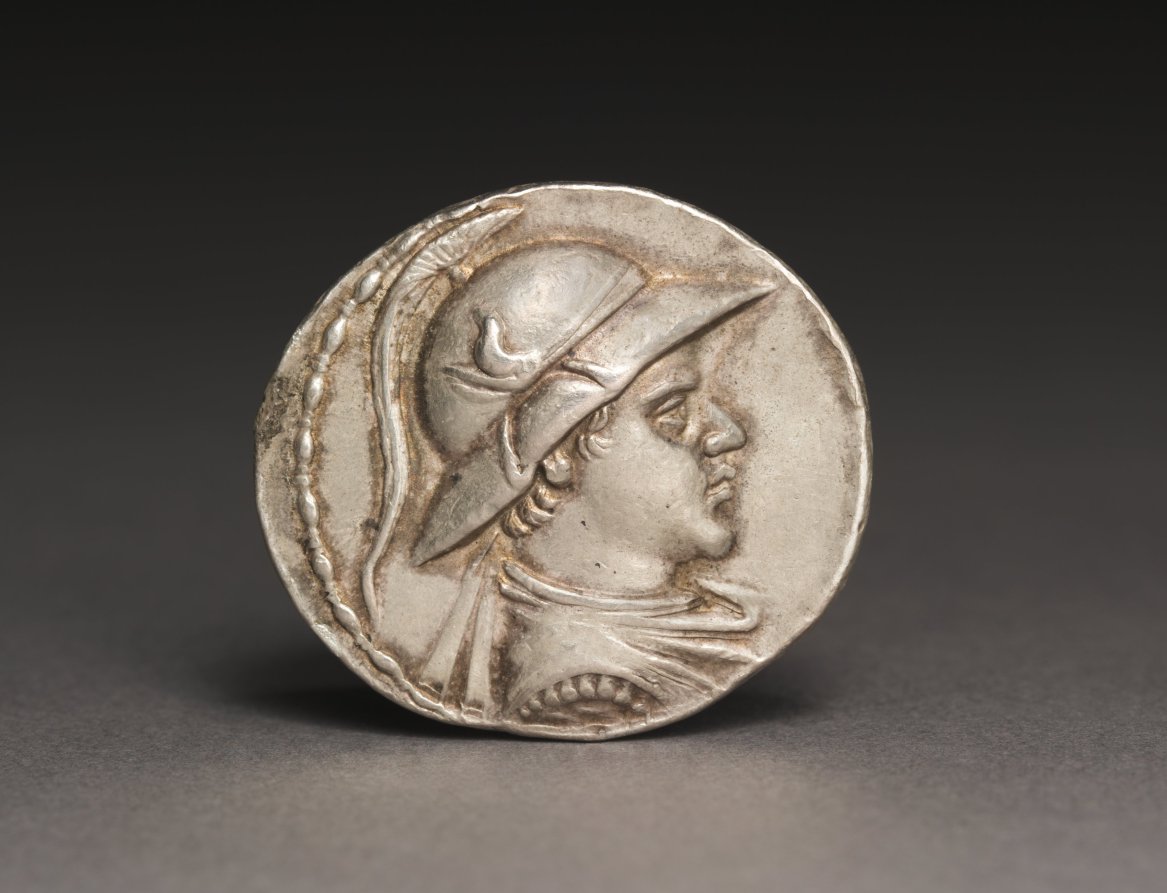
Coin of Eukratides I
Cleveland Museum of Art
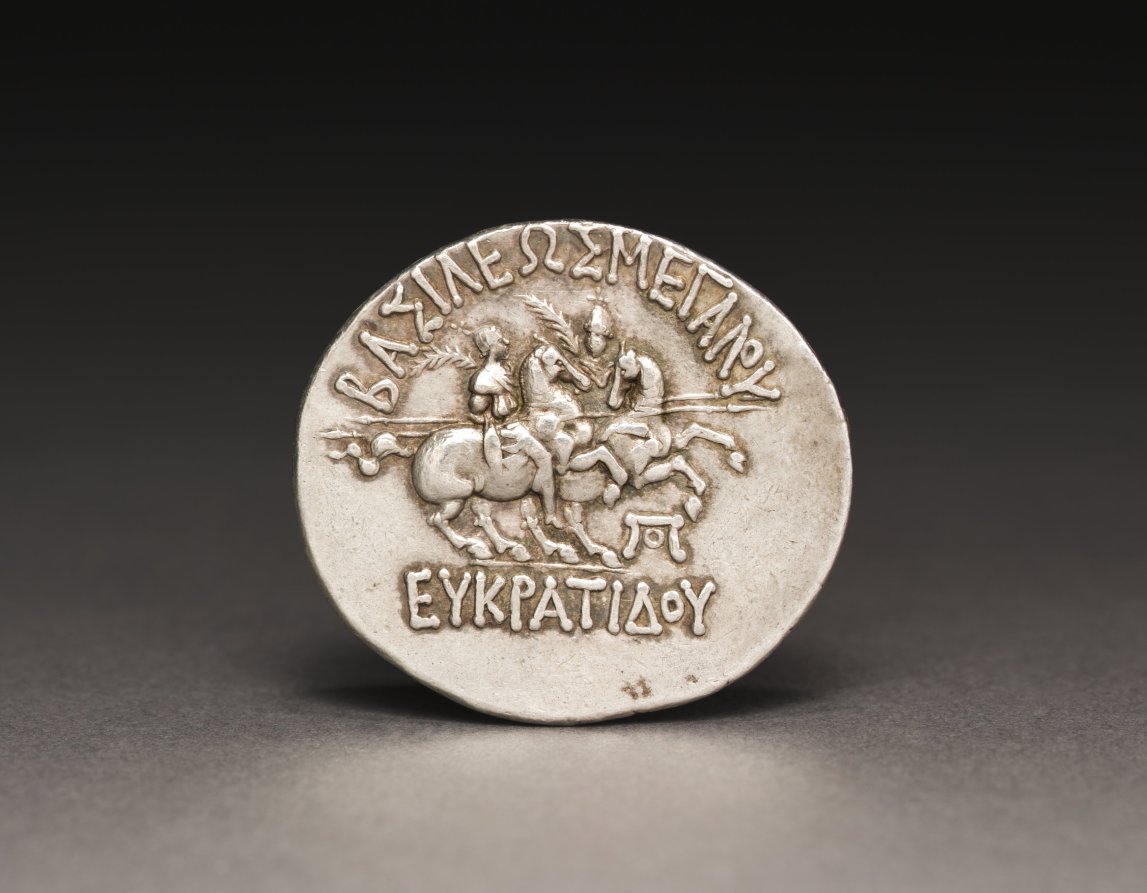
Coin of Eukratides I
Cleveland Museum of Art