Cleveland Museum of Art
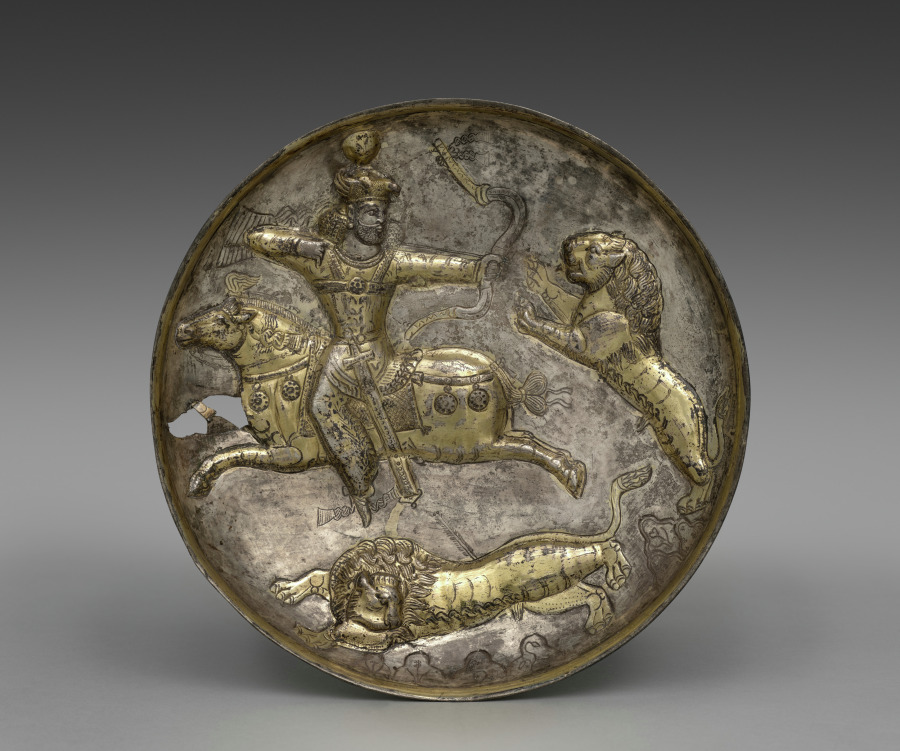
Dish with King Hormizd II or Hormizd III Hunting Lions
- Date
- 400–600 CE
- Medium
- silver gilt
- Culture
- Iran, Sasanian Empire (224–651 CE)
- Department
- Egyptian and Ancient Near Eastern Art
- Institution
- Cleveland Museum of Art
Lion hunting was a traditional royal sport in ancient Near Eastern cultures and was frequently incorporated into artwork, such as Assyrian (about 912–612 BCE) palace reliefs. Thematically, depictions of the hunt in royal artwork bridge the pre- and post-Islamic worlds. This dish features the Sasanian ruler Hormizd II (reigned 303–309 CE), identifiable by his distinctive crown. The style of the king’s and horse’s equipment suggest that this dish was made long after he died, perhaps as a commemorative work by a much later successor, Hormizd III (reigned 457–459 CE). Hormizd II's crown is distinct with its eagle form and topped with the traditional korymbos , a fine, bejeweled fabric that encases the top hair in a globelike fashion.
The authoritative record is held by Cleveland Museum of Art. LinkedCulture surfaces this object and its connections; it does not alter institutional metadata.
Related across collections
Semantically similar works from Cleveland Museum of Art and other institutions.
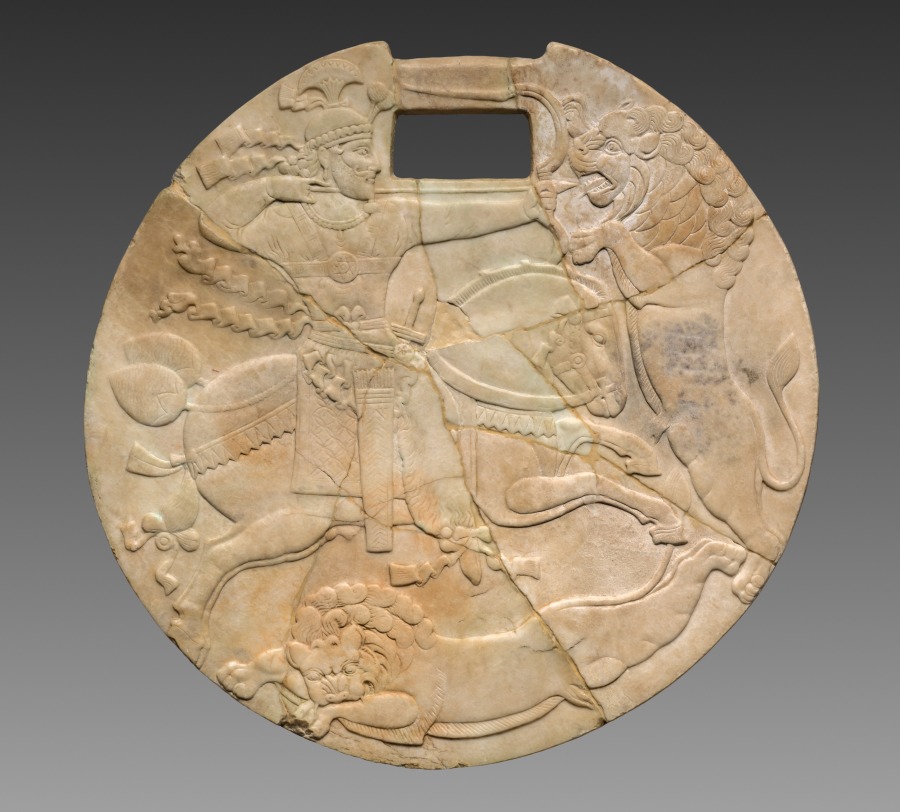
Sasanian King Hunting Lions
Cleveland Museum of Art
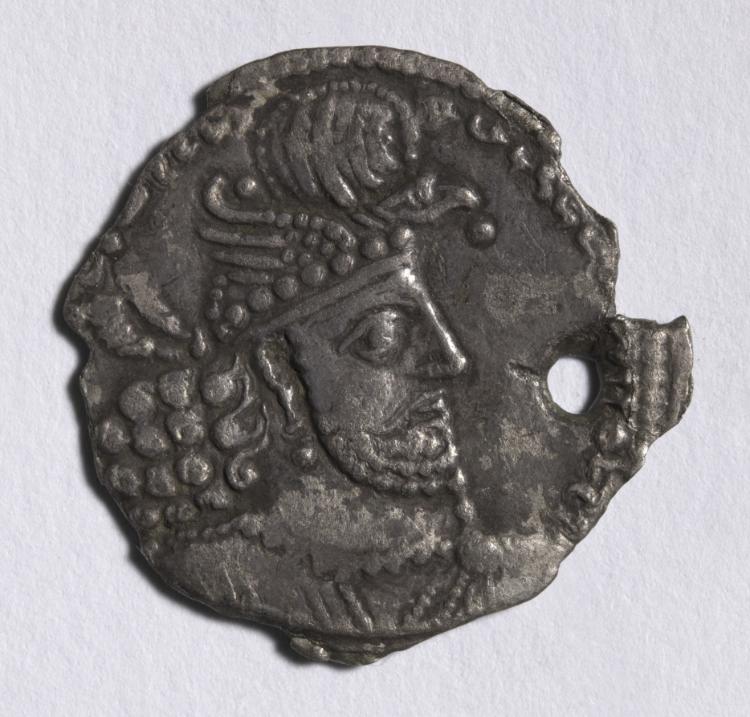
Drachm: Bust of Hormizd II Wearing Crown (obverse)
Cleveland Museum of Art
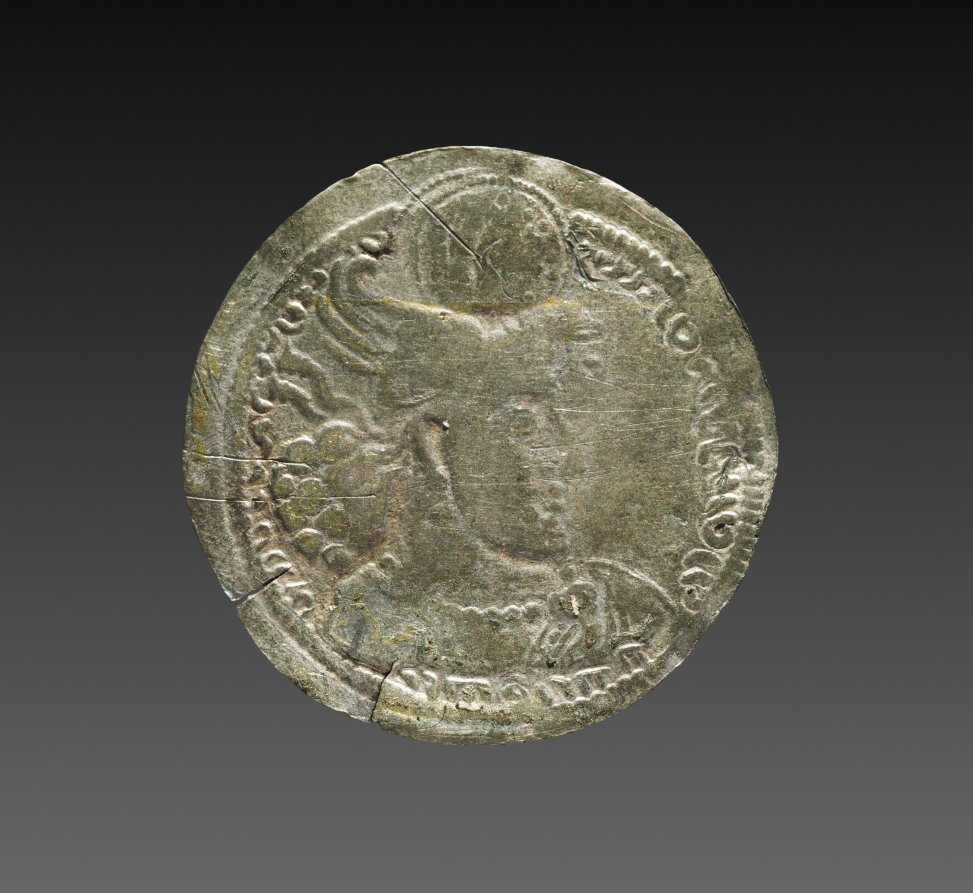
Drachma: Bust of Hormizd II, r., wearing crown (obverse)
Cleveland Museum of Art
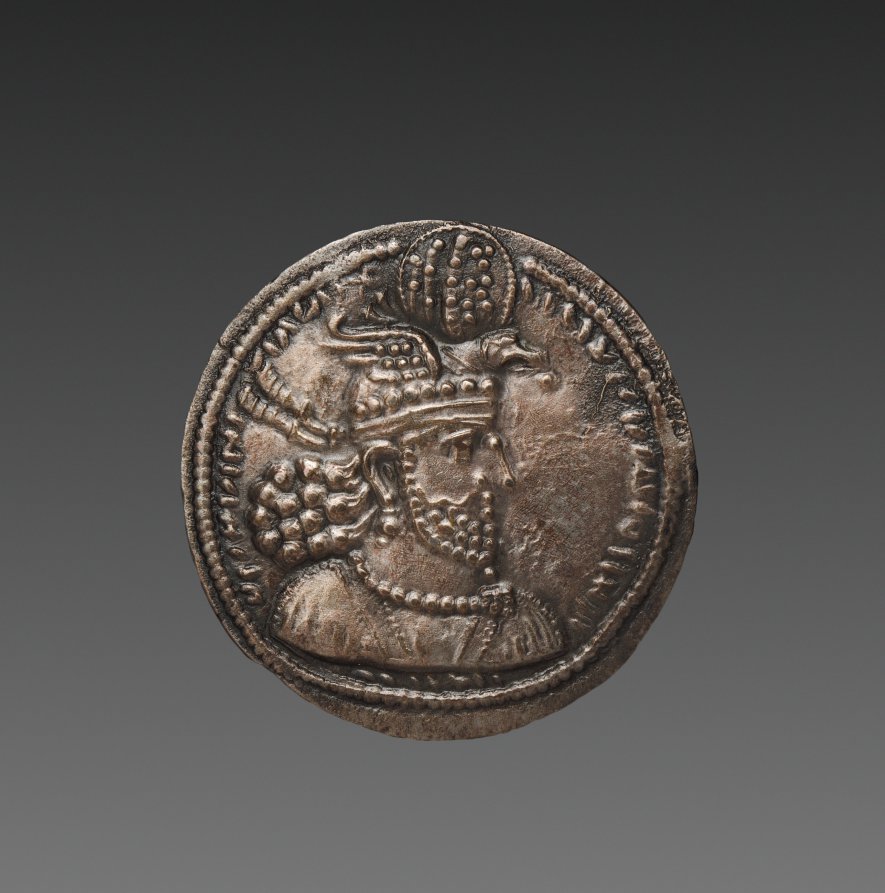
Drachm: Bust of Hormizd II, r., wearing crown (obverse)
Cleveland Museum of Art
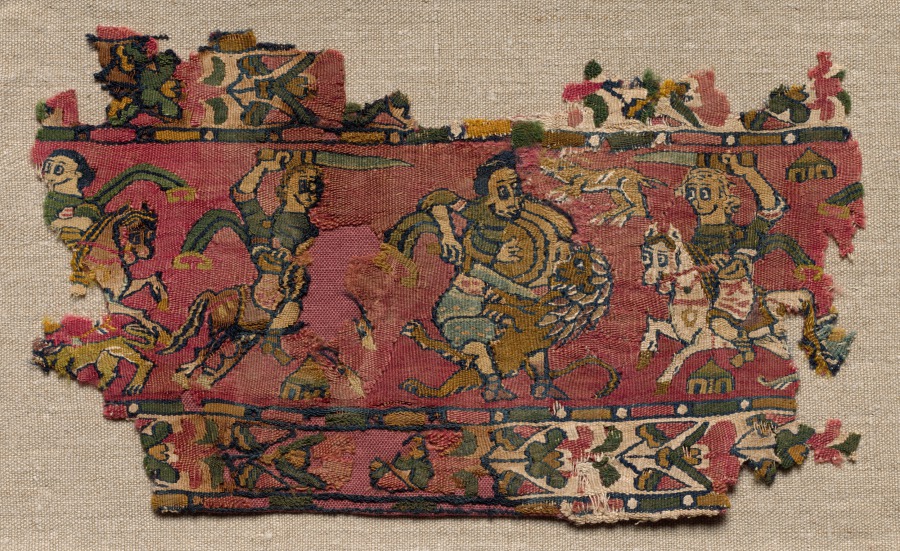
Fragment of a Band or Border
Cleveland Museum of Art
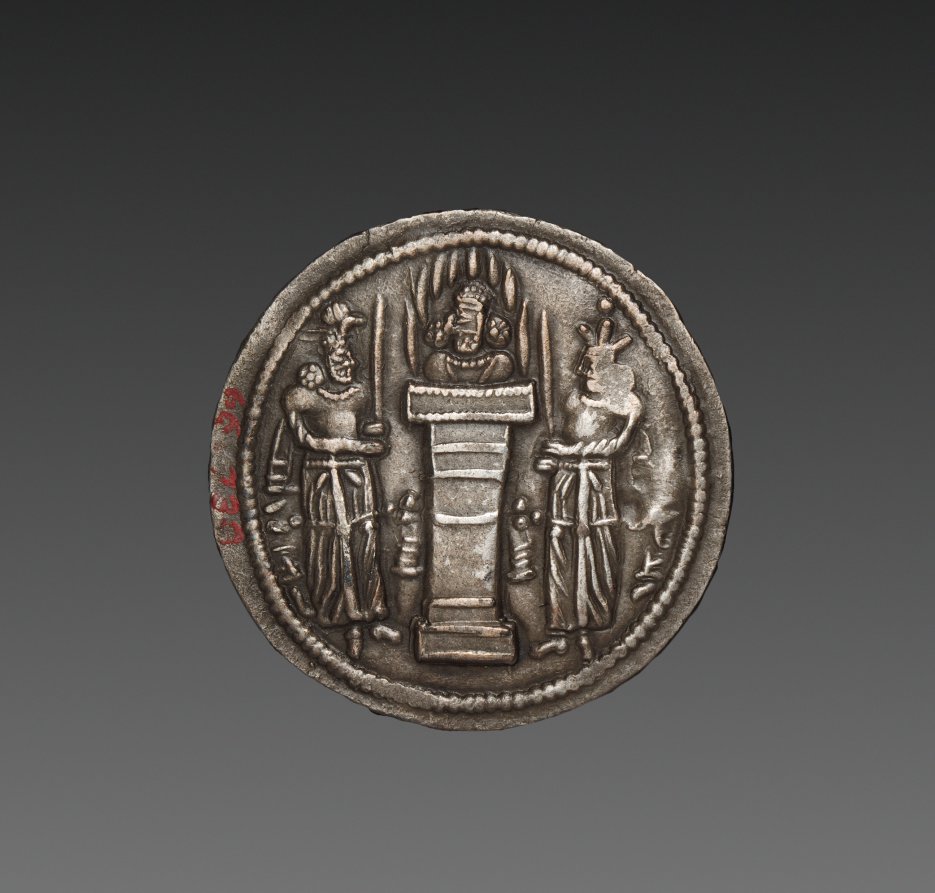
Drachm: Fire altar with bust of Hormizd II, Zoroastrian priest holding sword left, King as priest holding sword right (reverse)
Cleveland Museum of Art
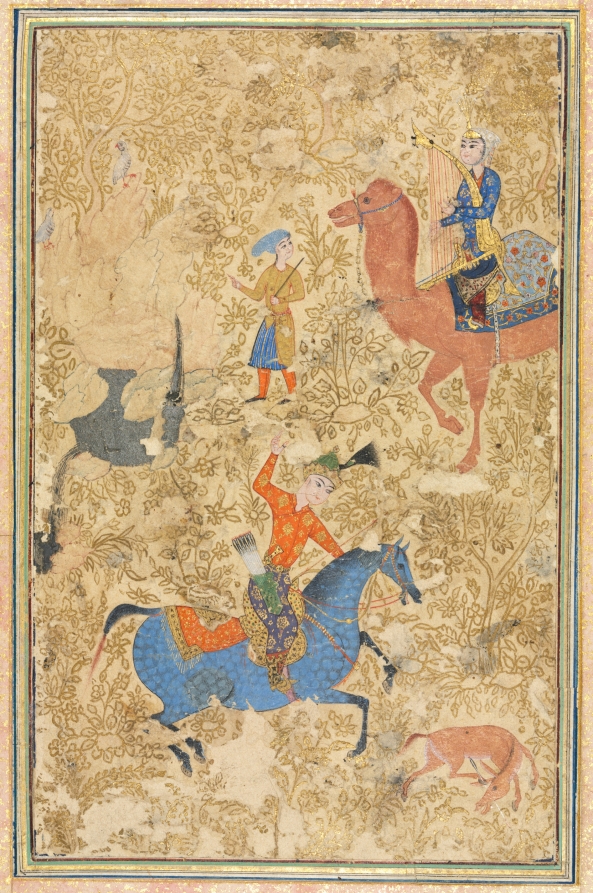
Bahram Gur and Azada, from a Shahnama (Book of Kings) of Firdausi (940–1019 or 1025)
Cleveland Museum of Art
Hunters on Horseback
Cleveland Museum of Art
Roundels with Hunters
Cleveland Museum of Art
Roundels with Hunters
Cleveland Museum of Art
Silk Sleeve Decoration with Hunters
Cleveland Museum of Art
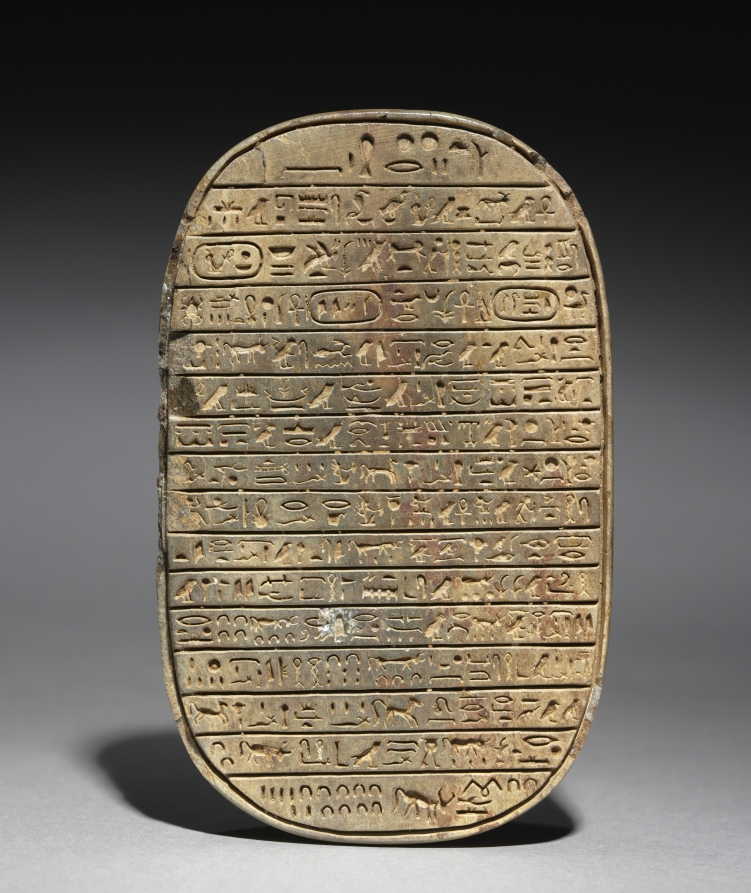
Wild Bull Hunt Scarab of Amenhotep III
Cleveland Museum of Art