Cleveland Museum of Art
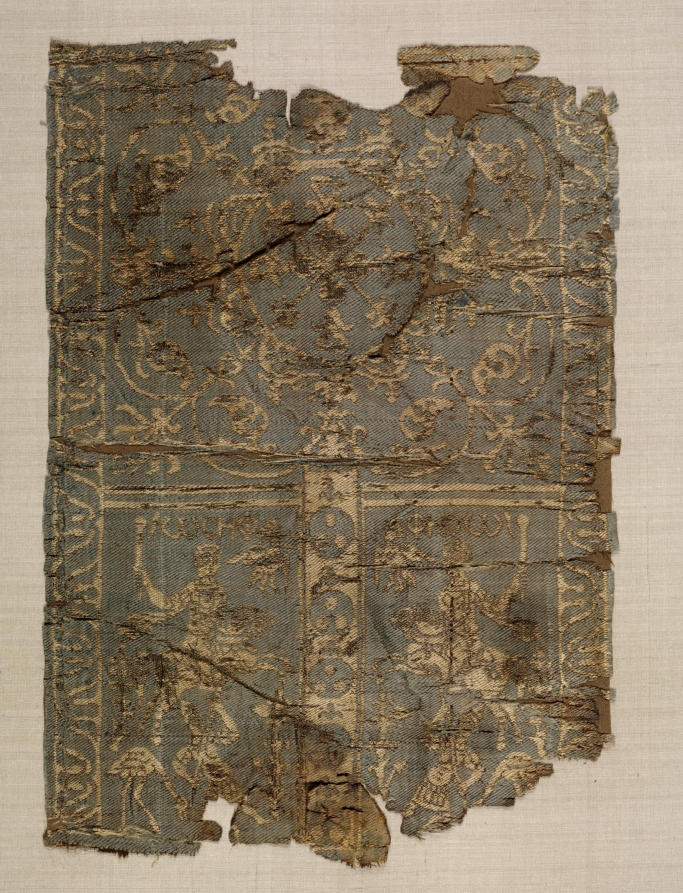
Silk Sleeve Decoration with Hunters
- Date
- 700s
- Medium
- Silk: complementary weft-faced twill with inner warps (samit)
- Culture
- Egypt or Syria, Umayyad period (661–750) or Abbasid period (750–1258)
- Department
- Textiles
- Institution
- Cleveland Museum of Art
This silk sleeve blends technical and stylistic elements that occurred in early Islamic art. The sides of the sleeve are decorated with a lotus flower design, an ancient Egyptian motif that was absorbed into Hellenistic and Byzantine art. The upper panel displays a large medallion composed of leaves and palmettes, common vegetal motifs in Islamic art of this period. Below, the mace-wielding horseman is identified in Coptic inscriptions as Joseph, father of Jesus and saint within the Coptic faith. The image is likely derived from the Byzantine representation of the victorious emperor. At the bottom, men with spears hunt ostrich.
The authoritative record is held by Cleveland Museum of Art. LinkedCulture surfaces this object and its connections; it does not alter institutional metadata.
Related across collections
Semantically similar works from Cleveland Museum of Art and other institutions.
Hunters on Horseback
Cleveland Museum of Art
Roundels with Hunters
Cleveland Museum of Art
Roundels with Hunters
Cleveland Museum of Art
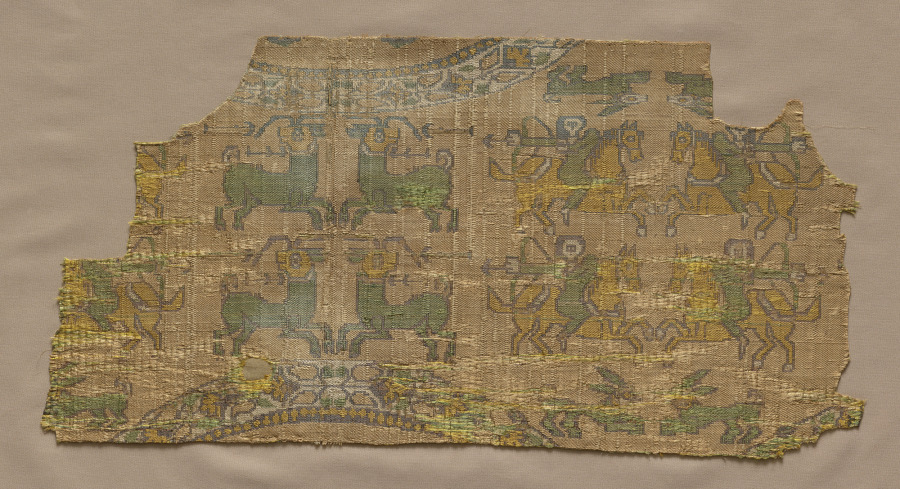
Samite fragment with hunters
Cleveland Museum of Art
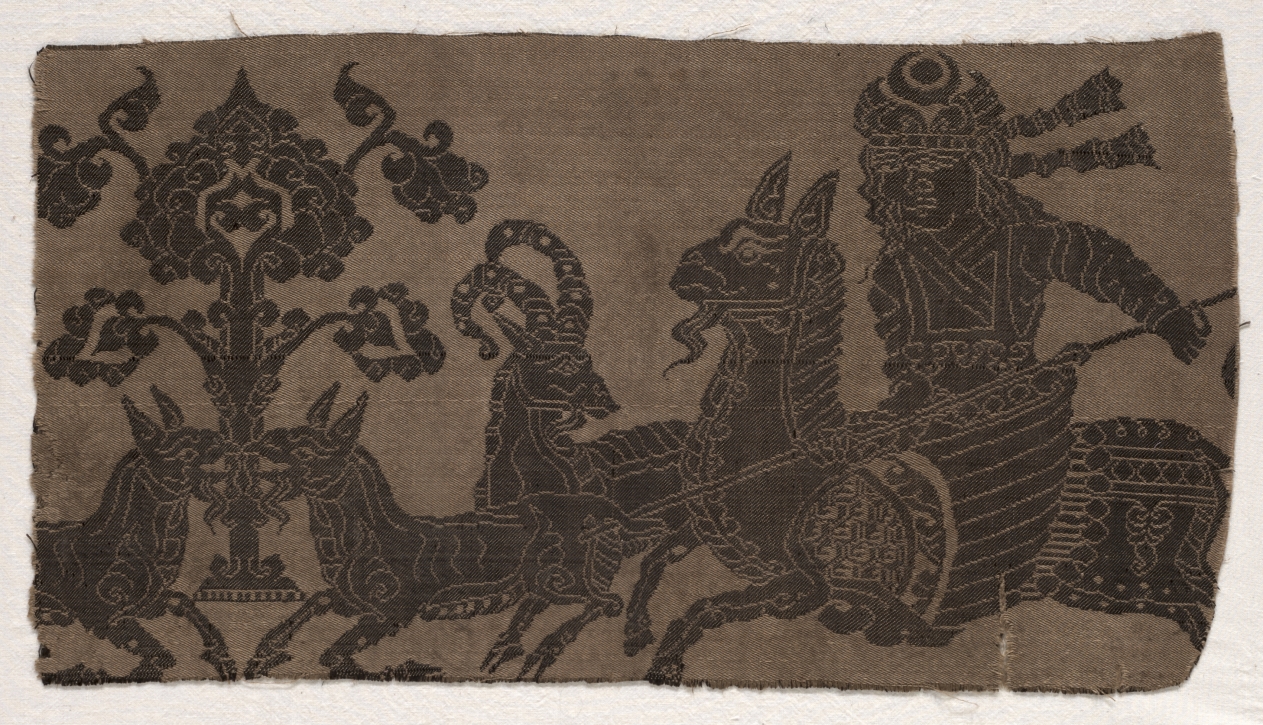
Fragment with Mounted Hunter Spearing Animals
Cleveland Museum of Art
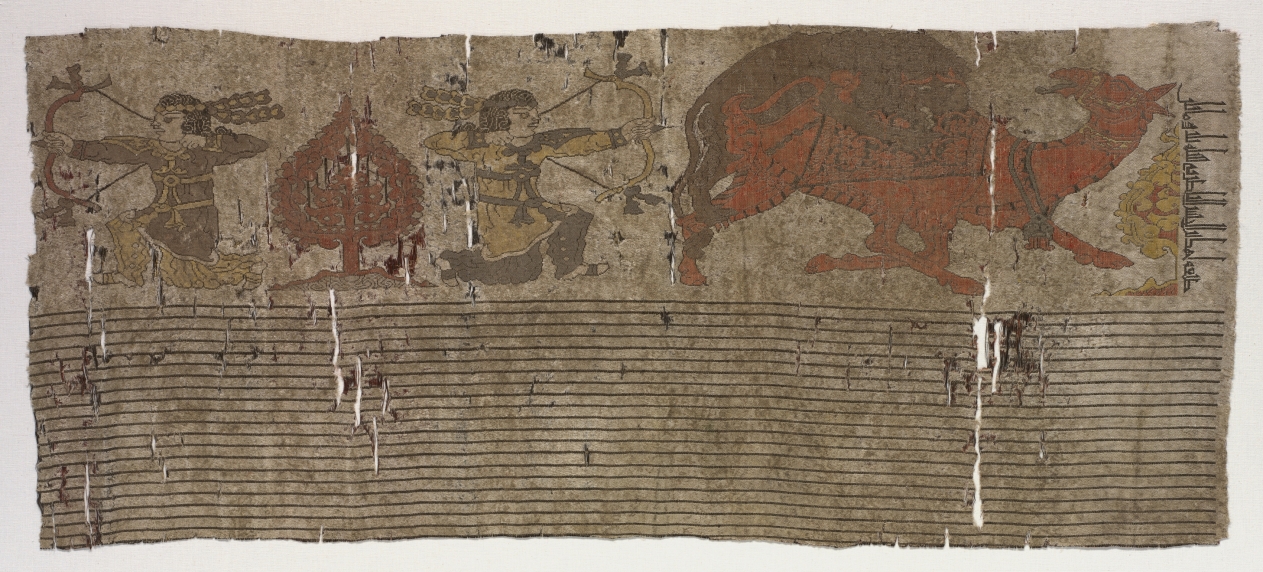
Panel with Hunters and Camel and Inscription
Cleveland Museum of Art
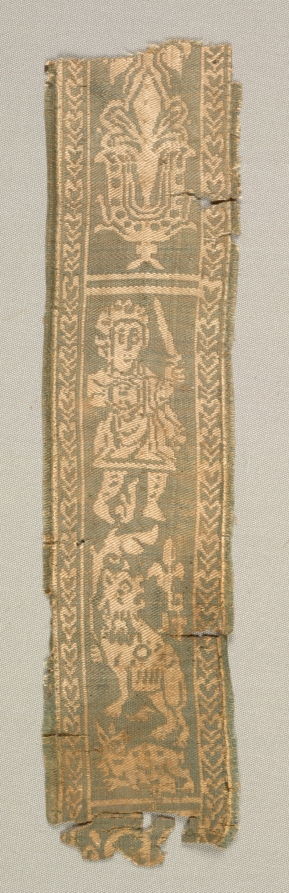
Silk Decorative Tunic Band with a Hunter
Cleveland Museum of Art
Mantle for a Statue of the Virgin with Lotus Blossoms and Medallions
Cleveland Museum of Art
Alexander the Great on Horseback
Cleveland Museum of Art
Fragment with Landscape, Hunters, and Ibexes
Cleveland Museum of Art

Panel
Minneapolis Institute of Art
Fragment
Cleveland Museum of Art