Cleveland Museum of Art
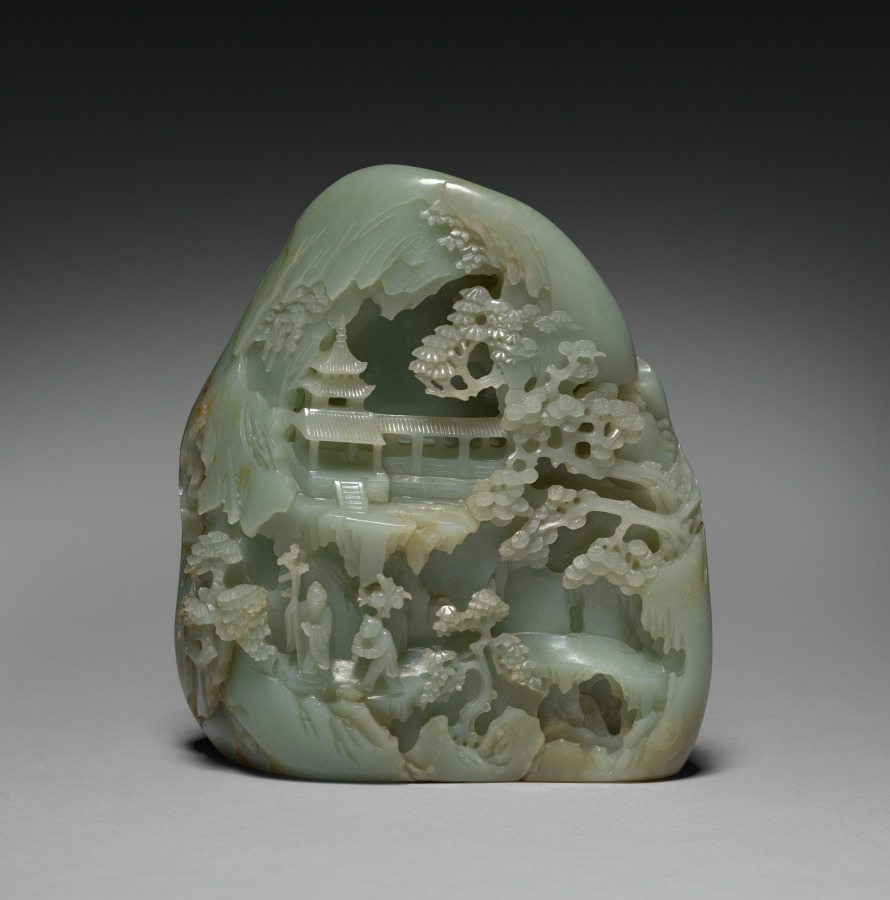
Miniature Mountain with Daoist Paradise
- Date
- 1736–95
- Medium
- green jade with brown markings
- Culture
- China, Qing dynasty (1644–1911), Qianlong reign (1736–95)
- Department
- Chinese Art
- Institution
- Cleveland Museum of Art
- Object ID
- 120873
From the Cleveland Museum of Art record
Sizable jade boulders of mountainous landscapes were carved to represent the search for the paradise or immortals' dwellings in the mountains. This Daoist theme has fired the Chinese imagination throughout history. Believed to have spiritual and magical properties, jade has long been used in tombs and intended for preserving the corporeal body and the soul in the quest for eternity. It is recorded that Daoist practitioners drank morning dews with scraps of jade as an elixir of immortality. The bearded immortal is accompanied by a servant carrying a cluster of peaches, symbols of immortality.
The authoritative record is held by Cleveland Museum of Art. LinkedCulture surfaces this object and its connections; it does not alter institutional metadata.
Get printable QR codesHide QR codes
Open QR codes for this object page and the museum record. They stay collapsed until needed.
Provenance & credit
As published by the source institution. Coverage varies — not every institution's open-data feed includes ownership history.
- Credit line
- Anonymous Memorial Gift
- Provenance
- 1941-: The Cleveland Museum of Art, Cleveland, Oh
Part of a LinkedCulture topic
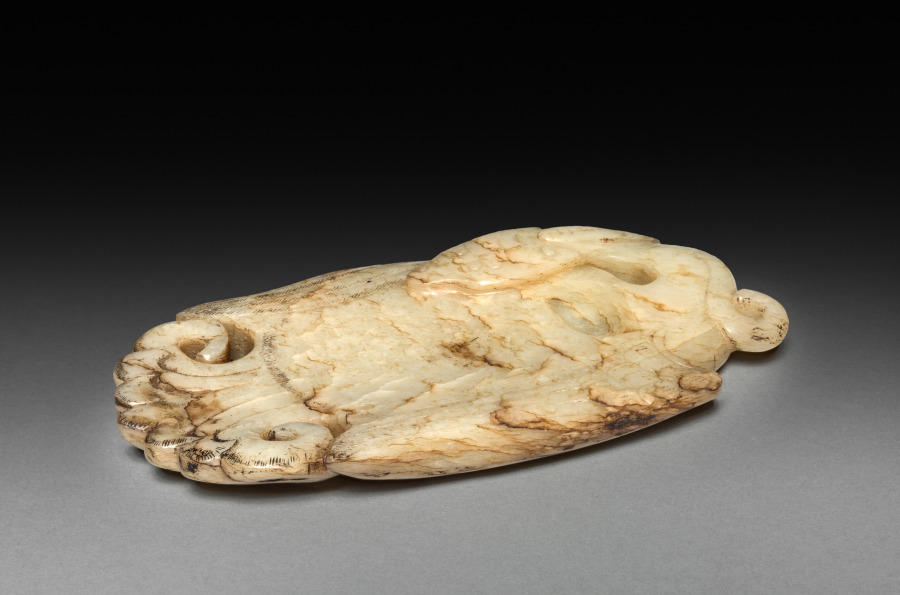 Jade Vessel Collection
These objects are all carved jade vessels and containers, predominantly from China's Qing Dynasty (especially the Qianlong period), demonstrating imperial patronage and mastery of jade carving techniques.
116 objects from 5 institutions
Related across collections
Semantically similar works from Cleveland Museum of Art and other institutions.