Cleveland Museum of Art
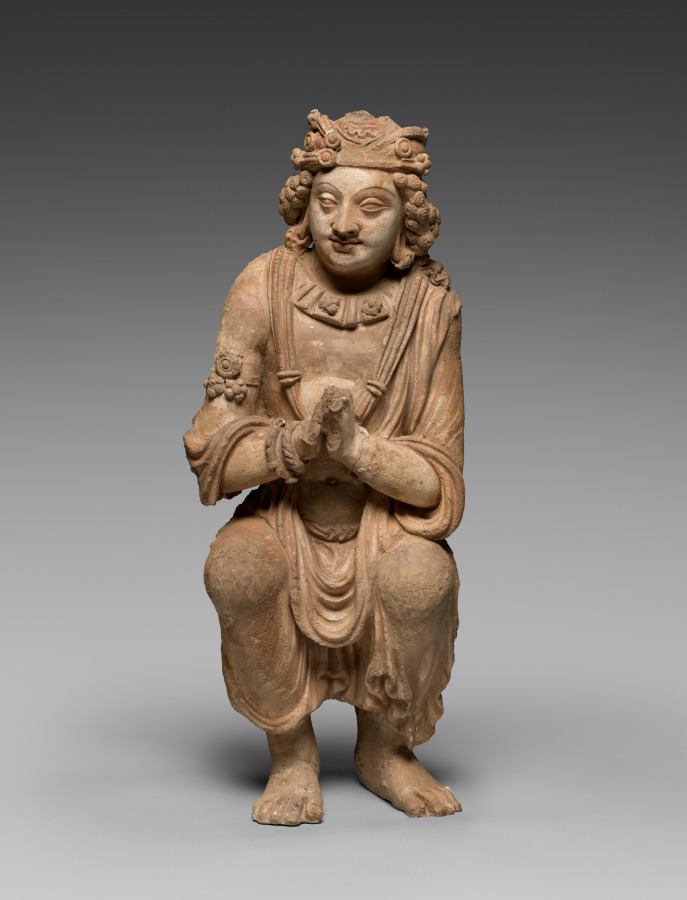
Adoring Attendant from a Buddhist Shrine
- Date
- c. 300s–400s CE
- Medium
- stucco
- Culture
- Afghanistan, Gandhara, Kushan
- Department
- Indian and Southeast Asian Art
- Institution
- Cleveland Museum of Art
The medium of stucco became popular after the 4th century for works made for Buddhist sanctuaries, especially in the desert regions of Afghanistan where stone was less available. The more malleable material allowed sculptors to create sensitive and supplely modeled forms. The stucco sculptures were covered with a thin coat of lime-based whitewash, then painted; traces of original red pigment remain in some areas.
The authoritative record is held by Cleveland Museum of Art. LinkedCulture surfaces this object and its connections; it does not alter institutional metadata.
Related across collections
Semantically similar works from Cleveland Museum of Art and other institutions.

Head from an image of the Buddha
Minneapolis Institute of Art
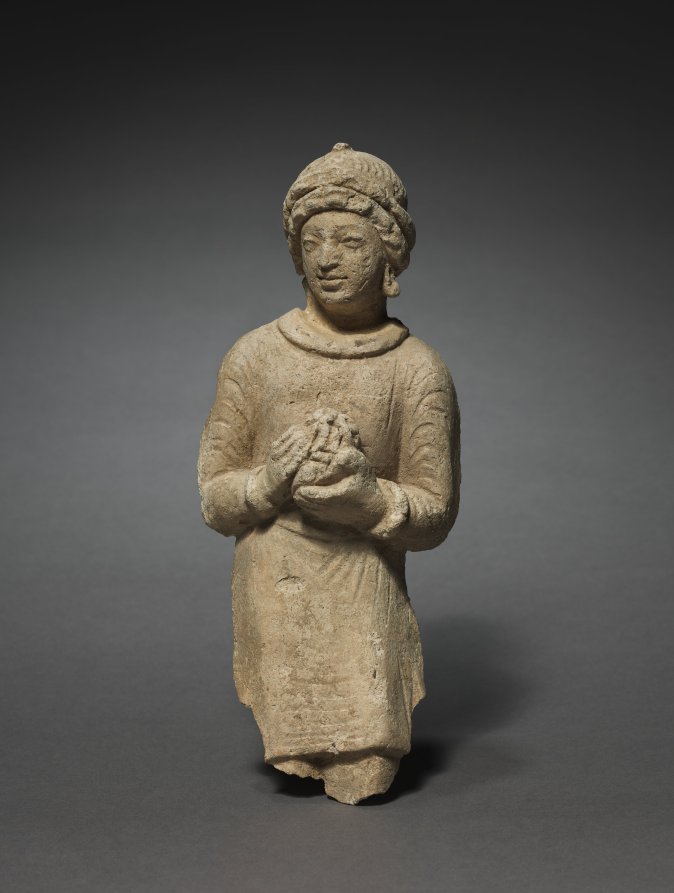
Layman bearing offerings
Cleveland Museum of Art
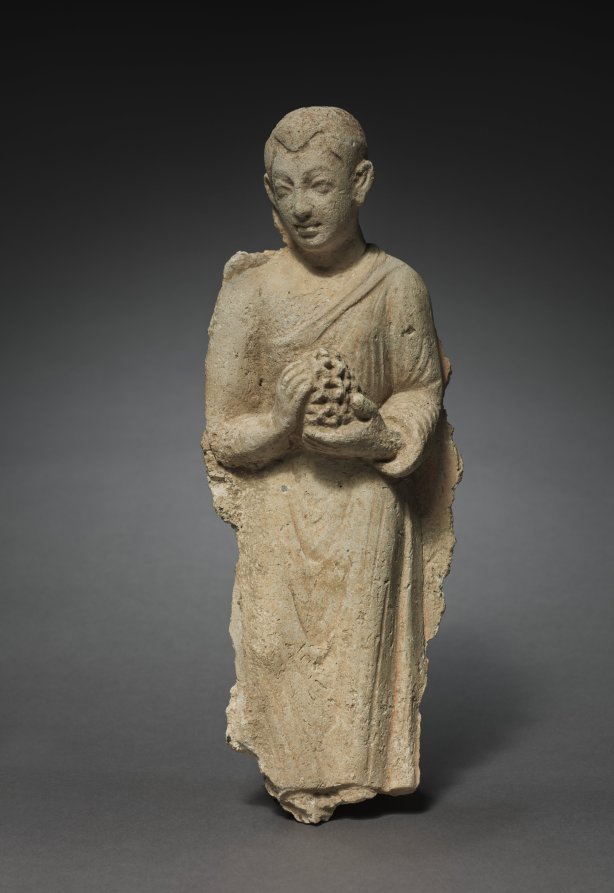
Monk bearing offerings
Cleveland Museum of Art
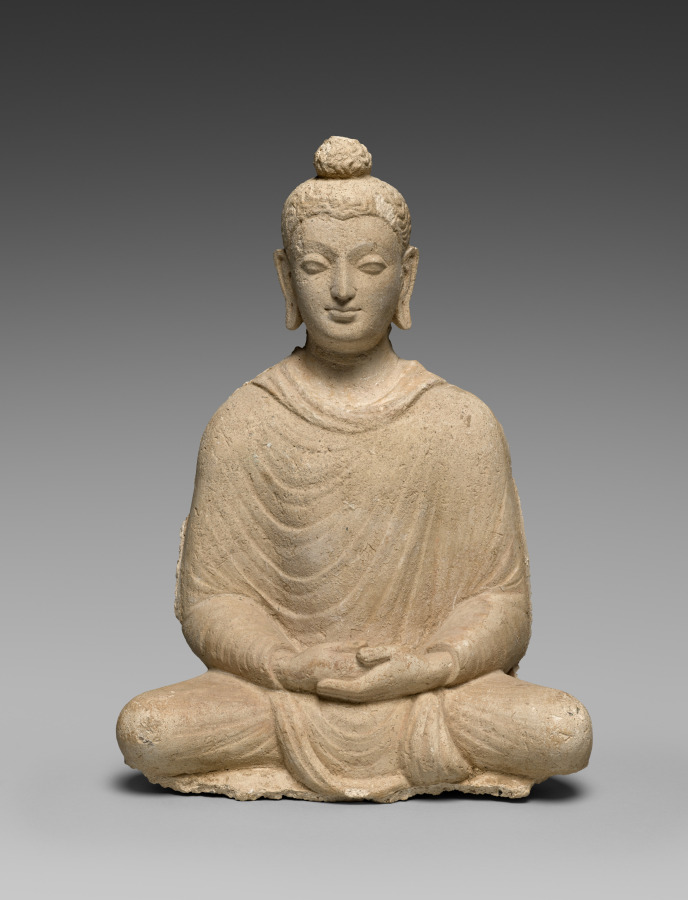
Seated Buddha
Cleveland Museum of Art
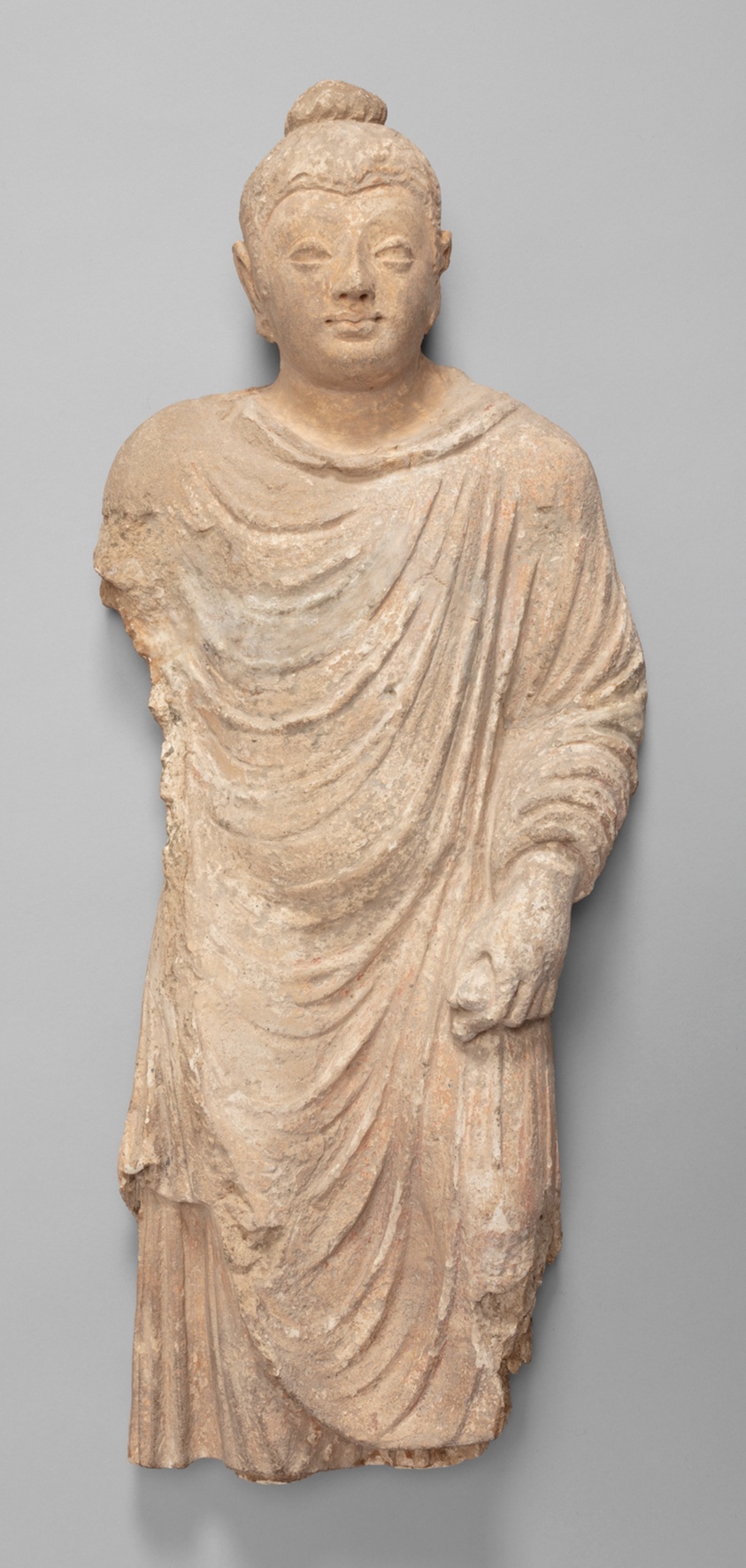
Walking Buddha
Art Institute of Chicago
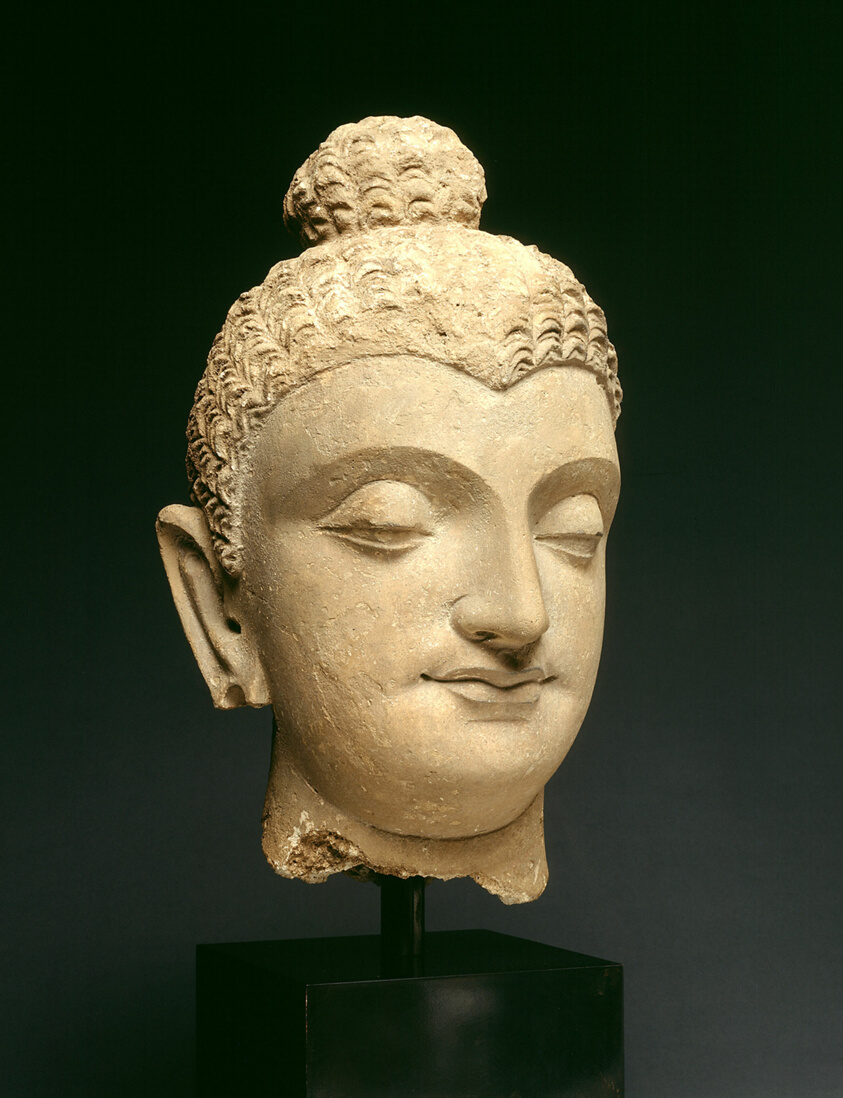
Buddha Head
Art Institute of Chicago
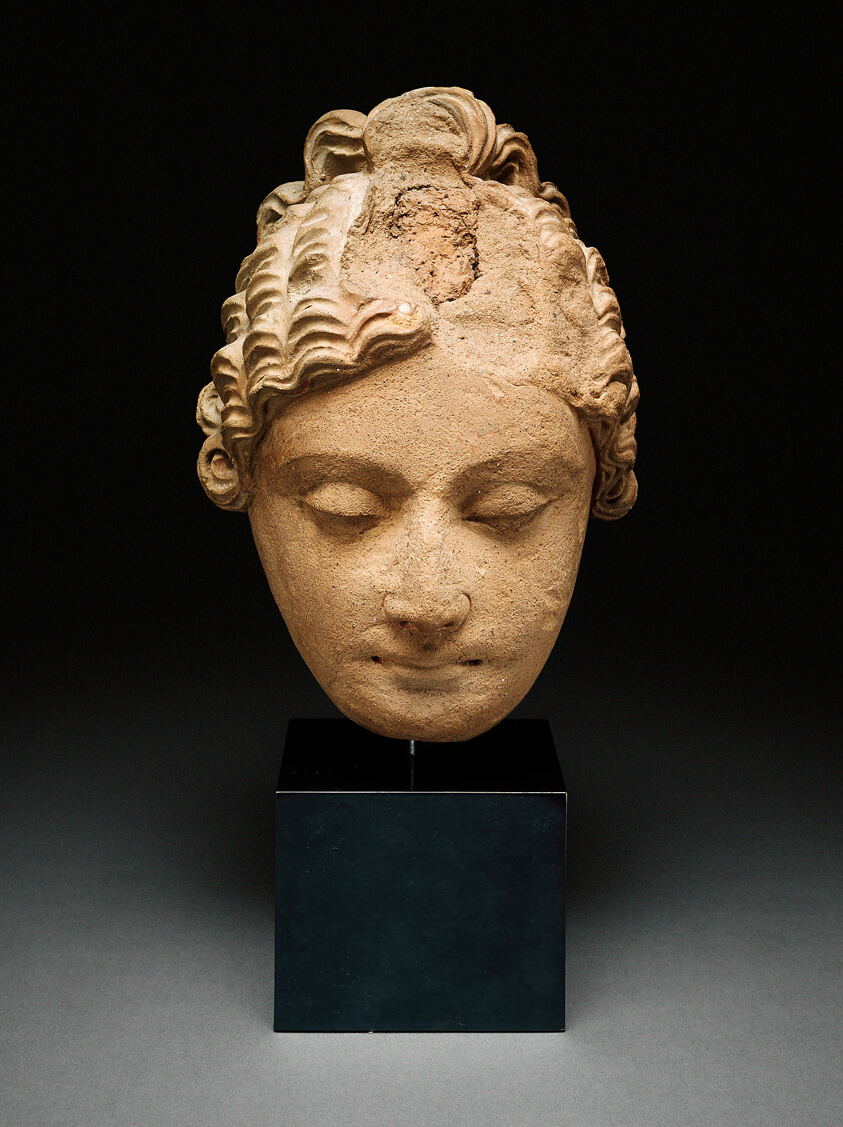
Head of an Adorant
Art Institute of Chicago

Buddha Head
Art Institute of Chicago
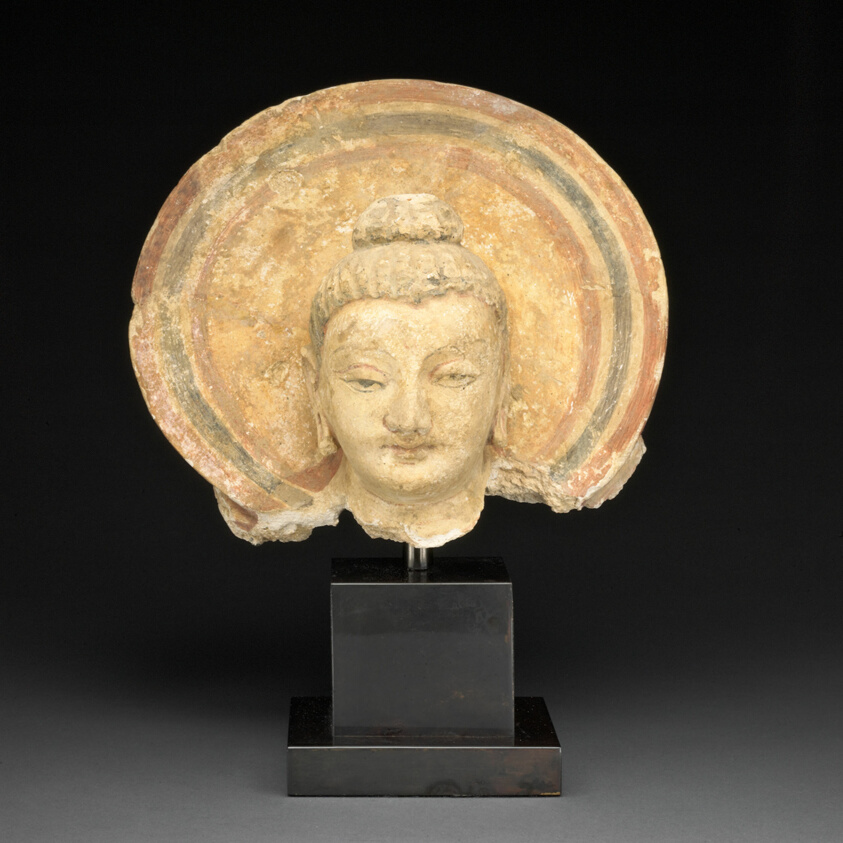
Buddha Head
Art Institute of Chicago
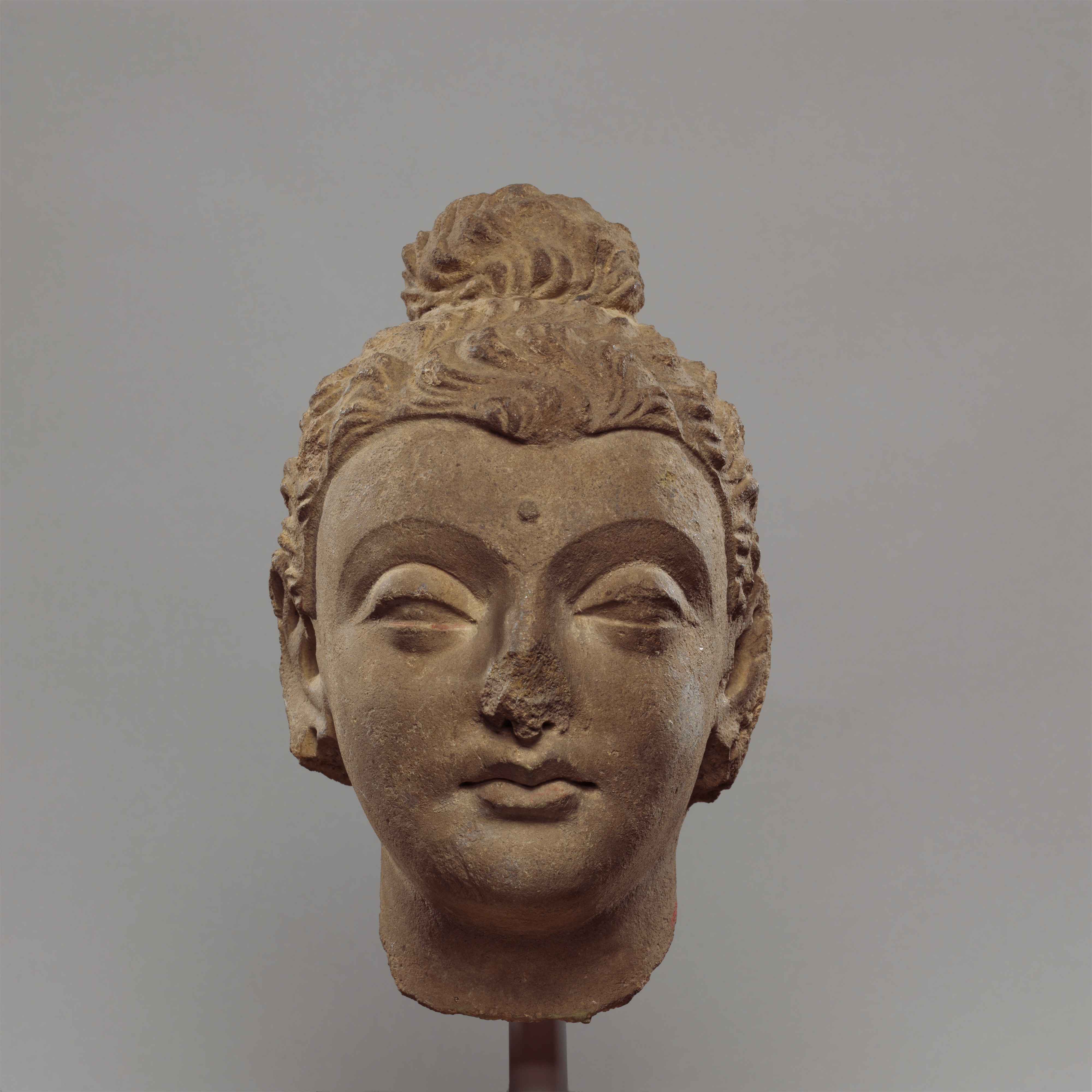
Head of Buddha
The Metropolitan Museum of Art
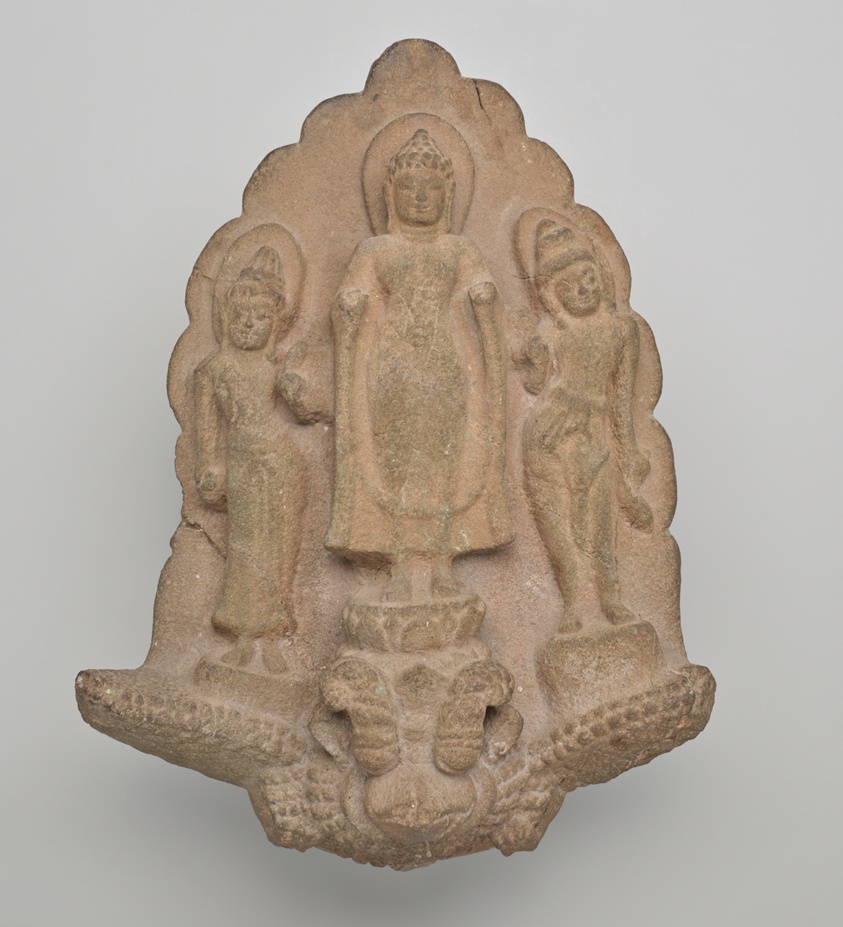
Buddha with Attendants on Mythical Animal
Art Institute of Chicago
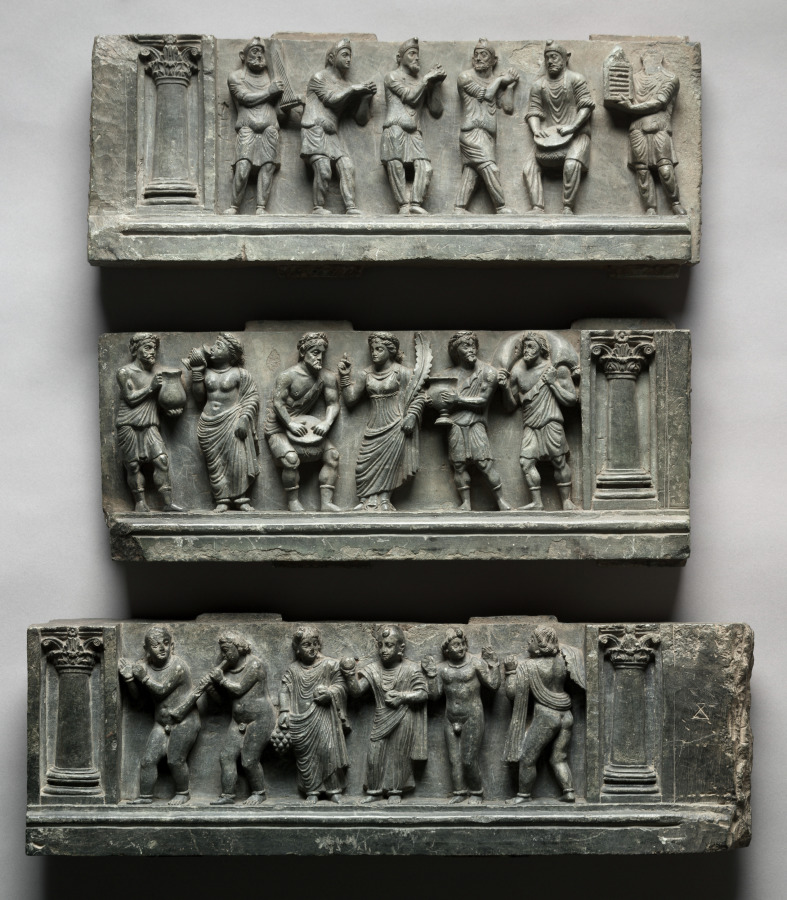
Foreigners and Non-Buddhists Drink, Dance, and Play Music, from a Buddhist Stupa Site
Cleveland Museum of Art