Cleveland Museum of Art
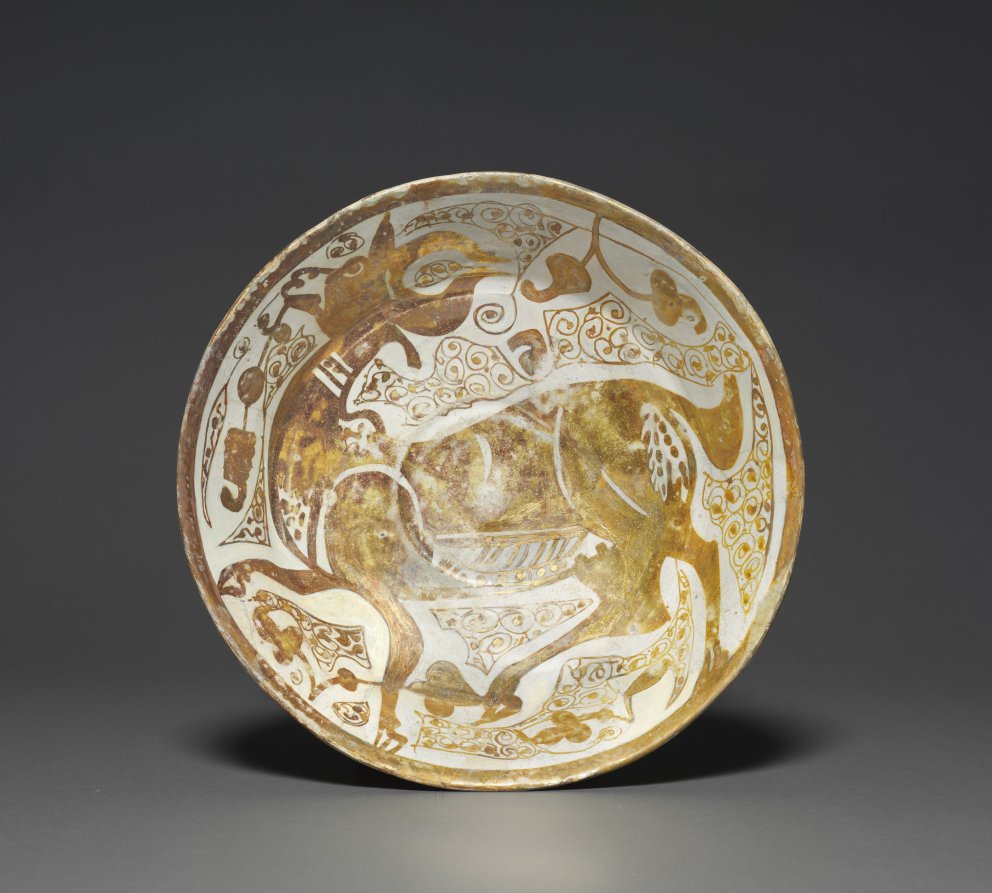
Luster Bowl with Antelope
- Date
- 1000s
- Medium
- earthenware with luster-painted design
- Culture
- Egypt, Fustat (Old Cairo), Fatimid period (909–1171)
- Department
- Islamic Art
- Institution
- Cleveland Museum of Art
The production of lusterware flourished in the prosperous Fatimid court in Cairo. The technique used metal oxides to paint designs onto a ceramic vessel. It was expensive and unpredictable but, if done correctly, would create a glistening effect. Fatimid lusterware motifs are quite varied, drawing on Greek and Christian themes, floral and vegetal designs, and a menagerie of animals. Some scenes focus on a single creature, as is the case with the antelope on this dish, while others evoke courtly themes of hunting or banquets. The luster technique was transmitted by Iraqi potters to the Fatimid court in Cairo.
The authoritative record is held by Cleveland Museum of Art. LinkedCulture surfaces this object and its connections; it does not alter institutional metadata.
Related across collections
Semantically similar works from Cleveland Museum of Art and other institutions.
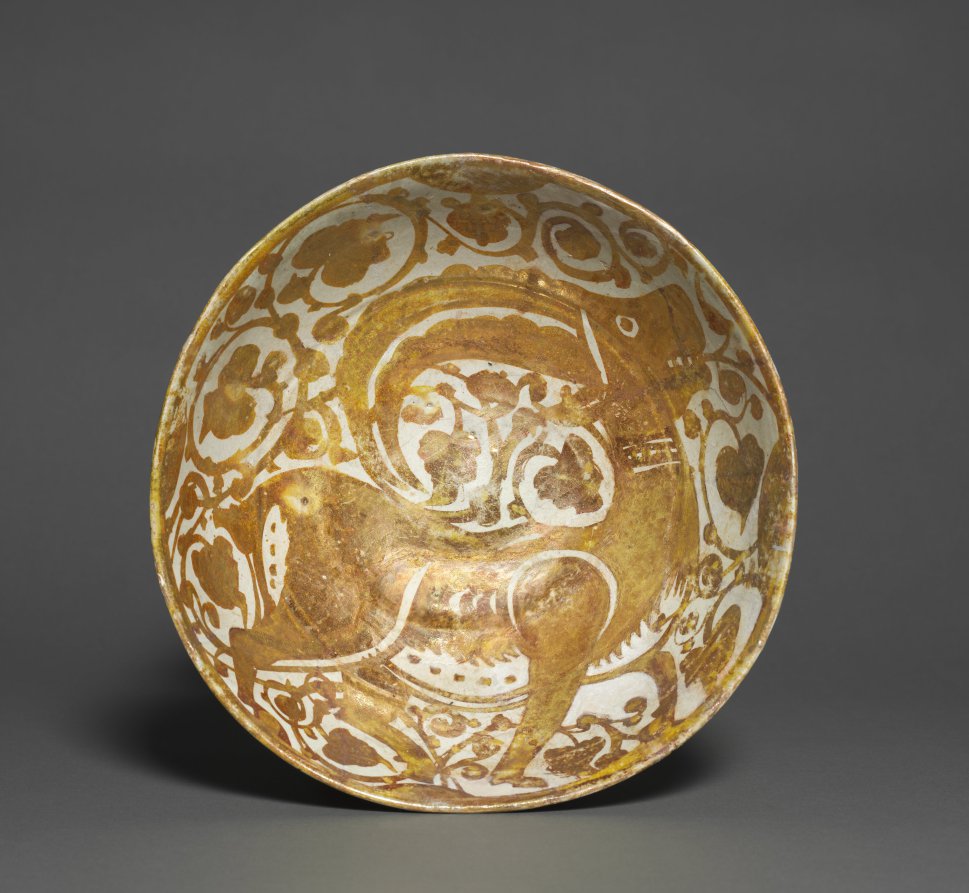
Luster Bowl with Ibex
Cleveland Museum of Art
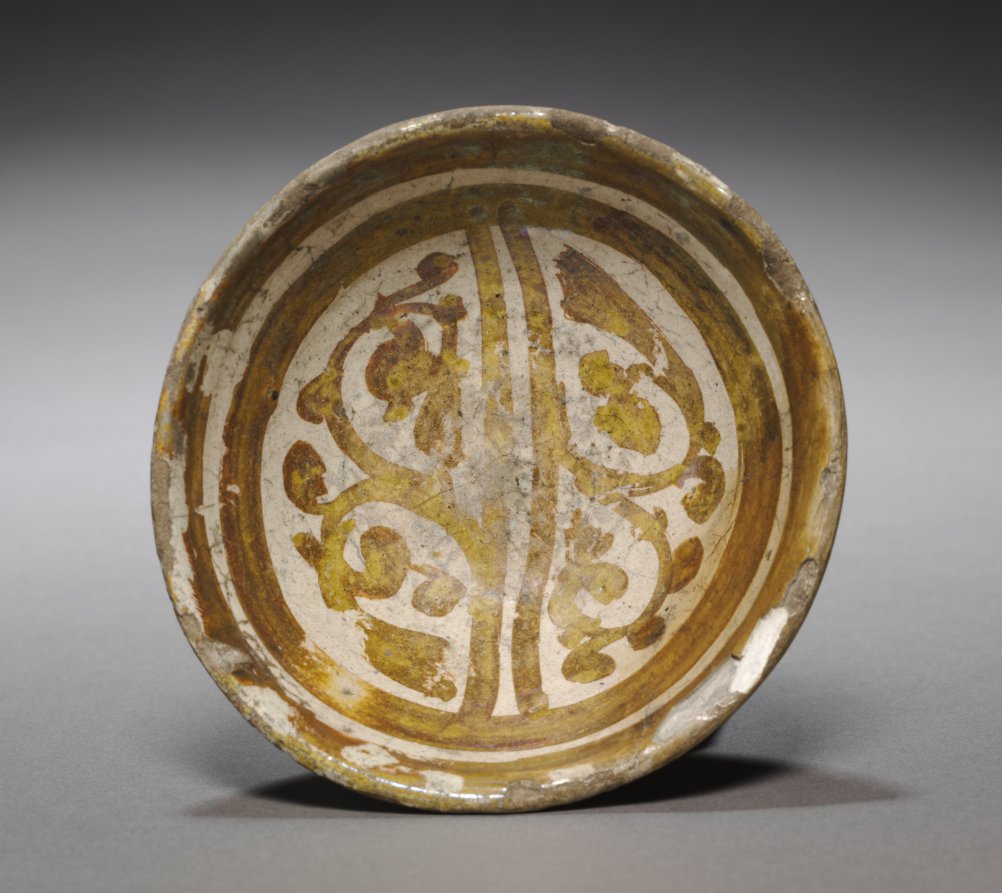
Bowl
Cleveland Museum of Art
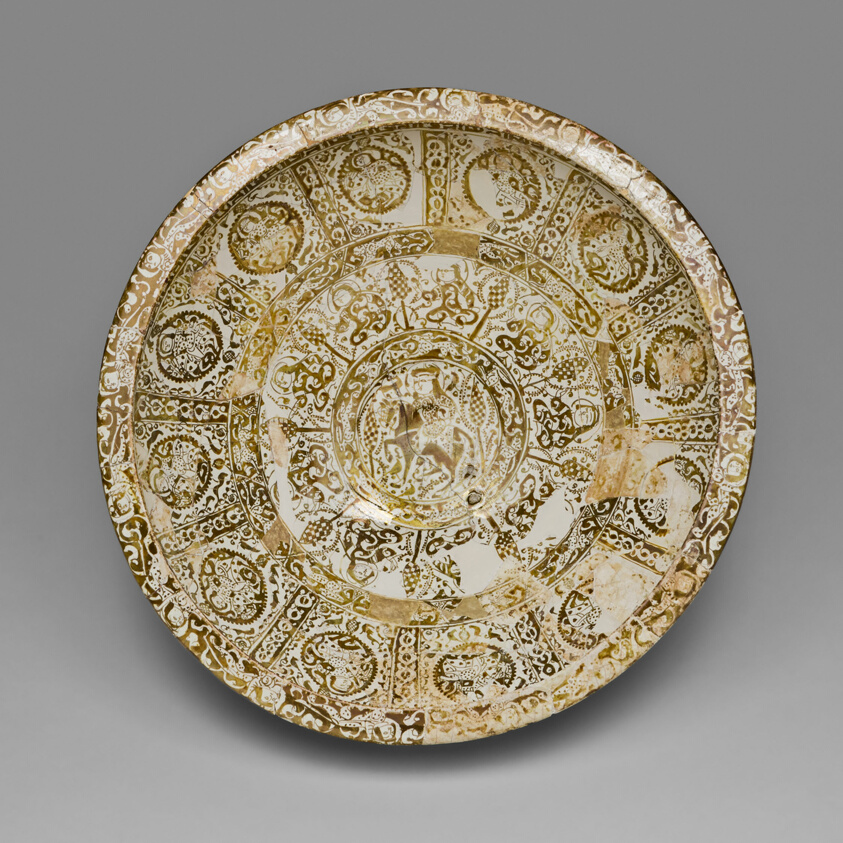
Serving Bowl with Miniature Figures, Arabic Blessings, and Persian Poetry
Art Institute of Chicago
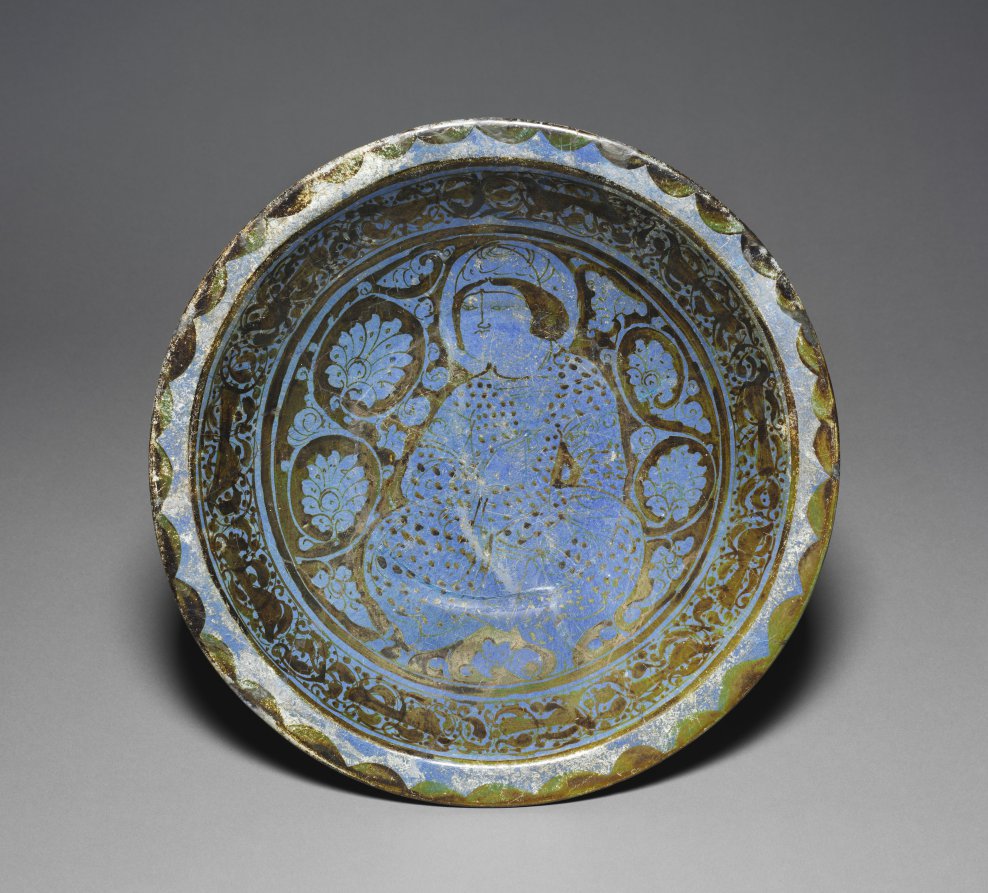
Luster Dish with Seated Prince
Cleveland Museum of Art
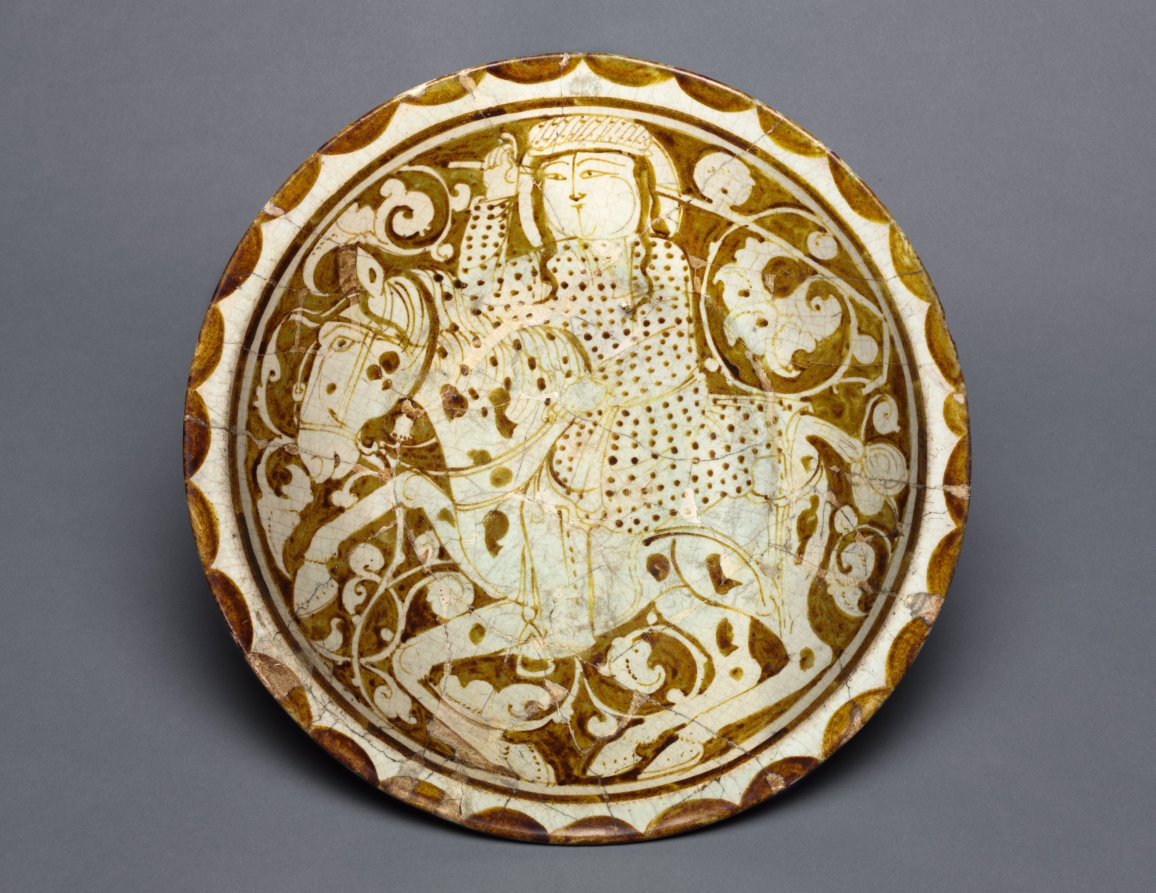
Luster Dish with Polo Player
Cleveland Museum of Art
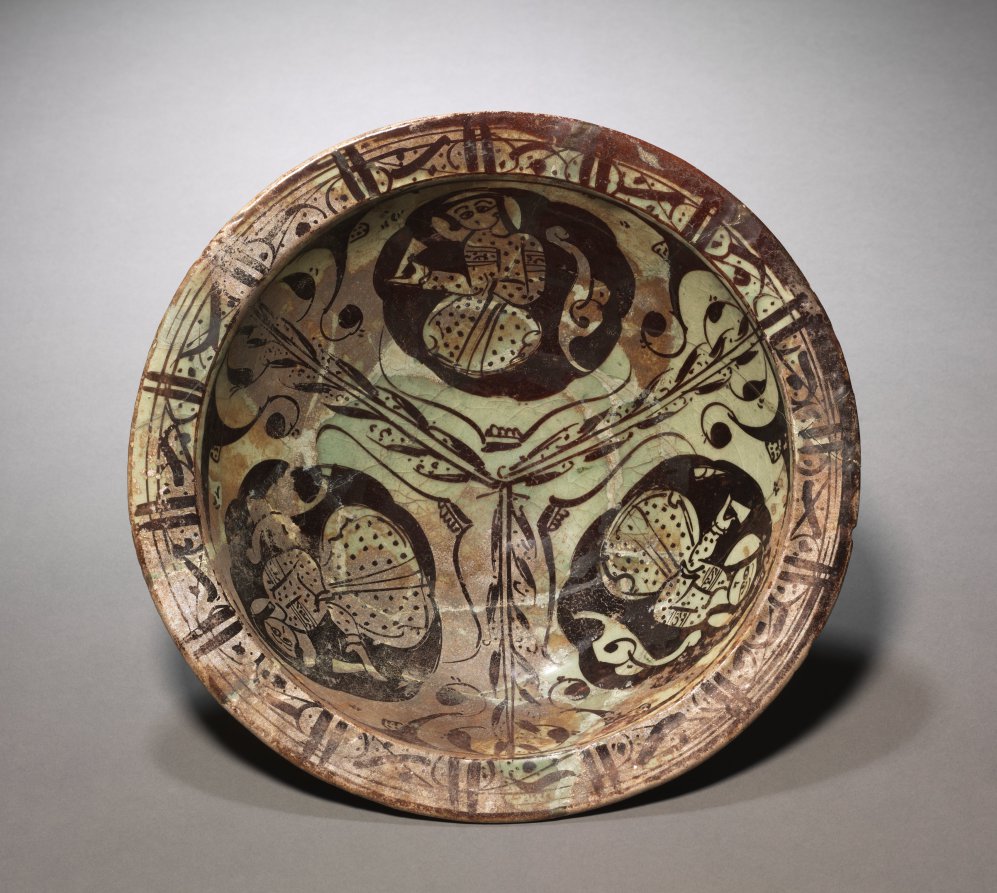
Bowl
Cleveland Museum of Art
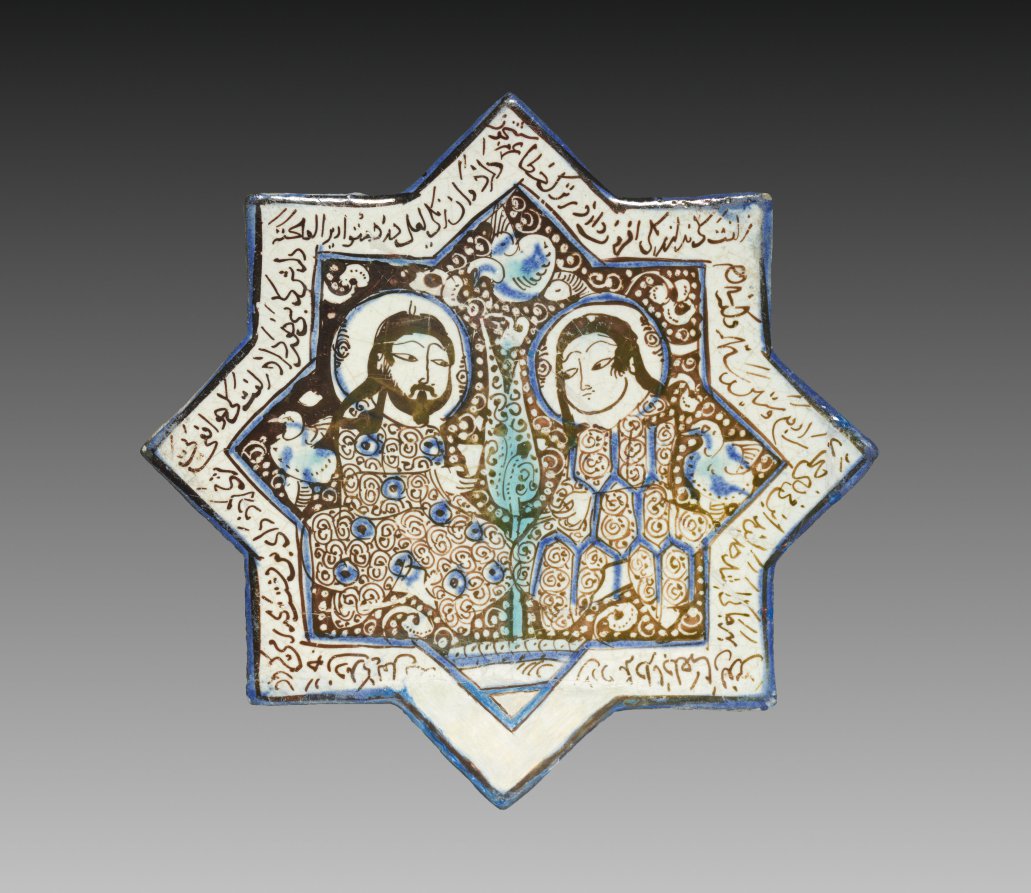
Luster Wall Tile with a Couple
Cleveland Museum of Art
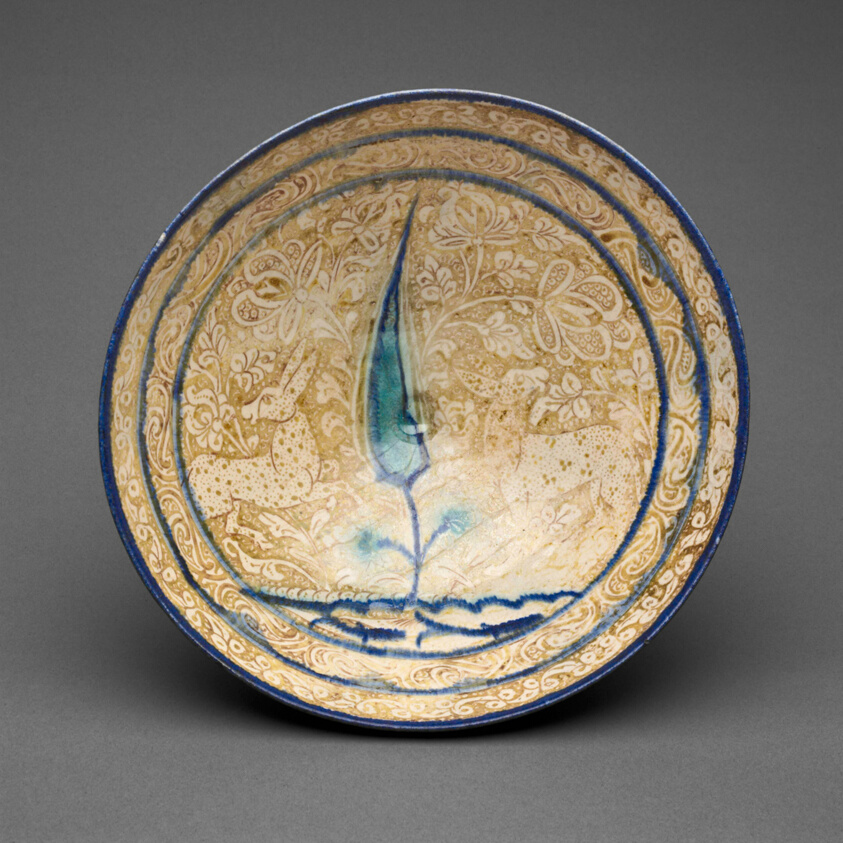
Bowl with Tree, Fishpond, and Animal Motifs
Art Institute of Chicago
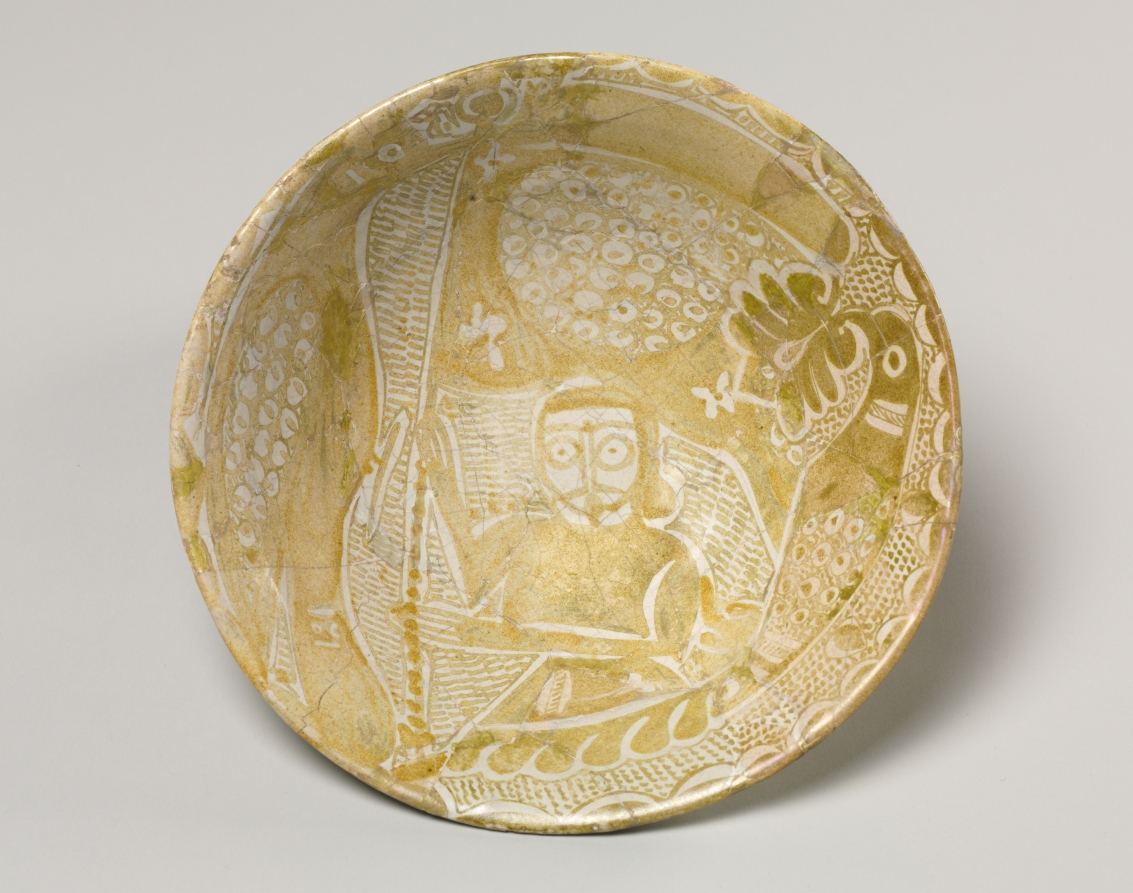
Luster Bowl with Man Holding a Banner
Cleveland Museum of Art
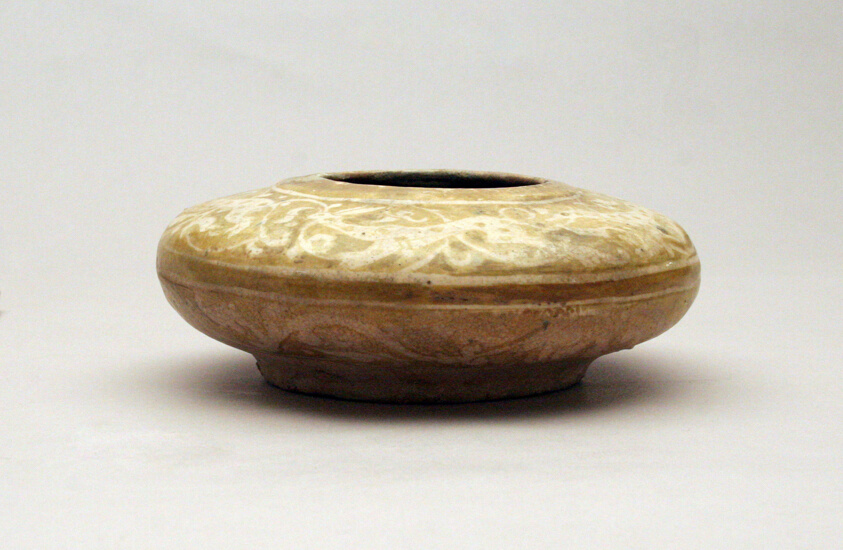
Bowl with Hounds Chasing Hares
Art Institute of Chicago

Ewer (water pitcher)
Minneapolis Institute of Art

Bowl Depicting a Lady Riding an Elephant
Minneapolis Institute of Art