Cleveland Museum of Art
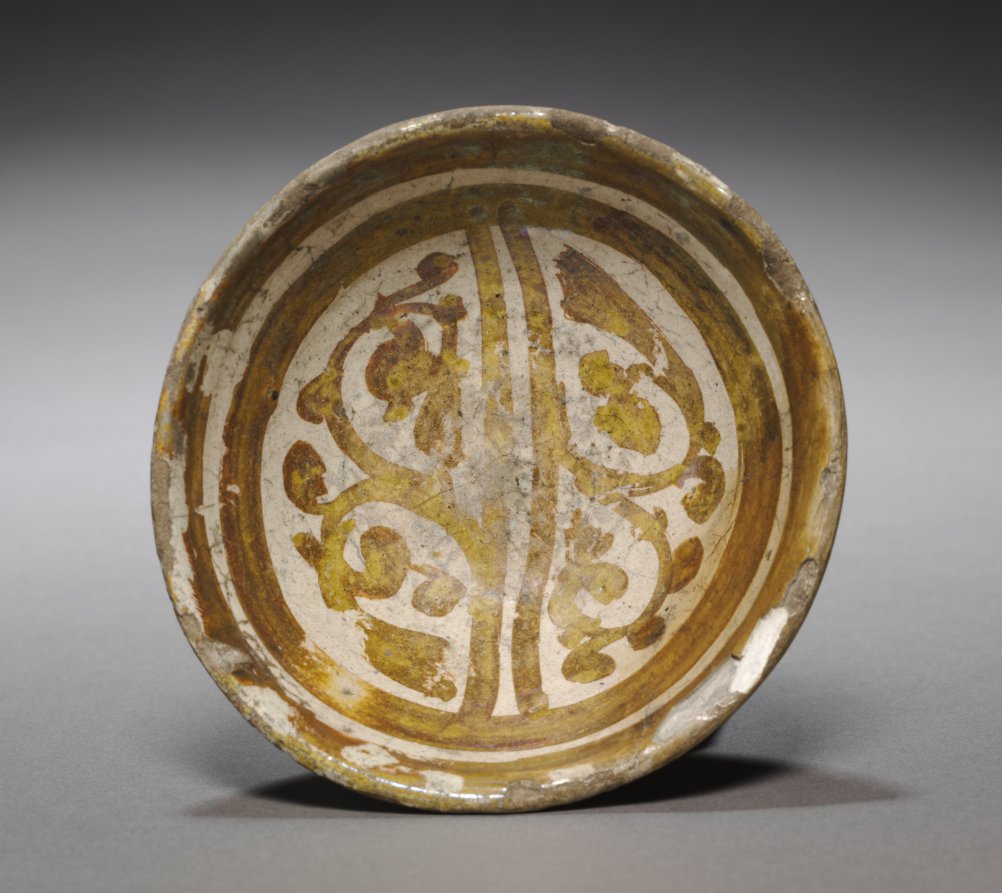
Bowl
- Date
- 1000s
- Medium
- earthenware with luster-painted design
- Culture
- Fatimid Egypt, Fustat
- Department
- Islamic Art
- Institution
- Cleveland Museum of Art
Lusterware The theme of light is a dominant element in Islamic art. In ceramics, works made with a reflective metallic glaze, known as luster, were prized throughout the Islamic world and beyond. Developed first in Basra, Iraq, during the 700s with the rise of Islam along with sumptuary laws prohibiting the use of precious metal vessels, lusterware techniques soon spread to different regional centers, notably Málaga and Valencia in Spain. Lusterware ceramics were created through a double-firing process: the first firing of the vessel with a lead and tin oxide glaze produced the smooth white ground, meant to emulate Chinese porcelain. Patterns were then painted on the white vessel with a glaze of copper and other metal oxides. Refiring at a low temperature yielded an iridescent luster. Tonalities varied from one region to another.
The authoritative record is held by Cleveland Museum of Art. LinkedCulture surfaces this object and its connections; it does not alter institutional metadata.
Related across collections
Semantically similar works from Cleveland Museum of Art and other institutions.
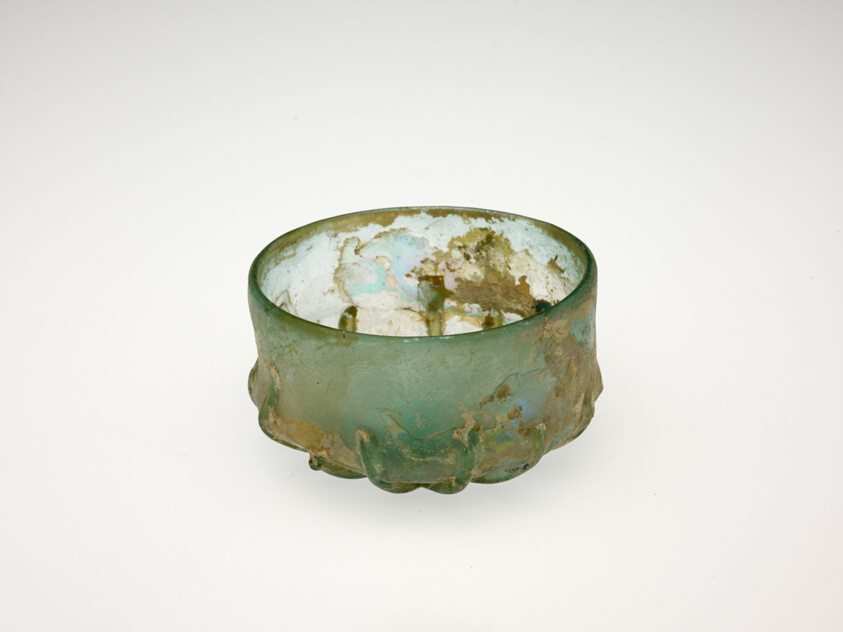
Bowl
Art Institute of Chicago
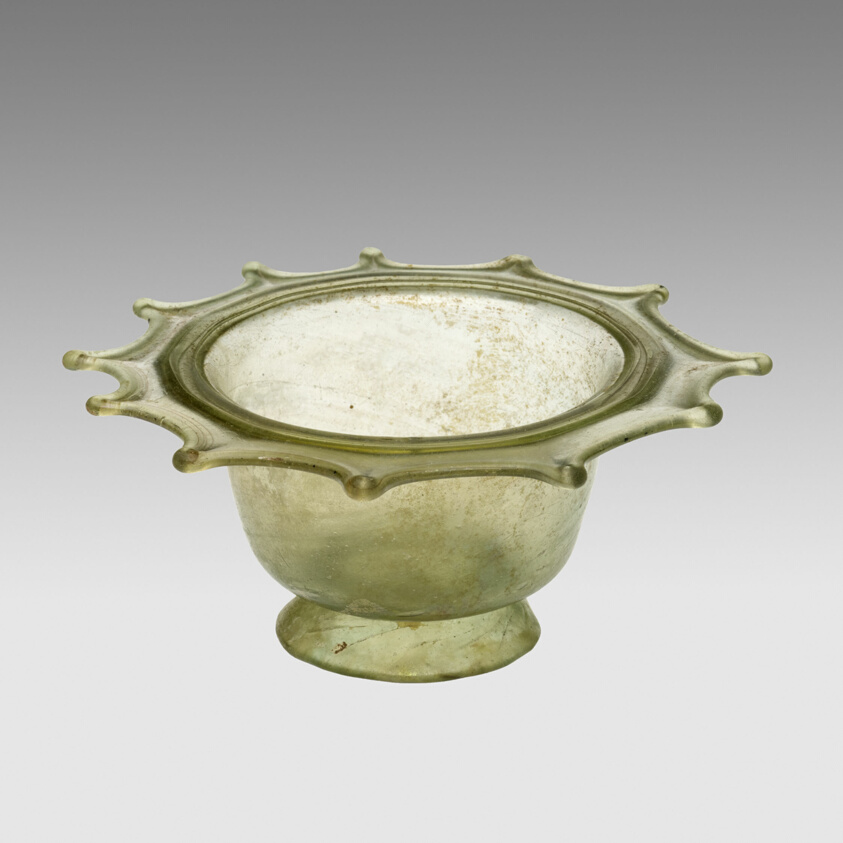
Bowl
Art Institute of Chicago
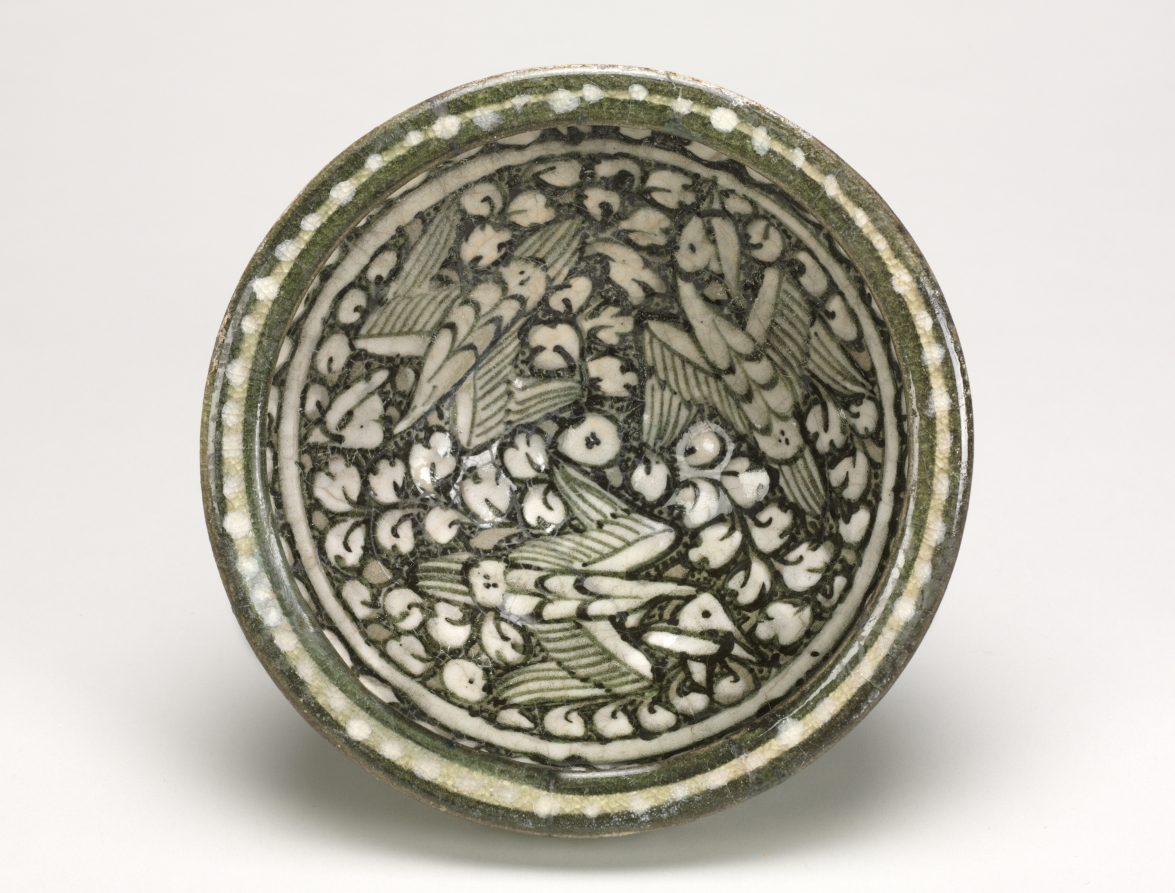
Bowl with Flying Birds
Cleveland Museum of Art
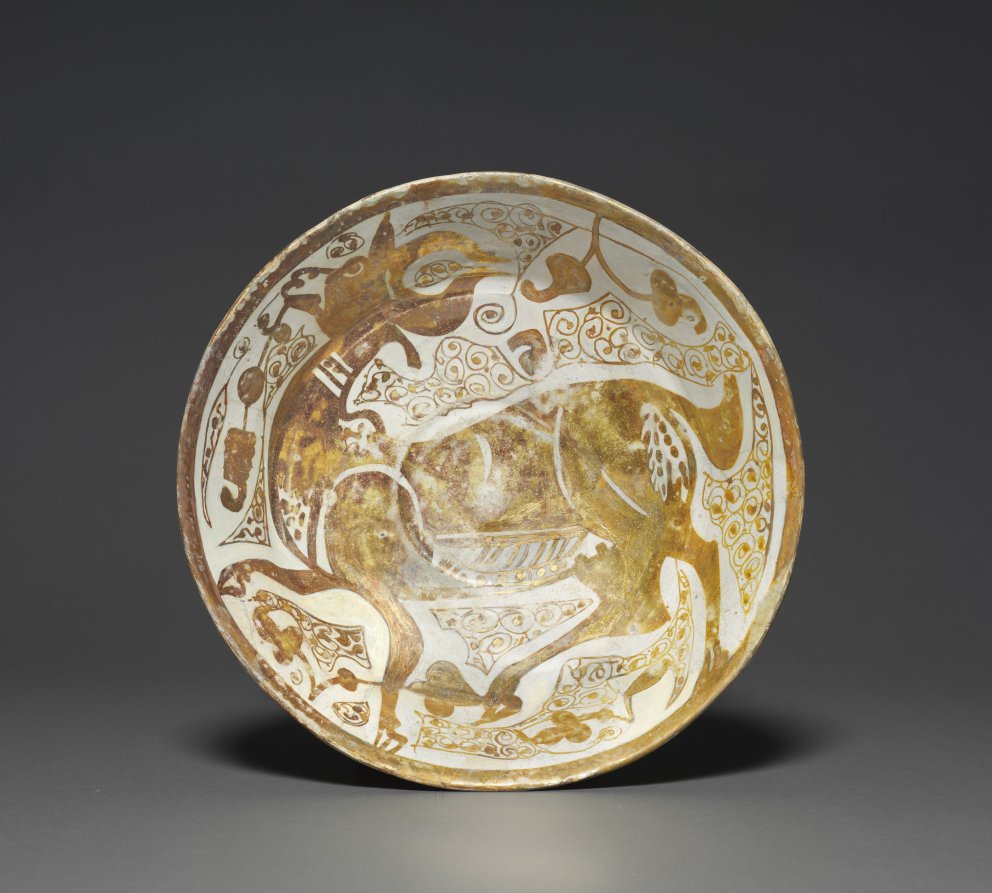
Luster Bowl with Antelope
Cleveland Museum of Art
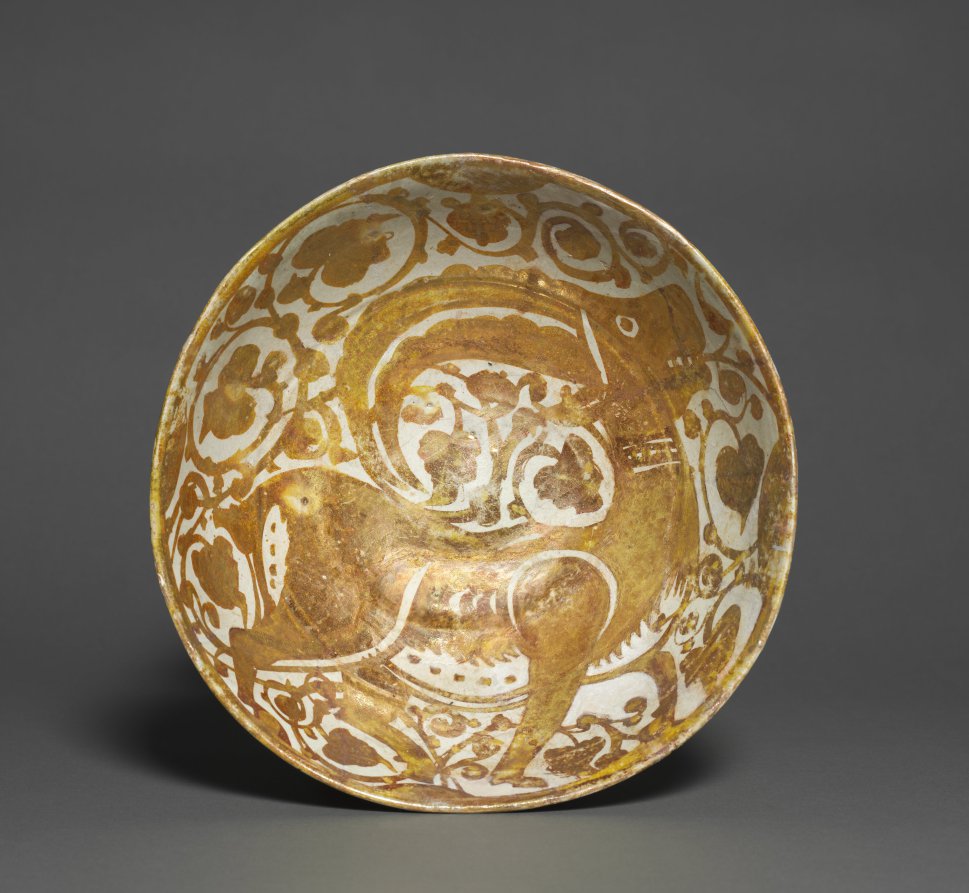
Luster Bowl with Ibex
Cleveland Museum of Art
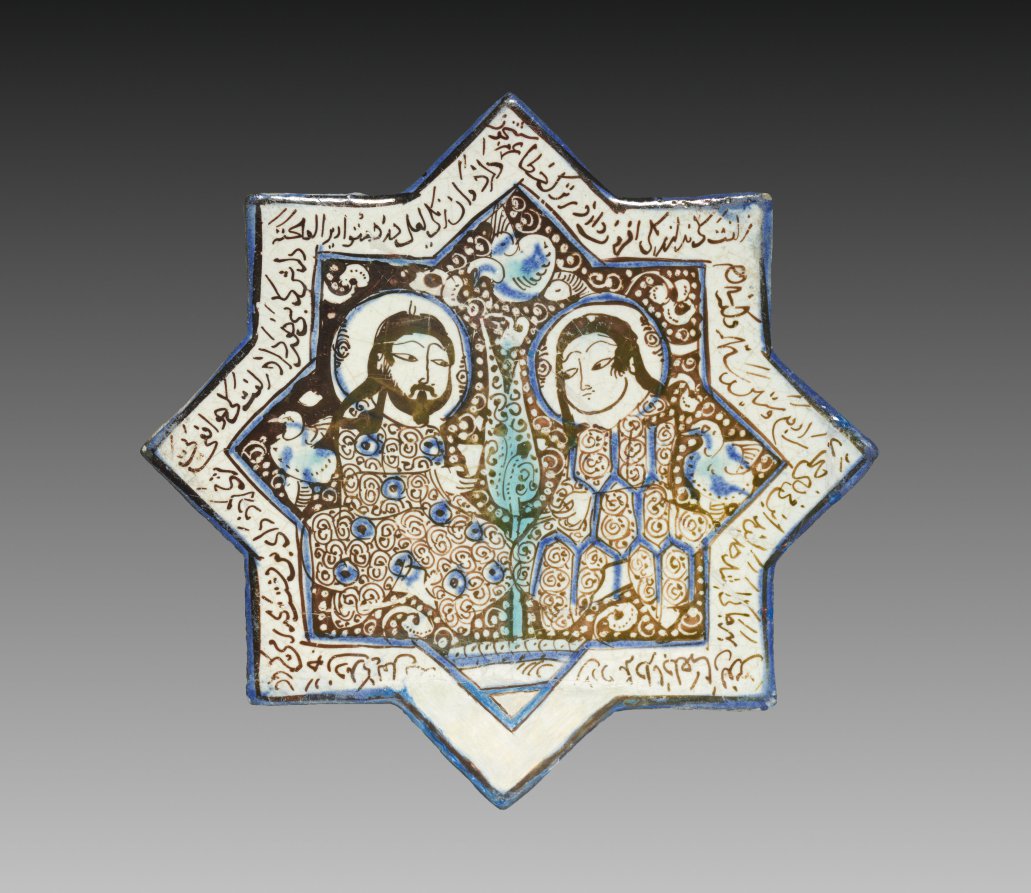
Luster Wall Tile with a Couple
Cleveland Museum of Art
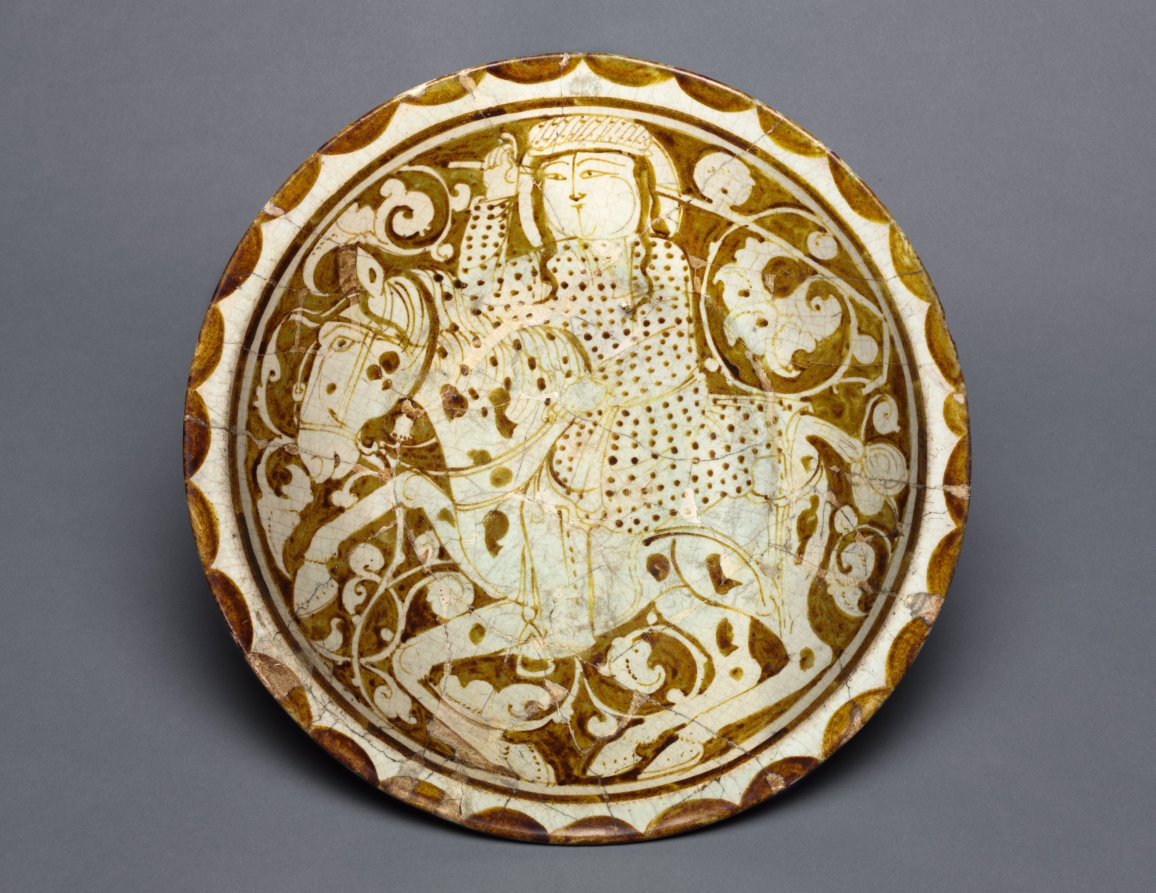
Luster Dish with Polo Player
Cleveland Museum of Art
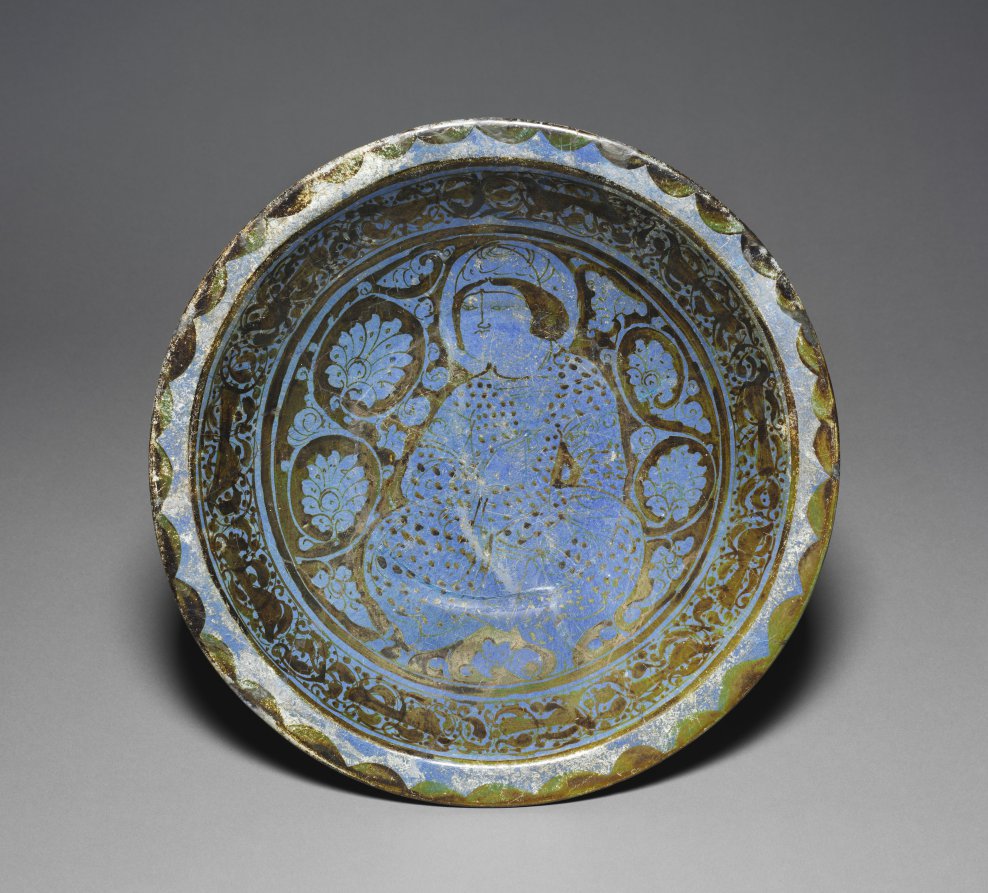
Luster Dish with Seated Prince
Cleveland Museum of Art
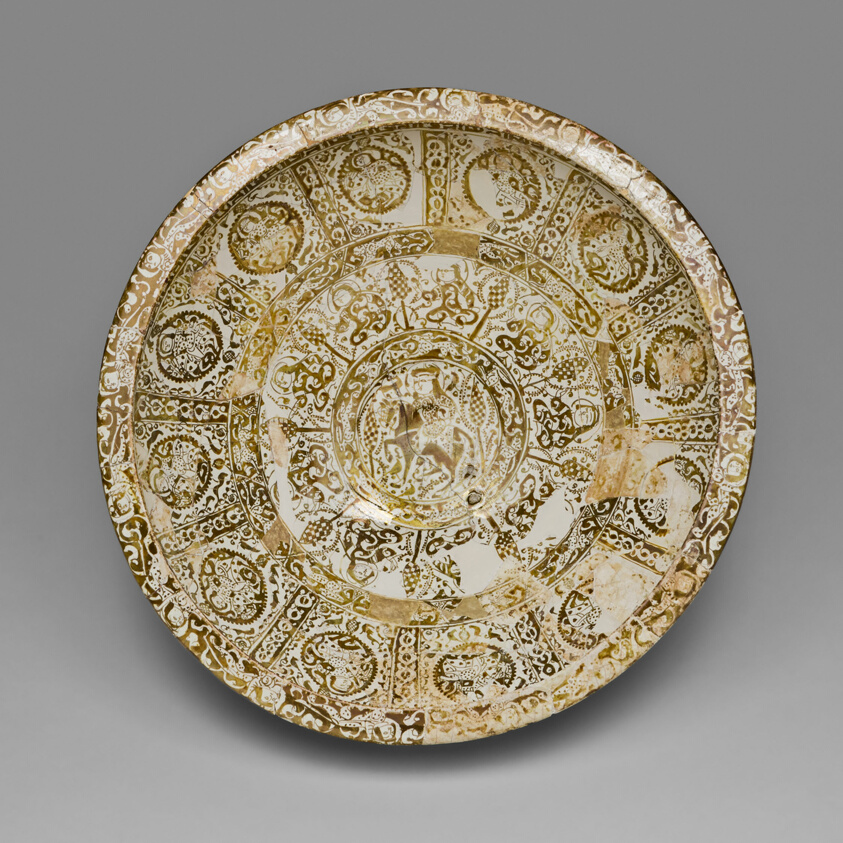
Serving Bowl with Miniature Figures, Arabic Blessings, and Persian Poetry
Art Institute of Chicago
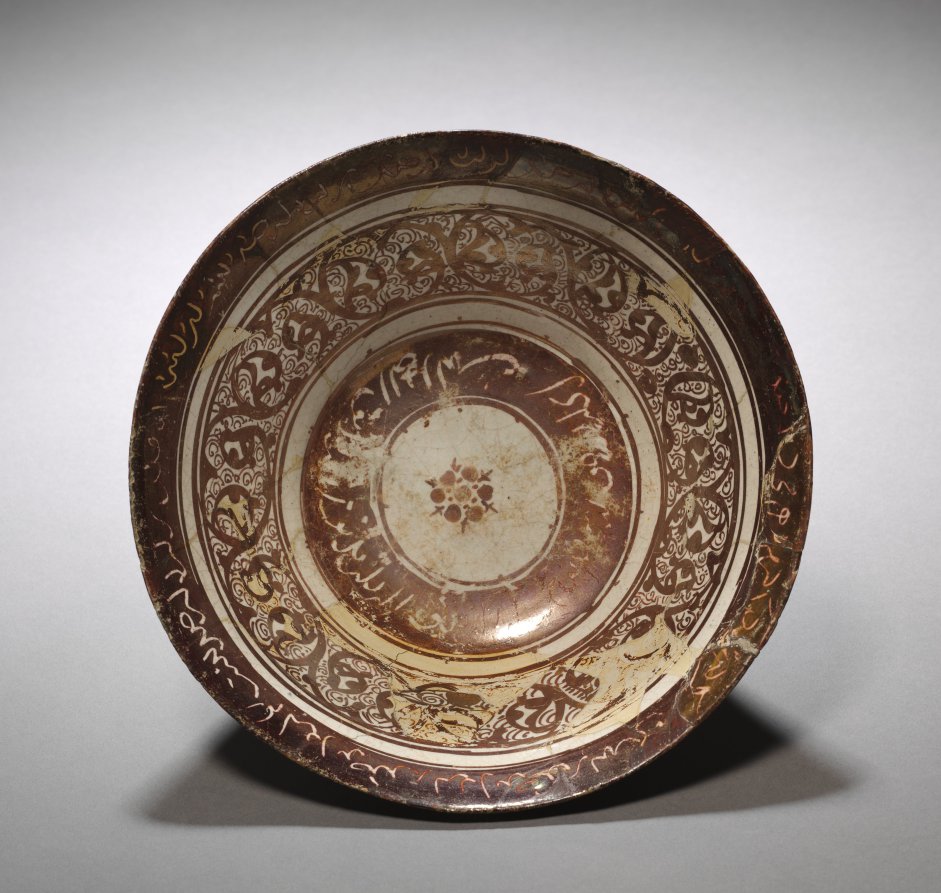
Bowl
Cleveland Museum of Art
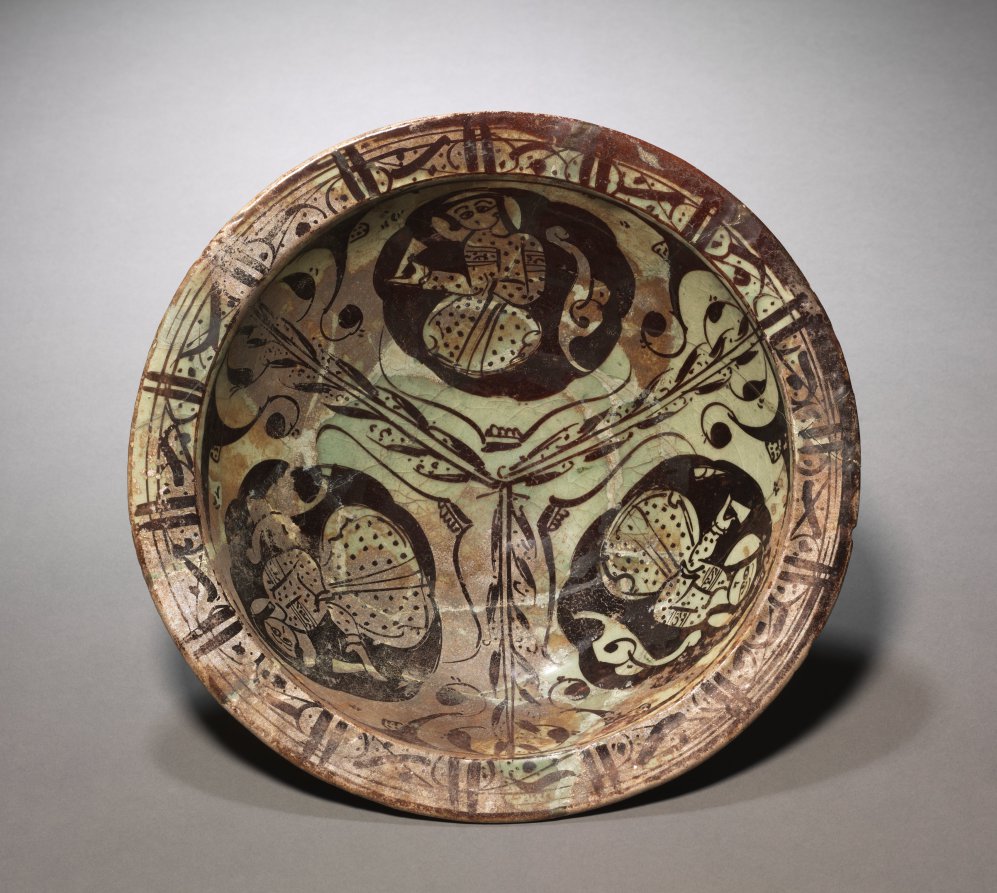
Bowl
Cleveland Museum of Art

Bowl with diamond, floral, and vegetal design
Minneapolis Institute of Art