Cleveland Museum of Art
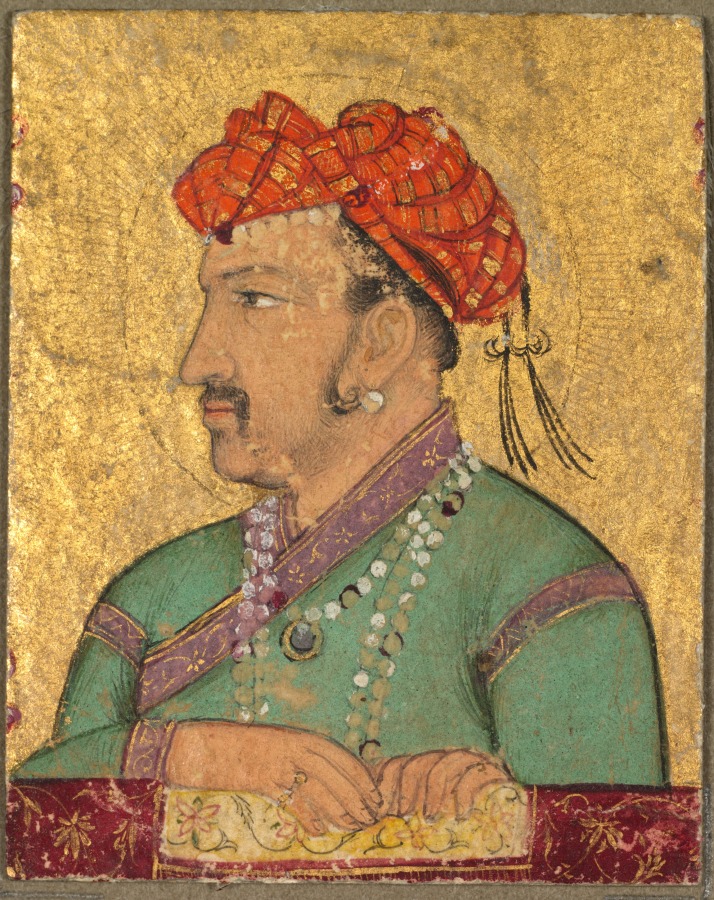
Portrait Jewel of Emperor Jahangir
- Date
- early 1600s
- Medium
- Gum tempera and gold on paper
- Culture
- Mughal India, court of Jahangir (reigned 1605–27)
- Department
- Indian and Southeast Asian Art
- Institution
- Cleveland Museum of Art
The fourth Mughal emperor of India, Jahangir, had tiny portraits of himself made to give as gifts to his friends, family, and nobles of the court as a sign of royal favor. These portraits were mounted and worn as jewels or turban ornaments. The carpet or textile under his hands references the covered rail of a balcony where the emperor addressed the public three times a day to hear complaints or petitions. The pearl earring denotes Jahangir’s affiliation with an order of Sufi mystics.
The authoritative record is held by Cleveland Museum of Art. LinkedCulture surfaces this object and its connections; it does not alter institutional metadata.
Related across collections
Semantically similar works from Cleveland Museum of Art and other institutions.
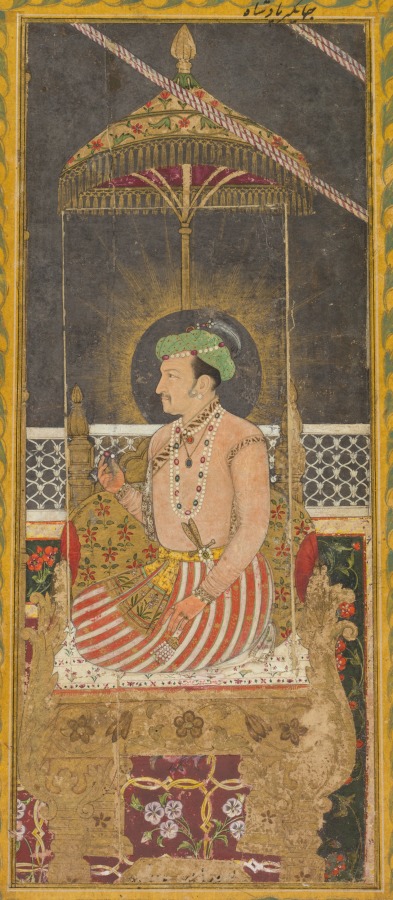
Posthumous portrait of Emperor Jahangir under a canopy (recto)
Cleveland Museum of Art
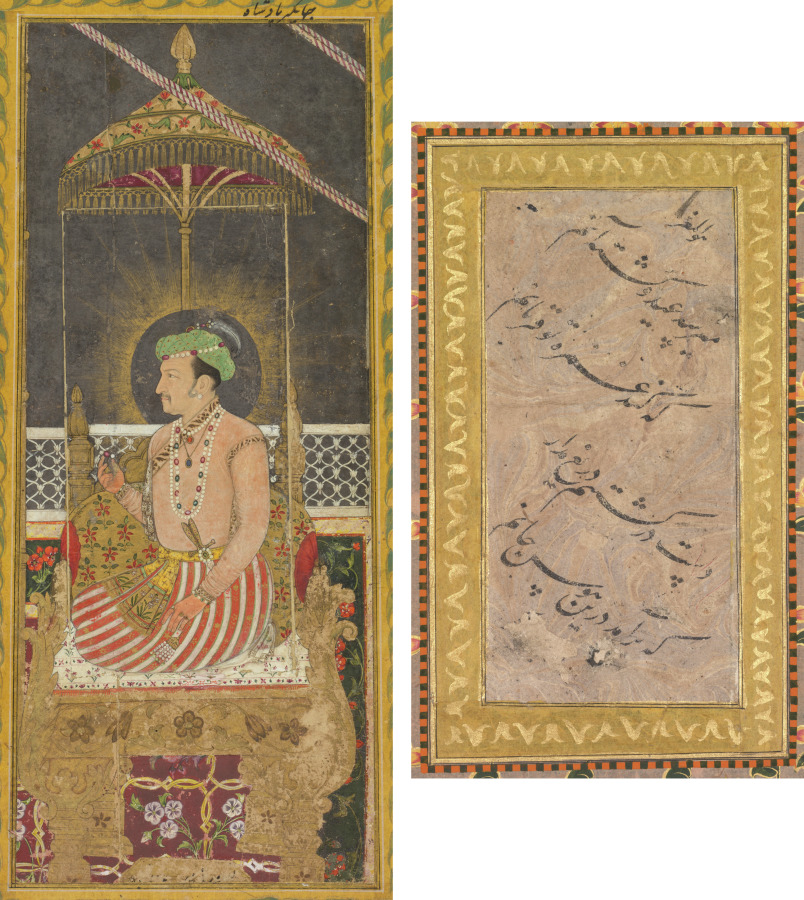
Posthumous portrait of Emperor Jahangir under a canopy (recto); Calligraphy (verso)
Cleveland Museum of Art
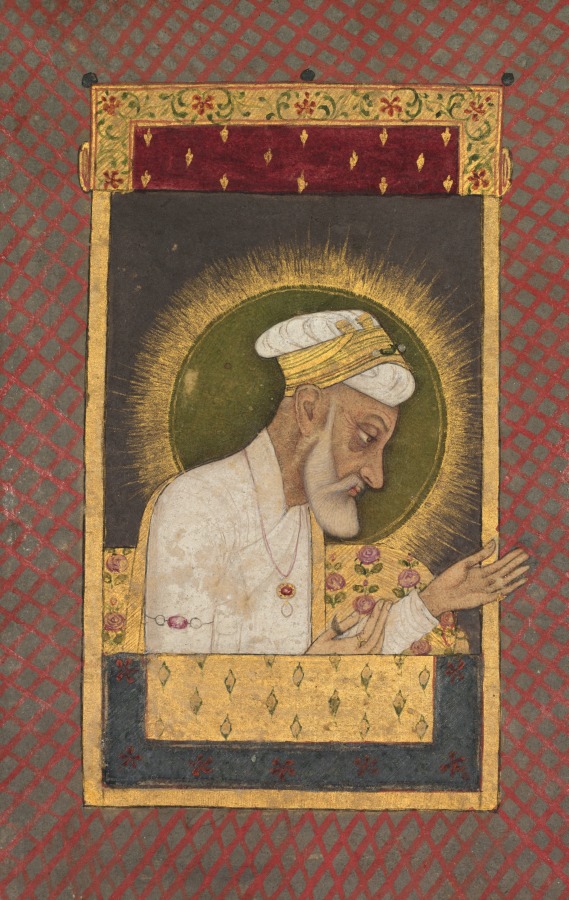
Portrait of Emperor Alamgir (Aurangzeb)
Cleveland Museum of Art
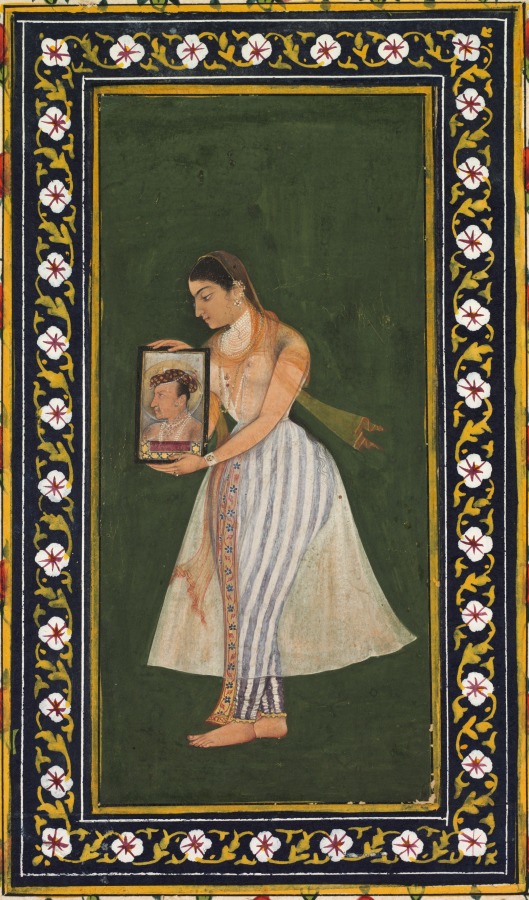
Nur Jahan holding a portrait of Emperor Jahangir
Cleveland Museum of Art
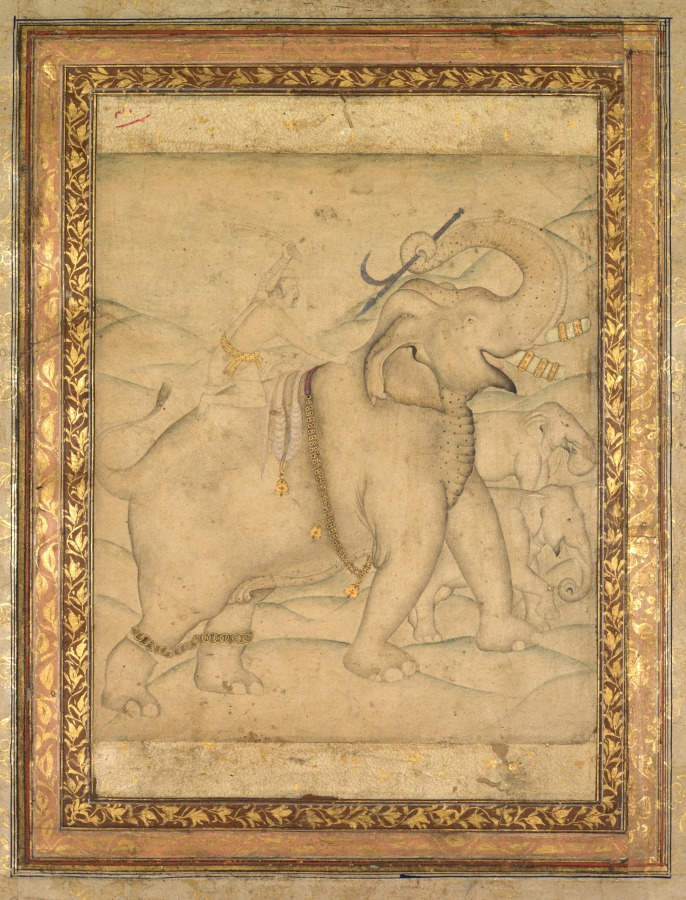
Portrait of Emperor Jahangir Riding an Elephant
Cleveland Museum of Art
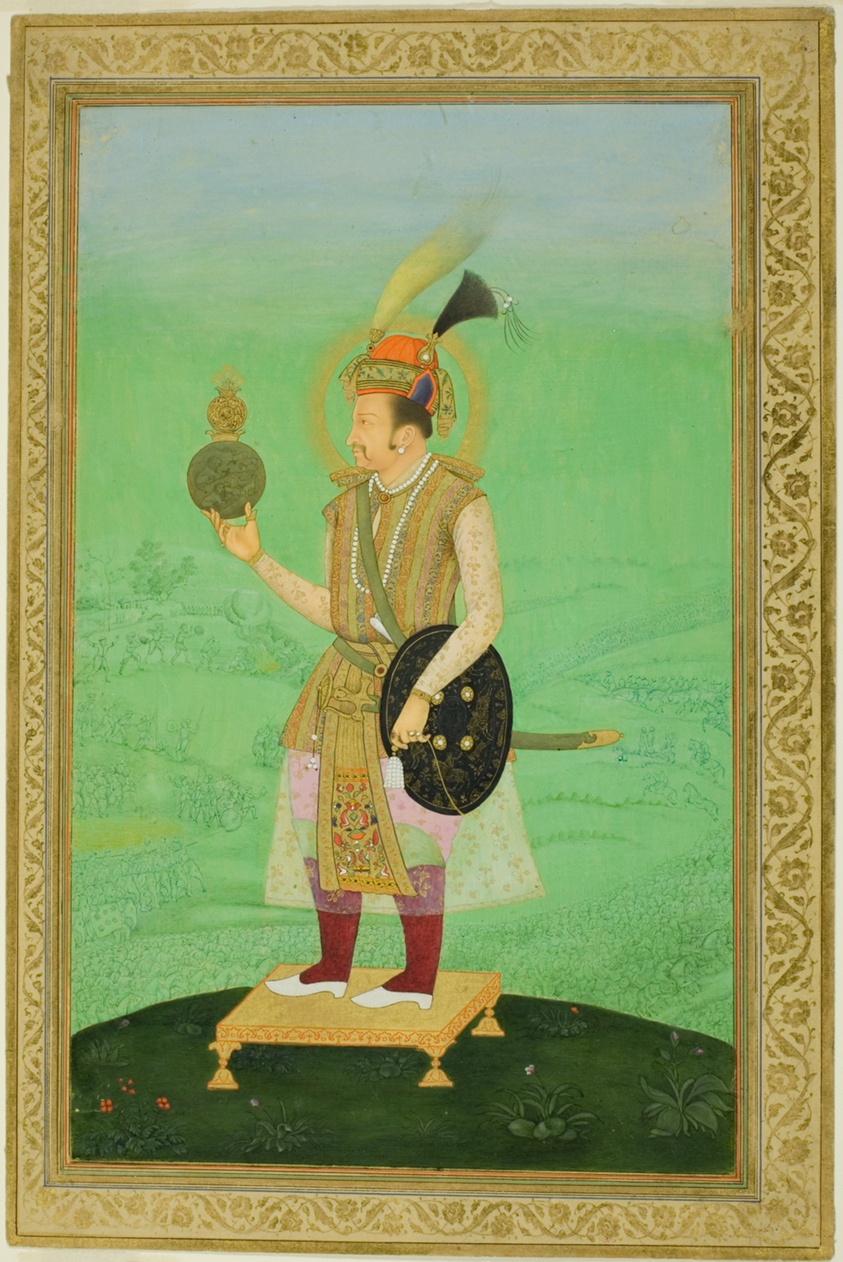
Portrait of Emperor Jahangir
Art Institute of Chicago
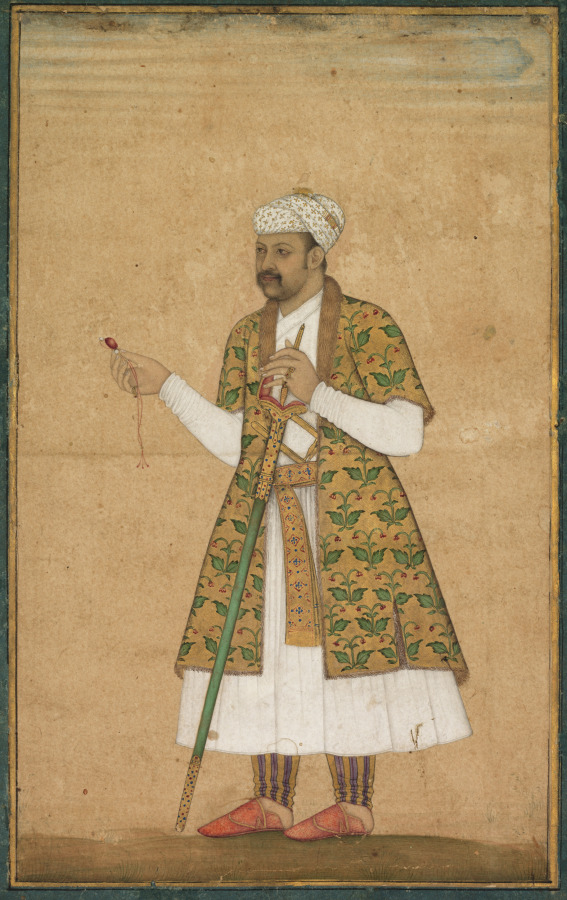
A Courtier, Possibly Khan Alam, Holding a Spinel and a Deccan Sword
Cleveland Museum of Art
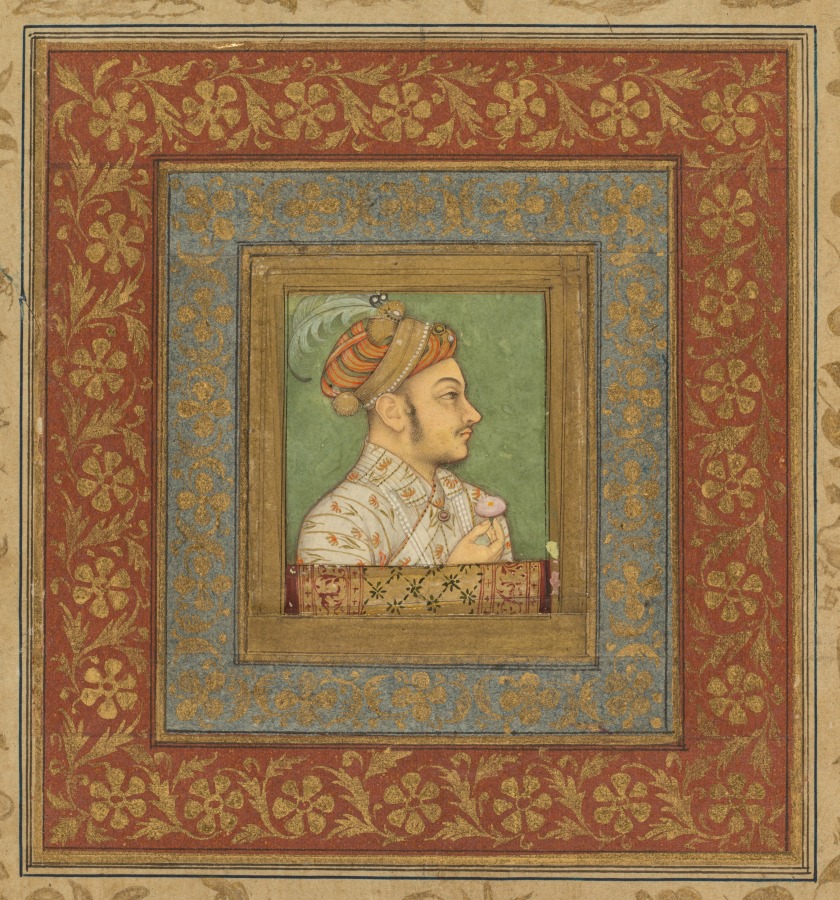
Portrait of Murad Bakhsh (1624–61)
Cleveland Museum of Art
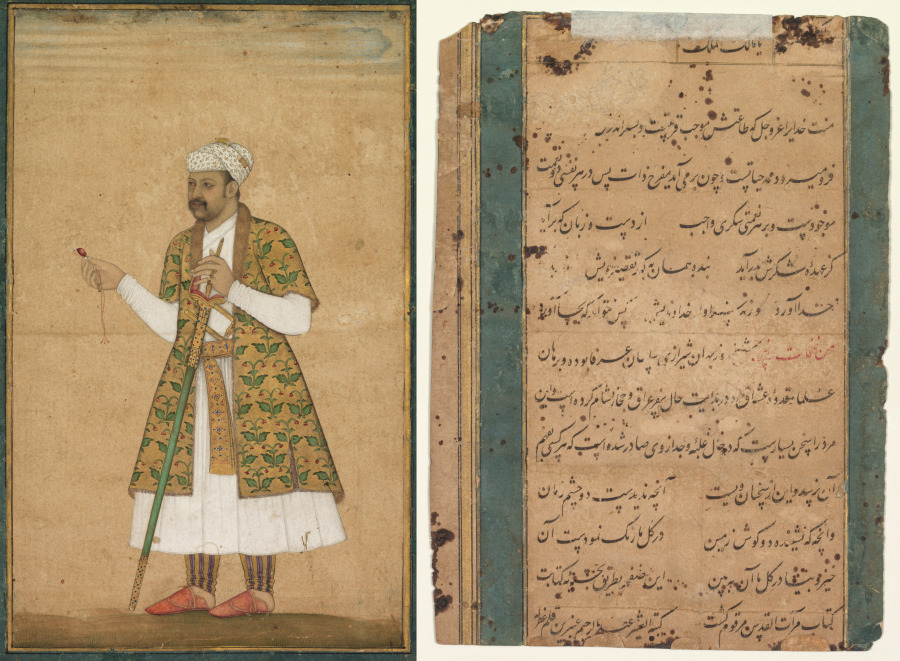
A Courtier, Possibly Khan Alam, Holding a Spinel and a Deccan Sword
Cleveland Museum of Art
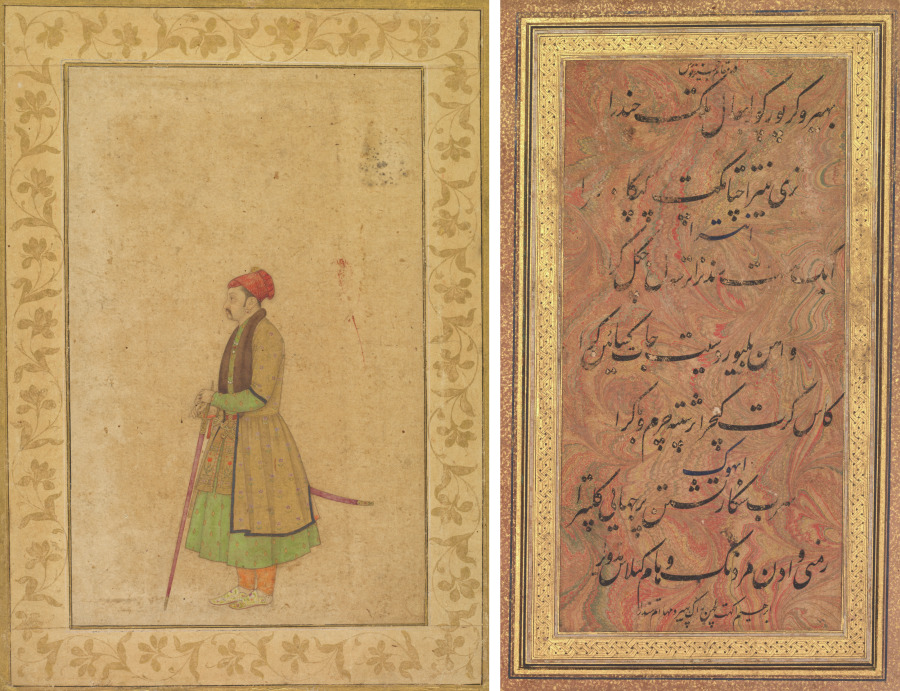
Portrait of Raja Ram Singh of Amber (r. 1667-1688) with a Deccan Sword (recto); Calligraphy (verso)
Cleveland Museum of Art
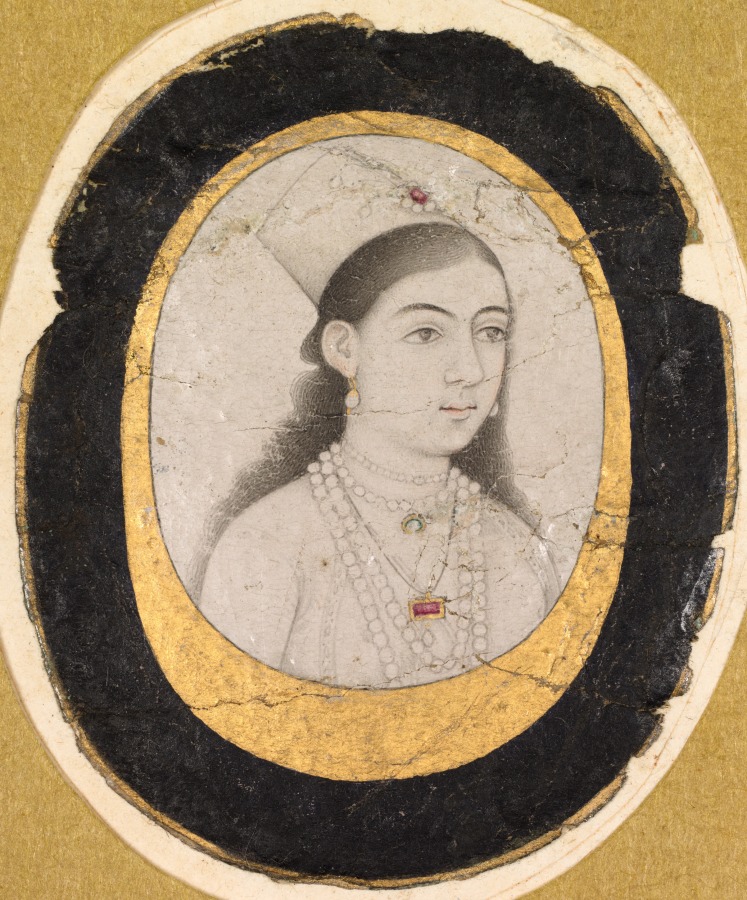
Jewel Portrait of a Young Girl
Cleveland Museum of Art
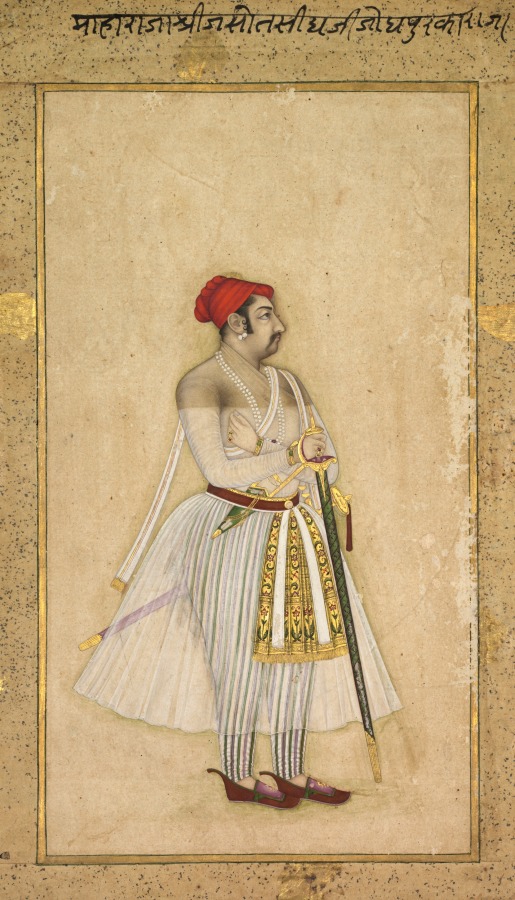
Jaswant Singh of Jodhpur (reigned 1635–1678)
Cleveland Museum of Art