Cleveland Museum of Art
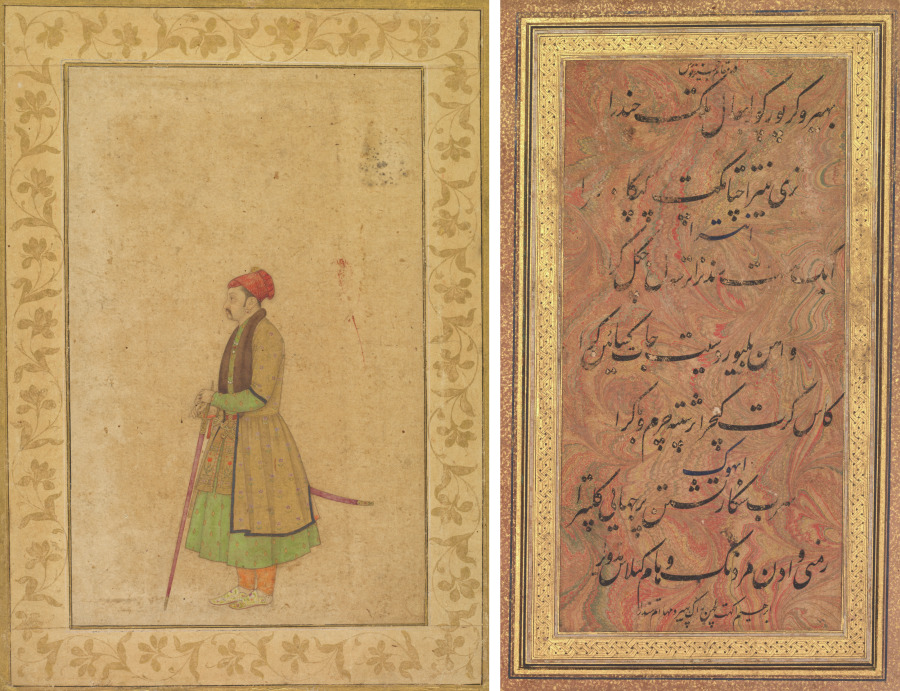
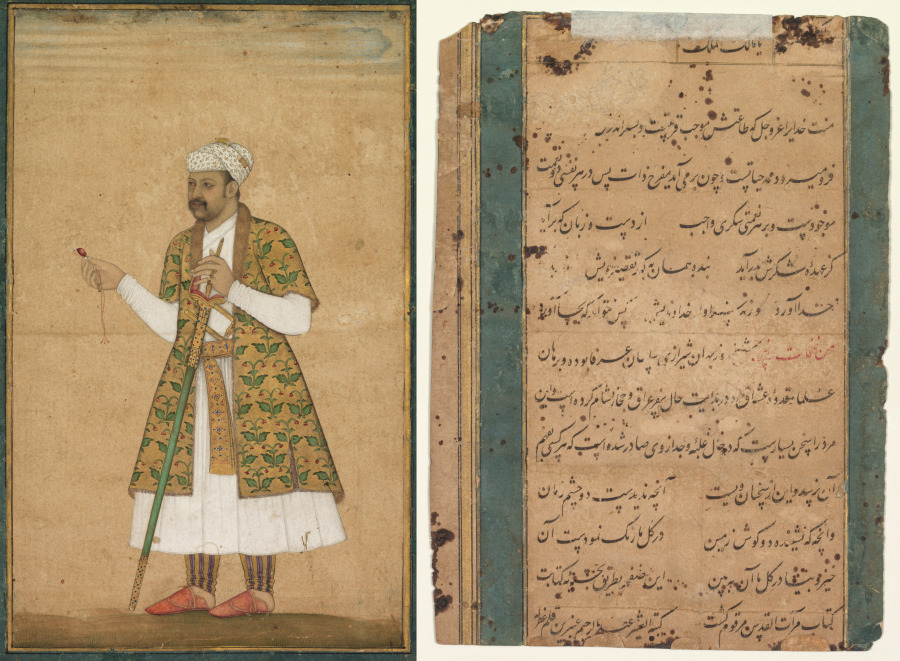
Portrait of Raja Ram Singh of Amber (r. 1667-1688) with a Deccan Sword (recto); Calligraphy (verso)
- Date
- c. 1680–1685
- Medium
- Gum tempera, ink, and gold on paper
- Culture
- India, Mughal court, 17th century
- Department
- Indian and Southeast Asian Art
- Institution
- Cleveland Museum of Art
The sensitive, naturalistic rendering of weariness and forbearance in the face belies the trappings of favor bestowed on Ram Singh by the Mughal emperors Shah Jahan and Alamgir, whom he served as courtier and general between 1643 and 1688. He was a Hindu ruler from the kingdom of Amber in Rajasthan, under the control of the Mughal empire. Spending most of his life at the imperial court or leading military expeditions for the Mughals, this portrait was included in a Mughal album and inscribed with an Urdu verse indicating his value to the empire: "wherever he has led an expedition, victory is his." He wears a sumptuous coat of honor with a fur collar, woven with gold threads and floral sprigs and costly rubies, emeralds, and pearls. The straight sword with enameled hilt may be the one gifted to him by the emperor upon his succession to the throne as king of Amber in 1667. His long history of service at the imperial court, however, was checkered with troubles, including his allegiances with failed successors of Shah Jahan and the escape of the rebel Shivaji under his watch.
The authoritative record is held by Cleveland Museum of Art. LinkedCulture surfaces this object and its connections; it does not alter institutional metadata.
Related across collections
Semantically similar works from Cleveland Museum of Art and other institutions.
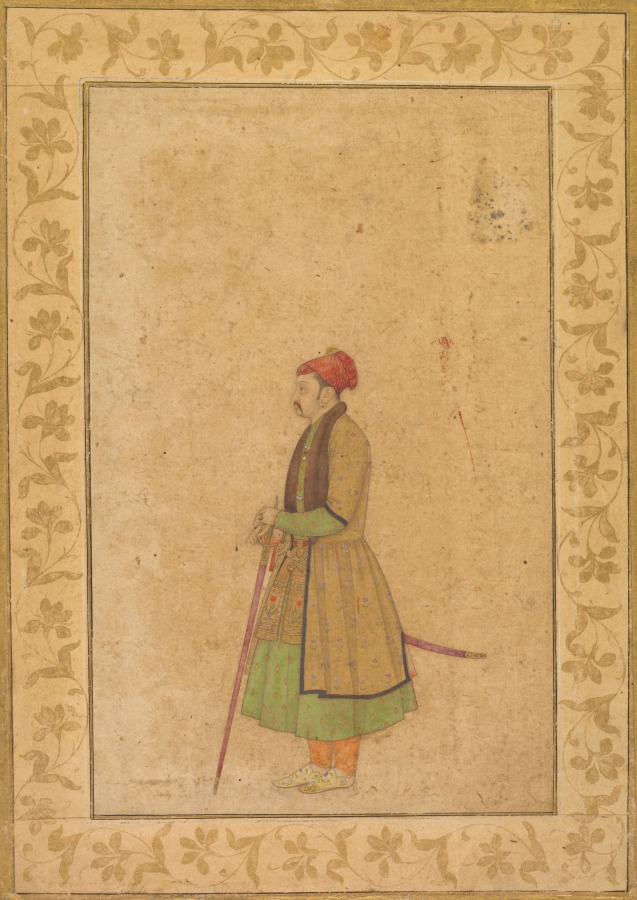
Portrait of Raja Ram Singh of Amber (r. 1667-1688) with a Deccan Sword (recto)
Cleveland Museum of Art
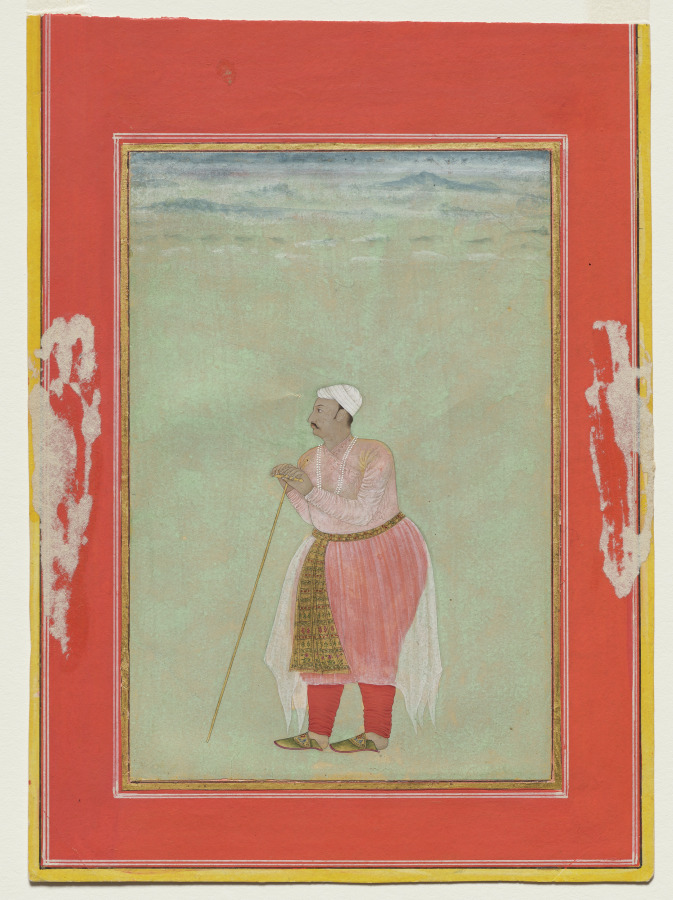
Portrait of Maharaja Rai Singh of Bikaner (reigned 1574–1612)
Cleveland Museum of Art
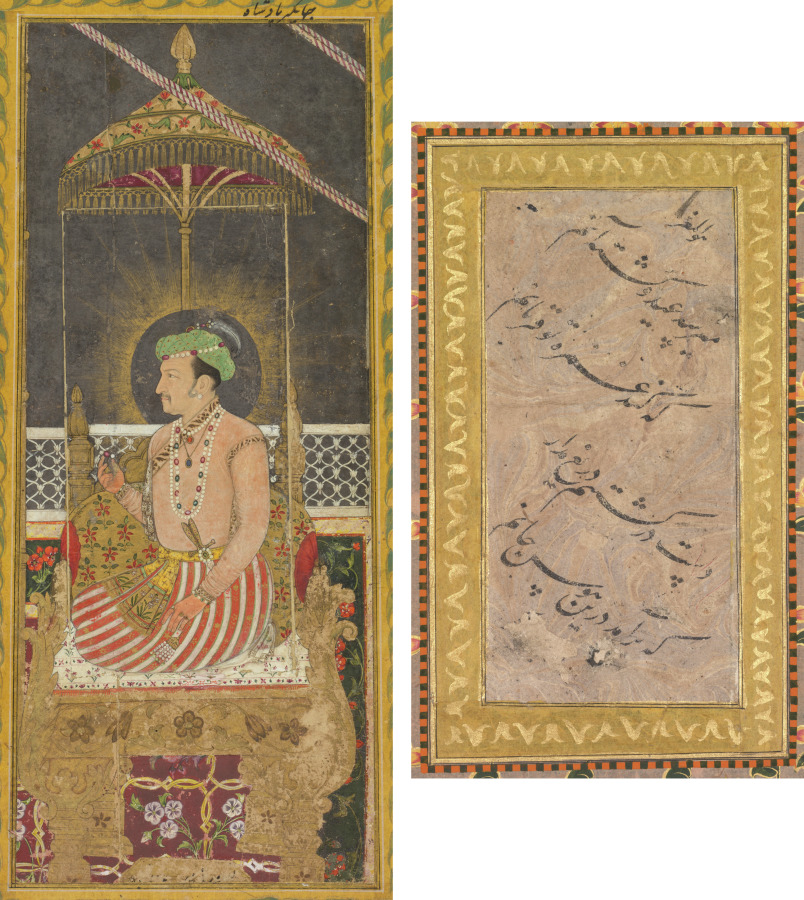
Posthumous portrait of Emperor Jahangir under a canopy (recto); Calligraphy (verso)
Cleveland Museum of Art
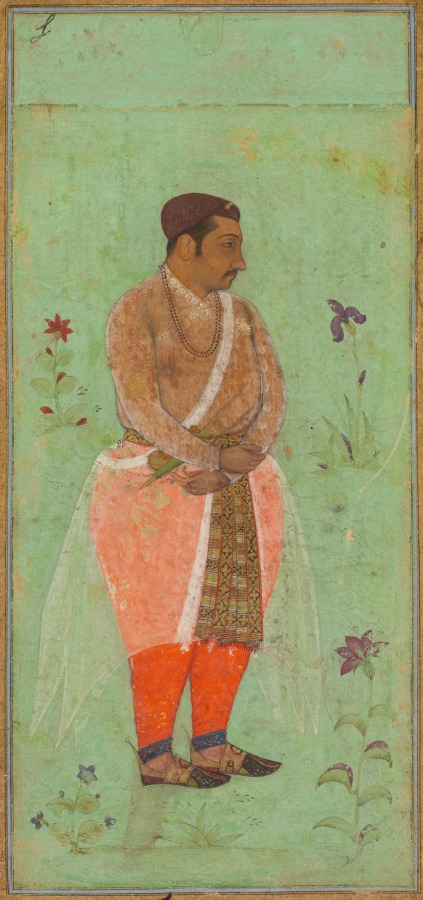
Portrait of Suraj Singh Rathor, Raja of Marwar and Maternal Uncle of Shah Jahan: A Page from the Prince Khurram Album
Cleveland Museum of Art
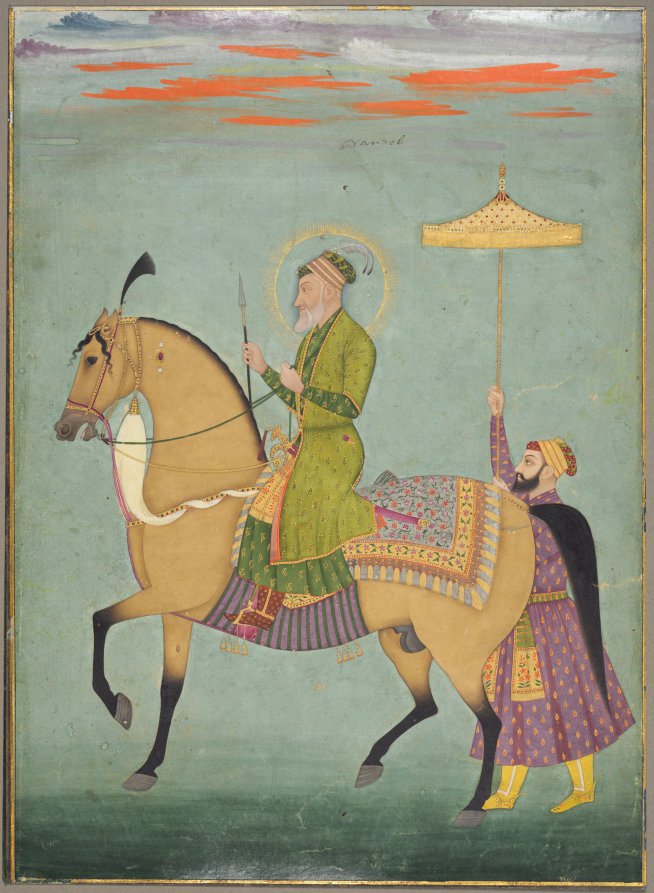
The Emperor Alamgir (reigned 1658–1707) on Horseback
Cleveland Museum of Art
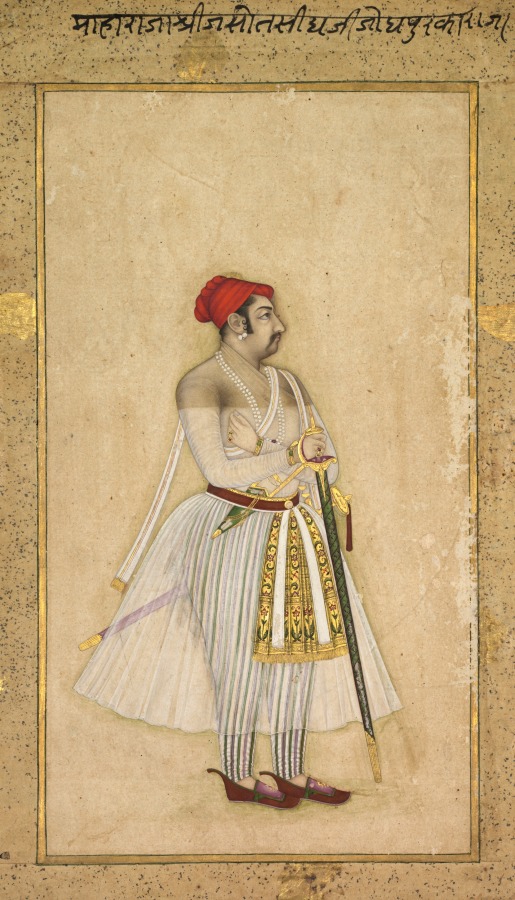
Jaswant Singh of Jodhpur (reigned 1635–1678)
Cleveland Museum of Art
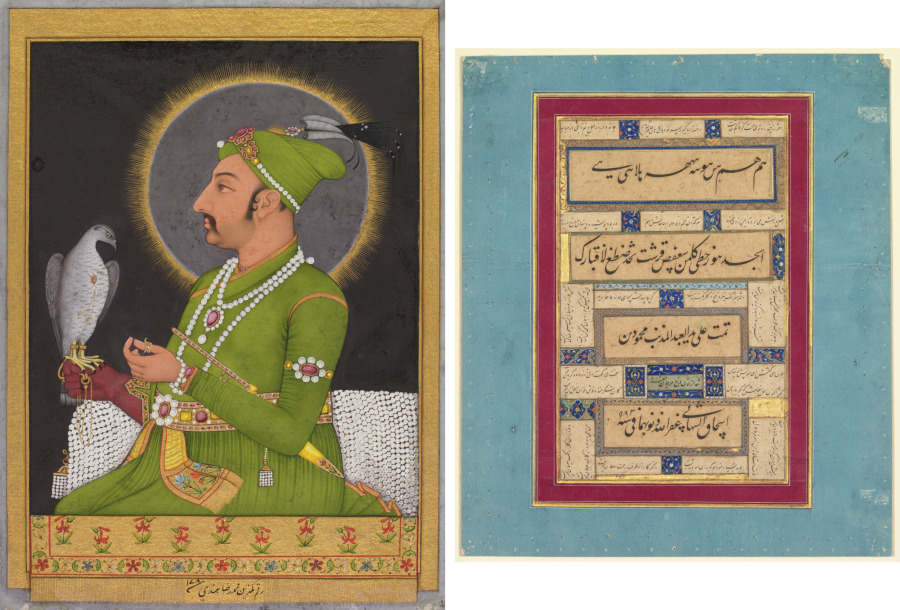
Posthumous portrait of the Mughal emperor Muhammad Shah (reigned 1719–1748) holding a falcon (recto); Calligraphy (verso)
Cleveland Museum of Art
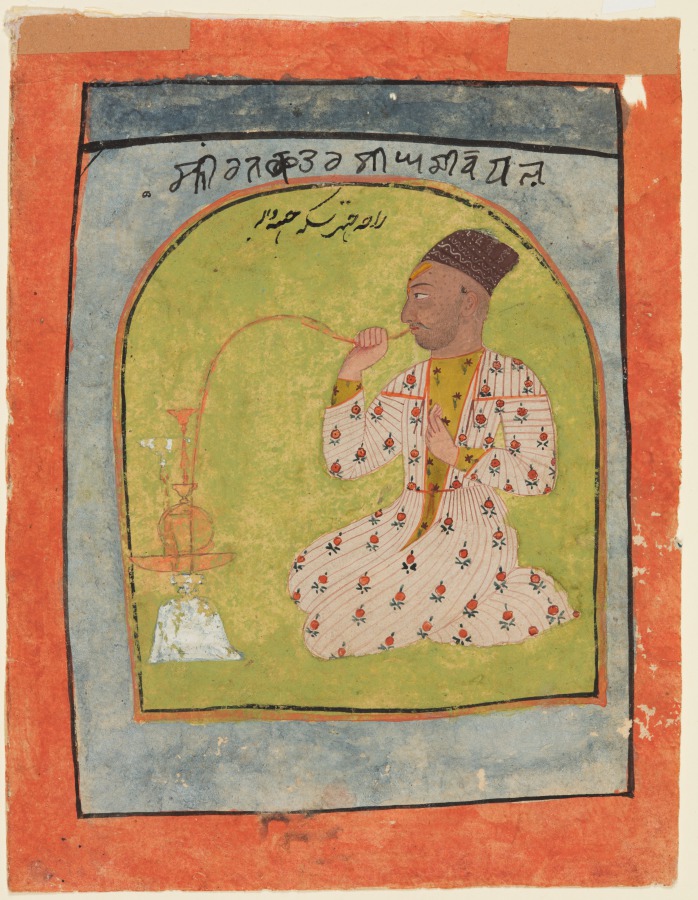
Posthumous portrait of Raja Chhatar Singh of Chamba smoking a hookah
Cleveland Museum of Art
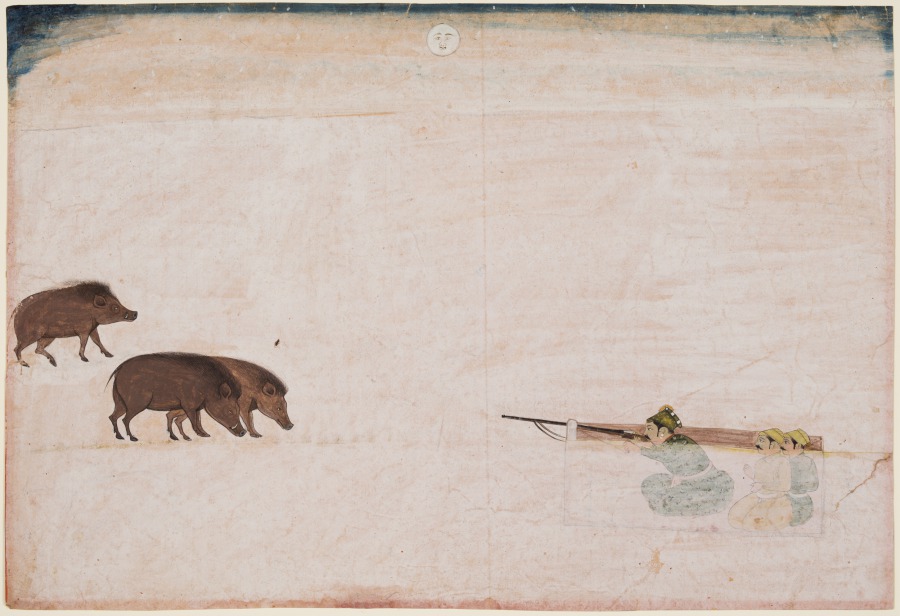
Raja Ram Chand of Amber (r. 1667–88) Hunting Wild Boar
Cleveland Museum of Art
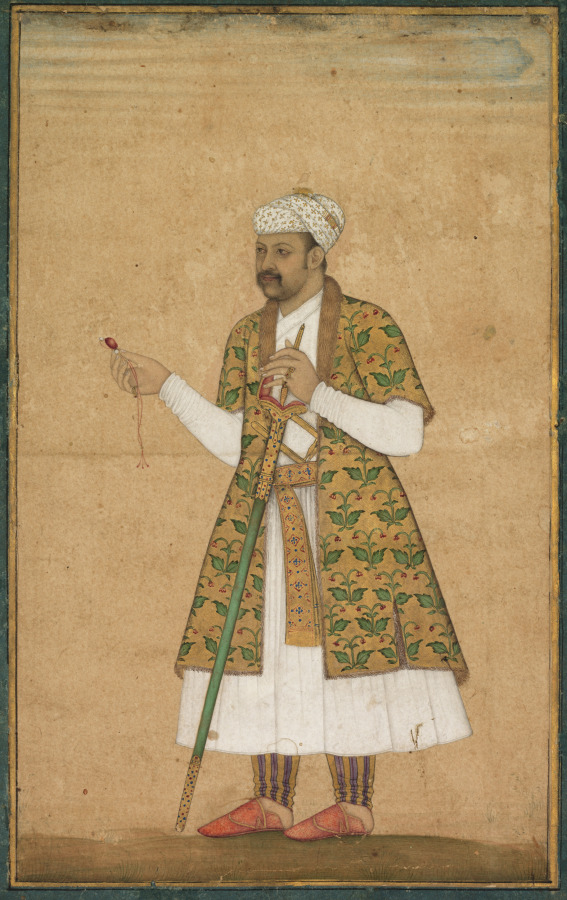
A Courtier, Possibly Khan Alam, Holding a Spinel and a Deccan Sword
Cleveland Museum of Art
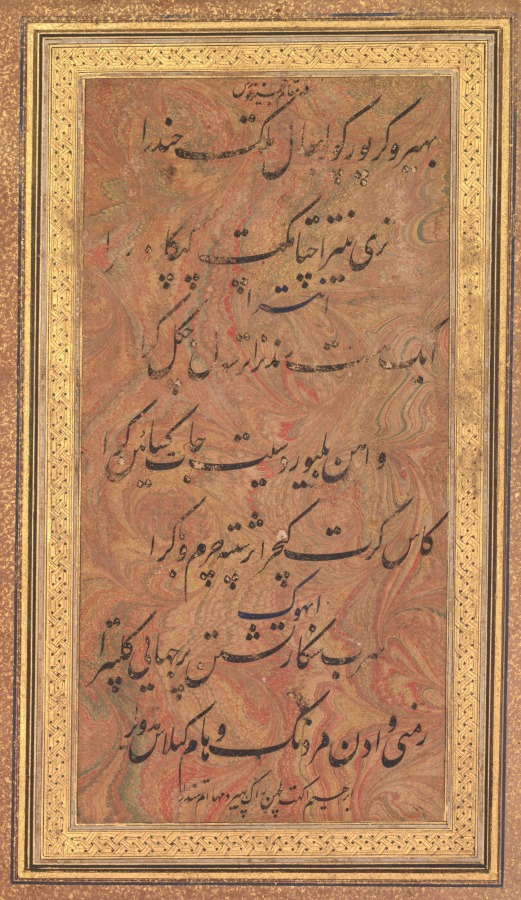
Eight Lines of Musical Poetry of the Jajner Nauras (Rag Bhairav) of Ibrahim Adil Shah of Bijapur (verso)
Cleveland Museum of Art
A Courtier, Possibly Khan Alam, Holding a Spinel and a Deccan Sword
Cleveland Museum of Art