Cleveland Museum of Art
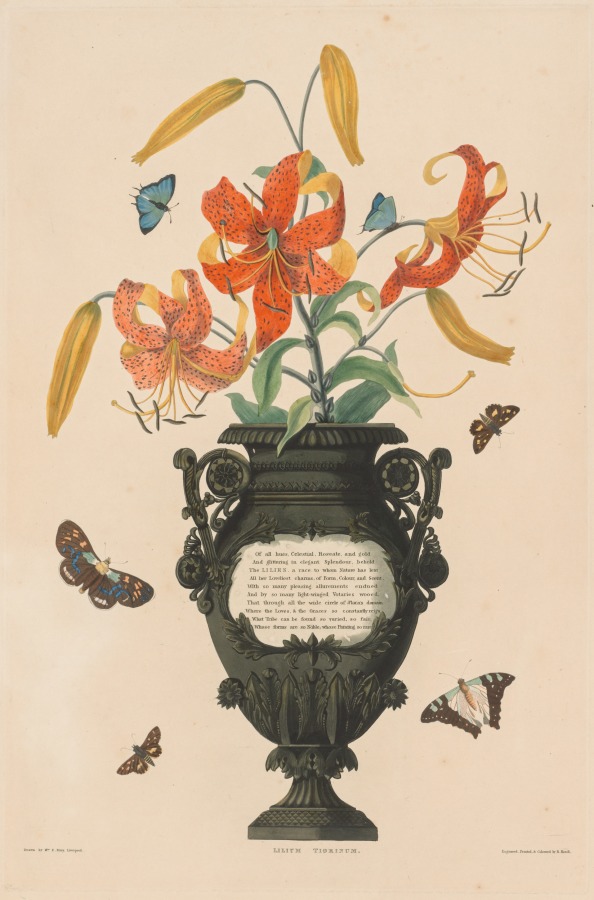
A Selection of Hexandrian Plants, belonging to the natural order of Amaryllidae and Liliacae: Tiger Lily
Robert Havell
- Date
- 1831–32
- Medium
- aquatint
- Culture
- England, 19th century
- Department
- Prints
- Institution
- Cleveland Museum of Art
The late 18th century saw the development of color printing, a laborious process in which the image is built up from separate plates for each color. Applying Newton’s theory of color, a plate was prepared for each of the three primary colors (blue, yellow, and red) as well as for a darker color (usually black, to provide a unifying background tone). These plates, too, were often embellished with hand work in watercolor
The authoritative record is held by Cleveland Museum of Art. LinkedCulture surfaces this object and its connections; it does not alter institutional metadata.
Related across collections
Semantically similar works from Cleveland Museum of Art and other institutions.
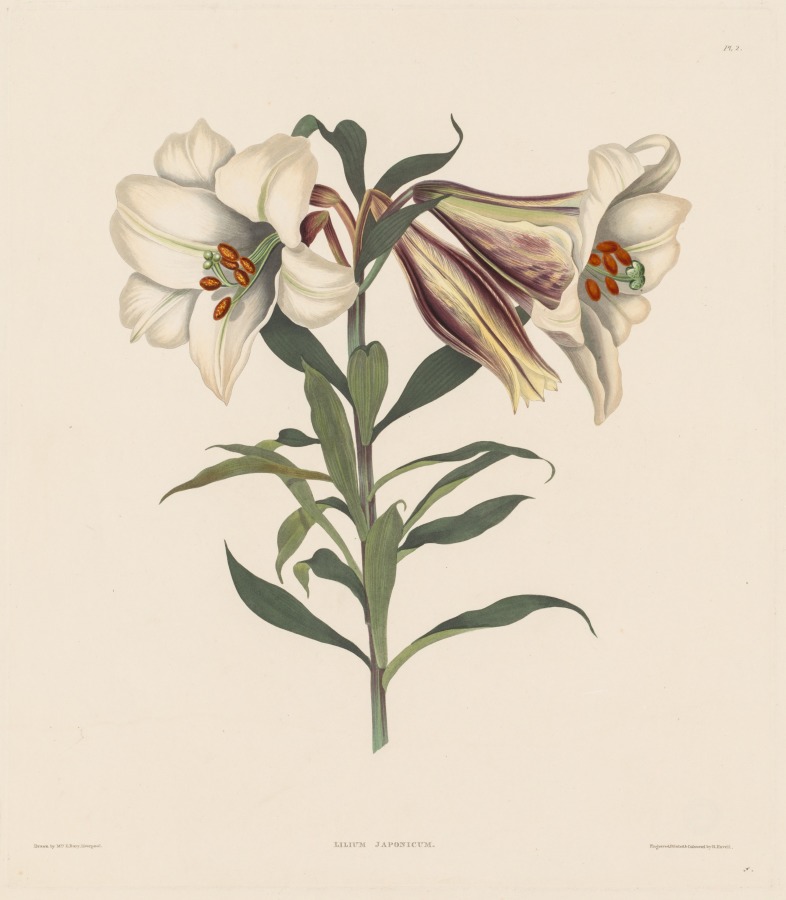
A Selection of Hexandrian Plants, belonging to the natural order of Amaryllidae and Liliacae: Japanese Lily
Cleveland Museum of Art
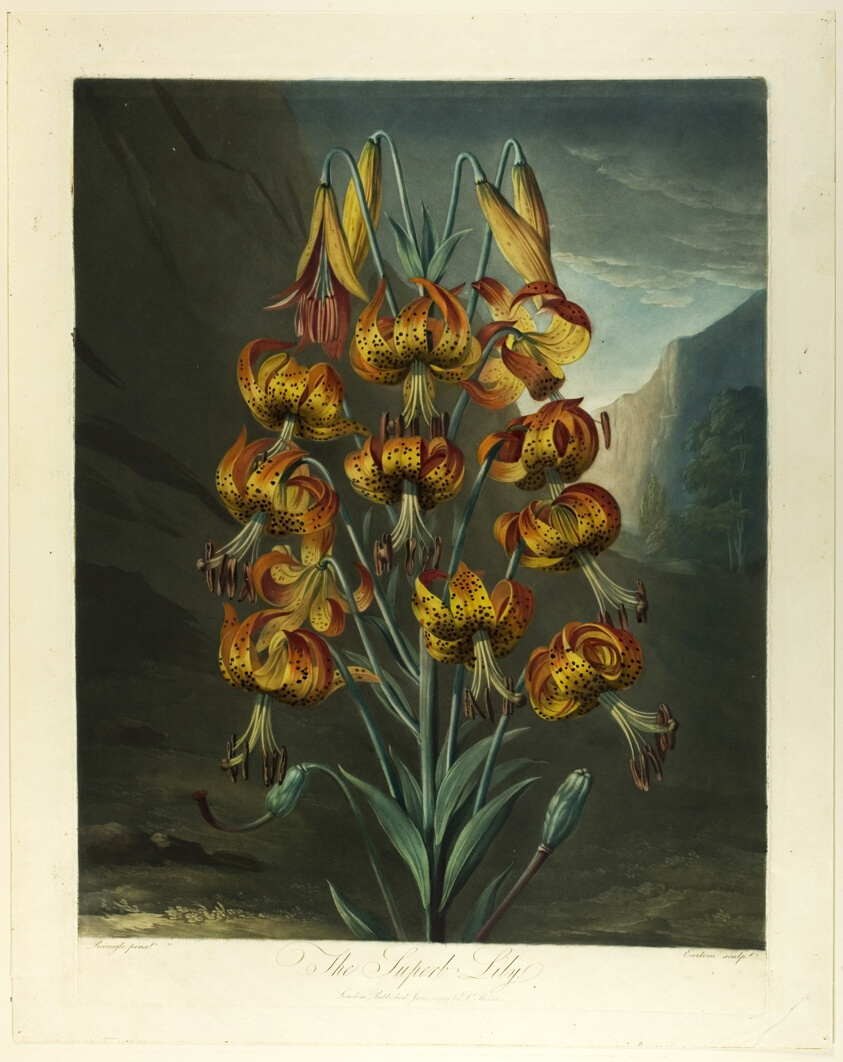
The Superb Lily, from The Temple of Flora
Art Institute of Chicago
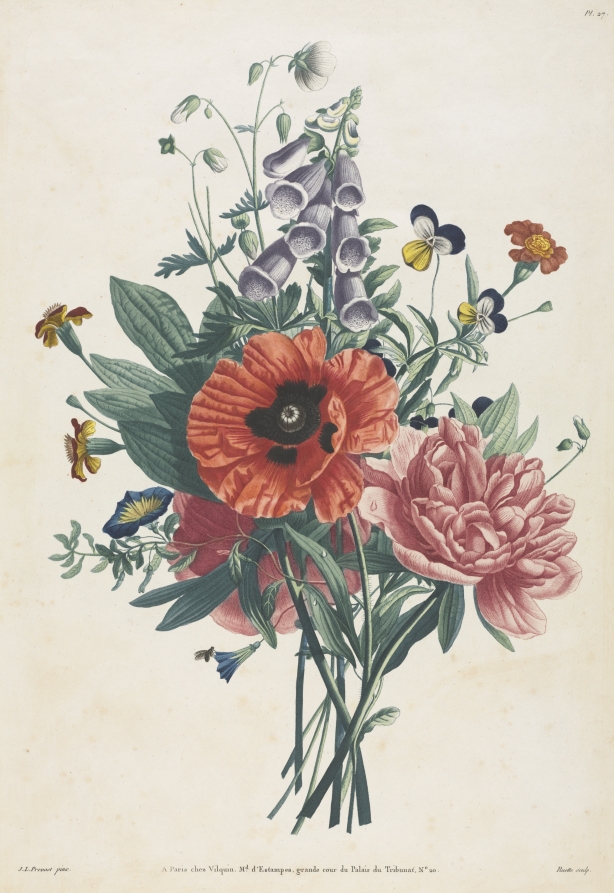
Collection of Flowers and Fruits Painted after Nature: Bouquet of Foxglove, Clematis, Pansy, Peony, Poppy, and Yellow Day Lily
Cleveland Museum of Art
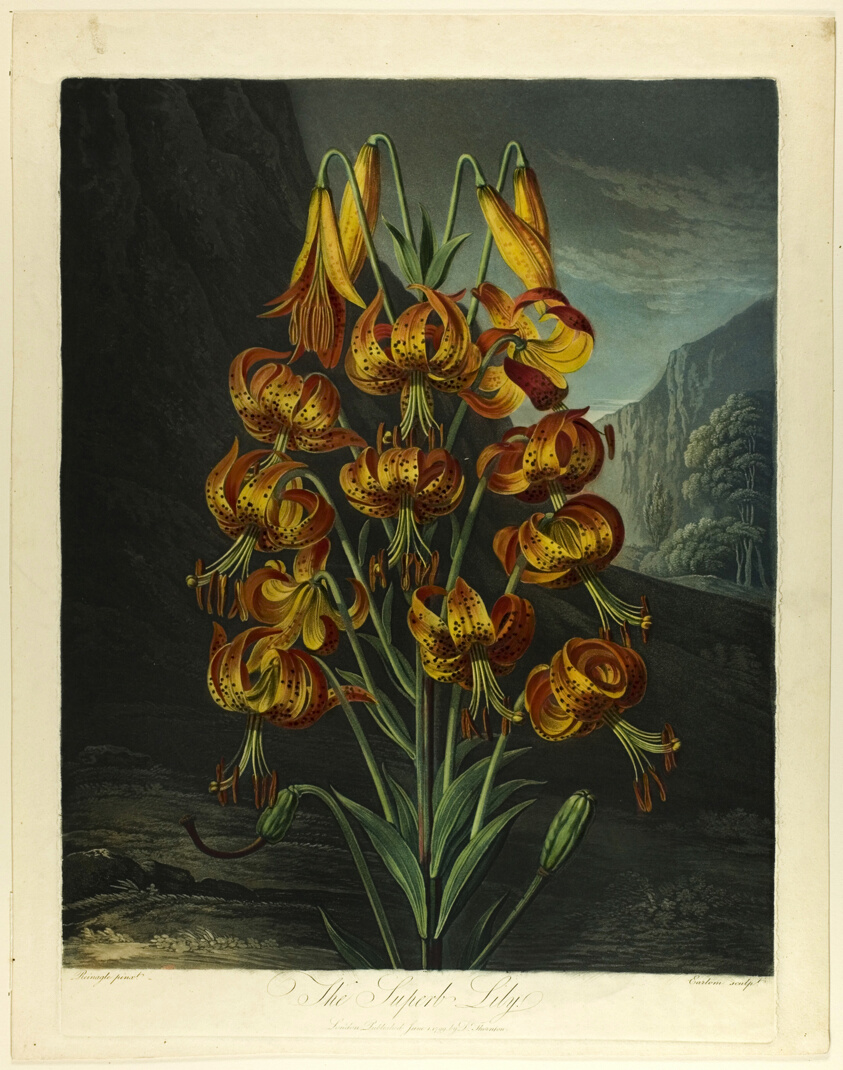
The Superb Lily, from The Temple of Flora
Art Institute of Chicago
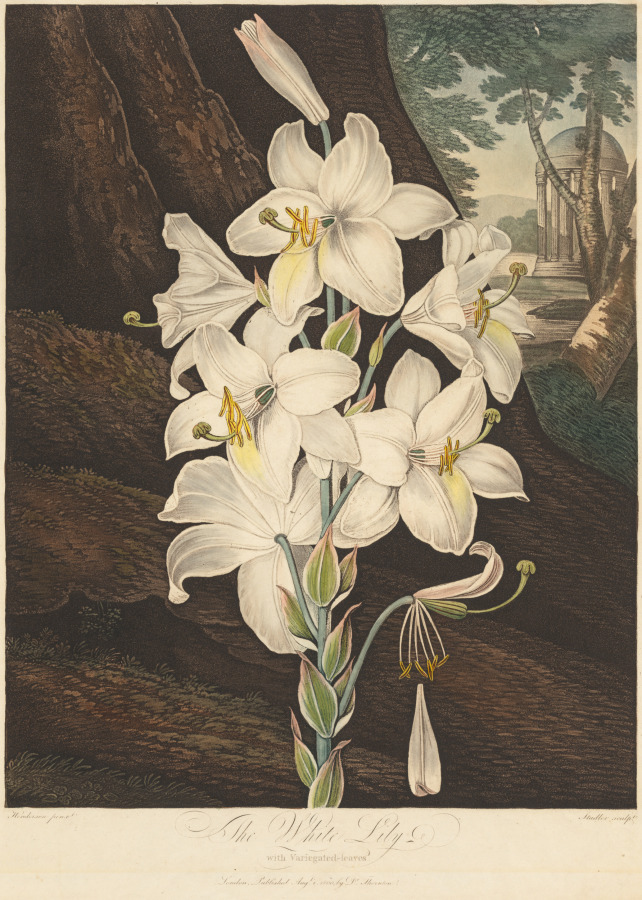
The Temple of Flora; or Garden of Nature: White Lily with Variegated Leaves
Cleveland Museum of Art
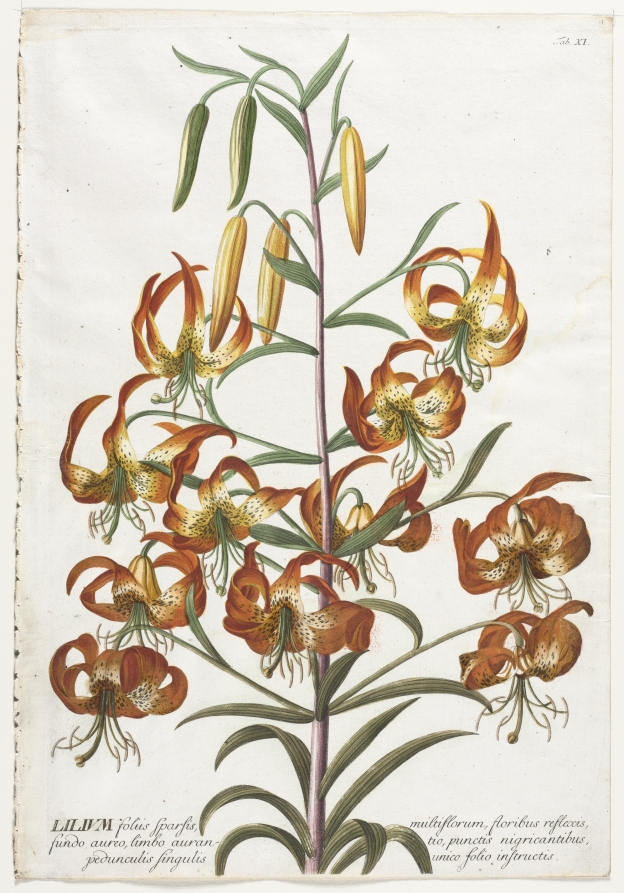
Plantae Selectae: No. 11 - Lily
Cleveland Museum of Art
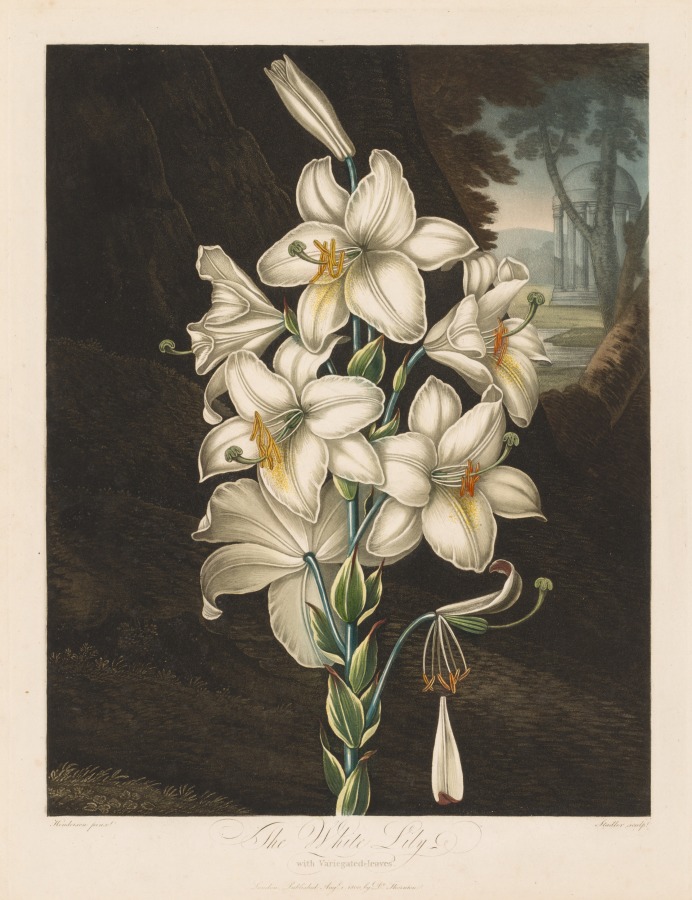
The Temple of Flora, or Garden of Nature: The White Lily with Variegated Leaves
Cleveland Museum of Art

Crinum augustum (Giant Spider Lily, Queen Emma Lily)
Minneapolis Institute of Art
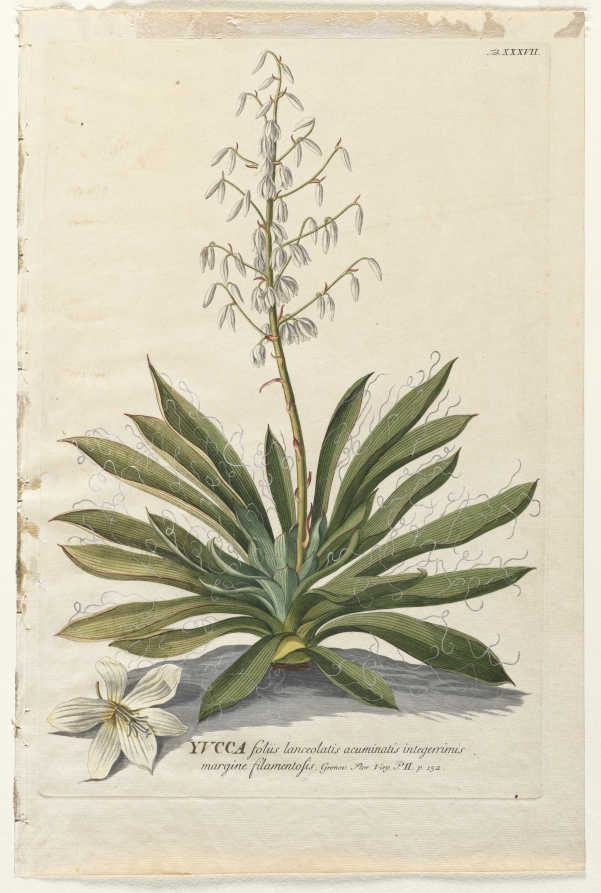
Plantae Selectae: No. 37 - Yucca
Cleveland Museum of Art
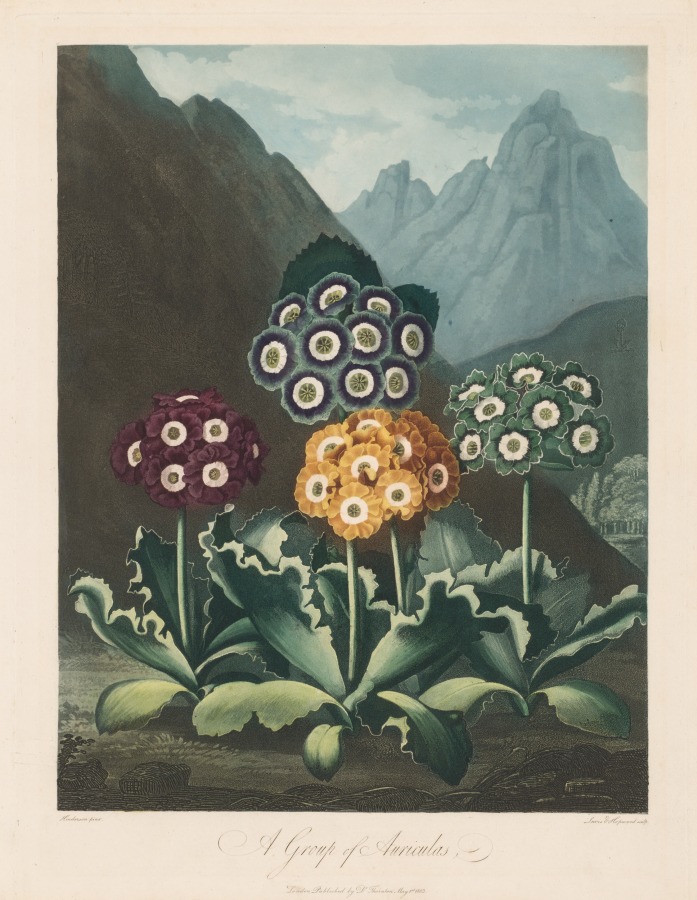
The Temple of Flora, or Garden of Nature: A Group of Auriculas
Cleveland Museum of Art
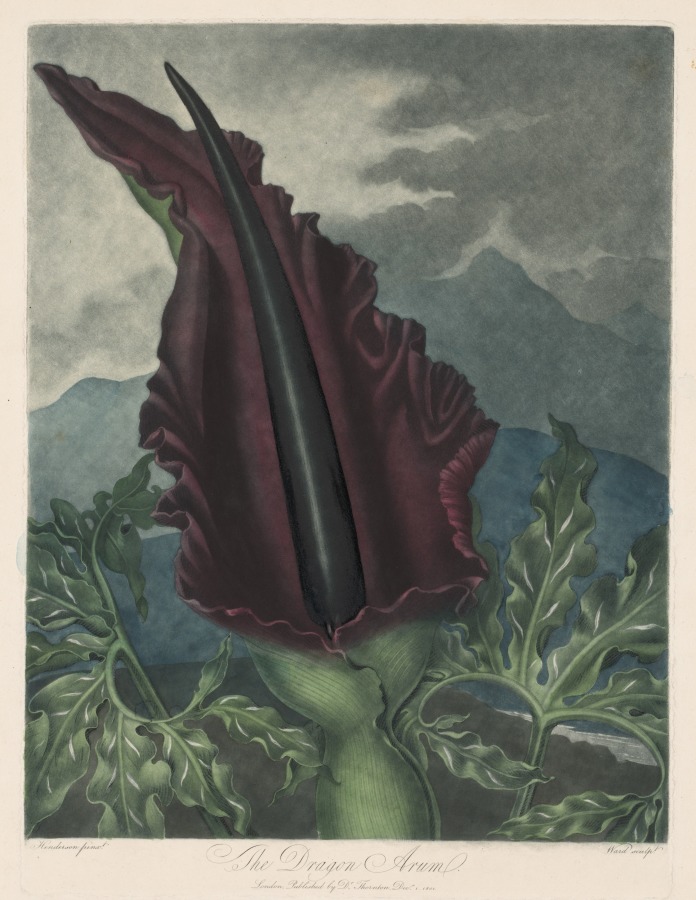
The Dragon Arum, Black Calla or Solomon's Lily
Cleveland Museum of Art
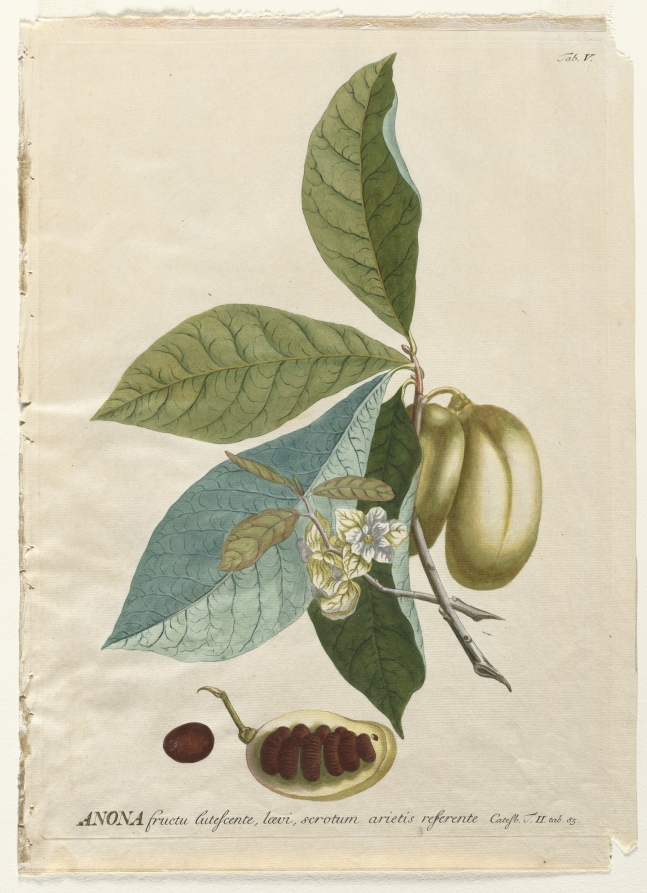
Plantae Selectae: No. 5 - Anona
Cleveland Museum of Art