Cleveland Museum of Art
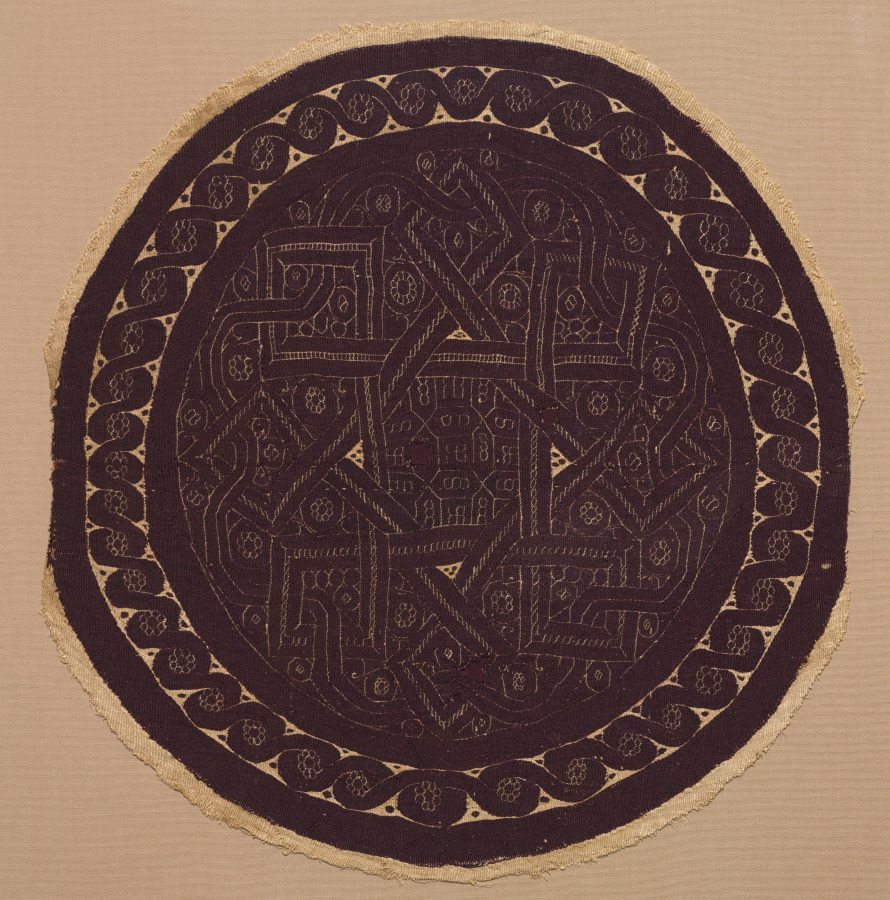
Roundel from a Curtain
- Date
- 300s CE
- Medium
- plain weave ground with tapestry weave and supplementary weft wrapping; undyed linen and dyed wool
- Culture
- Egypt, Byzantine period
- Department
- Textiles
- Institution
- Cleveland Museum of Art
This circular element called a roundel that originally decorated a curtain displays a perfectly interlaced knot, a design believed to provide protection from harm. Curtains were often used as modular walls in houses, theaters, and Christian churches during the late Roman and early Christian periods. The purple color was achieved with kermes, a dye derived from the dried bodies of insects of the same name.
The authoritative record is held by Cleveland Museum of Art. LinkedCulture surfaces this object and its connections; it does not alter institutional metadata.
Related across collections
Semantically similar works from Cleveland Museum of Art and other institutions.
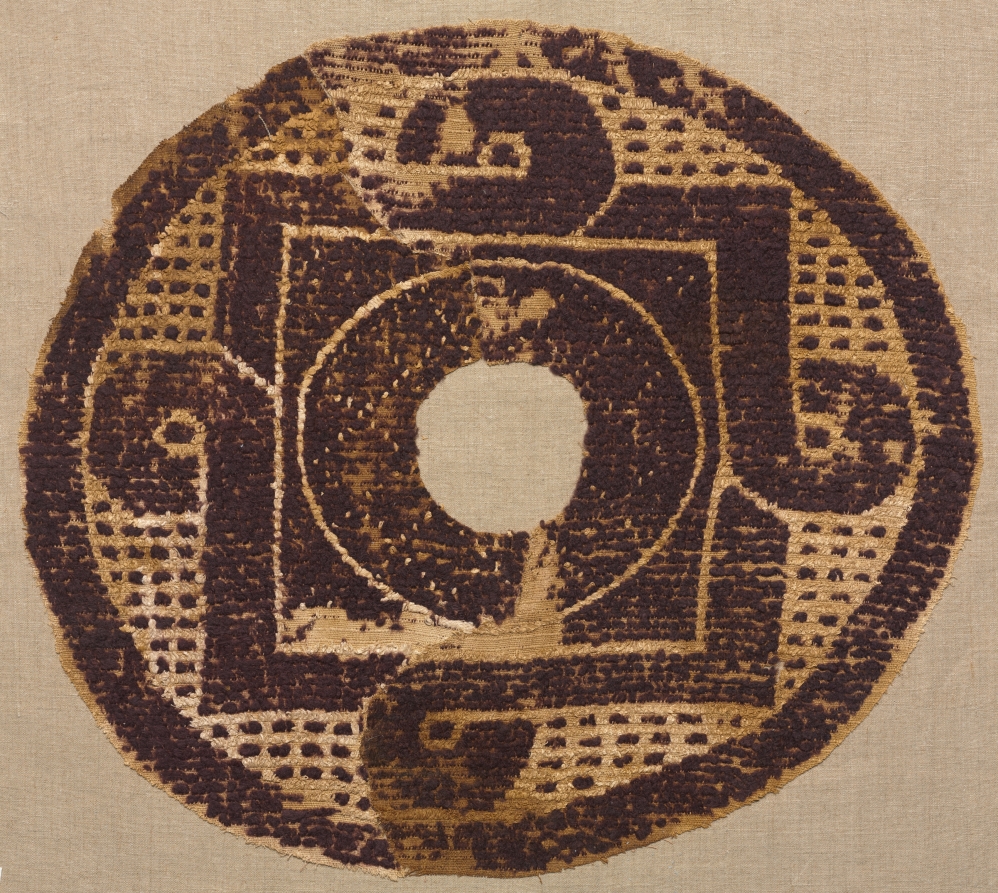
Roundel from a Blanket or Cover
Cleveland Museum of Art

Composite Roundel
Getty Museum
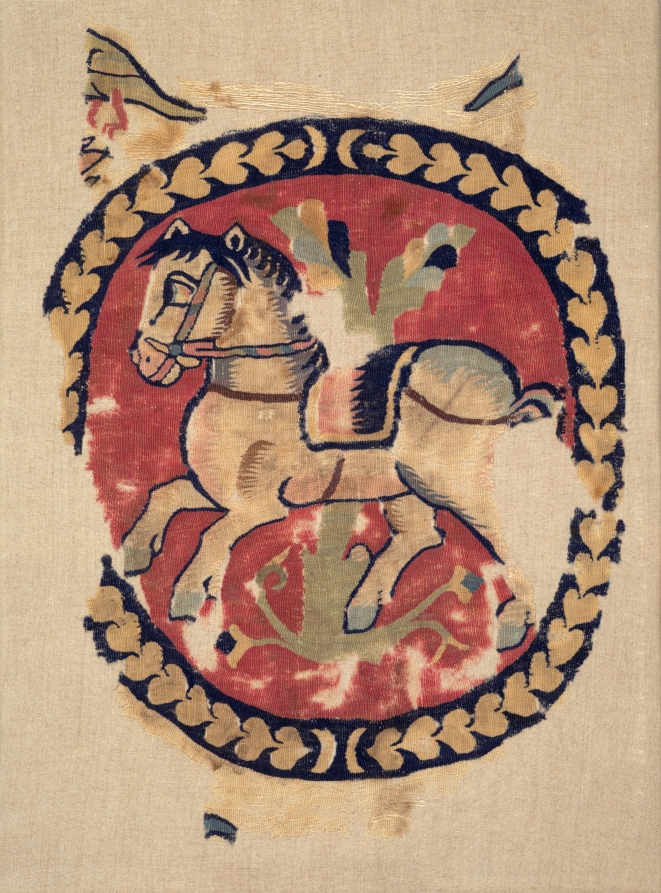
Curtain Fragment with Galloping Horse
Cleveland Museum of Art
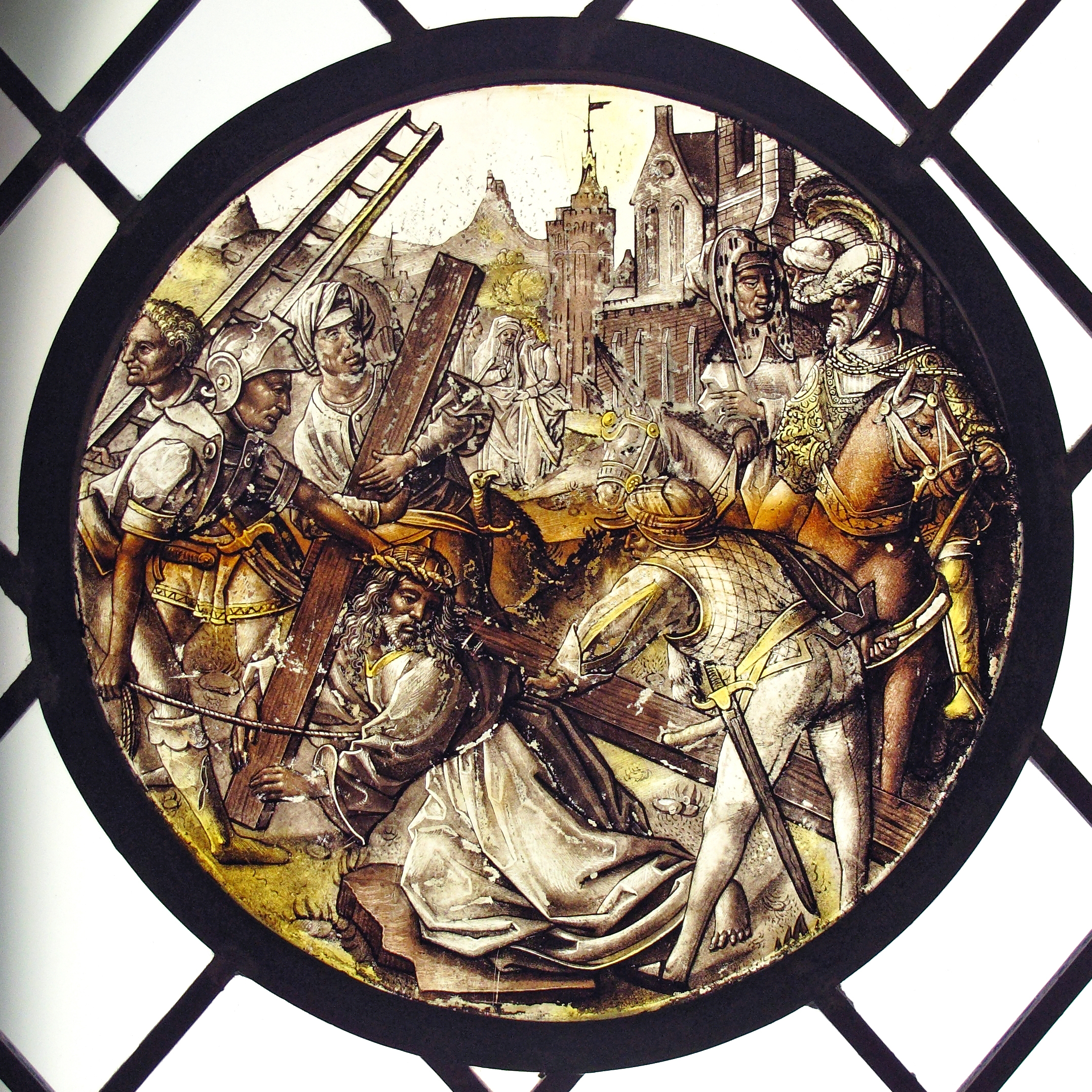
Roundel with Christ Bearing the Cross
The Metropolitan Museum of Art
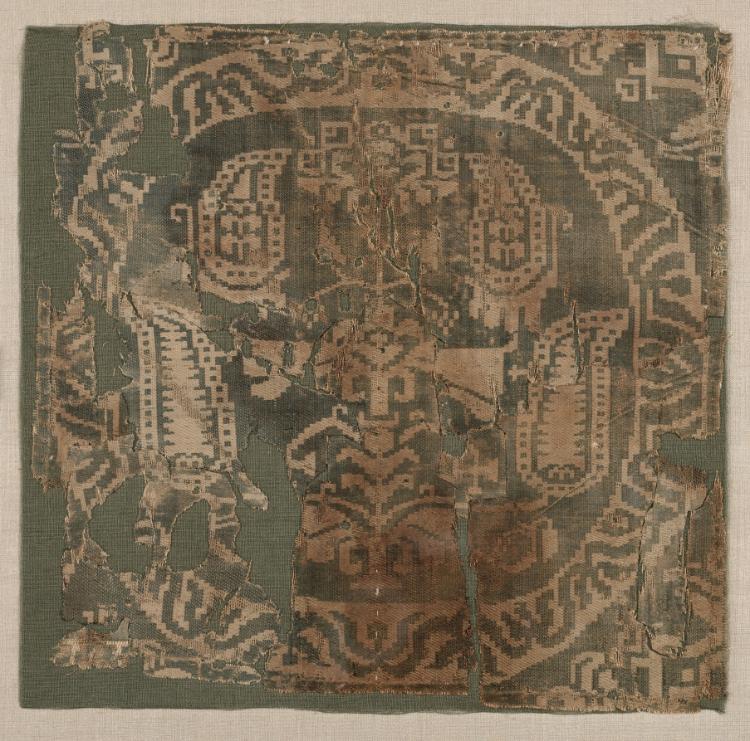
Roundel from a Tunic with Palmette Tree
Cleveland Museum of Art
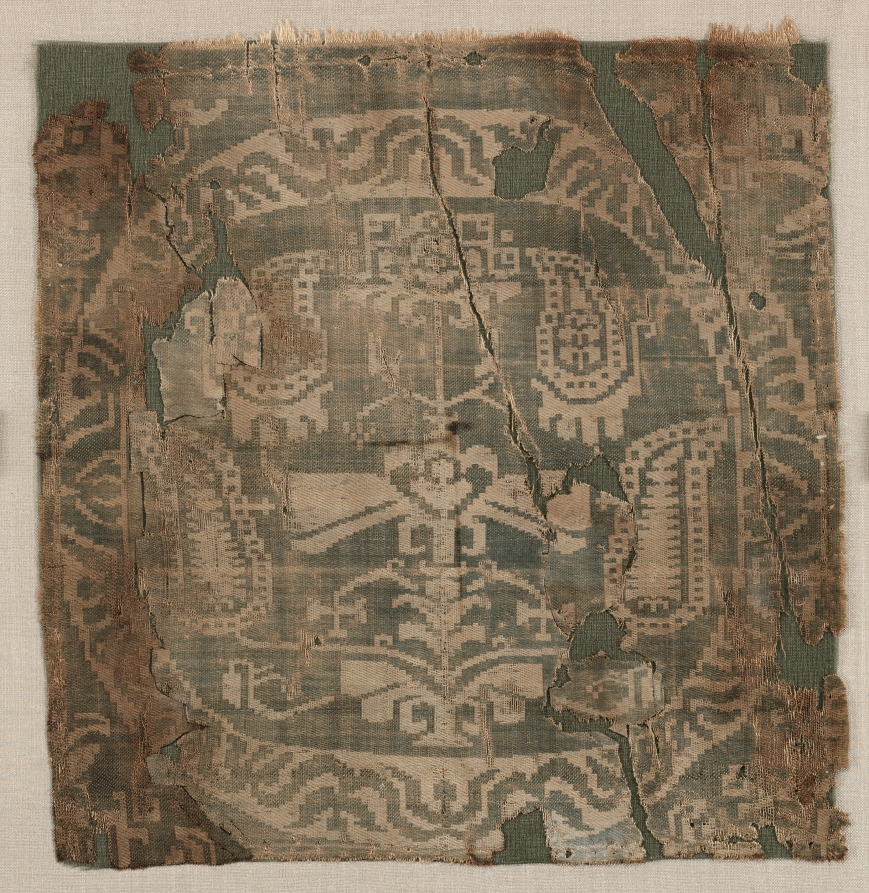
Roundel from a Tunic with Palmette Tree
Cleveland Museum of Art

Roundel with Comic Mask
Getty Museum
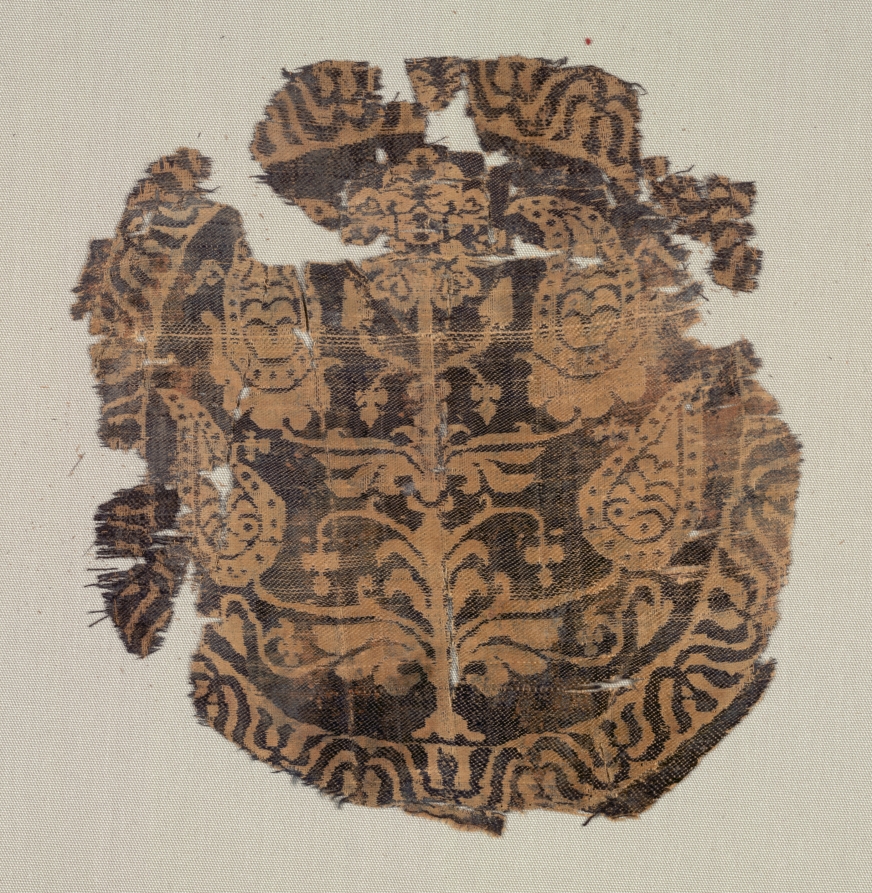
Roundel with curvilinear palmette tree, from a tunic
Cleveland Museum of Art
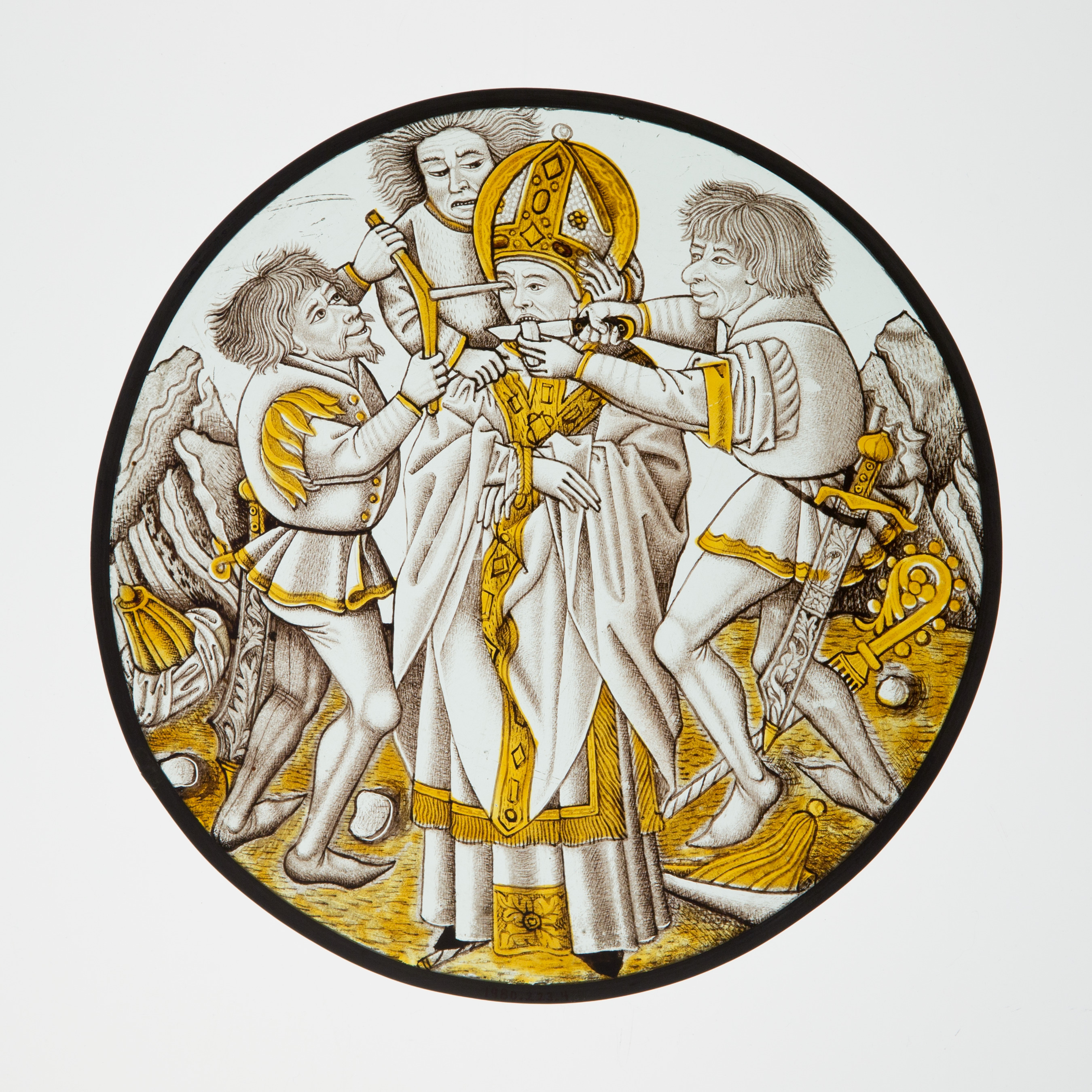
Roundel with Martyrdom of Saint Leger
The Metropolitan Museum of Art

Panel from a Large Curtain, Overlapping Leaves
Cleveland Museum of Art
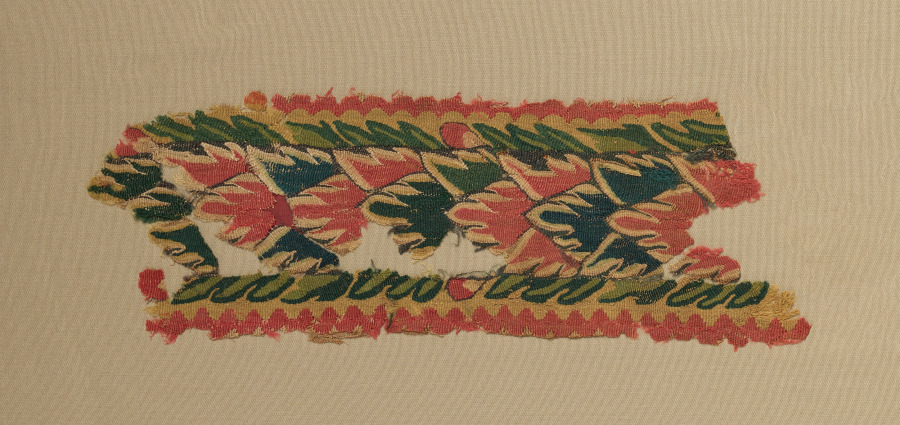
Panel from a Large Curtain, Overlapping Leaves
Cleveland Museum of Art
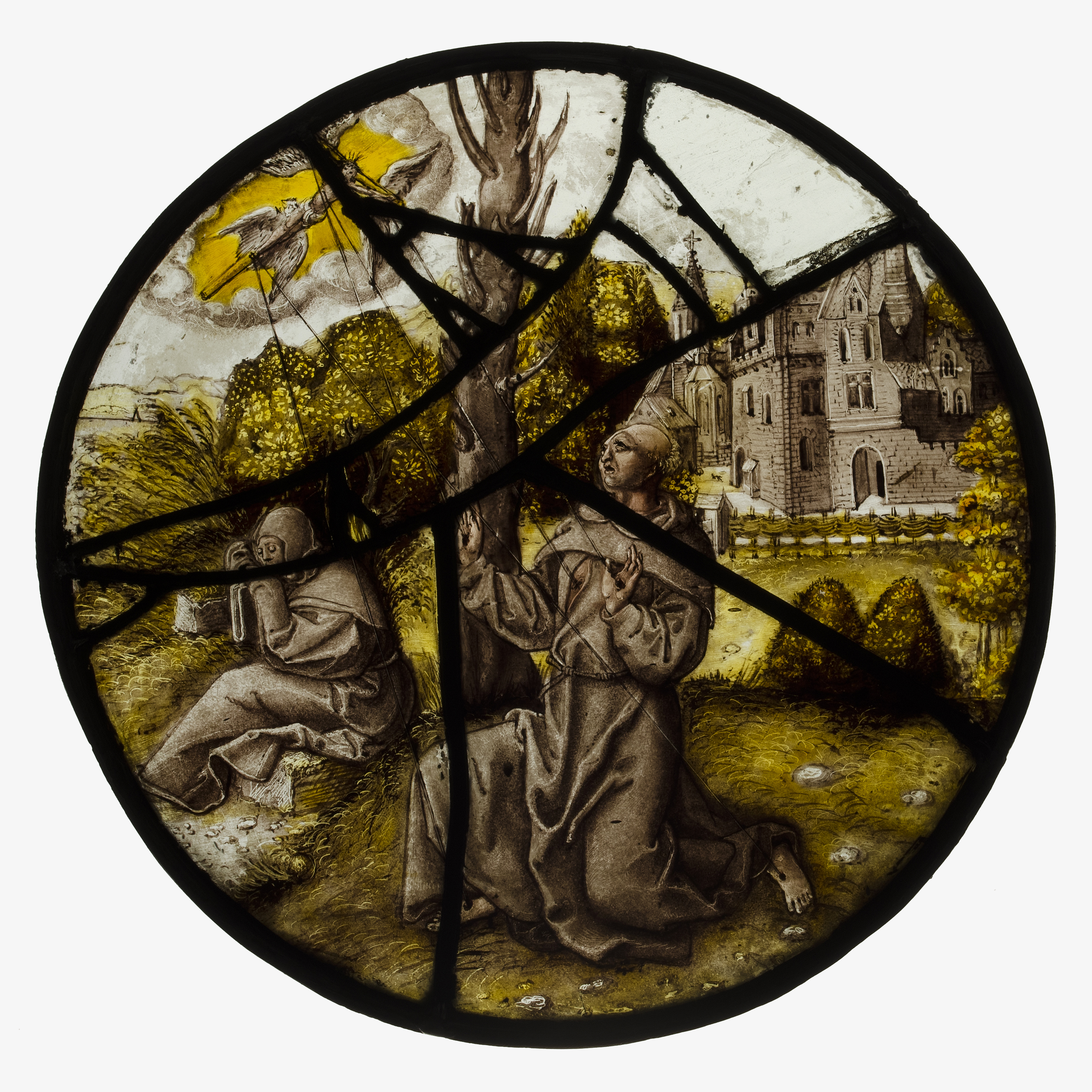
Roundel with Saint Francis Receiving the Stigmata
The Metropolitan Museum of Art