Cleveland Museum of Art
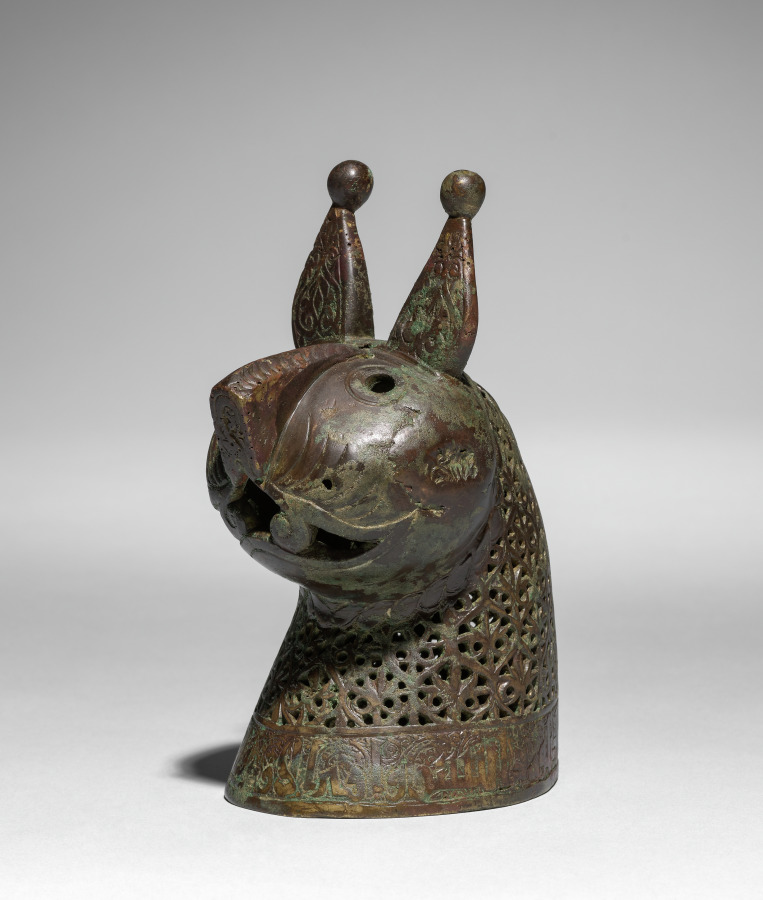
Head for a Feline Incense Burner
- Date
- 1150–1200
- Medium
- Copper alloy, cast, engraved, chased, and pierced
- Culture
- Iran, Khurasan, Seljuq period of Iran (1037–1194)
- Department
- Islamic Art
- Institution
- Cleveland Museum of Art
In Iran during the 1000s and 1100s, vessels in the shape of animals gained popularity, especially as incense burners. Felines were favored in Persian art and this piece may represent a caracal, a type of lynx. The head of the creature was cast separately and is removable to fill its body with hot coals and incense. Qur’anic verses on the neck and spine remind worshippers to set work aside, attend prayer, and then disperse to seek God’s bounty. The diffusion of perfumed smoke through the burner’s pierced palmette design may have served as a sensorial reminder of this teaching. The head and body were each cast in halves that were soldered or welded together.
The authoritative record is held by Cleveland Museum of Art. LinkedCulture surfaces this object and its connections; it does not alter institutional metadata.
Related across collections
Semantically similar works from Cleveland Museum of Art and other institutions.
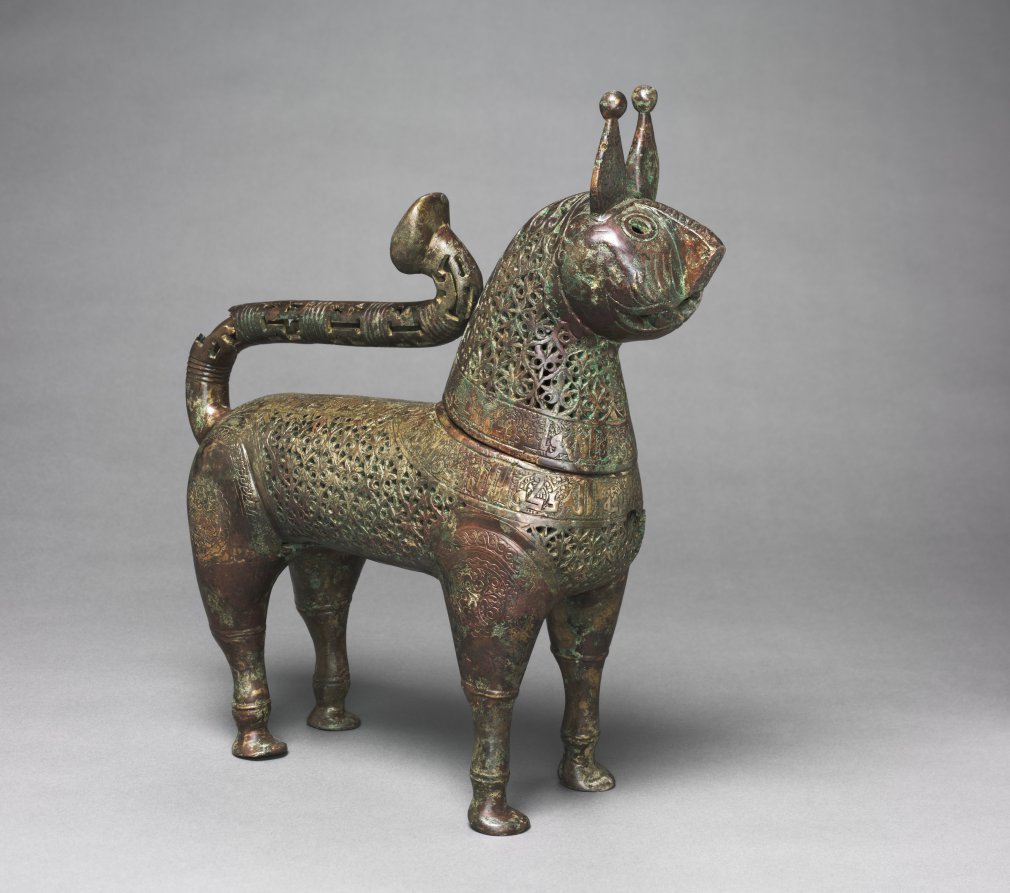
Feline Incense Burner
Cleveland Museum of Art
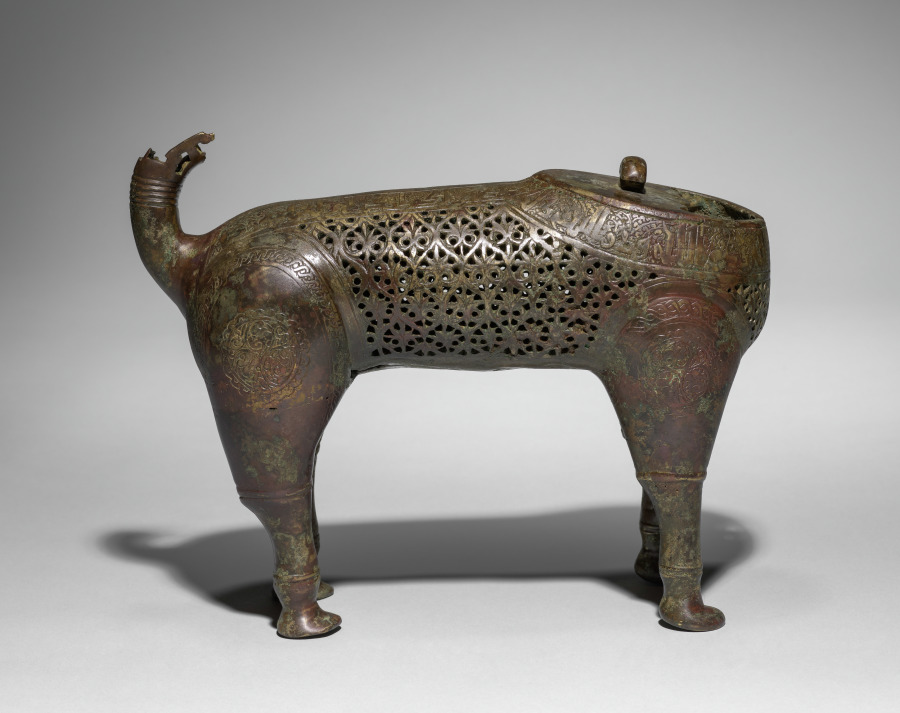
Feline Incense Burner
Cleveland Museum of Art
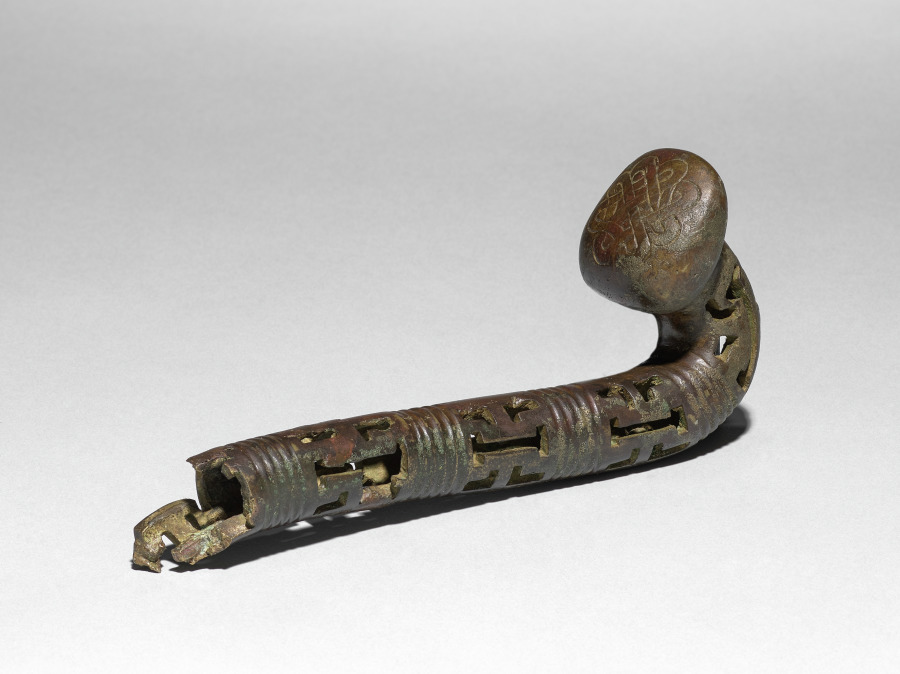
Tail for a Feline Incense Burner
Cleveland Museum of Art
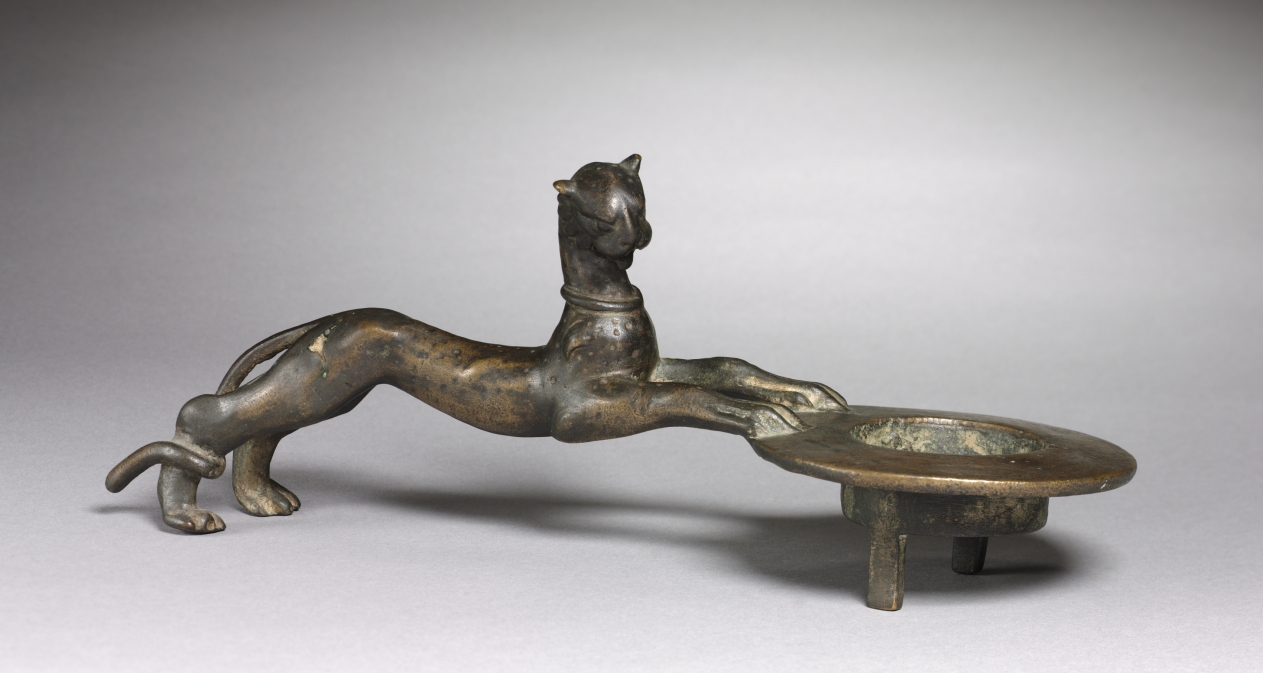
Feline-Handled Incense Burner
Cleveland Museum of Art
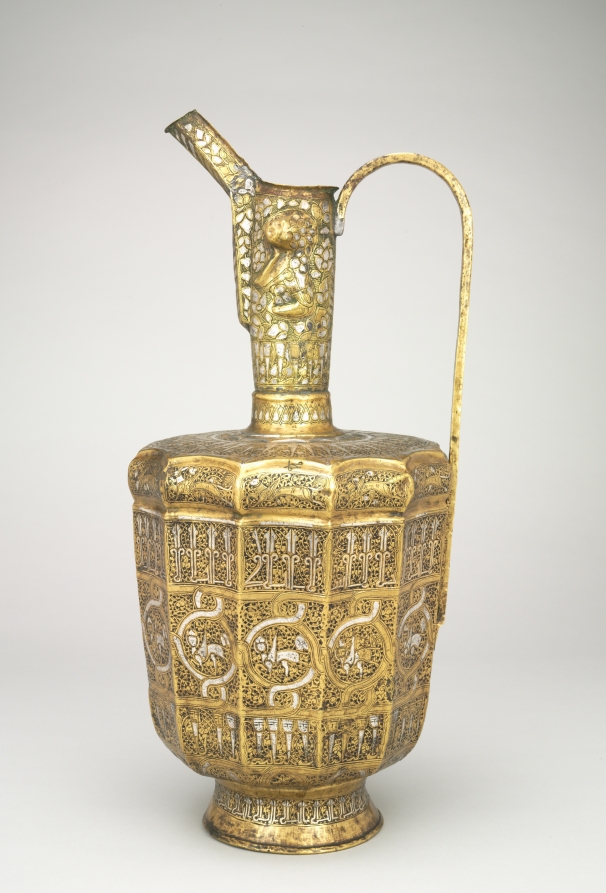
Twelve-sided Ewer with Sphinxes and Human-Headed Inscriptions
Cleveland Museum of Art
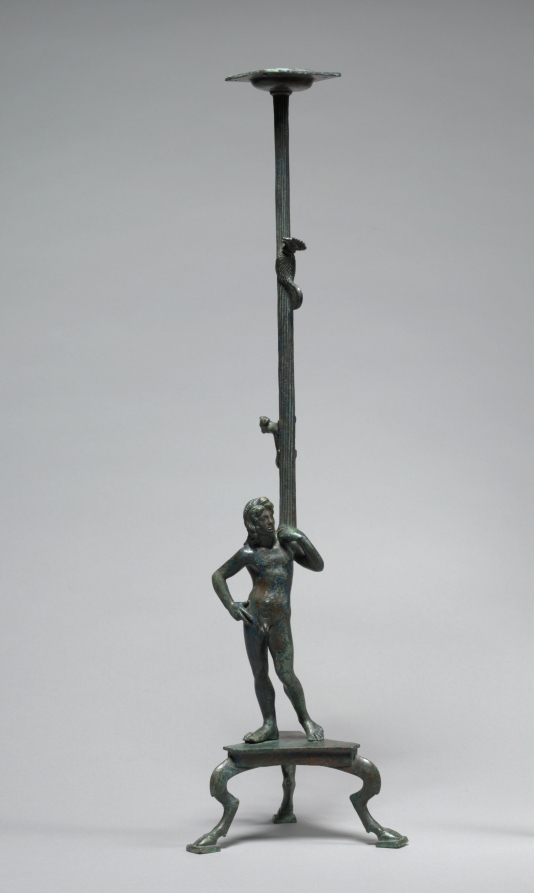
Incense Burner
Cleveland Museum of Art
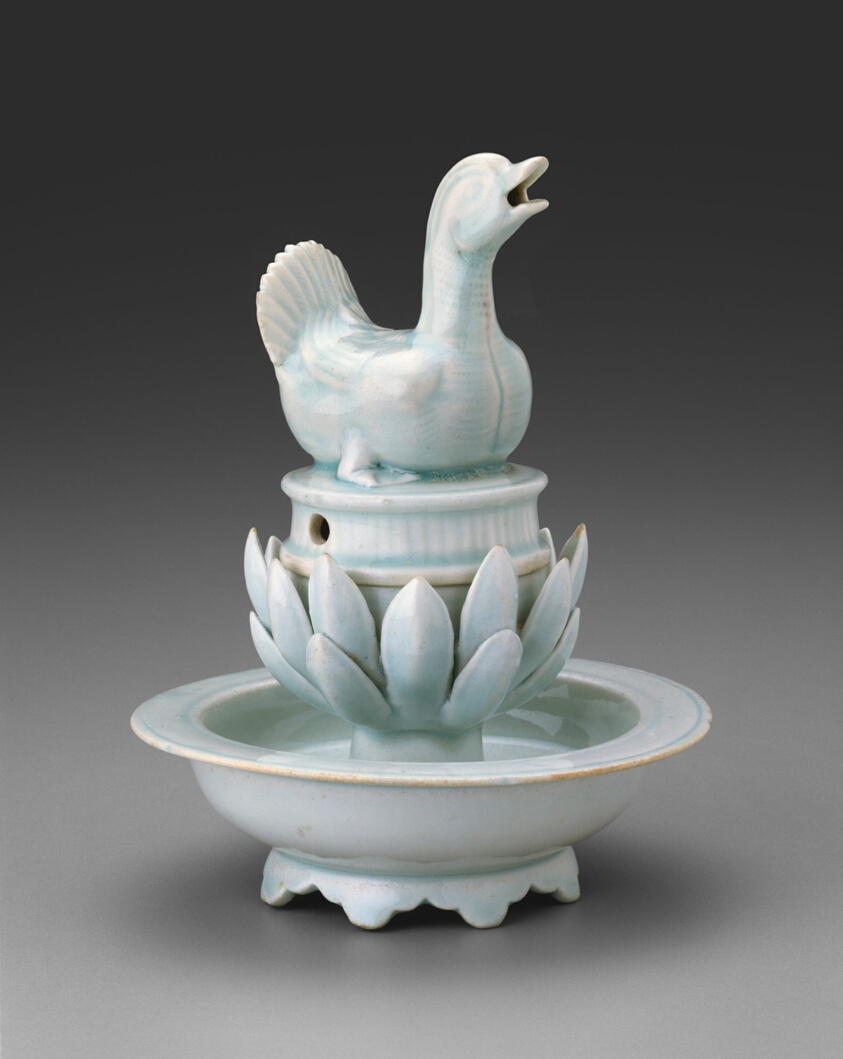
Incense Burner in the Form of a Duck
Art Institute of Chicago
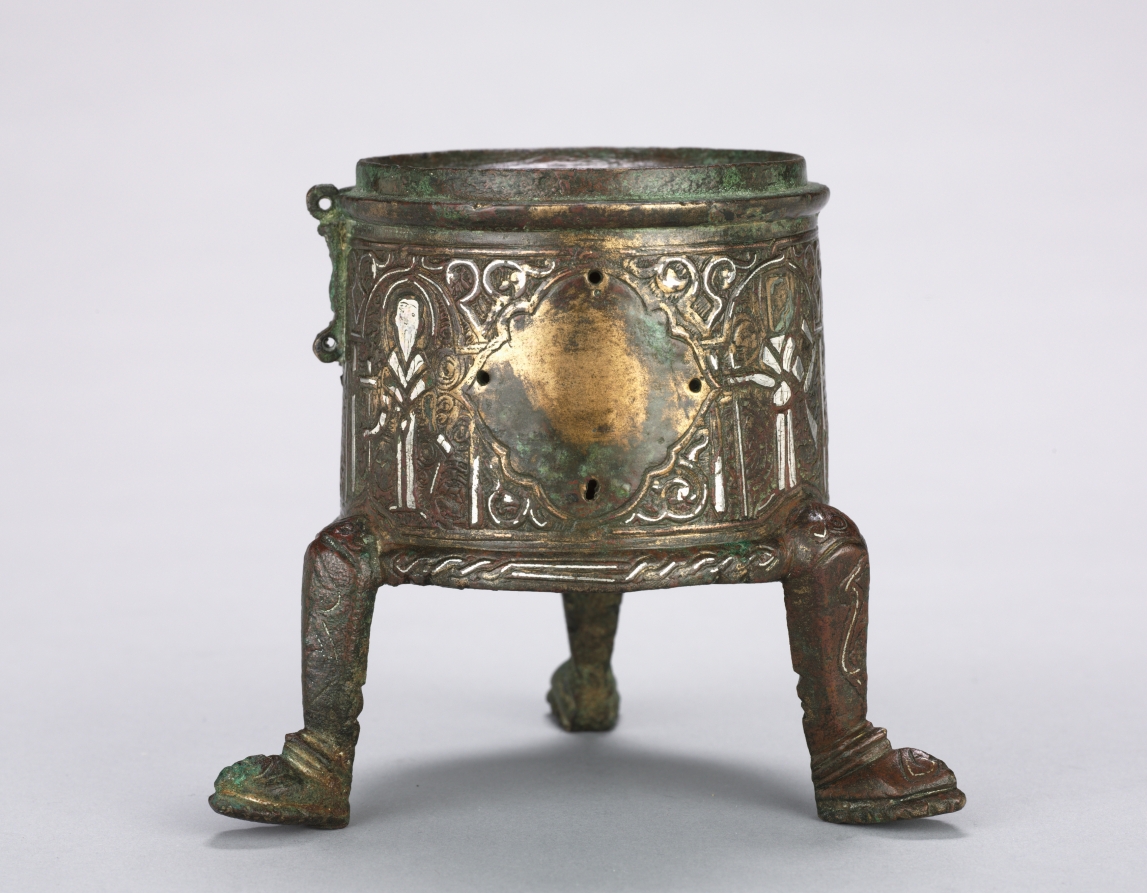
Incense Burner
Cleveland Museum of Art
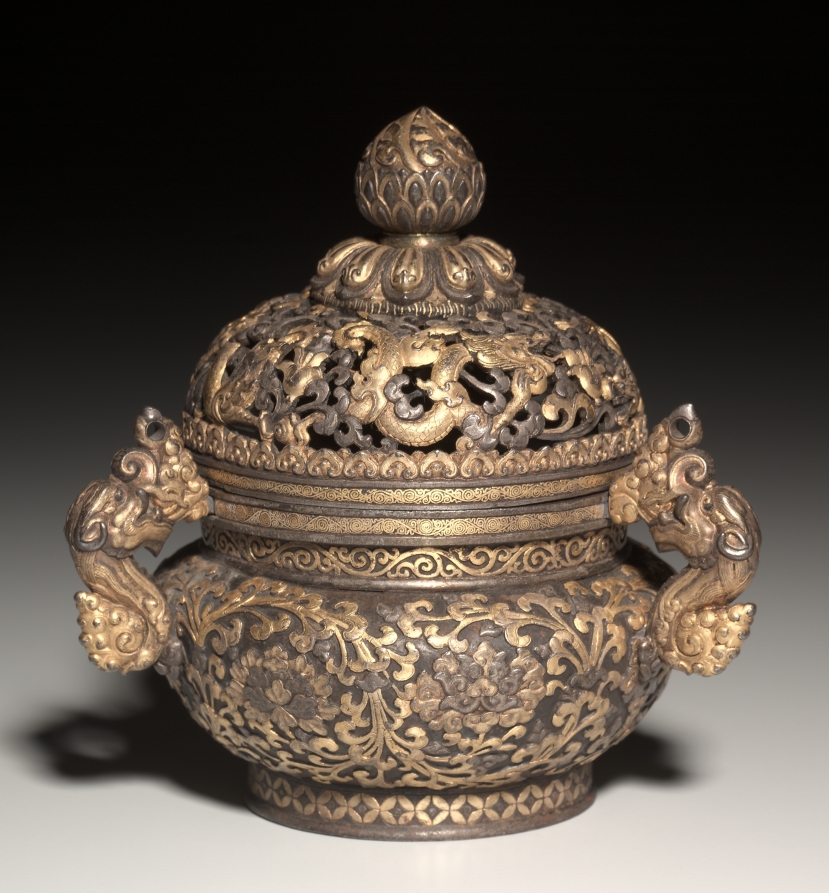
Incense Burner
Cleveland Museum of Art
"Master of Animals" Finial and Stand
Harvard Art Museums
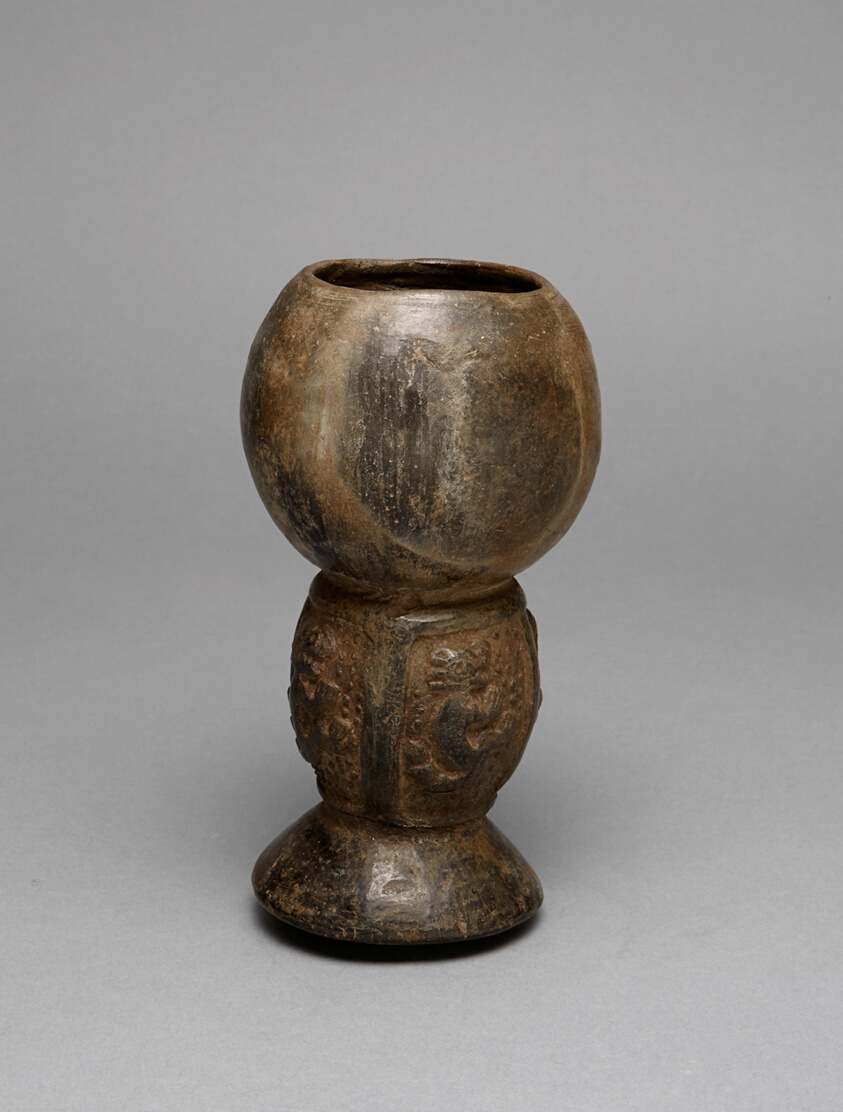
Blackware Incense Burner with Relief Depicting Felines
Art Institute of Chicago
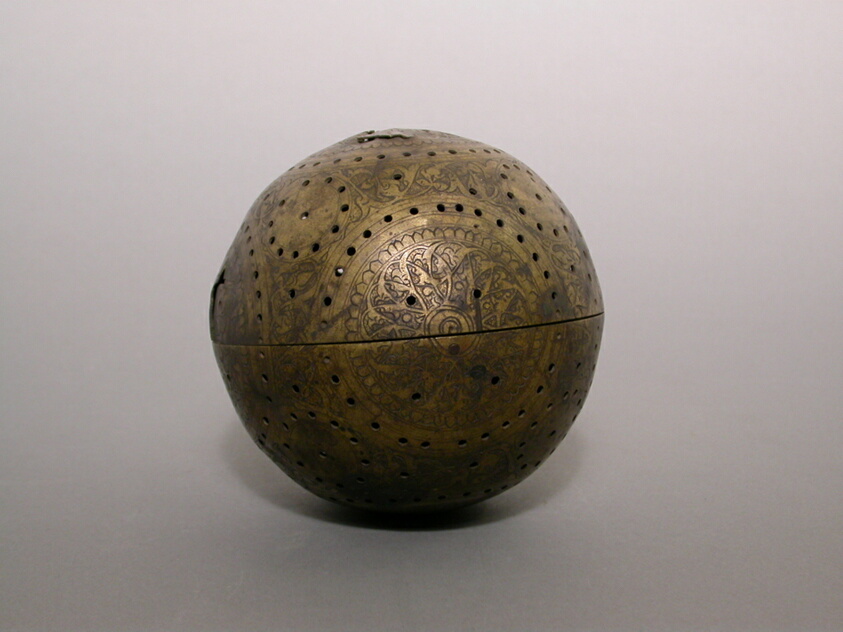
Incense Burner
Art Institute of Chicago