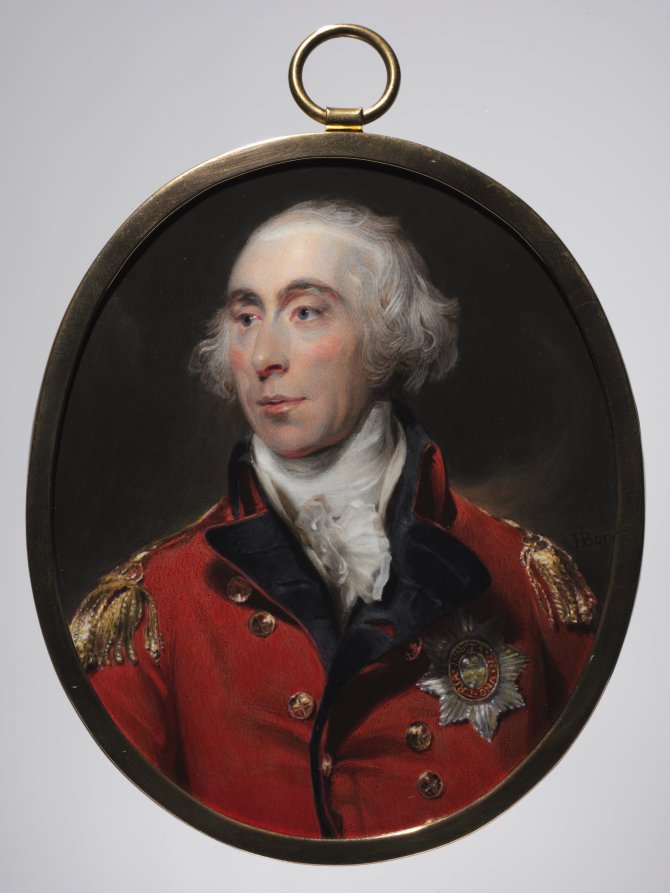
Cleveland Museum of Art
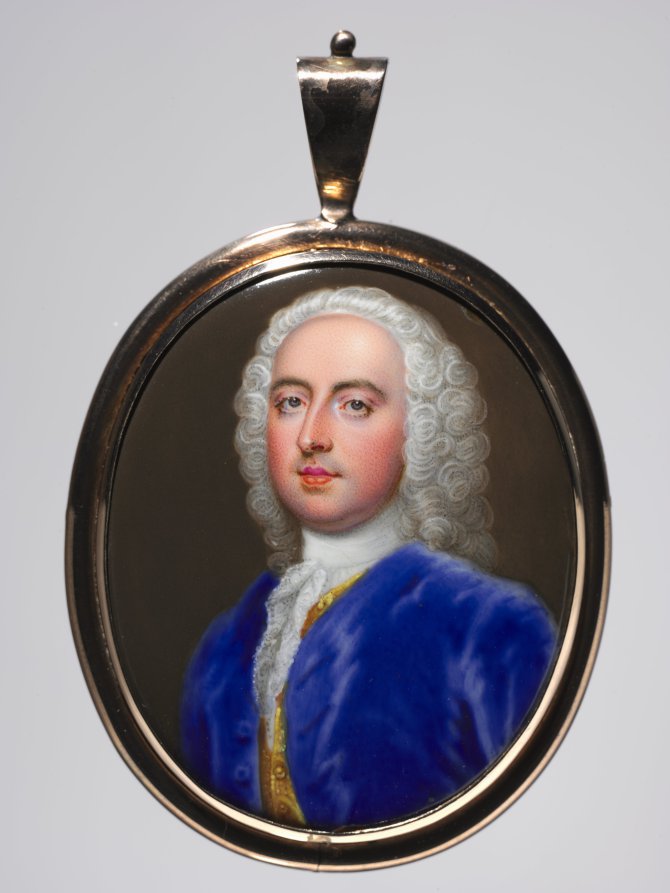
Portrait of General Sir Charles Grey, later 1st Earl Grey
Henry Bone
- Date
- 1794
- Medium
- enamel in a gilt metal frame
- Culture
- England, 18th century
- Department
- European Painting and Sculpture
- Institution
- Cleveland Museum of Art
Unlike fragile portrait miniatures painted in watercolor on vellum or ivory, which are prone to cracking, fading, and flaking, enamels are resilient, impervious to the effects of light, and retain their striking original colors over time. Partly for this reason enamel was considered ideal for reproducing famous paintings and treasured portraits in a reduced and luminous form. The complicated and labor-intensive process of enameling required the artist to fire numerous layers of colored metal oxide at different temperatures. This process made it difficult to produce a faithful portrait likeness, though masters of the medium were able create portraits of remarkable subtlety imbued with the sitter's personality. Henry Bone ushered in an enamel renaissance during the late 1700s with his miniatures, which include sensitive and elegant works like this portrait of General Sir Charles Grey, after a portrait by his contemporary Thomas Lawrence. An innovator of new techniques, Bone retained the brilliance and purity of colors in layered glass enamel while achieving fine, naturalistic details by using overglazes for the faces. Henry Bone was a master enameler from Cornwall who began his training in a porcelain factory.
The authoritative record is held by Cleveland Museum of Art. LinkedCulture surfaces this object and its connections; it does not alter institutional metadata.
Related across collections
Semantically similar works from Cleveland Museum of Art and other institutions.
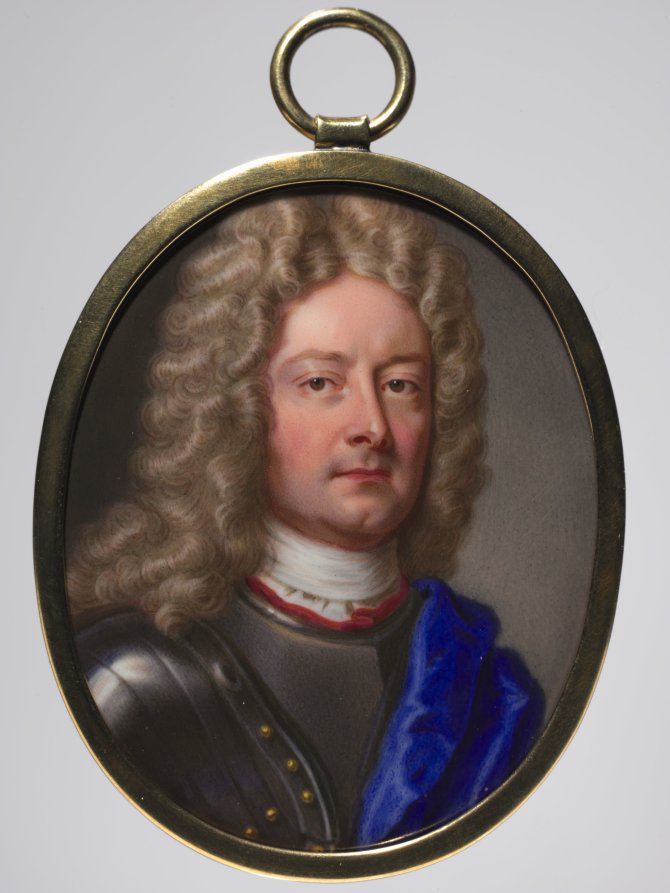
Portrait of John Churchill, 1st Duke of Marlborough
Cleveland Museum of Art
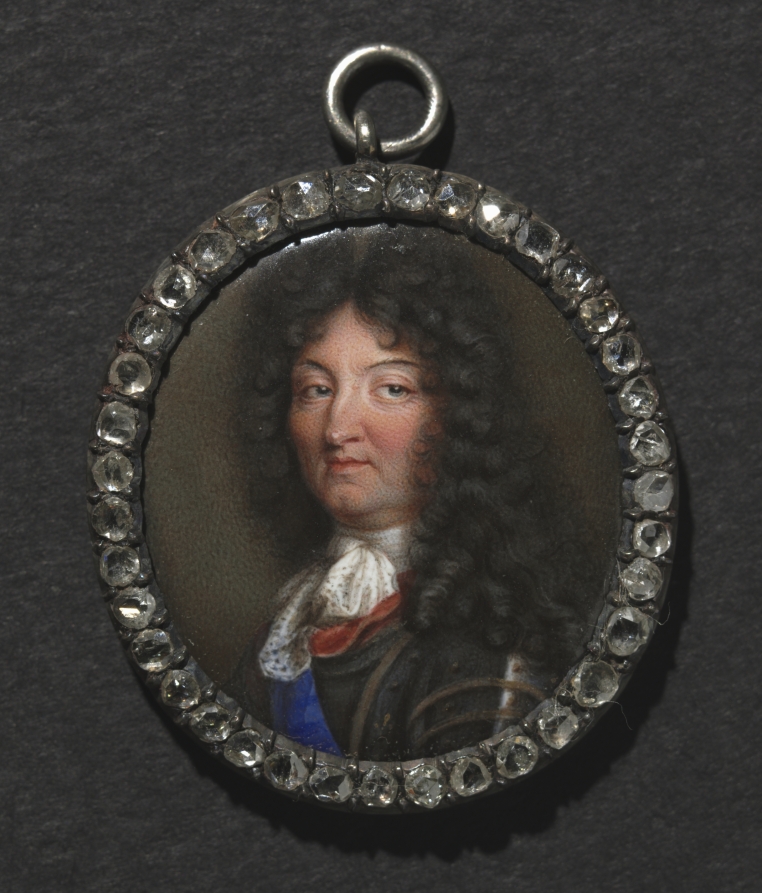
Portrait of King Louis XIV
Cleveland Museum of Art
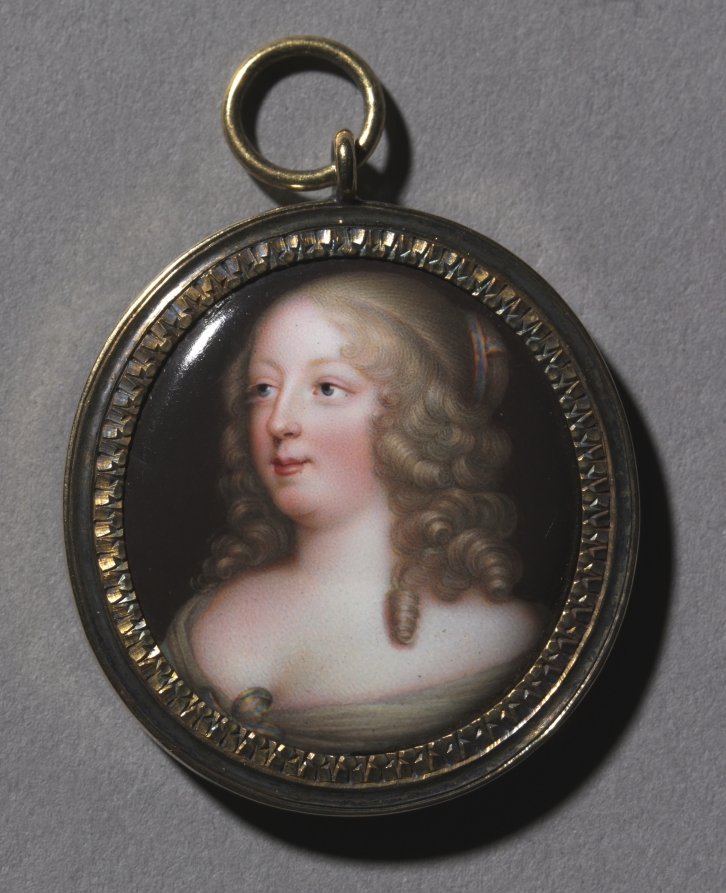
Portrait of a Woman
Cleveland Museum of Art
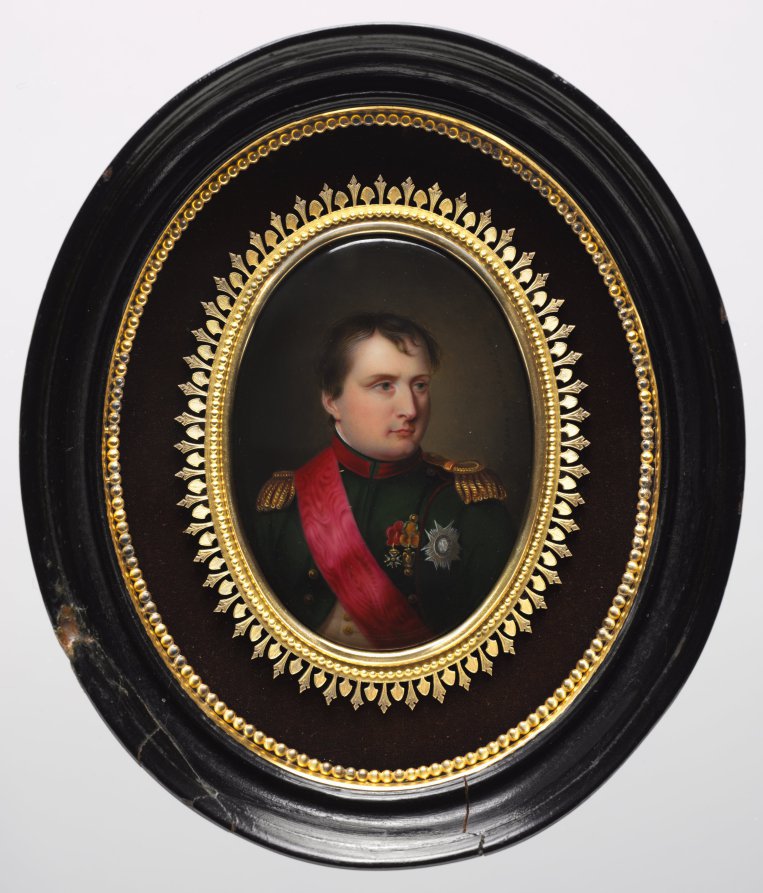
Portrait of Napoleon I, Emperor of the French
Cleveland Museum of Art
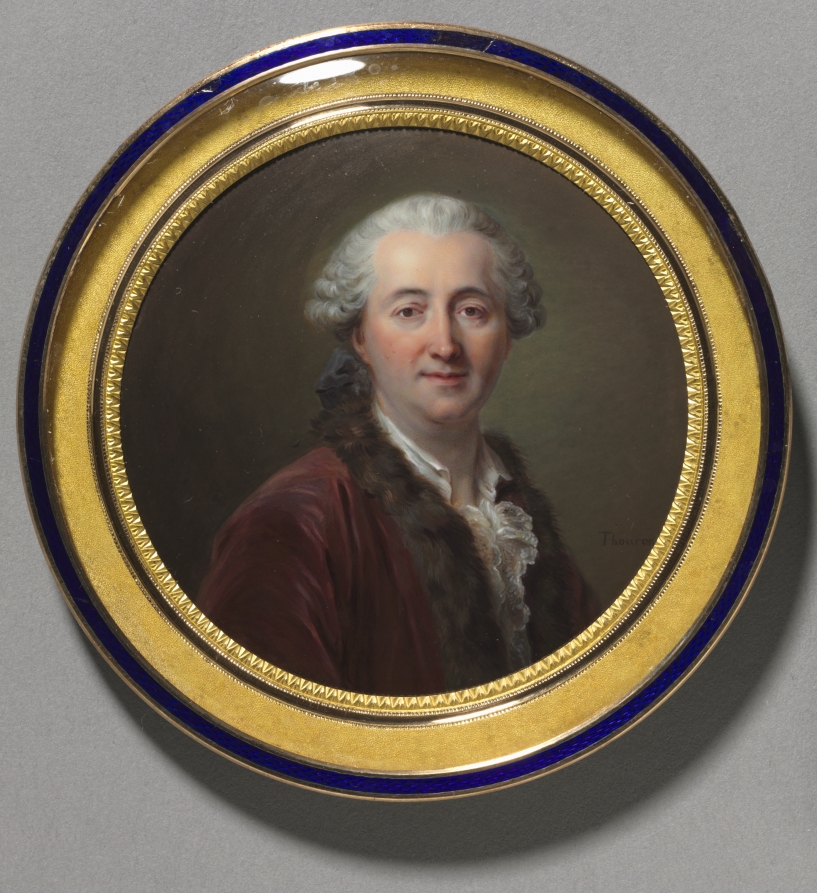
Portrait of Étienne François, comte de Stainville, duc de Choiseul
Cleveland Museum of Art
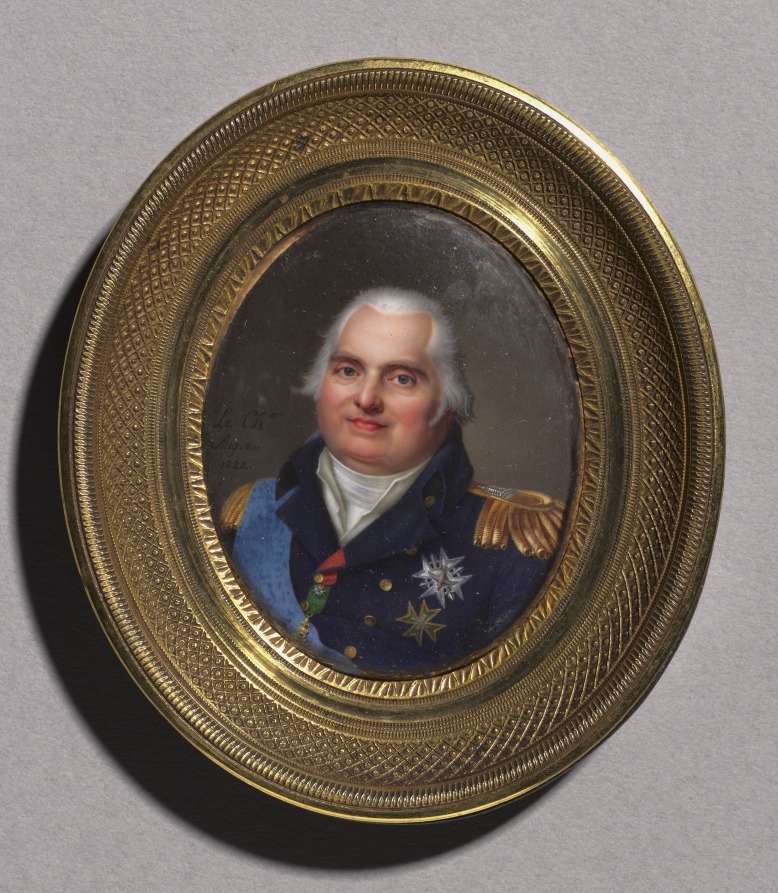
Portrait of Louis XVIII
Cleveland Museum of Art
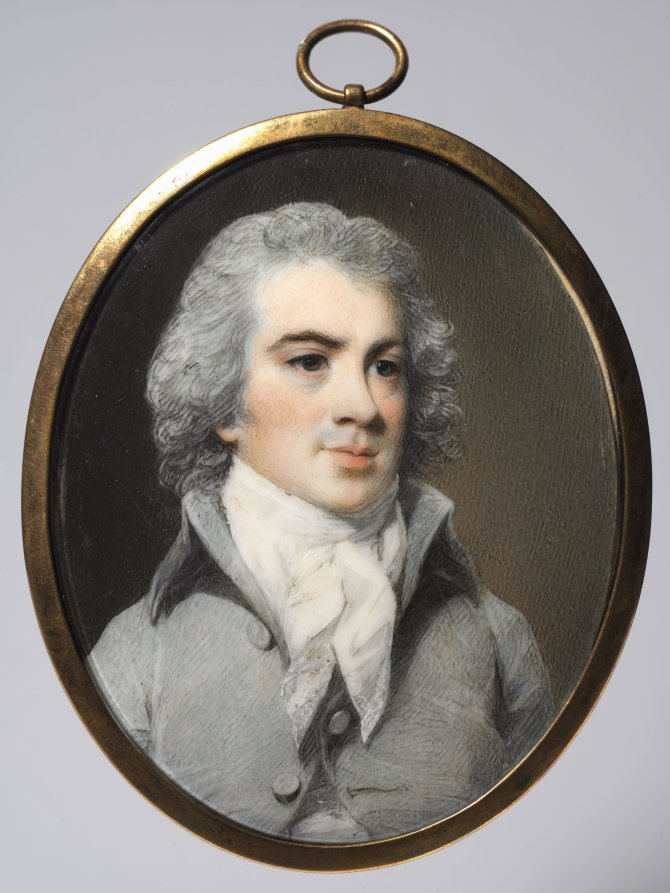
Portrait of a Man
Cleveland Museum of Art
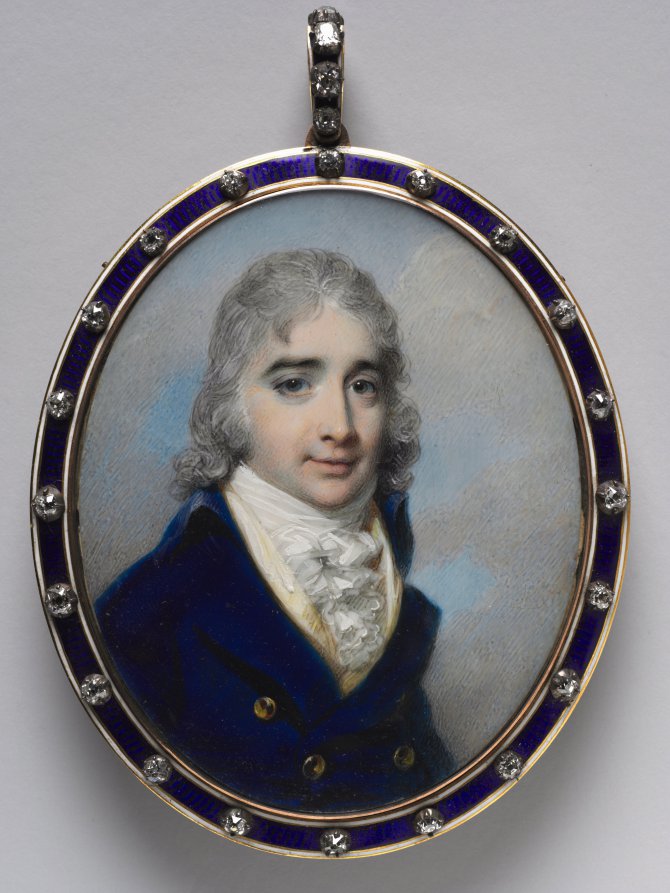
Portrait of a Man
Cleveland Museum of Art
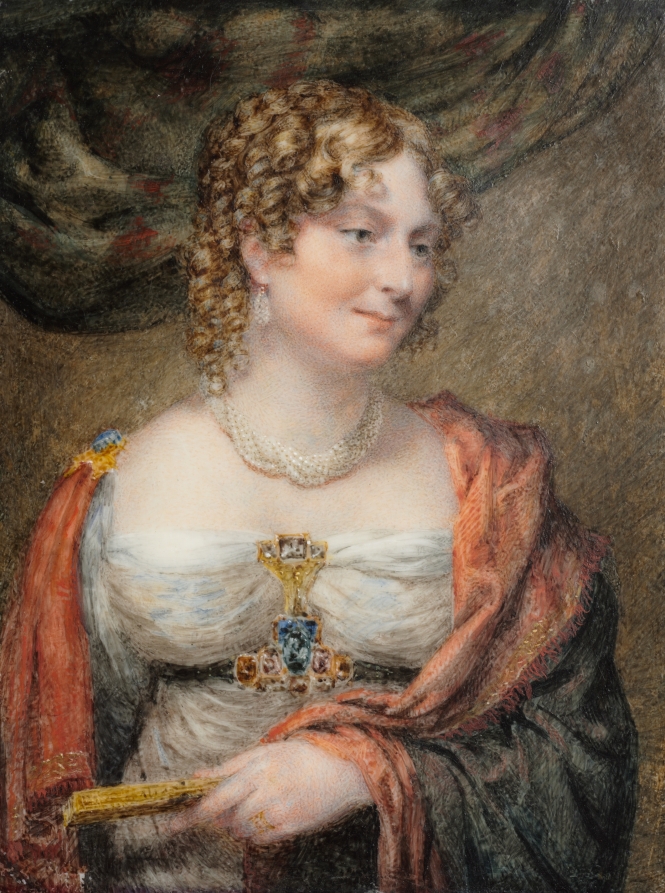
Portrait of Anne Law (née Towry), 1st Lady Ellenborough
Cleveland Museum of Art
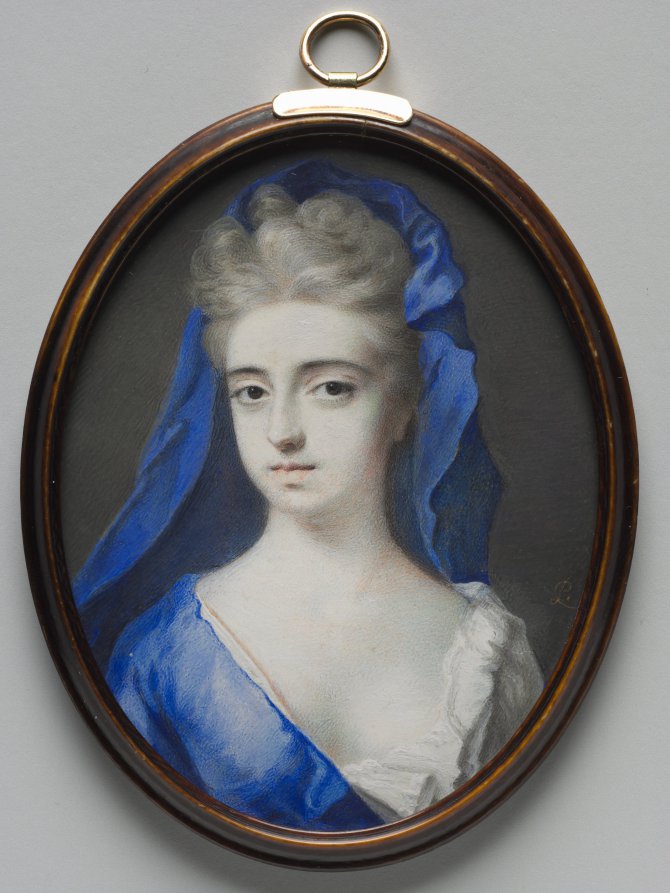
Portrait of a Woman in Blue
Cleveland Museum of Art
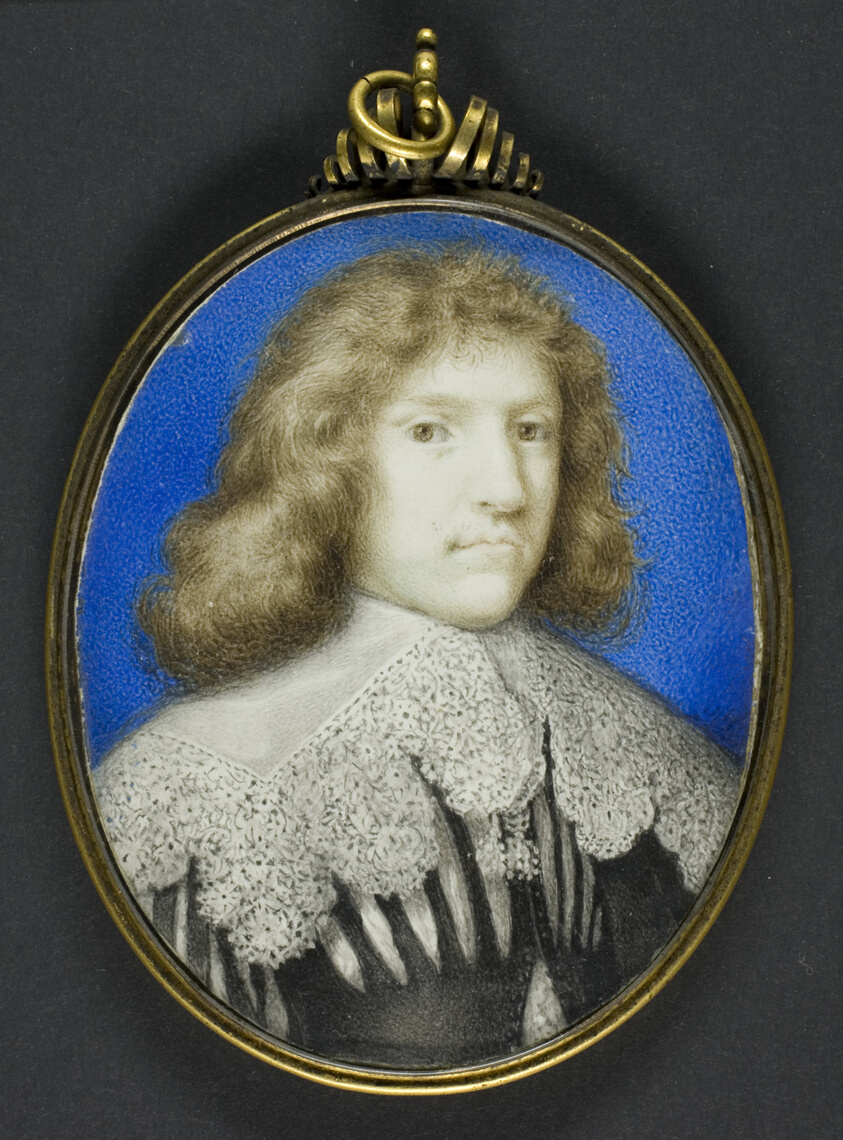
Portrait of a Nobleman
Art Institute of Chicago
Portrait of a Man
Cleveland Museum of Art