Cleveland Museum of Art
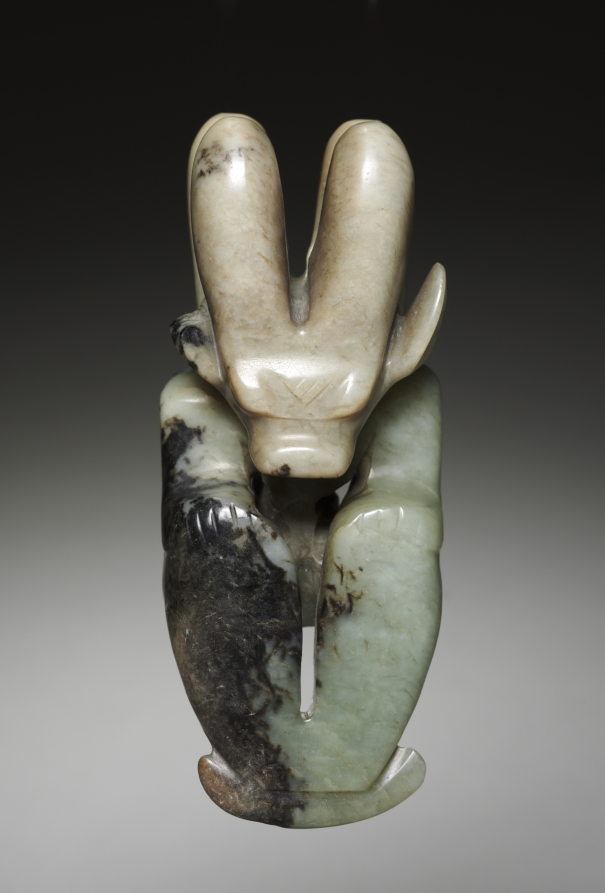
Amulet in the Form of a Seated Figure with Bovine Head
- Date
- c. 4700–2920 BCE
- Medium
- jade (nephrite)
- Culture
- Northeast China, Neolithic period, probably Hongshan culture (4700–2920 BCE)
- Department
- Chinese Art
- Institution
- Cleveland Museum of Art
With a bovine head and four horns, this seated figurine was a powerful ritual and shamanic symbol. Drill holes above its shoulders form two interconnected perforations for suspension, suggesting that the jade was originally used as a pendant, presumably by the shaman performing the tasks of journeying to and communicating with the supernatural realms. CMA daringly acquired this masterpiece without knowing exactly what it was. Only after Chinese archaeologists started excavating similar jades in Northeast China could it be attributed to the Hongshan culture.
The authoritative record is held by Cleveland Museum of Art. LinkedCulture surfaces this object and its connections; it does not alter institutional metadata.
Related across collections
Semantically similar works from Cleveland Museum of Art and other institutions.
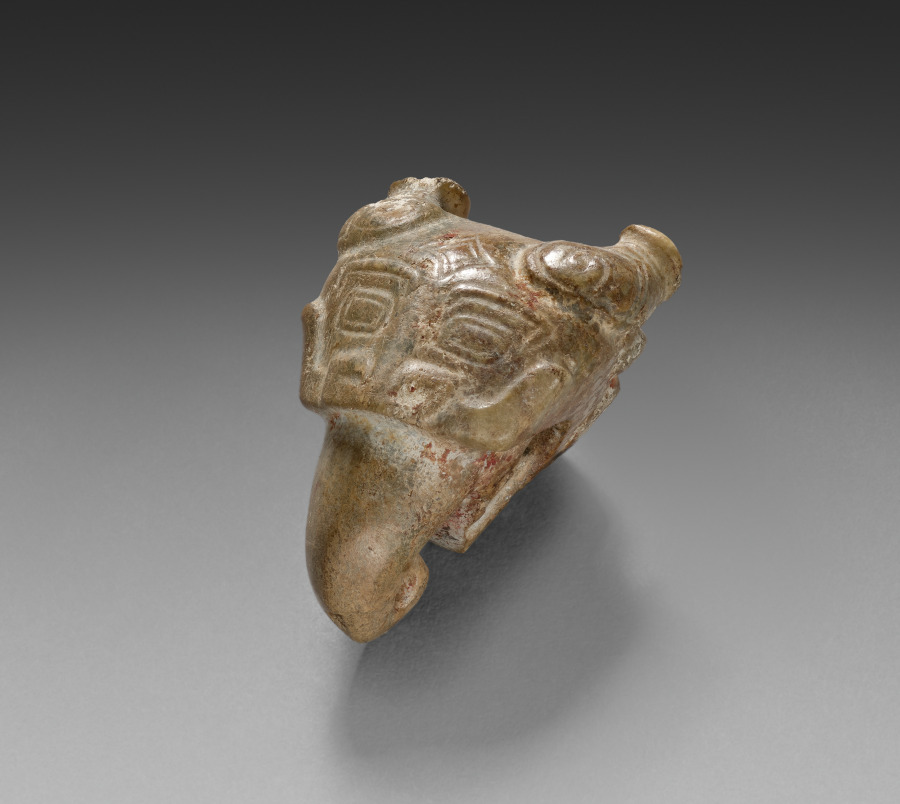
Feline Head with Bovine Horns and Elephant Trunk
Cleveland Museum of Art
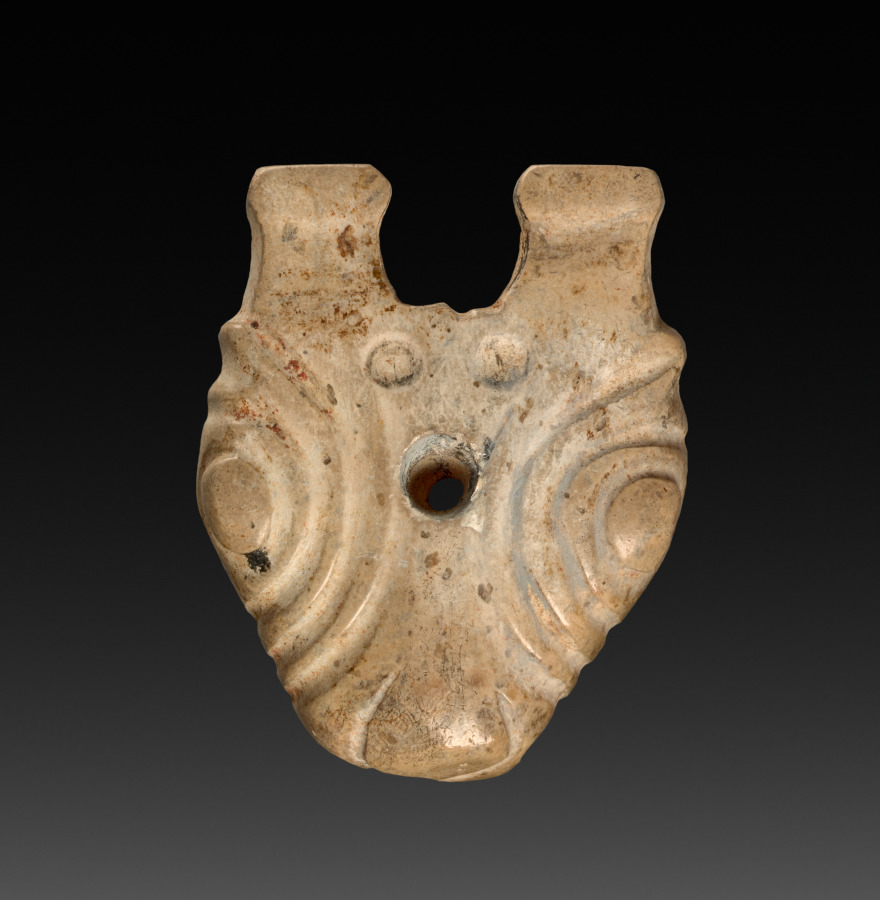
Bovine Mask with Capped Horns
Cleveland Museum of Art
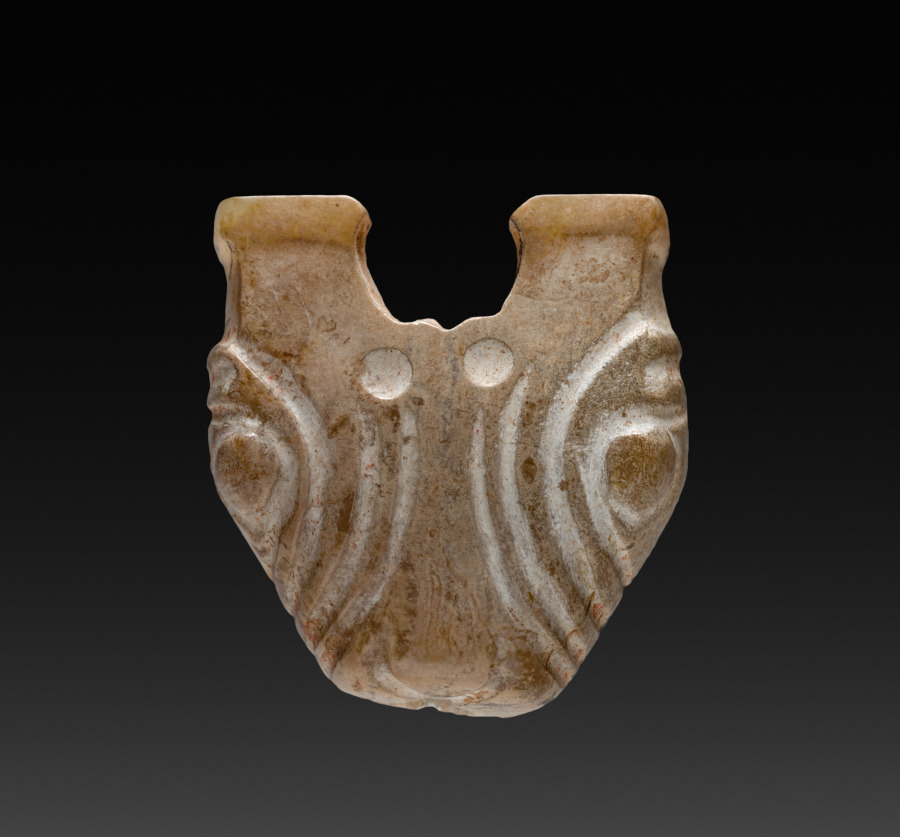
Bovine Mask with Capped Horns
Cleveland Museum of Art
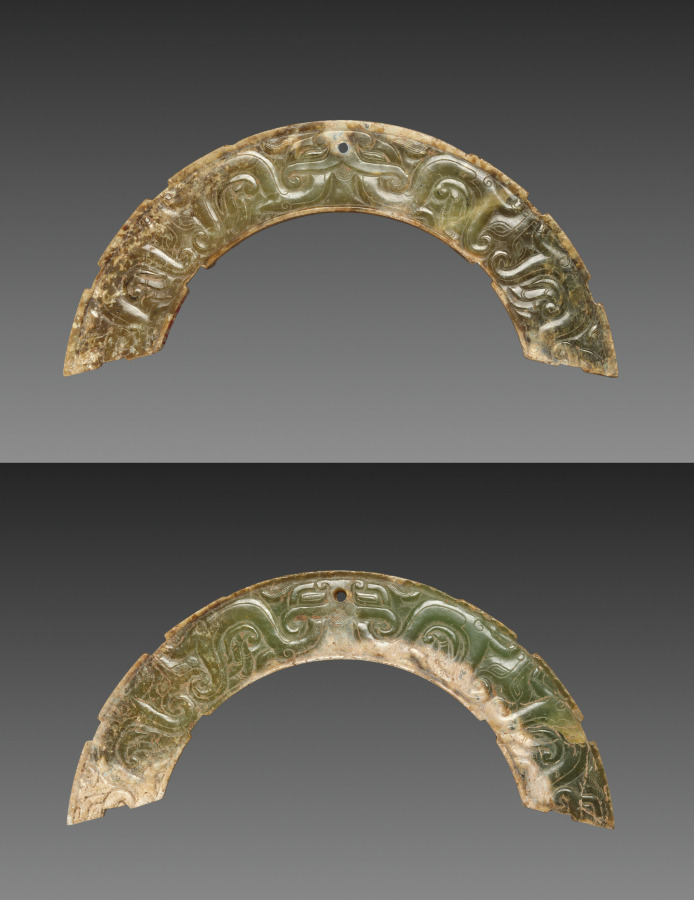
Pair of Arc-shaped Pendants with Animal Mask and Interlaced Animal Bands (Huang)
Cleveland Museum of Art
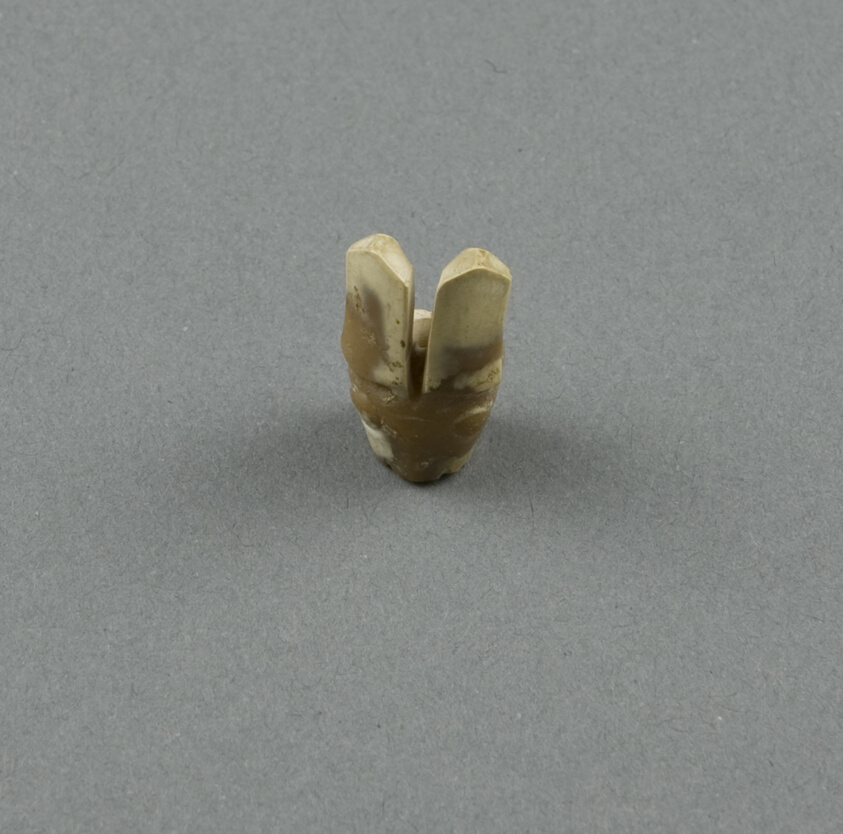
Pendant, sheep head
Art Institute of Chicago
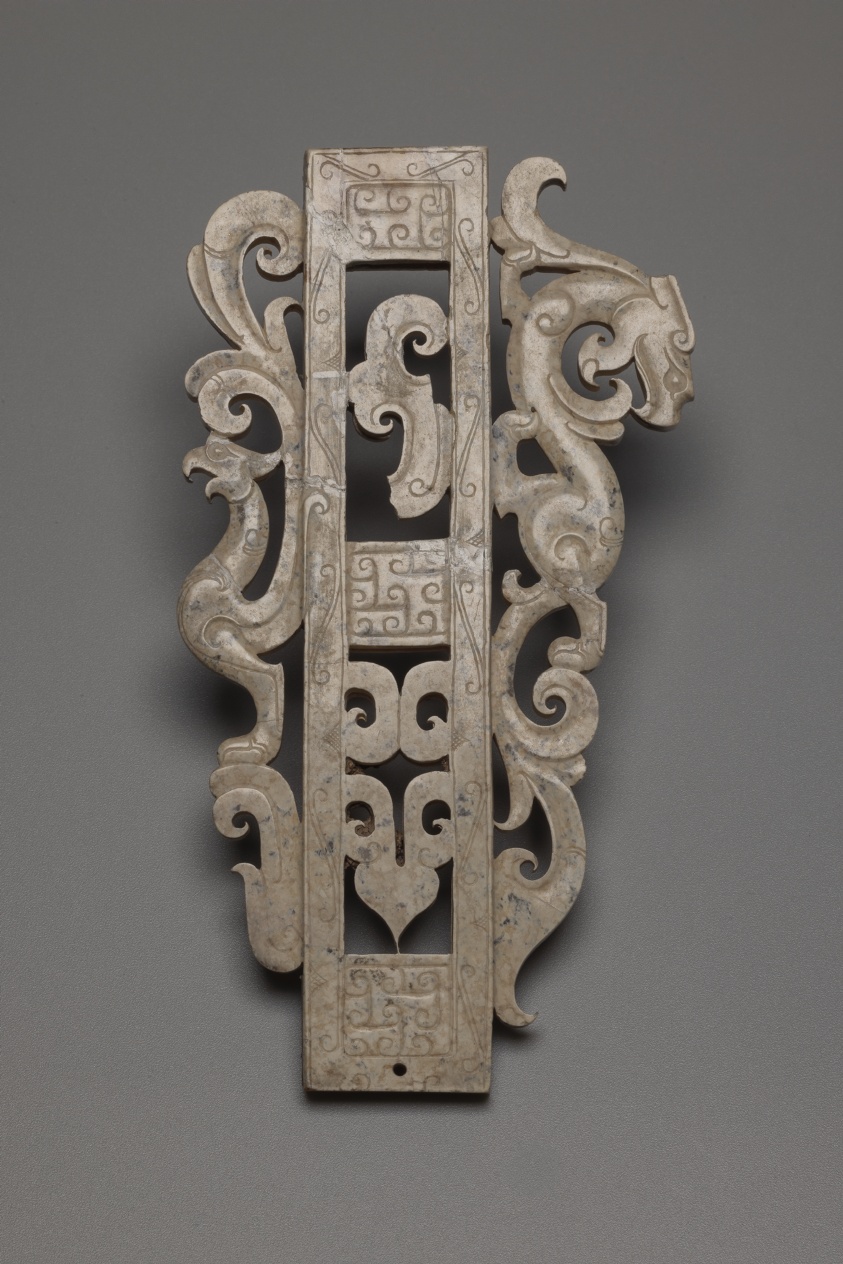
Sheath with Bird and Feline or Dragon
Art Institute of Chicago
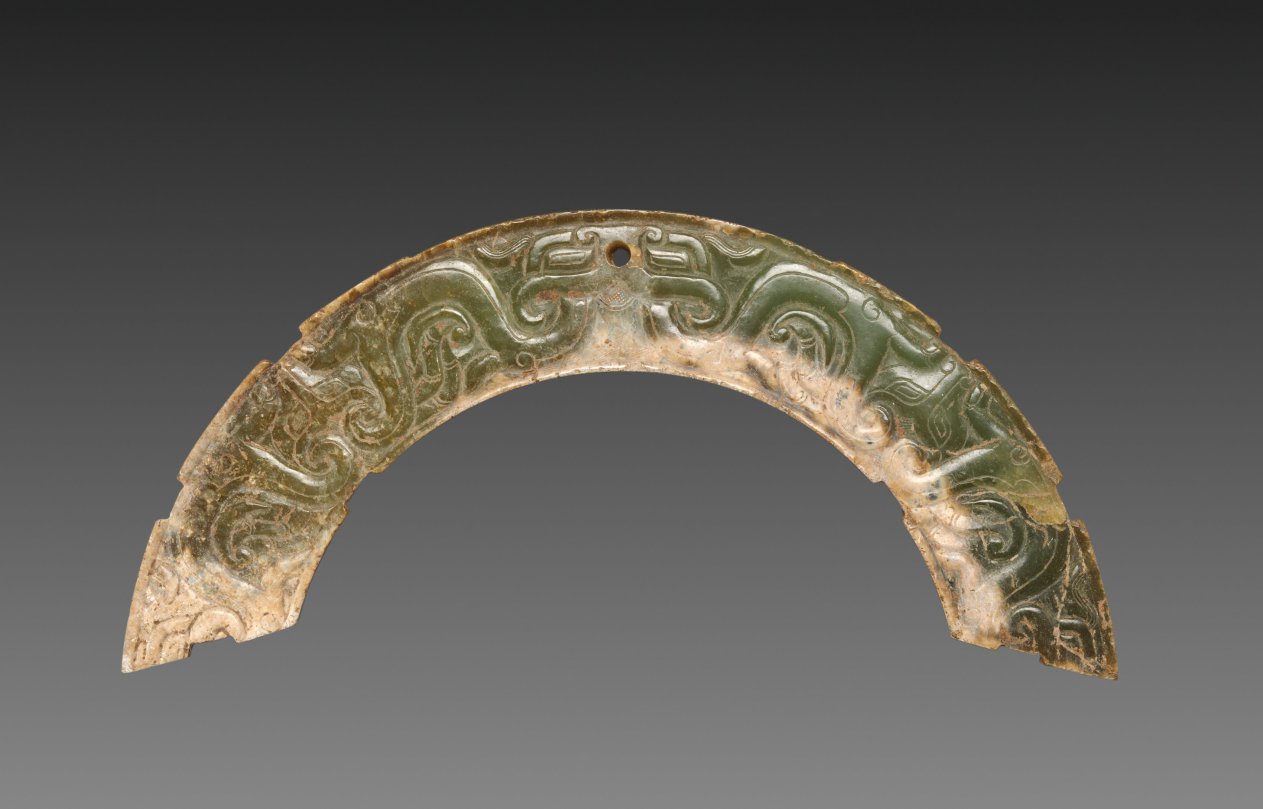
Arc-shaped Pendant with Animal Mask and Interlaced Animal Bands (Huang)
Cleveland Museum of Art
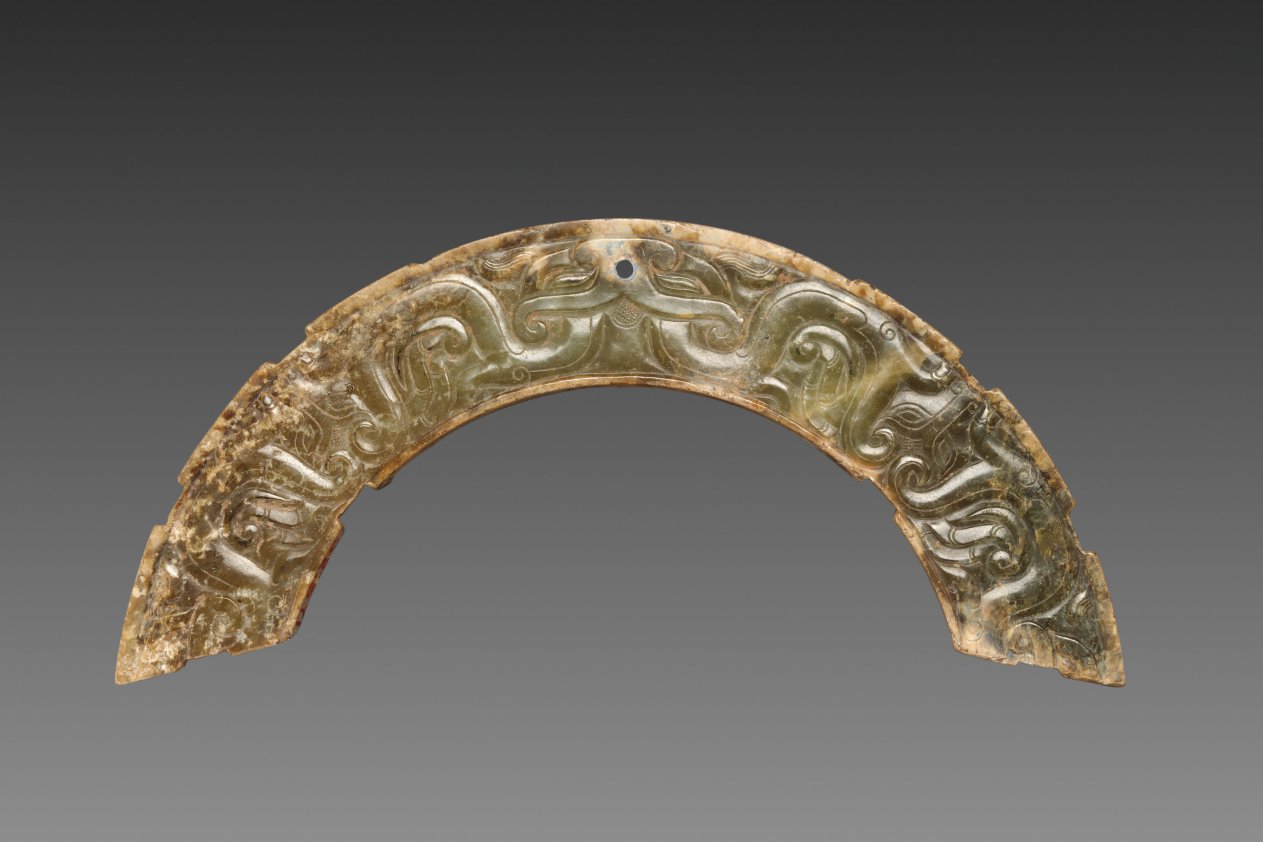
Arc-shaped Pendant with Animal Mask and Interlaced Animal Bands (Huang)
Cleveland Museum of Art
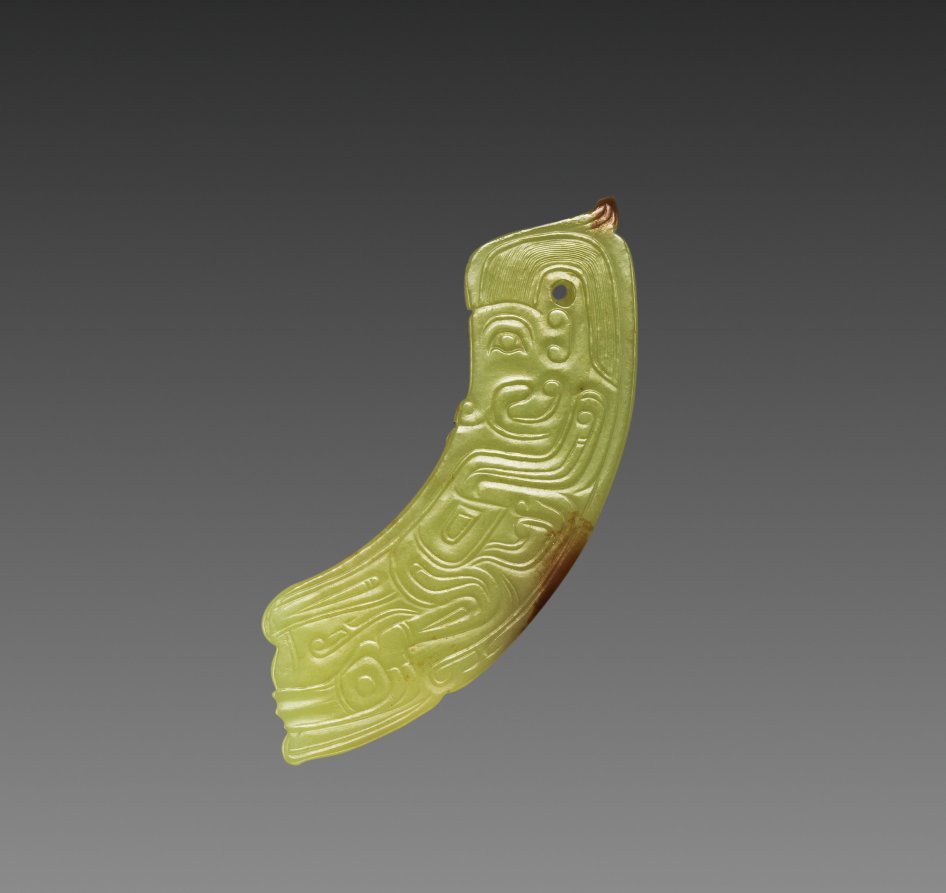
Arc Pendant with Human-like Figure
Cleveland Museum of Art
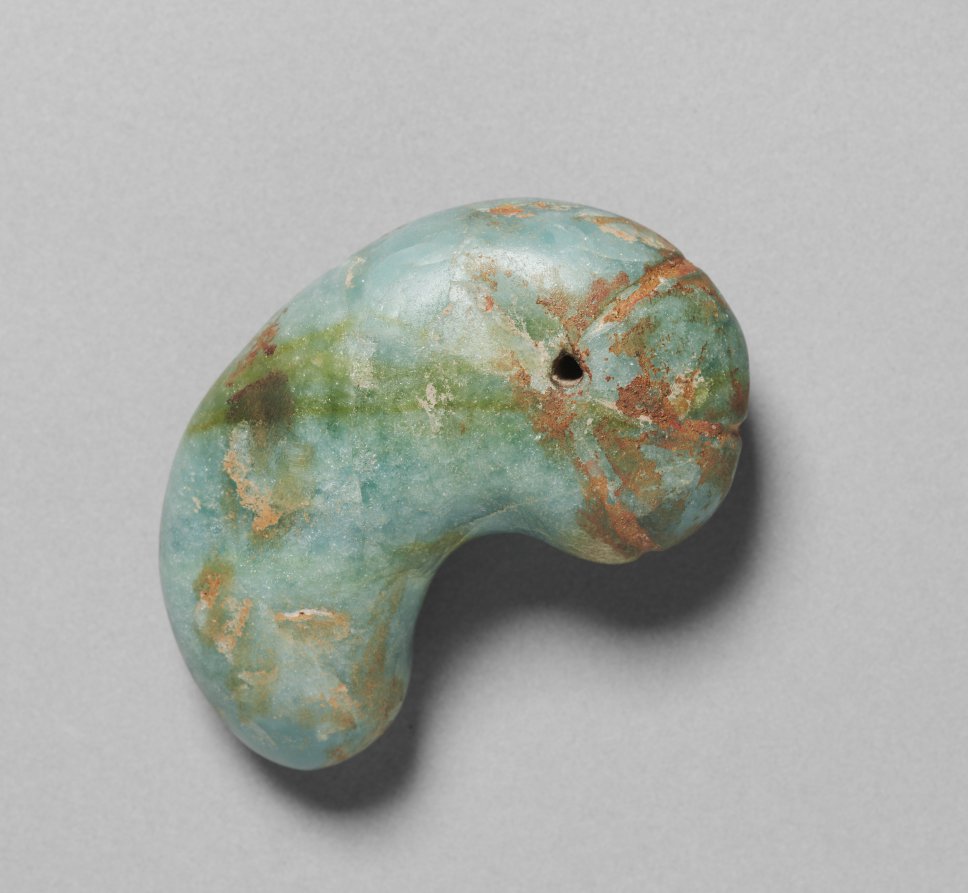
Comma-shaped Jade
Cleveland Museum of Art

Pendant, buffalo head.
Art Institute of Chicago
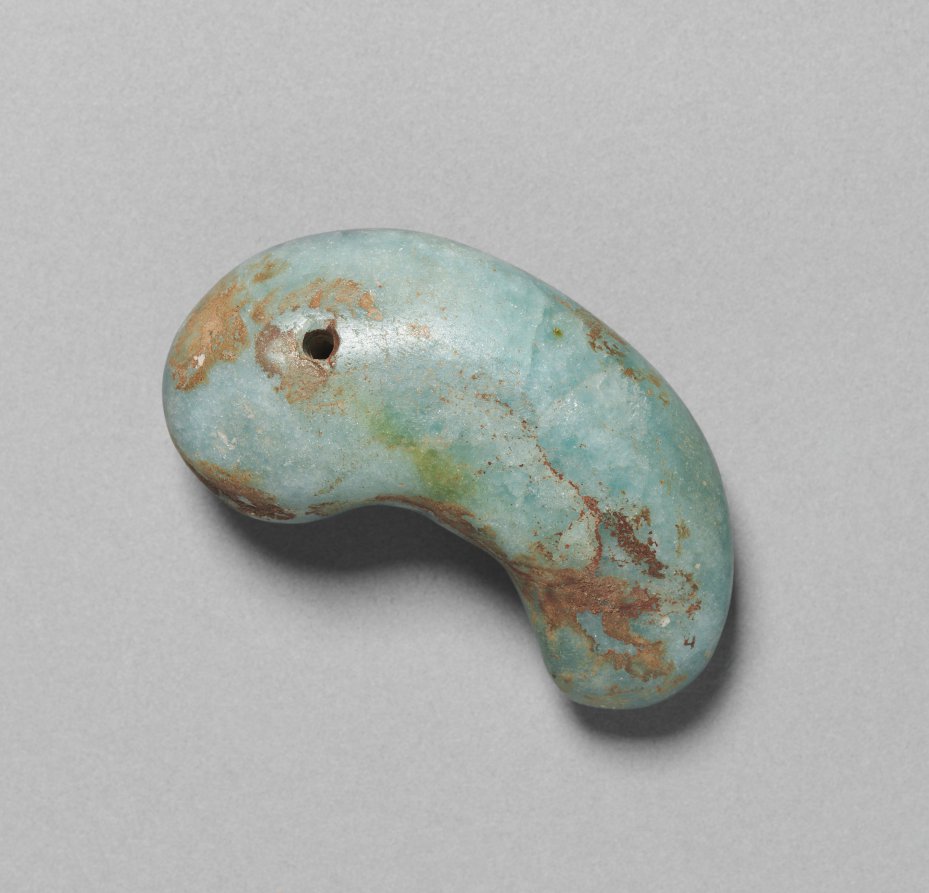
Comma-shaped Jade
Cleveland Museum of Art