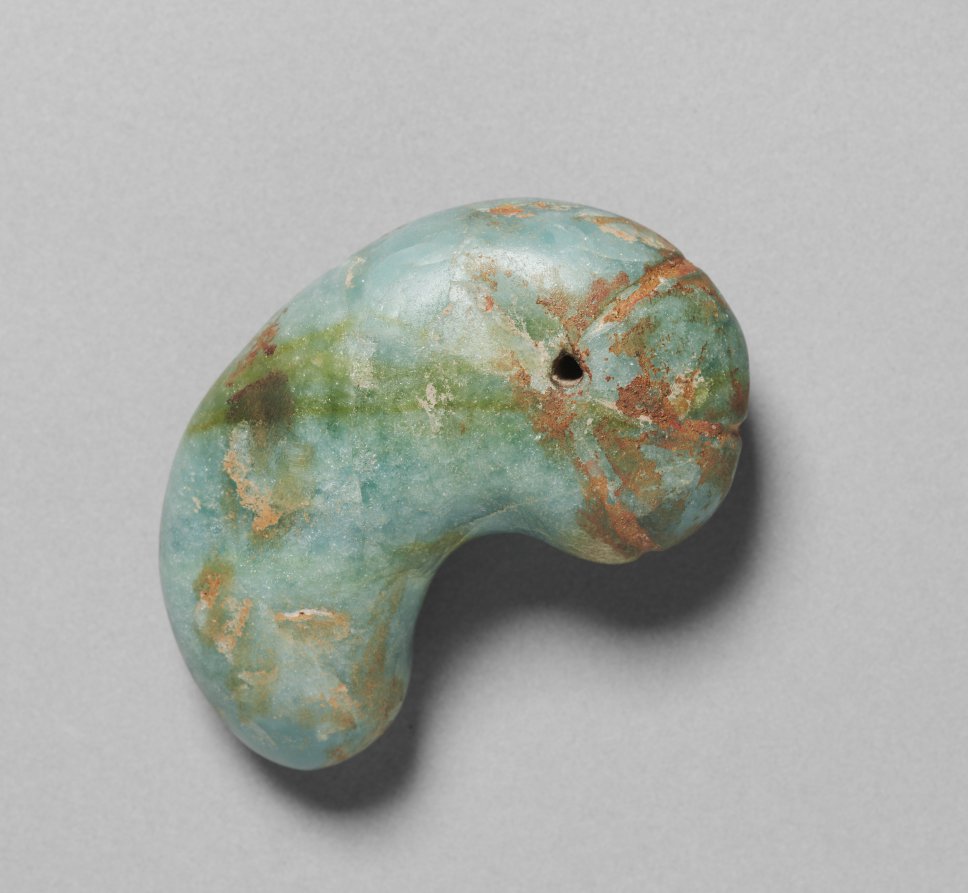
Cleveland Museum of Art
Comma-shaped Jade
- Date
- 400s CE
- Medium
- jade
- Culture
- Korea, Three Kingdoms period (57 BCE–668 CE)
- Department
- Korean Art
- Institution
- Cleveland Museum of Art
Jade is one of the hardest stones and requires an intensive, arduous process of abrasion—cutting, chiseling, grinding, and polishing—to achieve the desired shape. A grindstone and a slurry of grit and water shape the jade into the desired form, and then a cloth dampened and rubbed with finer grit may have been used to give the jade the smooth surface. For the Silla kingdom (57 BC–985), in particular, comma-shaped jades served as an essential item for the burials of the ruling class and were luxurious accessories to decorate golden crowns. Their comma shape is thought to represent embryonic forms, symbolizing life, particularly rebirth in the afterlife. This unique shaped jade was used as a pendant to decorate necklaces, eyerings, and crowns during the Three Kingdoms period.
The authoritative record is held by Cleveland Museum of Art. LinkedCulture surfaces this object and its connections; it does not alter institutional metadata.
Related across collections
Semantically similar works from Cleveland Museum of Art and other institutions.
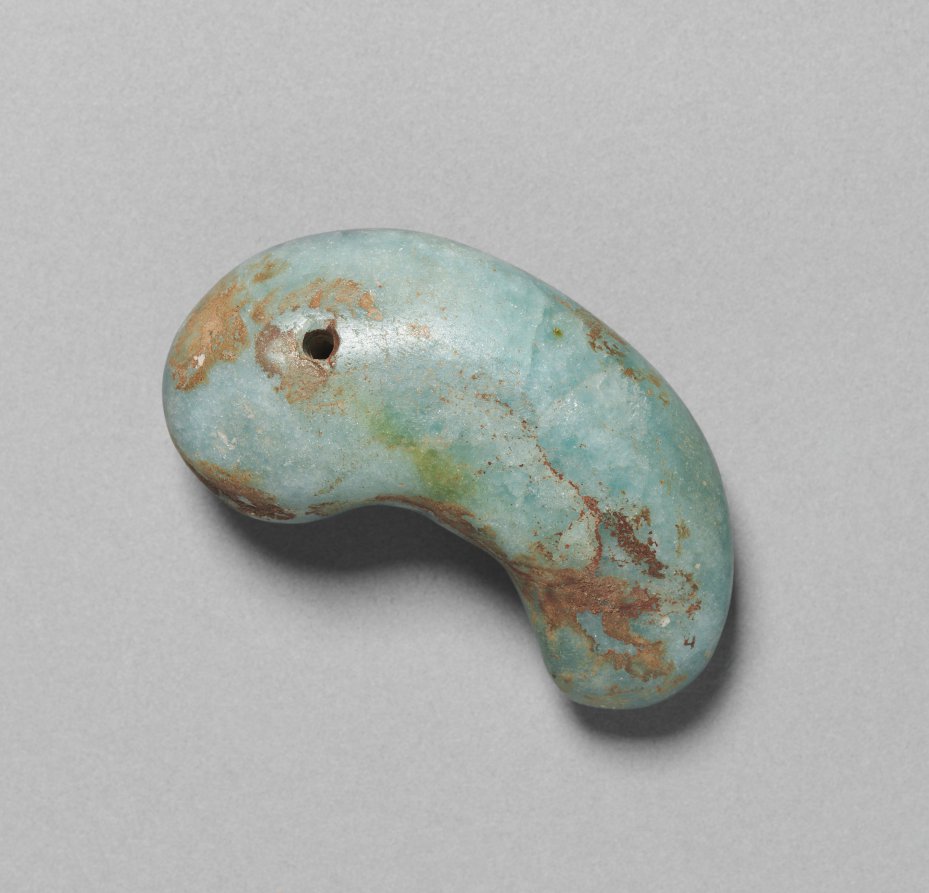
Comma-shaped Jade
Cleveland Museum of Art
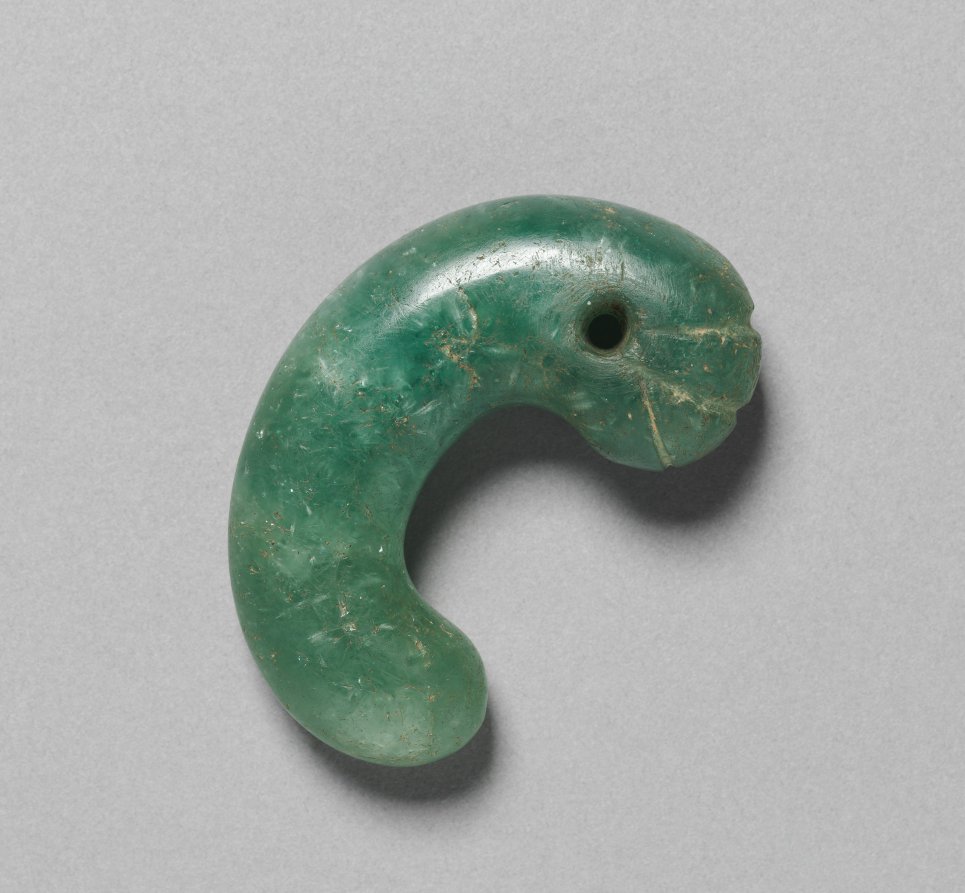
Comma-shaped Jade
Cleveland Museum of Art
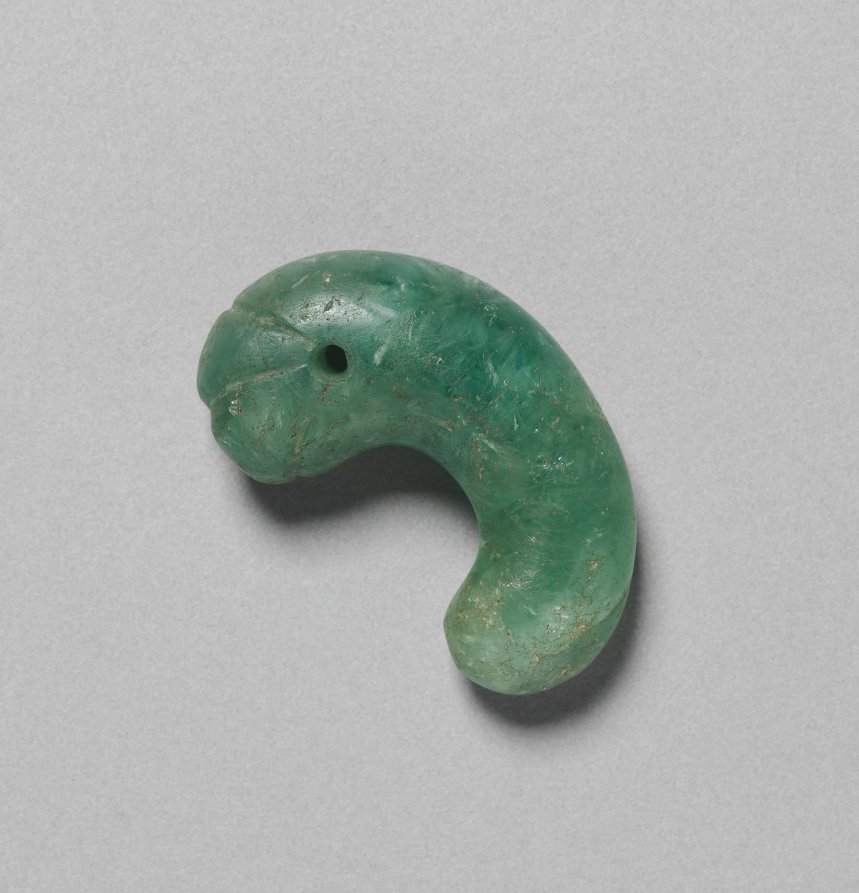
Comma-shaped Jade
Cleveland Museum of Art
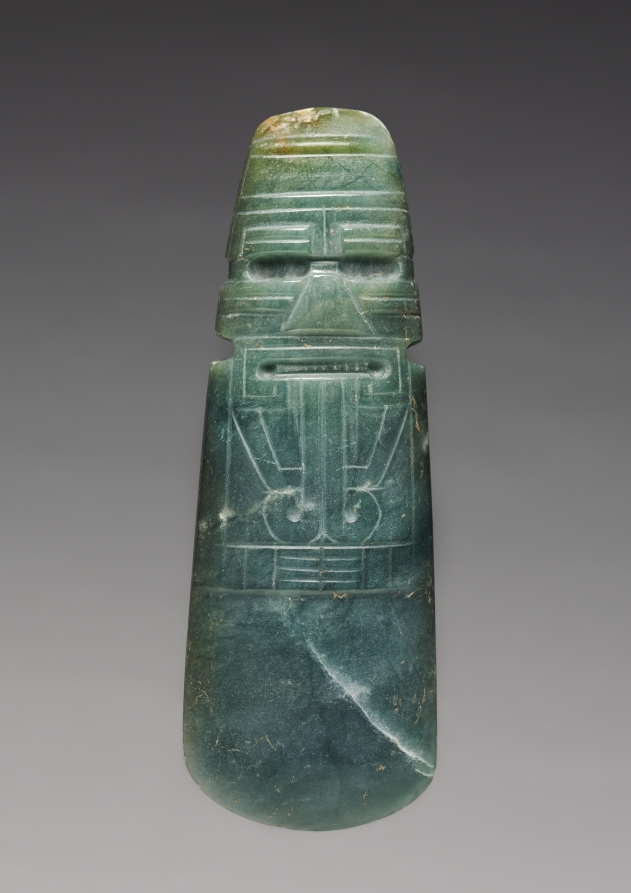
Celt-Shaped Pendant
Cleveland Museum of Art
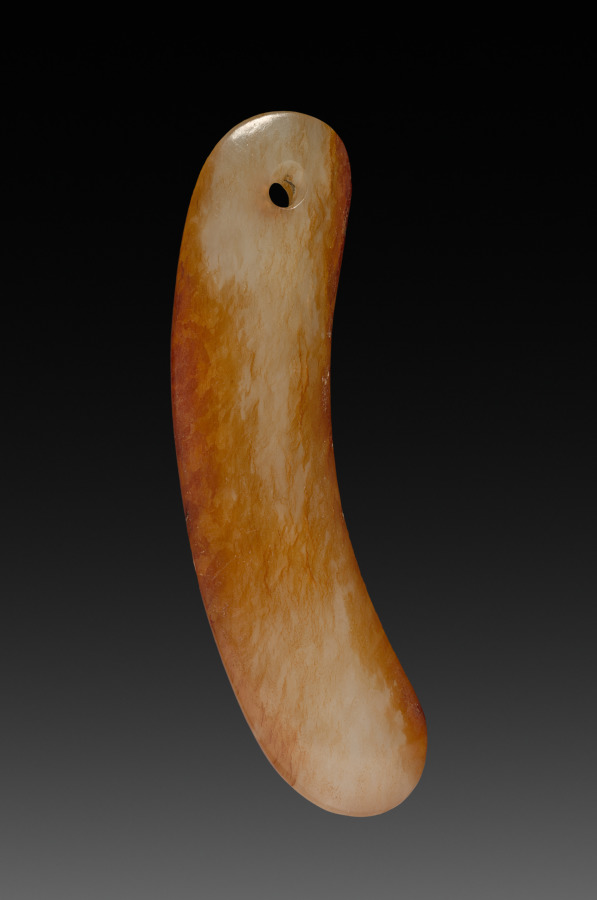
Bean-Shaped Bead
Cleveland Museum of Art
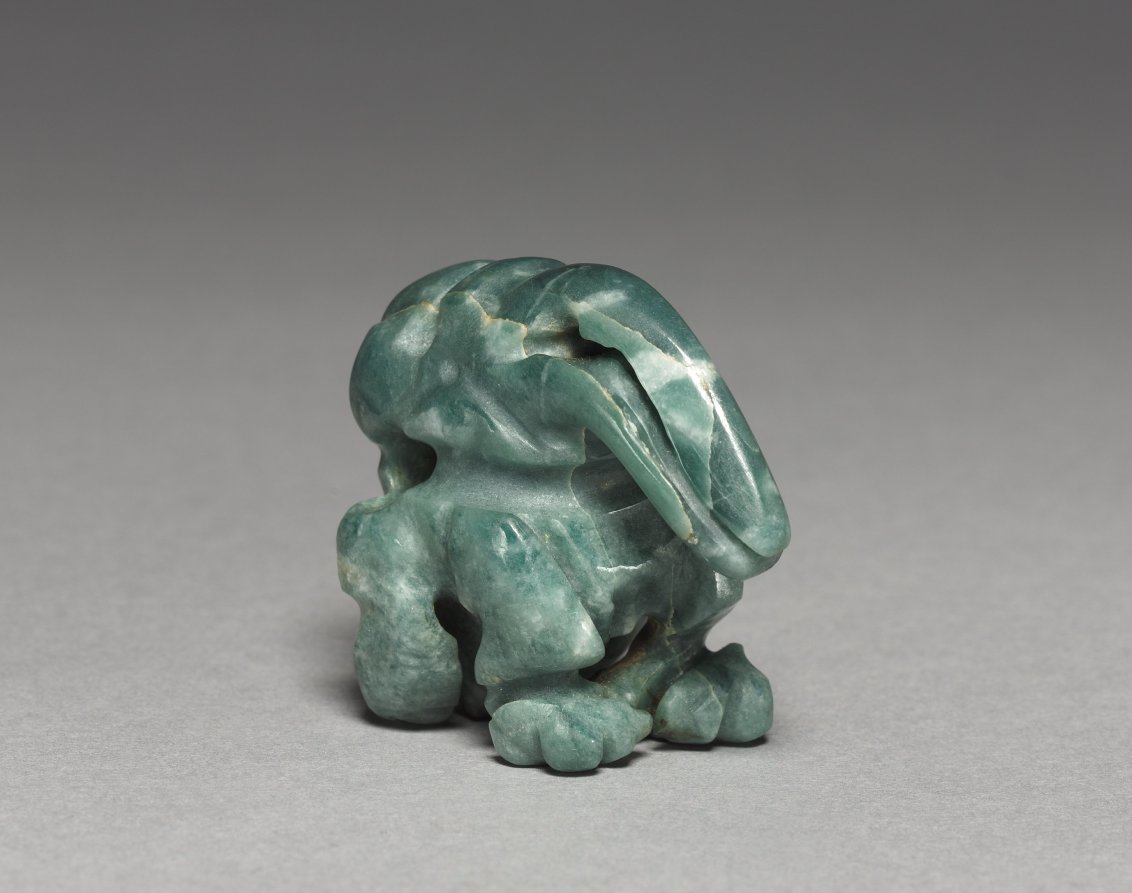
Bird Pendant (Buzzard or Vulture?)
Cleveland Museum of Art

Pendant in the form of a dragon
Minneapolis Institute of Art
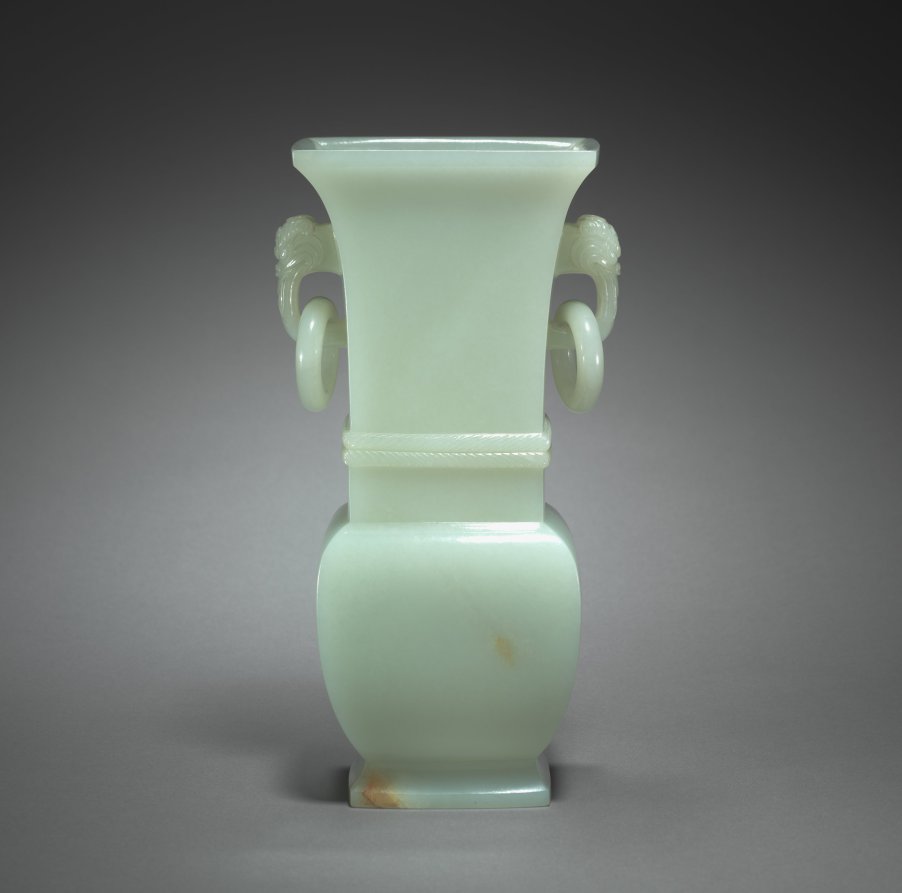
Vase in the Form of Archaic Hu
Cleveland Museum of Art
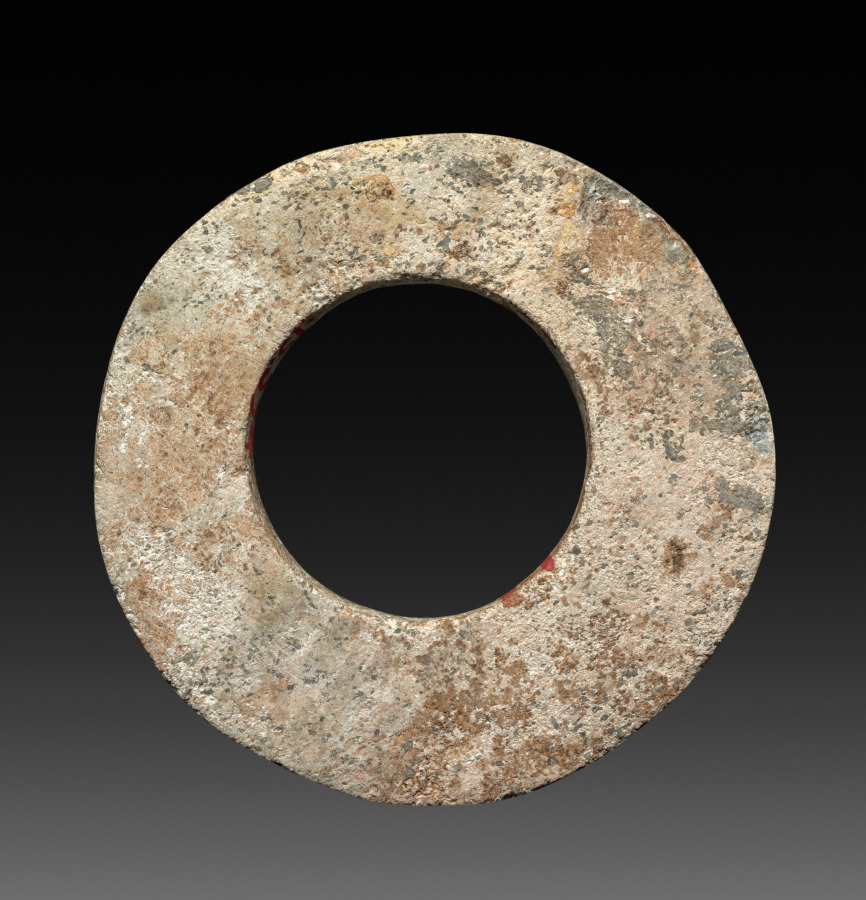
Ring
Cleveland Museum of Art
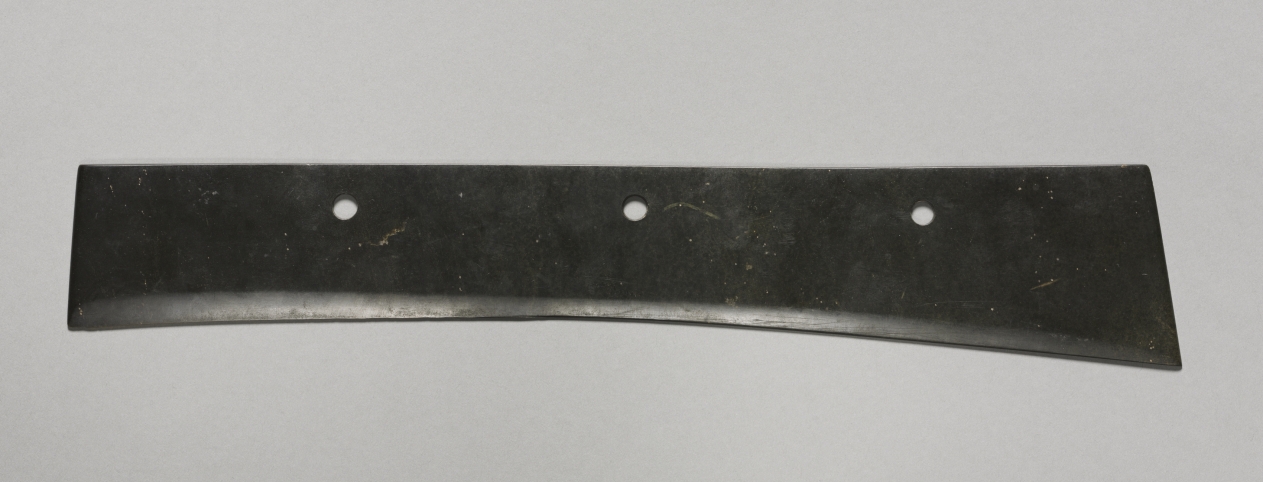
Ceremonial Blade with Three Perforations (Dao)
Cleveland Museum of Art
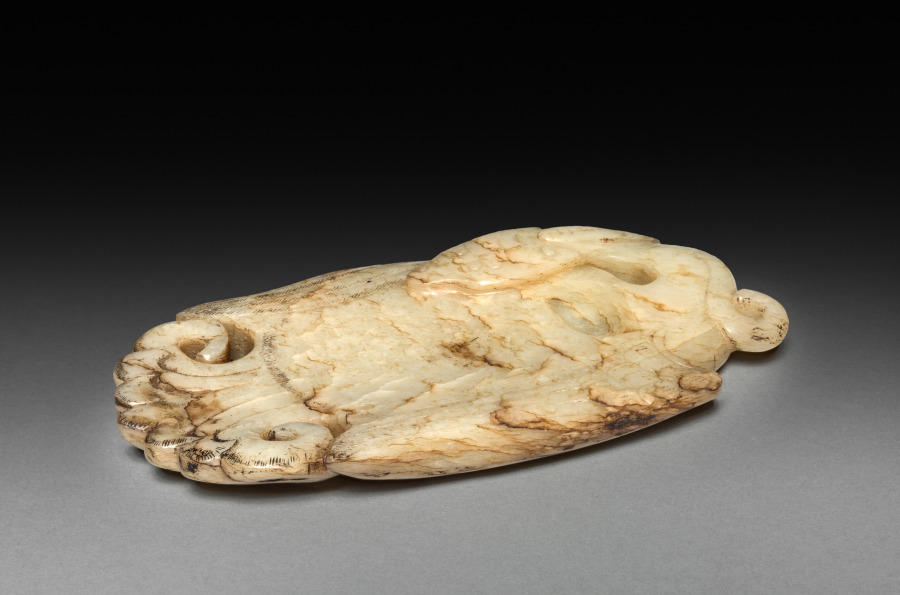
Bird Shaped Ink Stone
Cleveland Museum of Art
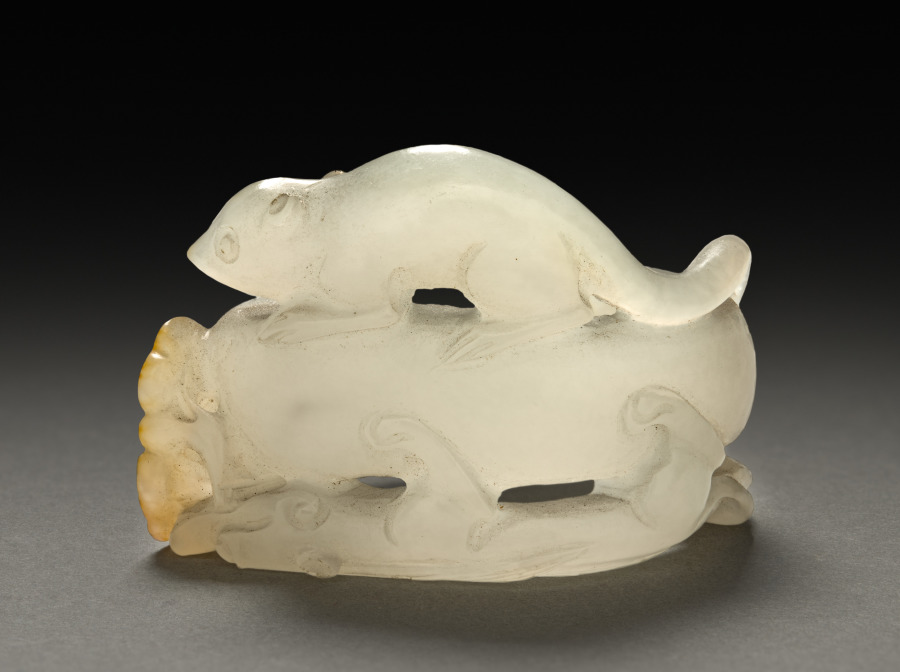
Thumb Ring
Cleveland Museum of Art