Cleveland Museum of Art
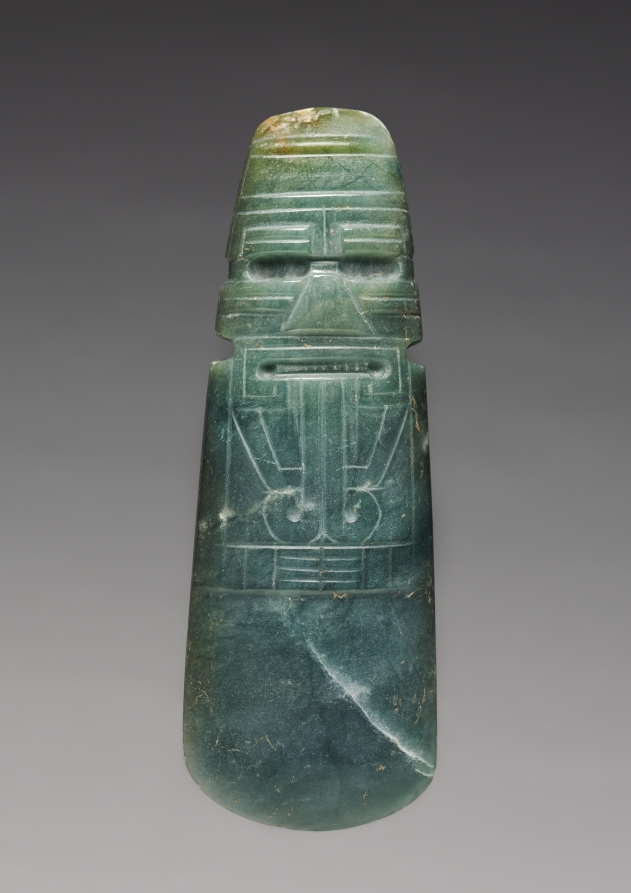
Celt-Shaped Pendant
- Date
- c. 300 BCE–600 CE
- Medium
- jadeite
- Culture
- Costa Rica, Southern Nicoya region
- Department
- Art of the Americas
- Institution
- Cleveland Museum of Art
Costa Rican jade pendants may imitate the shape of axe blades (celts) used for agriculture. The pendants often take the form of "axe gods," creatures with human, bird, or animal traits. Jade carving was common in Costa Rica before ad 500, but then declined in importance. Gold eventually replaced jade as the region’s preferred luxury material.
The authoritative record is held by Cleveland Museum of Art. LinkedCulture surfaces this object and its connections; it does not alter institutional metadata.
Related across collections
Semantically similar works from Cleveland Museum of Art and other institutions.
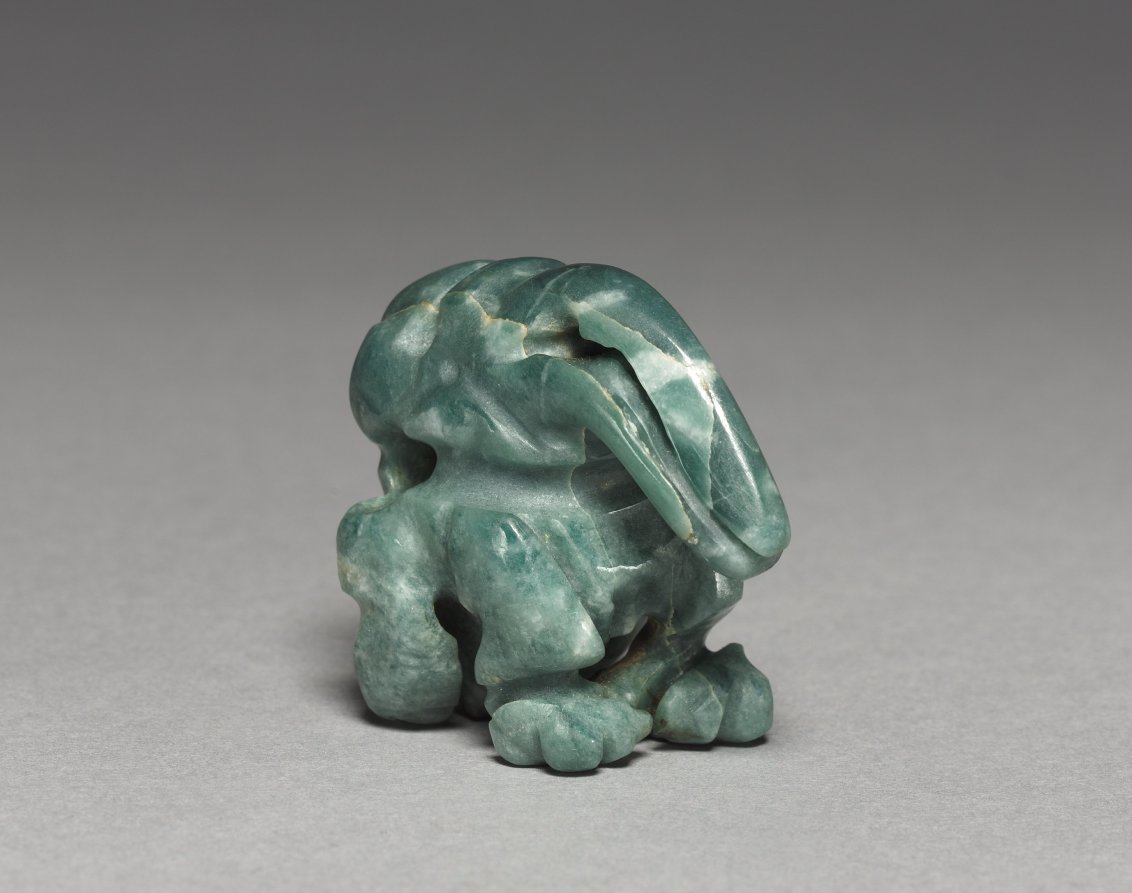
Bird Pendant (Buzzard or Vulture?)
Cleveland Museum of Art
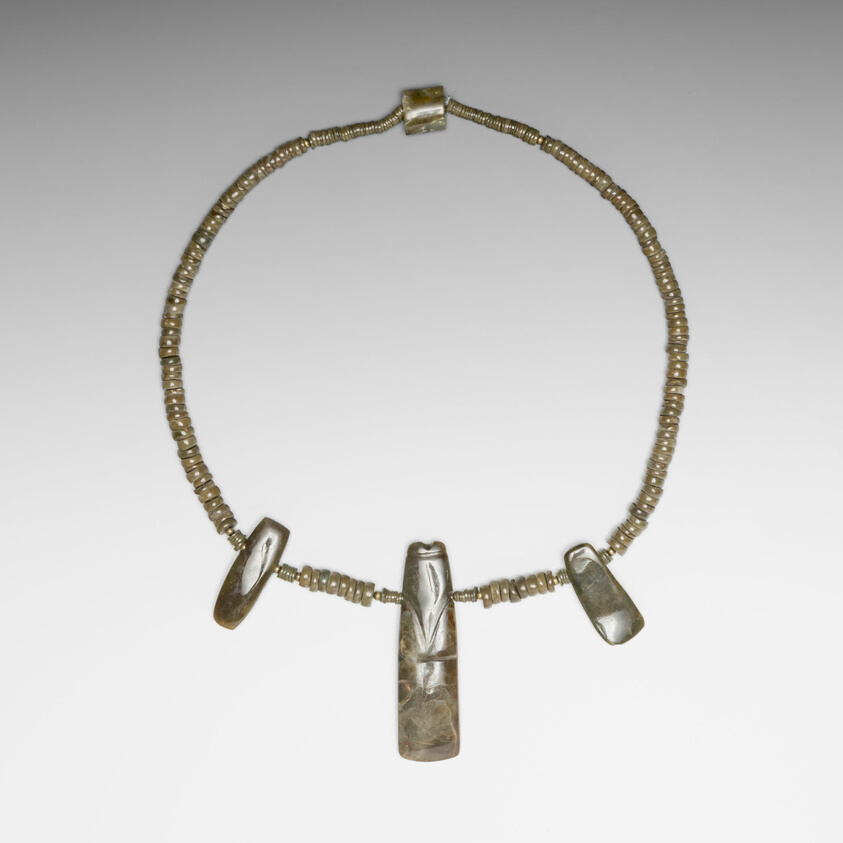
Beaded Necklace with Three Celt Pendants
Art Institute of Chicago
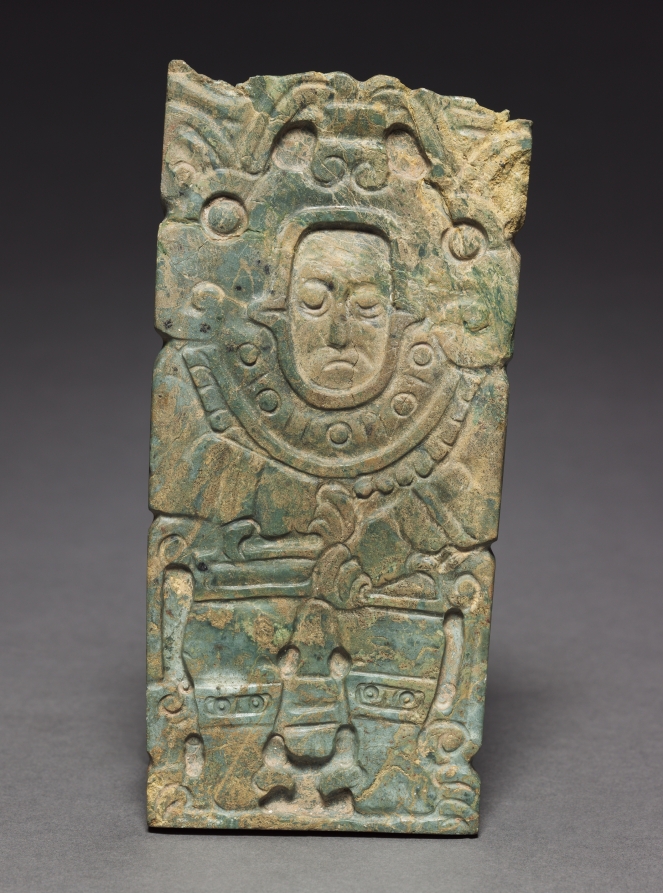
Pendant Plaque
Cleveland Museum of Art
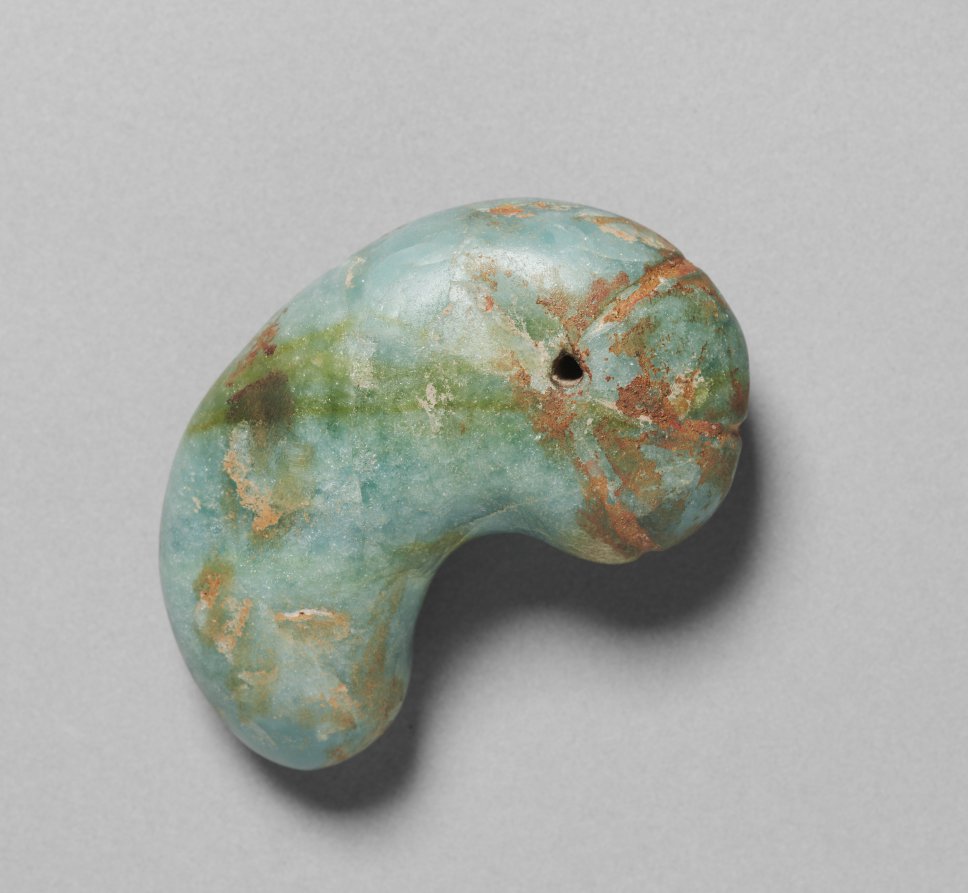
Comma-shaped Jade
Cleveland Museum of Art
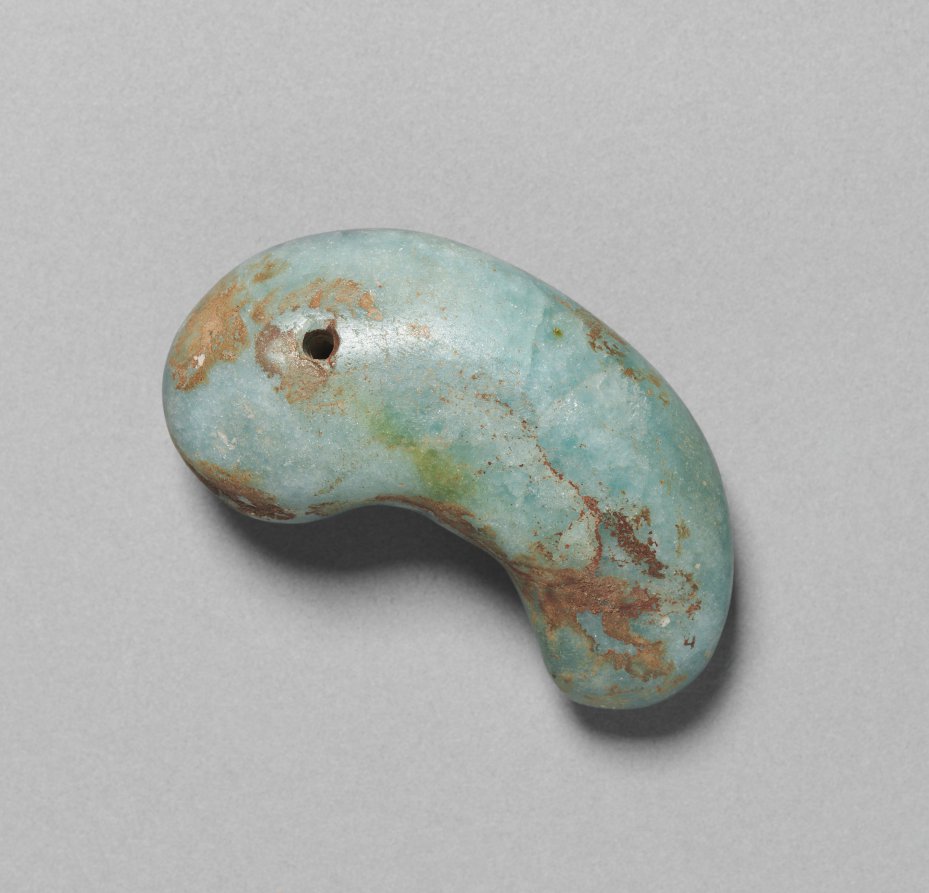
Comma-shaped Jade
Cleveland Museum of Art
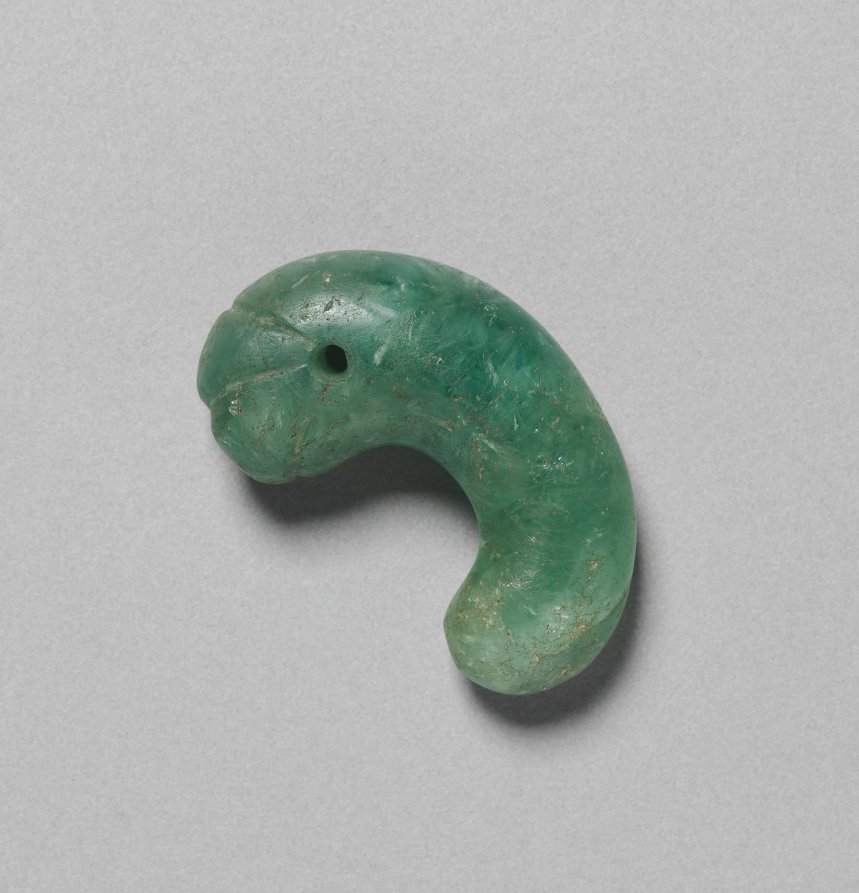
Comma-shaped Jade
Cleveland Museum of Art
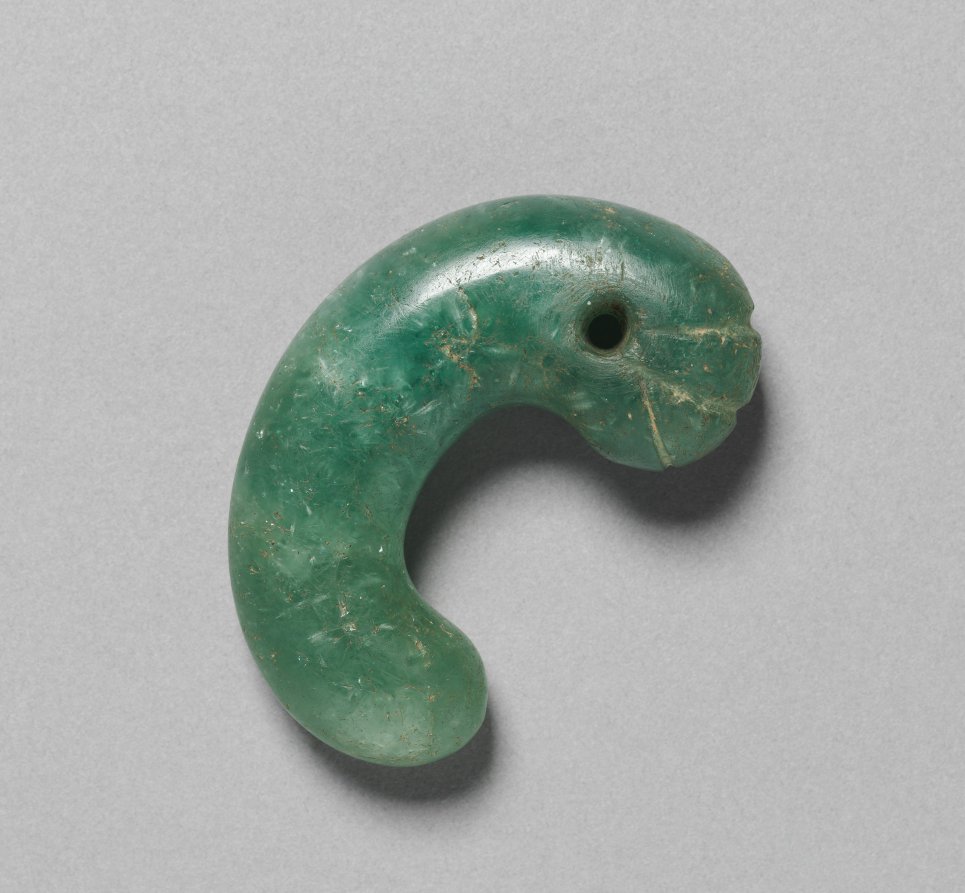
Comma-shaped Jade
Cleveland Museum of Art
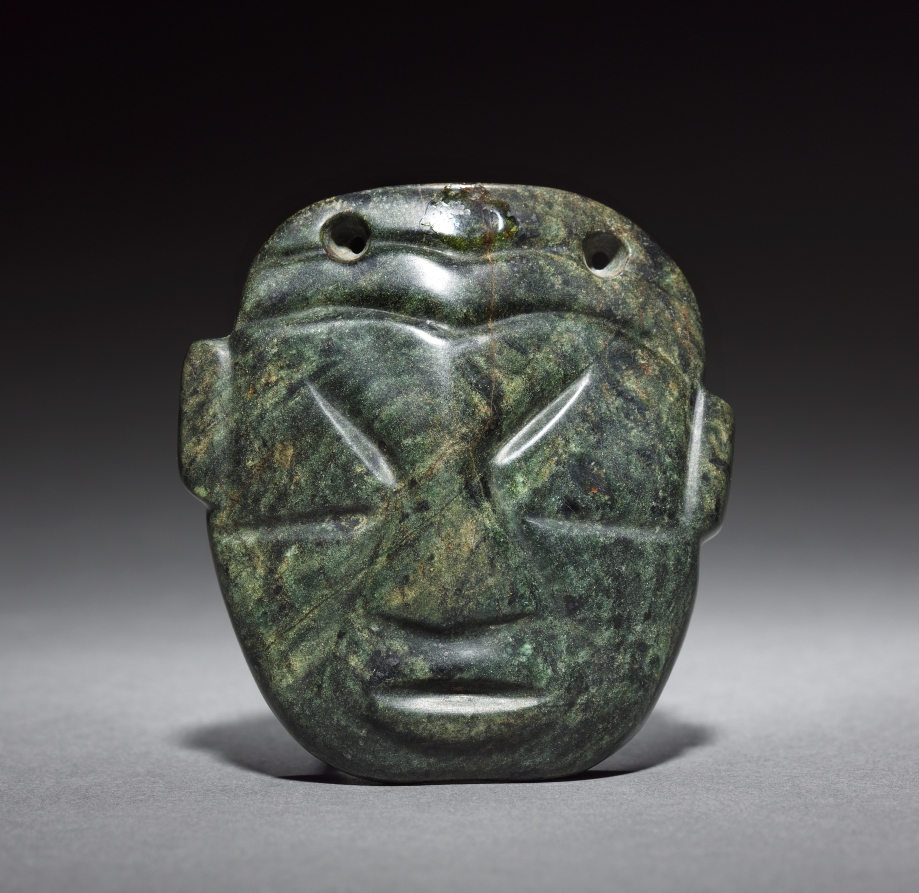
Pendant
Cleveland Museum of Art
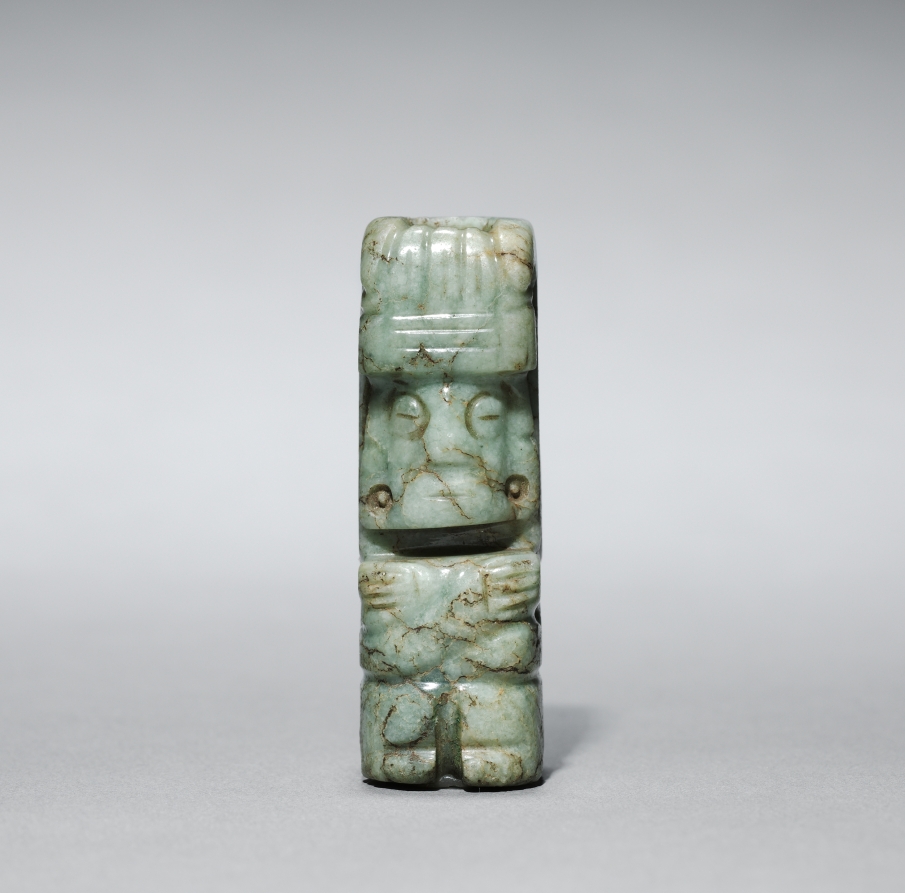
Figurine Pendant
Cleveland Museum of Art
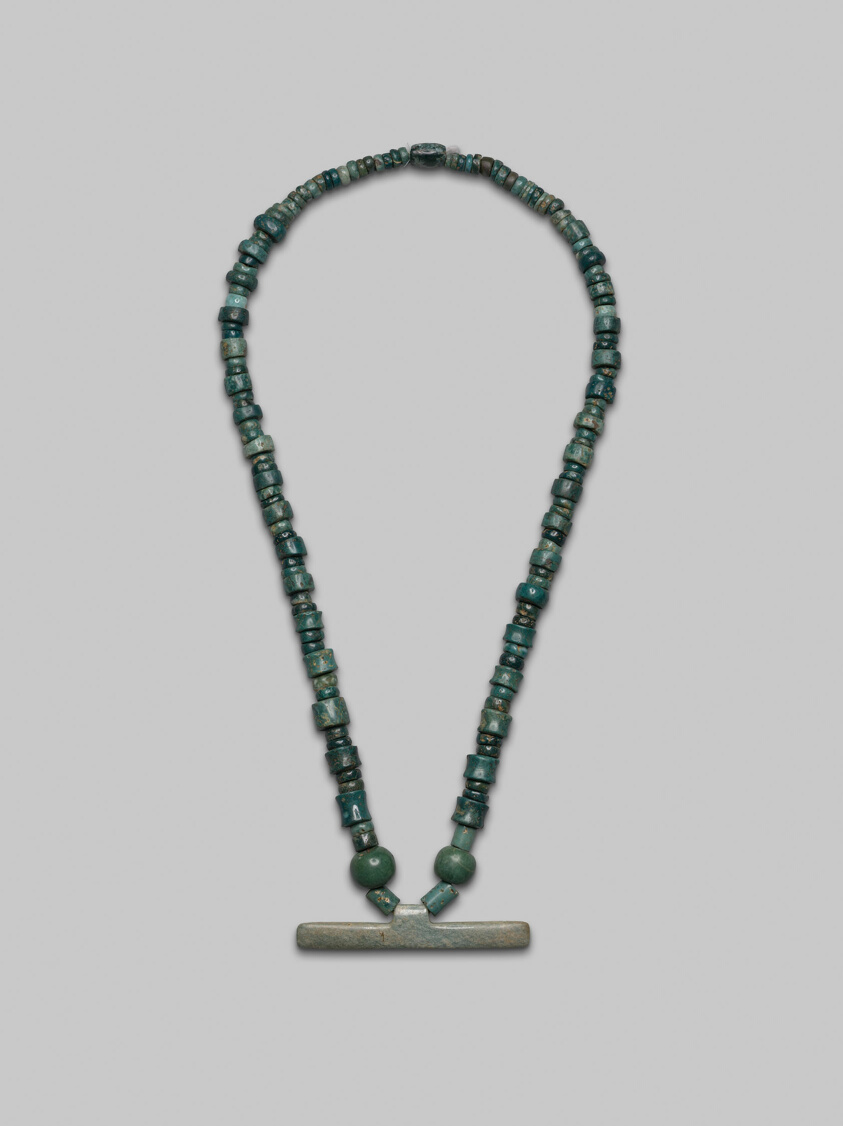
Beaded Necklace with Bar Pendant
Art Institute of Chicago
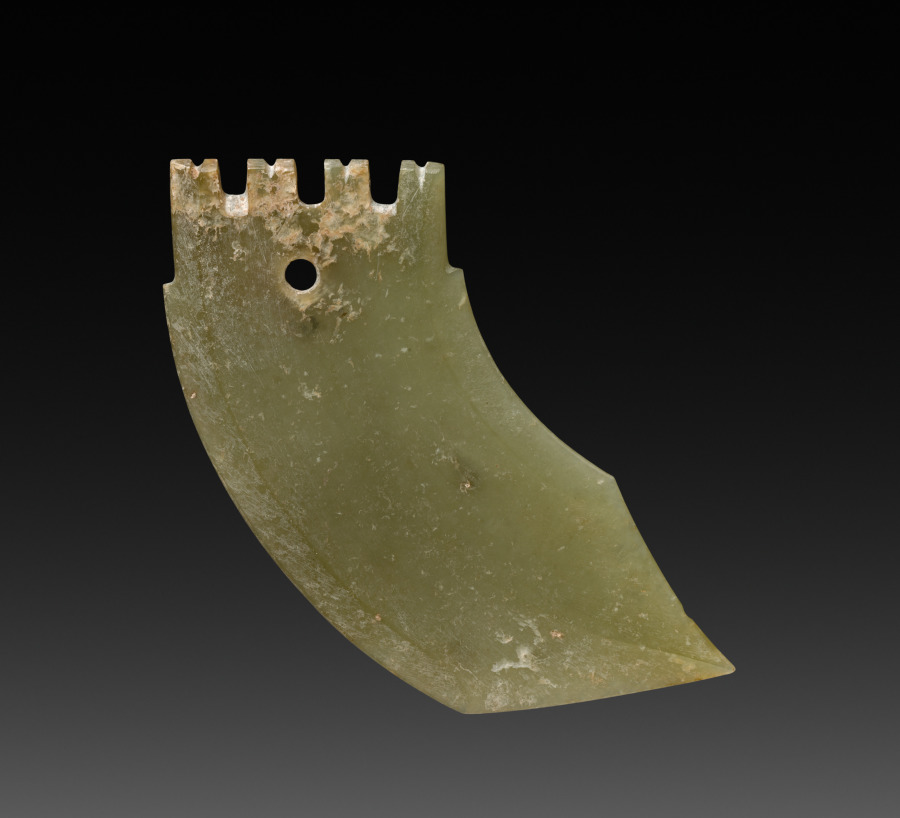
Dagger-Axe Shaped Pendant
Cleveland Museum of Art

Jade Necklace with Axe Pendant
Minneapolis Institute of Art