Cleveland Museum of Art
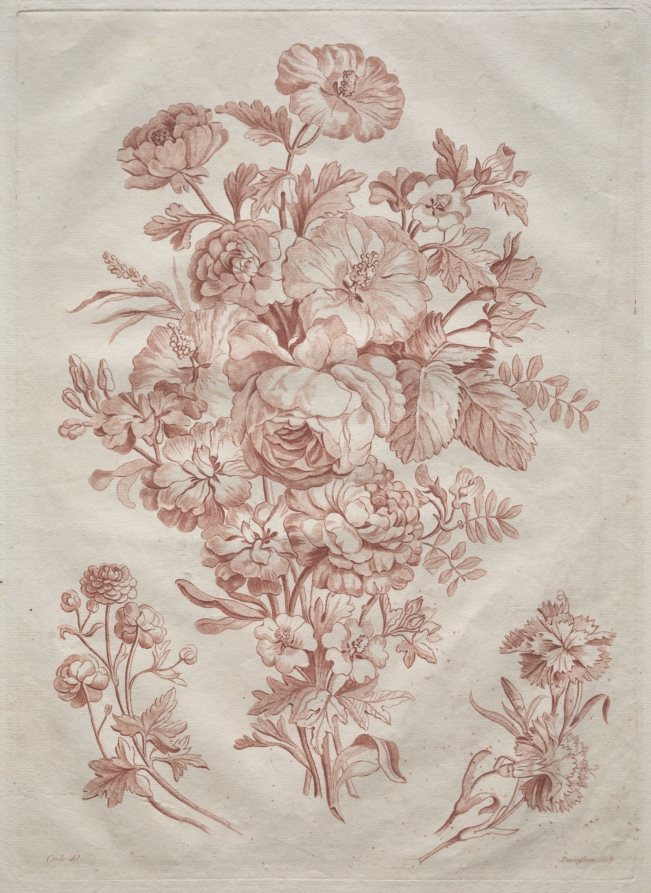
Spray of Flowers
Roubillac
- Date
- c. 1774–1800
- Medium
- crayon manner etching
- Culture
- France, 18th century
- Department
- Prints
- Institution
- Cleveland Museum of Art
Crayon manner etching was invented in the 18th century to simulate the texture of chalk drawings, which were very popular at the time. A tool with toothed points of varying thicknesses set at irregular intervals and angles ( mattoir ) imitated the random character of grains of chalk on textured paper. Etudes de fleurs d’après nature demonstrates how prints propagated floral designs that could be used in the applied arts. Artisans designing textiles or decorating furniture, for instance, were inspired by the compositions found on prints.
The authoritative record is held by Cleveland Museum of Art. LinkedCulture surfaces this object and its connections; it does not alter institutional metadata.
Related across collections
Semantically similar works from Cleveland Museum of Art and other institutions.
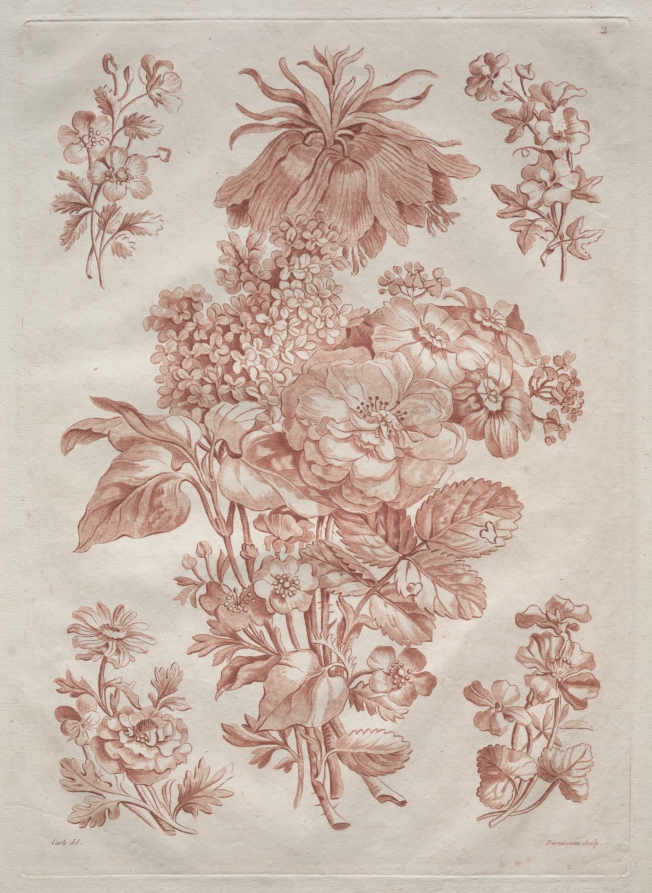
Spray of Flowers
Cleveland Museum of Art
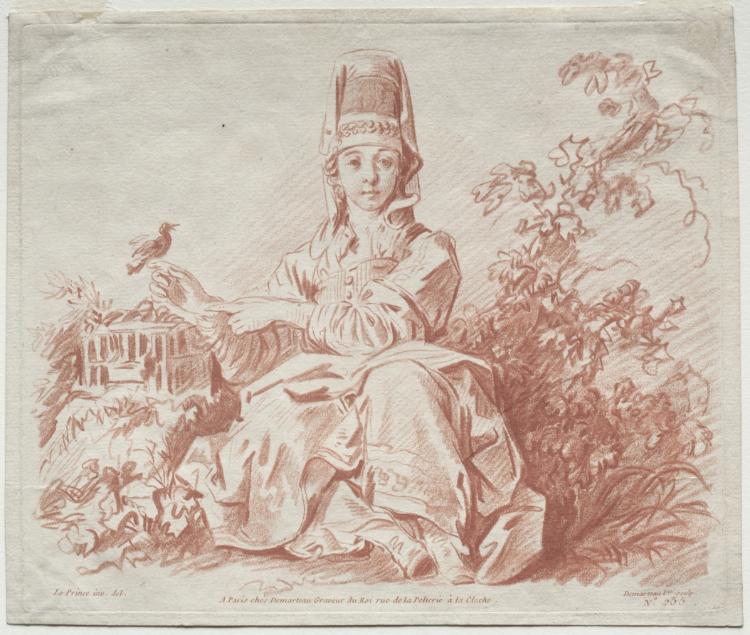
Young Girl Holding a Bird
Cleveland Museum of Art
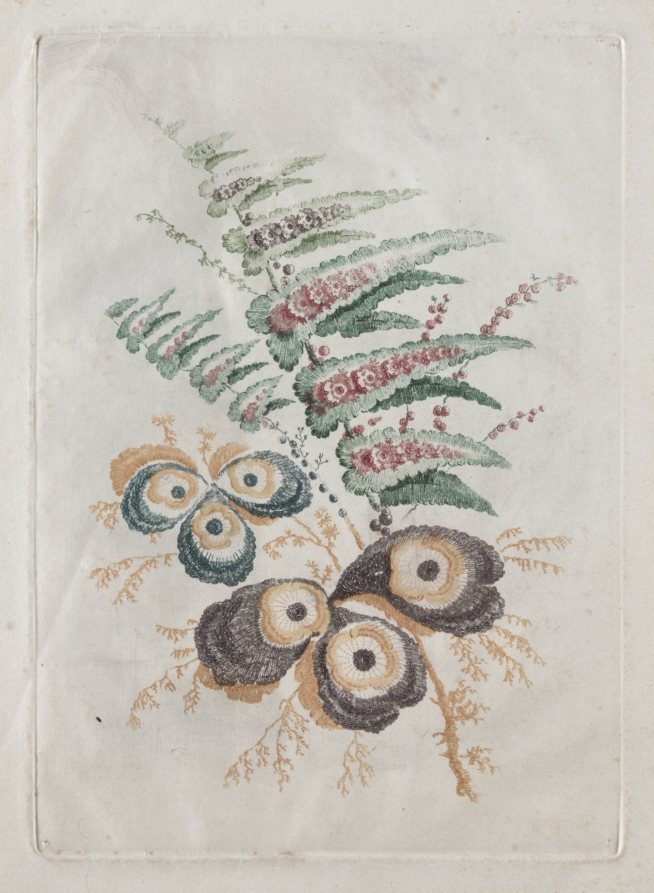
New Suite of Portfolios of Flowers Ideal to Use for Designing and Painting: Floral Fantasies
Cleveland Museum of Art
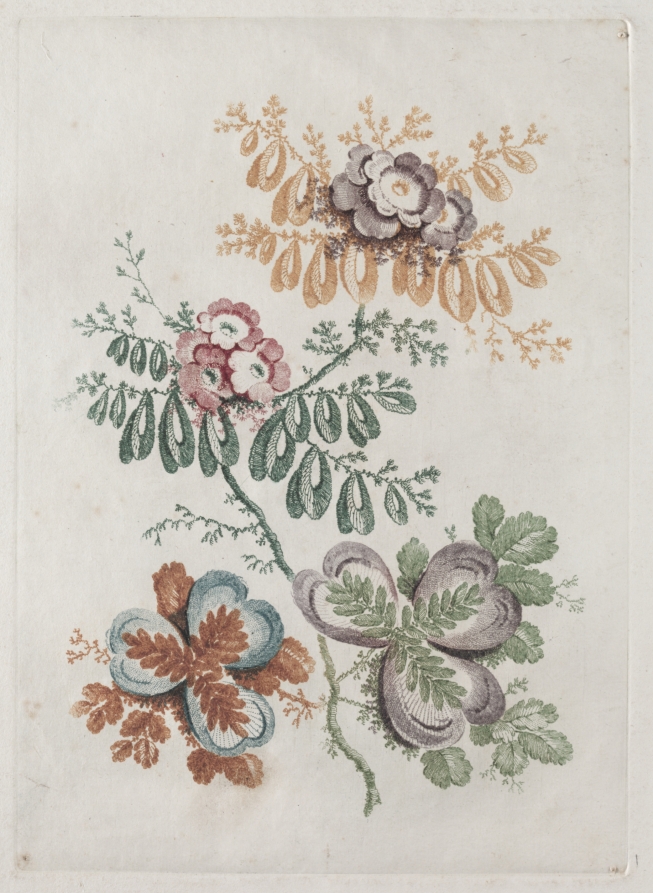
New Suite of Portfolios of Flowers Ideal to Use for Designing and Painting: Floral Fantasies
Cleveland Museum of Art
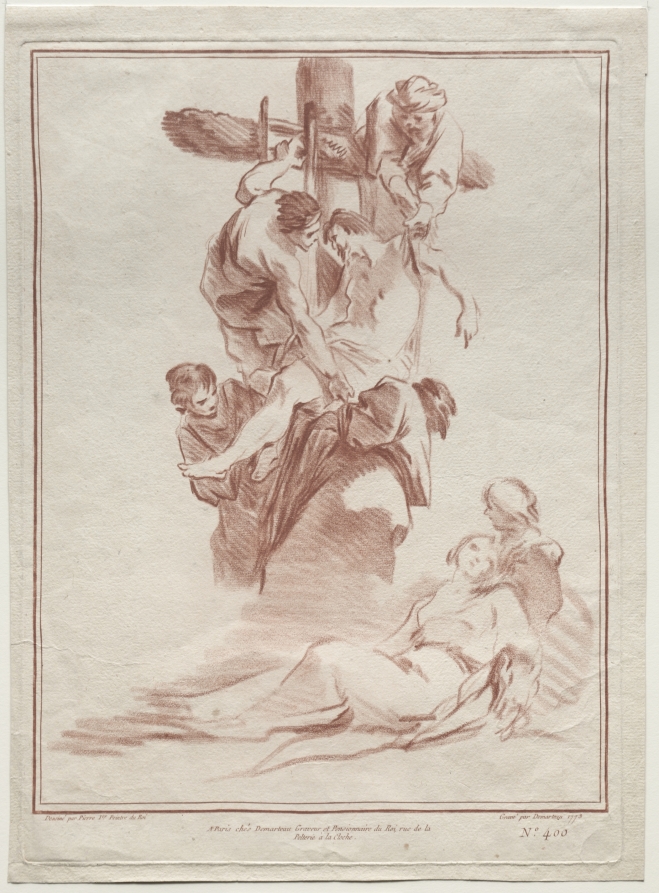
The Descent from the Cross
Cleveland Museum of Art

Flower Embroidery Design for Silk Manufactory of Lyon
Cleveland Museum of Art
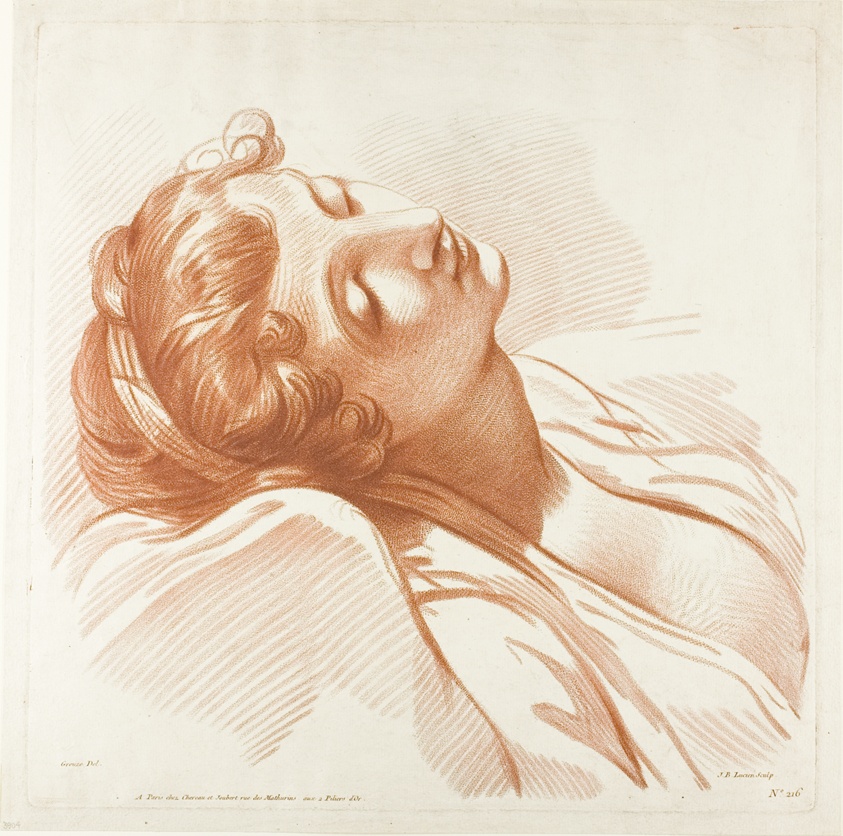
Head of a Young Woman Asleep
Art Institute of Chicago
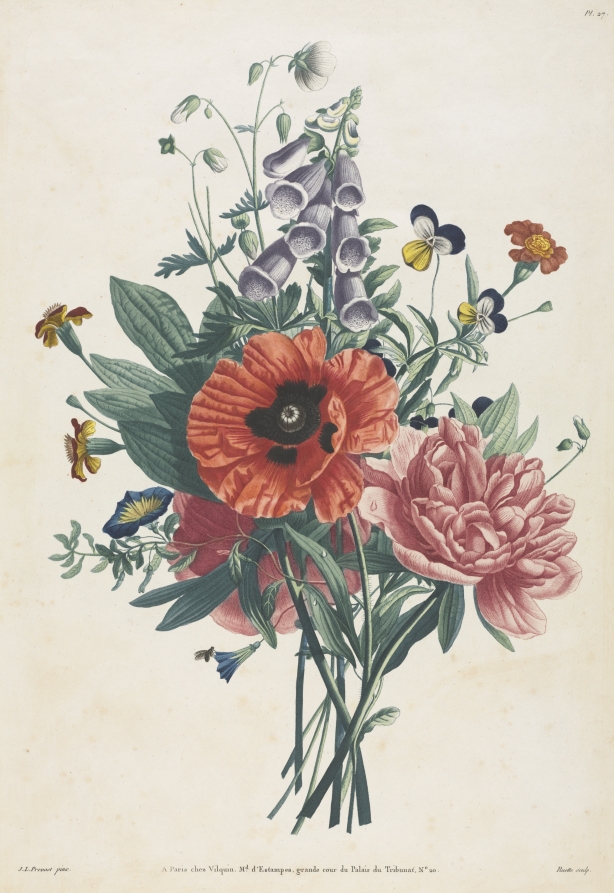
Collection of Flowers and Fruits Painted after Nature: Bouquet of Foxglove, Clematis, Pansy, Peony, Poppy, and Yellow Day Lily
Cleveland Museum of Art
Blad met strooipatronen van fantasiemotief en driehoekjes over ranken met bladeren en stippellijnen
Rijksmuseum
The Blue Passion-flower
Cleveland Museum of Art
Curtain Fragment
Art Institute of Chicago
The Mortuary, Paris
Cleveland Museum of Art