Cleveland Museum of Art
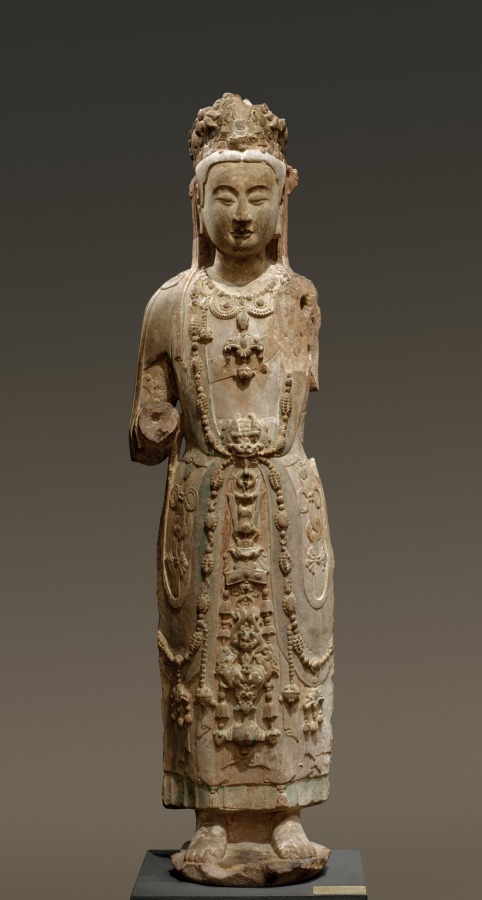
Bodhisattva Guanyin
- Date
- late 500s–early 600s
- Medium
- sandstone with polychromy
- Culture
- China, late Northern Qi (550–577) or early Sui dynasty (581–618)
- Department
- Chinese Art
- Institution
- Cleveland Museum of Art
The artistic excellence of this bodhisattva is further reinforced by comparable outstanding Chinese Buddhist sculptures excavated at Qingzhou in Shandong Province in 1996—one of the most sensational and significant archaeological finds of the 20th century. Like related types among the Qingzhou finds, this statute has a gently smiling face and meticulous detailing of splendid jewelry. A noticeable difference, however, is the unique yingluo ( mukt hara ) worn by the bodhisattva for personal adornment. The somewhat bizarre but imaginative combination of a string of jewels with grotesque animal masks, flying apsara , jade pendants, dragons, and metal ornaments was probably a regional decorative style of Shanxi Province. The carved and painted back suggest that the bodhisattva was originally displayed where it could be viewed in the round.
The authoritative record is held by Cleveland Museum of Art. LinkedCulture surfaces this object and its connections; it does not alter institutional metadata.
Related across collections
Semantically similar works from Cleveland Museum of Art and other institutions.

Guanyin
Minneapolis Institute of Art
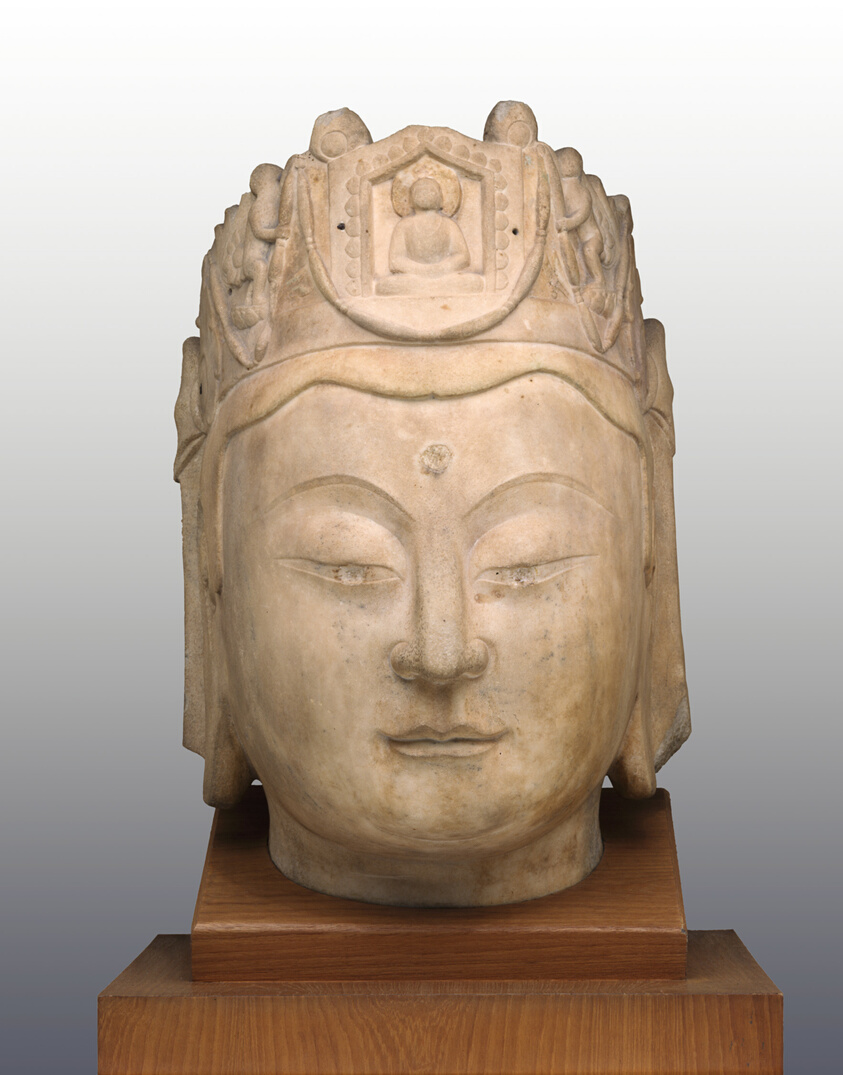
Head of Guanyin
Art Institute of Chicago
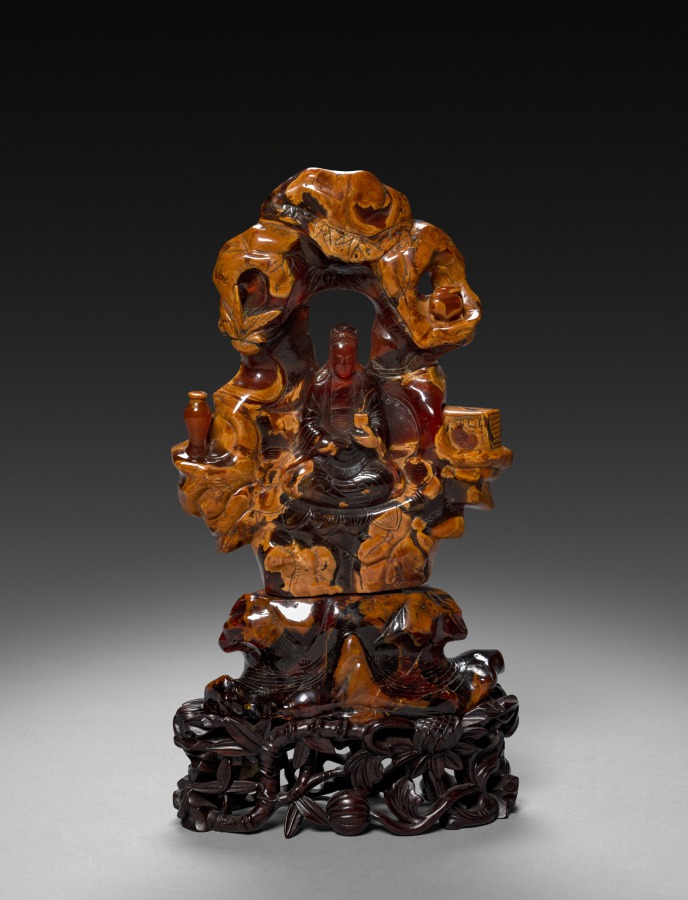
Bodhisattva Guanyin Seated in a Rock Grove
Cleveland Museum of Art
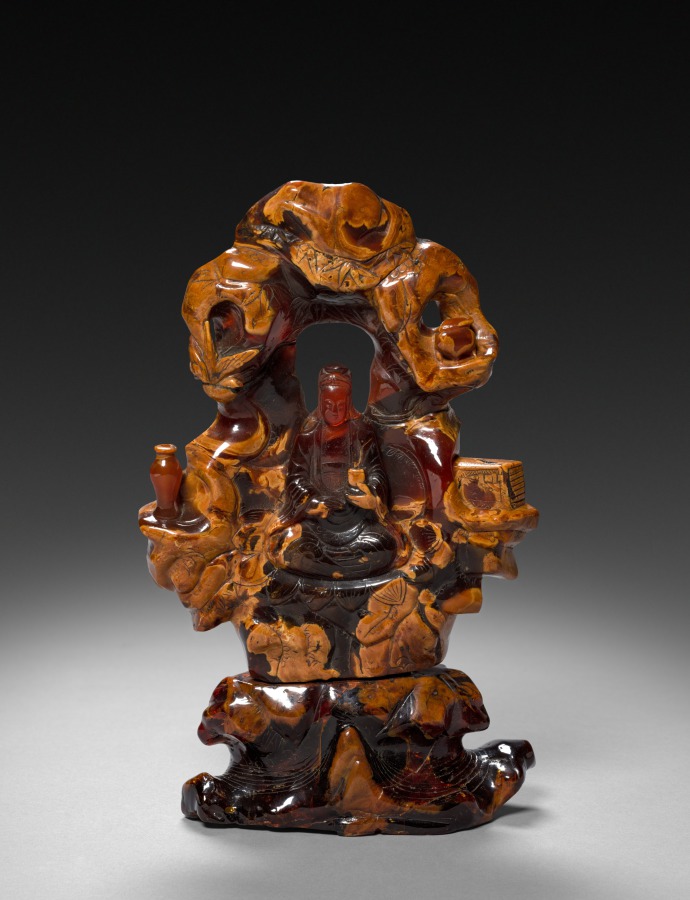
Bodhisattva Guanyin Seated in a Rock Grove
Cleveland Museum of Art
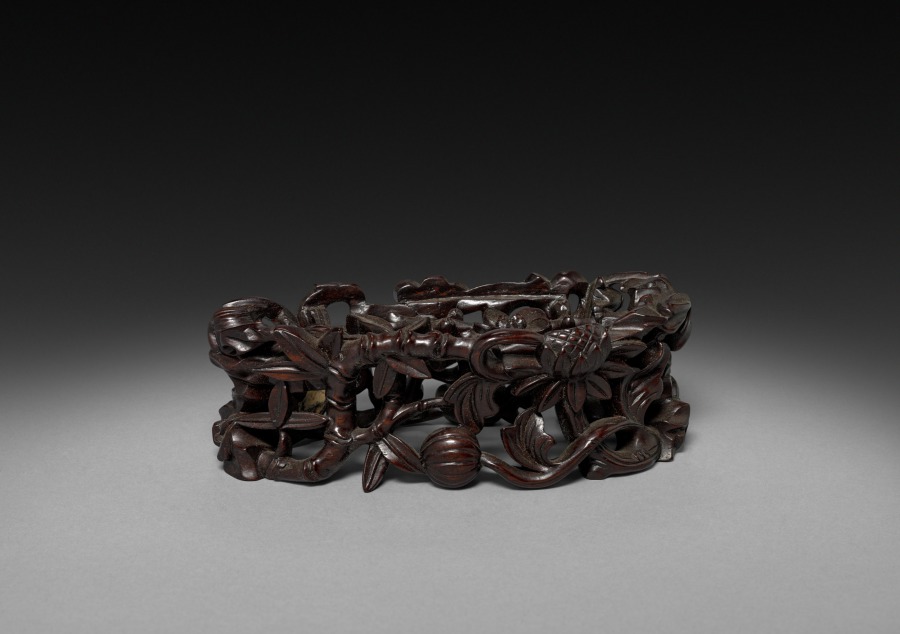
Bodhisattva Guanyin Seated in a Rock Grove
Cleveland Museum of Art
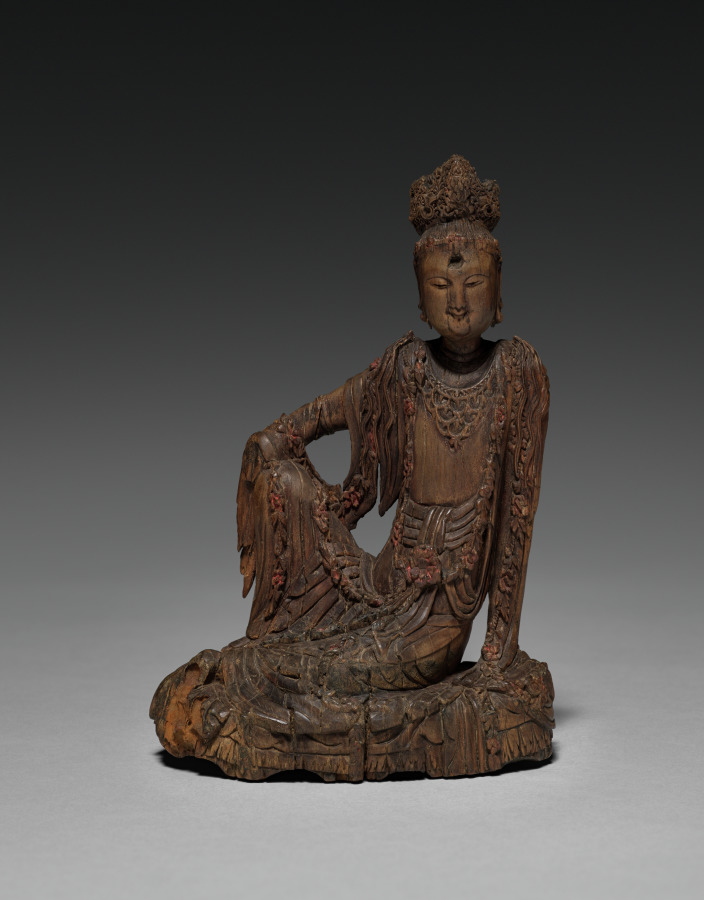
Potalaka Guanyin
Cleveland Museum of Art
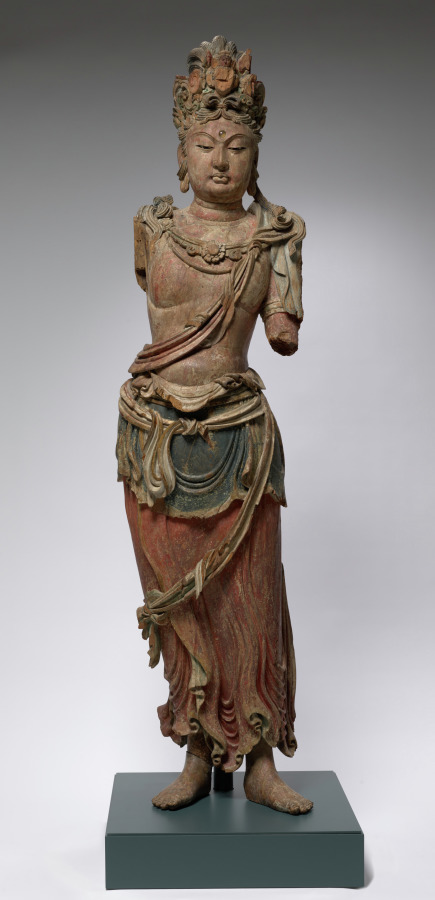
Eleven-Headed Guanyin
Cleveland Museum of Art
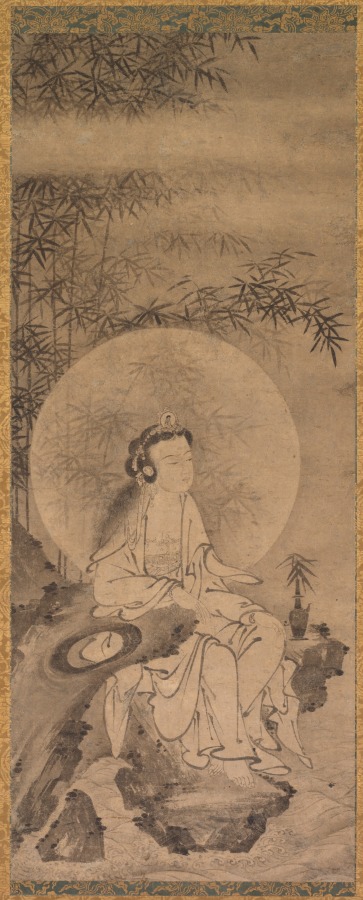
White-Robed Guanyin
Cleveland Museum of Art

Seated Avalokiteshvara Bodhisattva (Guanyin)
Minneapolis Institute of Art
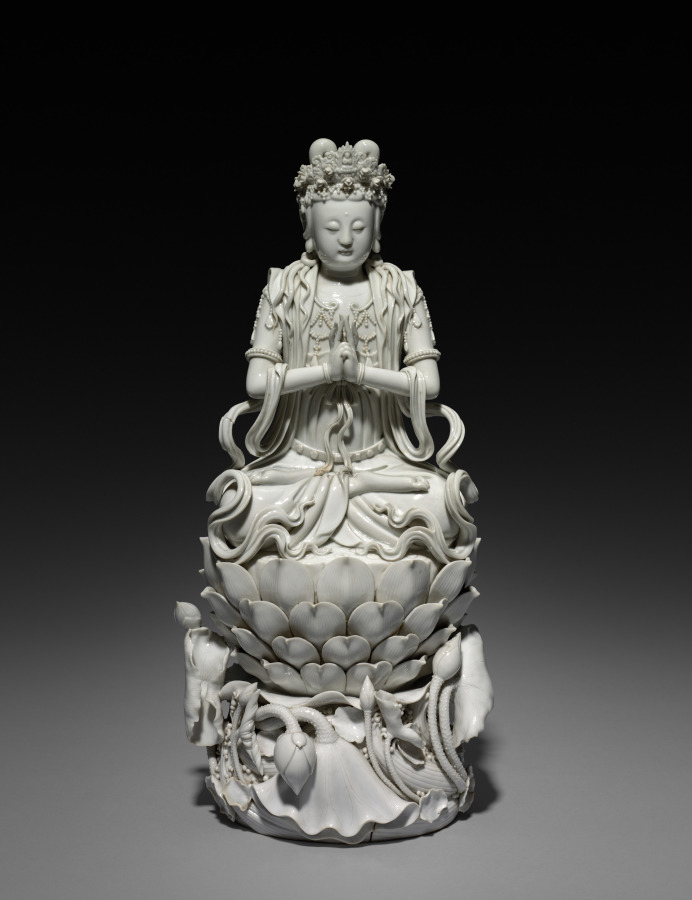
Bodhisattva Guanyin of the South Sea
Cleveland Museum of Art
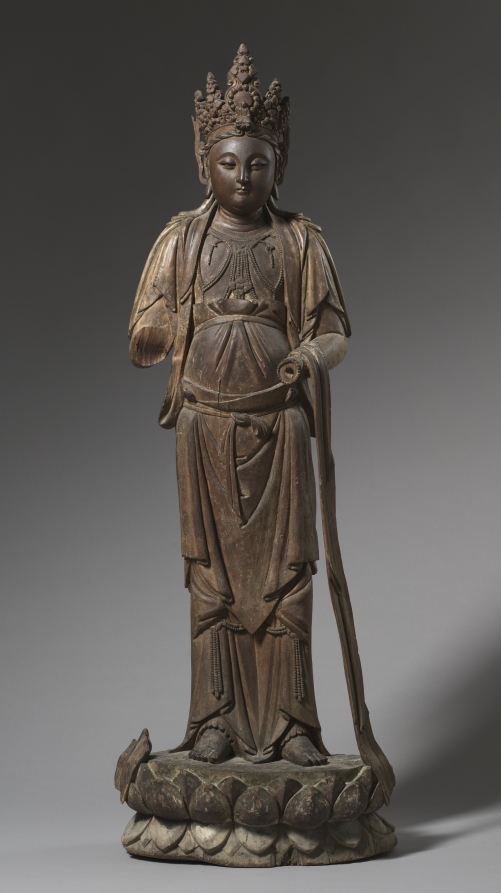
Standing Guanyin
Cleveland Museum of Art
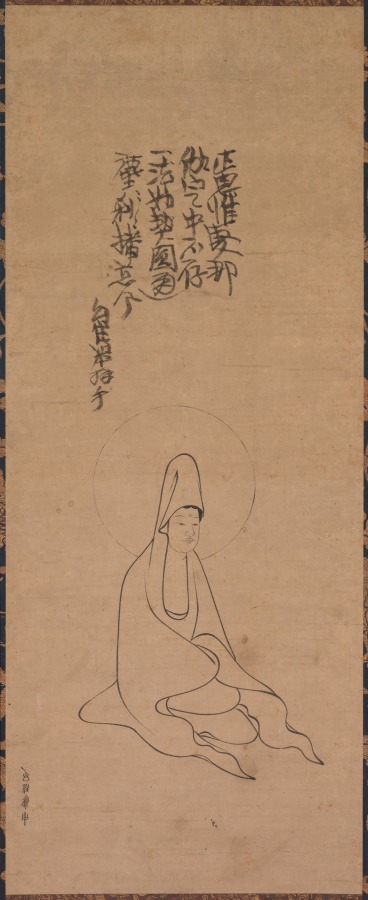
White-Robed Guanyin
Cleveland Museum of Art