Cleveland Museum of Art
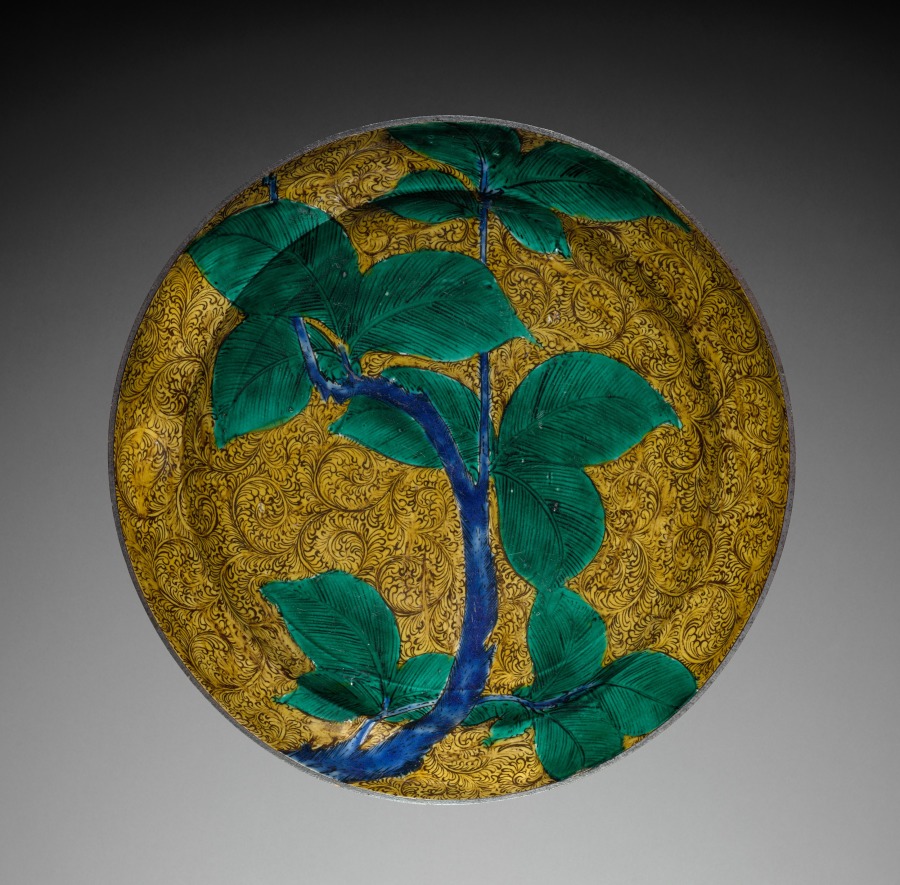
Large Dish with Persimmon Branch
- Date
- mid- to late 1600s
- Medium
- Porcelain with underglaze black and overglaze enamel (Hizen ware, Ko-Kutani style)
- Culture
- Japan, Edo period (1615–1868)
- Department
- Japanese Art
- Institution
- Cleveland Museum of Art
This large plate is considered to have been produced in Kyushu, and is in a palette of Ko-Kutani style works called aode (literally, bluish-green hand) for the deep blue, green, purple, and yellow overglaze enamels that completely cover their surfaces. Ko-Kutani means “old Kutani,” and can refer to two kinds of porcelains. One kind is said to have been produced in the village of Kutani in present-day Ishikawa prefecture in the mid-1600s through the early 1700s. The other kind, decorated with similar glazes and designs, was produced in the former Arita domain of present-day Saga prefecture in Kyushu. Persimmons ripen in autumn and are often associated with that time of year.
The authoritative record is held by Cleveland Museum of Art. LinkedCulture surfaces this object and its connections; it does not alter institutional metadata.
Related across collections
Semantically similar works from Cleveland Museum of Art and other institutions.

Plate with pumpkins
Minneapolis Institute of Art

Plate with design of Chinese lion
Minneapolis Institute of Art
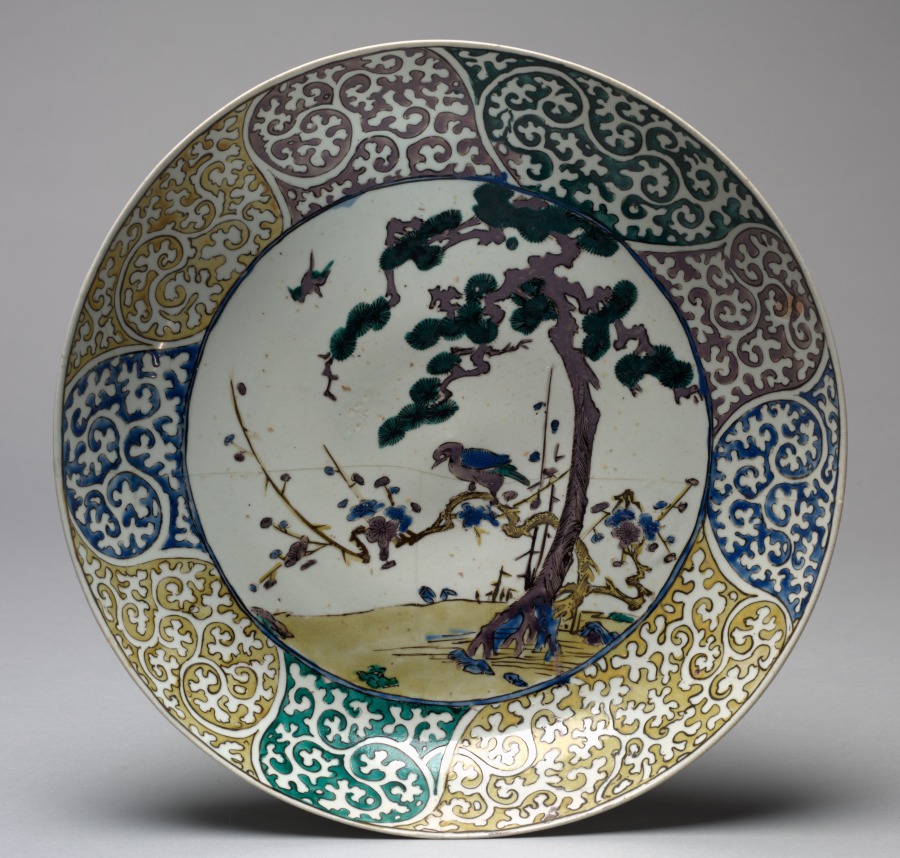
Plate with Bird and Flower
Cleveland Museum of Art
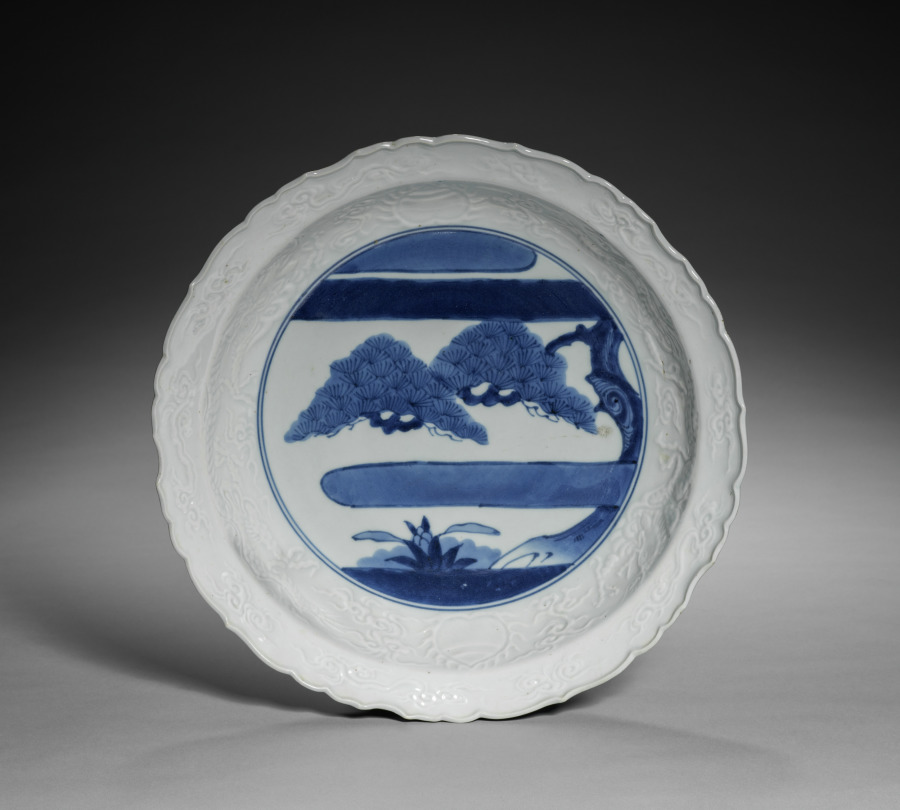
Large Dish with Landscape
Cleveland Museum of Art

Large Dish with Paulownia-Leaf Design
Minneapolis Institute of Art
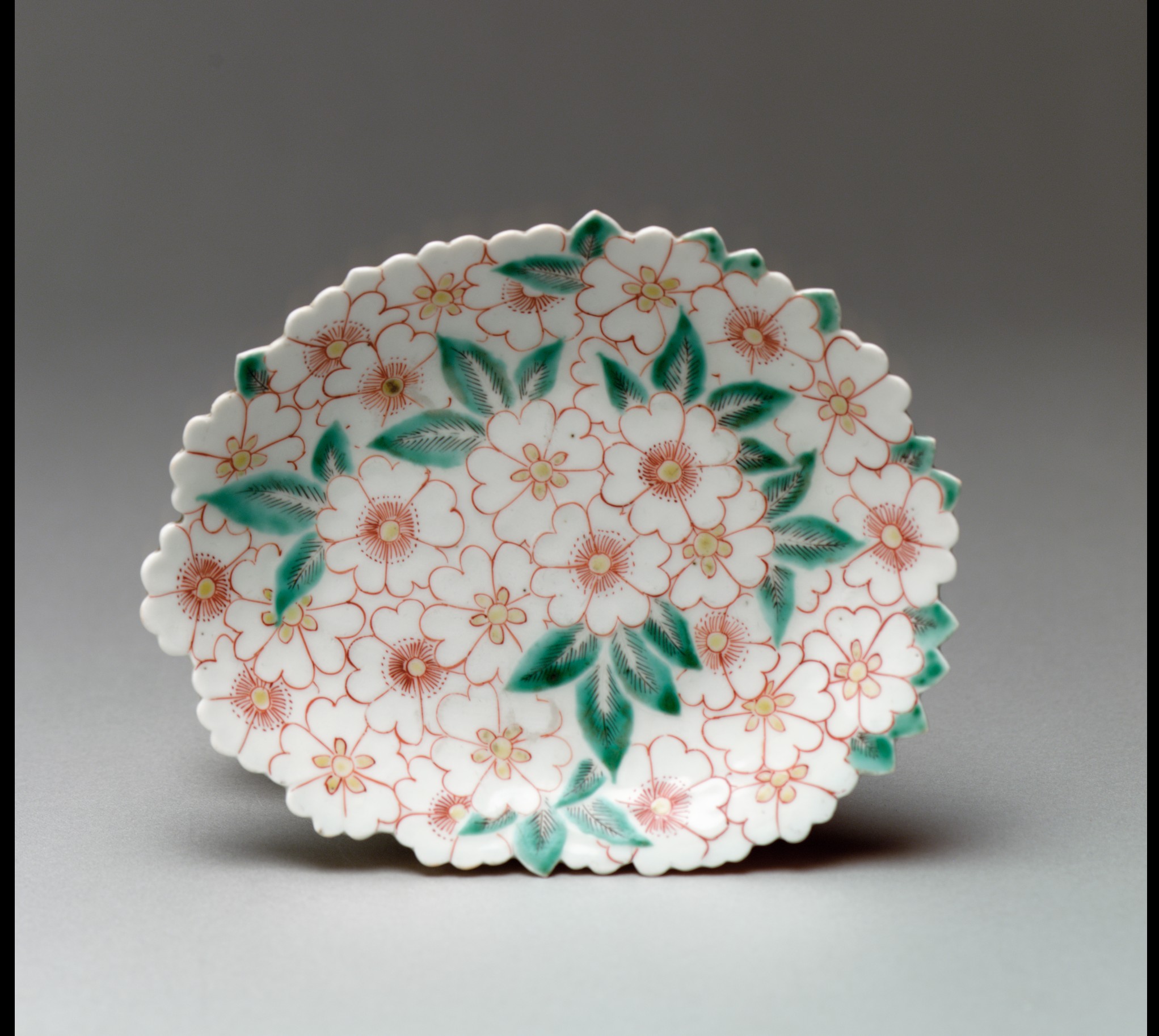
Dish with Cherry Blossoms
The Metropolitan Museum of Art
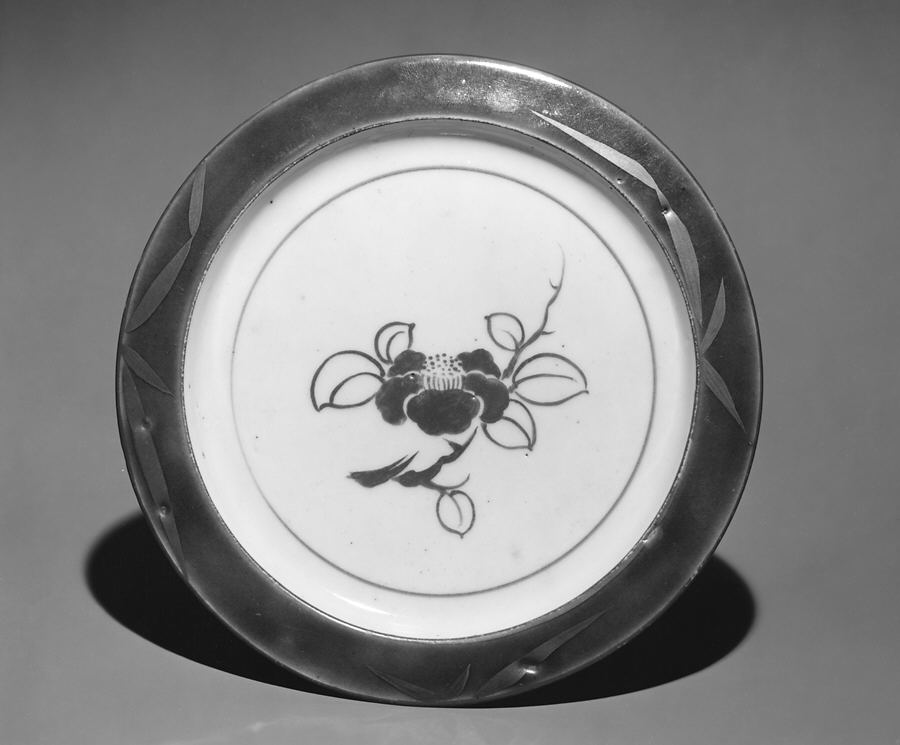
Dish
The Metropolitan Museum of Art
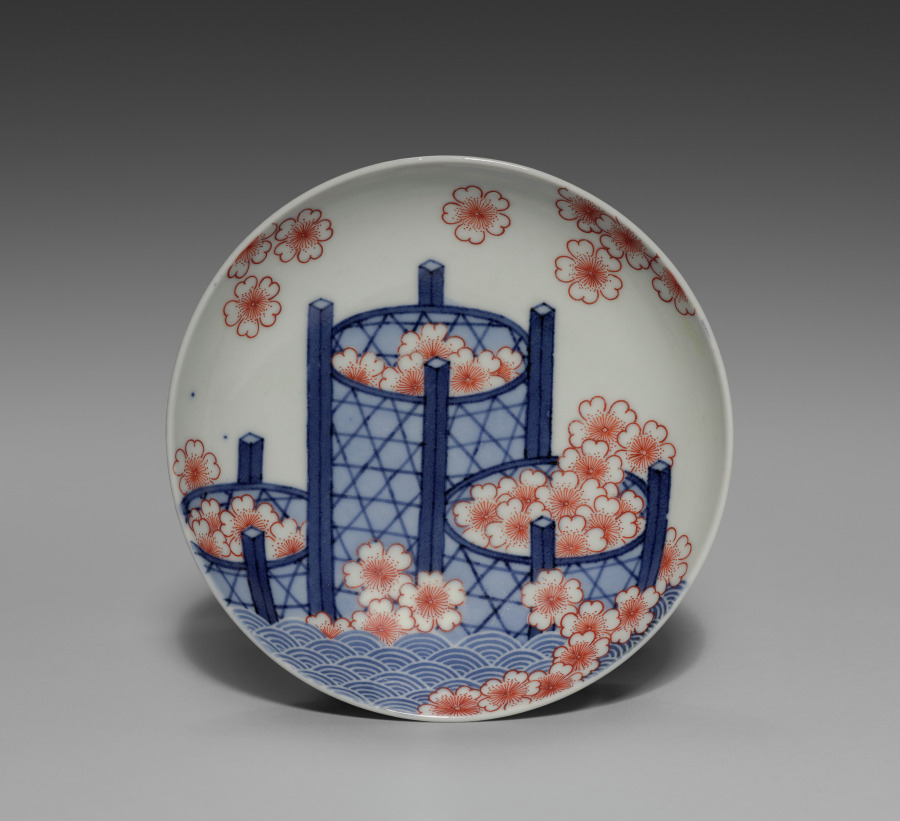
Small Dish (Kozara) with Cherry Blossoms in Baskets
Cleveland Museum of Art

Peach Dish
Minneapolis Institute of Art
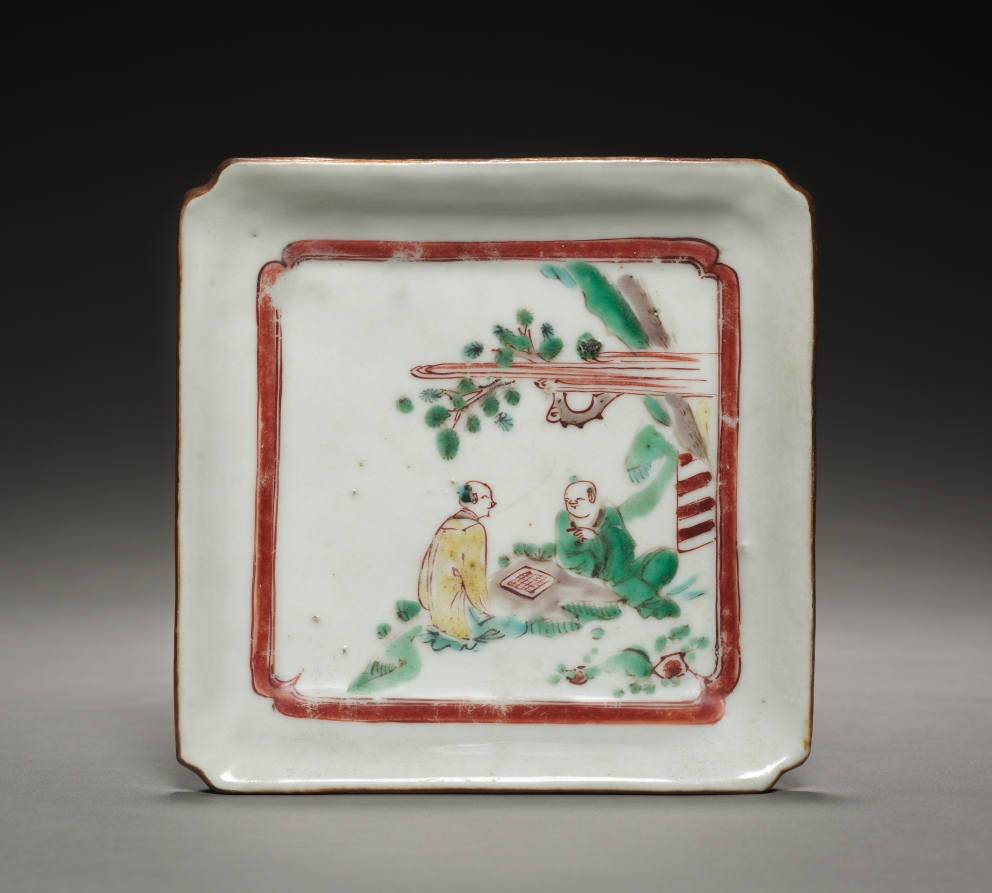
Dish with Two Men Playing Go
Cleveland Museum of Art
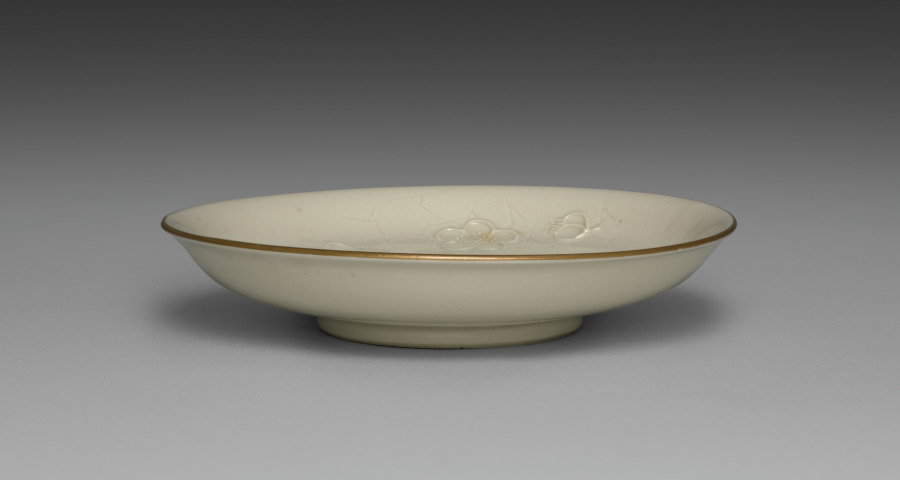
Medium-sized Dish from Dining Set with Plum Blossoms and Cracked-Ice
Cleveland Museum of Art
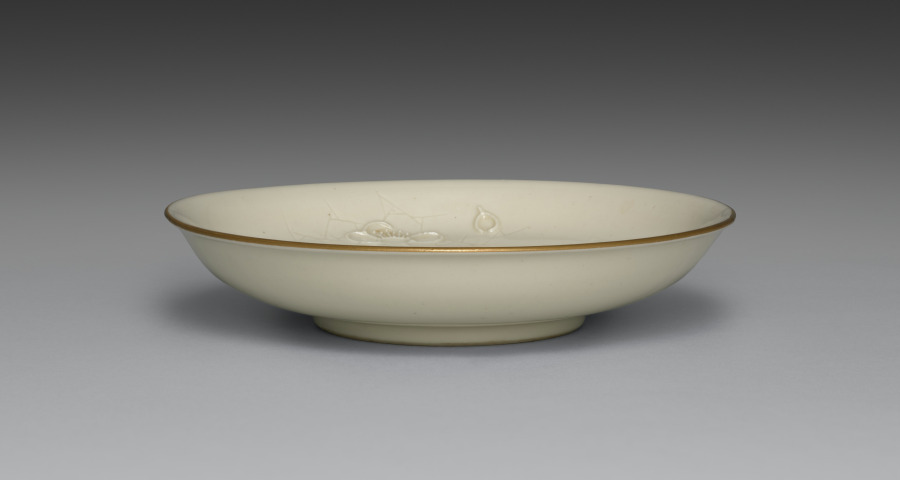
Medium-sized Dish from Dining Set with Plum Blossoms and Cracked-Ice
Cleveland Museum of Art