Cleveland Museum of Art
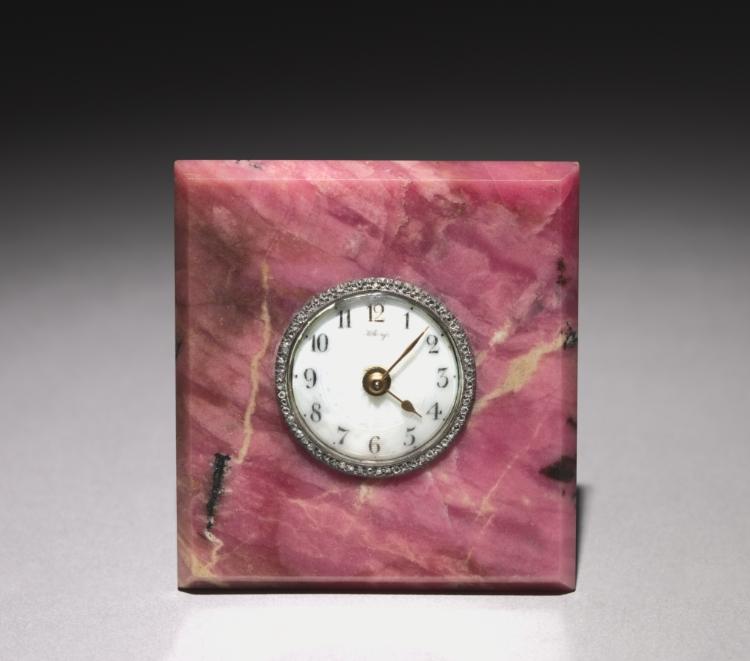
Clock
Henrik Wigström
- Date
- c. 1905–15
- Medium
- rhodonite, silver, enamel, diamonds
- Culture
- Russia, St. Petersburg
- Department
- Decorative Art and Design
- Institution
- Cleveland Museum of Art
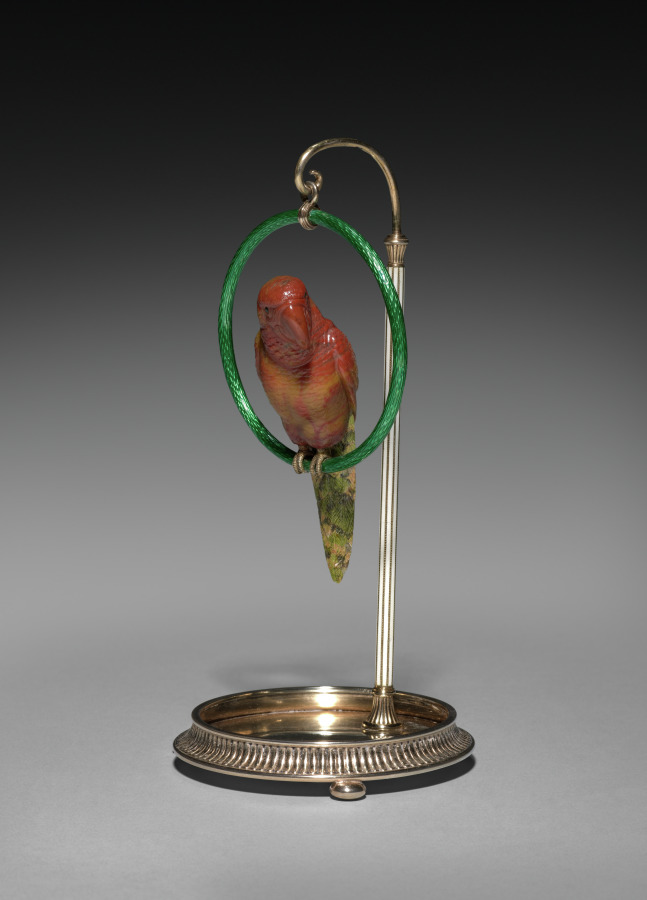
The use of Russian hardstones in creating precious objects became a hallmark of design from the House of Fabergé. Easily carved, these minerals were sourced largely from the western region surrounding the Ural Mountains. Fabergé's workmasters used colorful stones such as agate, nephrite (jade), lapis lazuli, rock crystal, and rhodonite, seen here in this small desk clock, to create and embellish flower studies, animal figures, and all manner of luxurious accessories. Bright pink rhodonite was among the rarest, and consequently most expensive, specimens used by the House of Fabergé. The bright pink color of this small desk clock is a result of manganese, the principle mineral found in rhodonite.
The authoritative record is held by Cleveland Museum of Art. LinkedCulture surfaces this object and its connections; it does not alter institutional metadata.
Related across collections
Semantically similar works from Cleveland Museum of Art and other institutions.
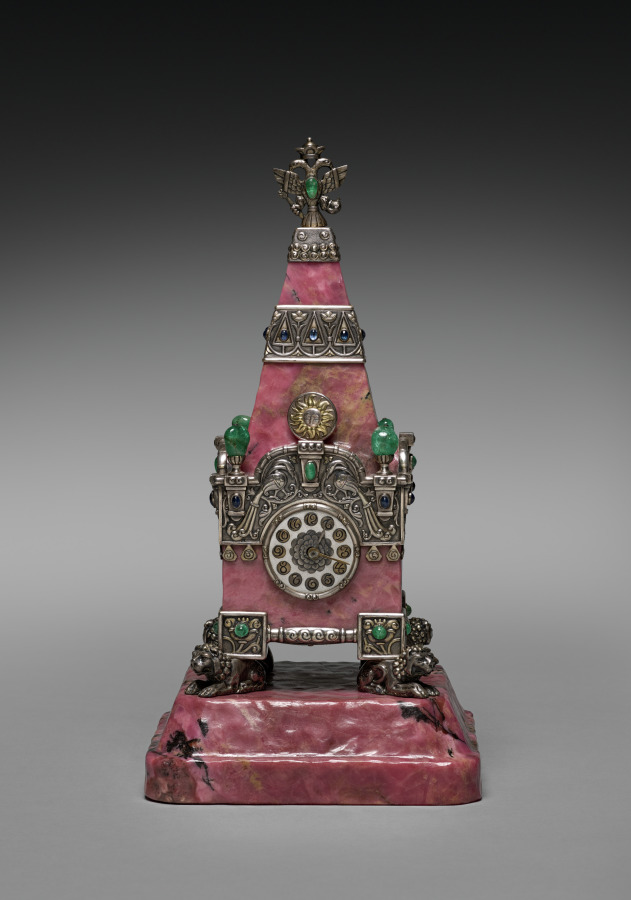
Kremlin Tower Clock
Cleveland Museum of Art
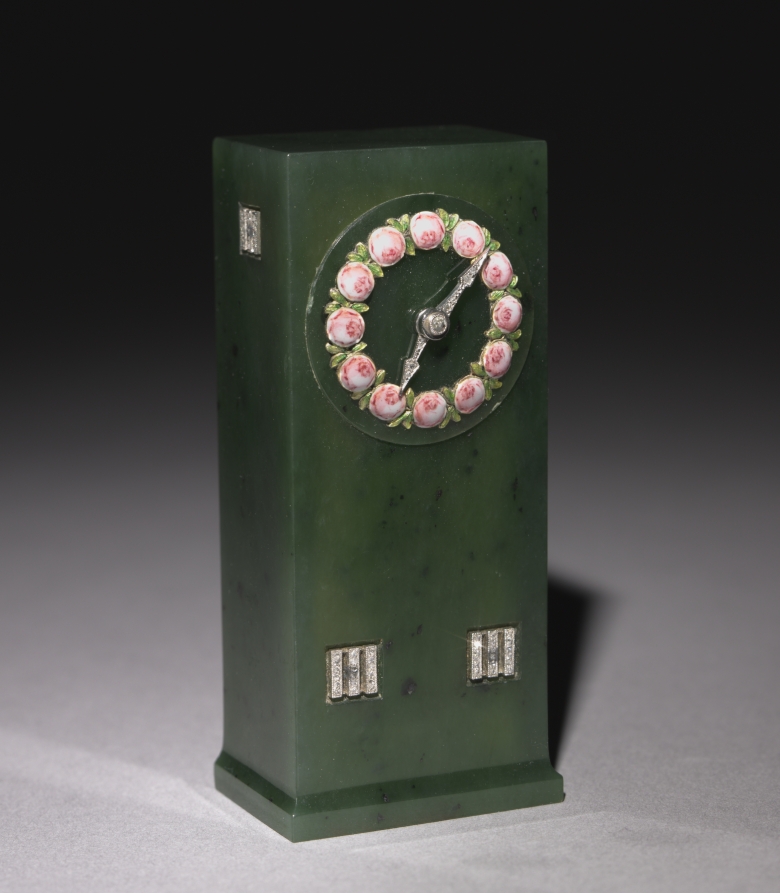
Clock
Cleveland Museum of Art
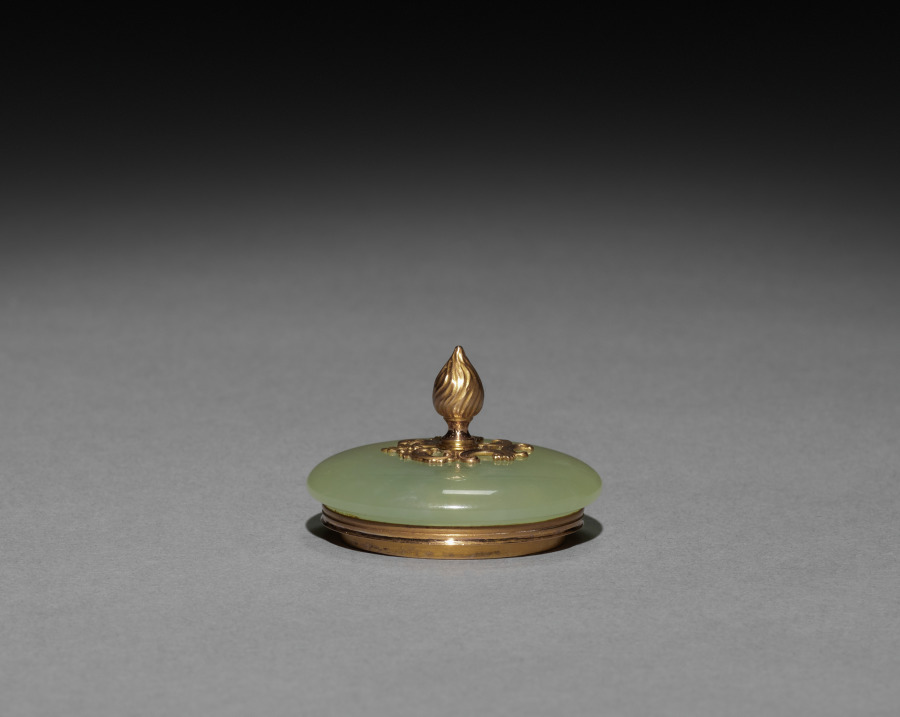
Cover for a Miniature Teapot
Cleveland Museum of Art
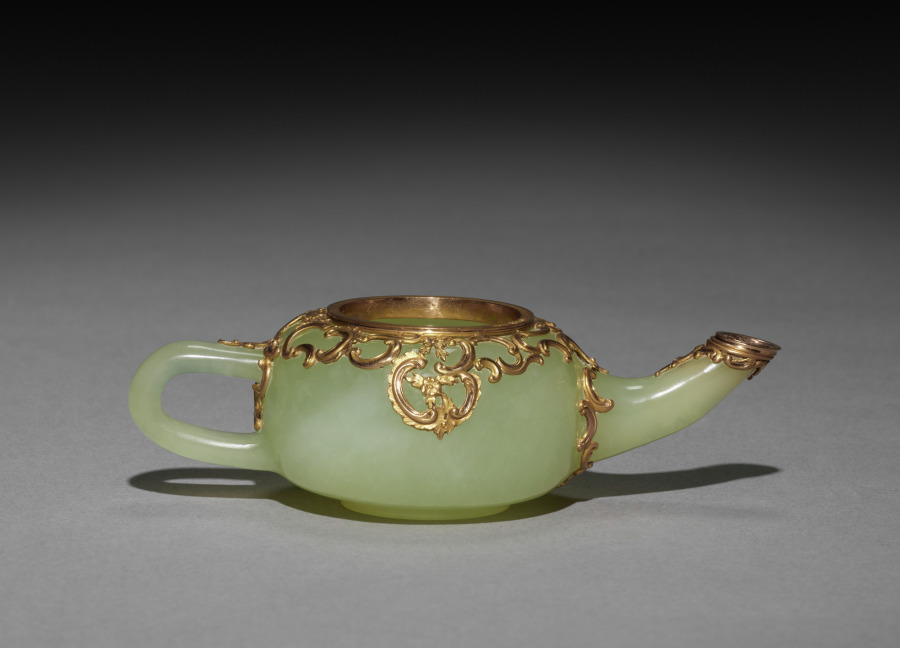
Miniature Teapot
Cleveland Museum of Art
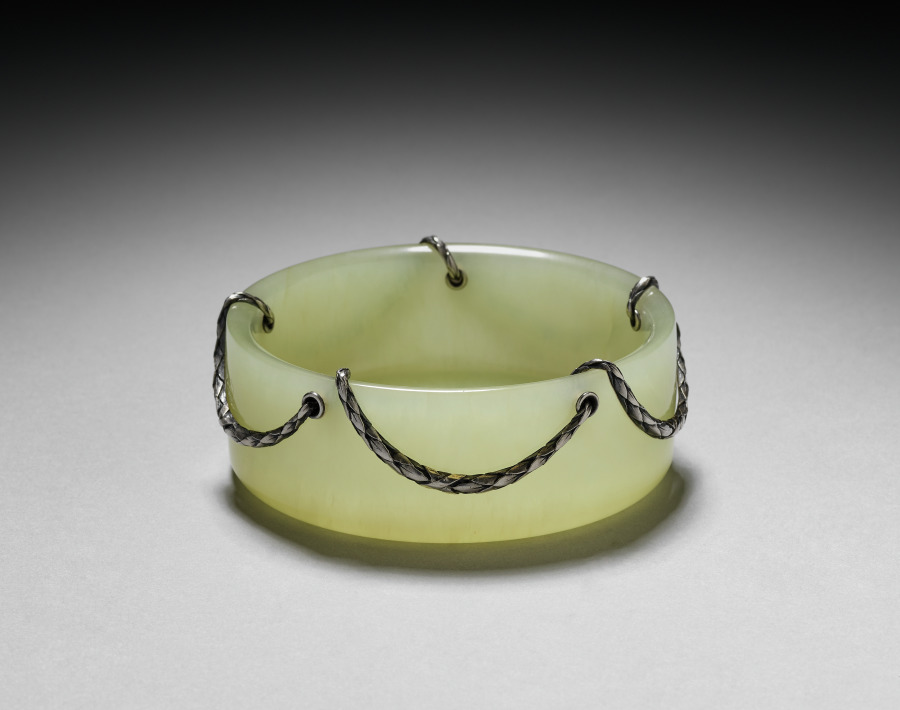
Dish
Cleveland Museum of Art
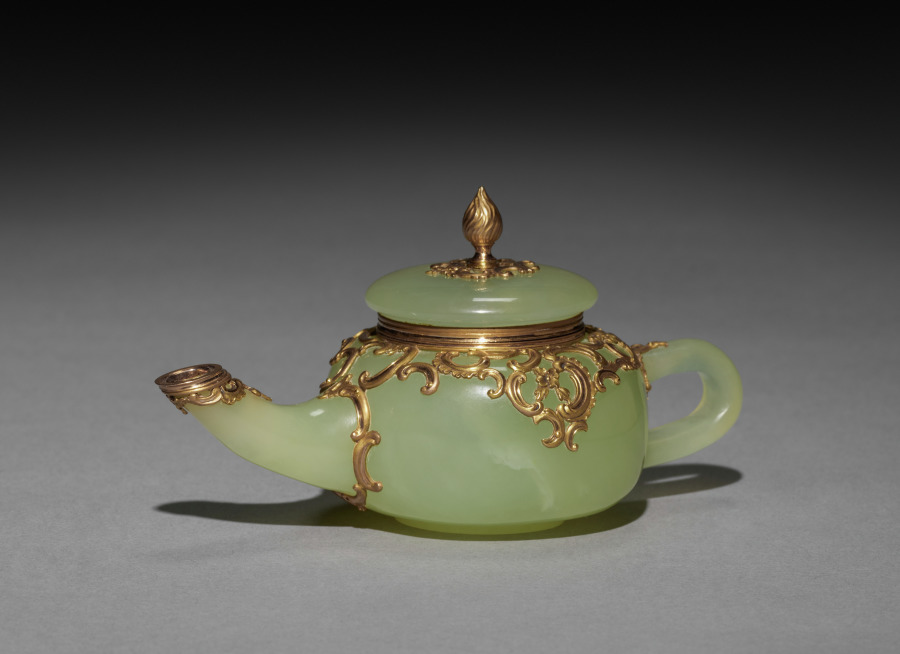
Miniature Teapot
Cleveland Museum of Art
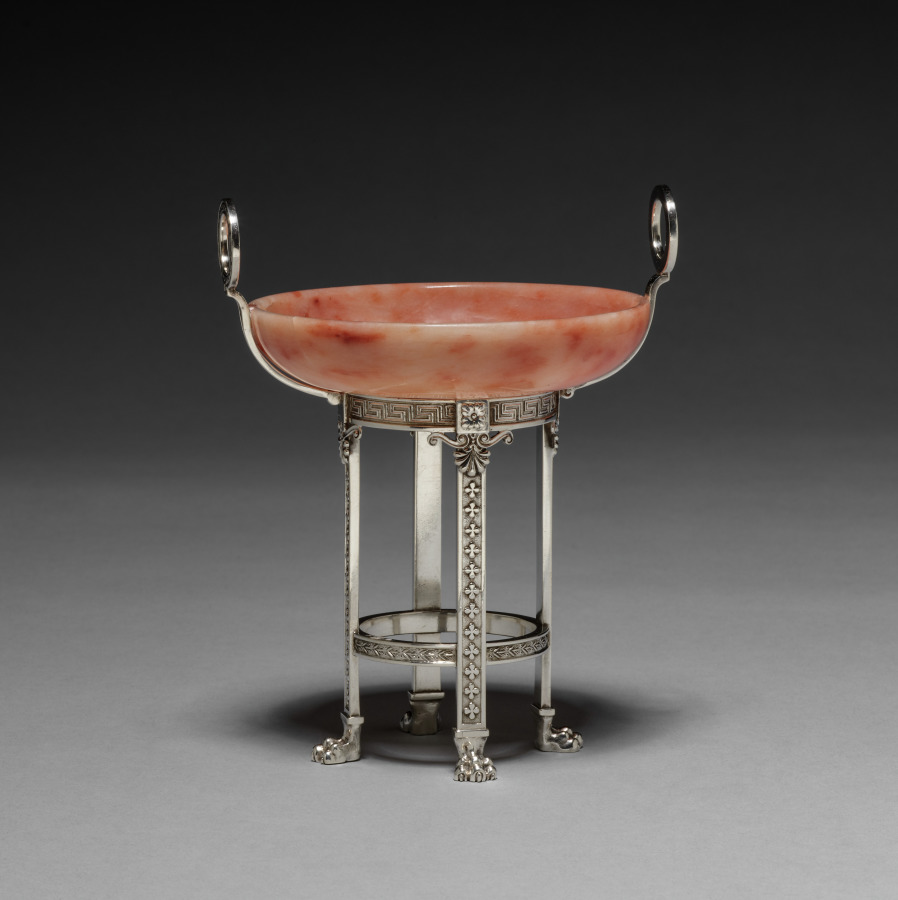
Miniature Compote
Cleveland Museum of Art
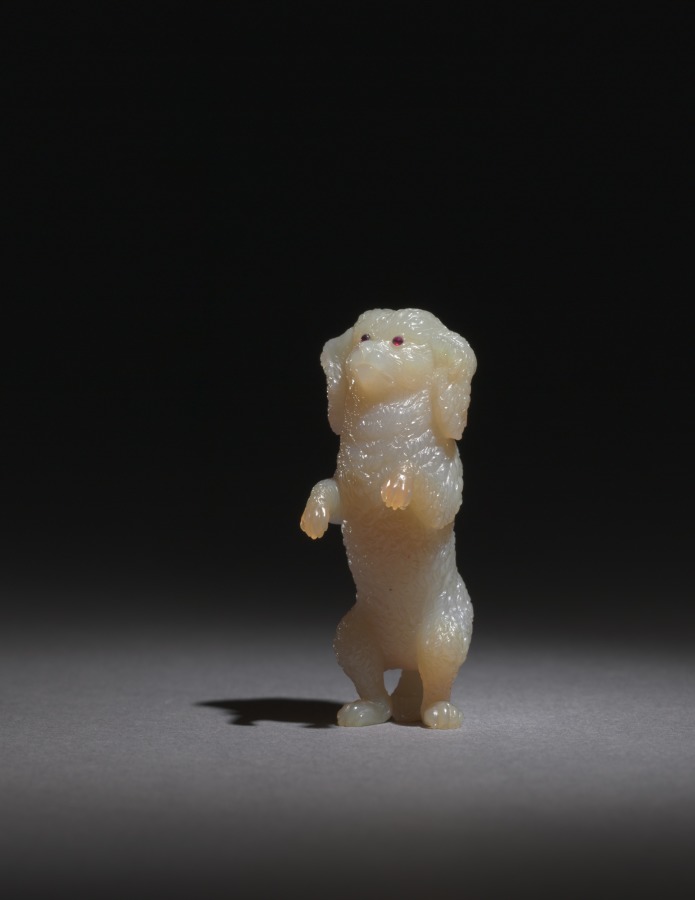
Begging Poodle
Cleveland Museum of Art
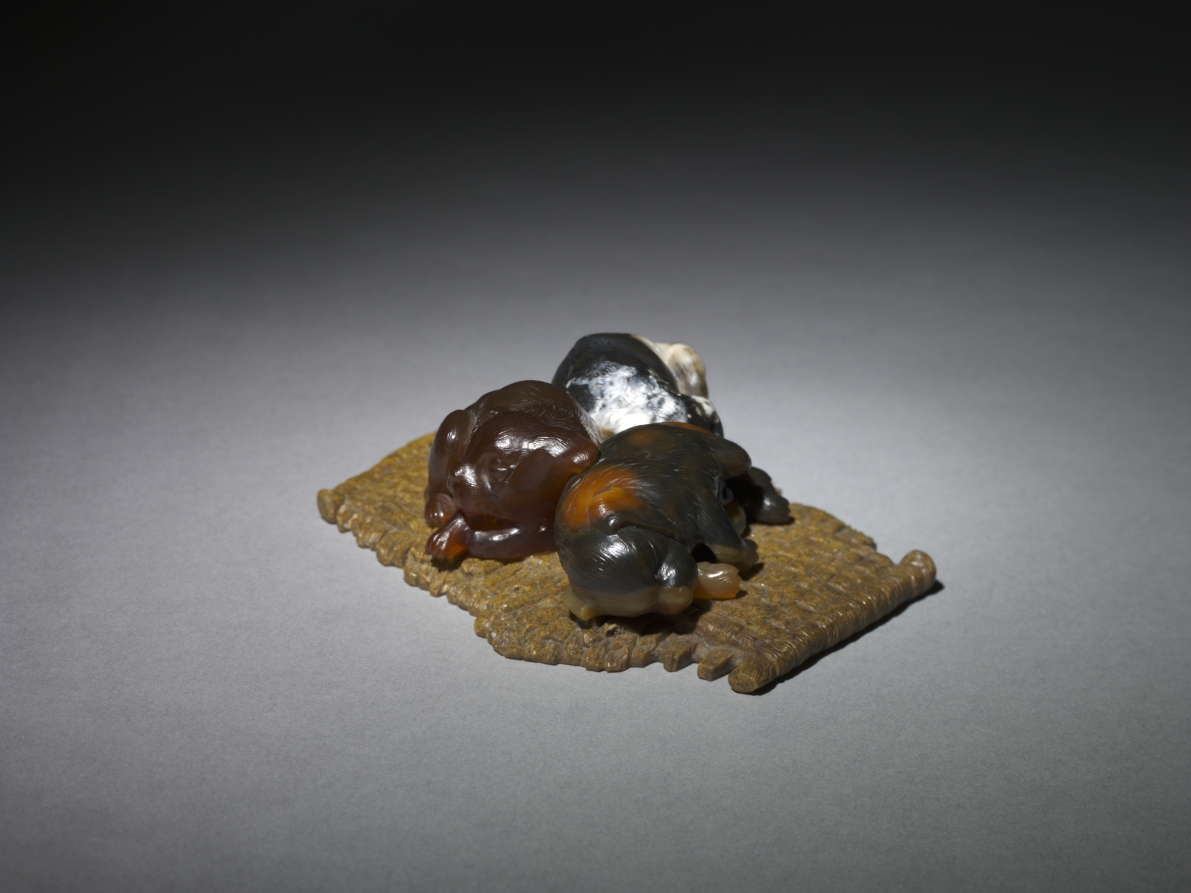
Sleeping Puppies on a Mat
Cleveland Museum of Art
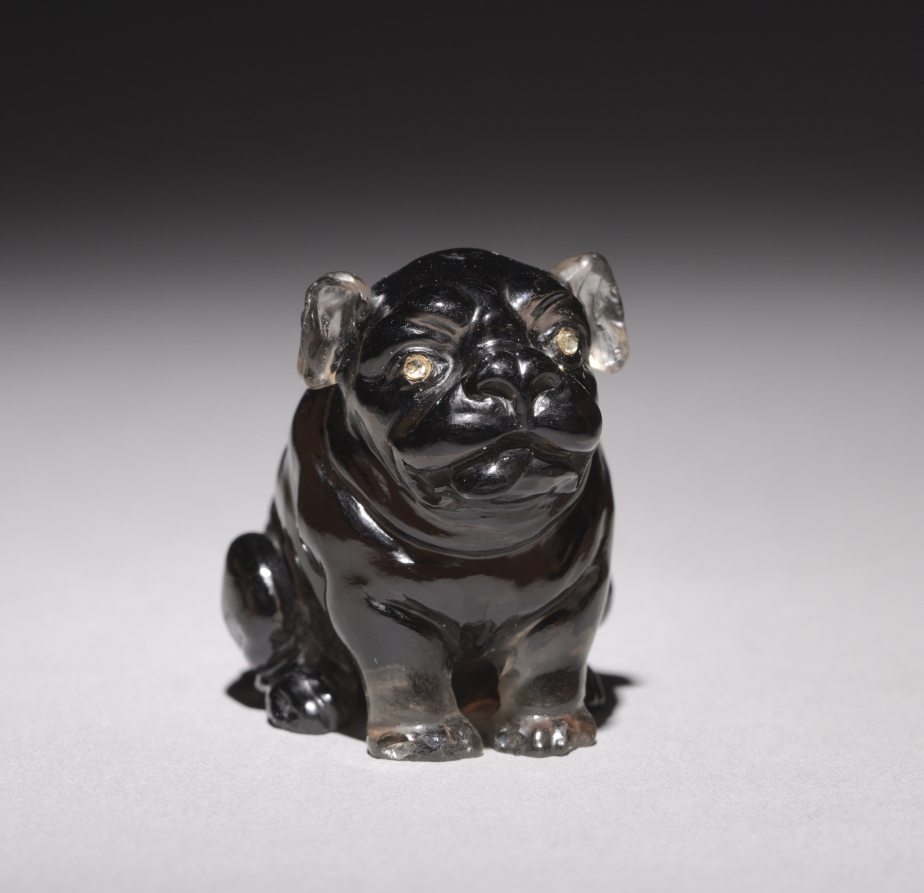
Bulldog
Cleveland Museum of Art
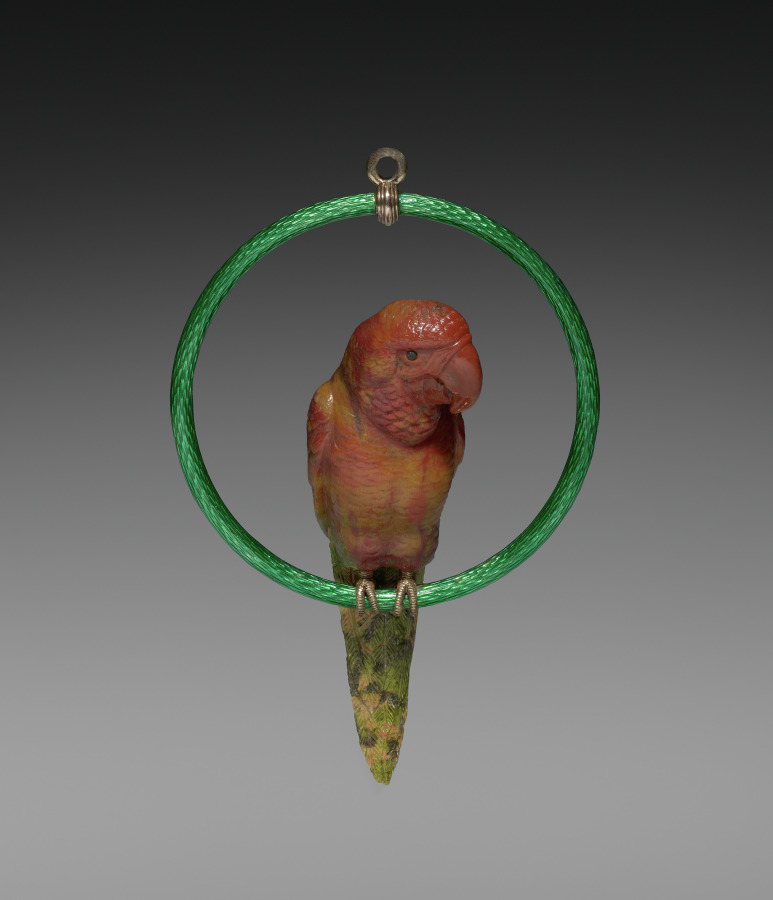
Parrot from the Parrot on a Perch
Cleveland Museum of Art
Parrot on a Perch
Cleveland Museum of Art