Cleveland Museum of Art
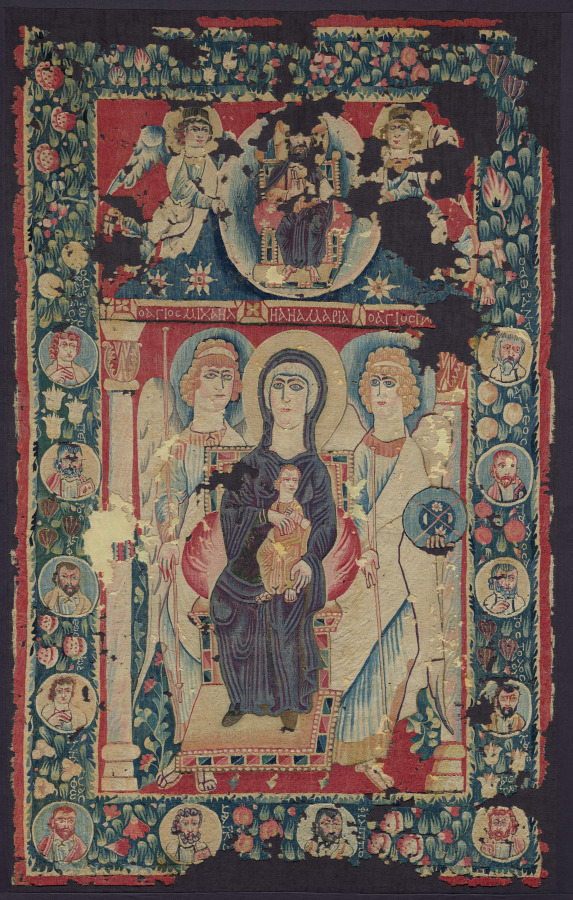
Icon of the Virgin and Child
- Date
- 500s CE
- Medium
- wool and dye
- Culture
- Egypt, Byzantine period
- Department
- Textiles
- Institution
- Cleveland Museum of Art
Woven from more than 20 colors of woolen thread, this rare tapestry was more expensive than a painting when it was made. The historical price reflected contemporary viewers’ appreciation for the skilled color blending by the weavers. Hung on a wall, this tapestry allowed viewers to venerate (honor) the Virgin Mary and the Christ Child in the Christian Orthodox church. Angels and apostles surround them, their names written in Greek. To be spiritually effective, an icon (devotional image) should follow its subject’s established visual tradition as closely as possible. Created in Egypt's hot and dry desert climate, this tapestry features a border of lush greenery and fruits, while flowers peek out from around the throne of the Virgin. Imagine encountering this artistic oasis in a Coptic church during the dry heat of the day.
The authoritative record is held by Cleveland Museum of Art. LinkedCulture surfaces this object and its connections; it does not alter institutional metadata.
Related across collections
Semantically similar works from Cleveland Museum of Art and other institutions.
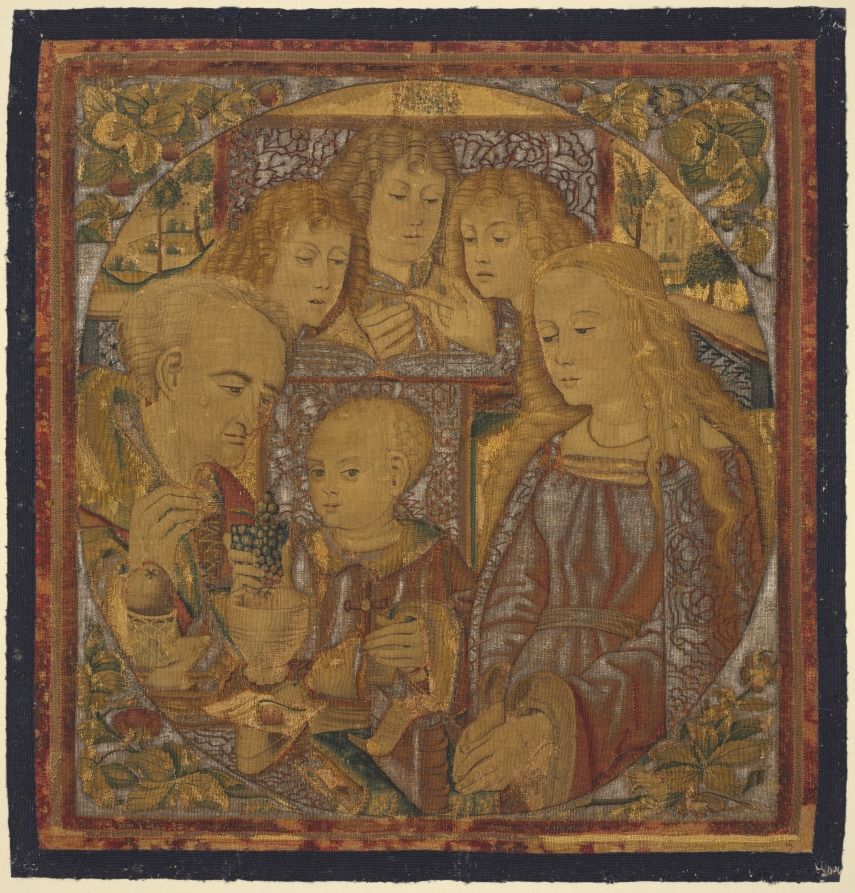
The Mystical Grapes
Cleveland Museum of Art
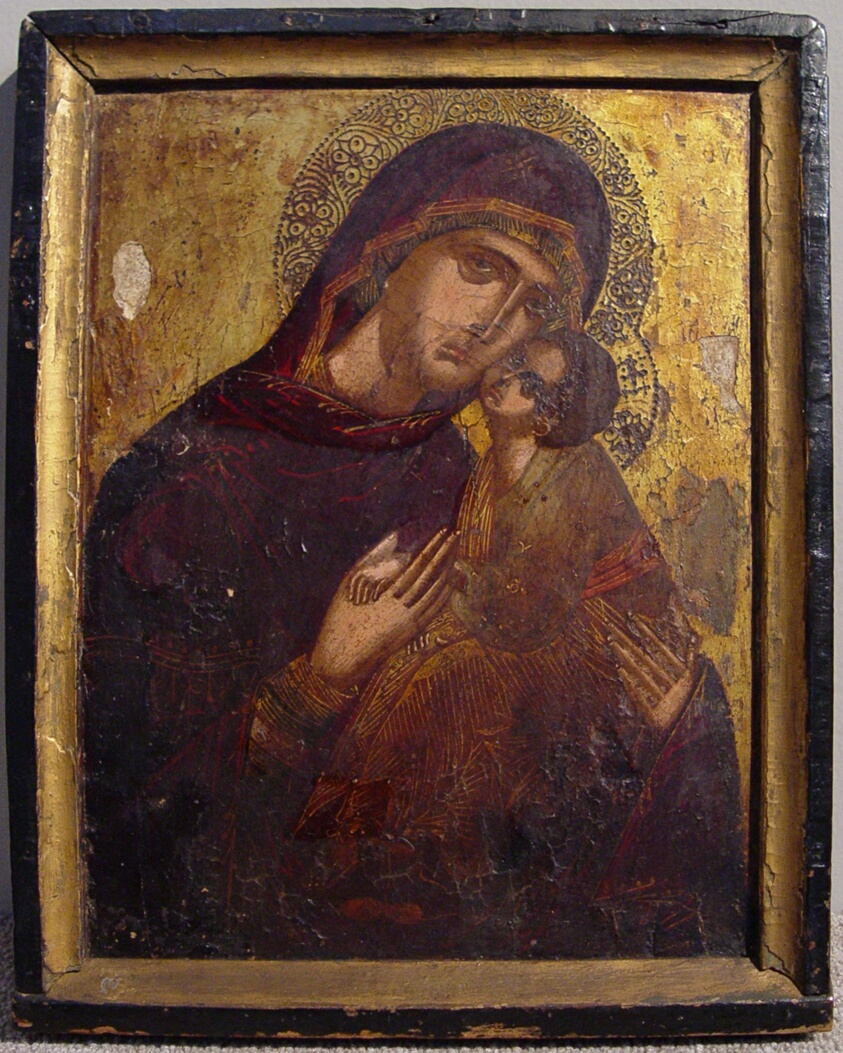
Icon with the Virgin and Child
Art Institute of Chicago
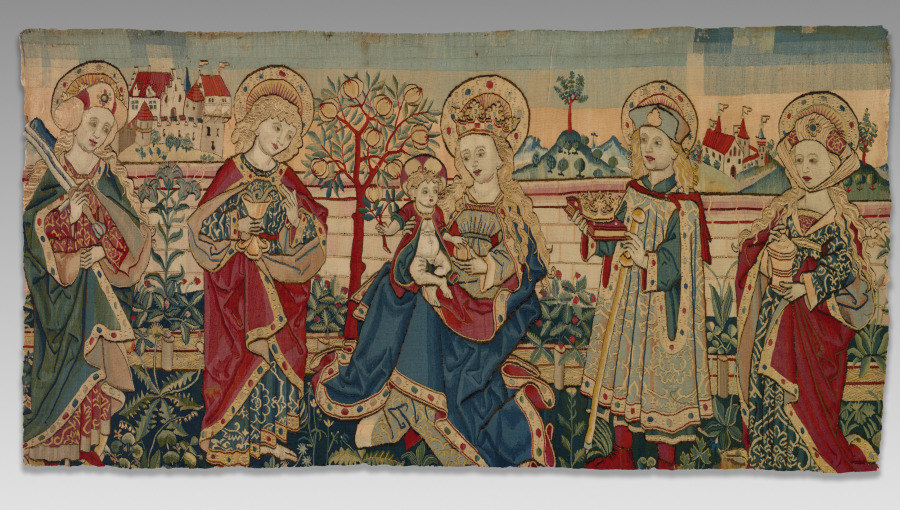
Virgin and Child with Four Saints
Cleveland Museum of Art
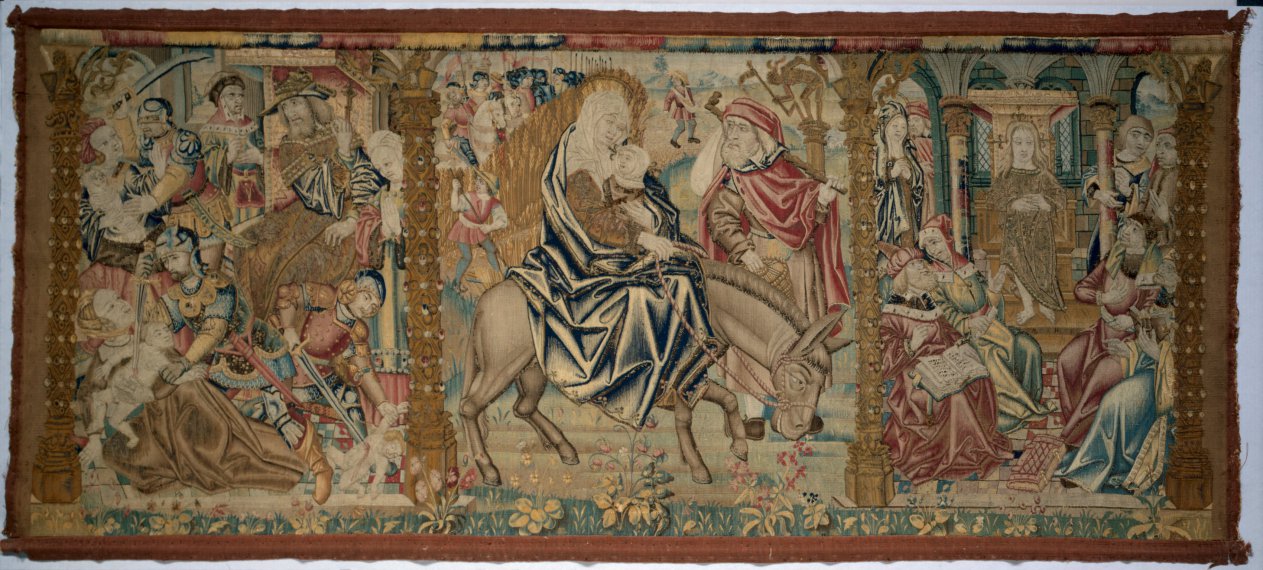
Altar Frontal: Scenes from the Childhood of Christ
Cleveland Museum of Art
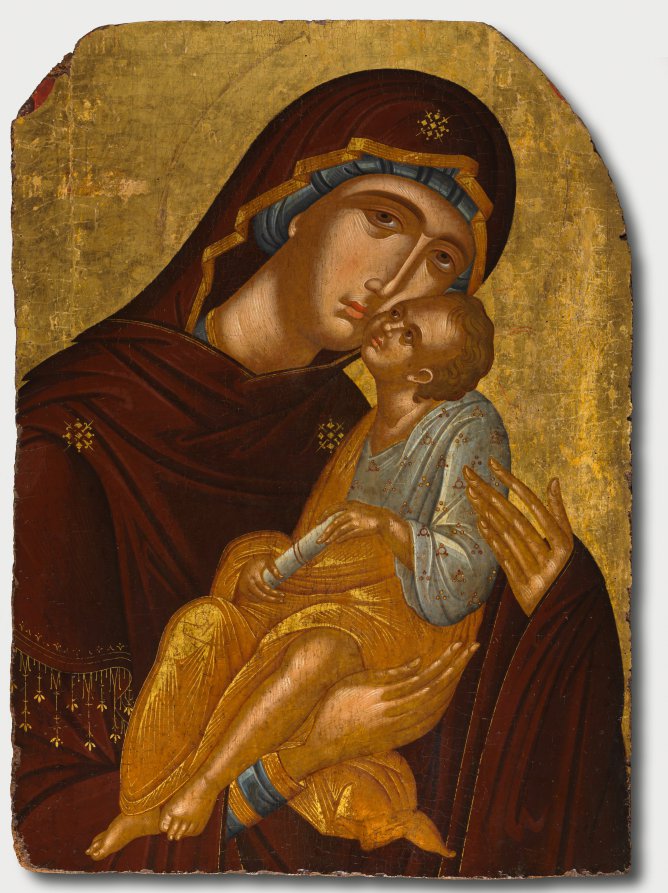
Icon of the Mother of God and Infant Christ (Virgin Eleousa)
Cleveland Museum of Art

The Virgin and Saint John
Minneapolis Institute of Art
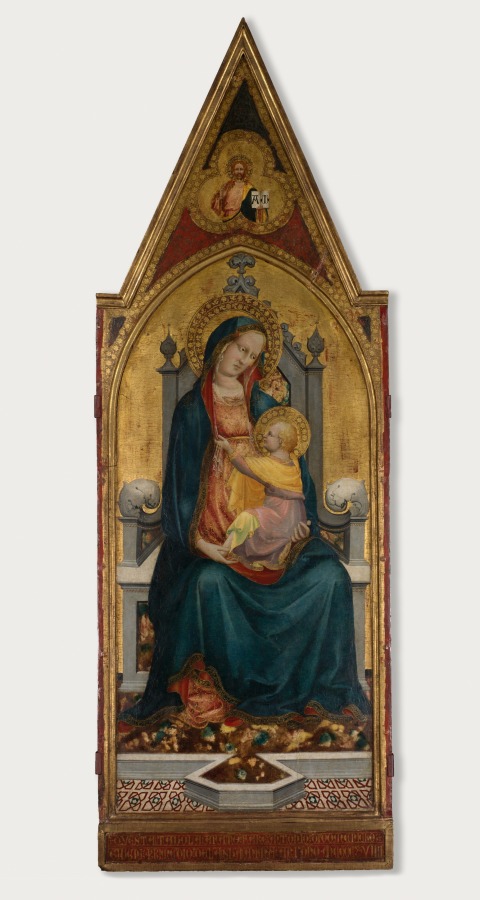
Virgin and Child Enthroned
Cleveland Museum of Art
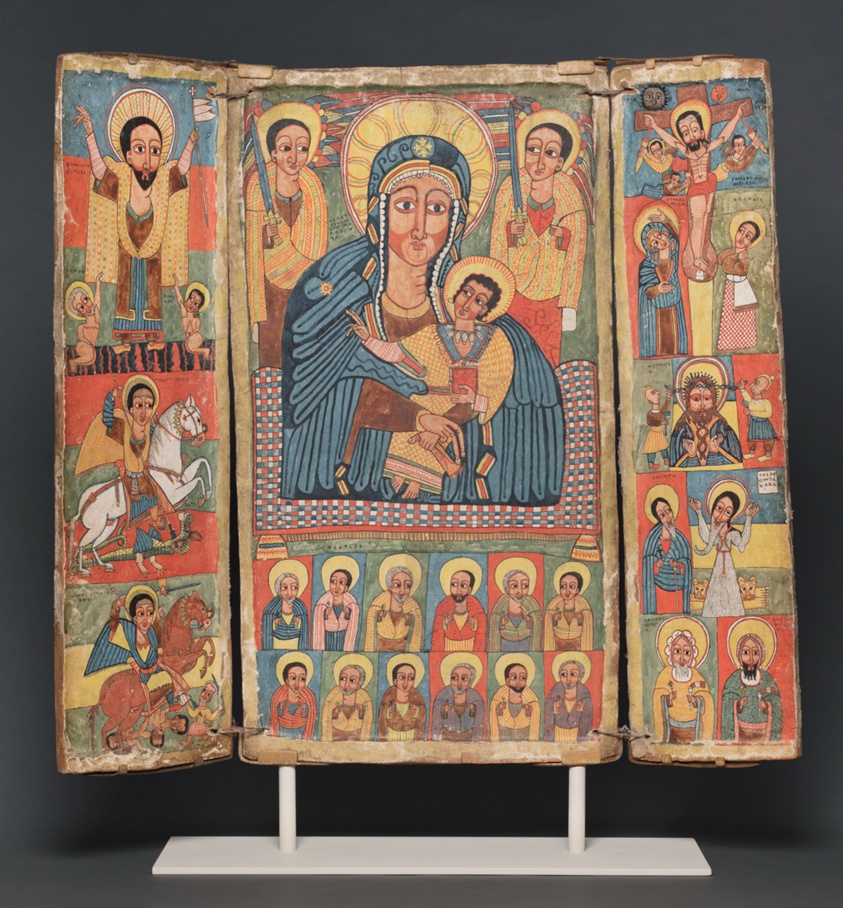
Triptych Icon
Art Institute of Chicago
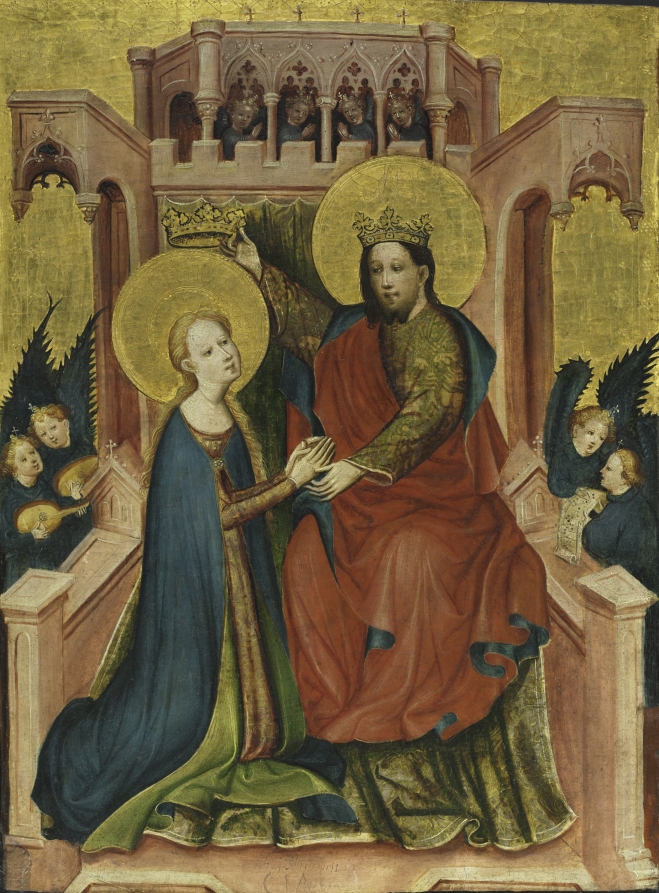
Coronation of the Virgin
Cleveland Museum of Art
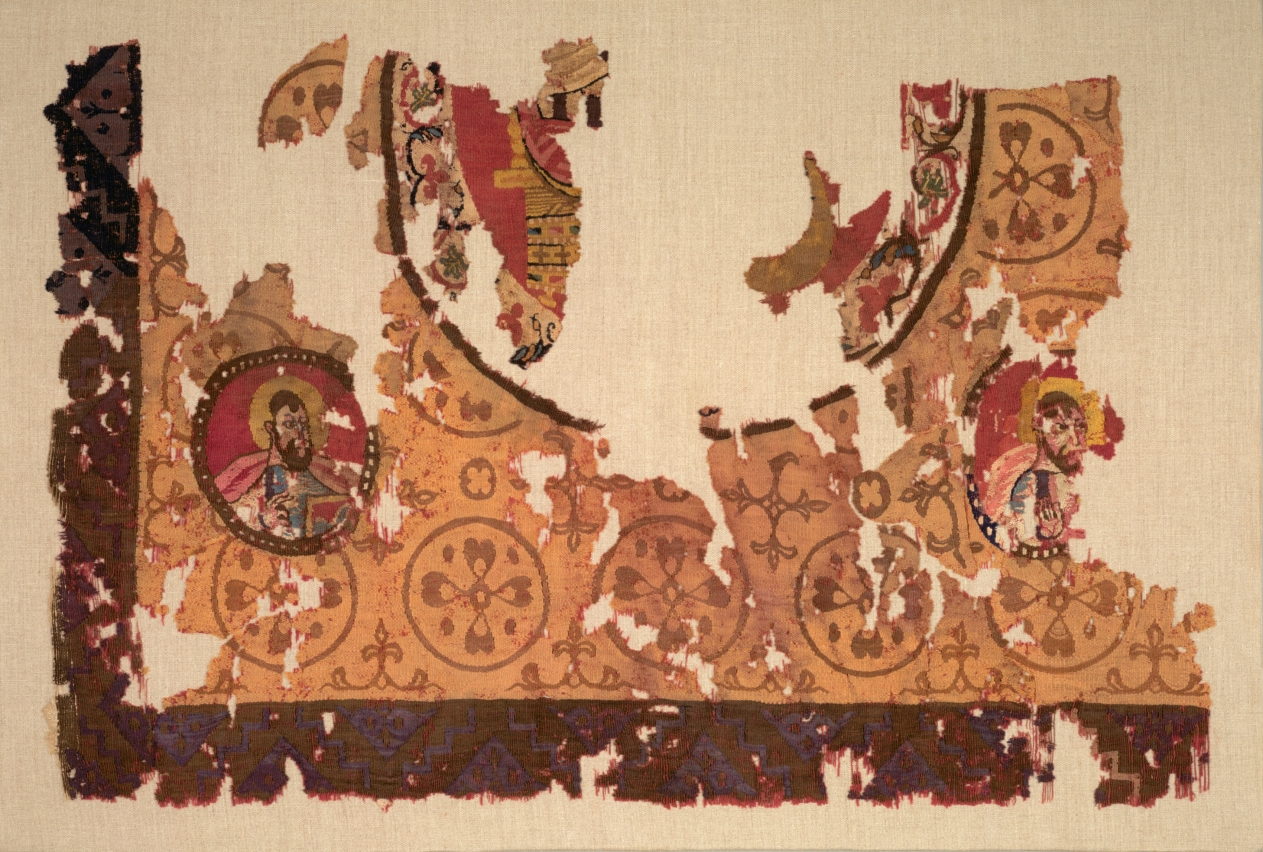
Fragmentary Icon Panel, Christ in Glory (?) and Evangelists
Cleveland Museum of Art

The Infant Christ Pressing the Wine of the Eucharist
Minneapolis Institute of Art
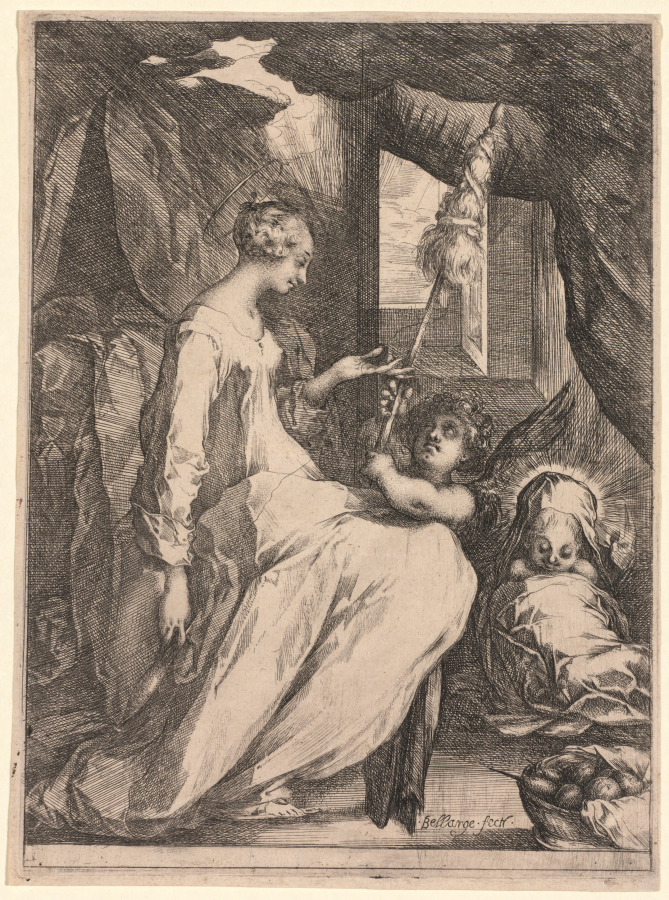
The Virgin and Child with Distaff and an Angel
Cleveland Museum of Art