Cleveland Museum of Art
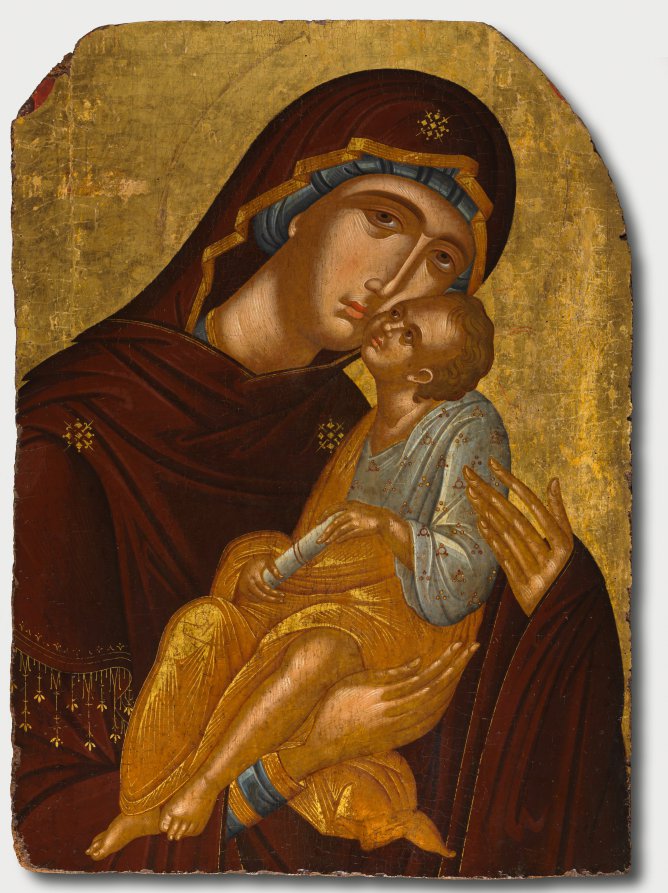
Icon of the Mother of God and Infant Christ (Virgin Eleousa)
Angelos Akotantos
- Date
- c. 1425–50
- Medium
- tempera and gold on wood
- Culture
- Republic of Venice, Kingdom of Candia, Candia (Heraklion, Crete, Greece) or Byzantine Empire, Constantinople (Istanbul, Turkey)
- Department
- Medieval Art
- Institution
- Cleveland Museum of Art
This large icon of a tender embrace between the Virgin Mary and Christ likely hung on a Greek Orthodox church’s iconostasis, a screen separating the congregation from the altar-containing sanctuary, which only clergy could enter. A skilled painter of faces and draperies, Angelos Akotantos was among Crete’s most sought-after artists. Based in Byzantium’s artistic center in his hometown of Candia, he painted for imperial clients and beyond. Despite theological differences, Cretan icons of Mary were popular in Ethiopia. In the early 1500s, Emperor Lebna Dengel sent monks Zekre and Pawli to acquire Cretan icons for him. Twenty-nine Cretan icons are still venerated (honored) in Ethiopian churches. This is the only known work by Angelos Akotantos in the United States.
The authoritative record is held by Cleveland Museum of Art. LinkedCulture surfaces this object and its connections; it does not alter institutional metadata.
Related across collections
Semantically similar works from Cleveland Museum of Art and other institutions.
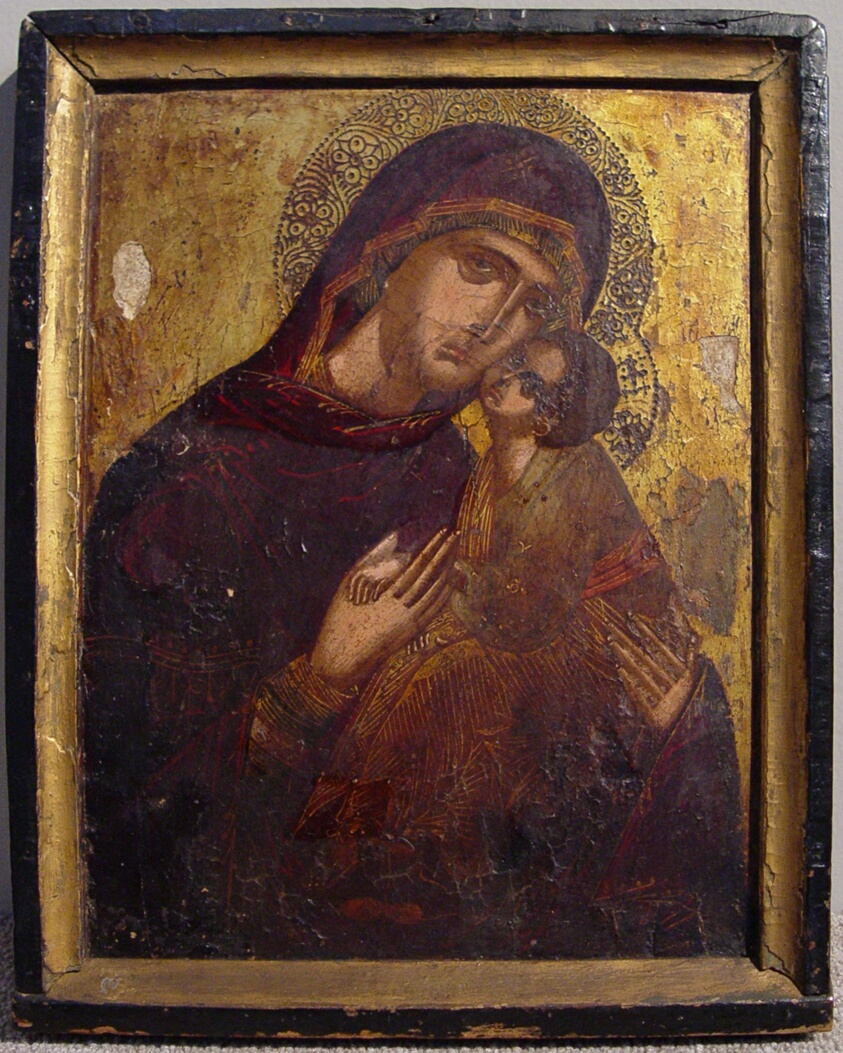
Icon with the Virgin and Child
Art Institute of Chicago
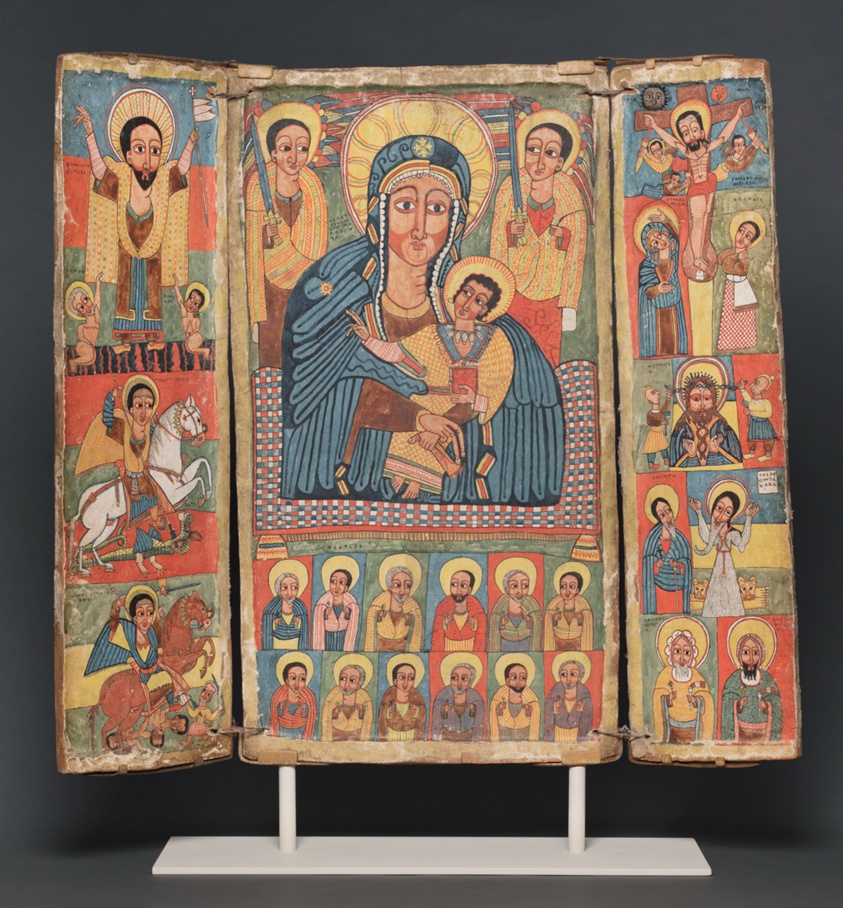
Triptych Icon
Art Institute of Chicago
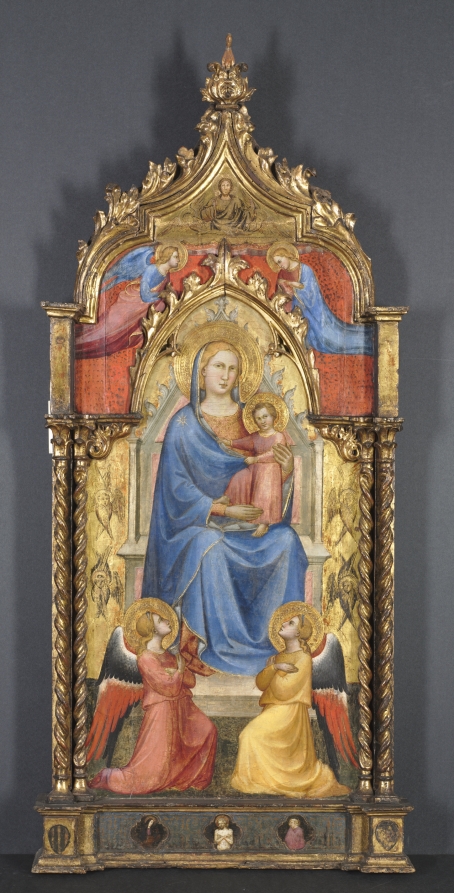
Virgin and Child with Angels
Cleveland Museum of Art
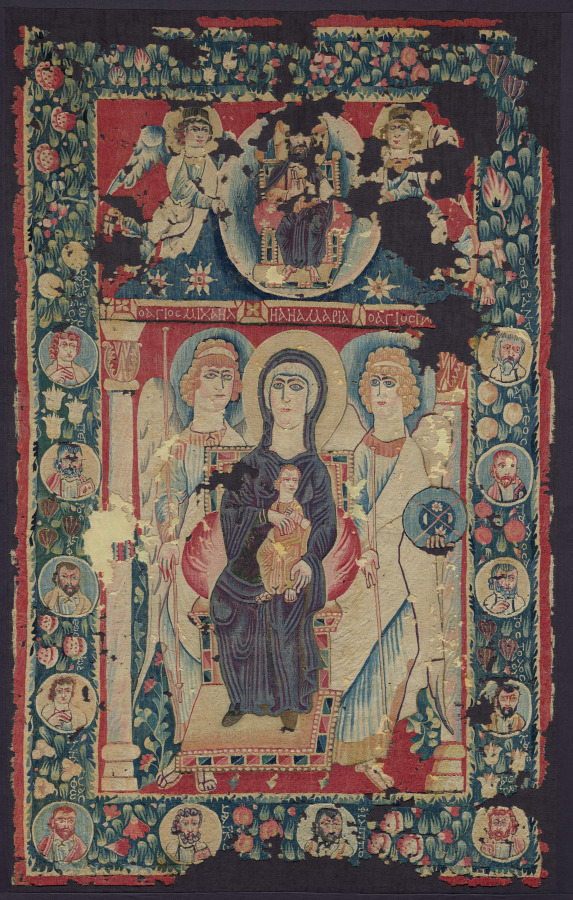
Icon of the Virgin and Child
Cleveland Museum of Art
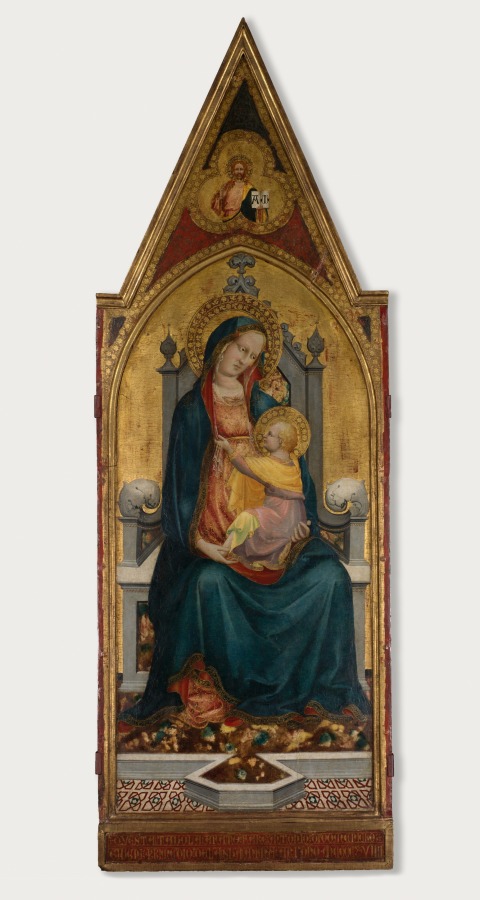
Virgin and Child Enthroned
Cleveland Museum of Art

Icon polyptic and leather case
Minneapolis Institute of Art

Madonna and Child
Minneapolis Institute of Art

Diptych icon
Minneapolis Institute of Art

Madonna Adoring the Christ Child
Minneapolis Institute of Art
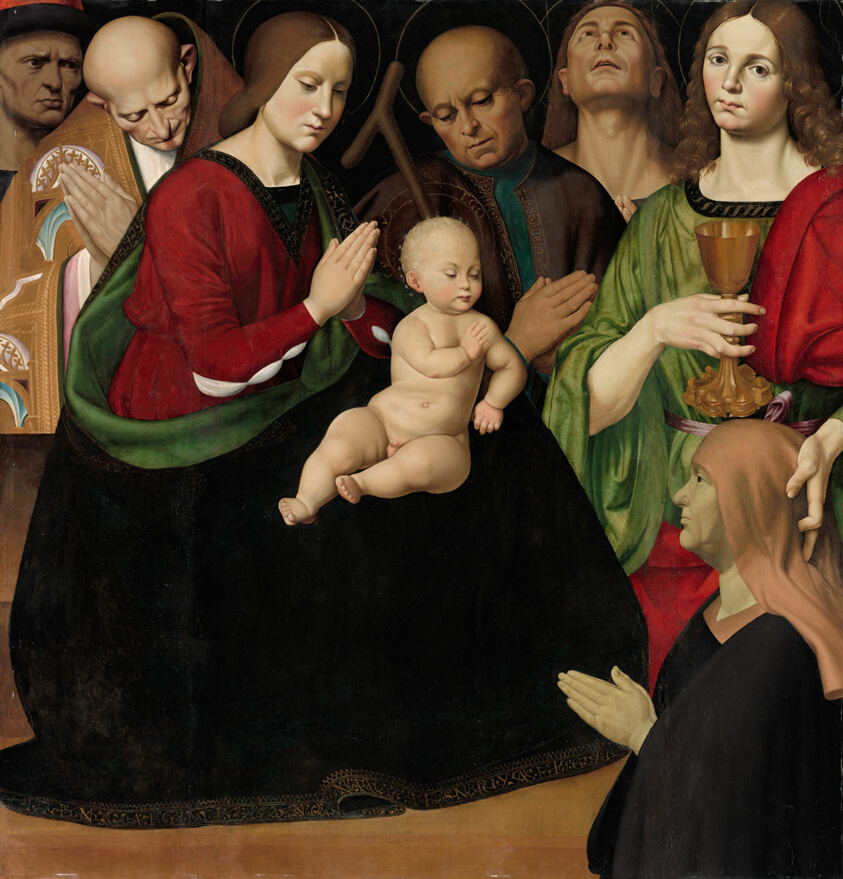
The Holy Family with Four Saints and a Female Donor
Art Institute of Chicago
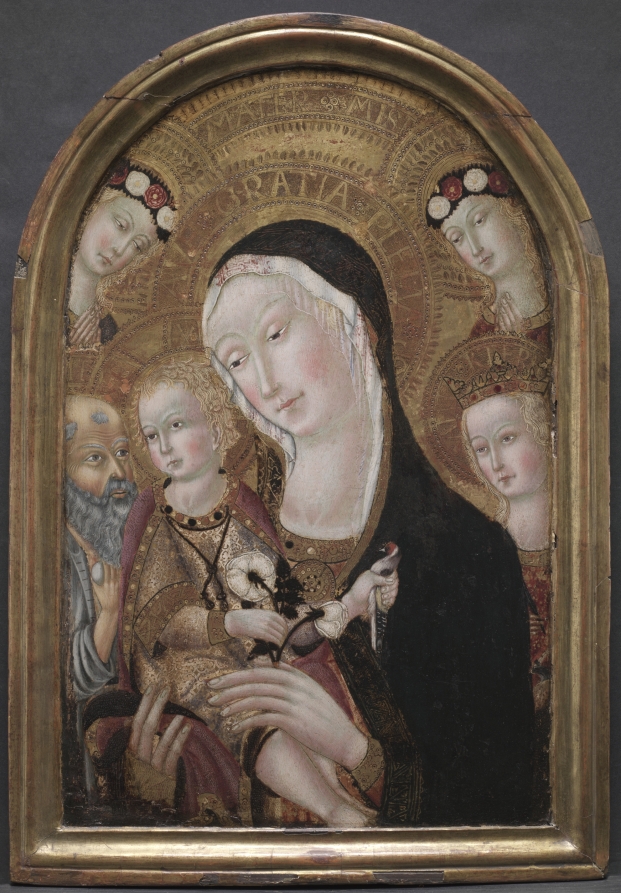
Virgin and Child with Saint Jerome and Saint Catherine of Alexandria
Cleveland Museum of Art
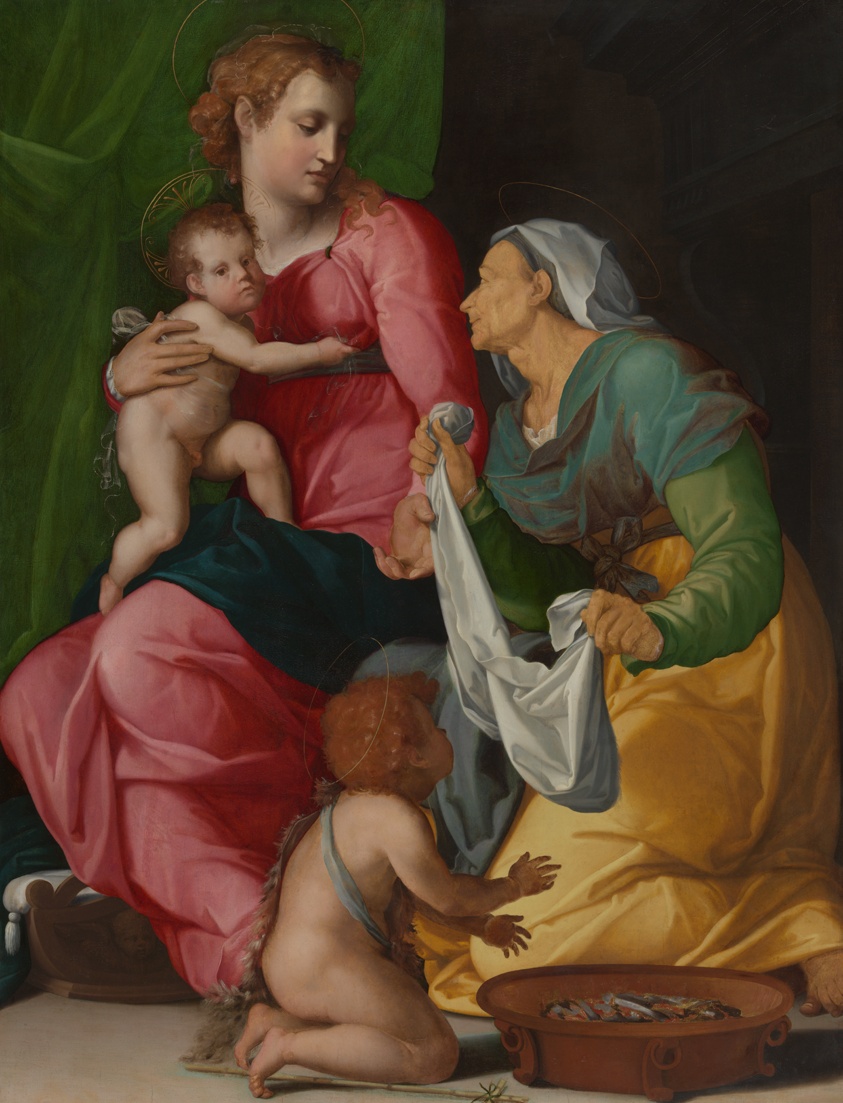
Madonna and Child with Saints Elizabeth and John the Baptist
Art Institute of Chicago