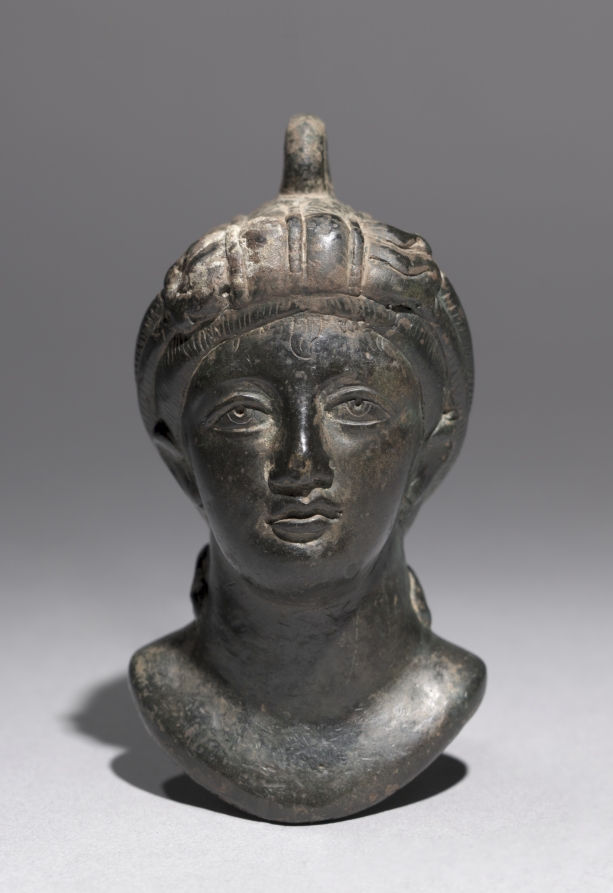
Cleveland Museum of Art
Balance Weight formed as the Bust of an Empress
- Date
- 27 BCE – 14 CE
- Medium
- bronze
- Culture
- Roman, Augustan period
- Department
- Greek and Roman Art
- Institution
- Cleveland Museum of Art
Among the most striking Byzantine weights to have survived are the imperial weights issued in the late 4th and 5th centuries. Typically they depict the same royal figures seen on coins to promote the legitimacy and stability of the state and to guarantee their validity as "honest weights." Used on balance scales, the weights were sometimes filled with lead to make them heavier.
The authoritative record is held by Cleveland Museum of Art. LinkedCulture surfaces this object and its connections; it does not alter institutional metadata.
Related across collections
Semantically similar works from Cleveland Museum of Art and other institutions.
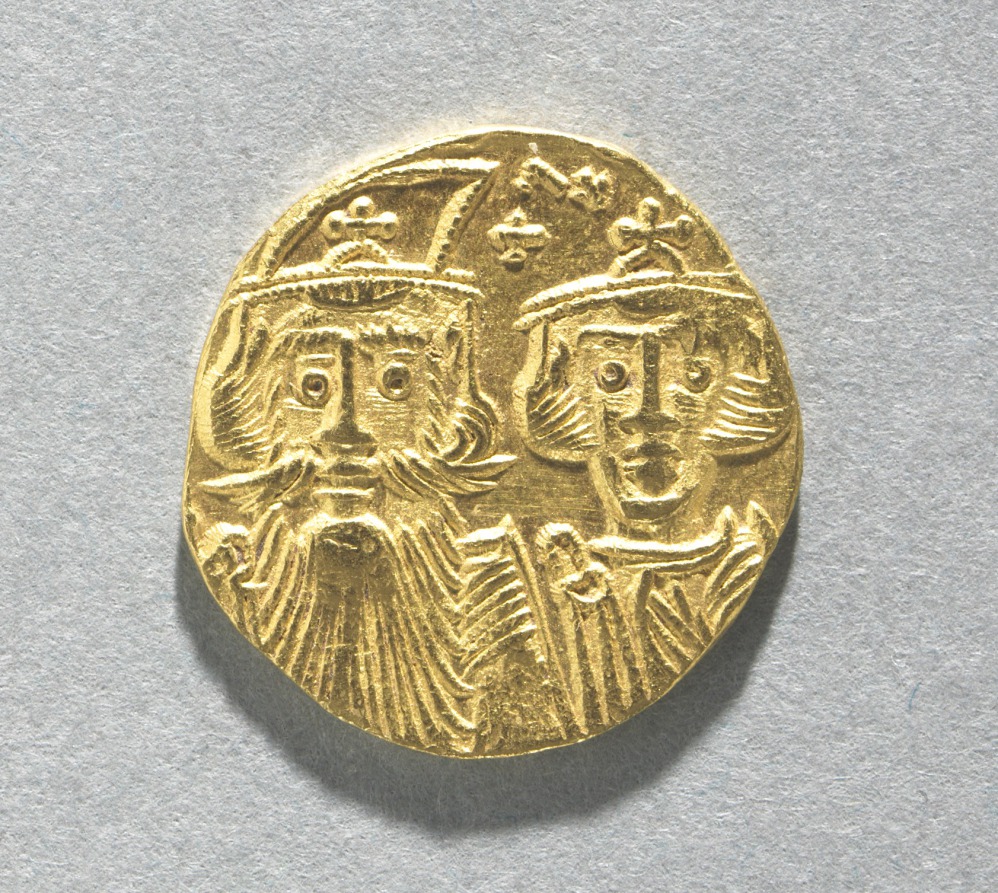
Solidus with Busts of Constans II and Constantine IV (obverse)
Cleveland Museum of Art
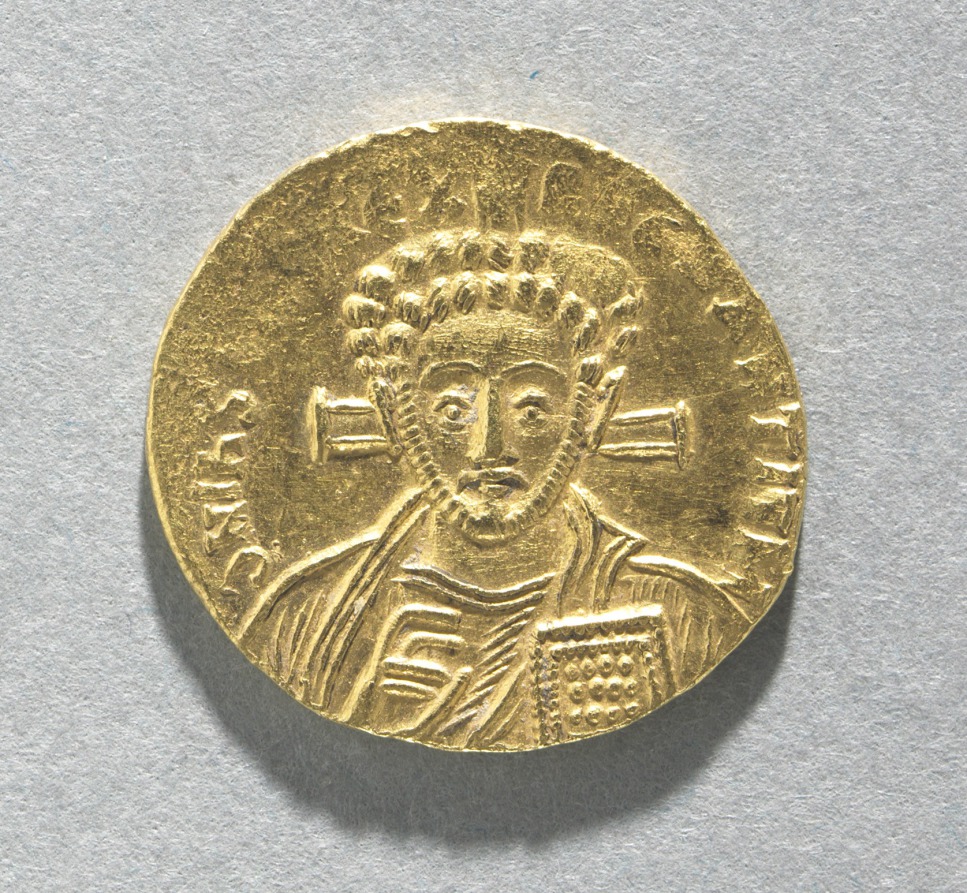
Solidus of Justinian II with Bust of Christ (obverse)
Cleveland Museum of Art
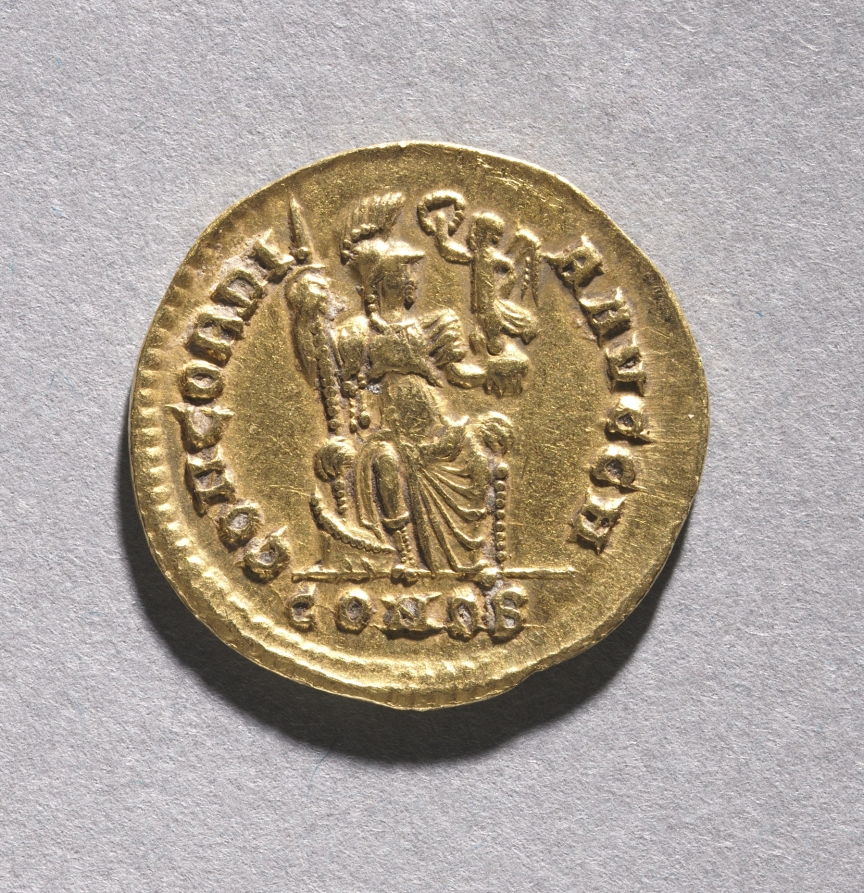
Tremissis of Honorius (reverse)
Cleveland Museum of Art

Weight with Volute Krater
Getty Museum
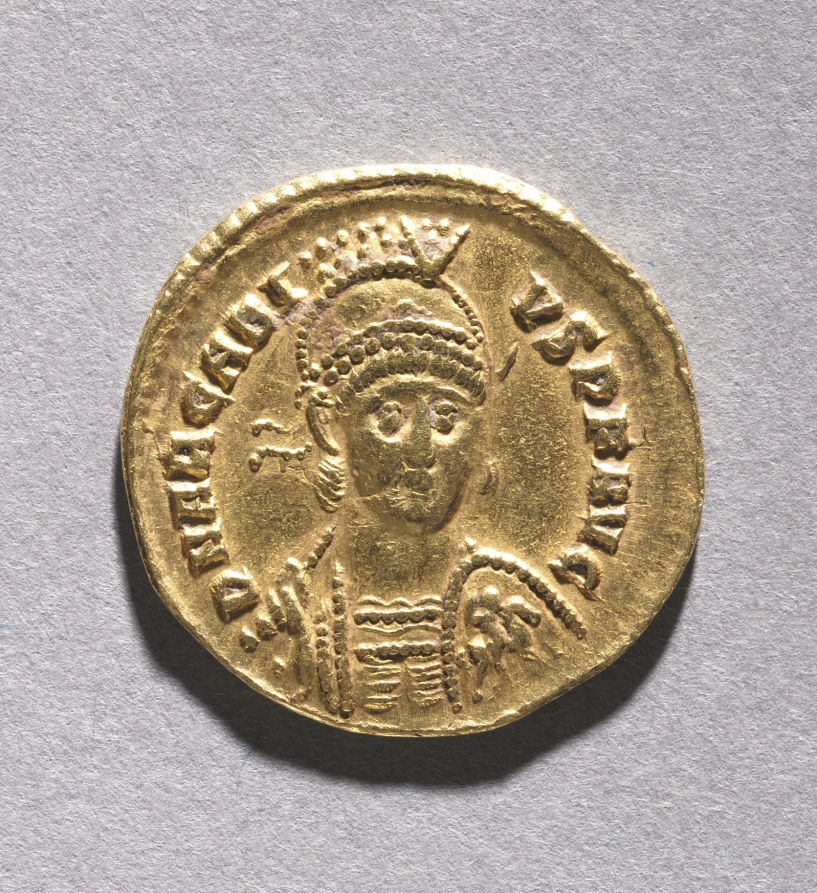
Tremissis of Honorius (obverse)
Cleveland Museum of Art
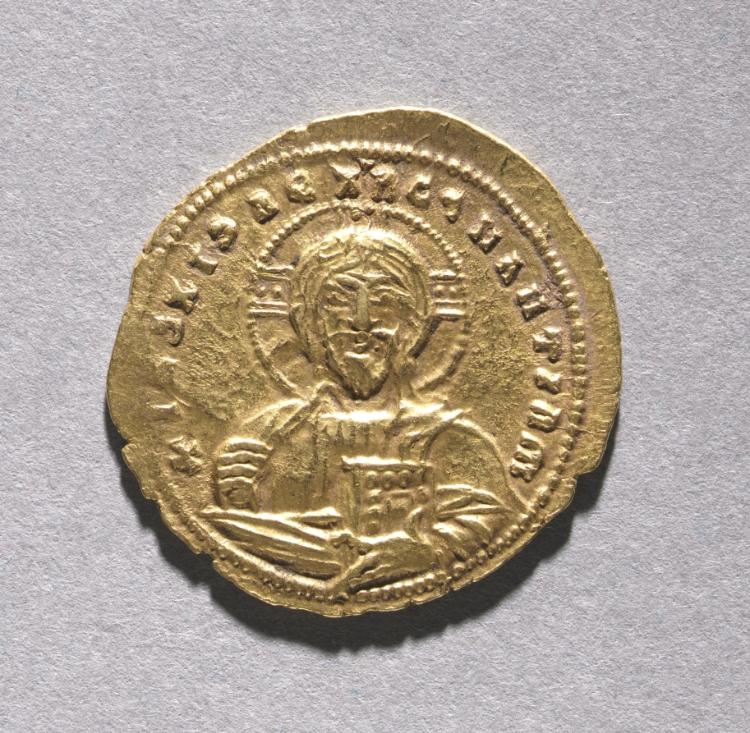
Nomisma with John I Zimisces (obverse)
Cleveland Museum of Art
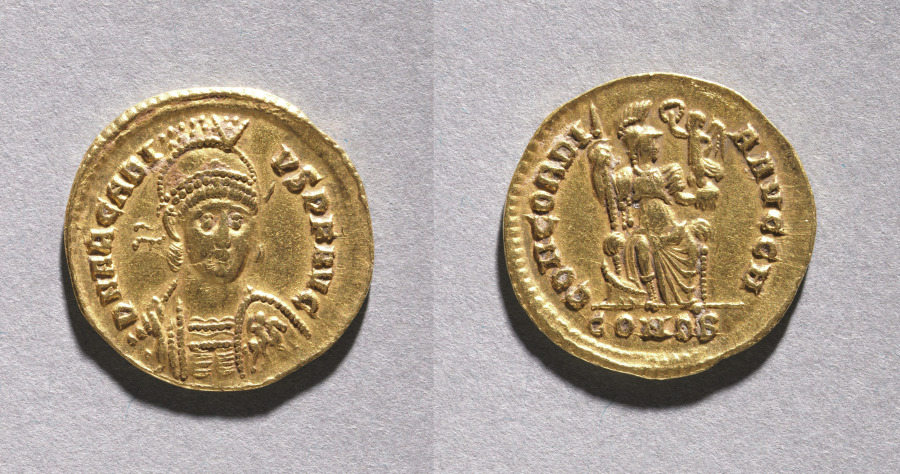
Tremissis of Honorius
Cleveland Museum of Art
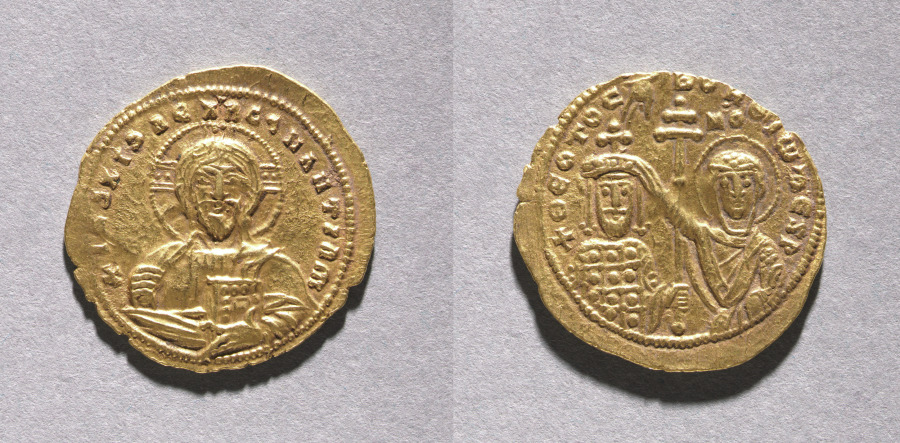
Nomisma with John I Zimisces
Cleveland Museum of Art
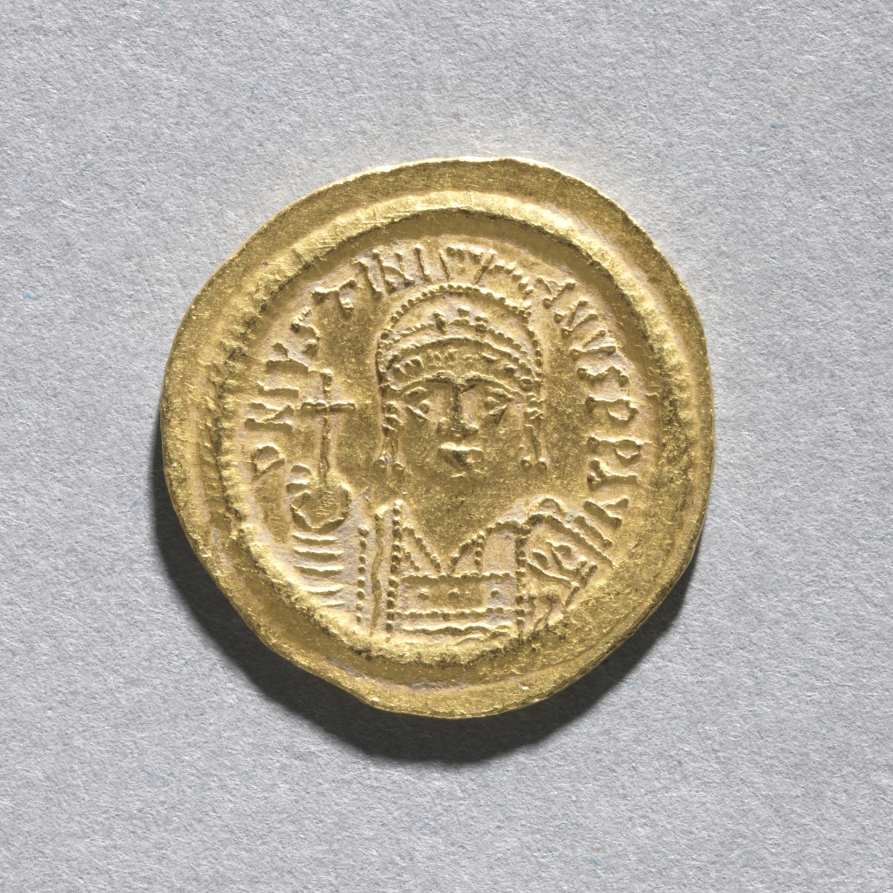
Solidus of Justinian I (obverse)
Cleveland Museum of Art
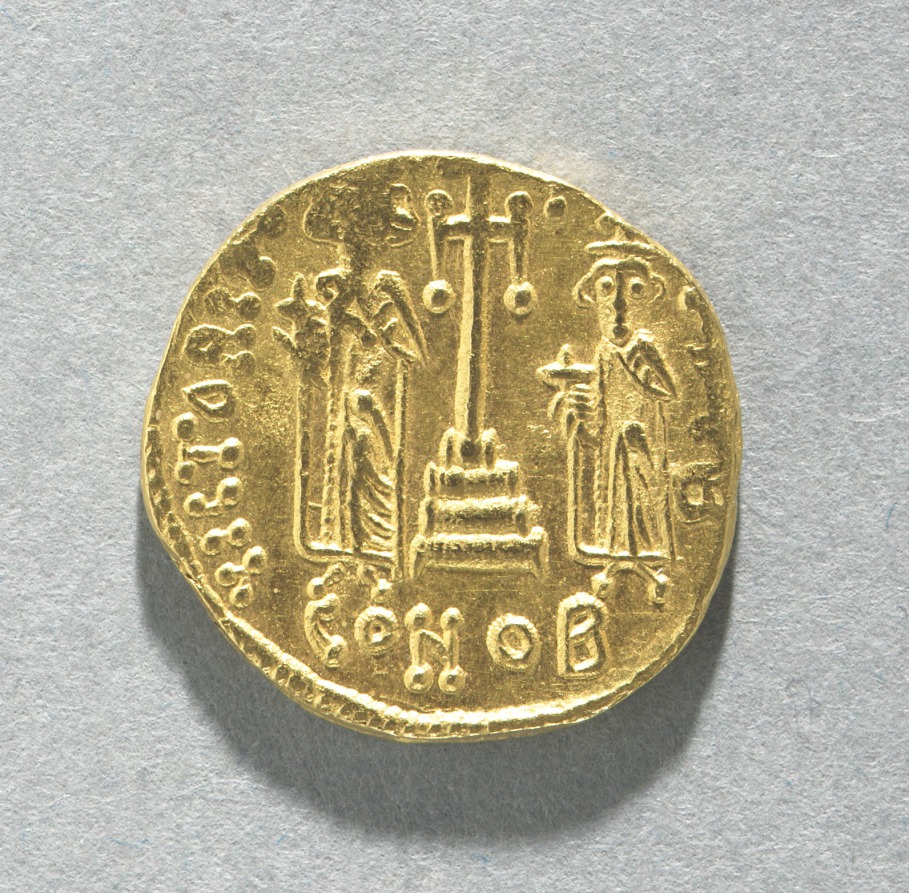
Solidus of Constans II and Constantine IV with a Cross Potent on Three Steps (reverse)
Cleveland Museum of Art
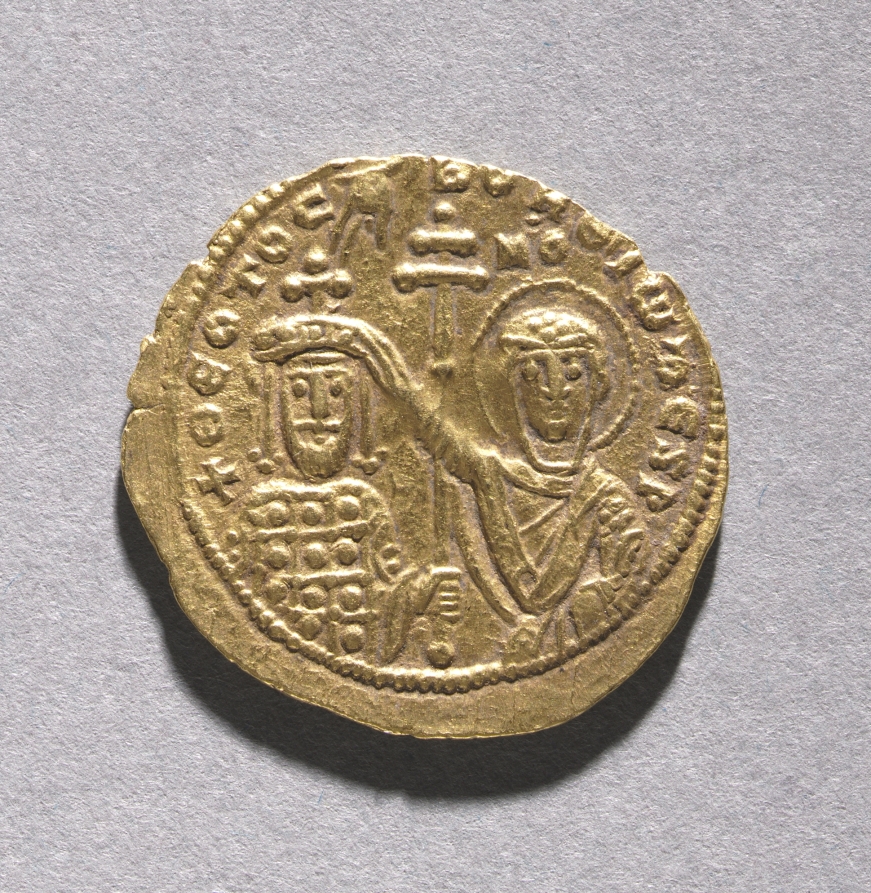
Nomisma with John I Zimisces (reverse)
Cleveland Museum of Art
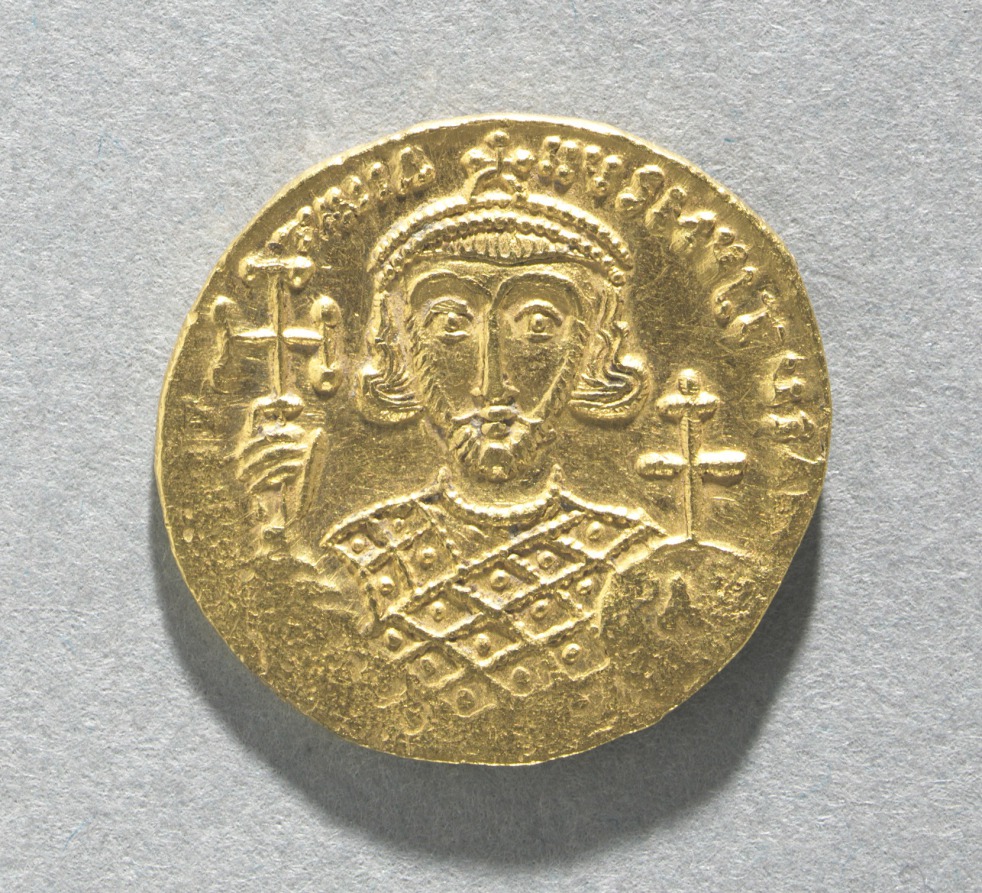
Solidus with Bust of Justinian II (reverse)
Cleveland Museum of Art