Cleveland Museum of Art
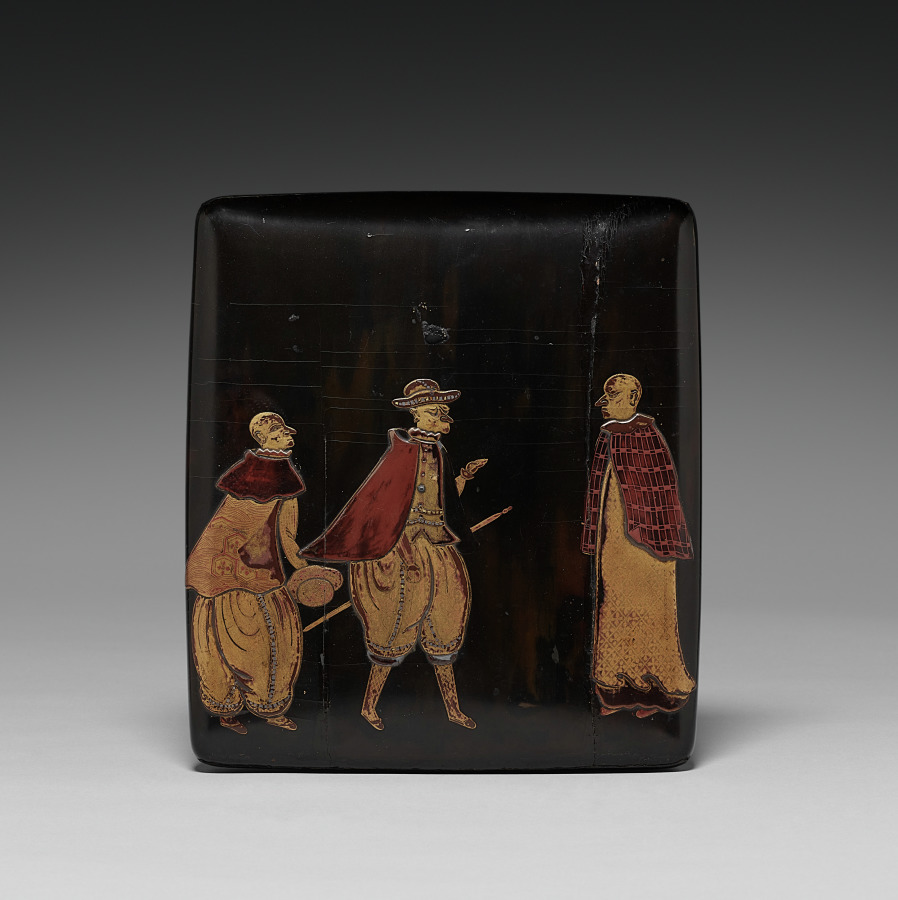
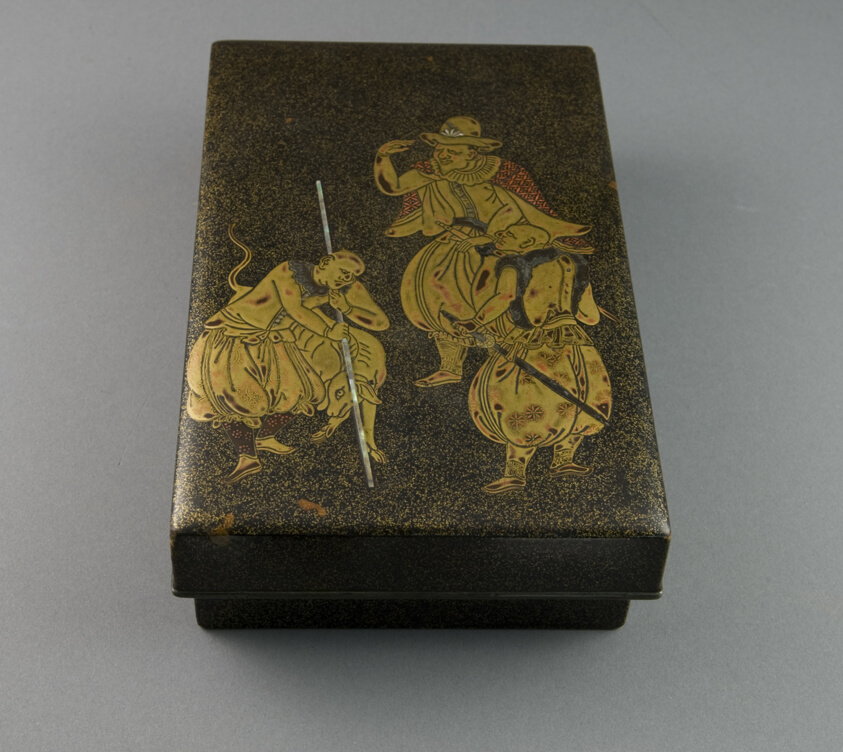
Writing Box (Suzuribako) with Europeans (lid)
- Date
- 1800s
- Medium
- lacquered wood with gold maki-e, silver inlay and red lacquer on black ground
- Culture
- Japan, Edo period (1615–1868)
- Department
- Japanese Art
- Institution
- Cleveland Museum of Art
For many Japanese patrons, objects decorated with images of foreigners offered the rare opportunity to see westerners. The two men on the left were likely Portuguese traders, identifiable by their balloon-shaped pants. The man on the right is a Jesuit priest. Portuguese traders arrived in Japan in 1543 and soon after Christian missionaries began to create outposts there. By the early 17th century, Christianity was outlawed and the Portuguese were forced out of Japan. This object was created during the short period when the Portuguese were allowed in Japan.
The authoritative record is held by Cleveland Museum of Art. LinkedCulture surfaces this object and its connections; it does not alter institutional metadata.
Related across collections
Semantically similar works from Cleveland Museum of Art and other institutions.
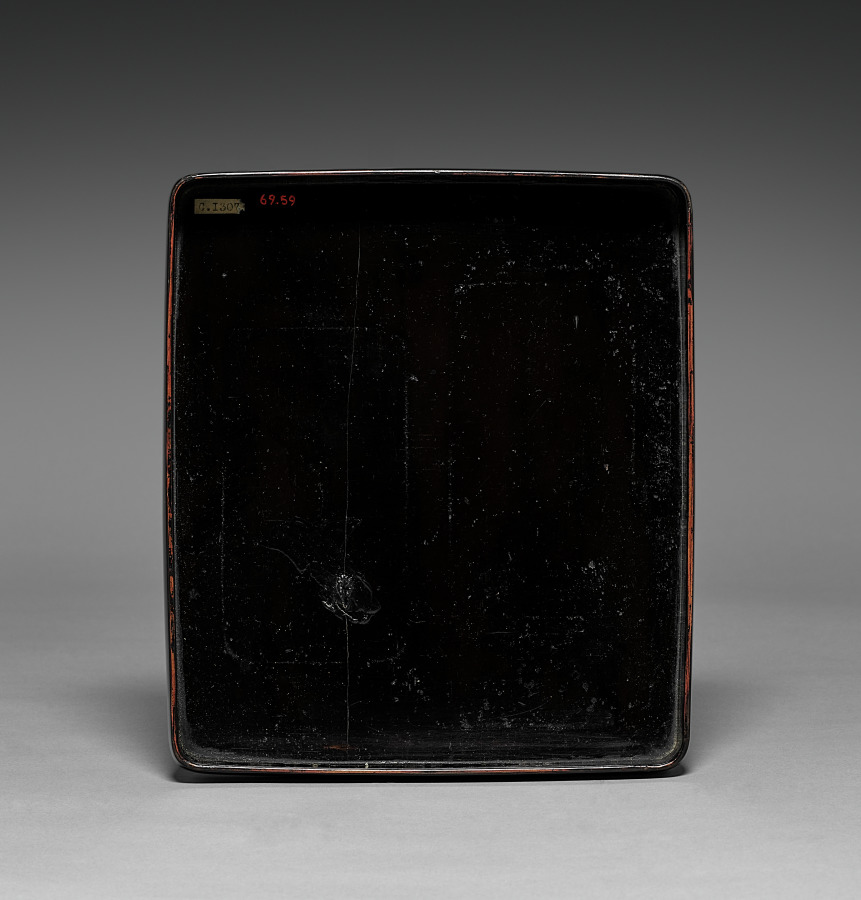
Writing Box (Suzuribako) with Europeans
Cleveland Museum of Art
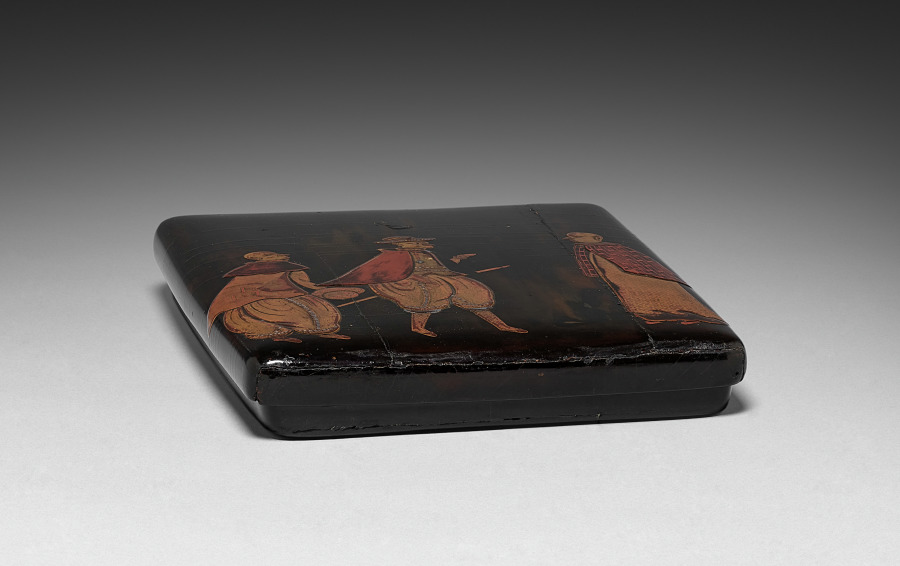
Writing Box (Suzuribako) with Europeans
Cleveland Museum of Art
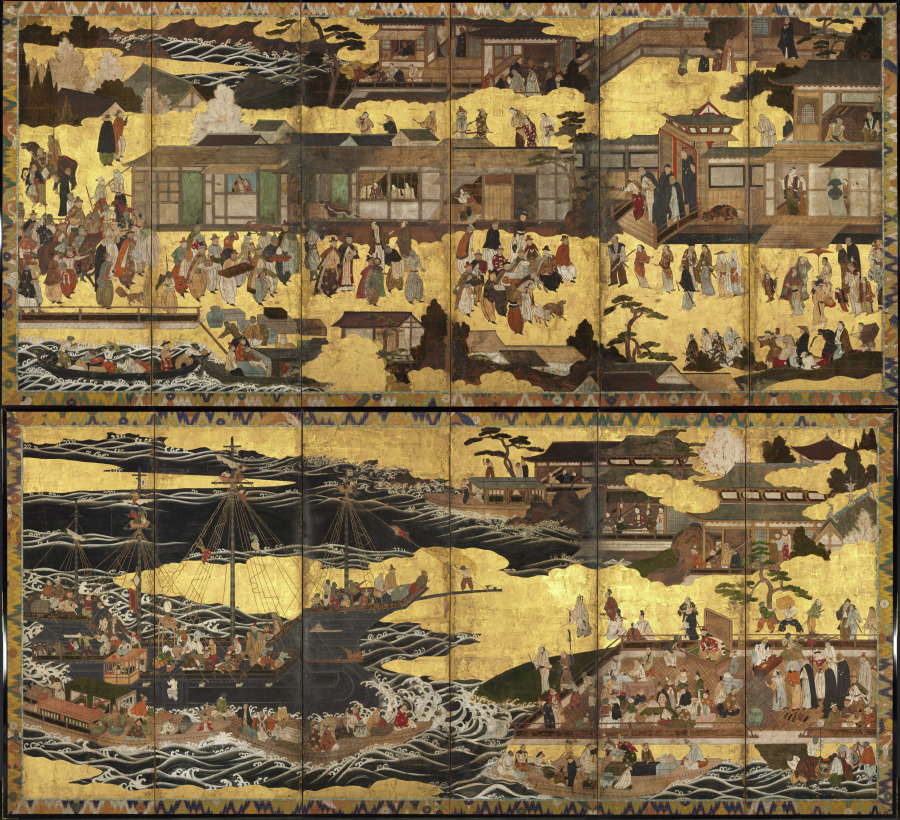
Arrival of the "Southern Barbarians"
Cleveland Museum of Art
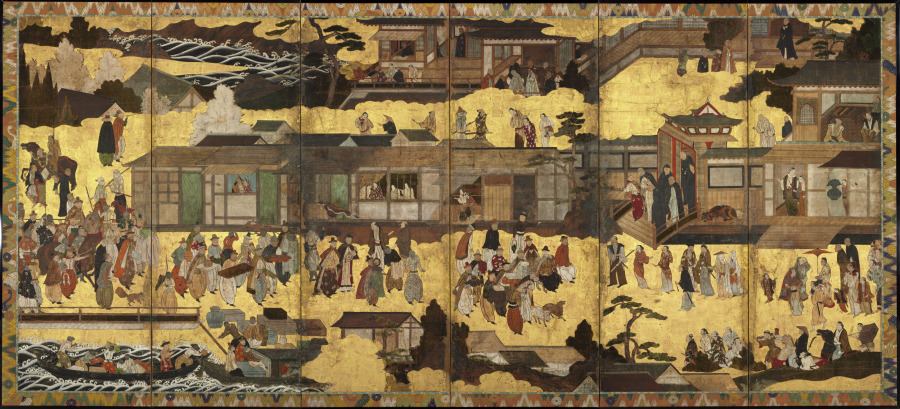
Arrival of the "Southern Barbarians"
Cleveland Museum of Art
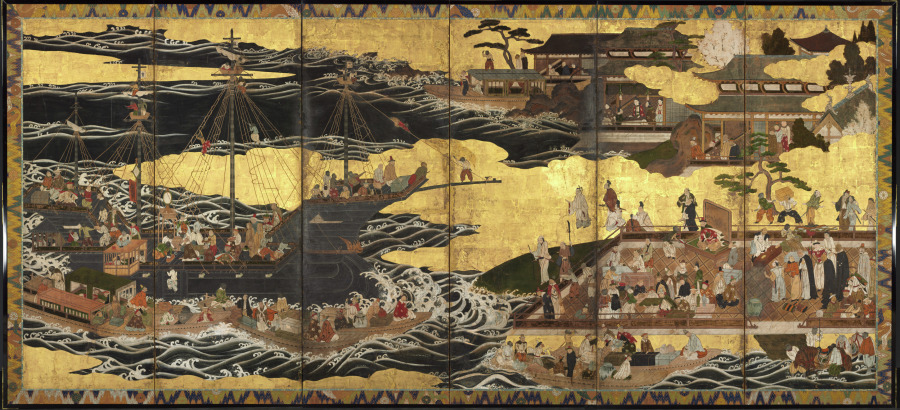
Arrival of the "Southern Barbarians"
Cleveland Museum of Art

People of Many Nations
Minneapolis Institute of Art
Small Box
Art Institute of Chicago
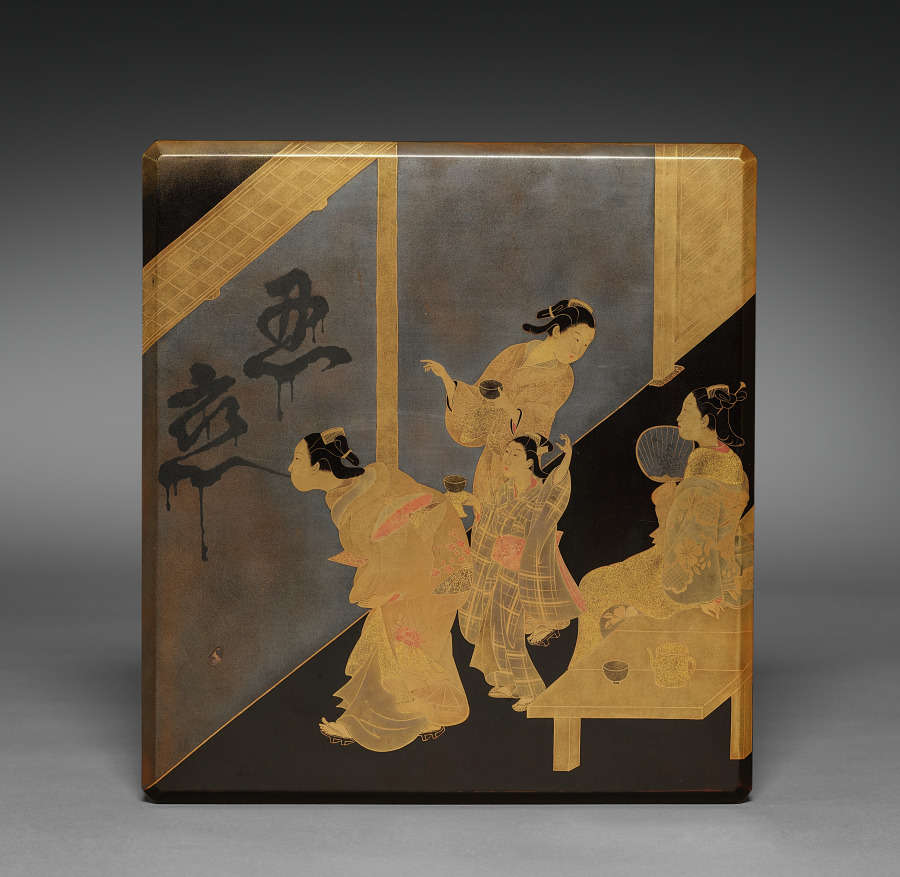
Writing Box with Spitting Courtesan (lid)
Cleveland Museum of Art
Writing Box (Suzuribako) with Design of Pine, Camellia, and Bamboo (lid)
Cleveland Museum of Art
Righteousness, from The Five Virtues
Cleveland Museum of Art
Writing Box (Suzuribako) with Phoenix in Paulownia (lid)
Cleveland Museum of Art
Writing Box with Design of Six Poets under a Cherry Tree and a Pine
The Metropolitan Museum of Art