Cleveland Museum of Art
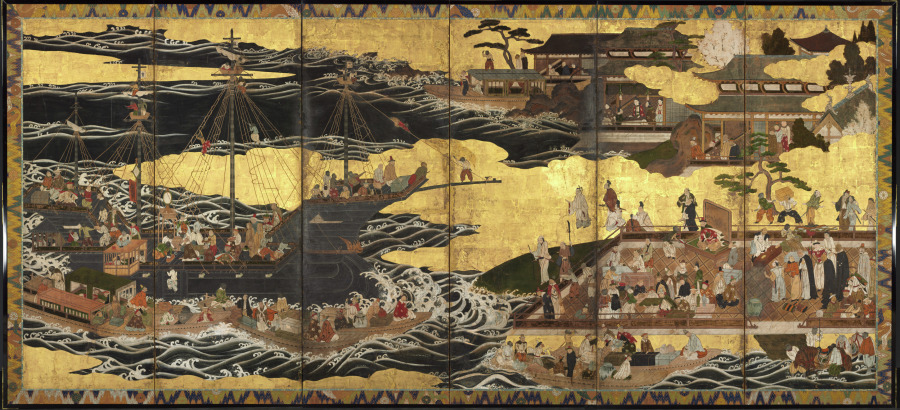
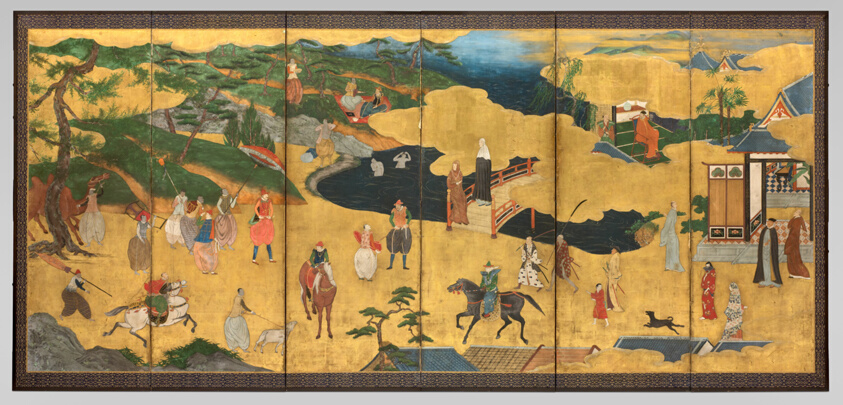
Arrival of the "Southern Barbarians"
- Date
- c. 1600
- Medium
- One of a pair of six-panel folding screens; ink, color, and gold on paper
- Culture
- Japan, Momoyama period (1573–1615)
- Department
- Japanese Art
- Institution
- Cleveland Museum of Art
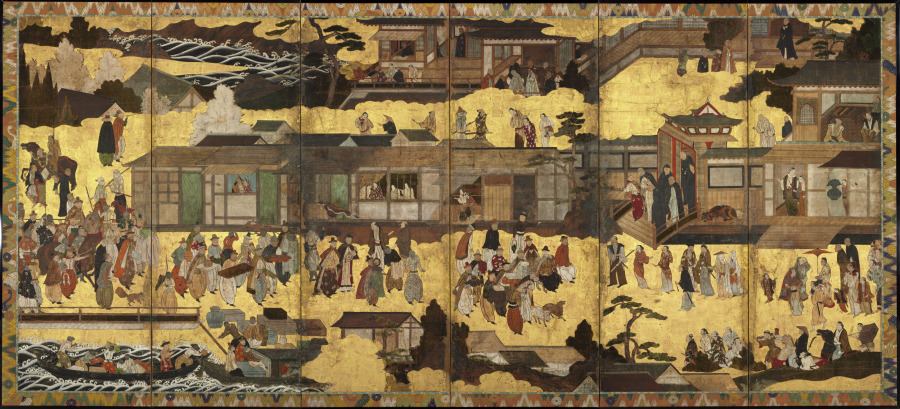
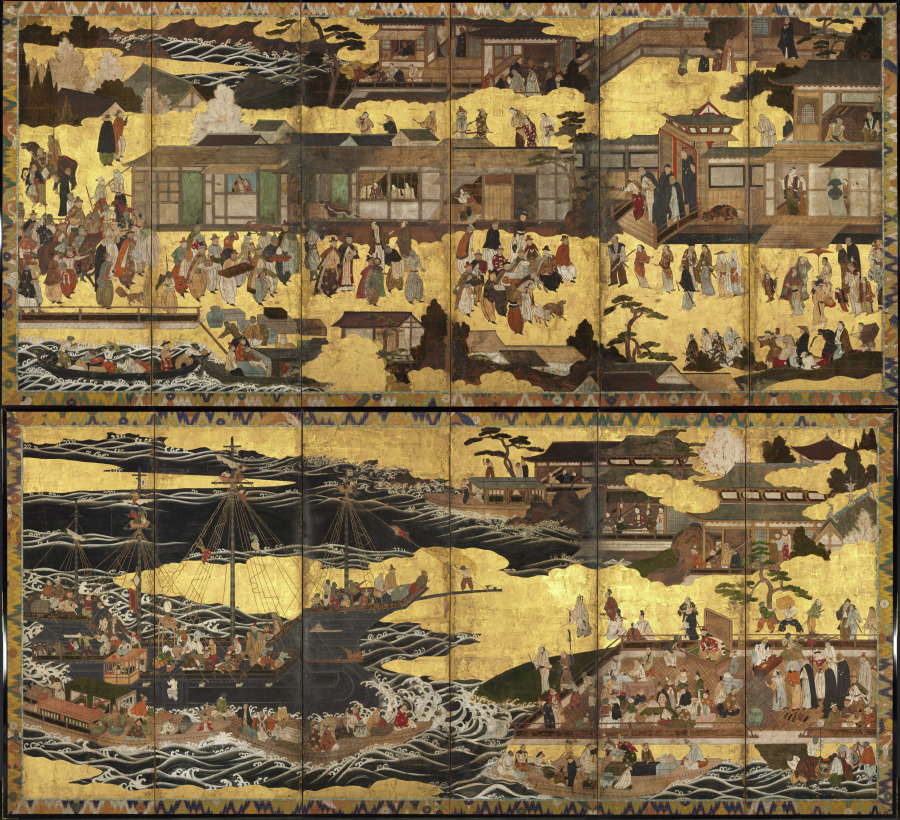
This screen and its corresponding screen show Portuguese merchants arriving in Japan, having crossed the oceans in their large ship with a multinational crew. The Portuguese were known in Japan as the “Southern Barbarians” because they arrived from the south and their customs and manners were unfamiliar to the Japanese, who had not encountered anyone from Europe until their first appearance in 1543. In 1639, the Portuguese were forced out of Japan, mainly owing to internal difficulties caused by their Catholic missionaries, but they were a major conduit for both objects and ideas from Europe for nearly 100 years. Europeans were called "Southern Barbarians" because their ships arrived in Japan from the south.
The authoritative record is held by Cleveland Museum of Art. LinkedCulture surfaces this object and its connections; it does not alter institutional metadata.
Related across collections
Semantically similar works from Cleveland Museum of Art and other institutions.
Arrival of the "Southern Barbarians"
Cleveland Museum of Art
Arrival of the "Southern Barbarians"
Cleveland Museum of Art
Southern Barbarians
Art Institute of Chicago
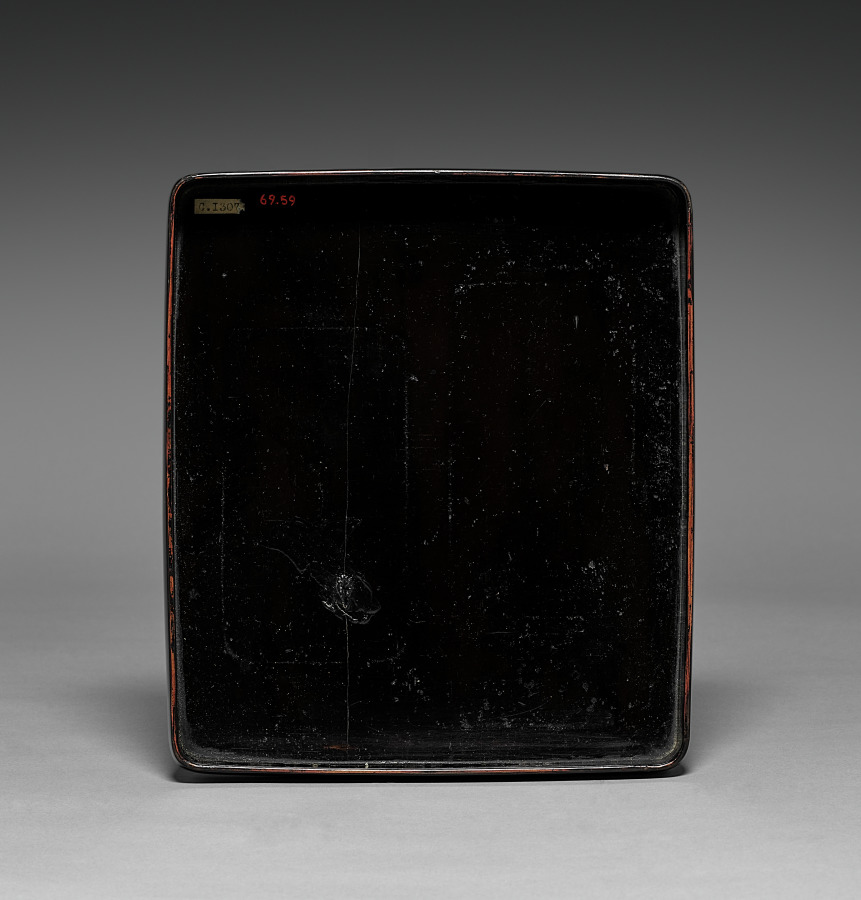
Writing Box (Suzuribako) with Europeans
Cleveland Museum of Art
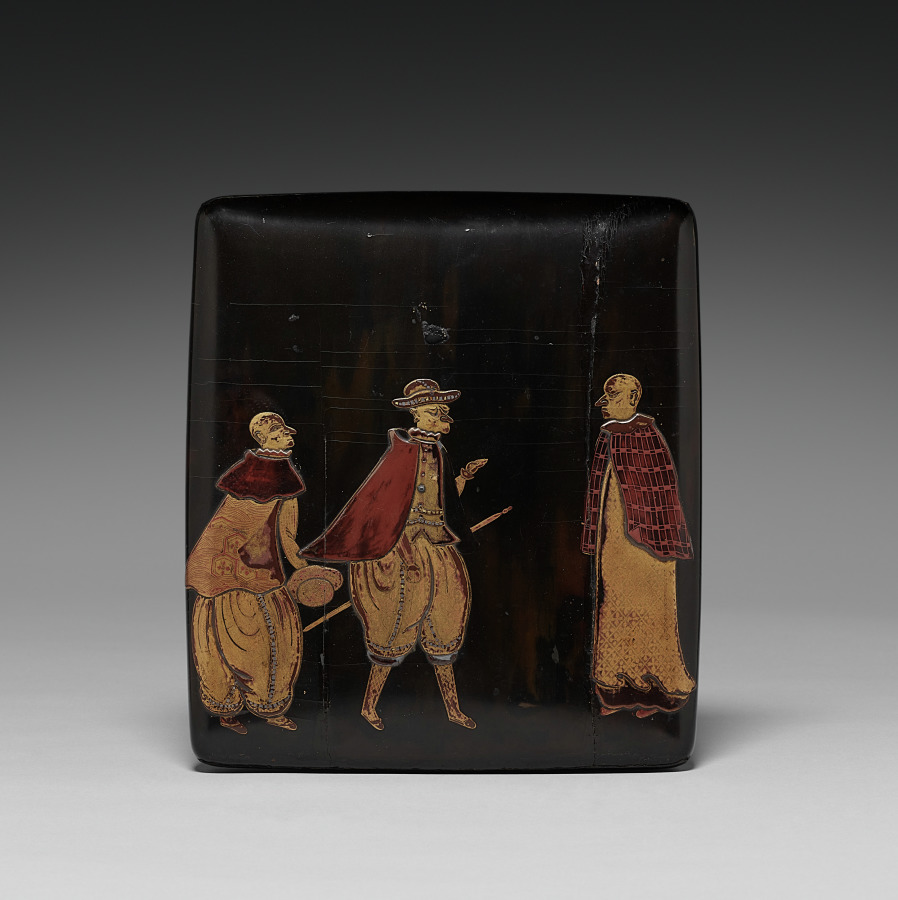
Writing Box (Suzuribako) with Europeans (lid)
Cleveland Museum of Art
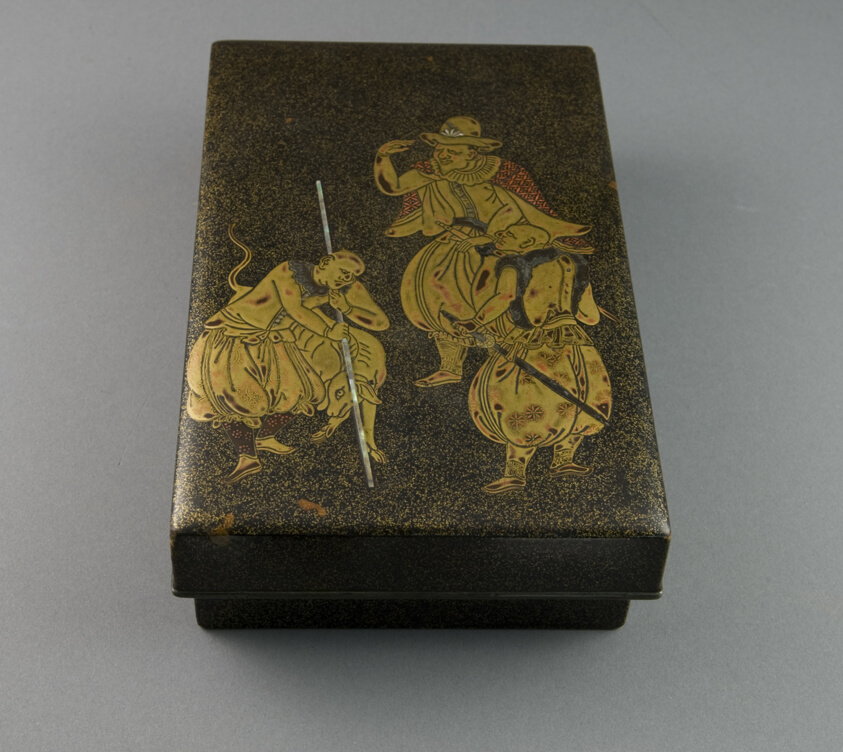
Small Box
Art Institute of Chicago

People of Many Nations
Minneapolis Institute of Art
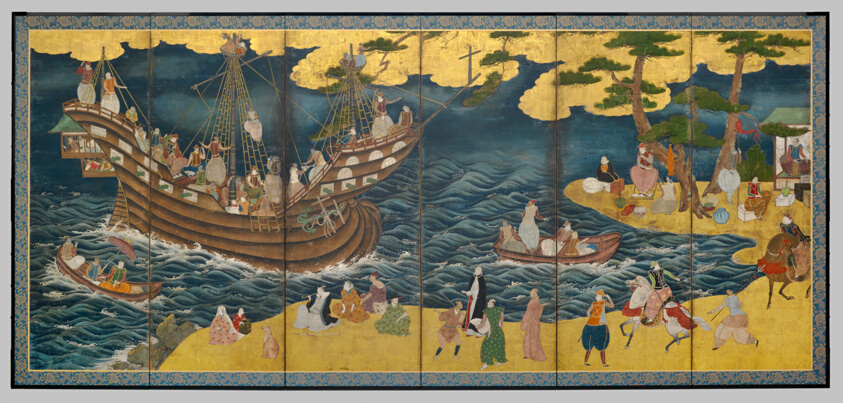
Southern Barbarians
Art Institute of Chicago
Southern Barbarians
Art Institute of Chicago
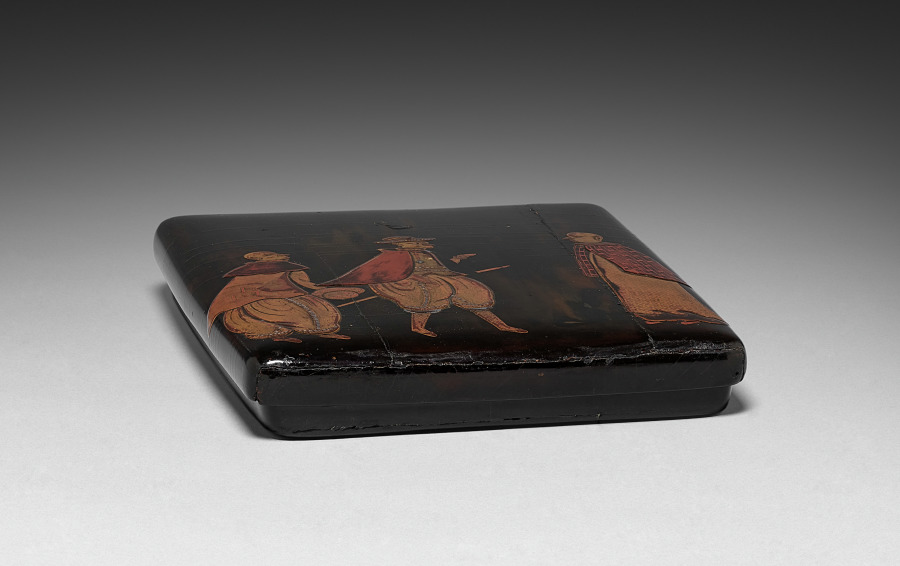
Writing Box (Suzuribako) with Europeans
Cleveland Museum of Art
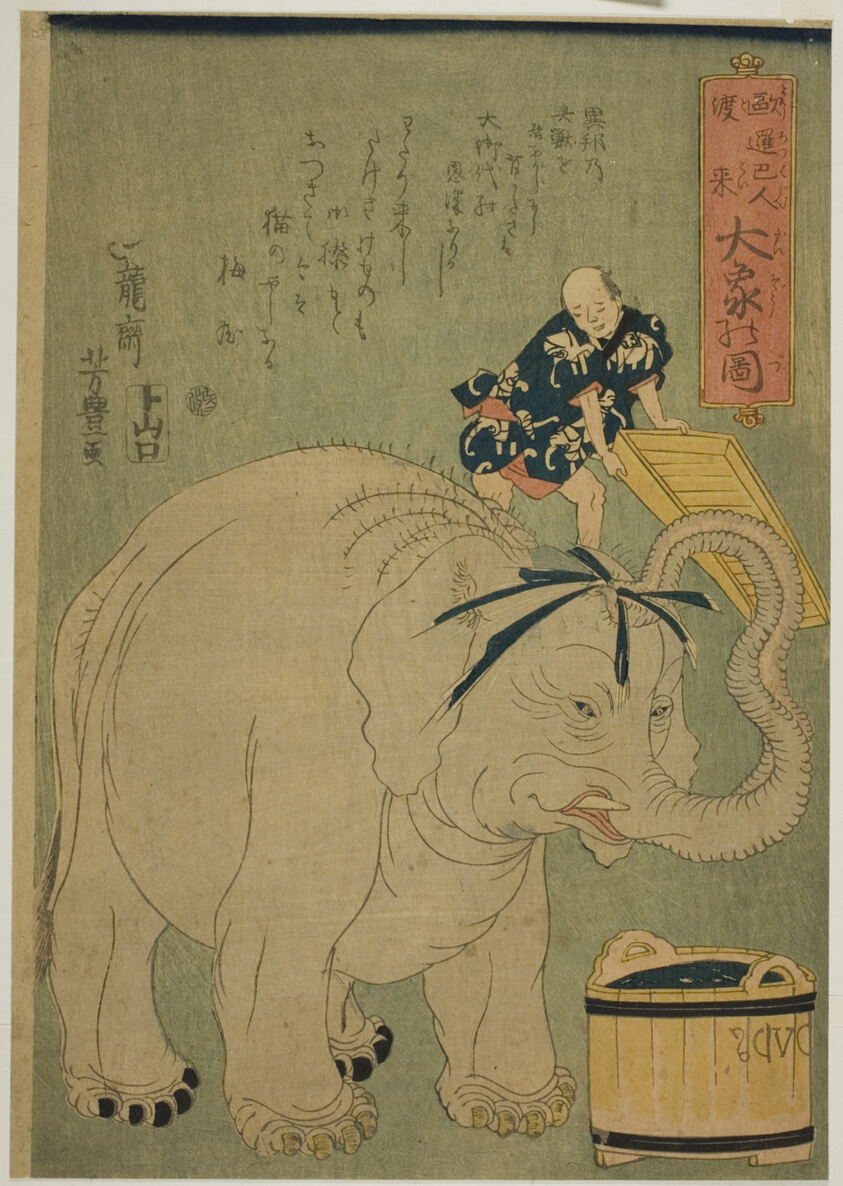
Arrival of the Europeans: The Great Elephant (Yoroppajin torai, Daizo no zu)
Art Institute of Chicago

Dutchmen Unloading Cargo at Dejima
Minneapolis Institute of Art