Cleveland Museum of Art
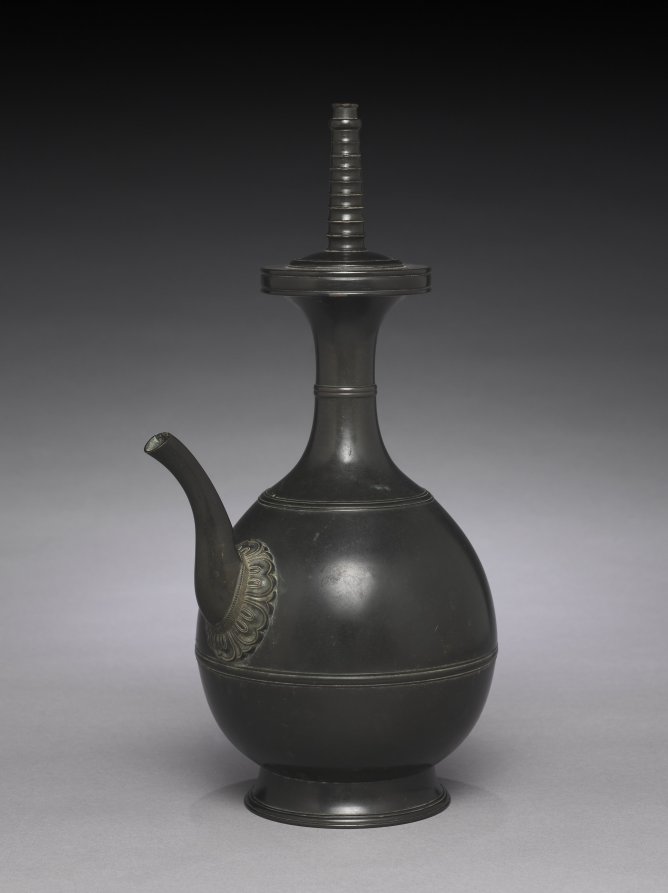
Ewer (Fusatsugata Suibyō)
- Date
- 1200s
- Medium
- bronze
- Culture
- Japan, Kamakura period (1185–1333)
- Department
- Japanese Art
- Institution
- Cleveland Museum of Art
Ewers of this particular shape developed in Japan for use in Esoteric Buddhist communities, and are called fusatsu-shaped water pitchers. Unlike the ewers commonly used in rituals celebrated before the Buddha, this type is used for the purifying of monks’ hands with water at the start of a Dharma assembly focused on the recitation of the monastic code of conduct, and repentance for transgressions.
The authoritative record is held by Cleveland Museum of Art. LinkedCulture surfaces this object and its connections; it does not alter institutional metadata.
Related across collections
Semantically similar works from Cleveland Museum of Art and other institutions.
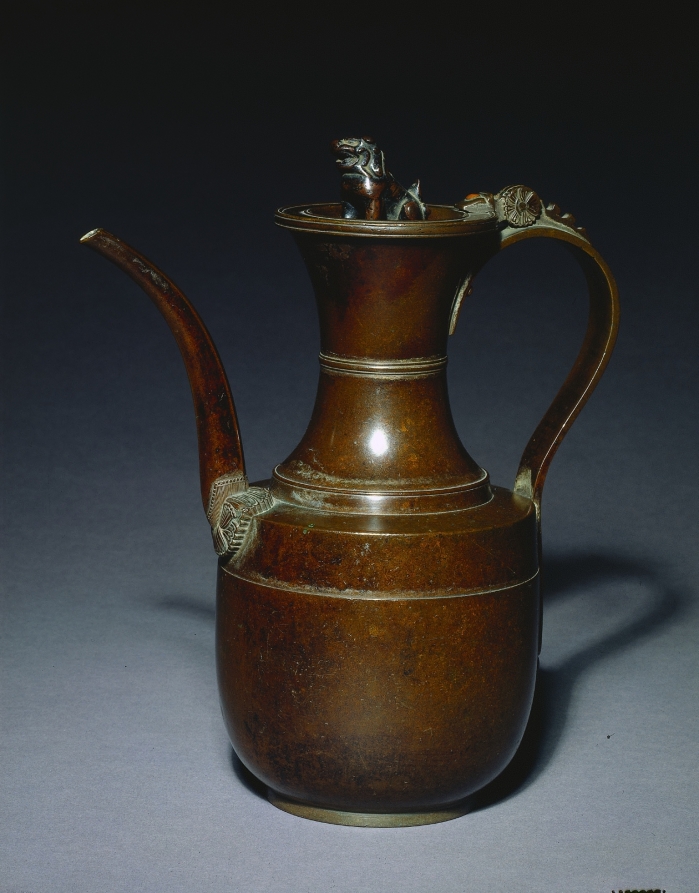
Ewer (Shigigata Suibyō)
Cleveland Museum of Art
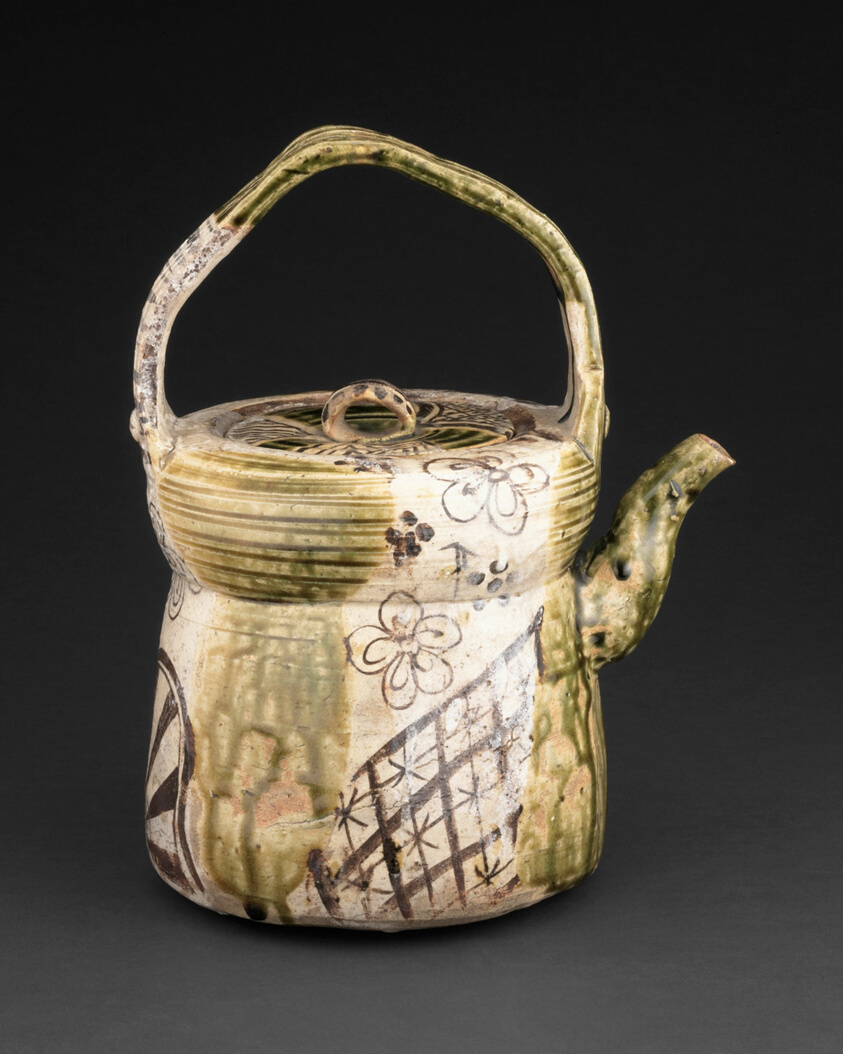
Oribe-Type Ewer
Art Institute of Chicago

Ewer with willow and plum blossoms
Minneapolis Institute of Art

Ewer in the shape of a gourd
Minneapolis Institute of Art

Ewer
Minneapolis Institute of Art
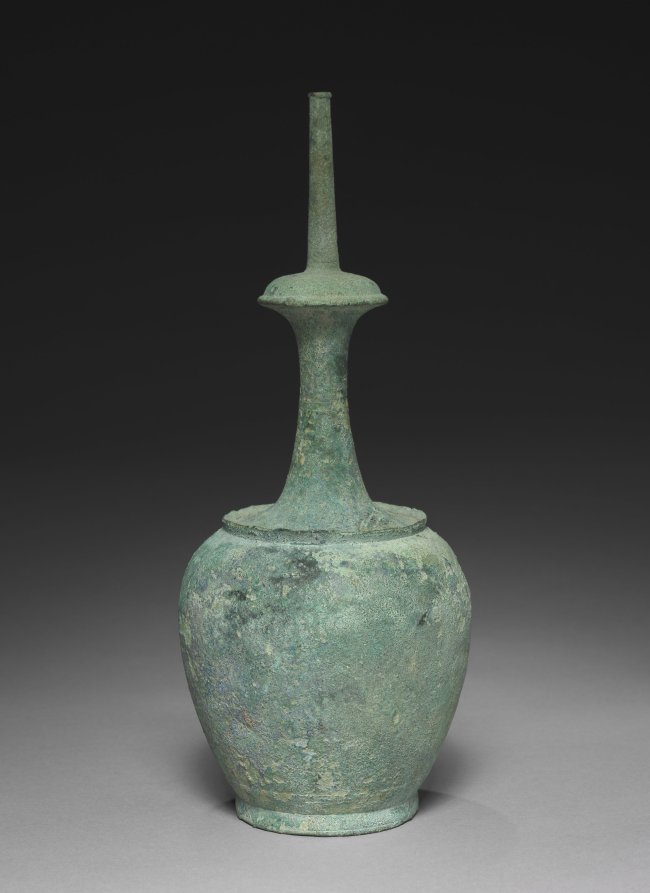
Water Ewer for Rituals (Kundika)
Cleveland Museum of Art
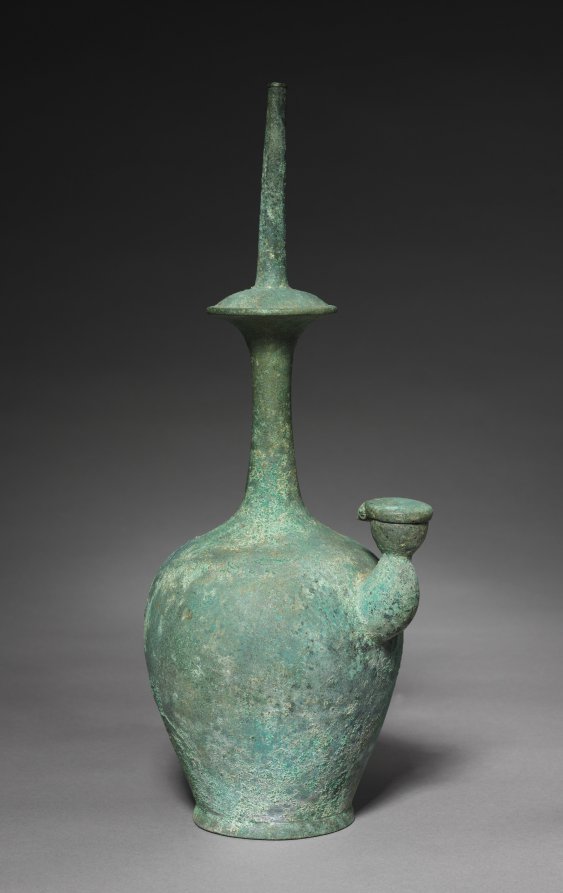
Water Ewer for Rituals (Kundika)
Cleveland Museum of Art
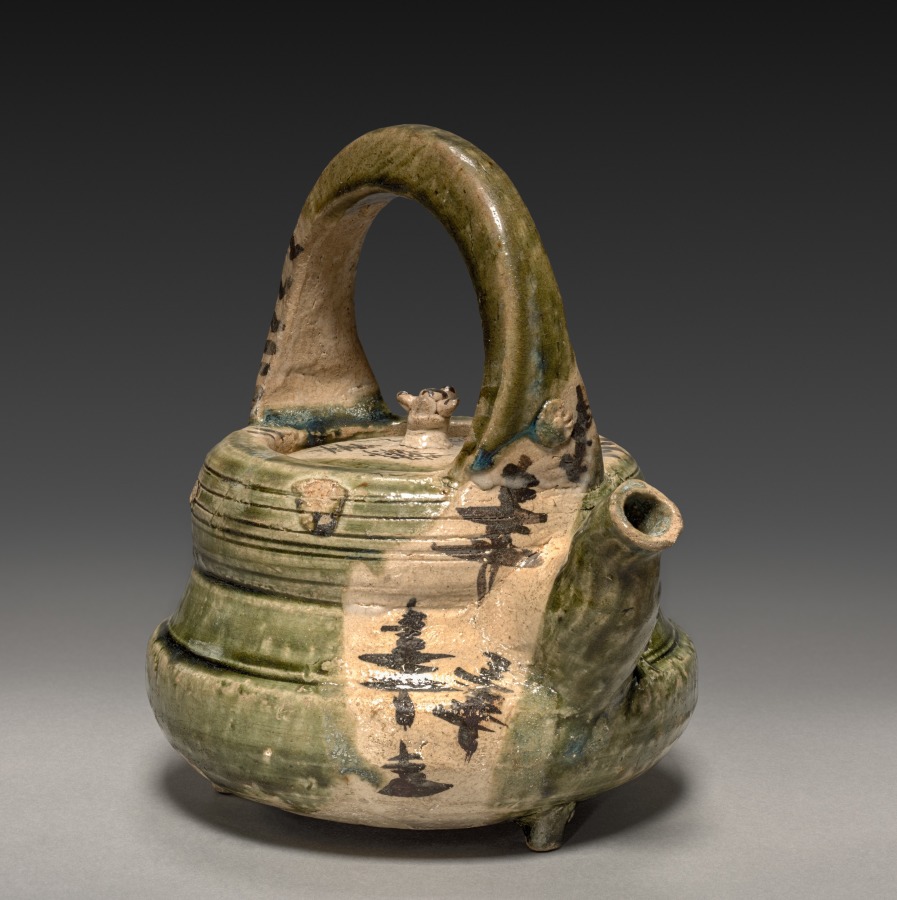
Ewer (Suichū)
Cleveland Museum of Art
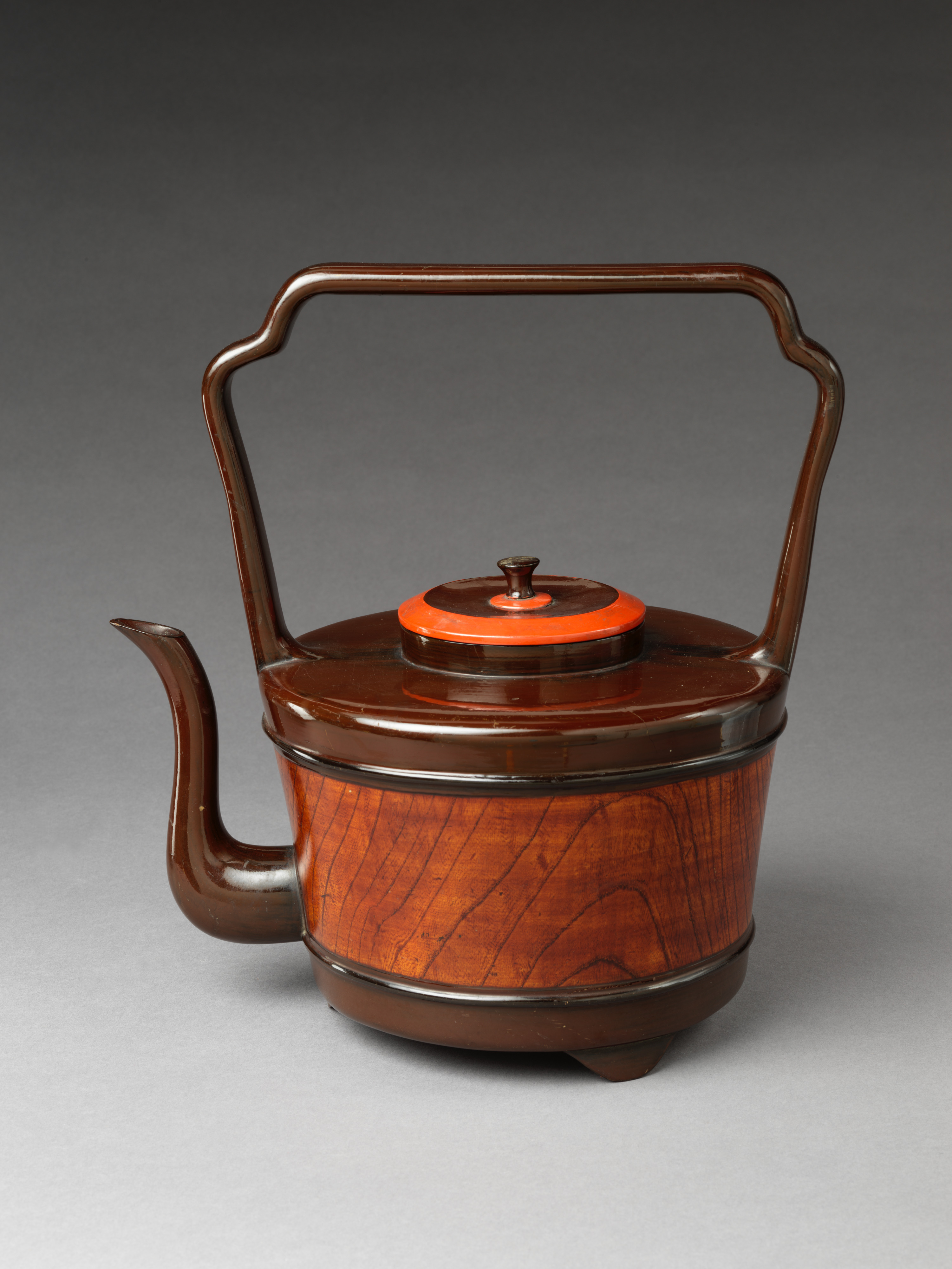
Ewer for Hot Water (Yutō)
The Metropolitan Museum of Art
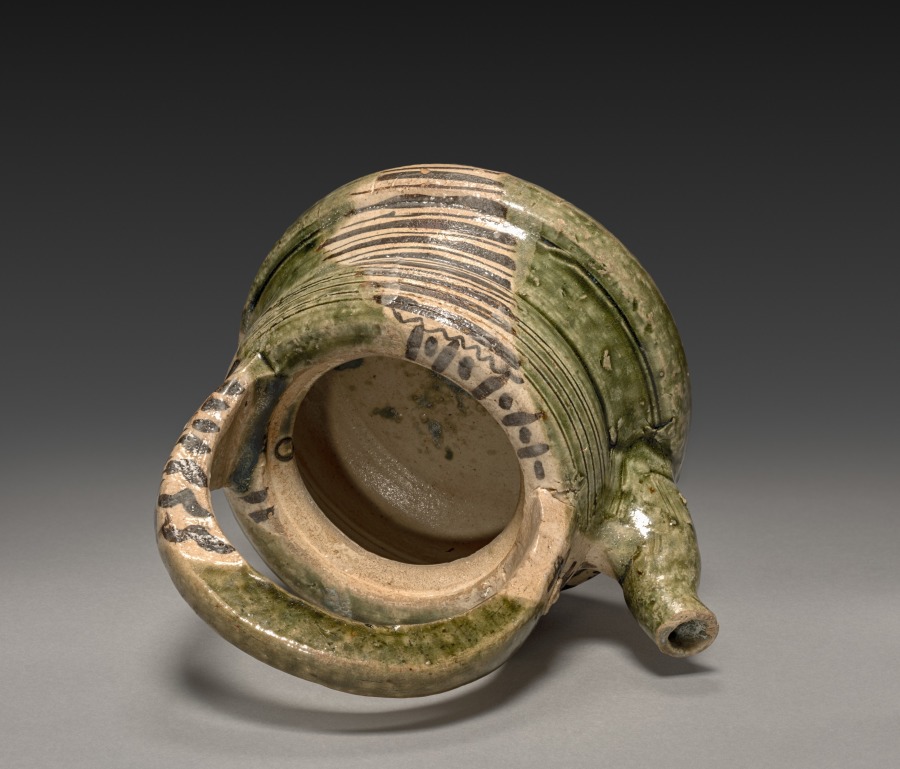
Ewer (Suichu)
Cleveland Museum of Art
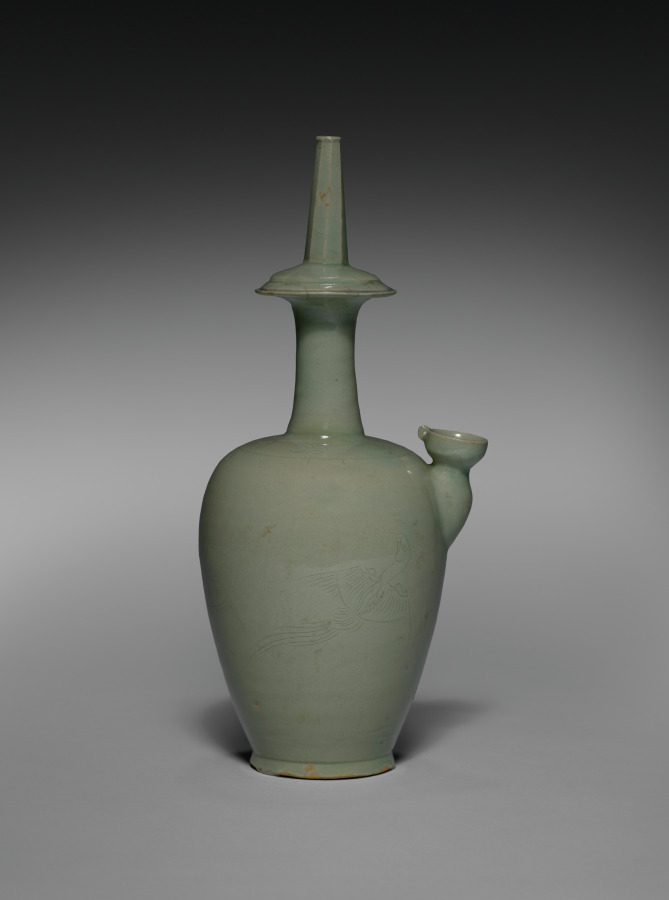
Water Ewer for Rituals with Incised Parrot Design
Cleveland Museum of Art
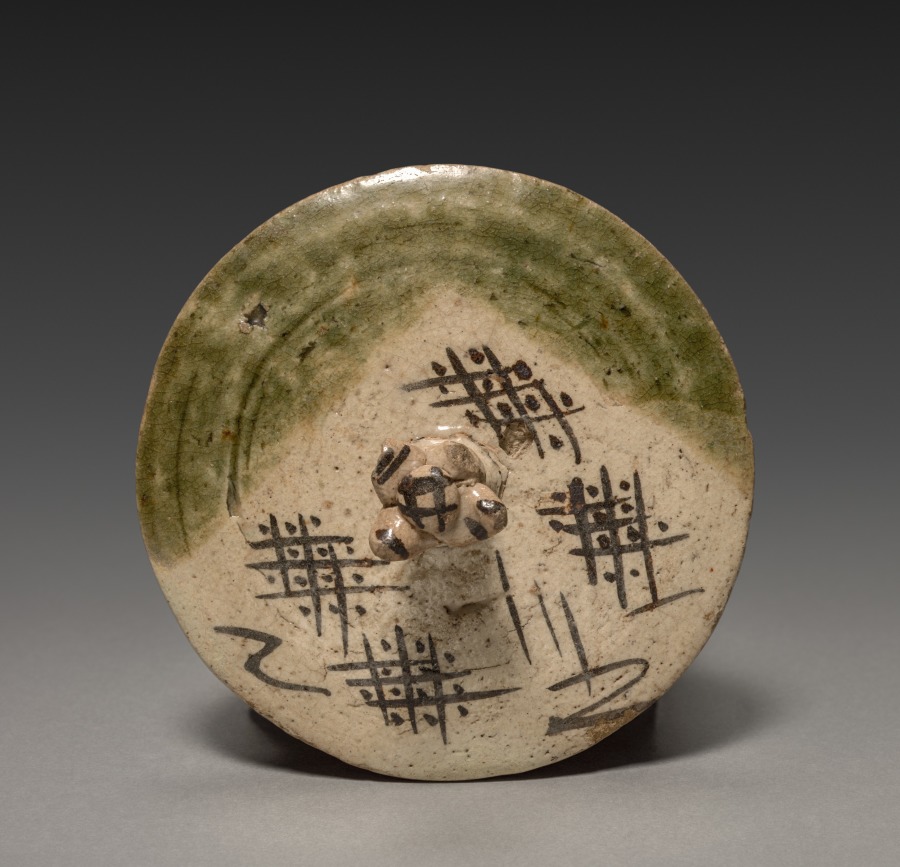
Ewer (Suichū) (lid)
Cleveland Museum of Art