
Minneapolis Institute of Art
Ewer with willow and plum blossoms
Japan
- Date
- early 17th century
- Medium
- Mino ware, Oribe type, stoneware with iron oxide
- Department
- Asian Art
- Institution
- Minneapolis Institute of Art
Oribe ceramics, which were made from the late 1600s to early 1700s at kilns in the area of Mino Province in central Japan, often feature colorful, sometimes abstract designs and take whimsical, asymmetrical forms. Oribe ware takes its name from Furuta Oribe (1544–1615), a famous master of the Japanese tea ceremony whose particular aesthetic taste is said to have influenced the development of these ceramics. Although the exact function of Oribe ewers remains unclear, they may have been used during the tea ceremony to replenish larger basins of water. One side of this ewer features young willow boughs, while the other side shows falling plum blossoms. Willow and plum, both drawn in underglaze iron oxide, are classic decorative motifs that celebrate the fleeting beauty of early spring. Asia
The authoritative record is held by Minneapolis Institute of Art. LinkedCulture surfaces this object and its connections; it does not alter institutional metadata.
Related across collections
Semantically similar works from Minneapolis Institute of Art and other institutions.
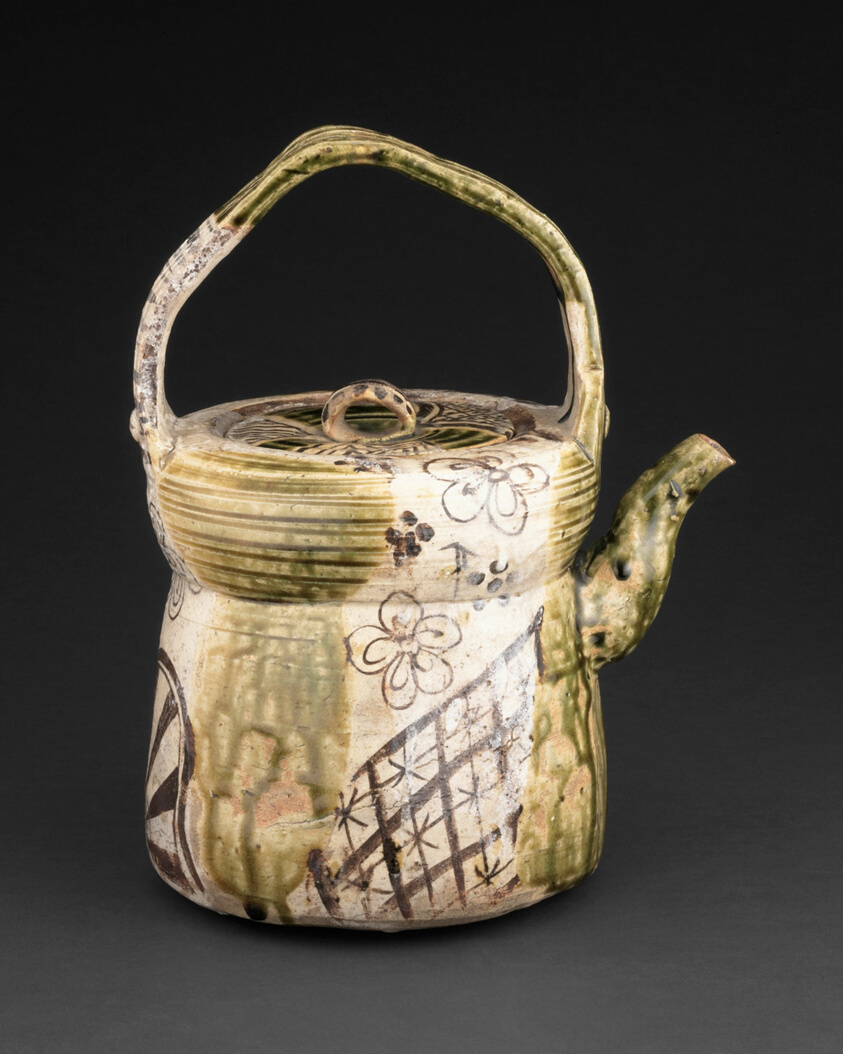
Oribe-Type Ewer
Art Institute of Chicago
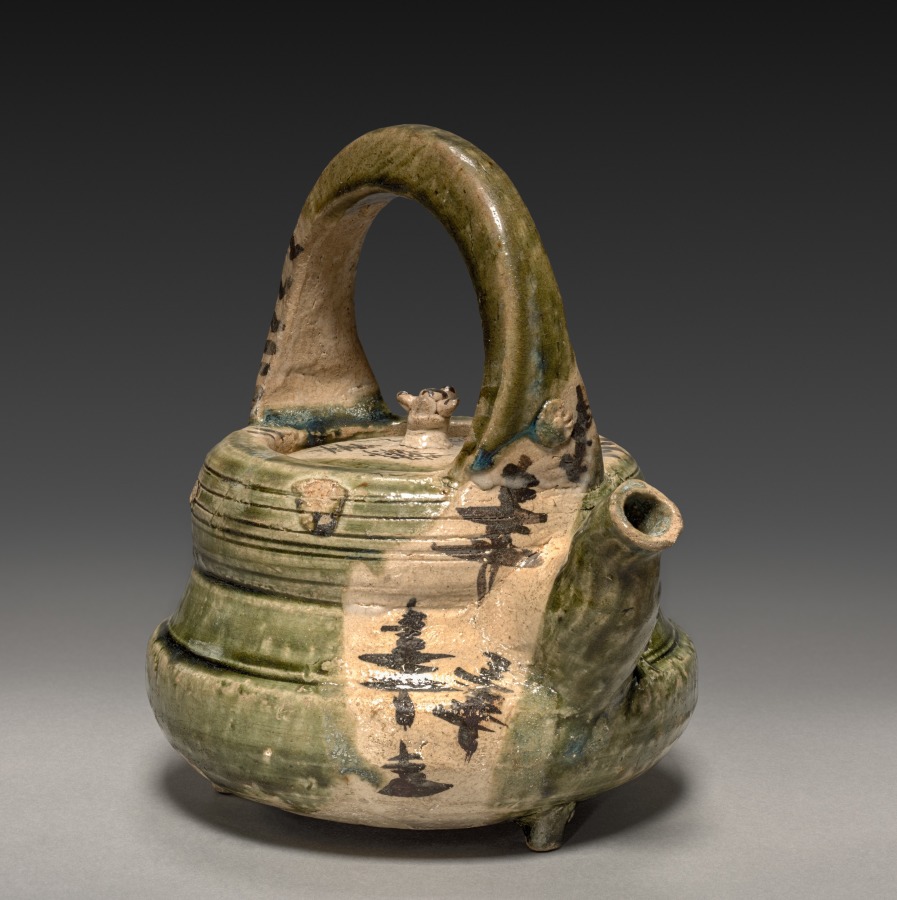
Ewer (Suichū)
Cleveland Museum of Art
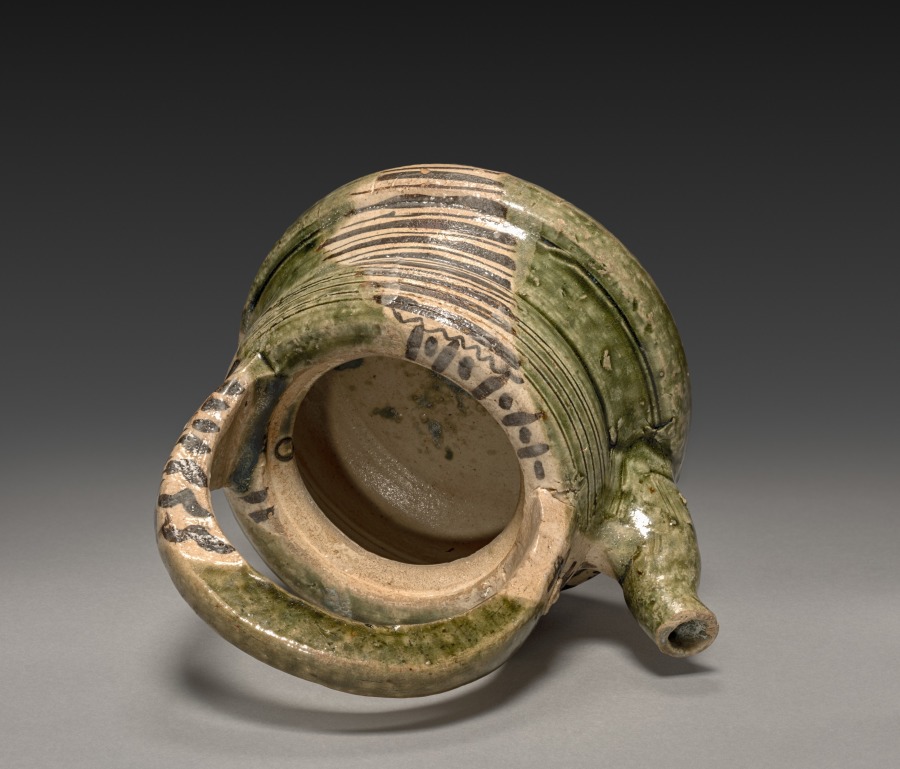
Ewer (Suichu)
Cleveland Museum of Art
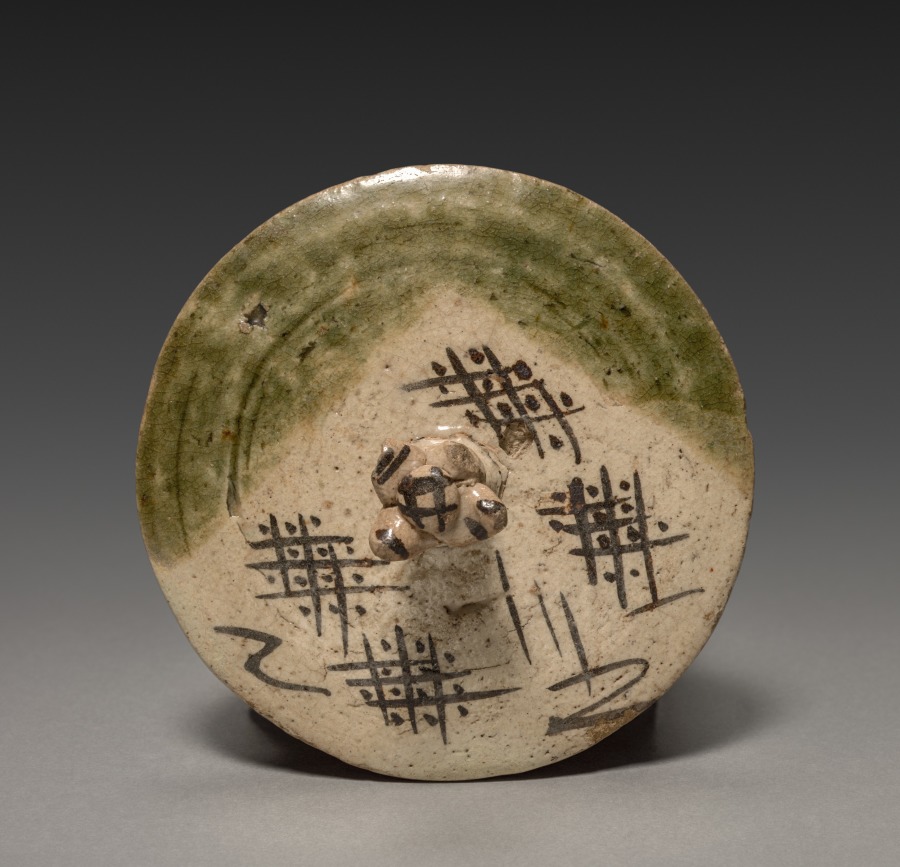
Ewer (Suichū) (lid)
Cleveland Museum of Art
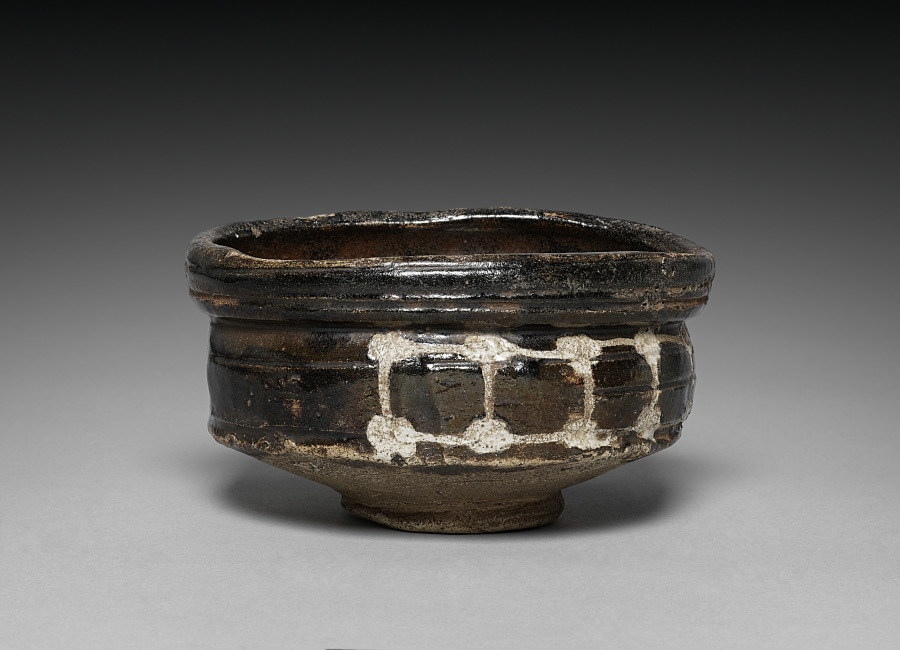
Clog-shaped Teabowl
Cleveland Museum of Art
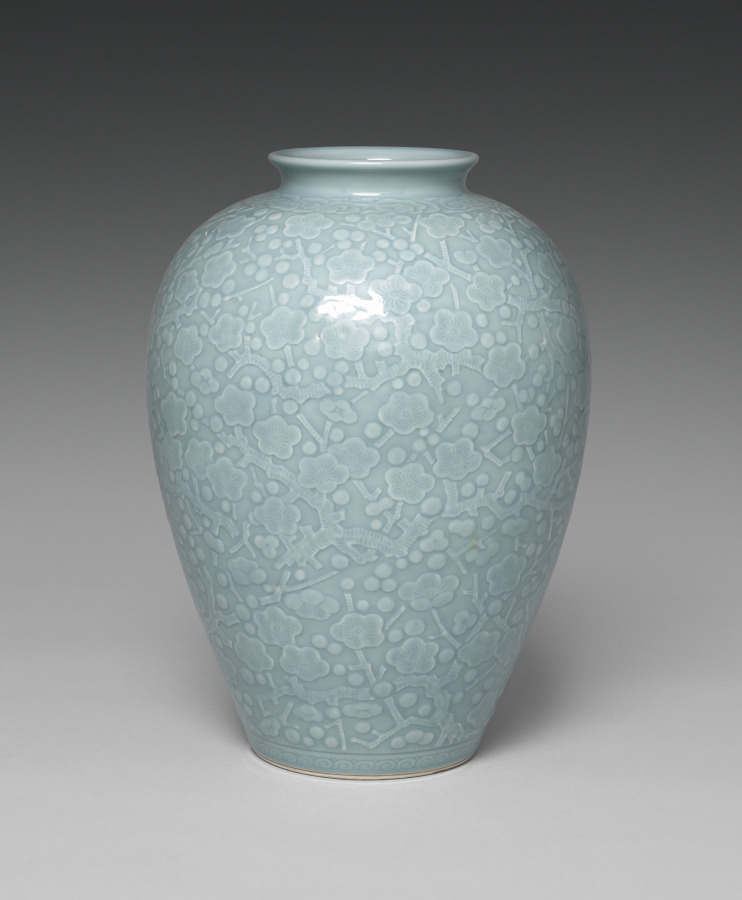
Vase with Plum Blossoms
Cleveland Museum of Art
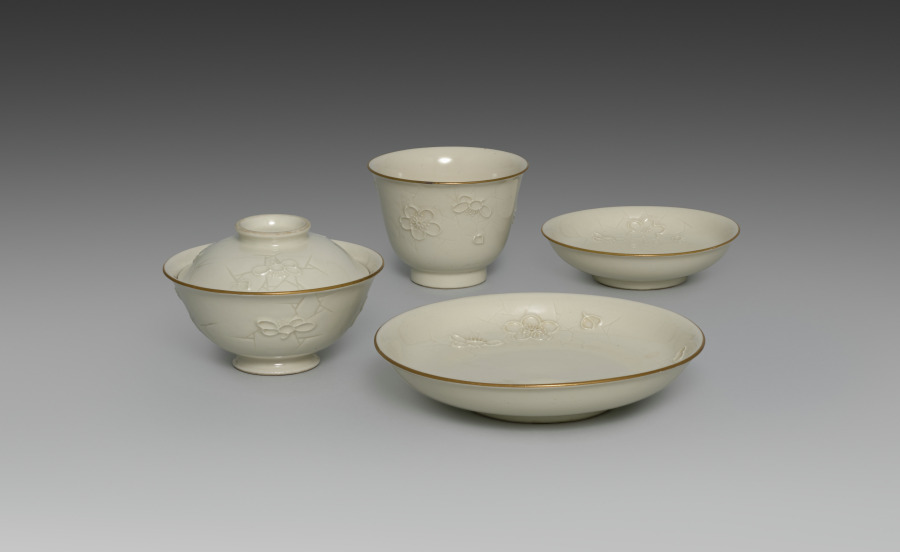
Dining Set with Plum Blossoms and Cracked-Ice
Cleveland Museum of Art
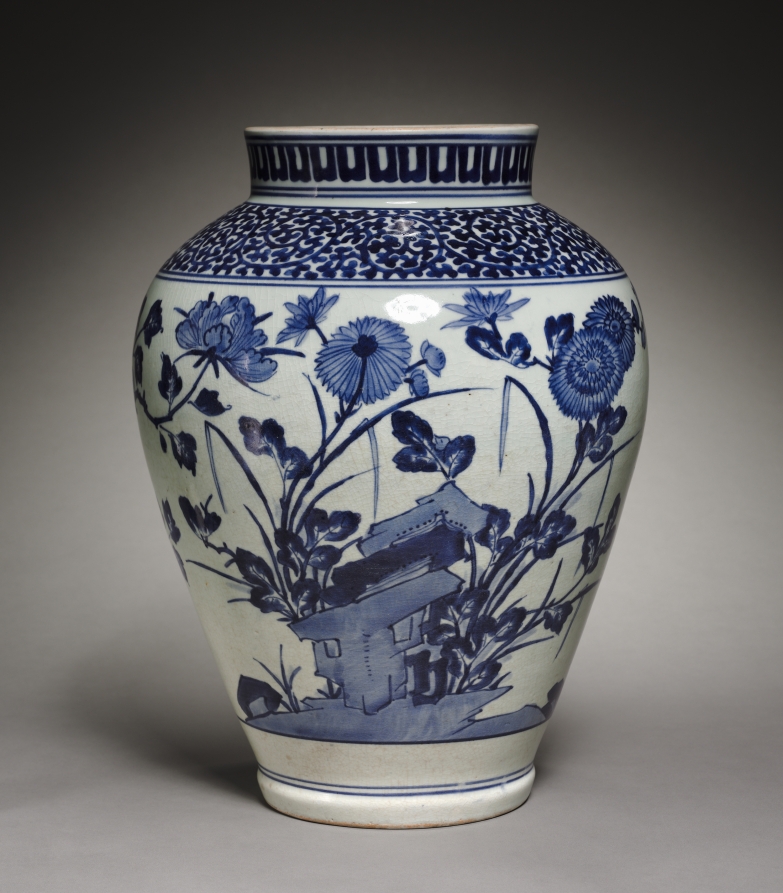
Large Jar with Peonies, Orchids, and Chrysanthemums
Cleveland Museum of Art
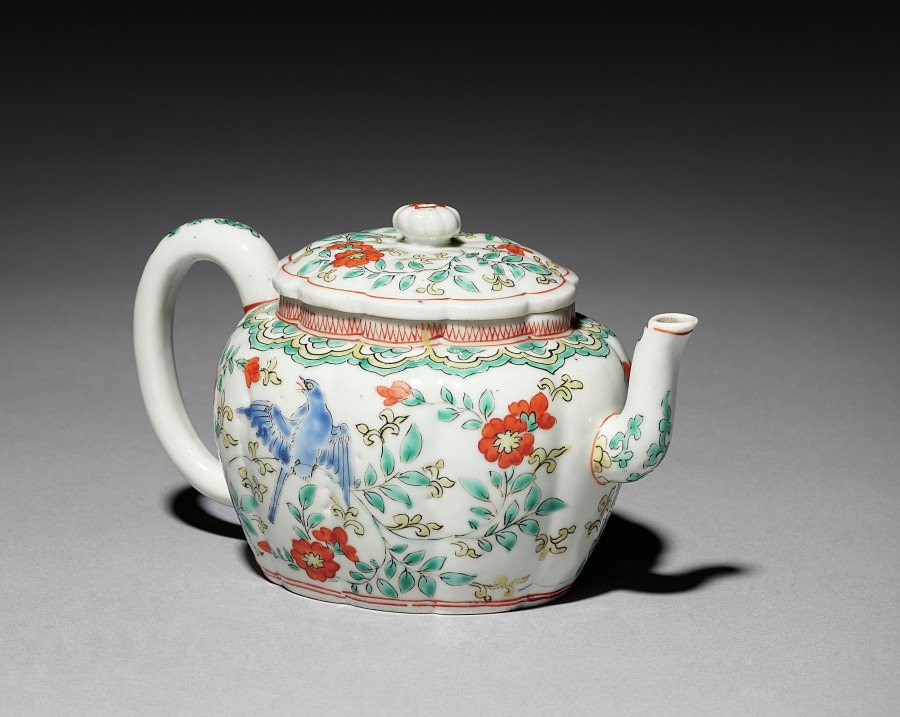
Teapot with Birds and Flowers
Cleveland Museum of Art

Ewer with landscapes and flowers
Minneapolis Institute of Art

Tea bowl
Minneapolis Institute of Art
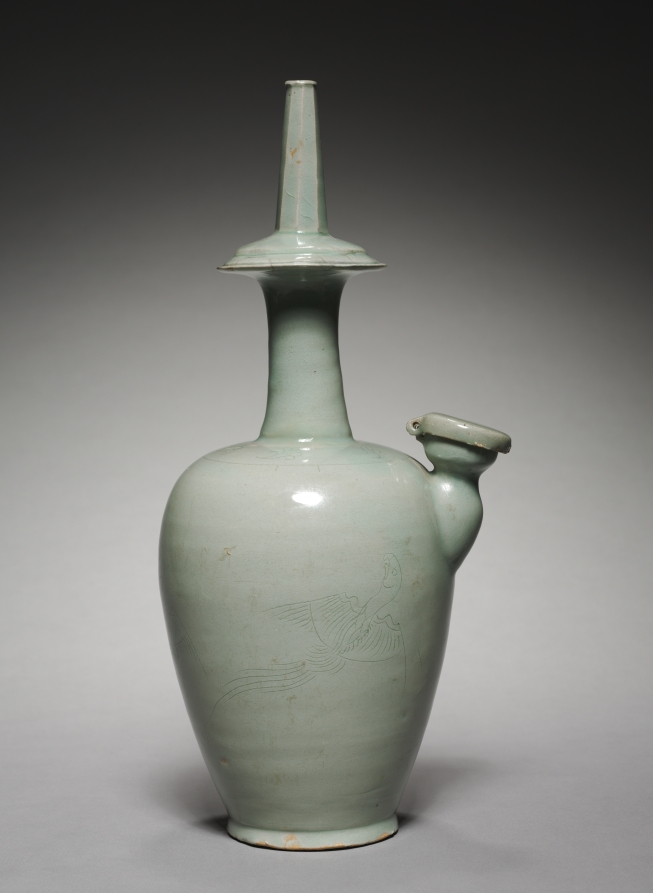
Water Ewer for Rituals (Kundika) with Incised Parrot Design
Cleveland Museum of Art