Cleveland Museum of Art
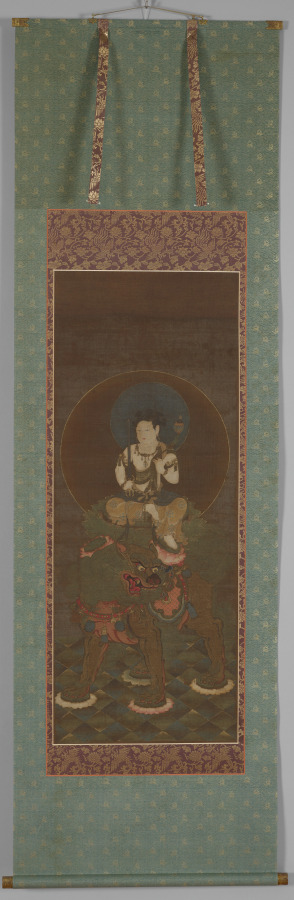
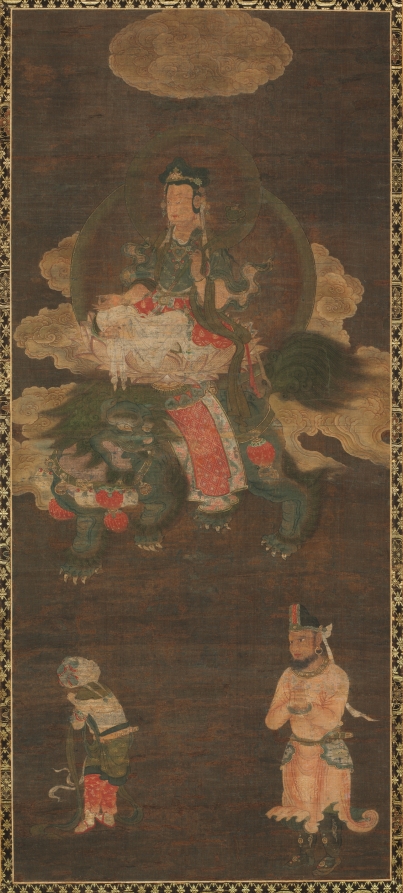
Monju with Five Hair Knots
- Date
- late 1200s–early 1300s
- Medium
- Hanging scroll; ink, color, gold, and cut gold on silk
- Culture
- Japan, Kamakura period (1185–1333)
- Department
- Japanese Art
- Institution
- Cleveland Museum of Art
This Buddhist painting shows Monju, Manjushri in Sanskrit, riding a lion. Monju is a bodhisattva, a being who, though enlightened, chooses not to become a Buddha but instead helps others achieve enlightenment. Monju’s youthfulness symbolizes his pure wisdom, unsullied by the world, and his five hair knots represent his vow to keep calamity at bay. The supernatural nature of his lion is emphasized by its hair, every strand painted in gold, as well as by the lotus platforms beneath each of its feet. The boy’s bejeweled body and silk finery is meant to resemble that of an Indian prince. This painting is exemplary of the Kamakura period, known for artworks with special attention paid to the realism of images.
The authoritative record is held by Cleveland Museum of Art. LinkedCulture surfaces this object and its connections; it does not alter institutional metadata.
Related across collections
Semantically similar works from Cleveland Museum of Art and other institutions.

Monju on a Lion
Minneapolis Institute of Art
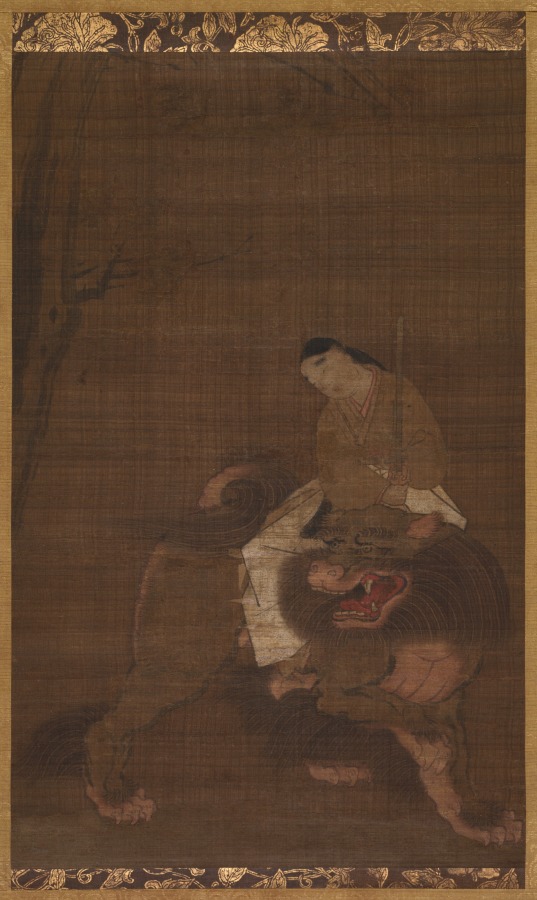
Monju as a Child
Cleveland Museum of Art
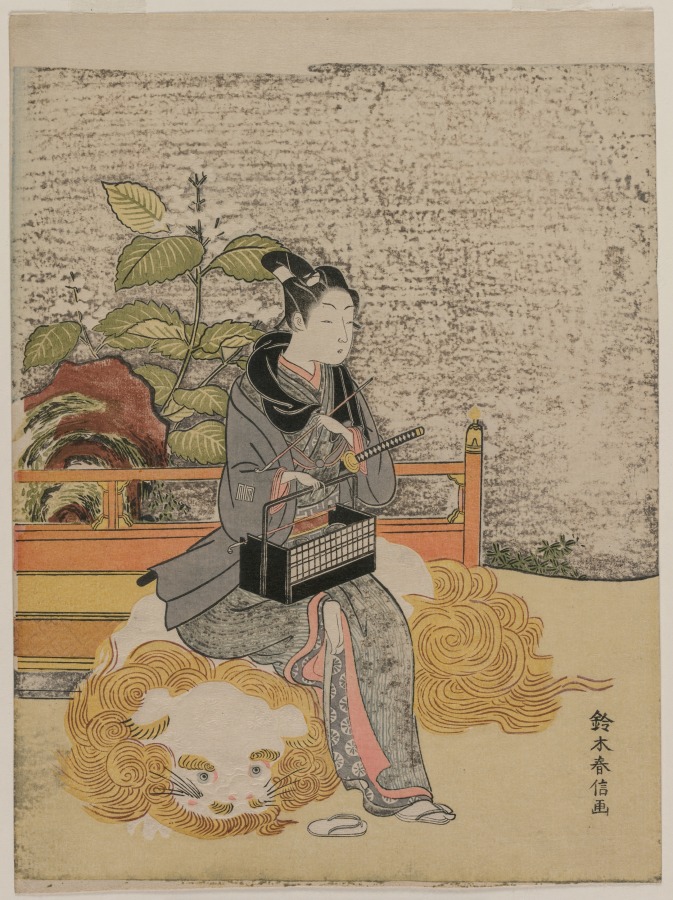
Youth as a Stand-in Monju
Cleveland Museum of Art
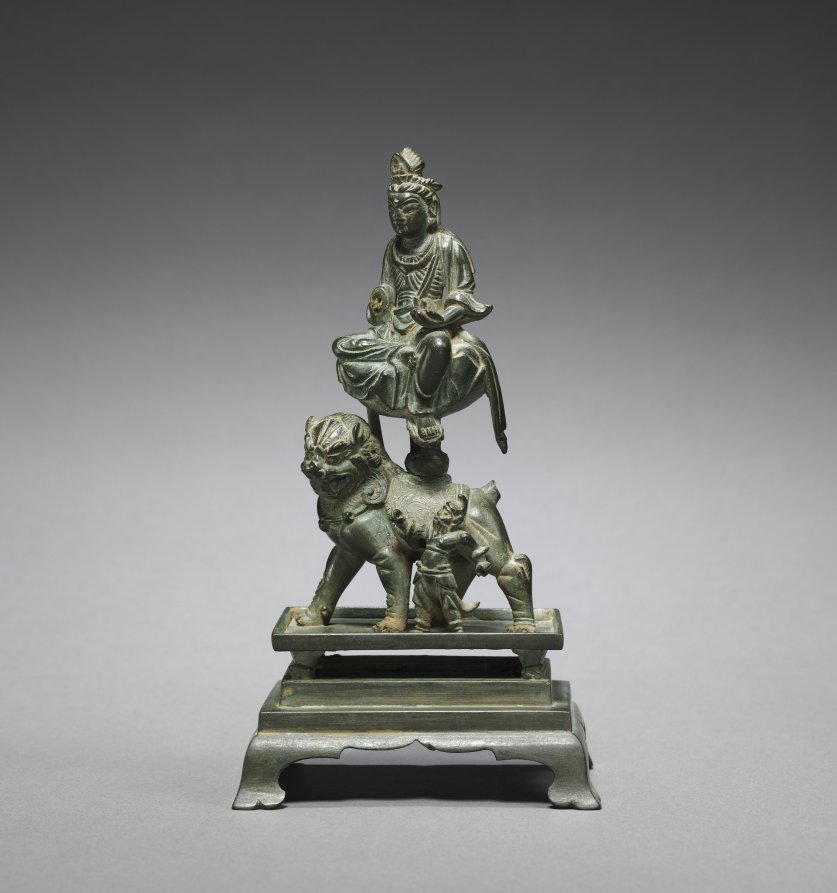
Manjusri Riding on a Lion
Cleveland Museum of Art
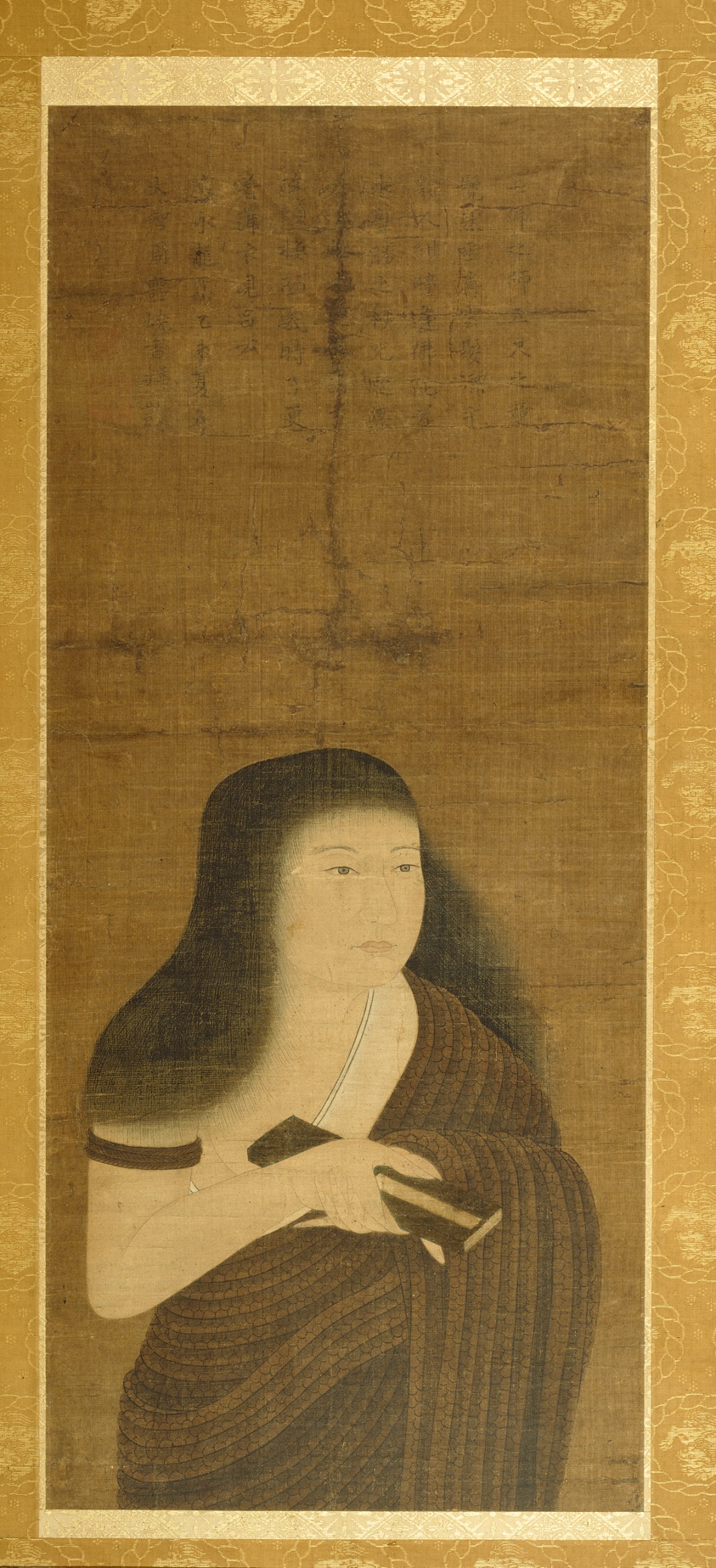
Monju Dressed in a Robe of Braided Grass (Nawa Monju)
Art Institute of Chicago
Seated Bodhisattva of Wisdom with Five Tufts of Hair (Gokei Monju)
Harvard Art Museums
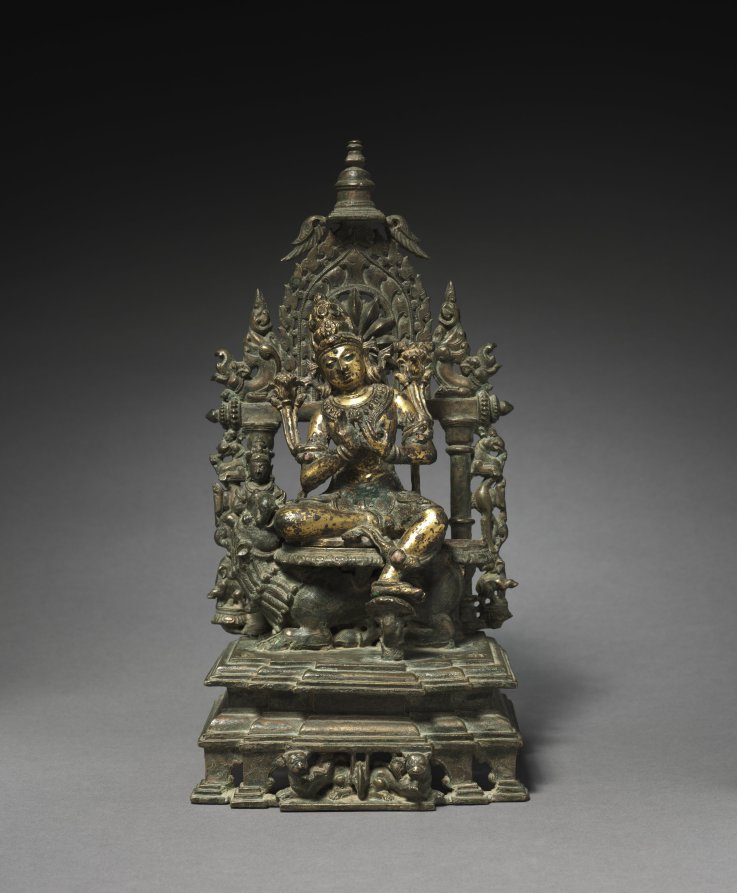
Bodhisattva Manjushri: Lord of Wisdom
Cleveland Museum of Art
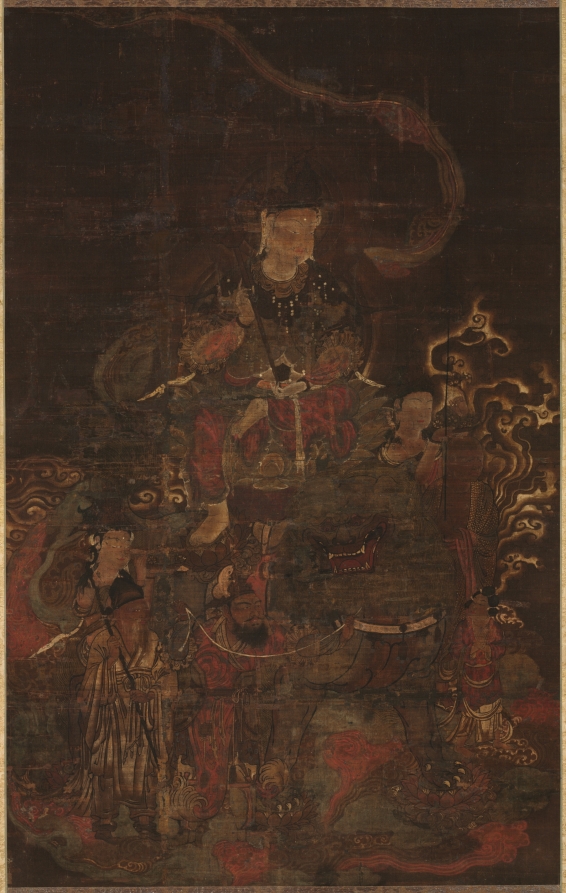
Monju Riding Lion with Attendants
Cleveland Museum of Art
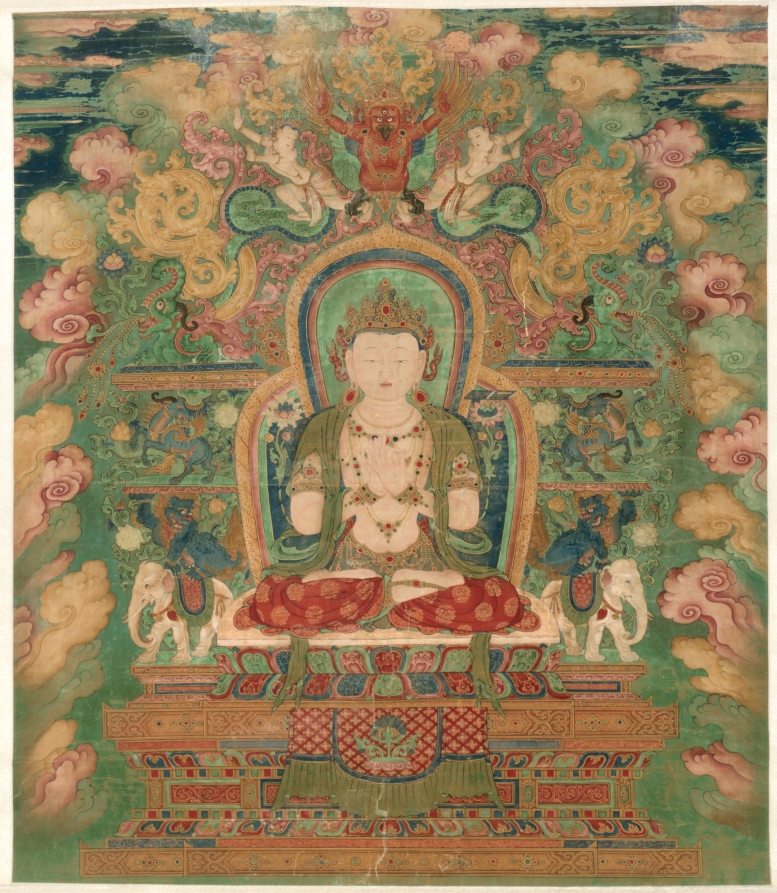
Manjushri
Cleveland Museum of Art
Shakyamuni Triad: Buddha Attended by Manjushri and Samantabhadra (Bodhisattva with Lion)
Cleveland Museum of Art

Bodhisattva Mañjuśrī
Minneapolis Institute of Art
Bodhisattva of Wisdom (Manjushri)
Cleveland Museum of Art