Cleveland Museum of Art
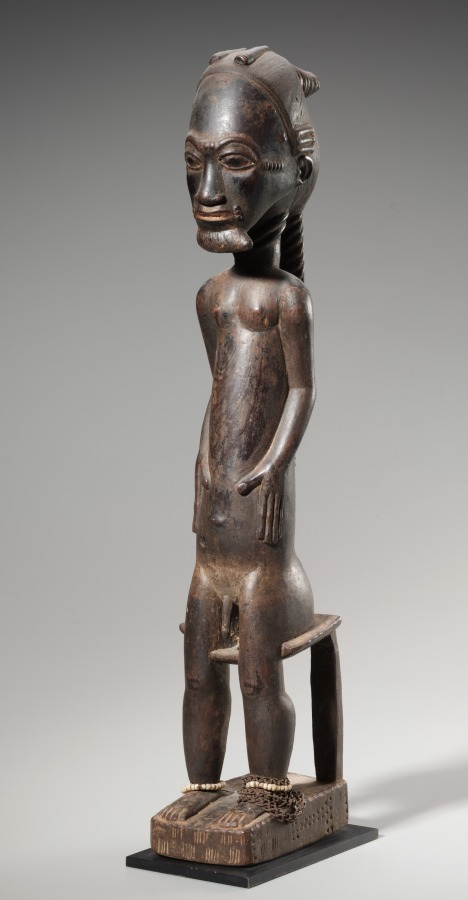
Male Figure from a Pair (asye usu)
- Date
- late 1800s–early 1900s
- Medium
- Wood, resin, glass beads, plant fiber, and metal
- Culture
- Africa, West Africa, Côte d’Ivoire, Baule-style carver
- Department
- African Art
- Institution
- Cleveland Museum of Art
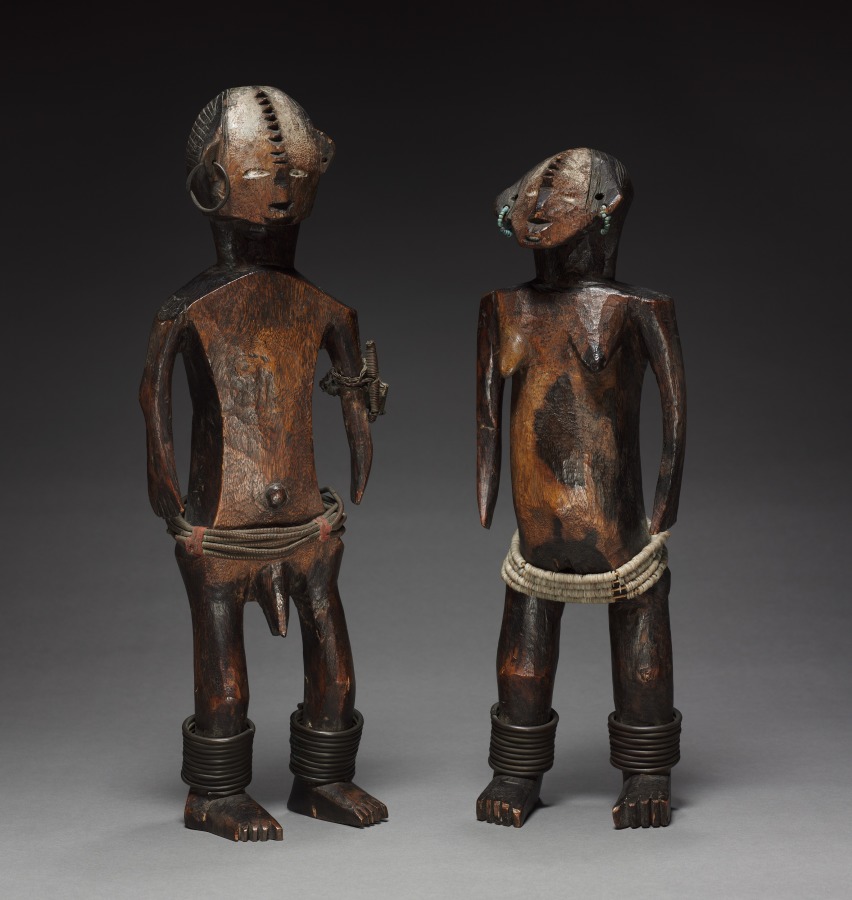
Baule figures carved as pairs usually represent untamed spirits of the wilderness called asye usu. These spirits may intervene in the lives of individuals by taking possession of them. If this possession does not result in madness, it can lead to the human host’s becoming a diviner who can enter into a trance to reveal the causes of ailments and other misfortunes. People who feel their lives are being interrupted by the asye usu commission carvings representing idealized male and female forms whose grace and beauty in both anatomy and adornment will seduce the spirits and compel them to use the sculptures as their temporary homes. Baule artists looked to the world around them to capture contemporary ideas and ideals of beauty; this figure's hairstyle would have been worn when the sculpture was carved.
The authoritative record is held by Cleveland Museum of Art. LinkedCulture surfaces this object and its connections; it does not alter institutional metadata.
Related across collections
Semantically similar works from Cleveland Museum of Art and other institutions.
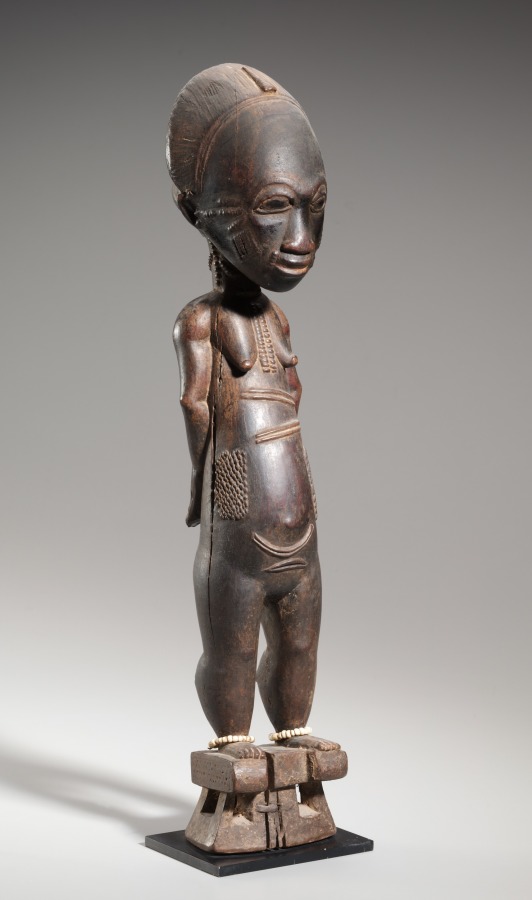
Female Figure from a Pair (asye usu)
Cleveland Museum of Art
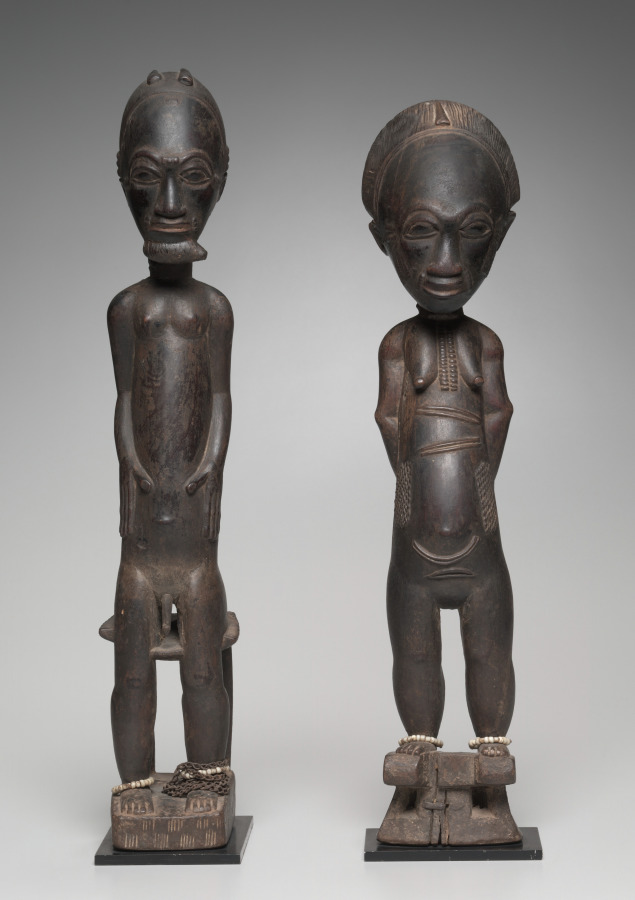
Figure Pair (asye usu)
Cleveland Museum of Art
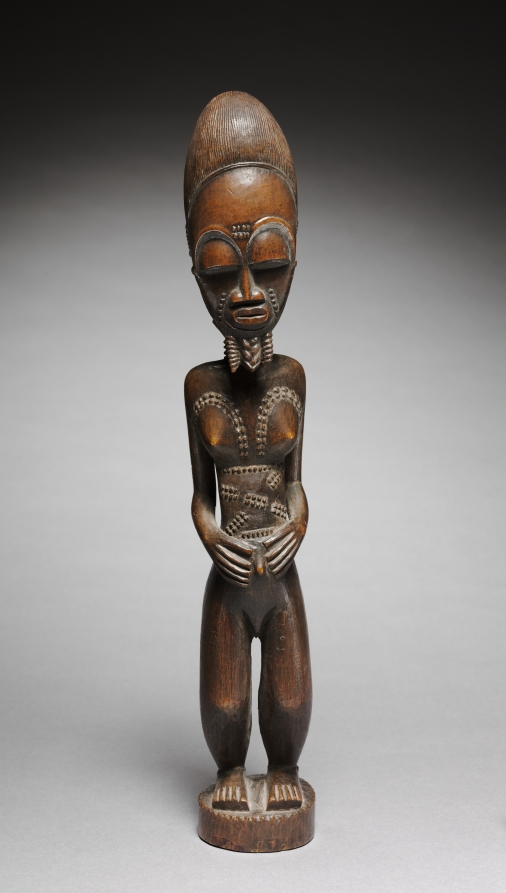
Male Figure
Cleveland Museum of Art
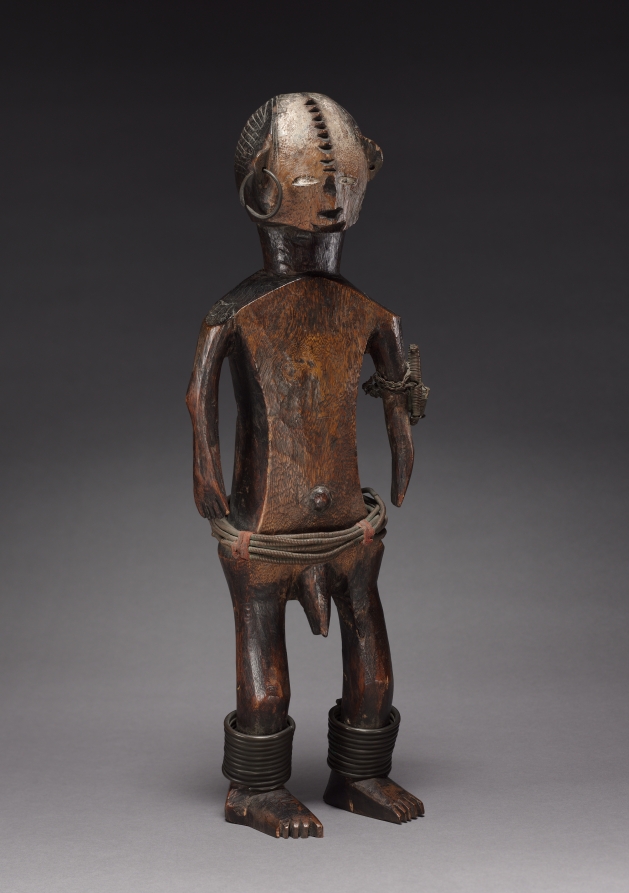
Male Figure of a Pair
Cleveland Museum of Art

Male figure (one of a pair)
Minneapolis Institute of Art
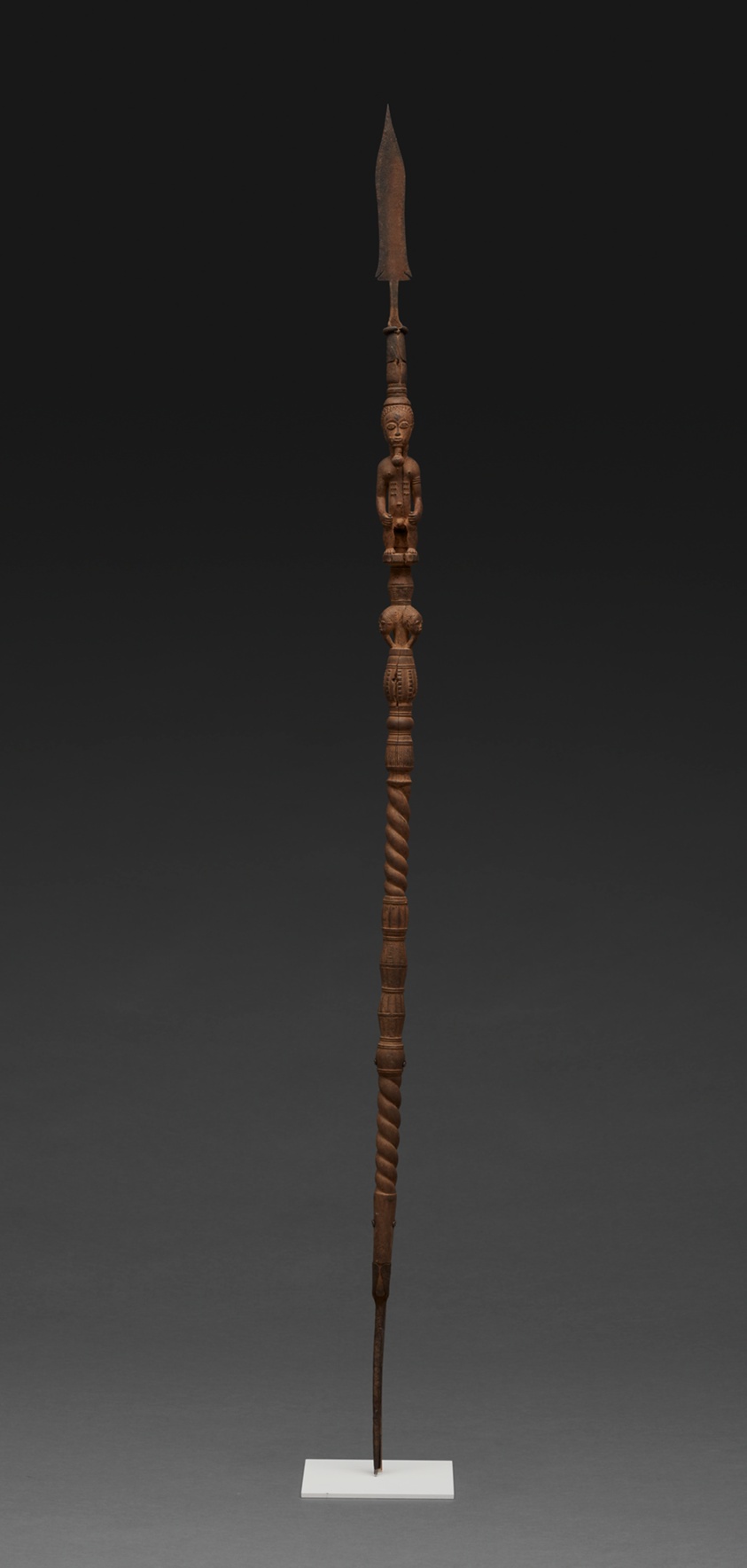
Figural Staff
Art Institute of Chicago
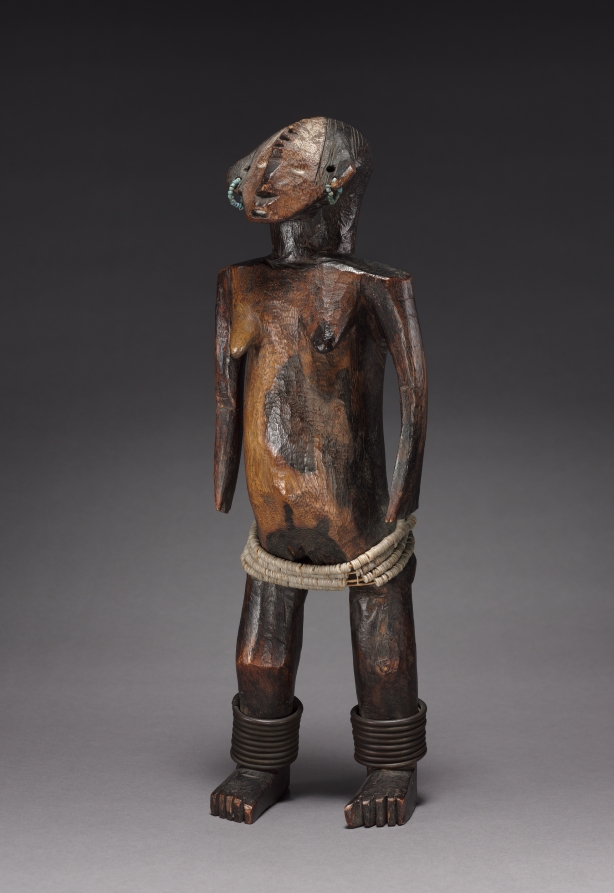
Female Figure of a Pair
Cleveland Museum of Art
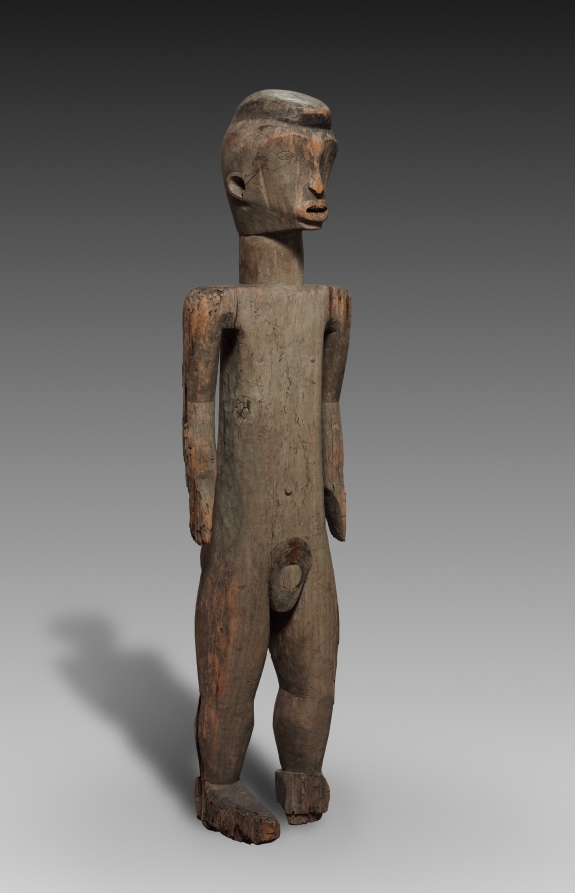
Figure of a Pair
Cleveland Museum of Art

Heddle Pulley
Minneapolis Institute of Art
Pair of Figures
Cleveland Museum of Art
Figure of a Pair
Cleveland Museum of Art

Male Figure
Minneapolis Institute of Art