Cleveland Museum of Art
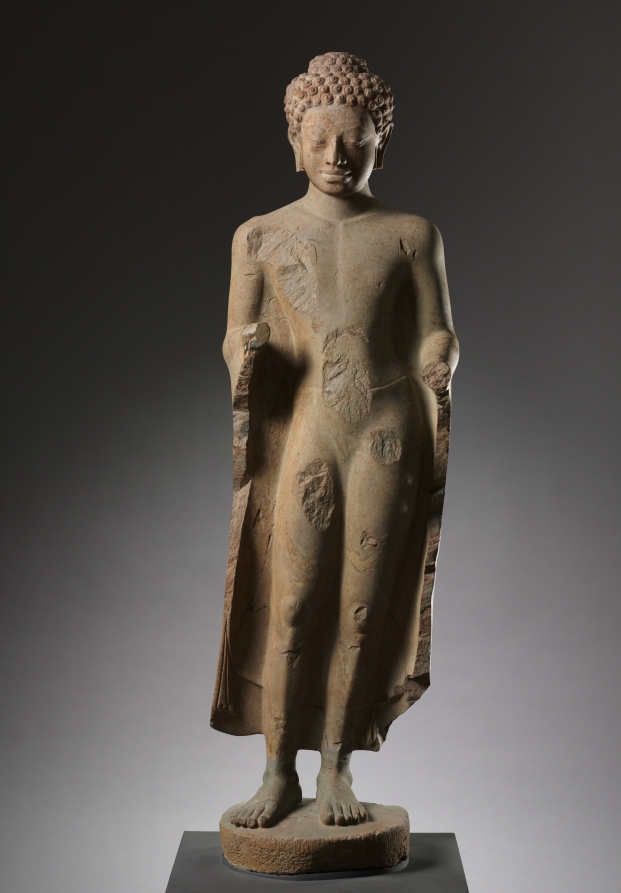
Buddha
- Date
- 600s
- Medium
- sandstone
- Culture
- Thailand, probably Shri Thep, Mon-Dvaravati style
- Department
- Indian and Southeast Asian Art
- Institution
- Cleveland Museum of Art
This elegant, monumental sculpture is the earliest type of Buddha image to be made in Southeast Asia. It comes from a site in north-central Thailand that was part of the Dvaravati kingdom (500s–1200s). The body shows direct links with the sculptural traditions at Sarnath in northern India on the banks of the Ganges River. The expression of the face has the peaceful introspection that became canonical during the Gupta period of the 5th century in India. The shape of the head and facial features—unlike Indian precursors—suggest that the artists and patrons of Dvaravati made the Buddha resemble the local Mon population. The figure's stance has been rendered with remarkable fluidity, and the abstracted caps of the knees and minimalist modeling of the pelvis lend the figure an otherworldly, transcendent demeanor, balanced by the approachable smiling countenance. Now reunited for display, CMA acquired the sculpture in two pieces, when the feet ( CMA 1974.91 ) and the body were found in separate locations.
The authoritative record is held by Cleveland Museum of Art. LinkedCulture surfaces this object and its connections; it does not alter institutional metadata.
Related across collections
Semantically similar works from Cleveland Museum of Art and other institutions.
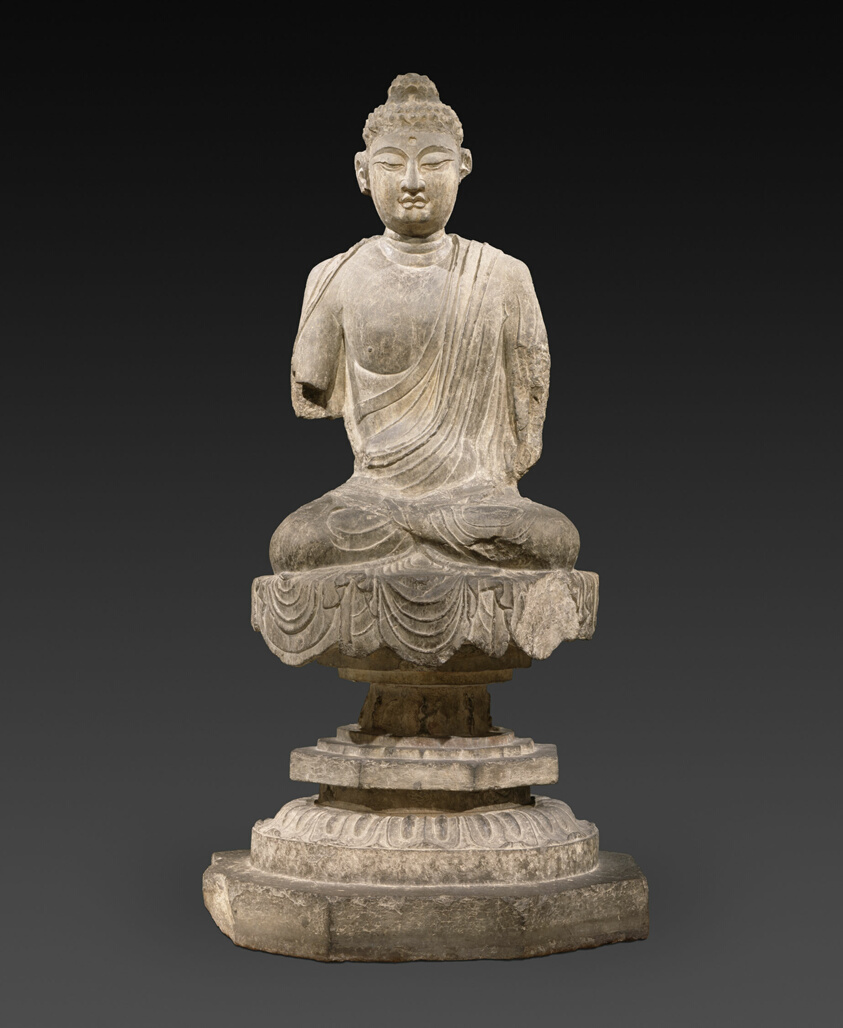
Buddha
Art Institute of Chicago
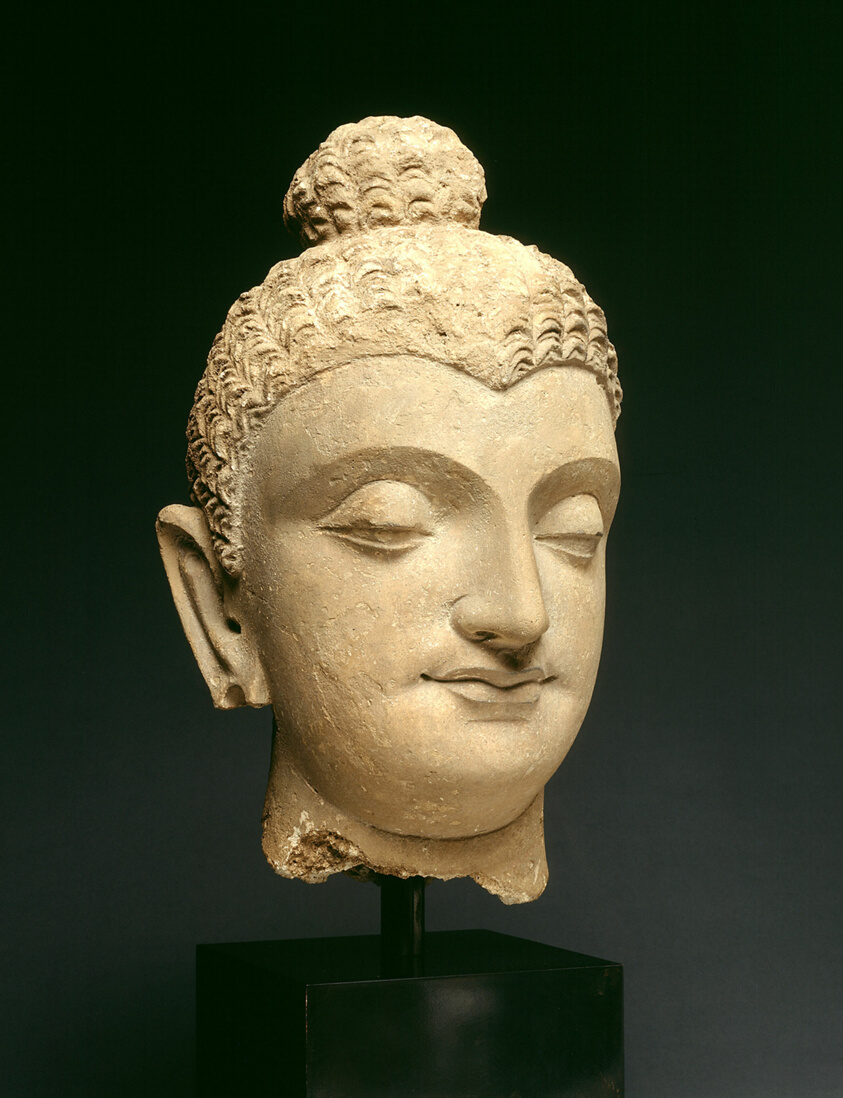
Buddha Head
Art Institute of Chicago

Head from an image of the Buddha
Minneapolis Institute of Art
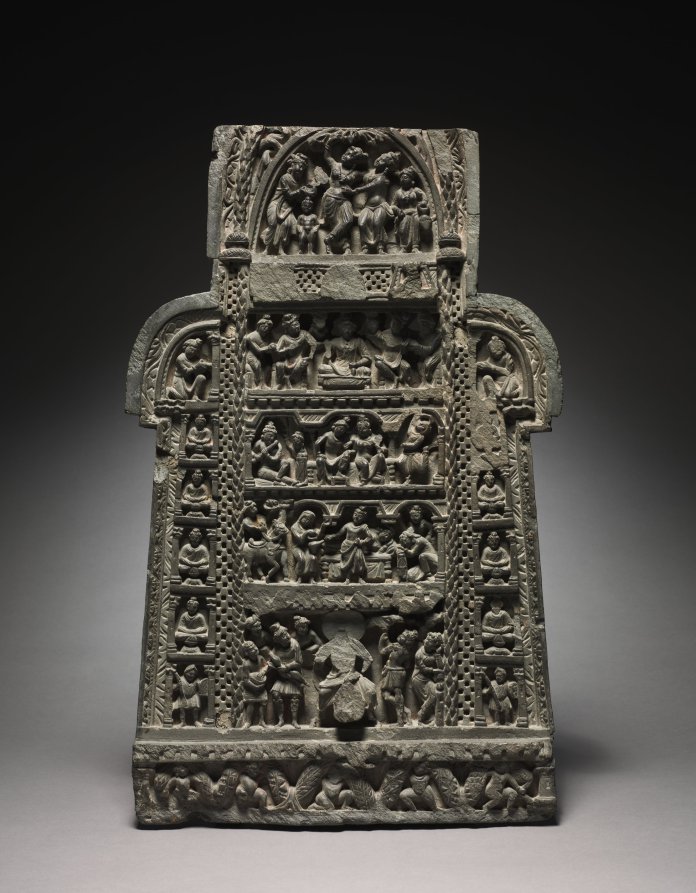
Scenes from the Life of Buddha
Cleveland Museum of Art
Head of Buddha, probably the Buddha Sakyamuni
Harvard Art Museums
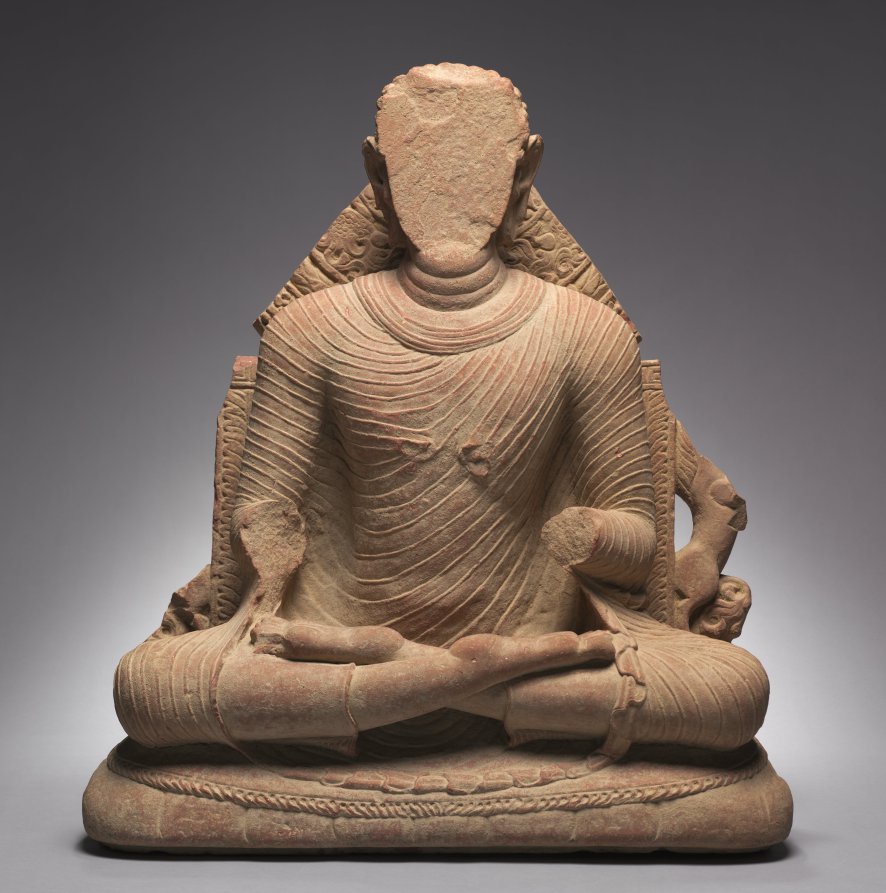
Seated Buddha
Cleveland Museum of Art
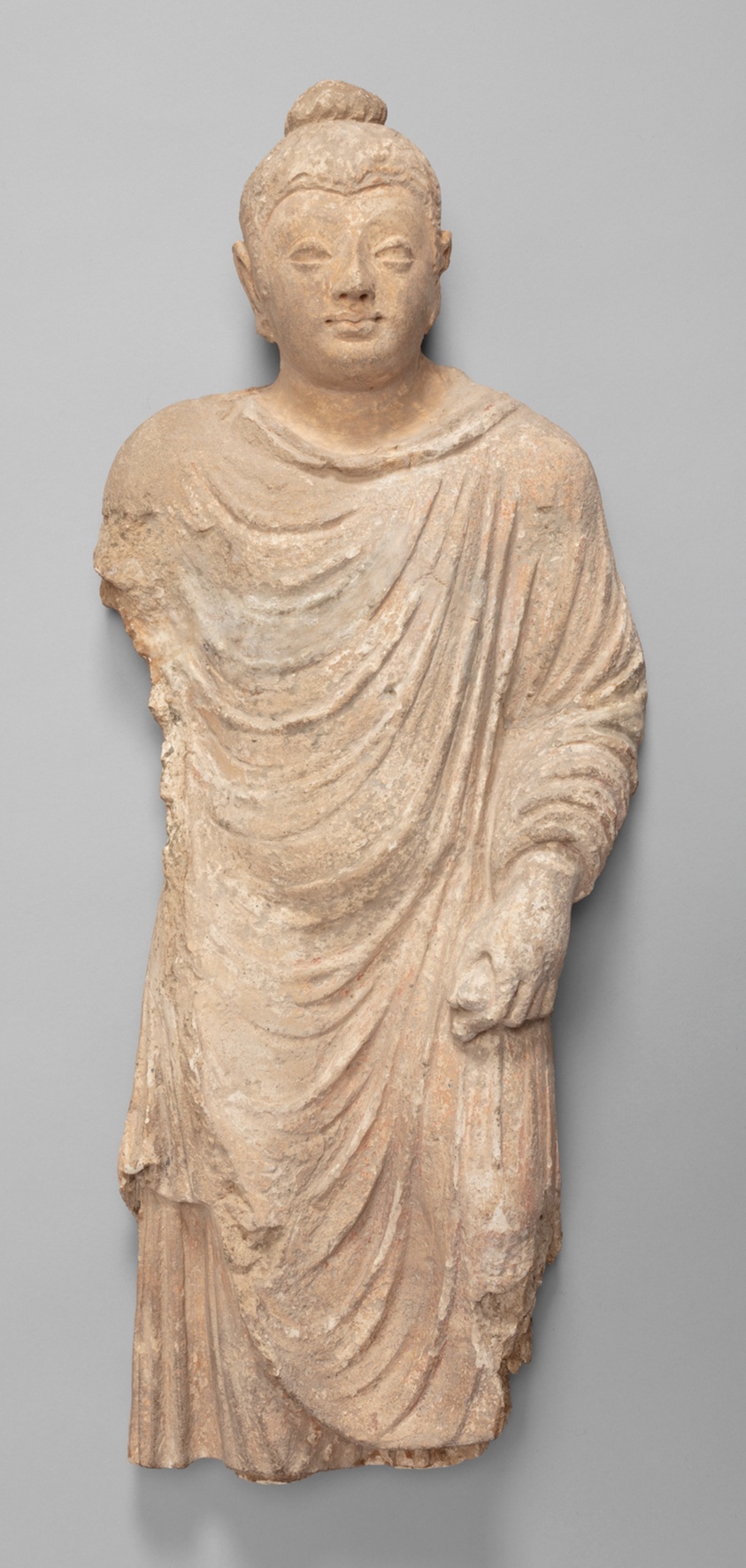
Walking Buddha
Art Institute of Chicago
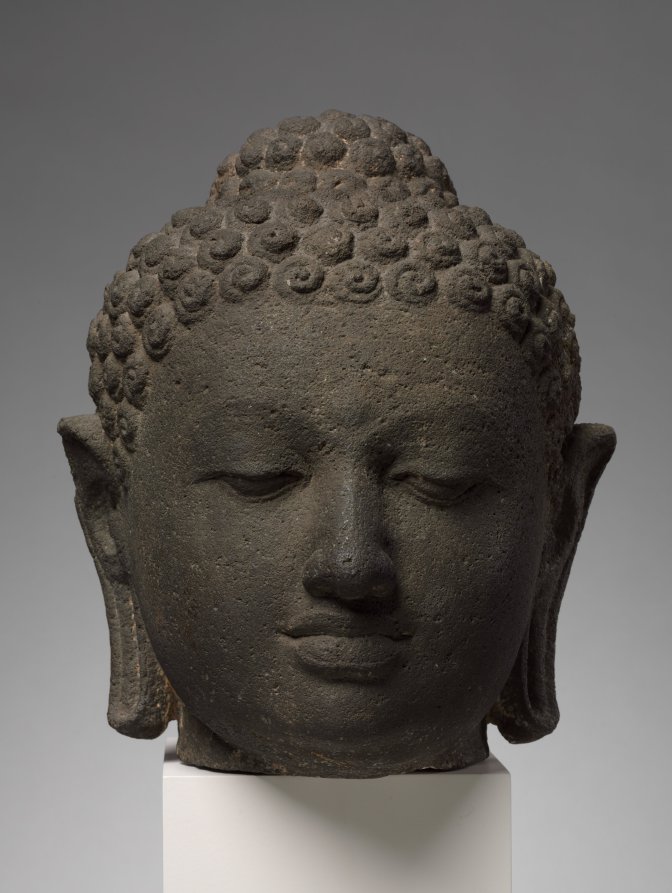
Head of Buddha
Cleveland Museum of Art
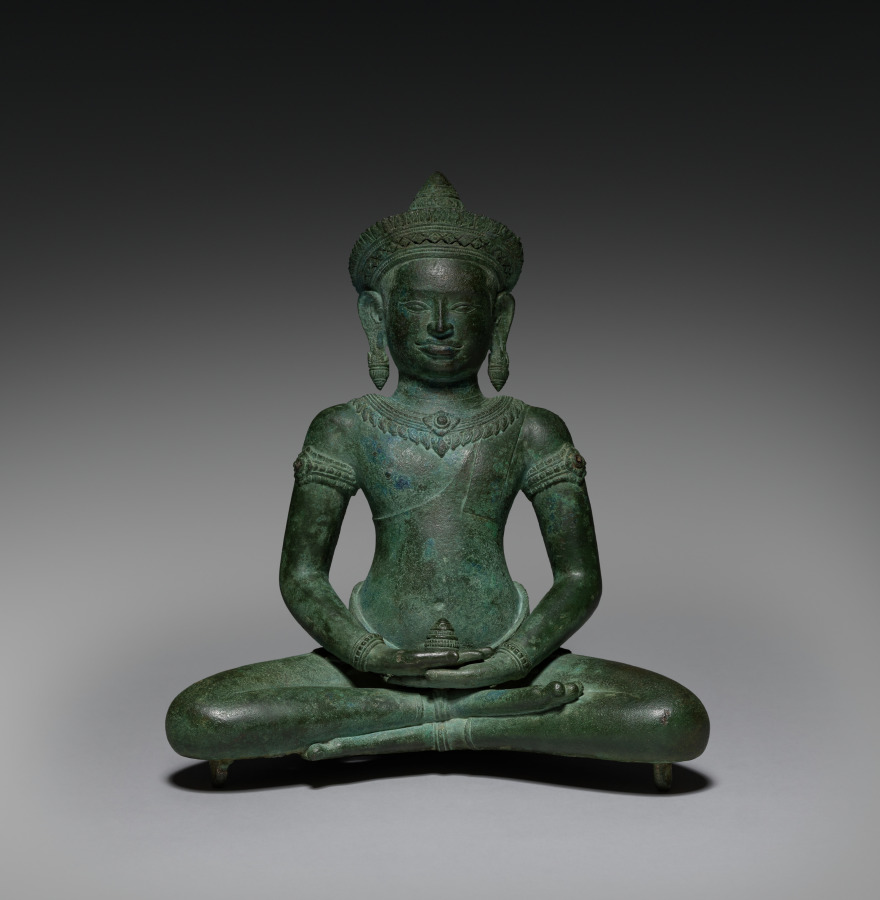
Naga-enthroned Buddha
Cleveland Museum of Art
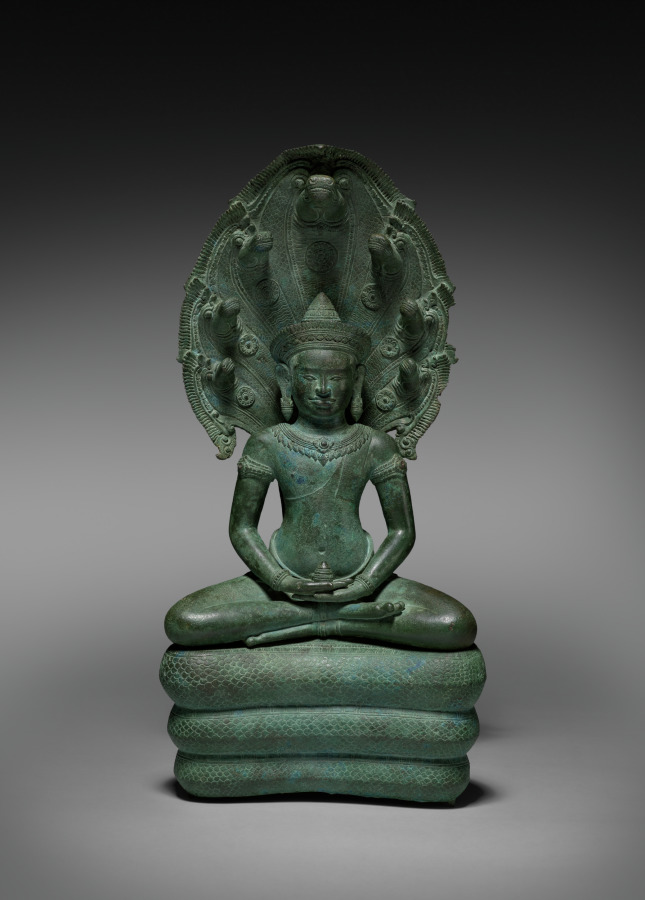
Naga-Enthroned Buddha
Cleveland Museum of Art
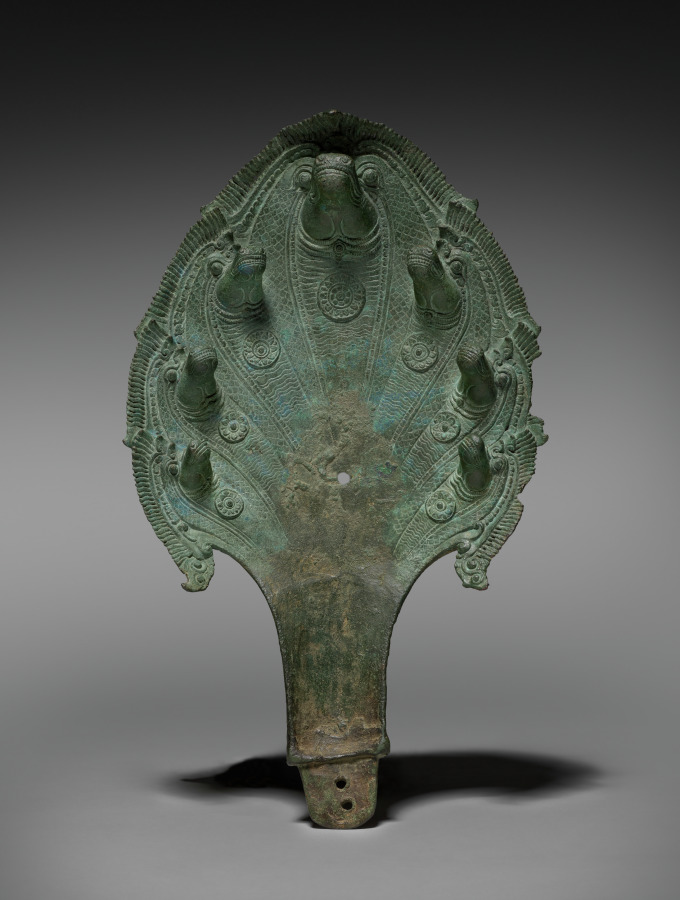
Naga-enthroned Buddha (serpent hoods)
Cleveland Museum of Art
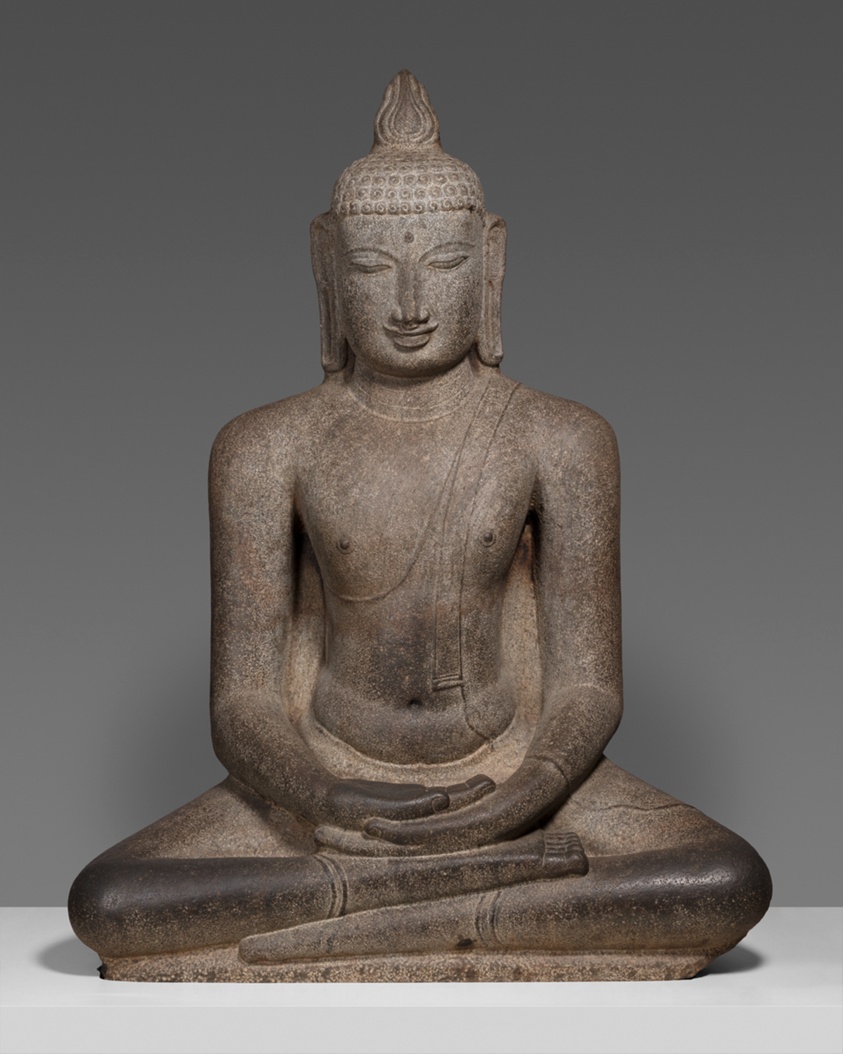
Buddha Shakyamuni Seated in Meditation (Dhyanamudra)
Art Institute of Chicago