Cleveland Museum of Art
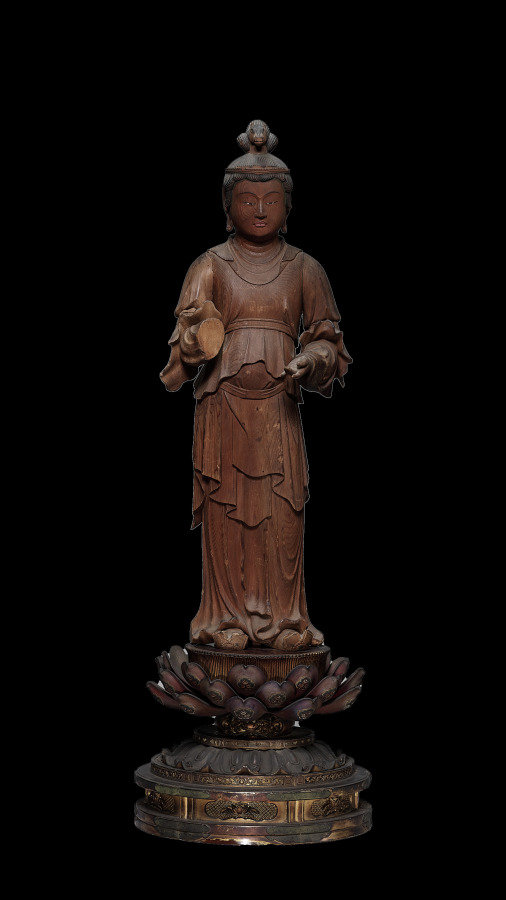
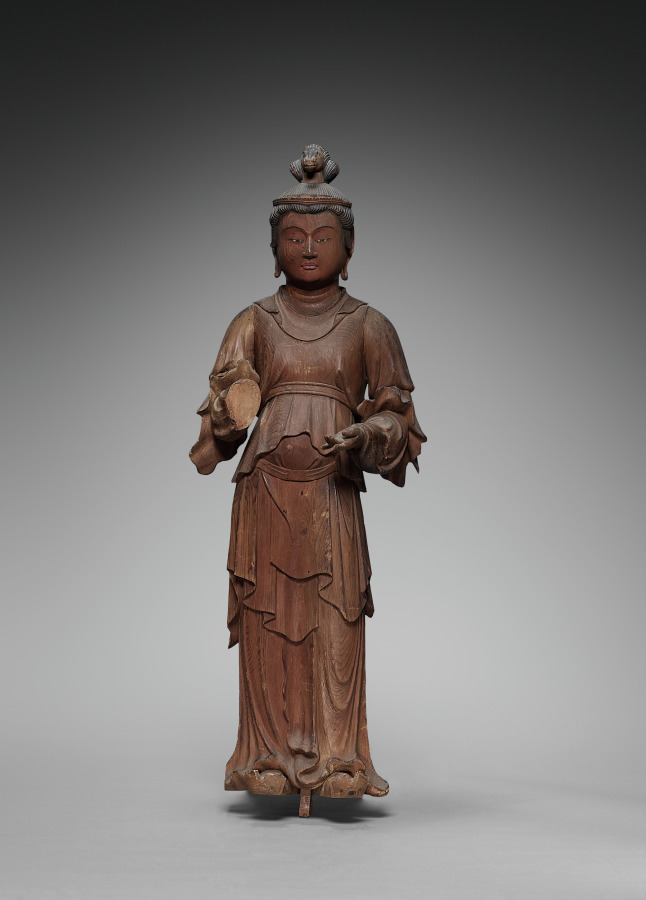
Batō (Horse-Headed) Kannon
- Date
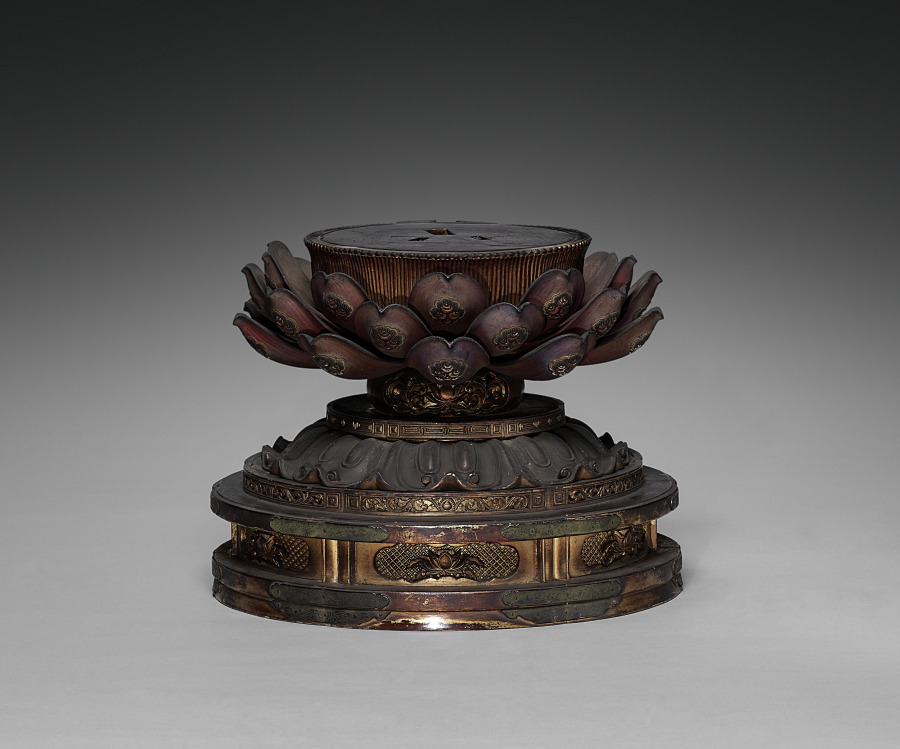
- early 1300s, pedestal 1600s–1700s
- Medium
- Wood with traces of color and gold; pedestal: wood with lacquer, color, and gold
- Culture
- Japan, Kamakura period (1185–1333)
- Department
- Japanese Art
- Institution
- Cleveland Museum of Art
Batō Kannon, or Hayagriva Avalokiteshvara in Sanskrit, is the “horse-headed” form of the bodhisattva of compassion, who presides over the realm of animals in the Buddhist Six Realms of Transmigration (rebirth). A horse’s head appears in the hair of this sculpture to identify it. Bodhisattvas are beings who, though enlightened, choose to remain within the worlds of existence to help others. The six realms are heaven, hell, human, animal, hungry ghost, and ashura , or fierce supernatural entities.
The authoritative record is held by Cleveland Museum of Art. LinkedCulture surfaces this object and its connections; it does not alter institutional metadata.
Related across collections
Semantically similar works from Cleveland Museum of Art and other institutions.
Batō (Horse-Headed) Kannon
Cleveland Museum of Art
Batō (Horse-Headed) Kannon (base)
Cleveland Museum of Art

Kannon, the Bodhisattva of Compassion, from a group of 1000 (Kōfukuji sentaibutsu 興福寺千体仏)
Minneapolis Institute of Art

Kannon, the Bodhisattva of Compassion
Minneapolis Institute of Art
Kannon Bosatsu
Art Institute of Chicago
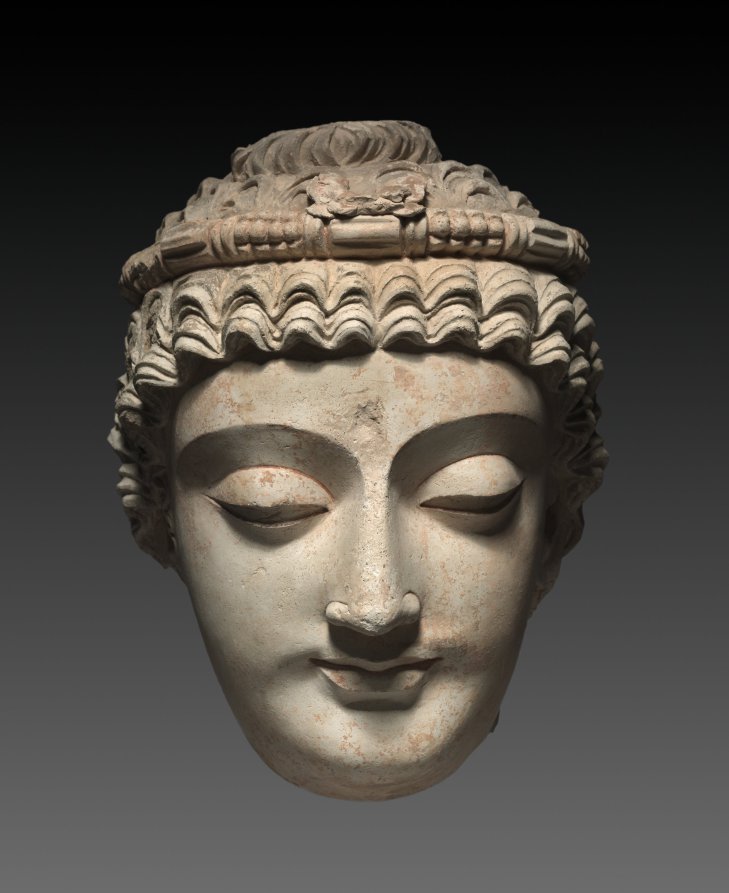
Head of Bodhisattva Avalokiteshvara
Cleveland Museum of Art

The Bodhisattva Avalokitesvara
Minneapolis Institute of Art
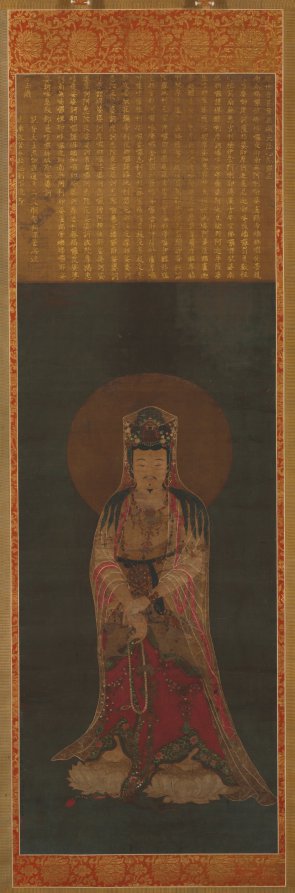
Kannon
Cleveland Museum of Art

White-robed Kannon
Minneapolis Institute of Art
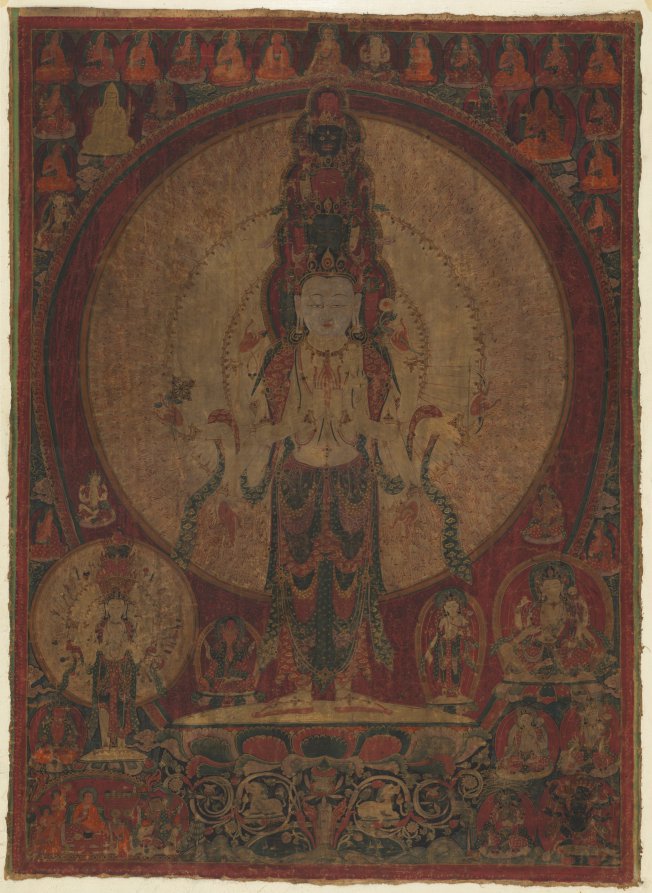
Eleven-Headed, Thousand-Armed Bodhisattva of Compassion (Avalokiteshvara)
Cleveland Museum of Art

Thangka of an eleven-headed Avalokiteshvara
Minneapolis Institute of Art

White-Robed Kannon
Minneapolis Institute of Art