Cleveland Museum of Art
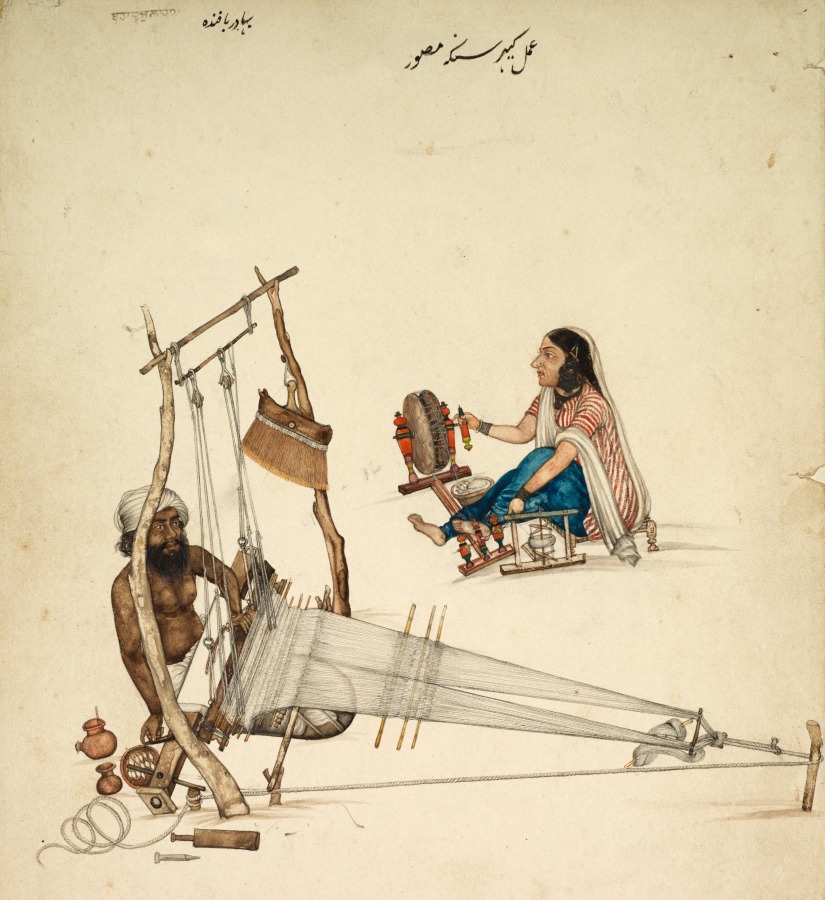
Weaving and Spinning
Kehar Singh
- Date
- c. 1860
- Medium
- Gum tempera and ink on paper
- Culture
- India, Punjab, probably Amritsar or Lahore, Company school, 19th century
- Department
- Indian and Southeast Asian Art
- Institution
- Cleveland Museum of Art
Hand-spun and woven cotton cloth was probably the most important commodity exported from India during the 1700s and 1800s. The British East India Company expanded to manage the business of textile production and international sale. The humble conditions under which Indian weavers and spinners worked are depicted here, where simple looms are made from crude branches, and the craftsmen work on the ground. The inscriptions at the top of the page indicate the artist’s name and the workers’ occupations.
The authoritative record is held by Cleveland Museum of Art. LinkedCulture surfaces this object and its connections; it does not alter institutional metadata.
Related across collections
Semantically similar works from Cleveland Museum of Art and other institutions.
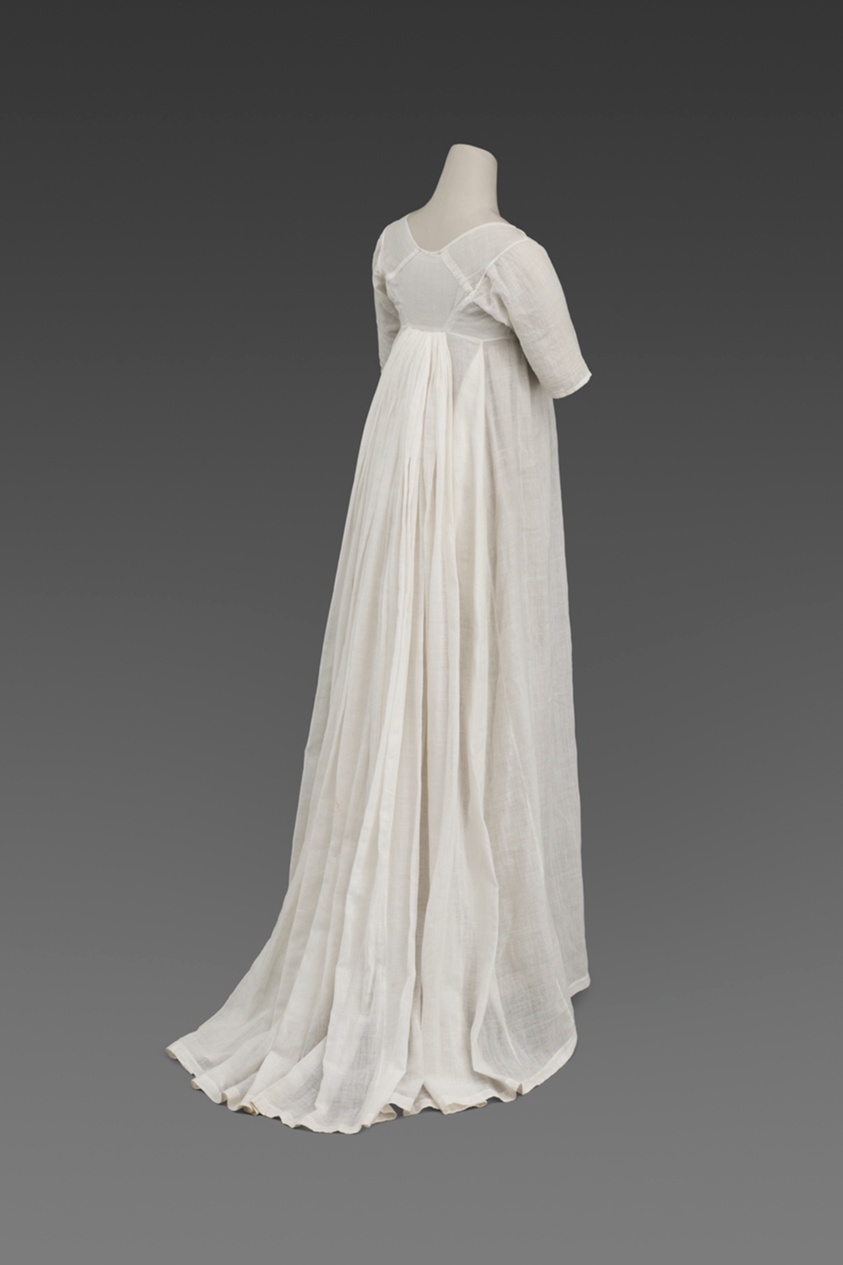
Woman's Day Dress
Art Institute of Chicago
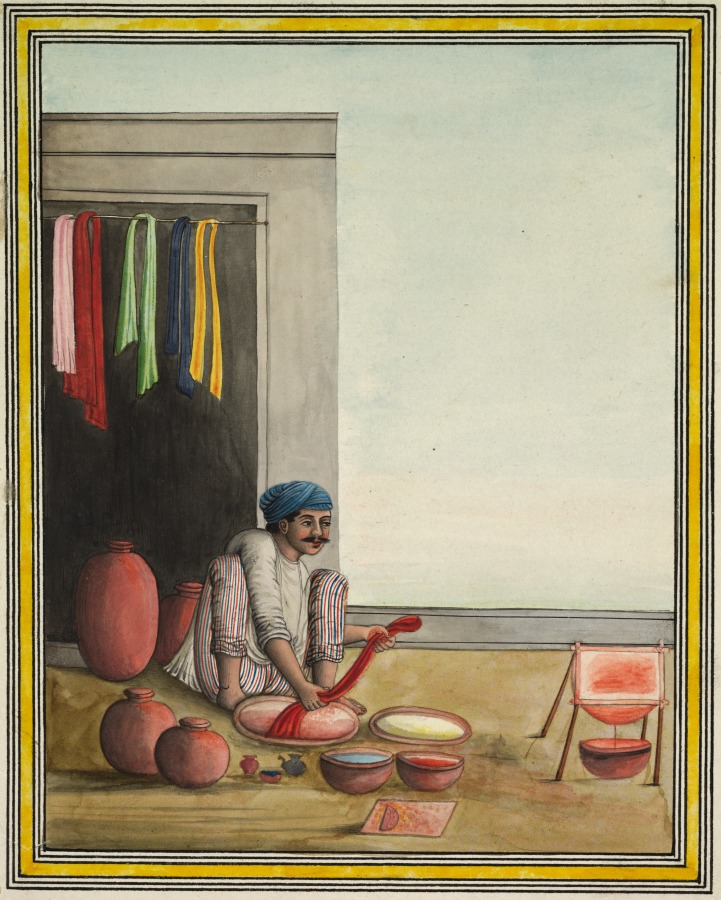
Man Dyeing Cloth
Cleveland Museum of Art
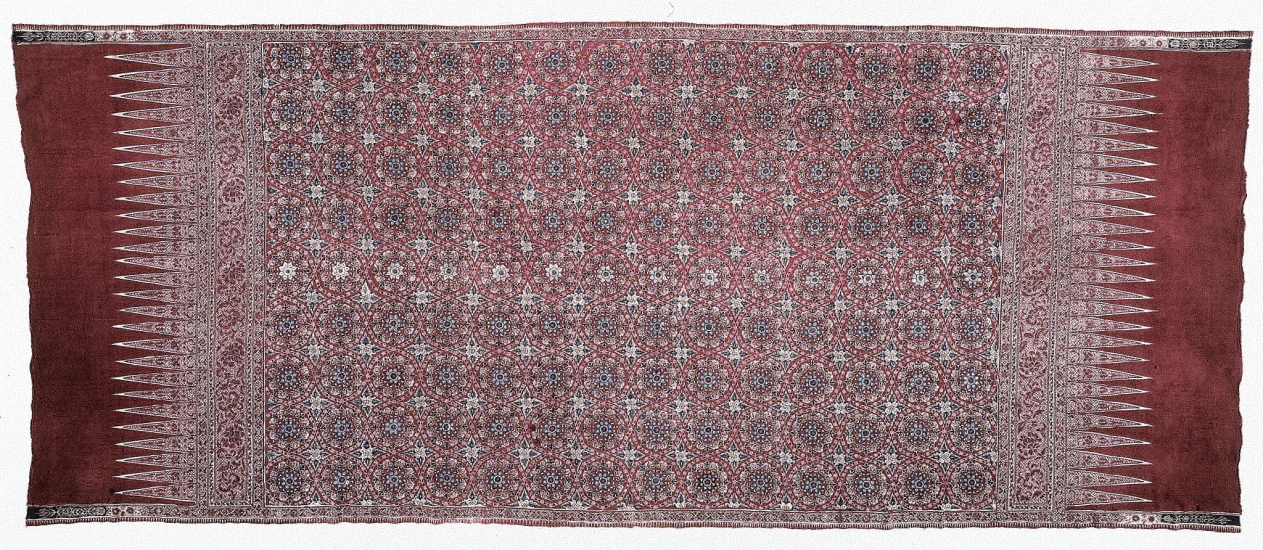
Oversize Hip Wrapper (tapis)
Cleveland Museum of Art
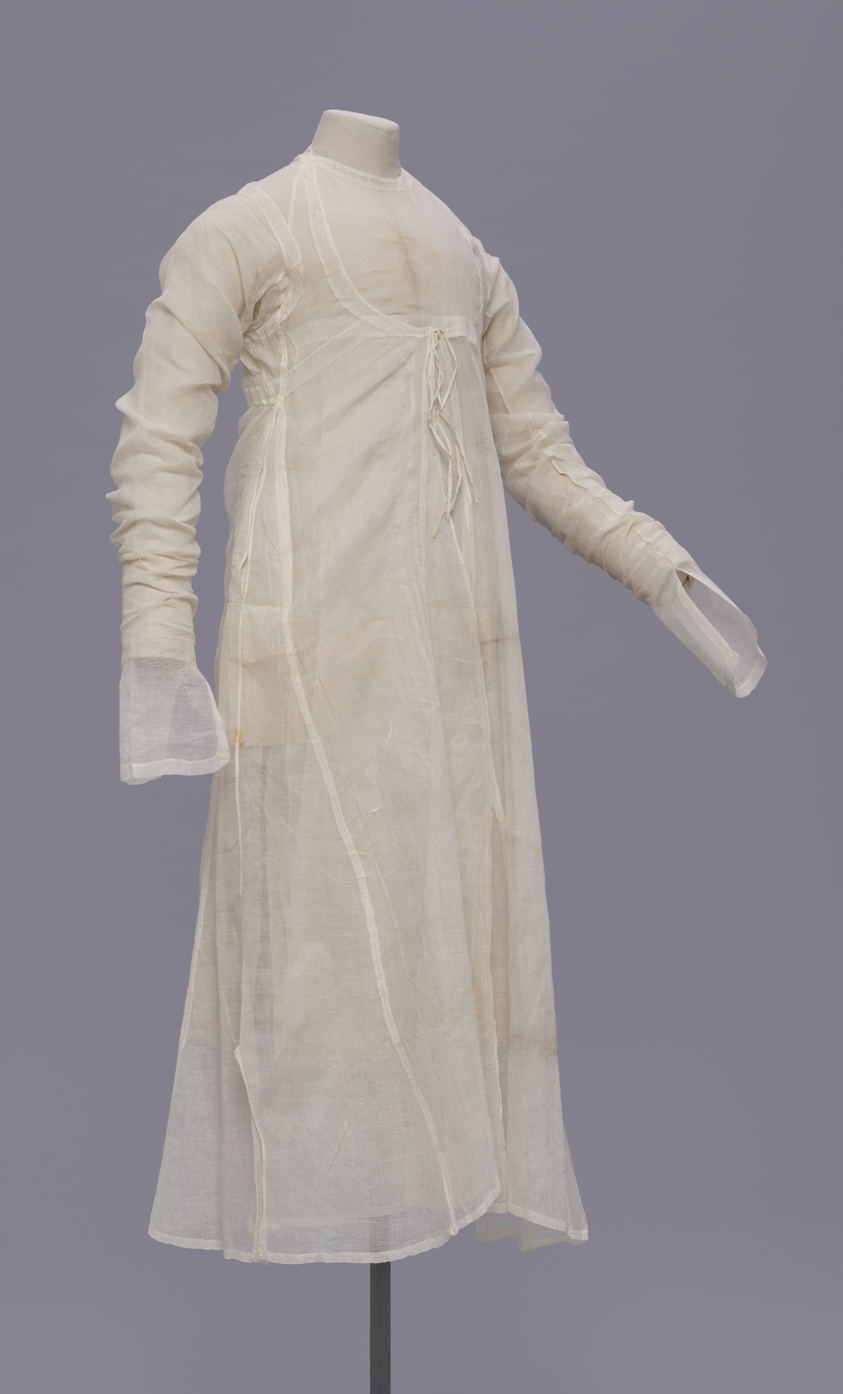
Man's Angarkha (Outer Robe)
Art Institute of Chicago

Painted cotton Pha nung textile panel
Minneapolis Institute of Art

Textile panel
Minneapolis Institute of Art
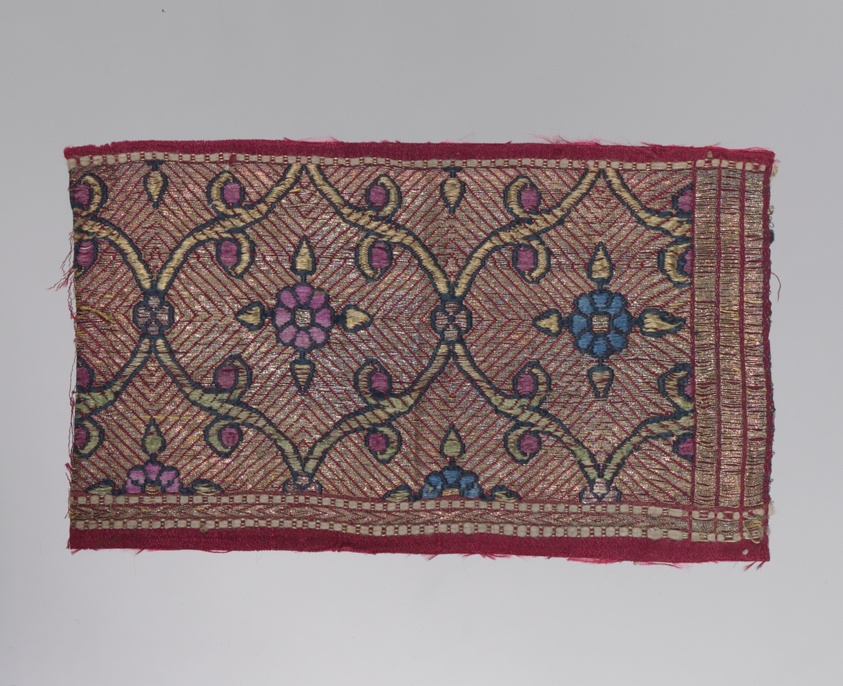
Woven Textile Fragment
Art Institute of Chicago
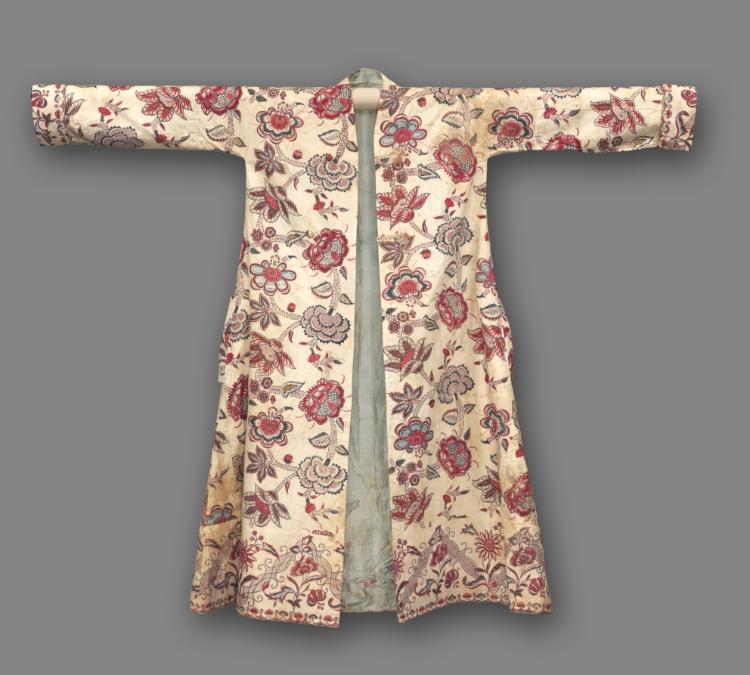
Man's Morning Coat
Cleveland Museum of Art
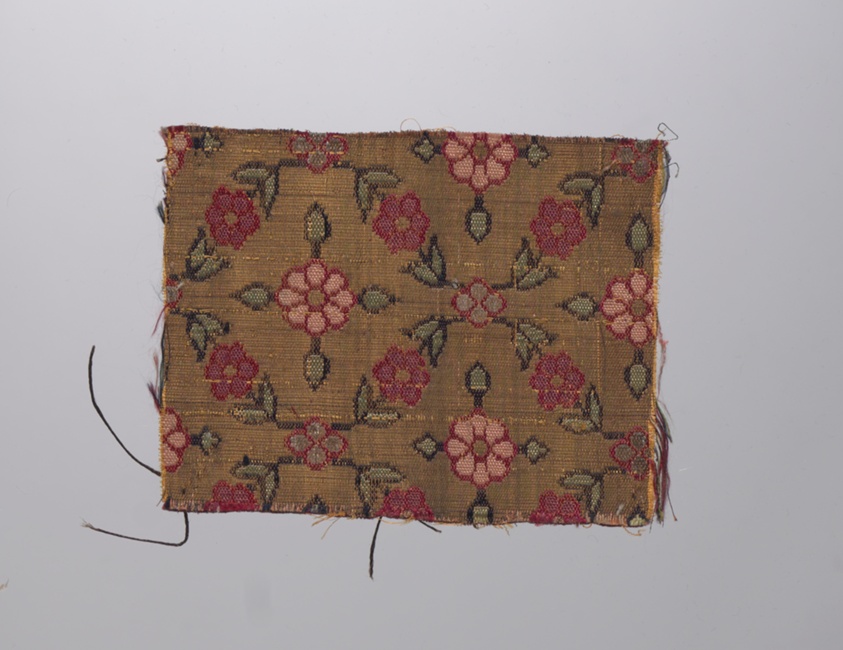
Woven Textile Fragment
Art Institute of Chicago
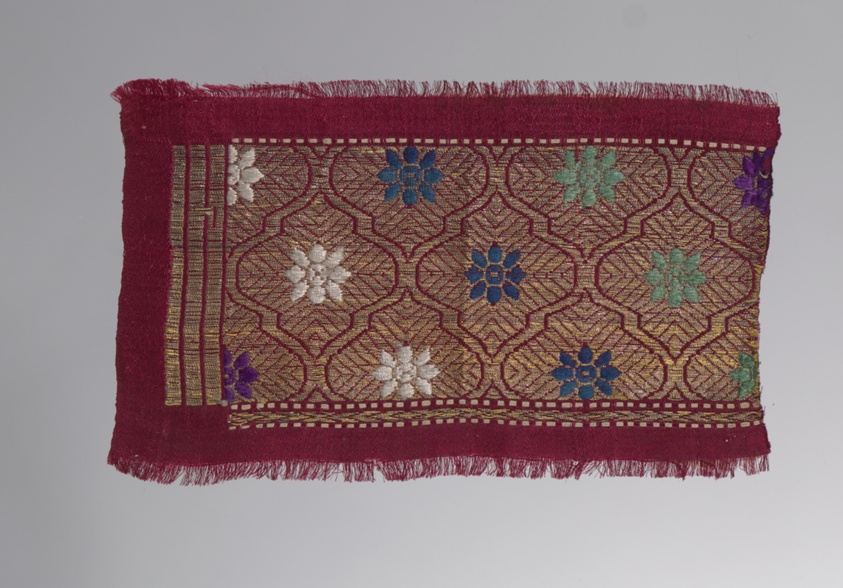
Woven Textile Fragment
Art Institute of Chicago
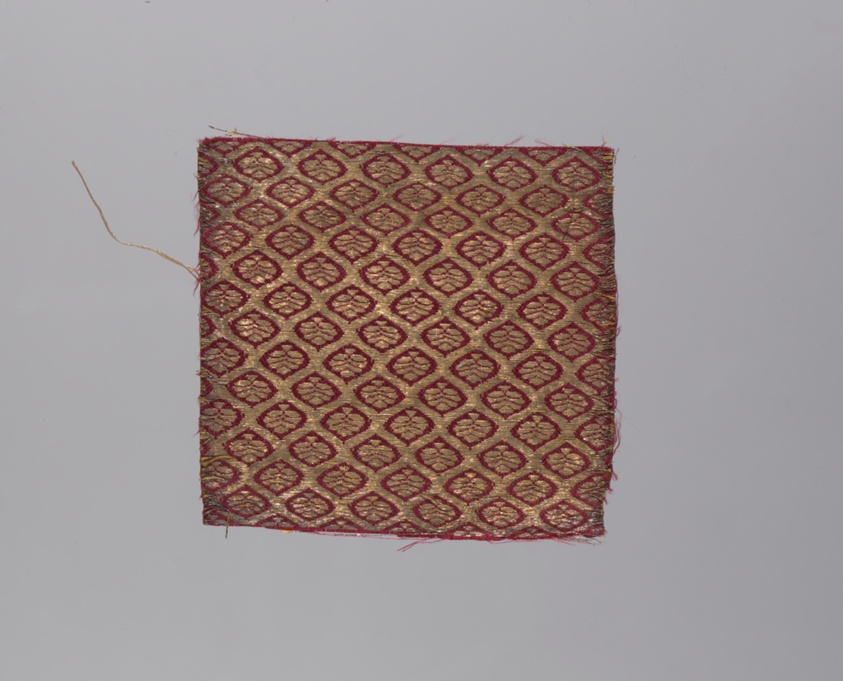
Woven Textile Fragment
Art Institute of Chicago
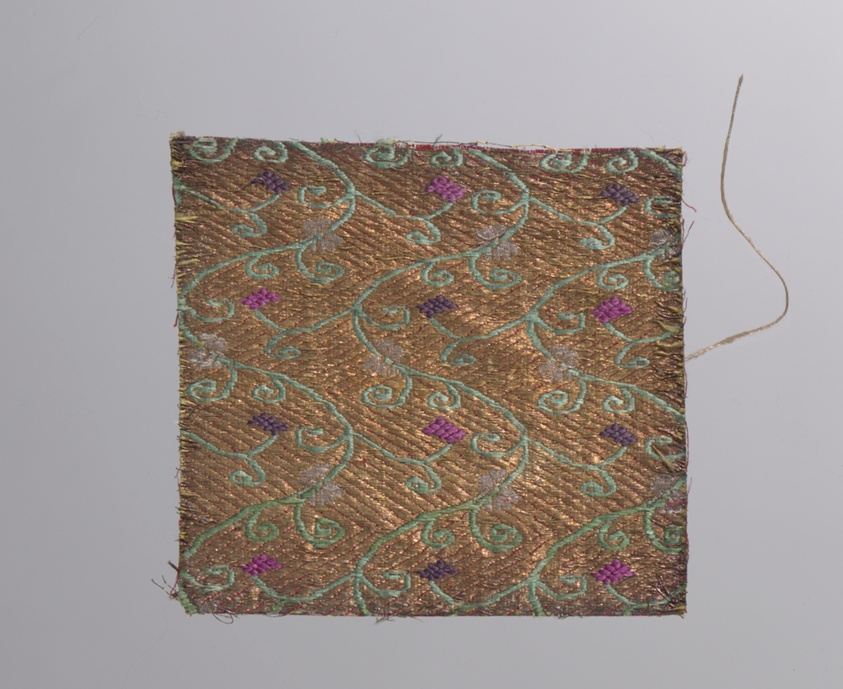
Woven Textile Fragment
Art Institute of Chicago