Cleveland Museum of Art
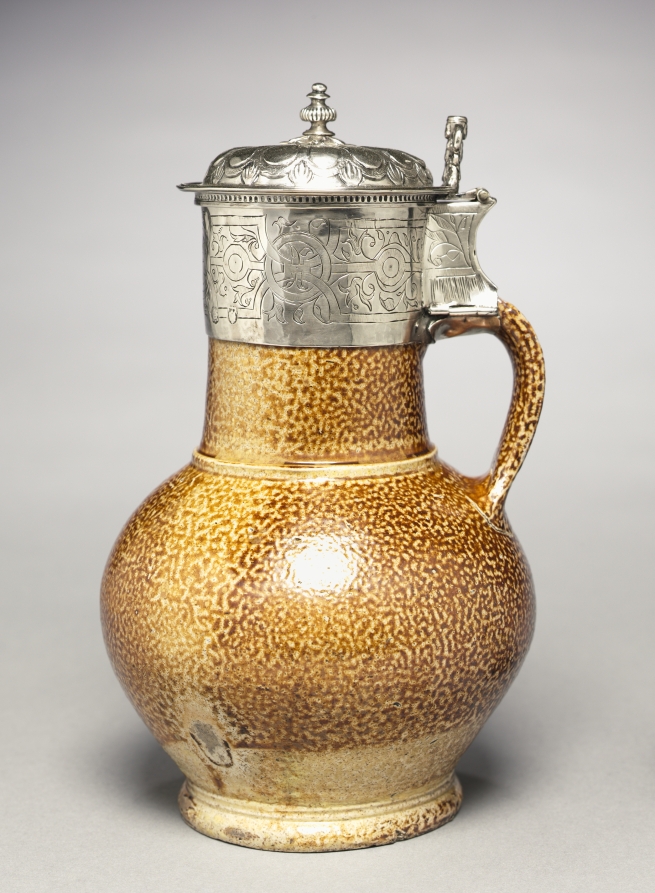
Covered Jug
- Date
- c. 1570–1573
- Medium
- Tigerware, silver mount
- Culture
- Germany (jug) and England (mounts), 16th century
- Department
- Decorative Art and Design
- Institution
- Cleveland Museum of Art
German Stoneware The production and export of German stoneware reached its peak in the late 1500s. Prized for its durability and stone-like appearance, German stoneware became one of the most widely traded forms of pottery, even finding popularity in early America. The distinctive pebbly glass surface, resembling an orange peel, was achieved by introducing salt into the hot kiln during the firing process. This glaze gave clear definition to the coats of arms or other emblems that often formed the surface decoration on large works, usually jugs.
The authoritative record is held by Cleveland Museum of Art. LinkedCulture surfaces this object and its connections; it does not alter institutional metadata.
Related across collections
Semantically similar works from Cleveland Museum of Art and other institutions.
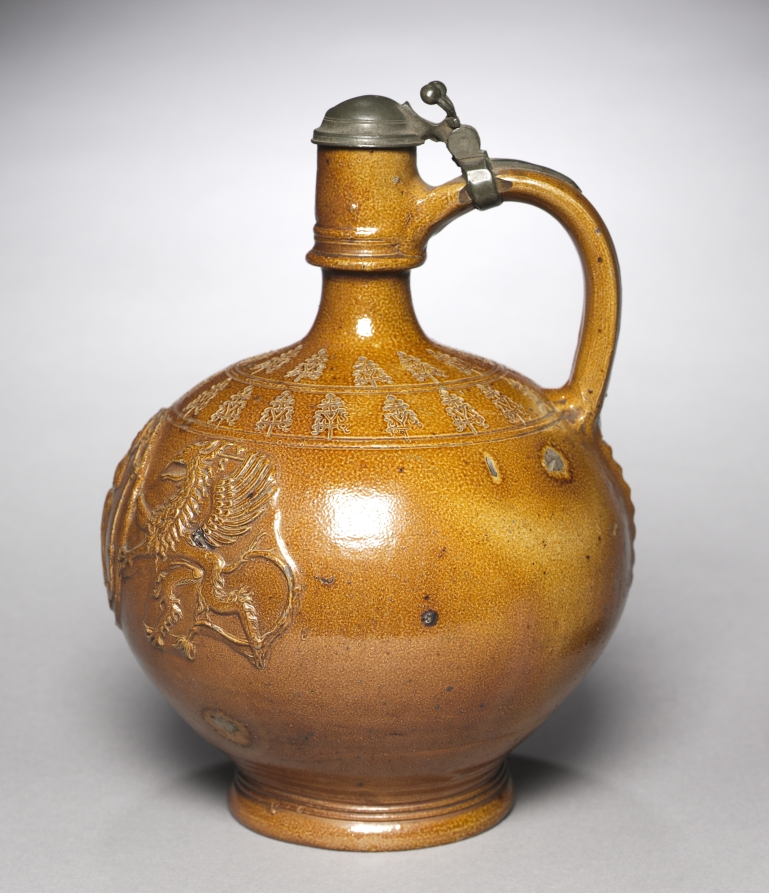
Jug with Pewter Lid
Cleveland Museum of Art
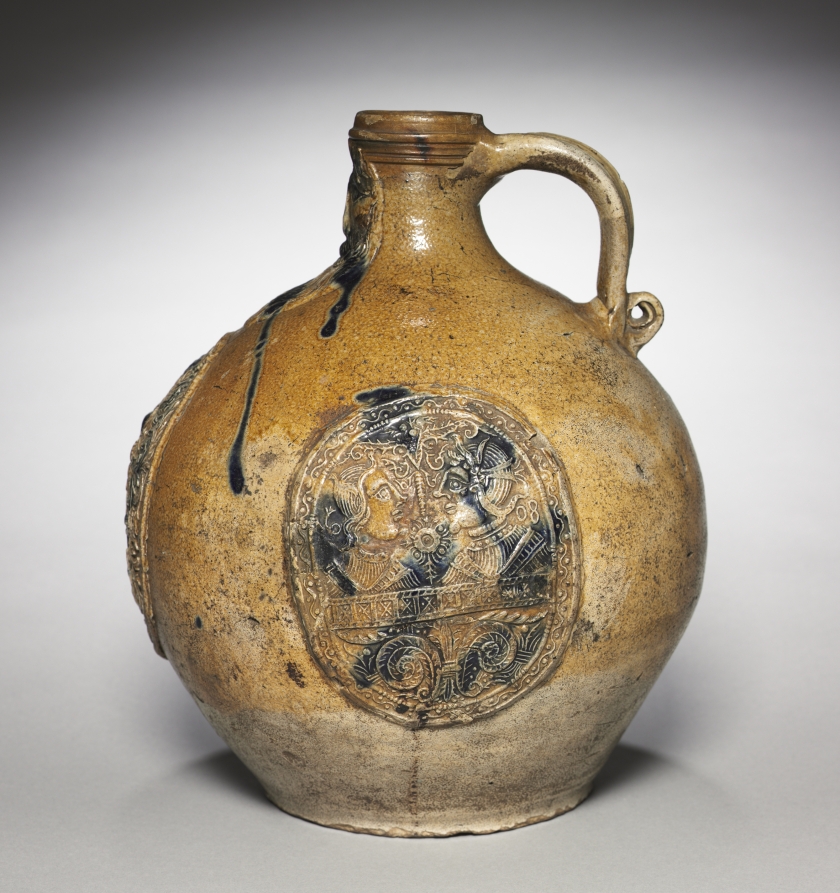
Jug
Cleveland Museum of Art

Covered Jug
Getty Museum
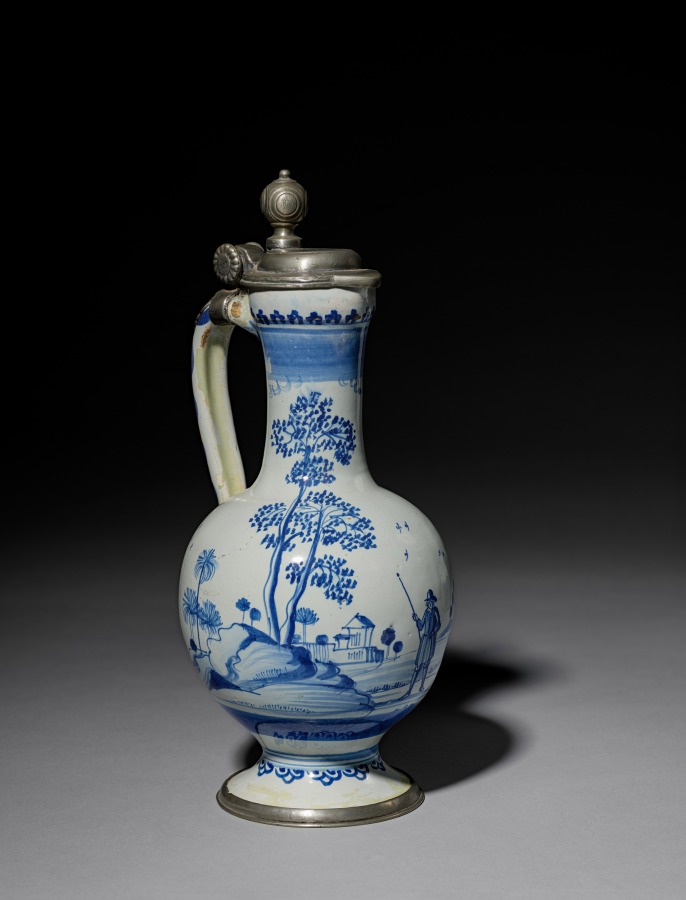
Covered Jug
Cleveland Museum of Art
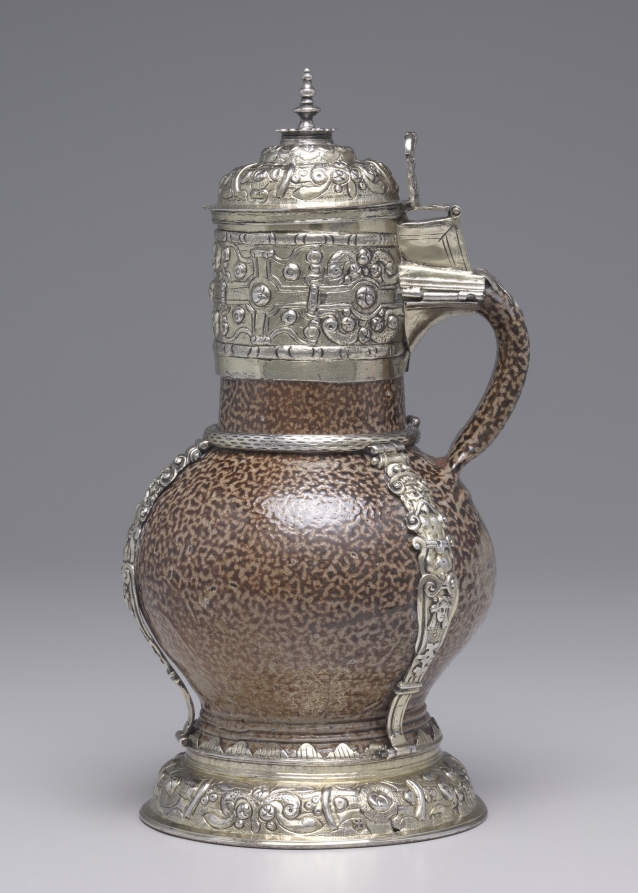
Tigerware Jug
Cleveland Museum of Art
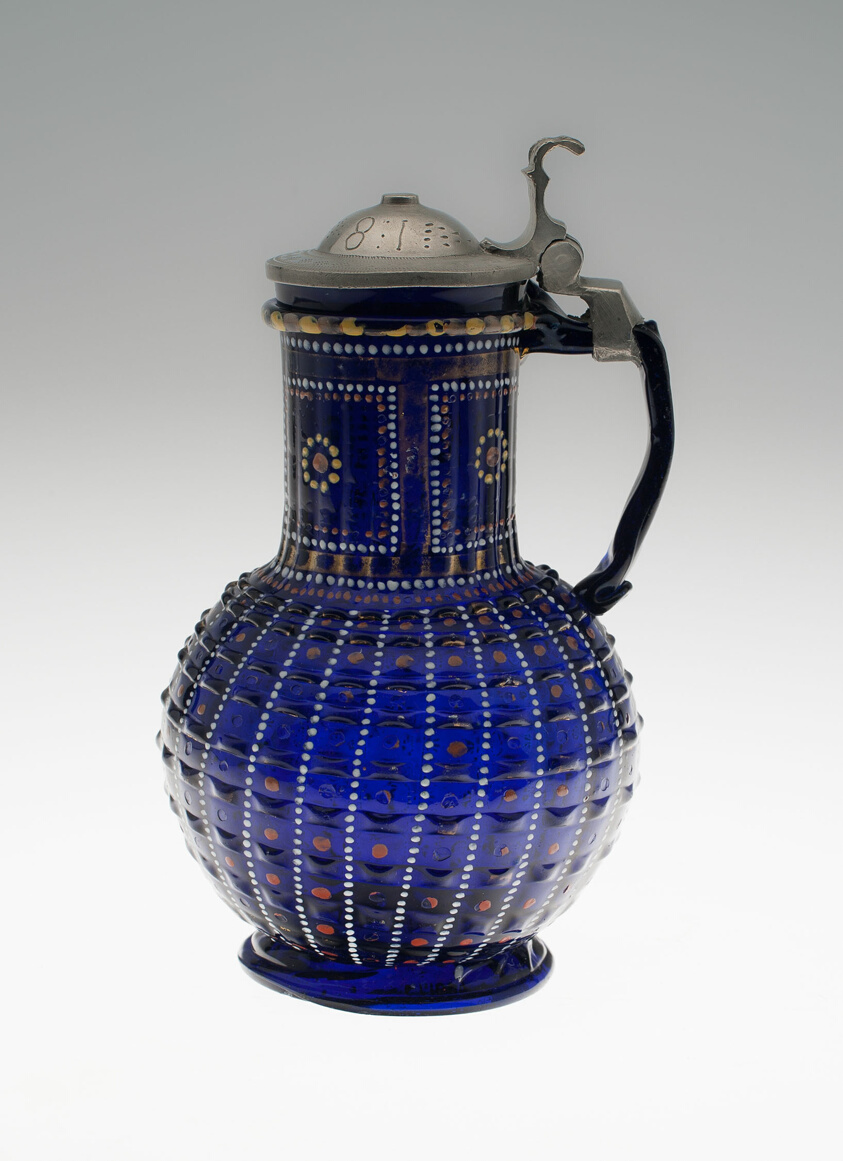
Covered Jug
Art Institute of Chicago

Covered jar
Minneapolis Institute of Art

Covered goblet
Minneapolis Institute of Art
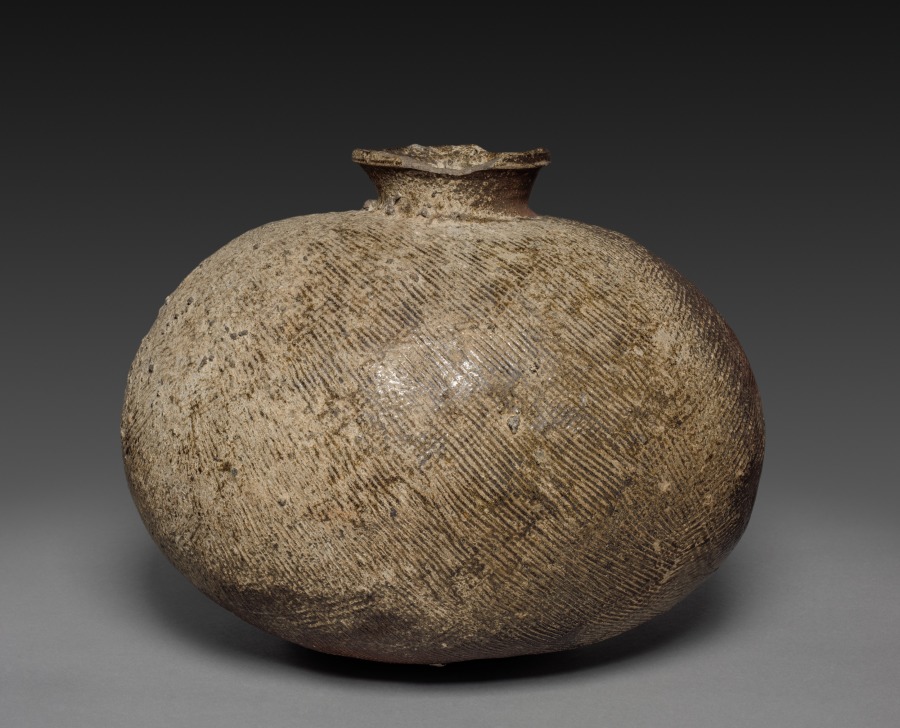
Jug with Oblong Body: Sueki Ware
Cleveland Museum of Art
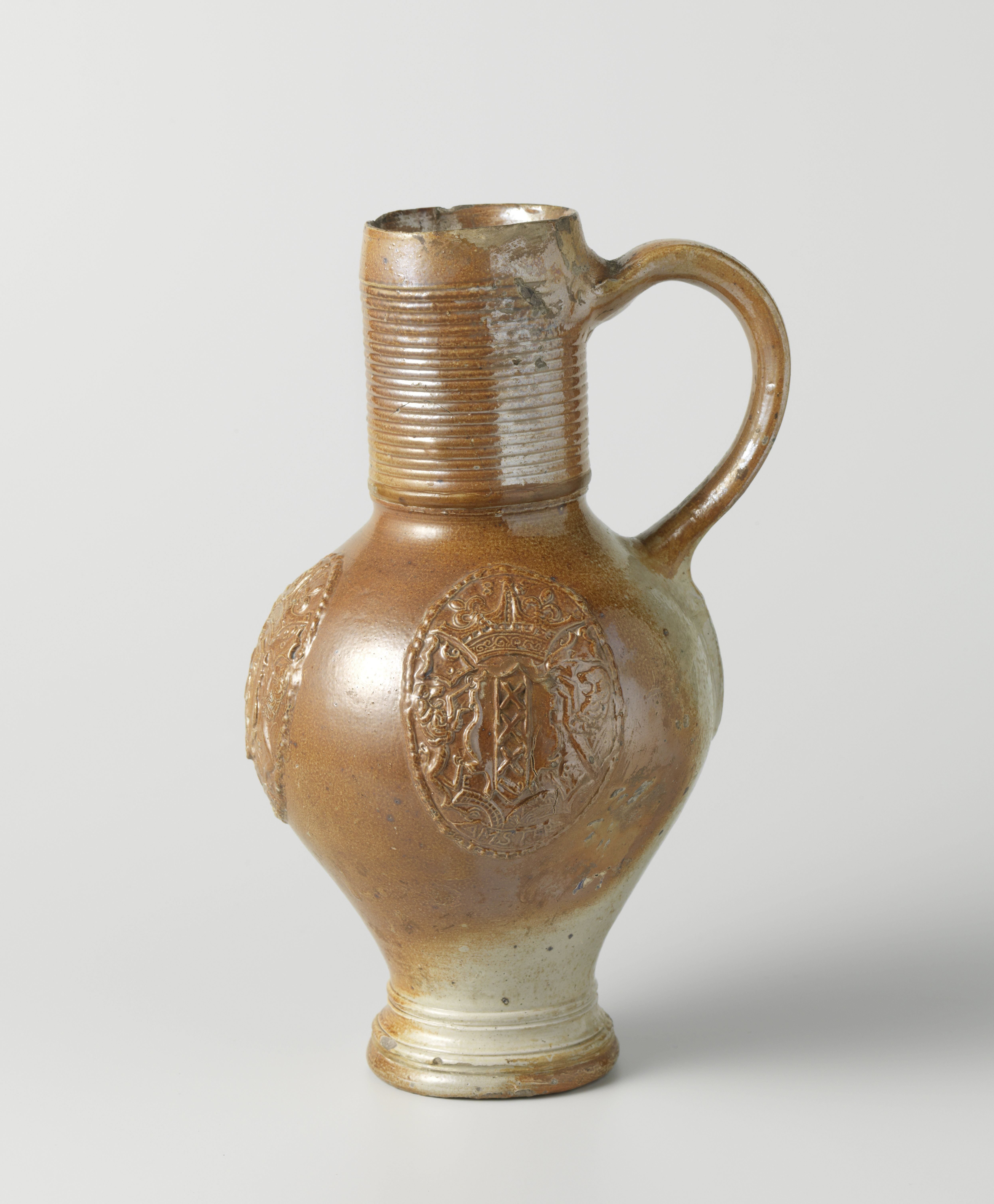
Jug with the Amsterdam Coat-of-Arms
Rijksmuseum

Standing Cup and Cover
Getty Museum
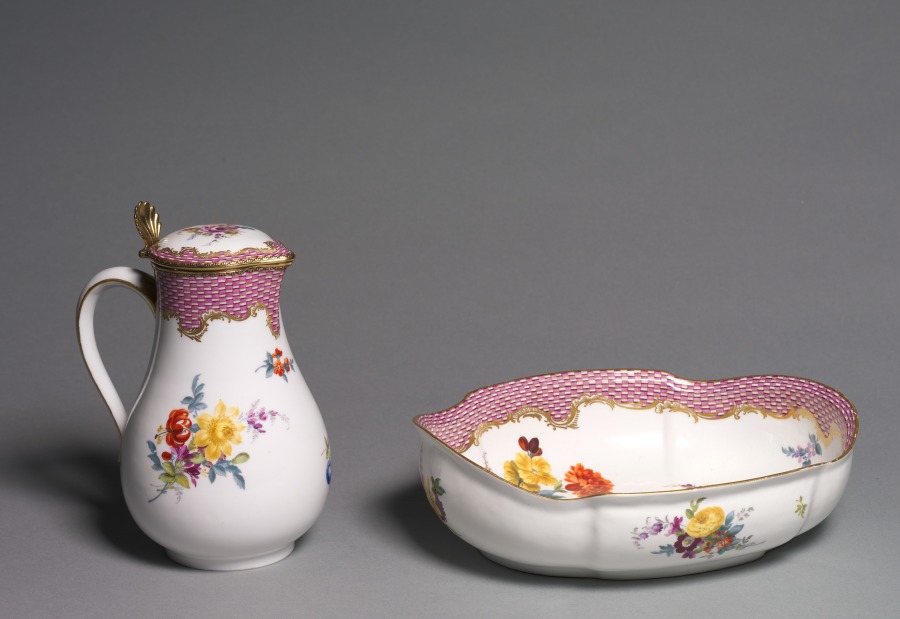
Covered Jug and Basin
Cleveland Museum of Art