Cleveland Museum of Art
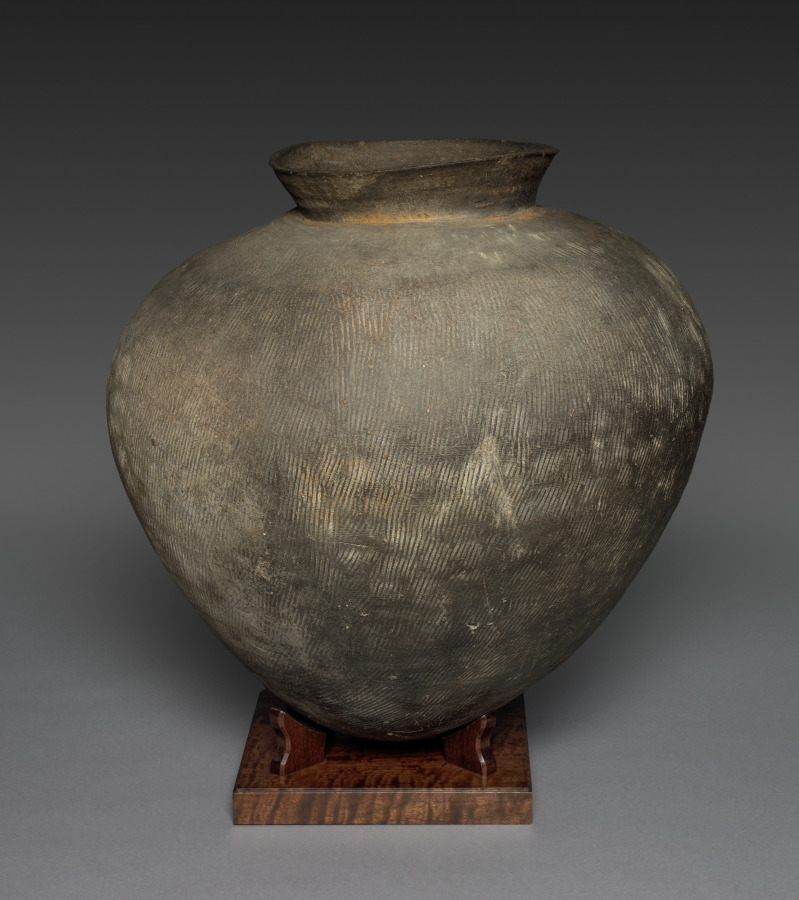
Storage Jar: Sueki ware
- Date
- 700s
- Medium
- stoneware with incised and impressed decoration and natural ash glaze
- Culture
- Japan, Nara period (710–94)
- Department
- Japanese Art
- Institution
- Cleveland Museum of Art
This robust vessel was formed from clay coils that were beaten inside and out with wooden paddles to compress the body walls and merge the coils. In addition, the exterior surface was paddled and scored with carved wooden tools to decorate the body walls. Finally, the vessel was turned on a potter's wheel to attach the neck with a smoothly finished surface. A high firing (approximately 1000°), which culminated with a reduced oxygen phase, produced the dark gray surface tone. Sueki ware ceramics originated in the mid-400s, when Korean potters and kiln builders established clusters of kilns in the modern Osaka area. Other production centers were established in the outlying provinces by the late 500s, providing for the diffusion of this ceramic ware throughout the country into the 1000s. Sueki wares demonstrate ancient Japan's close cultural ties with the Korean peninsula. Similar vessels have been recovered from sites in the southern regions of the Korean peninsula.
The authoritative record is held by Cleveland Museum of Art. LinkedCulture surfaces this object and its connections; it does not alter institutional metadata.
Related across collections
Semantically similar works from Cleveland Museum of Art and other institutions.
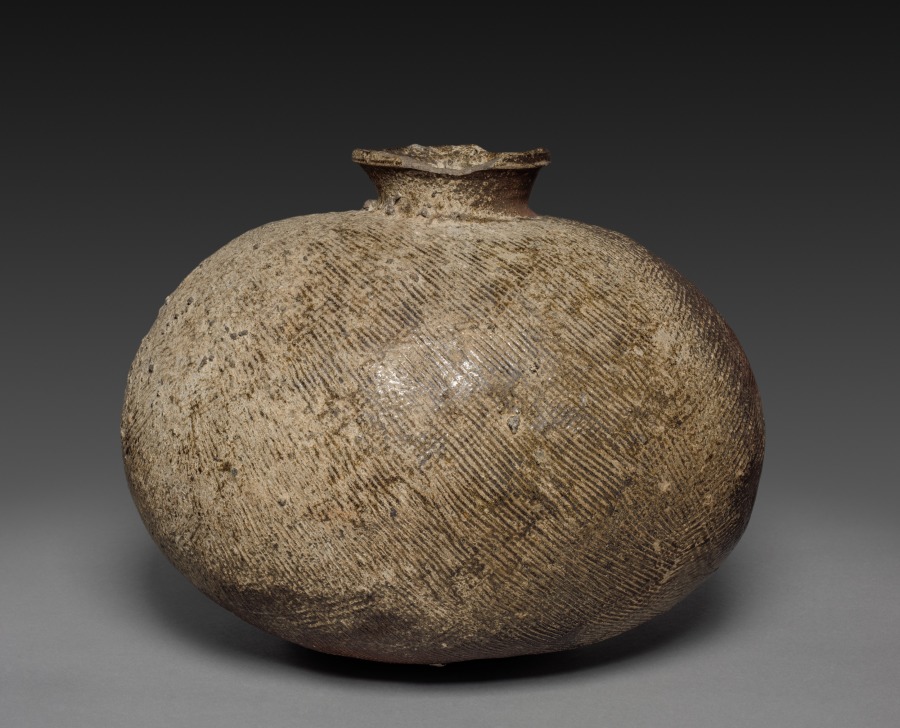
Jug with Oblong Body: Sueki Ware
Cleveland Museum of Art
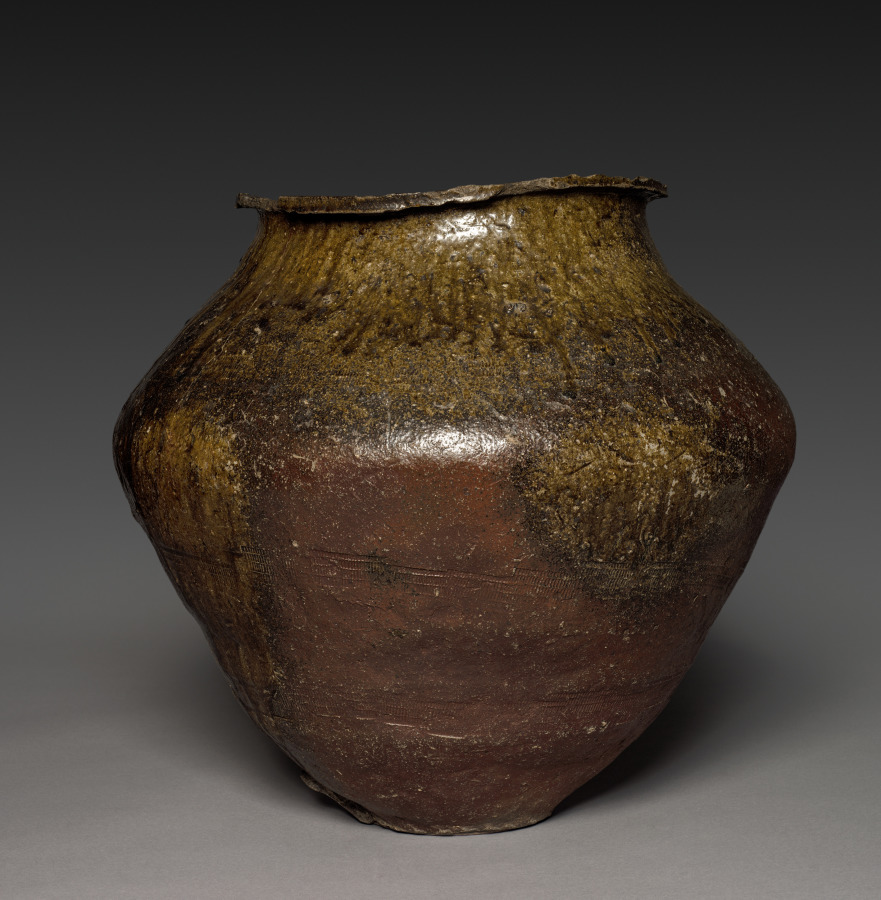
Storage Jar
Cleveland Museum of Art

Jar
Minneapolis Institute of Art

Wide-Mouthed Jar
Minneapolis Institute of Art
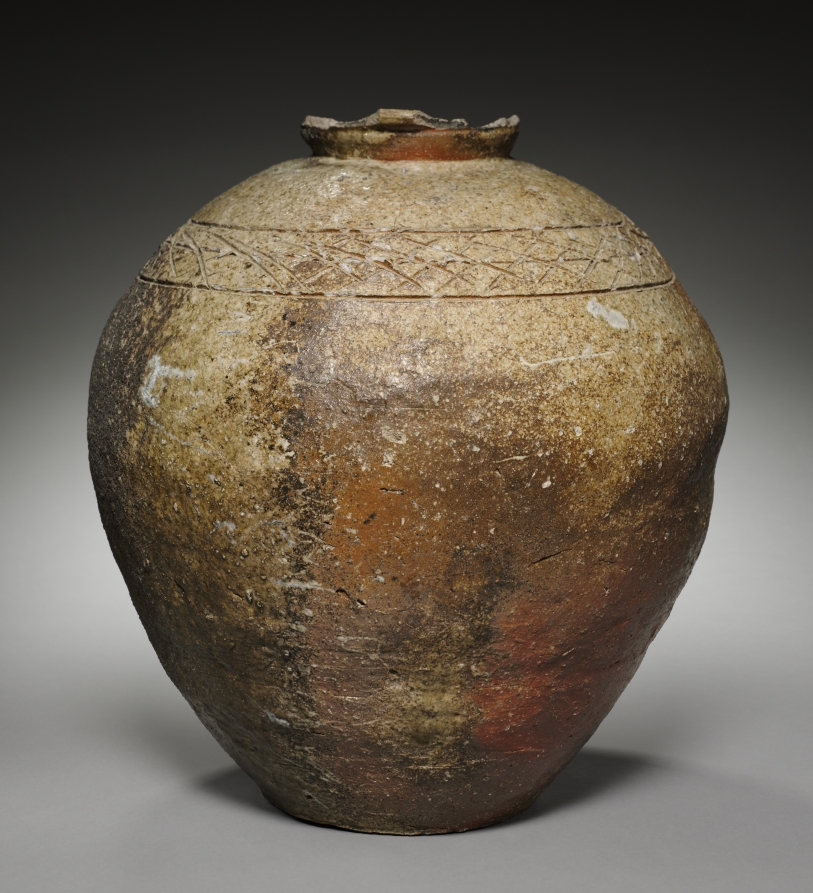
Storage Jar
Cleveland Museum of Art

Storage Jar
Minneapolis Institute of Art
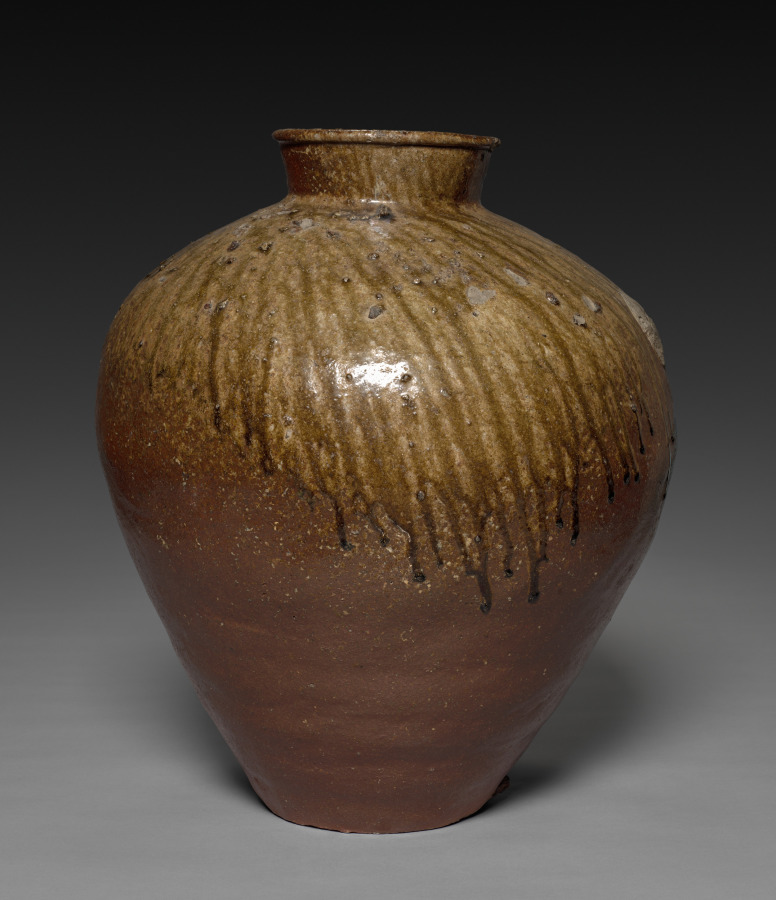
Storage Jar
Cleveland Museum of Art

Storage jar
Minneapolis Institute of Art
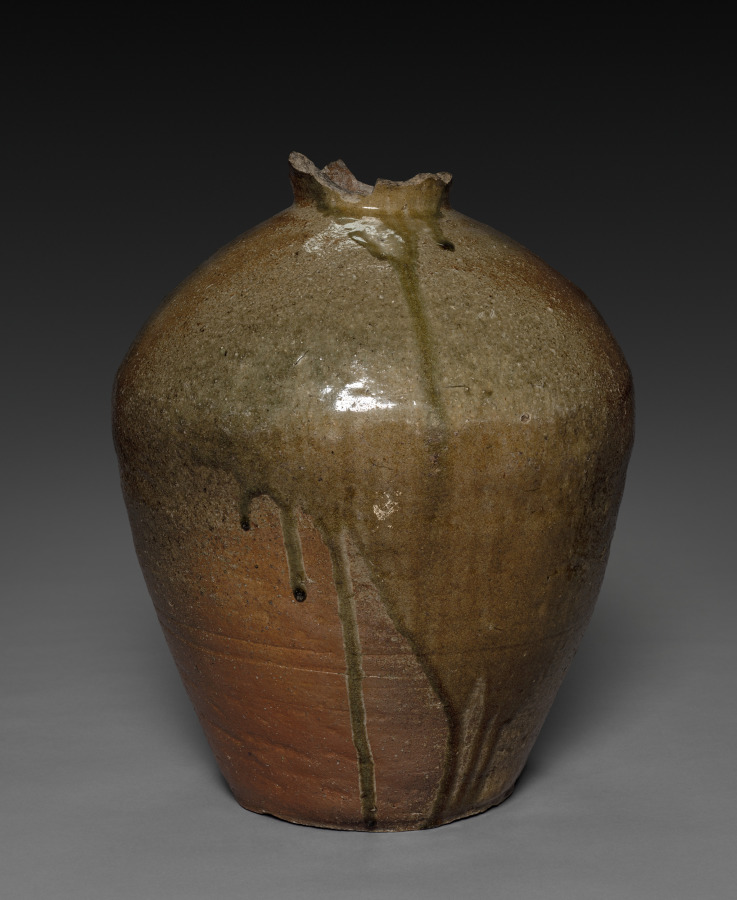
Storage Jar
Cleveland Museum of Art
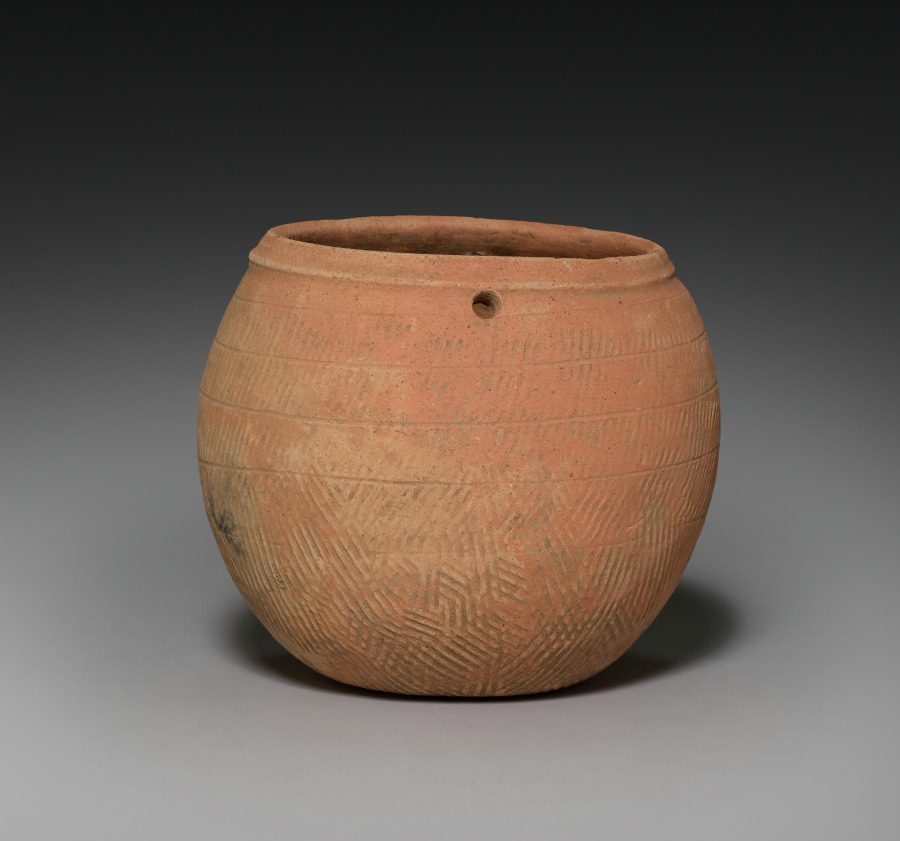
Lidded Vessel with Loop Handles
Cleveland Museum of Art
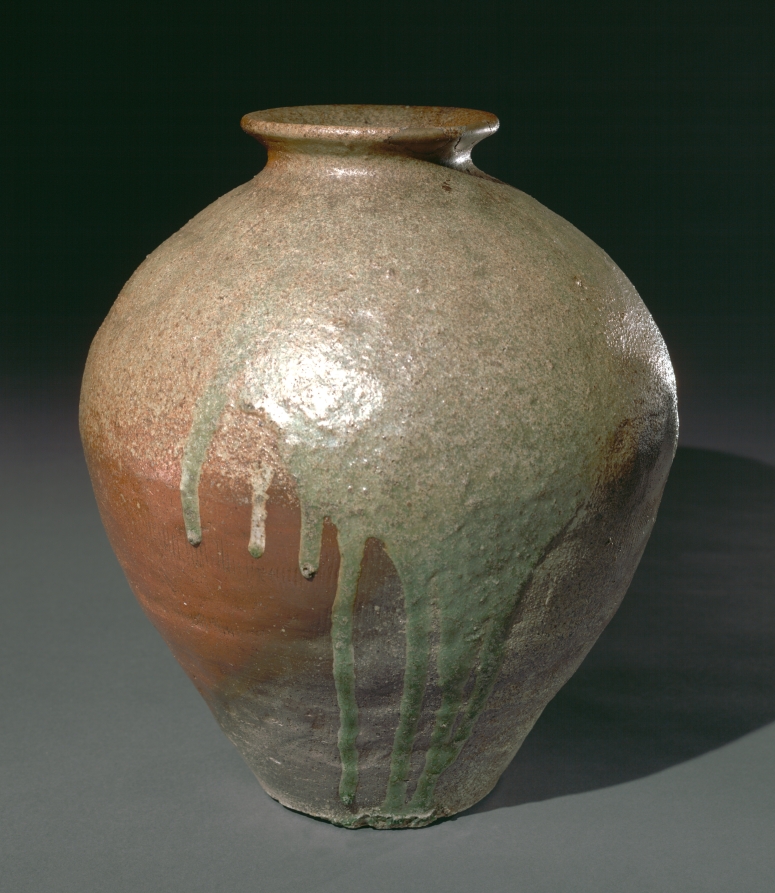
Storage Jar: Tamba Ware
Cleveland Museum of Art

Jar
Minneapolis Institute of Art