Cleveland Museum of Art
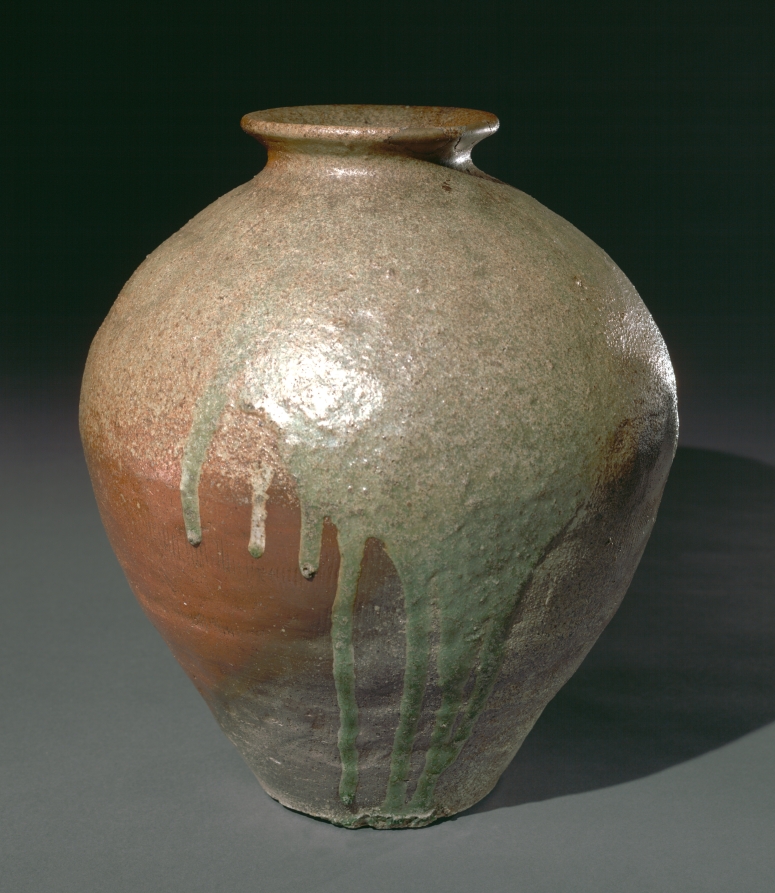
Storage Jar: Tamba Ware
- Date
- 1400s
- Medium
- stoneware with natural ash glaze
- Culture
- Japan, Muromachi period (1392–1573)
- Department
- Japanese Art
- Institution
- Cleveland Museum of Art
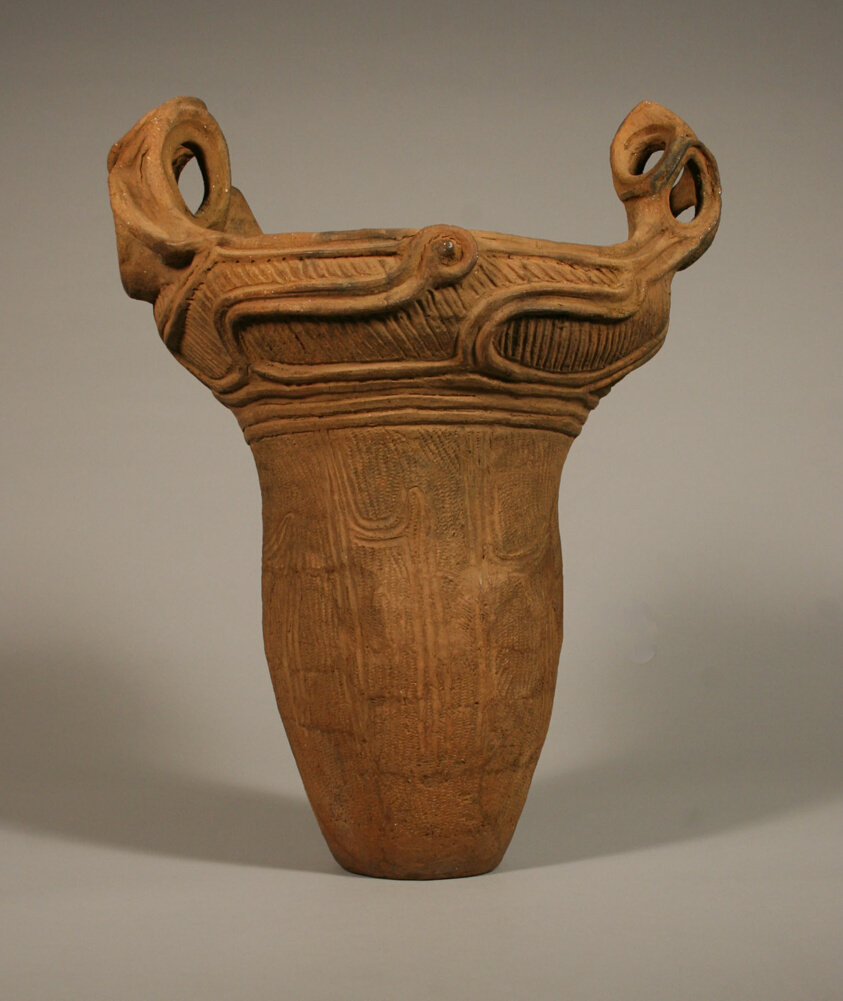
This vessel served as a storage container for rice or other grains in medieval farming communities. The piece was made by potters in Tamba, a fertile region west of Kyoto which used such vessels to send its agricultural products to towns throughout western Japan. Tamba ware is recognized by its warm green glaze, created as accumulations of natural wood ash settle on the clay body and liquefy when the kiln temperature is sufficiently high. The jar's contours reveal that it was built in four stages from many clay coils pressed together by hand. The smooth neck and mouth were wheel-turned. The vertical, incised lines visible on the reddish-brown body indicate where a comb-like tool scraped excess clay from the body wall; this technique helped conserve clay material and wood used in the firing. The scraping also exposes the grittiness of local Tamba clay, which in the 15th century did not undergo an extensive refining process.
The authoritative record is held by Cleveland Museum of Art. LinkedCulture surfaces this object and its connections; it does not alter institutional metadata.
Related across collections
Semantically similar works from Cleveland Museum of Art and other institutions.
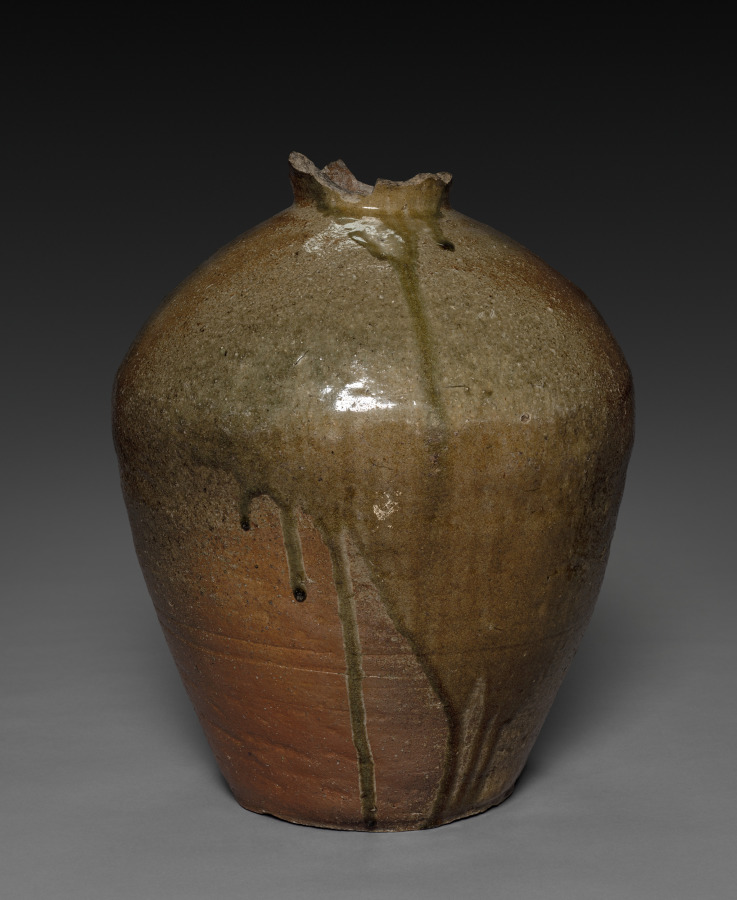
Storage Jar
Cleveland Museum of Art

Storage jar
Minneapolis Institute of Art
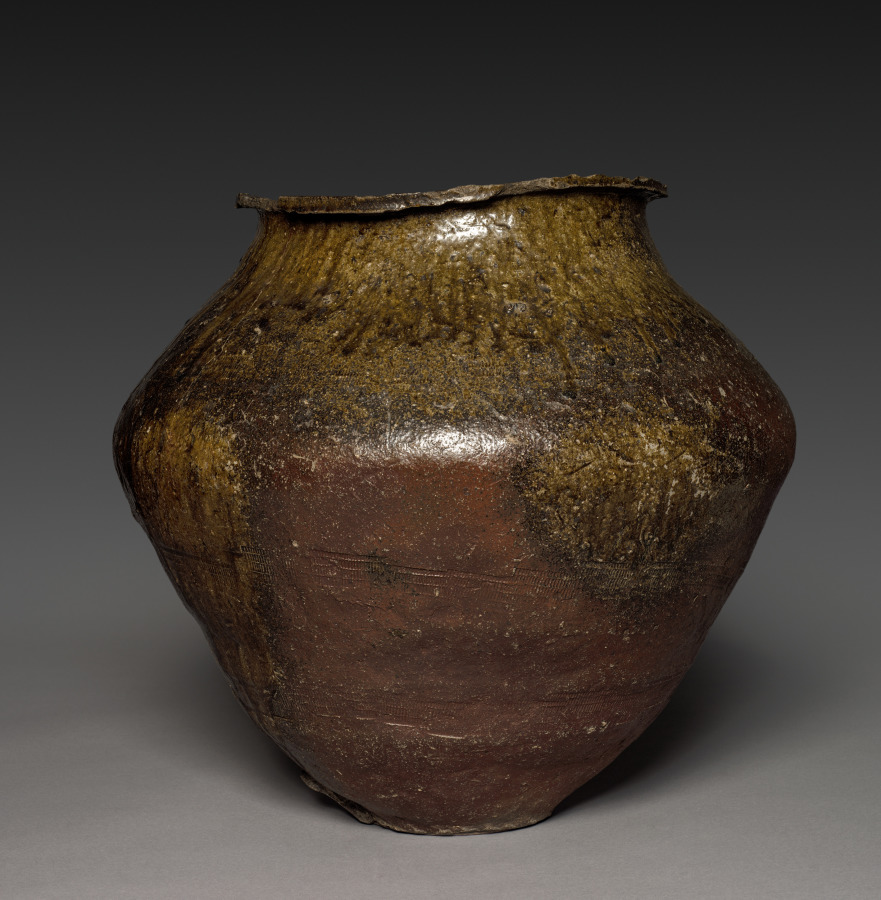
Storage Jar
Cleveland Museum of Art
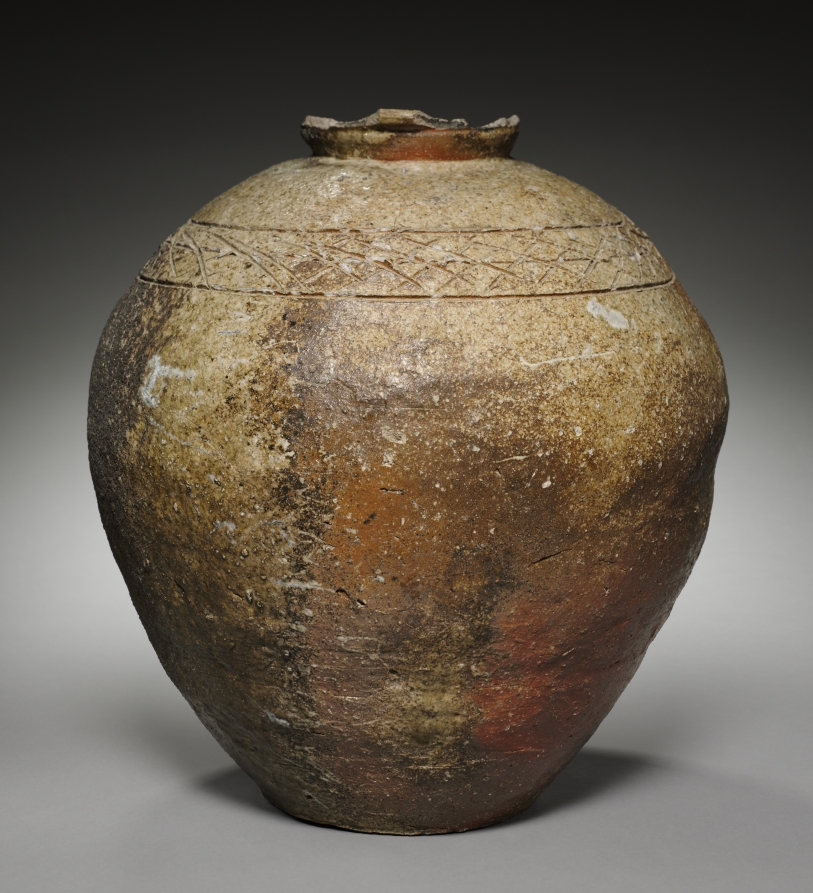
Storage Jar
Cleveland Museum of Art
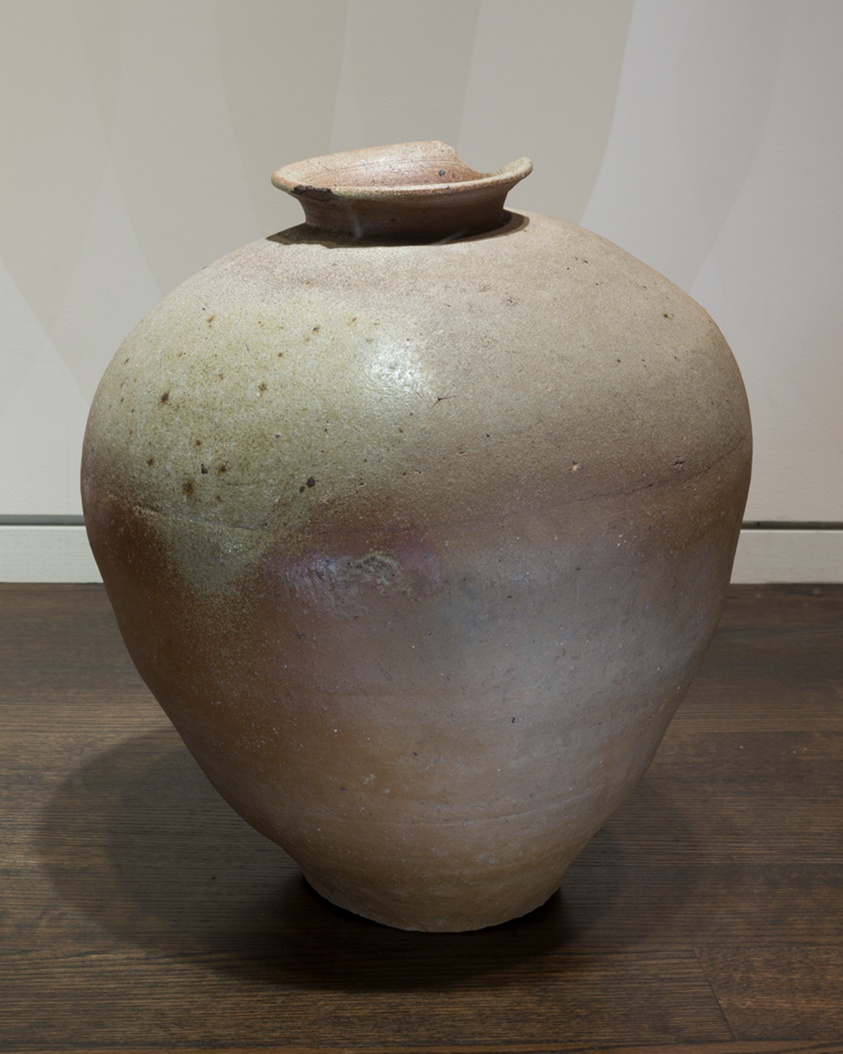
Tamba-Ware Jar
Art Institute of Chicago
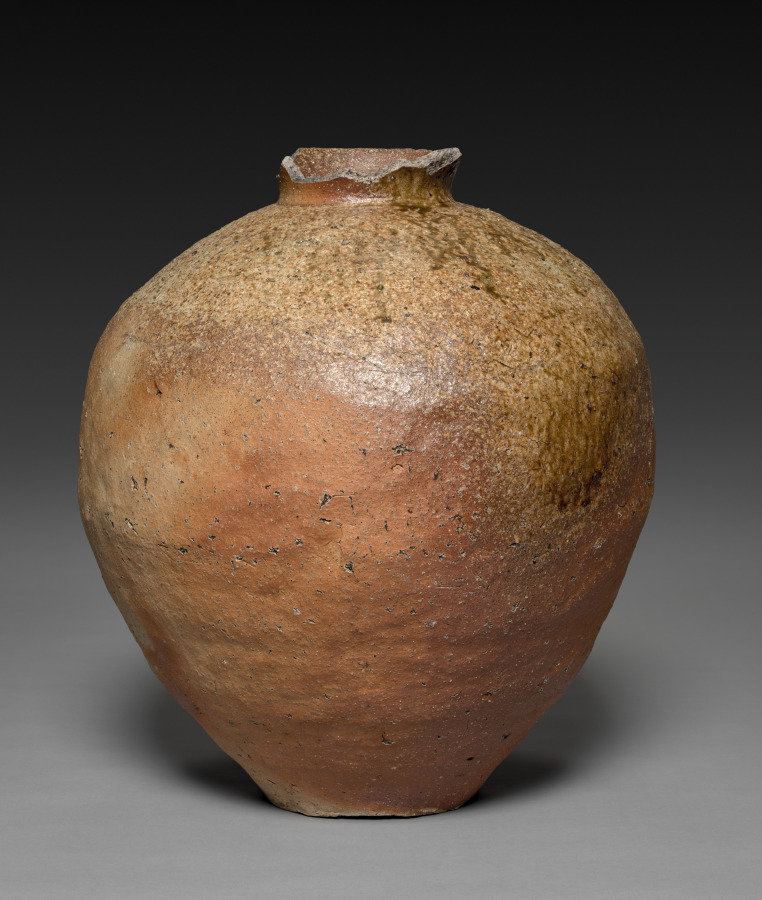
Storage Jar (Tsubo)
Cleveland Museum of Art

Storage jar
Minneapolis Institute of Art

Storage jar
Minneapolis Institute of Art
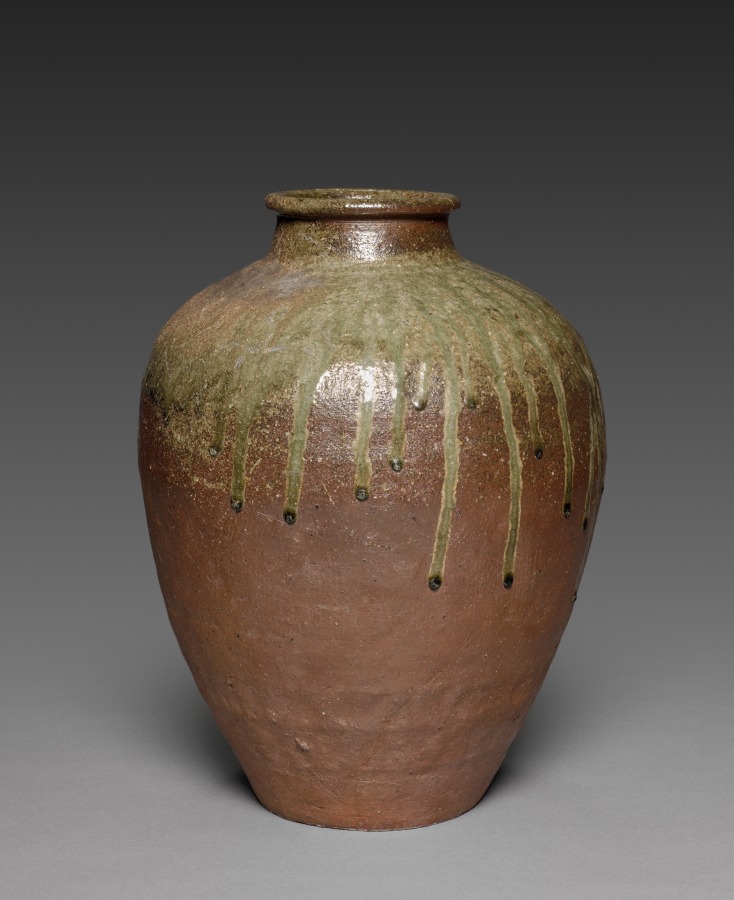
Water Jar: Ko Tamba ware
Cleveland Museum of Art

Storage Jar
Minneapolis Institute of Art
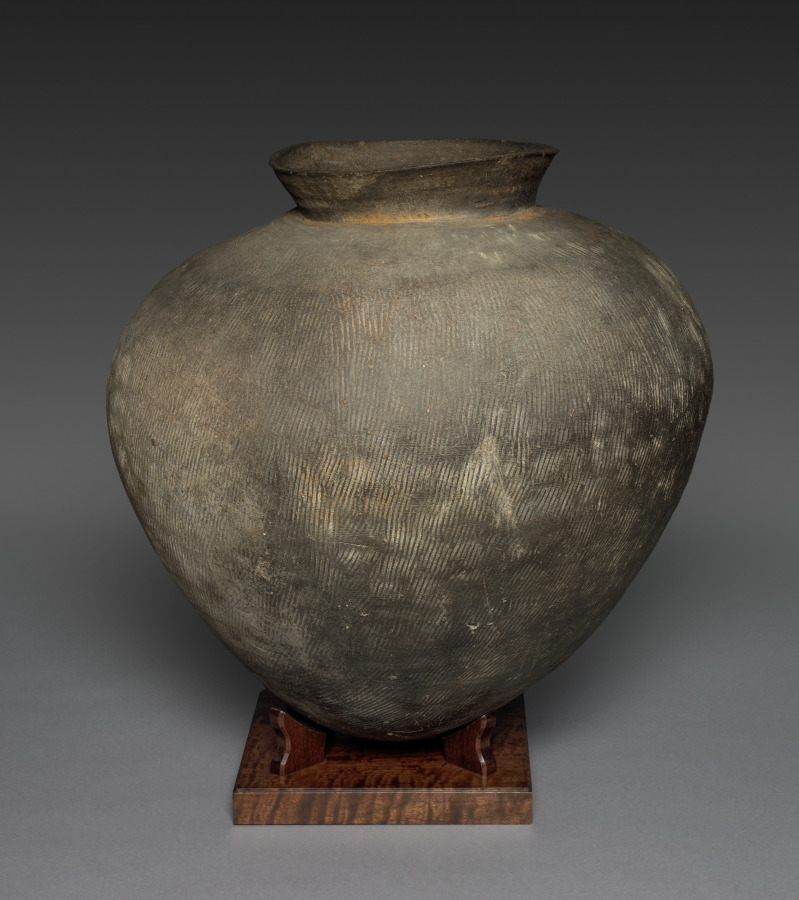
Storage Jar: Sueki ware
Cleveland Museum of Art
Jar with Handles
Art Institute of Chicago