Cleveland Museum of Art
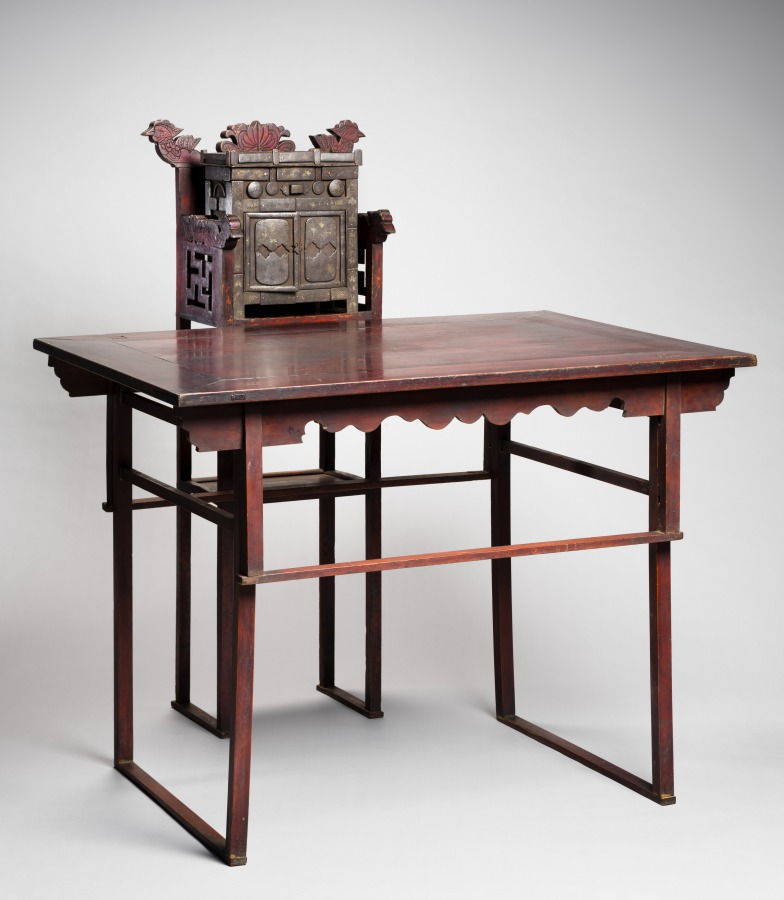
Spirit House
- Date
- late 1800s
- Medium
- iron inlaid with silver and copper decoration
- Culture
- Korea, Joseon dynasty (1392–1910)
- Department
- Korean Art
- Institution
- Cleveland Museum of Art
This table, chair, and spirit house form a partial recreation of a memorial altar from the Joseon period. The spirit house and chair both include a number of auspicious symbols, including lotuses, conch shells, and chakra wheels. The spirit house would have been placed on the altar chair, and offerings would have been set out on the table for the memorial service. In ancestor veneration rituals, deceased parents or ancestors are sanctified as spirits who are believed to oversee their descendents. Three times a year, once at the lunar new year, once at the person’s death date, and once at the time of the mid-autumn festival, food would be placed on the table for the ancestors, including fruits, rice, meat, and rice wine. During these ceremonies the worshippers’ attitude was as reverential toward the objects meant to embody the ancestors’ spirits as that toward a living parent. The belief in two types of souls, the spiritual and the corporeal, embodied the core concept of ancestor worship in traditional China and Korea. While the corporeal soul is believed to reside in the tomb, the spiritual soul, in the spirit house like this example, guards his or her decedents.
The authoritative record is held by Cleveland Museum of Art. LinkedCulture surfaces this object and its connections; it does not alter institutional metadata.
Related across collections
Semantically similar works from Cleveland Museum of Art and other institutions.
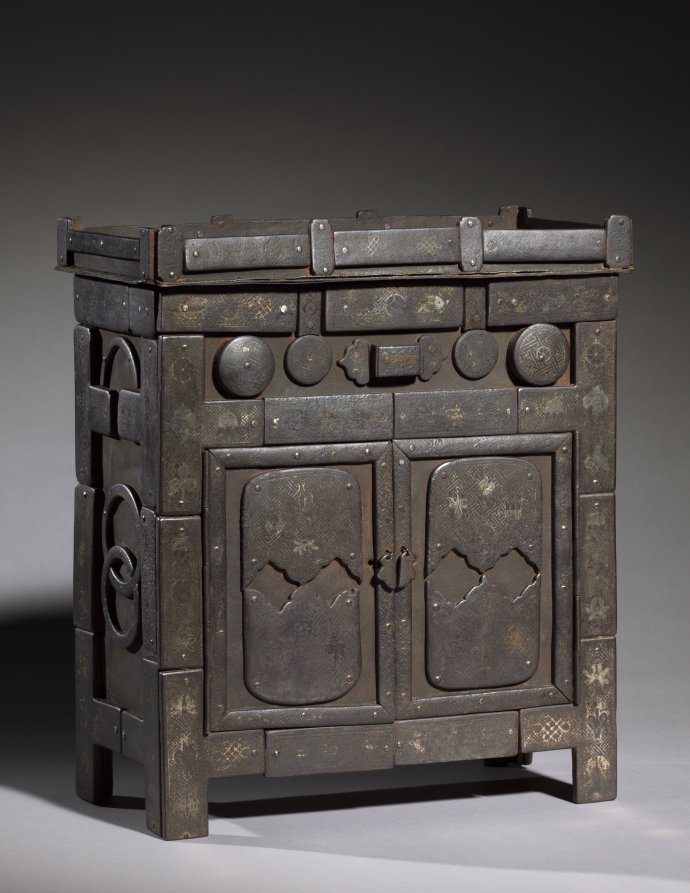
Spirit House
Cleveland Museum of Art
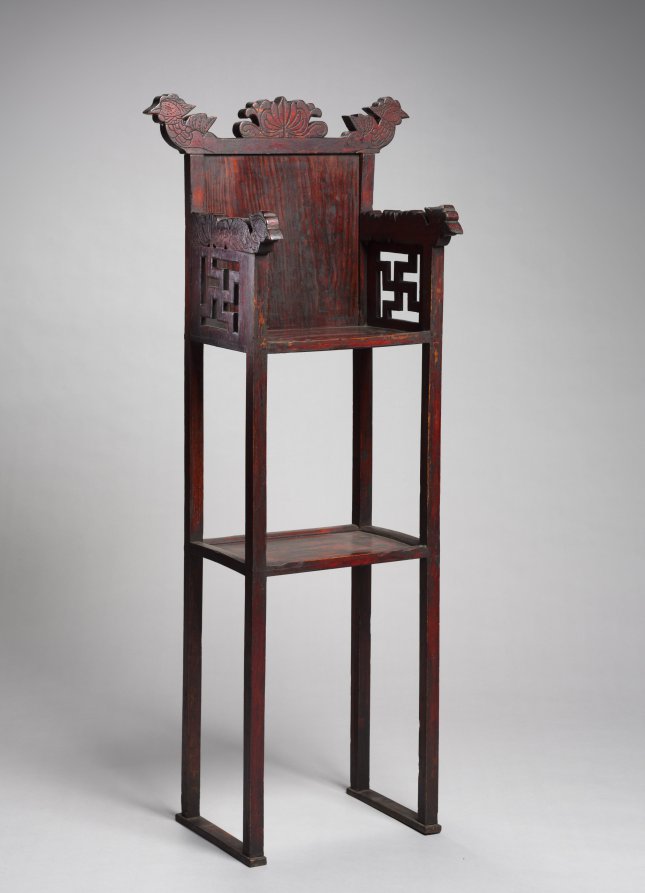
Altar High Chair (Kyo-Yi)
Cleveland Museum of Art
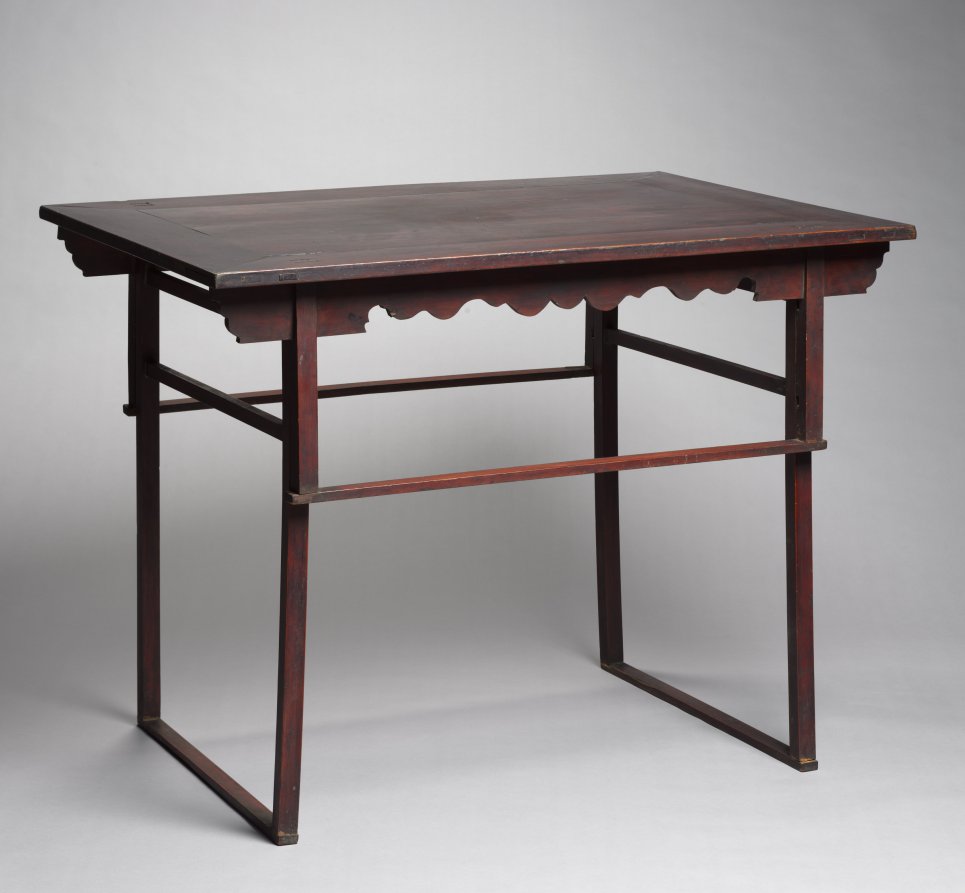
Folding Table (Che-Sang) for Memorial Service
Cleveland Museum of Art
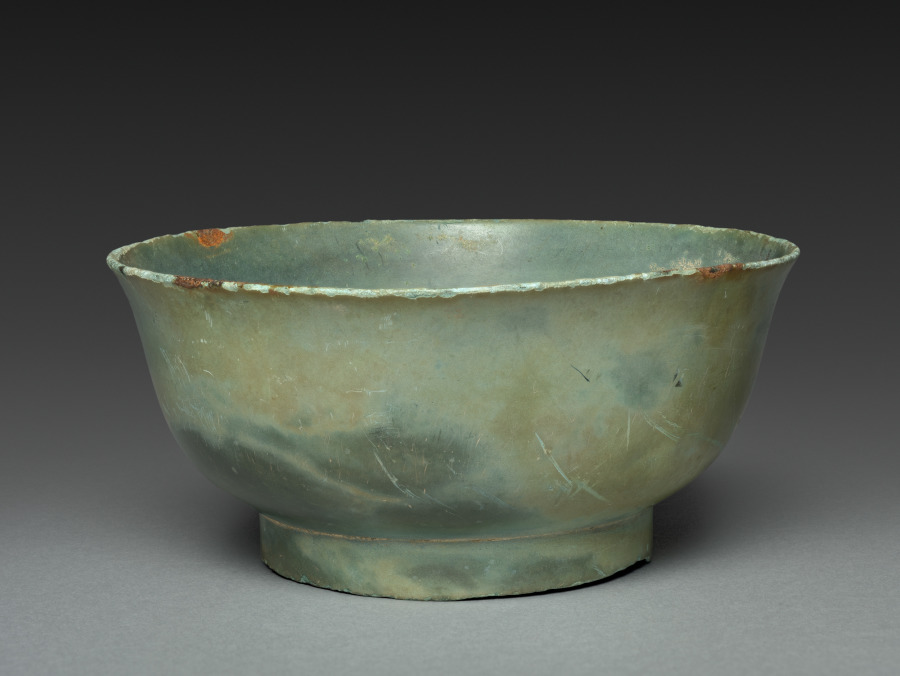
Bowl
Cleveland Museum of Art
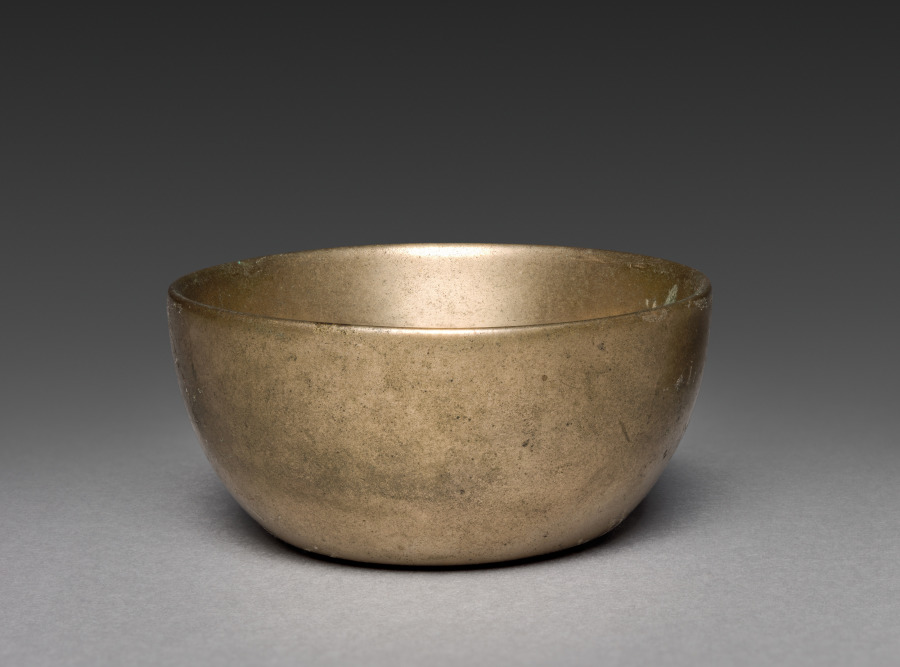
Wine Cup
Cleveland Museum of Art
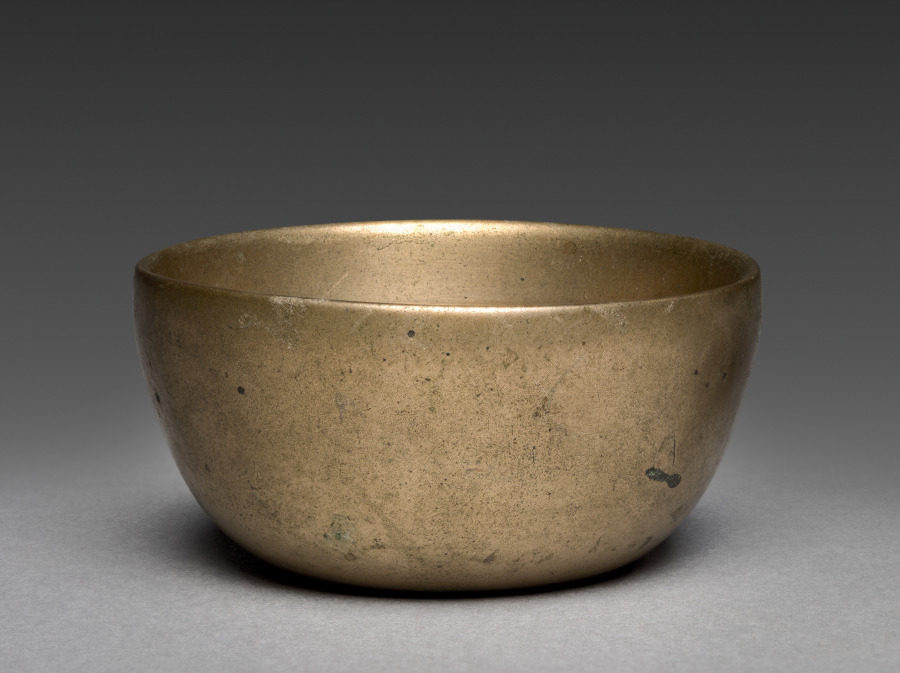
Wine Cup
Cleveland Museum of Art
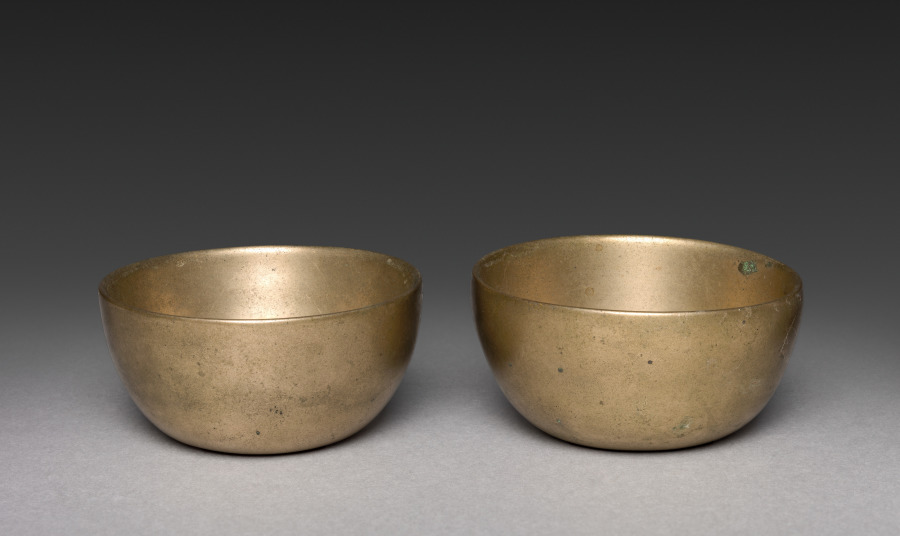
Wine Cup (pair)
Cleveland Museum of Art

House Panel
Minneapolis Institute of Art

House Shrine
Minneapolis Institute of Art
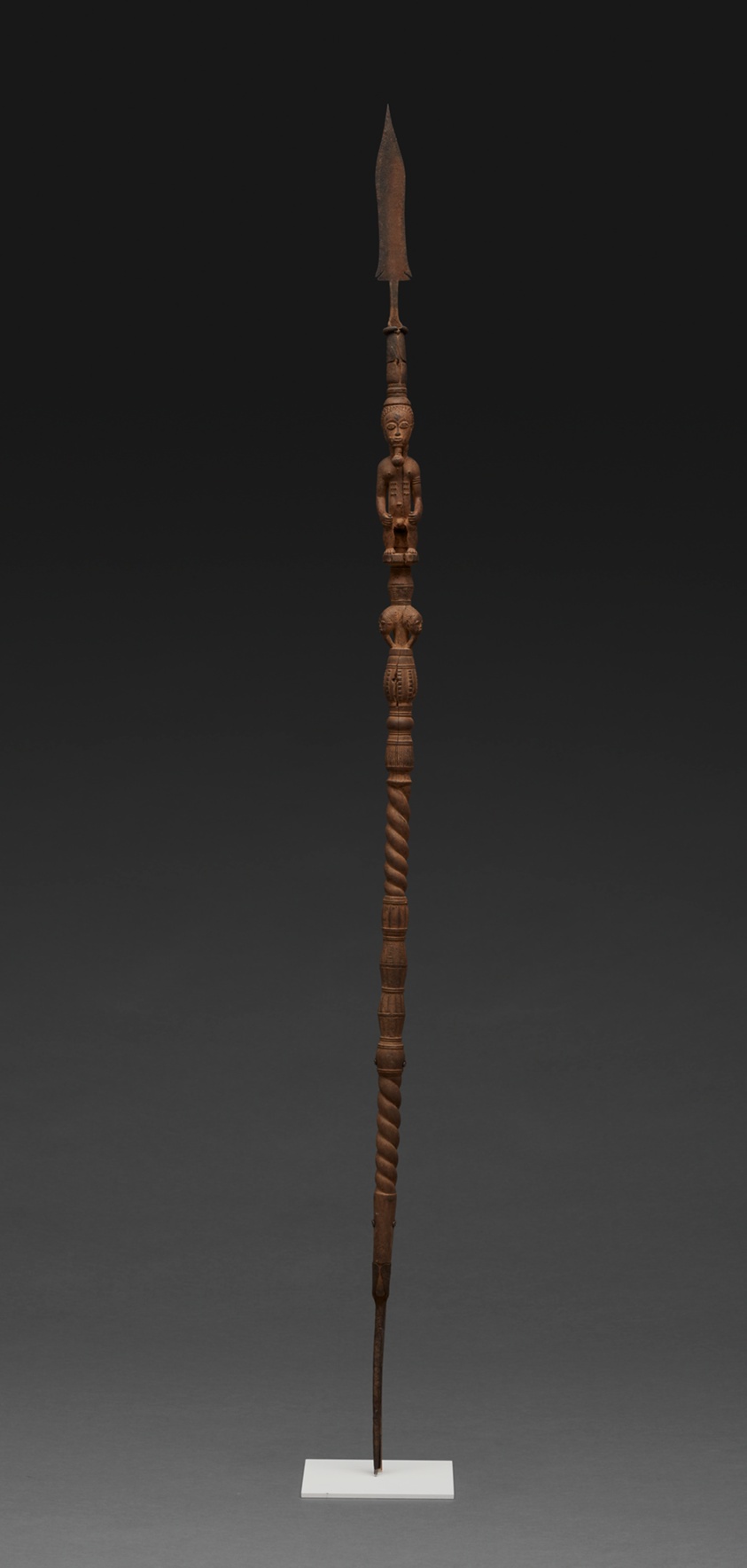
Figural Staff
Art Institute of Chicago
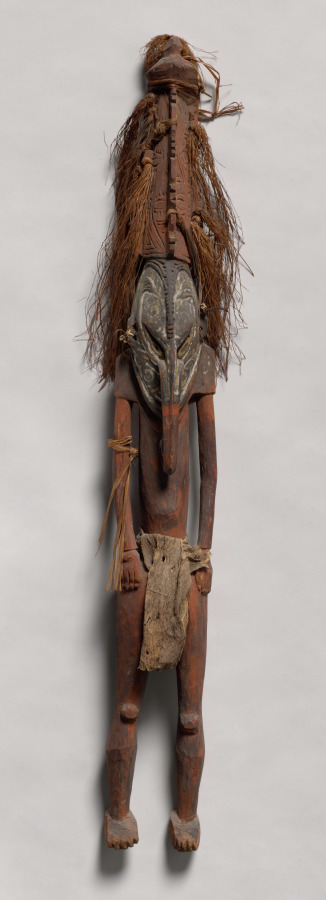
Ancestral Figure
Cleveland Museum of Art

House Group
Minneapolis Institute of Art