
Minneapolis Institute of Art
House Shrine
China
- Date
- 18th-19th century
- Medium
- Wood, lacquer, paint, metal
- Department
- Asian Art
- Institution
- Minneapolis Institute of Art
The family shrine ( kan ) was an important piece of furniture in a traditional Chinese household. Usually displayed on an altar table against the rear wall of the main reception hall, the shrine itself was often made in the form of a traditional three bay hall complete with hinged doors, tile roof, and decorative brackets. Placed inside the shrine were the spirit tablets of the ancestors. It was believed that the souls of the ancestors resided in the tablets bearing their name and that they had the power to influence the fortune of their living descendants. Ancestral spirits were appraised of all important family events like betrothals, marriages, and the births of sons. Accurately depicting the details of traditional post-and-beam architecture, this domestic shrine probably comes from Shanxi province. China, Asia
The authoritative record is held by Minneapolis Institute of Art. LinkedCulture surfaces this object and its connections; it does not alter institutional metadata.
Related across collections
Semantically similar works from Minneapolis Institute of Art and other institutions.
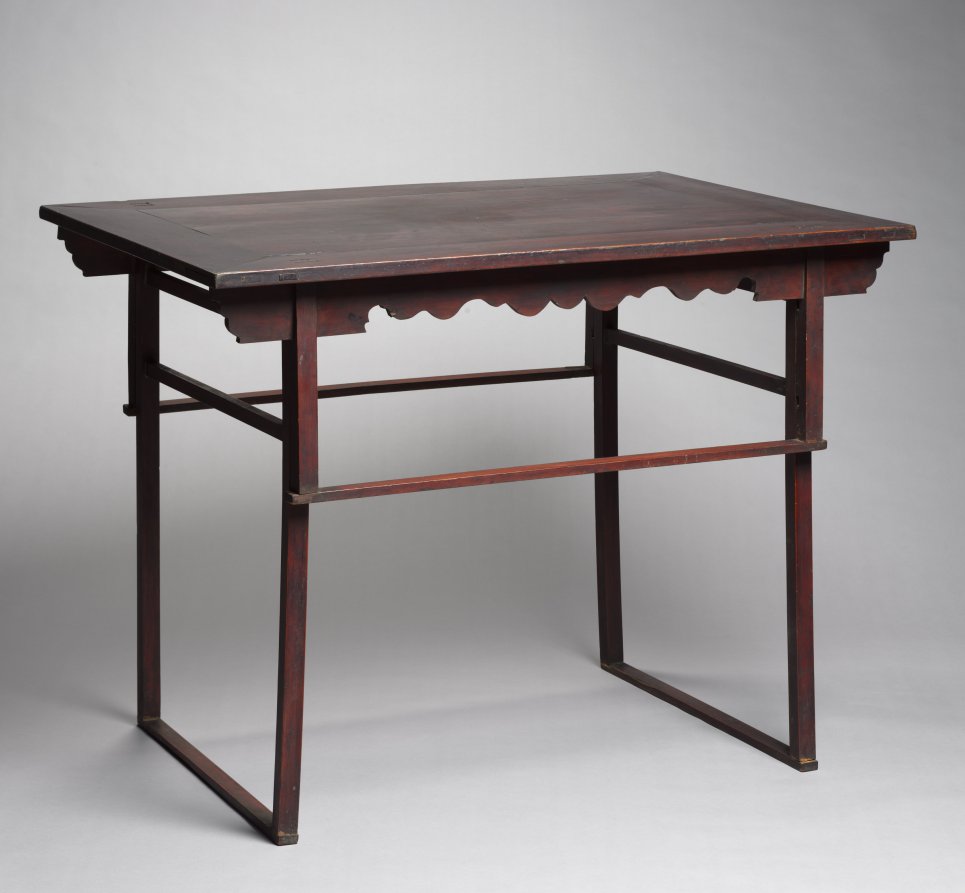
Folding Table (Che-Sang) for Memorial Service
Cleveland Museum of Art
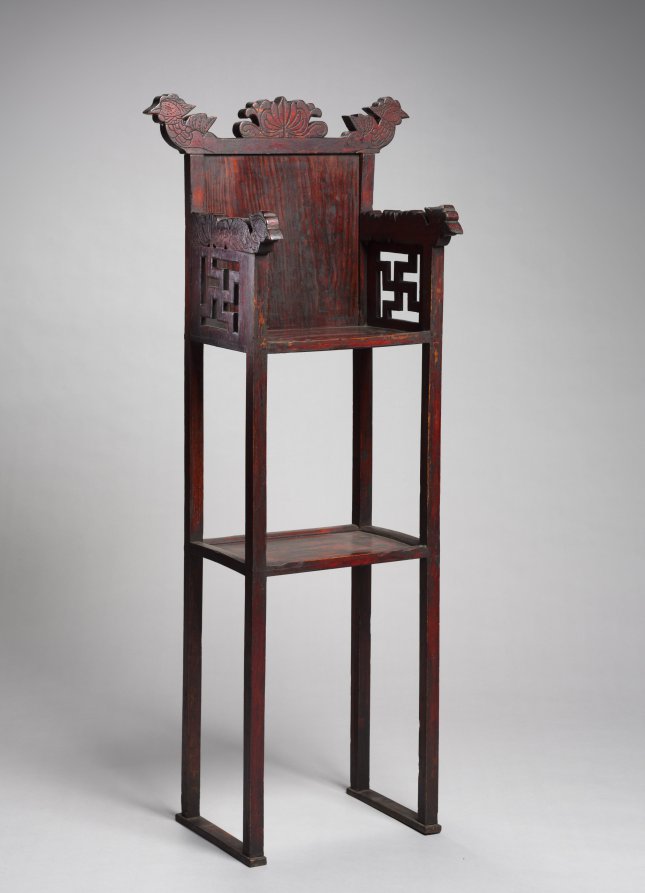
Altar High Chair (Kyo-Yi)
Cleveland Museum of Art

Rubbings from the Wu Family Shrine
Minneapolis Institute of Art

The Wu Family Reception Hall
Minneapolis Institute of Art
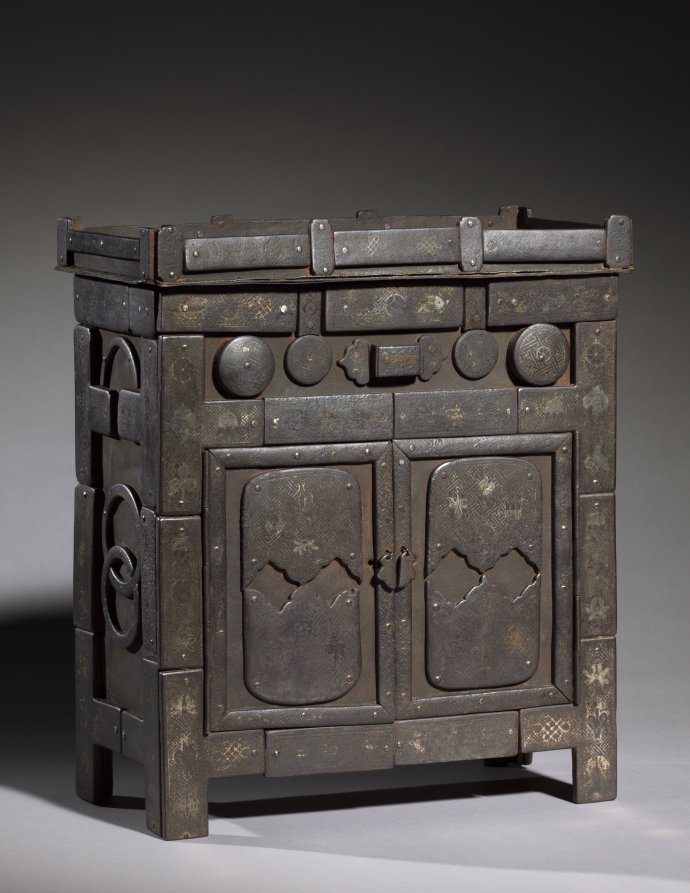
Spirit House
Cleveland Museum of Art
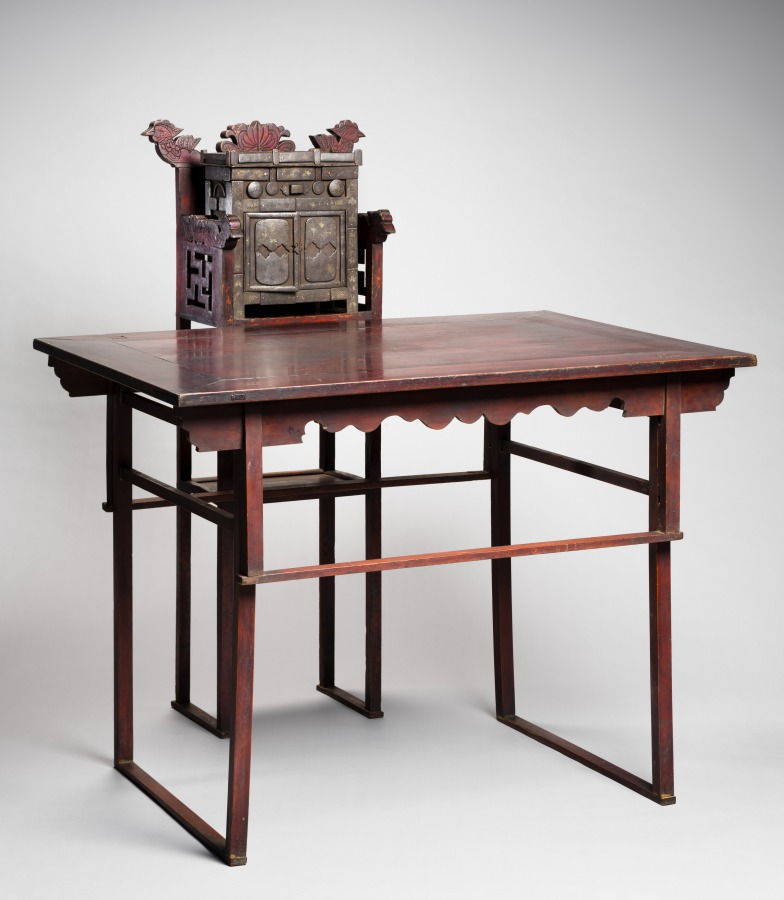
Spirit House
Cleveland Museum of Art

Twin shrine
Minneapolis Institute of Art

Miniature shrine (zushi)
Minneapolis Institute of Art

Pillar from Tomb Chamber
Art Institute of Chicago

Family of Cranes
Minneapolis Institute of Art

Rubbing of Men and House
Minneapolis Institute of Art

Shrine with Bodhisattva and Attendants
Art Institute of Chicago