
Minneapolis Institute of Art
Miniature shrine (zushi)
Japan
- Date
- 19th century
- Medium
- Wood with pigments and gold
- Department
- Asian Art
- Institution
- Minneapolis Institute of Art
Buddhist statues in Japan frequently reside in zushi, which are wooden shrines or cabinets adorned with doors that can reveal or conceal the deity. These box-like altars represent a distinctly Japanese twist to Buddhist practice, and some scholars believe the tradition can be traced to Shinto_ shrines, where statues are rare and always concealed. Enshrined in this miniature altar is Kannon, a bodhisattva of supreme compassion, flanked by painted images of Jizo_ (Kishigarara), a deity who tries to save condemned souls, and Fudo_, a wrathful deity who slashes humankind's deluded thoughts with his sword. The small scale of this shrine indicates that it was meant to be portable, so its owner could travel in the company of his or her chosen deity. Asia
The authoritative record is held by Minneapolis Institute of Art. LinkedCulture surfaces this object and its connections; it does not alter institutional metadata.
Related across collections
Semantically similar works from Minneapolis Institute of Art and other institutions.

Kannon, the Bodhisattva of Compassion, from a group of 1000 (Kōfukuji sentaibutsu 興福寺千体仏)
Minneapolis Institute of Art

Jizō, the Bodhisattva of the Earth Matrix
Minneapolis Institute of Art

Deer Mandala of the Kasuga Shrine
Minneapolis Institute of Art

View of Zōzu Mountain in Sanuki Province
Minneapolis Institute of Art

Kannon, the Bodhisattva of Compassion
Minneapolis Institute of Art
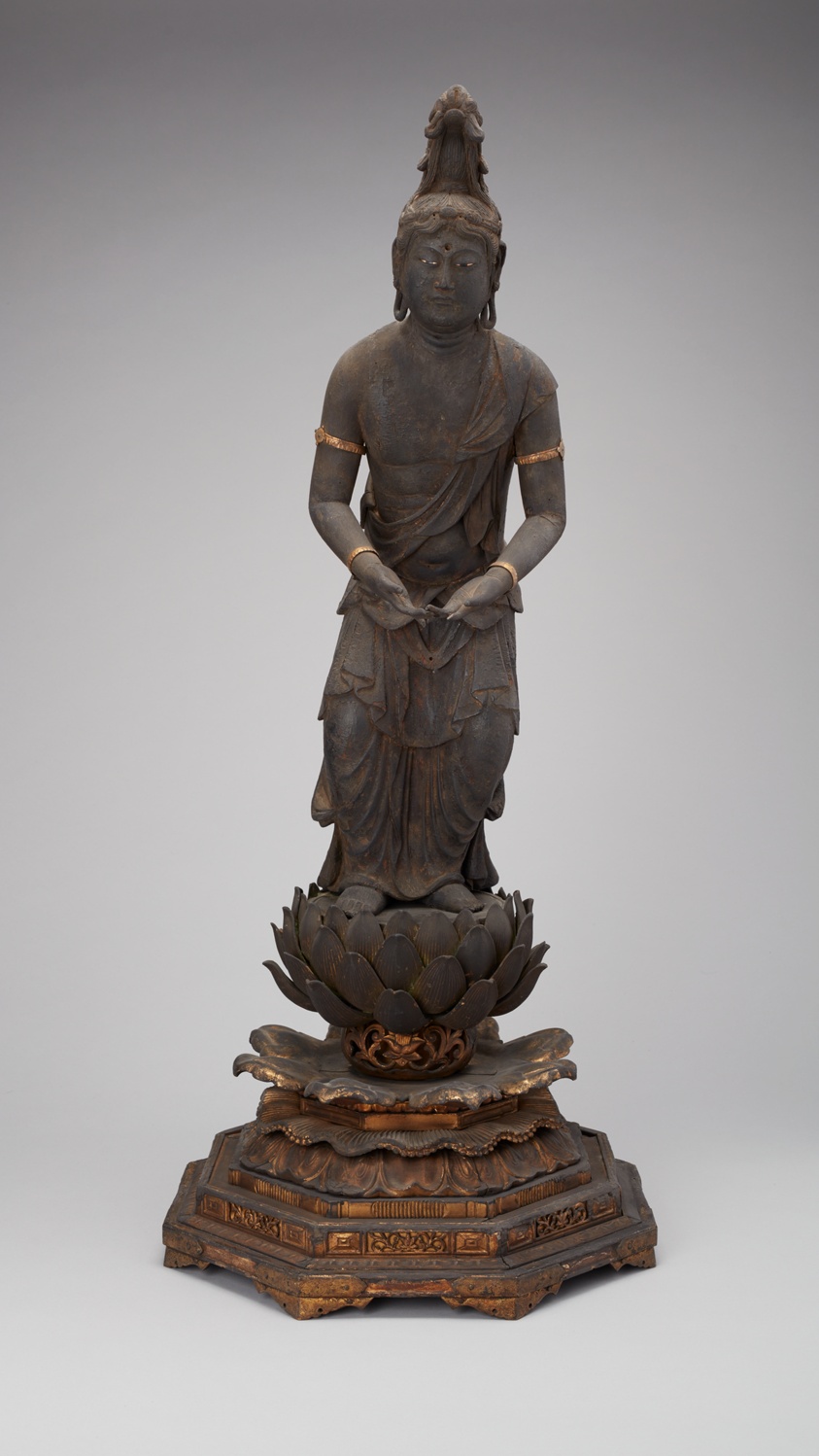
Kannon Bosatsu
Art Institute of Chicago

The shrine of Jizo, guardian god of little children, Kiyomidzu Temple. Kyoto, Japan.
Getty Museum

Welcoming Descent of Jizō Bodhisattva
Minneapolis Institute of Art

Miniature Shrine of Bishamon-Ten
Minneapolis Institute of Art
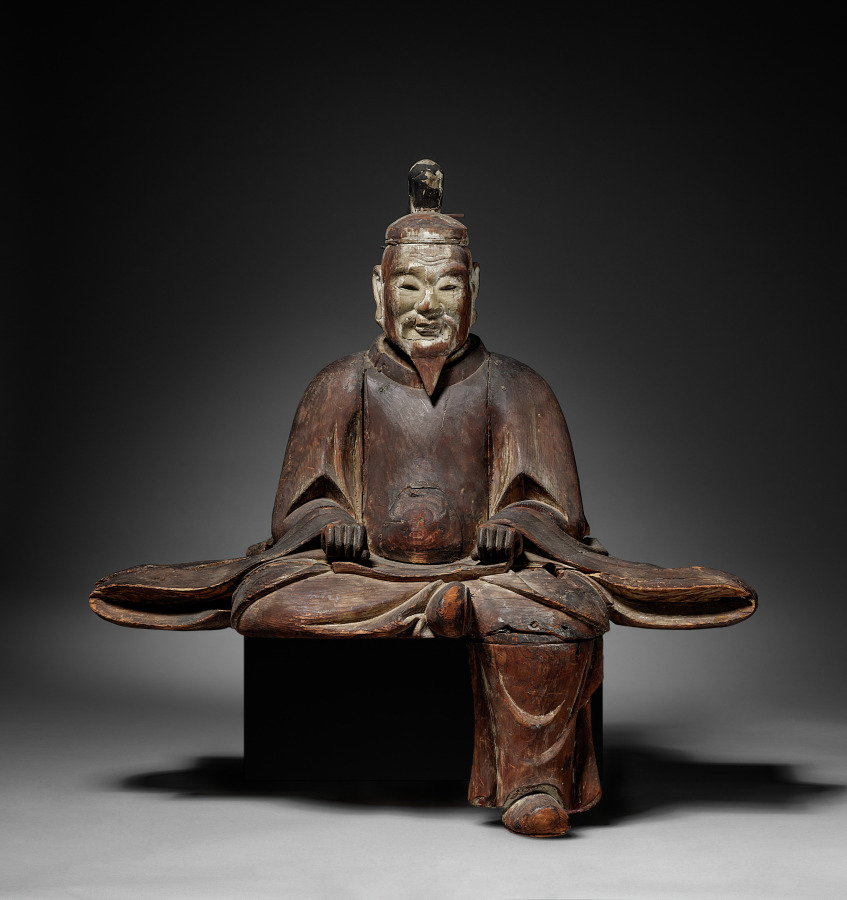
One of a Pair of Guardian Figures (Zuishin)
Cleveland Museum of Art
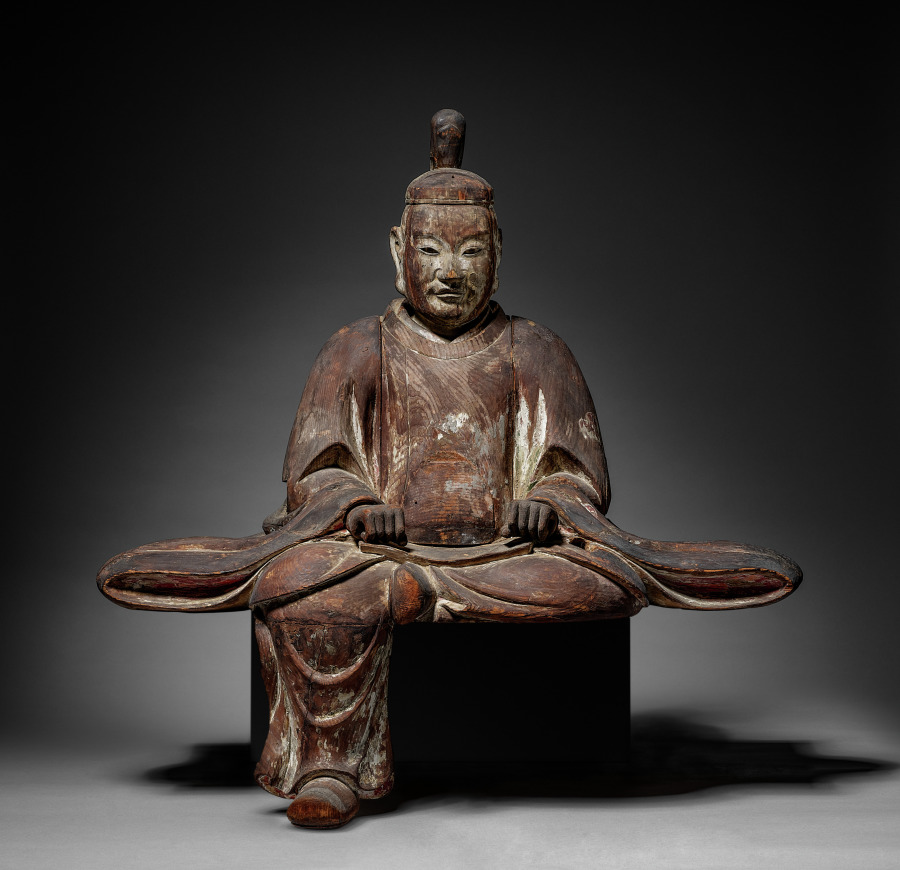
One of a Pair of Guardian Figures (Zuishin)
Cleveland Museum of Art

Uhōdōji, the Divine Rainmaking Boy
Minneapolis Institute of Art