Cleveland Museum of Art
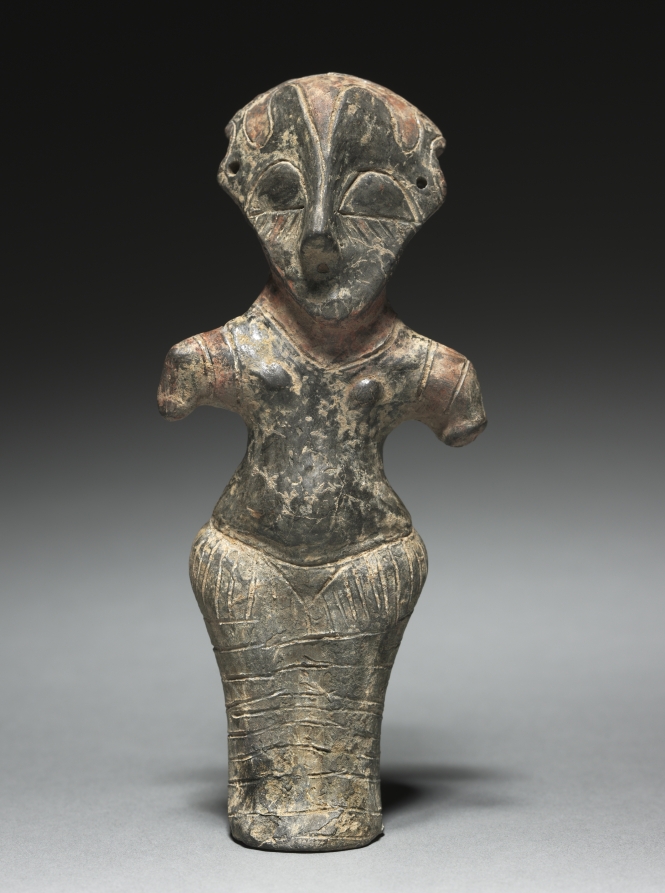
Vinca Idol
- Date
- 4500–3500 BCE
- Medium
- fired clay with paint
- Culture
- Serbia, Vinça culture, Neolithic Era
- Department
- Greek and Roman Art
- Institution
- Cleveland Museum of Art
This statuette, probably a cult idol, dates to the Neolithic Era which saw the development of farming and human technology. It is extraordinarily well preserved and derives from the settlement at Vinca in modern Serbia. This flourishing culture was the largest known in Europe at that time, extending along the Danube into the Balkans and Central Europe. Thousands of clay statuettes have been discovered in the region's Vinca settlements suggestive of the intense magic-religious practices within the Vinca culture. This statuette is anthropomorphic, or human-shaped, and is presumed to have been used for ritual purposes. The use of red paint is typical of Vinca Neolithic figurines, and few have survived in such excellent condition. If you look closely, you can see remnants of red pigment on this diminutive figure.
The authoritative record is held by Cleveland Museum of Art. LinkedCulture surfaces this object and its connections; it does not alter institutional metadata.
Related across collections
Semantically similar works from Cleveland Museum of Art and other institutions.
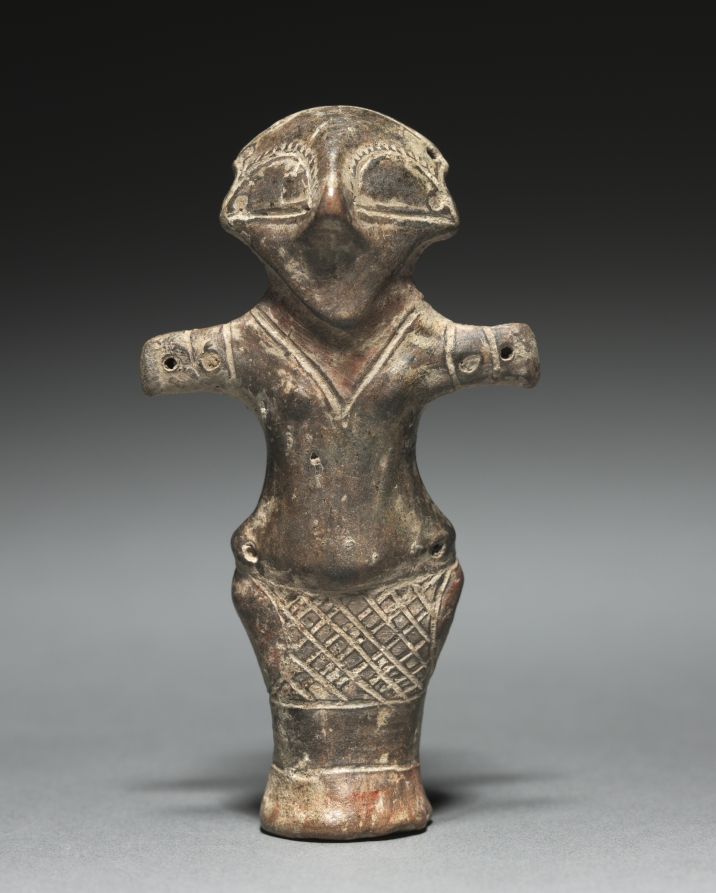
Vinca Idol
Cleveland Museum of Art

Statuette of Apollo
Getty Museum

Female figure
Minneapolis Institute of Art
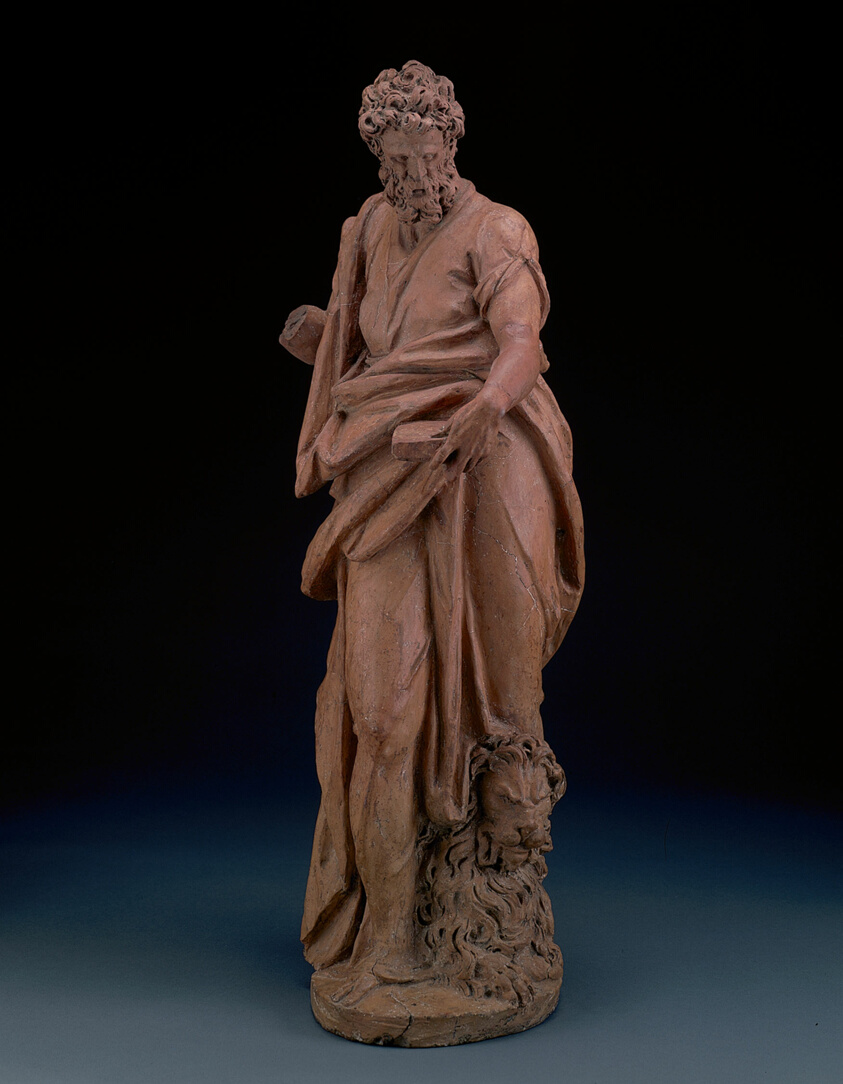
One of the Set of the Four Evangelists: Mark
Art Institute of Chicago
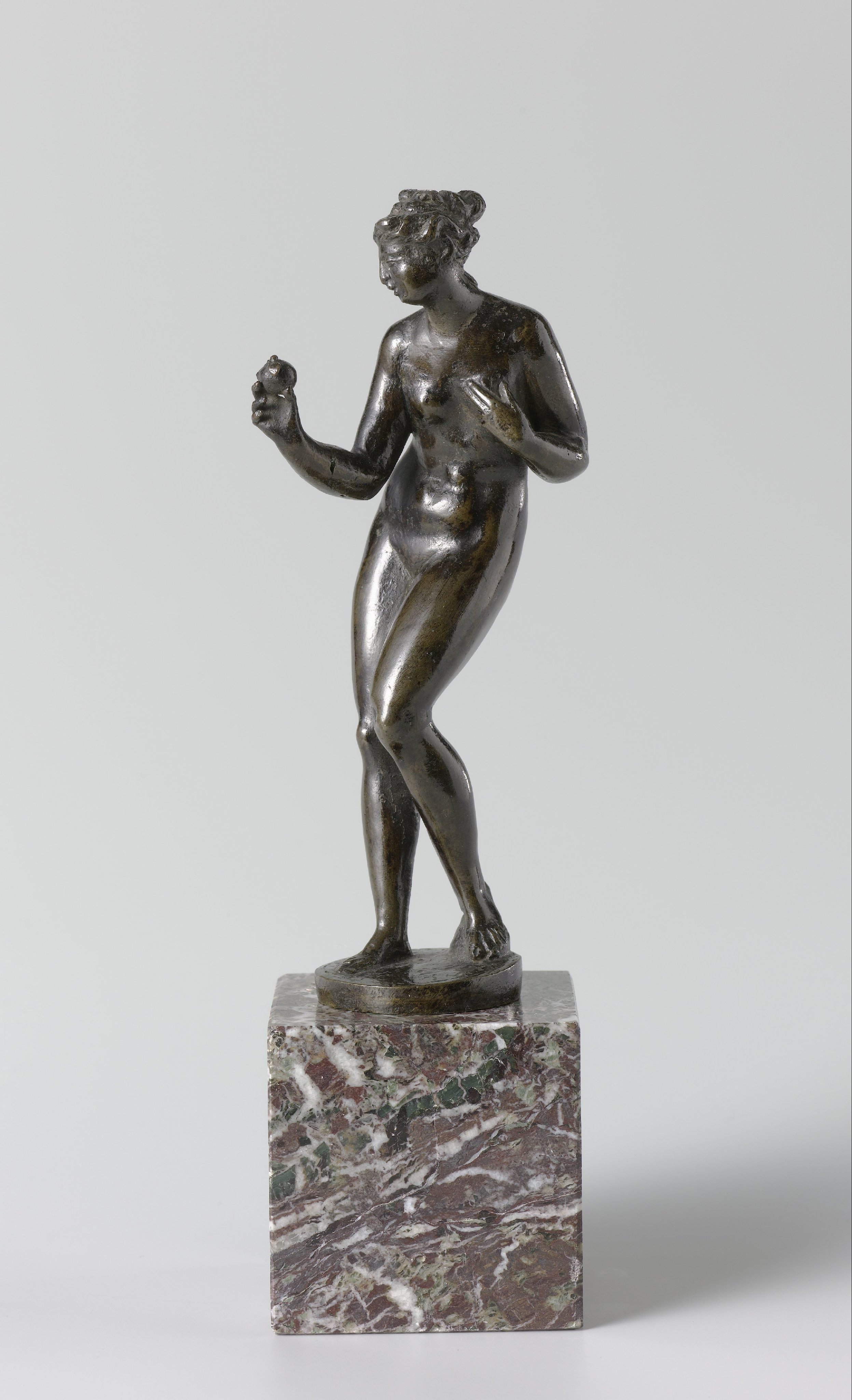
Venus
Rijksmuseum
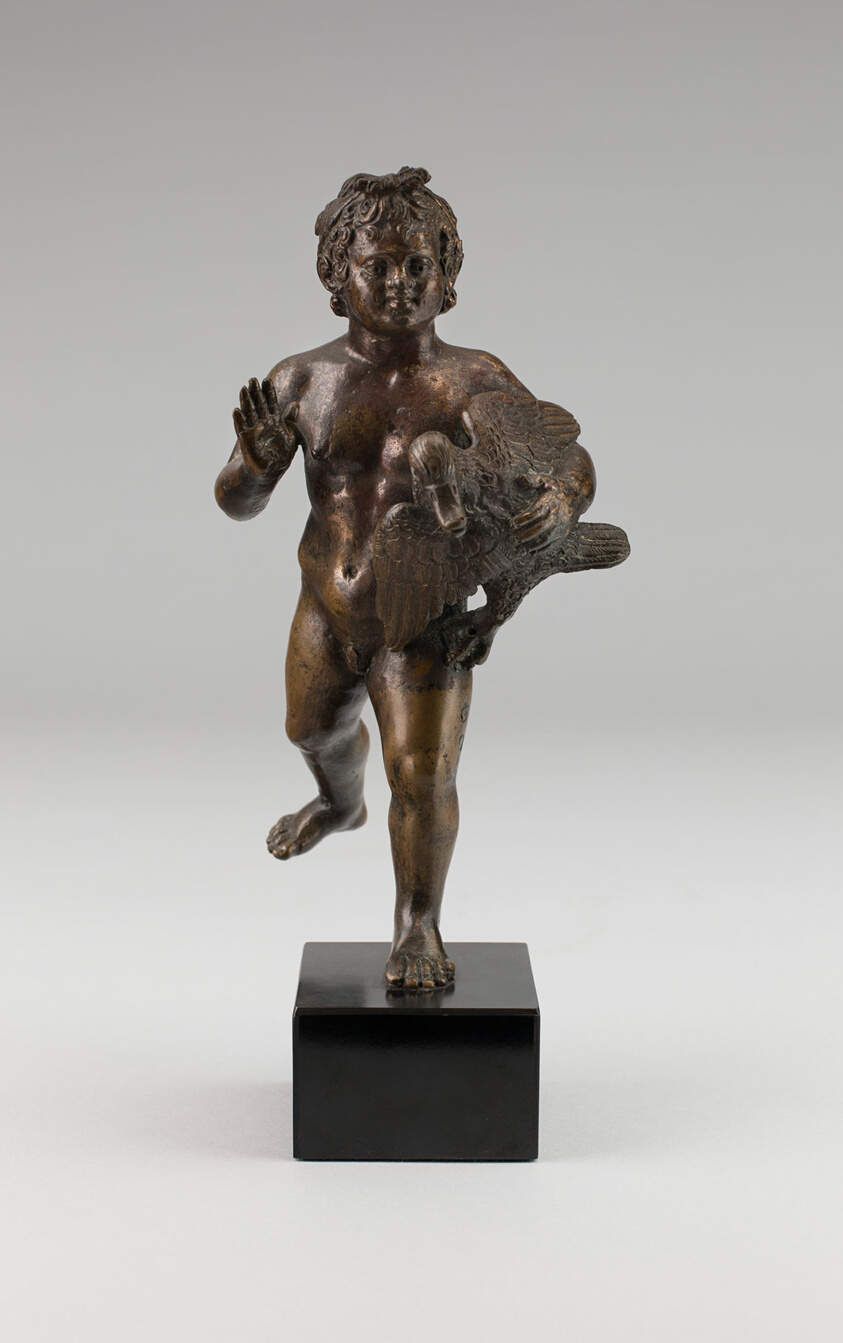
Cupid Carrying a Swan
Art Institute of Chicago
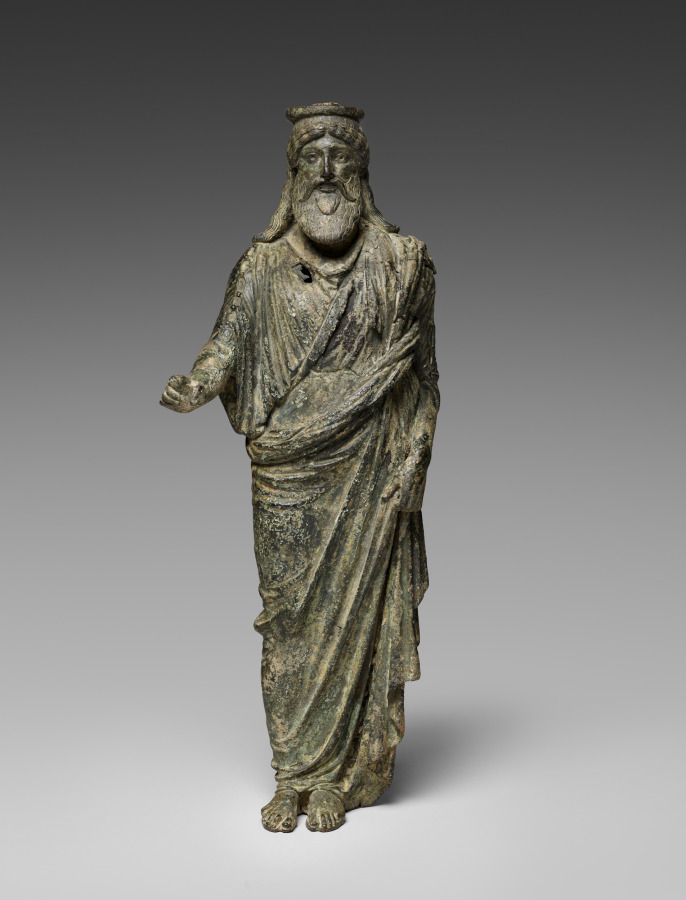
Statuette of Dionysos
Cleveland Museum of Art

Venus and Mars with Cupid and the Three Graces in a Landscape
Art Institute of Chicago
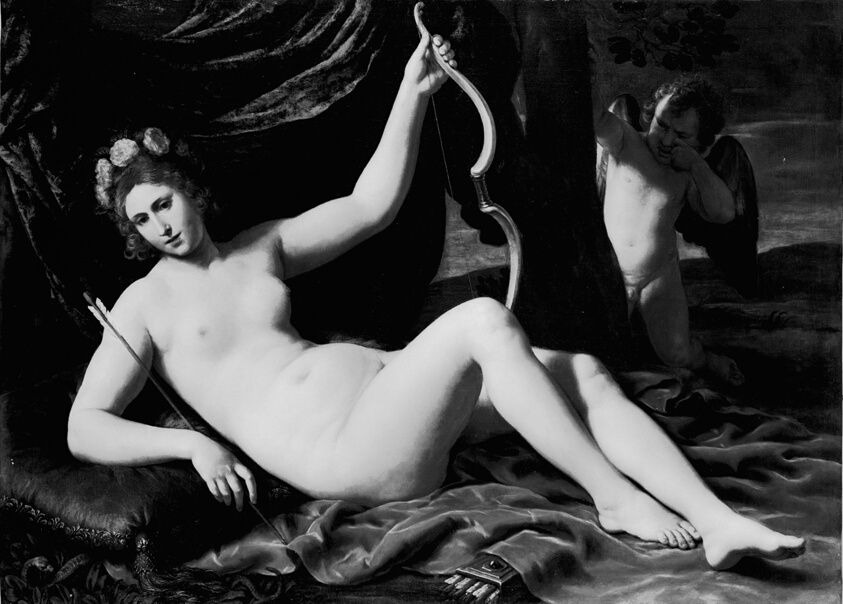
Venus and Cupid
Art Institute of Chicago

Venus and Cupid at the Forge of Vulcan
Art Institute of Chicago

Statuette of a Young Satyr Playing the Double Aulos
Getty Museum

Statuette of Venus
Getty Museum