Cleveland Museum of Art
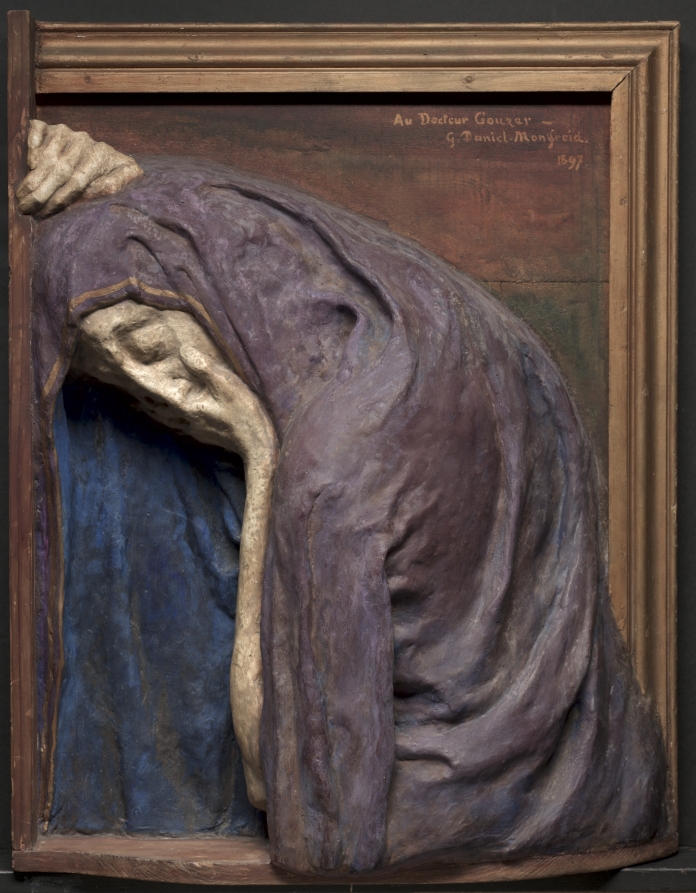
Mater Dolorosa (The Virgin Mary Mourning)
Georges-Daniel de Monfreid
- Date
- 1897
- Medium
- painted plaster and wood
- Culture
- France, 19th century
- Department
- Modern European Painting and Sculpture
- Institution
- Cleveland Museum of Art
This sculpture was originally part of a project for a Calvary depicting Mary Magdalene, the Virgin Mary, and Christ on the Cross; Monfreid may or may not have completed the design. He intended to execute the piece in ceramic, as suggested by the Mater Dolorosa's shadowy browns, blues, and purples that resemble ceramic glazes. The intensity of the unrealistic colors, as well as the emotional nature of the religious subject, characterizes this rare example of Nabis sculpture. Led by Paul Gauguin, Paul Serusier, Pierre Bonnard, and Édouard Vuillard during the 1890s, the Nabis—Hebrew for "prophet"—proclaimed spiritual and sacred values. They reacted against the Impressionists, who they thought were mundane and superficial. The inscription at the upper right includes the artist's signature as well as a dedication to Doctor Gouzer, a mutual friend of Monfreid and Gauguin and to whom Monfreid gave Mater Dolorosa in 1897. During his intense twelve-year correspondence with Monfreid, Gauguin praised the artist for giving the work to Gouzer, noting "Your Calvary is a true revelation: it is the masterwork of your life."
The authoritative record is held by Cleveland Museum of Art. LinkedCulture surfaces this object and its connections; it does not alter institutional metadata.
Related across collections
Semantically similar works from Cleveland Museum of Art and other institutions.
Mater Dolorosa (Mourning Mother)
Cleveland Museum of Art
Mater Dolorosa (Sorrowing Virgin)
Art Institute of Chicago
MATER DOLOROSA (titre inscrit)
Joconde
Mater Dolorosa
Art Institute of Chicago
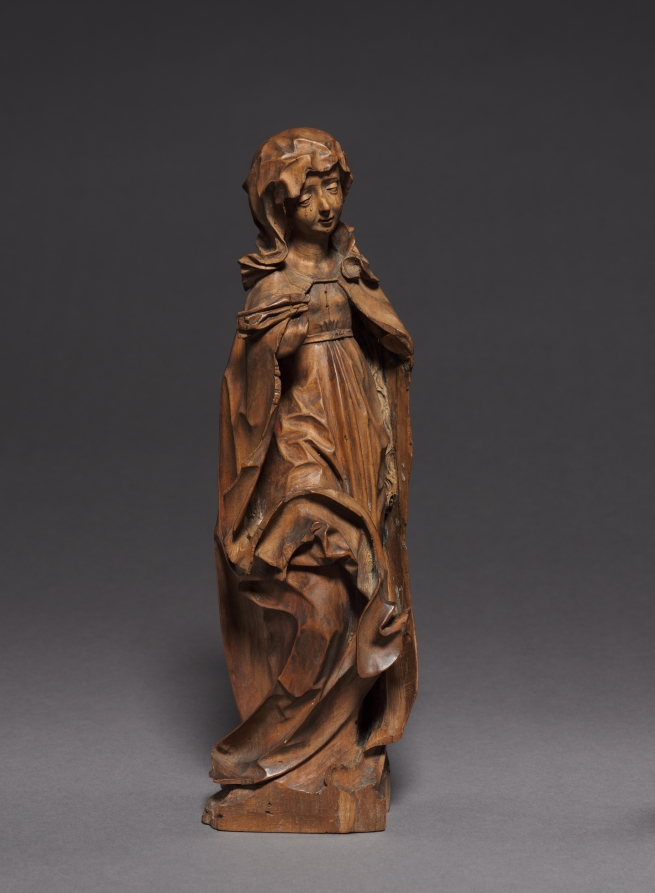
Mourning Virgin from a Crucifixion Group
Cleveland Museum of Art

Lamentation at the Foot of the Cross
Getty Museum

Virgin Mourning the Dead Christ
Getty Museum

Pietà
Getty Museum
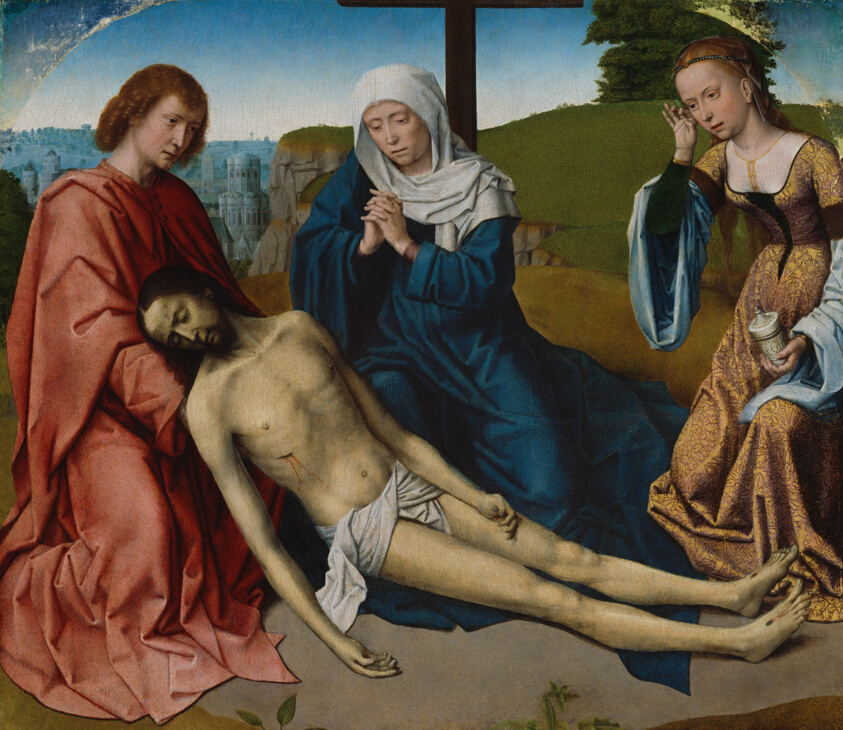
Lamentation over the Body of Christ
Art Institute of Chicago

Crucified Christ Triumphant over Death, Evil, and Sin
Minneapolis Institute of Art

The Crucifixion
Getty Museum
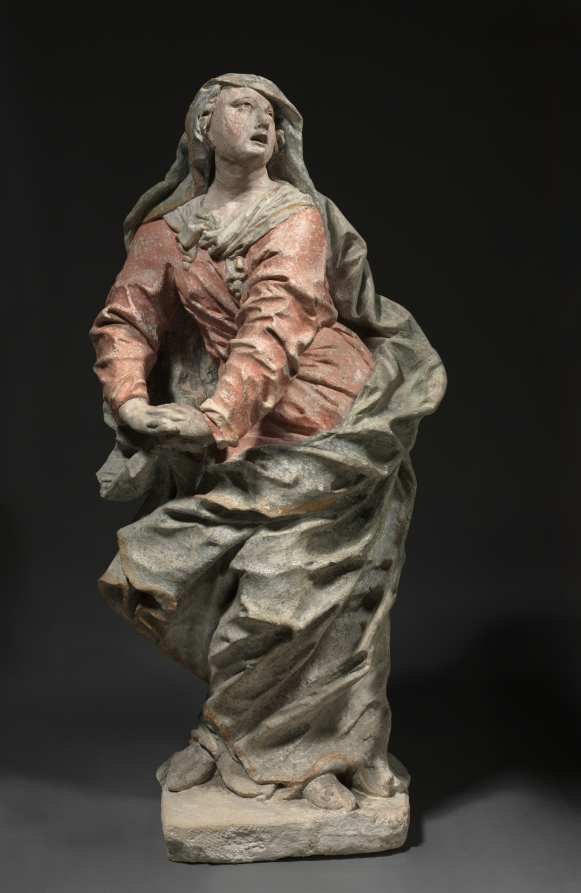
Mourning Mary
Cleveland Museum of Art