Cleveland Museum of Art
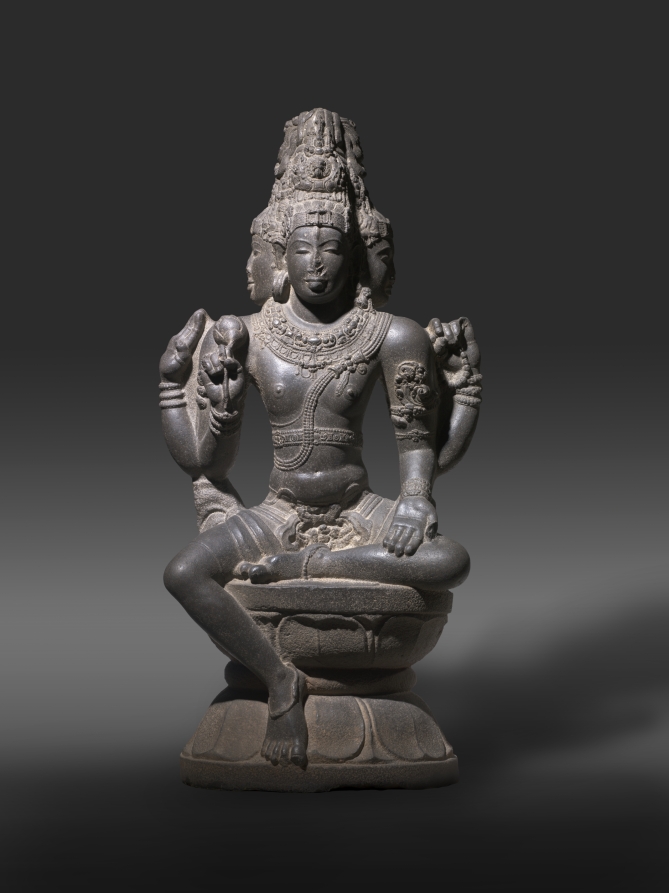
Brahma-Shiva
- Date
- late 900s–1000s
- Medium
- granite
- Culture
- South India, Tamil Nadu, Chola dynasty, late 10th - early 11th century
- Department
- Indian and Southeast Asian Art
- Institution
- Cleveland Museum of Art
In the Hindu pantheon Brahma is in charge of carrying out the work of creation. In this tour-de-force of South Indian temple sculpture, he is in a special regal aspect, with the only elements of his typical priestly appearance being the prayer beads and the matted dreadlocks piled on his head. Four arms connote superhuman power, and four heads convey the idea that his creative activities spread in all four directions. His upper right hand enjoins freedom from fear, and the lower holds a lotus bud associated with birth and the process of creation. His lowered left hand is held in the gift-giving gesture, suggestive of the gift of creation he will bestow upon the world. The back of the sculpture retains the original textured surface from a pointed chisel, suggesting it was in a niche or near a wall, protected from worshippers’ touches.
The authoritative record is held by Cleveland Museum of Art. LinkedCulture surfaces this object and its connections; it does not alter institutional metadata.
Related across collections
Semantically similar works from Cleveland Museum of Art and other institutions.
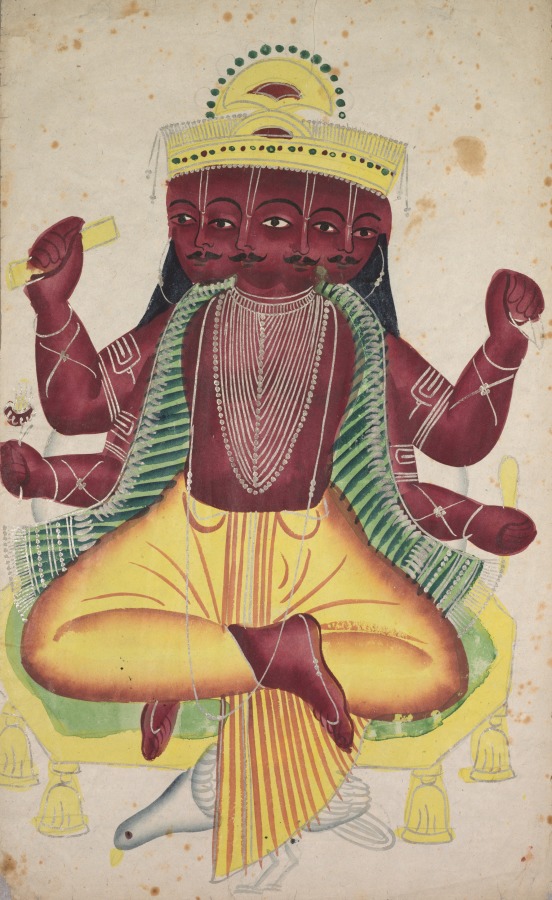
Brahma
Cleveland Museum of Art
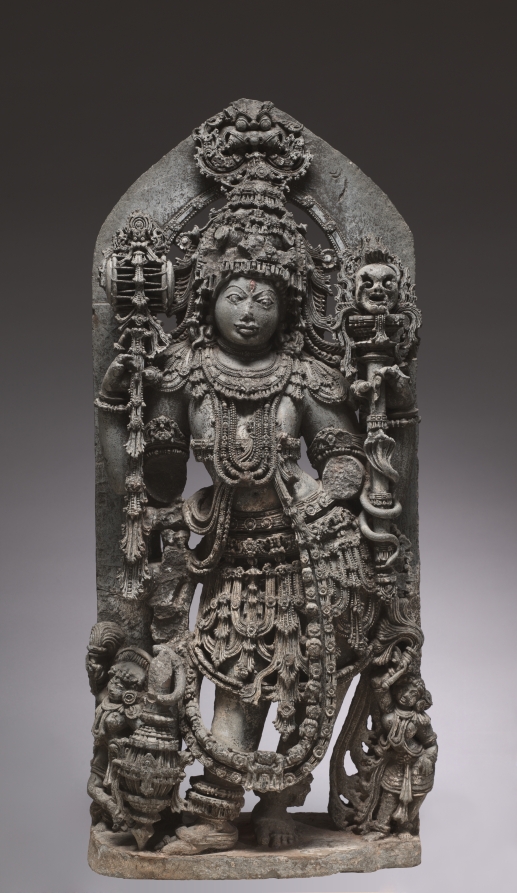
A Guardian of Shiva
Cleveland Museum of Art
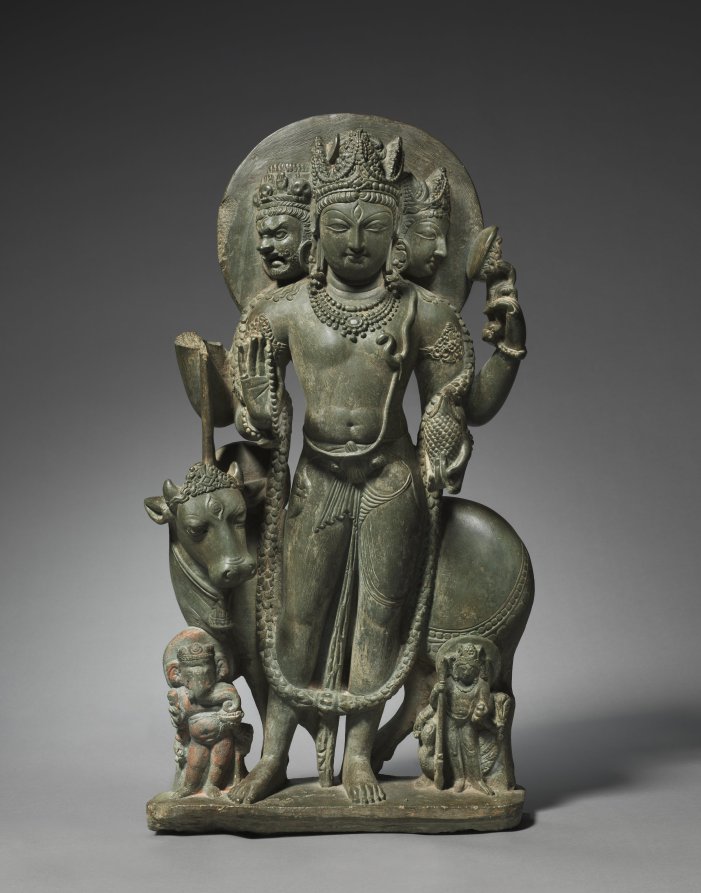
Standing Shiva Mahadeva
Cleveland Museum of Art
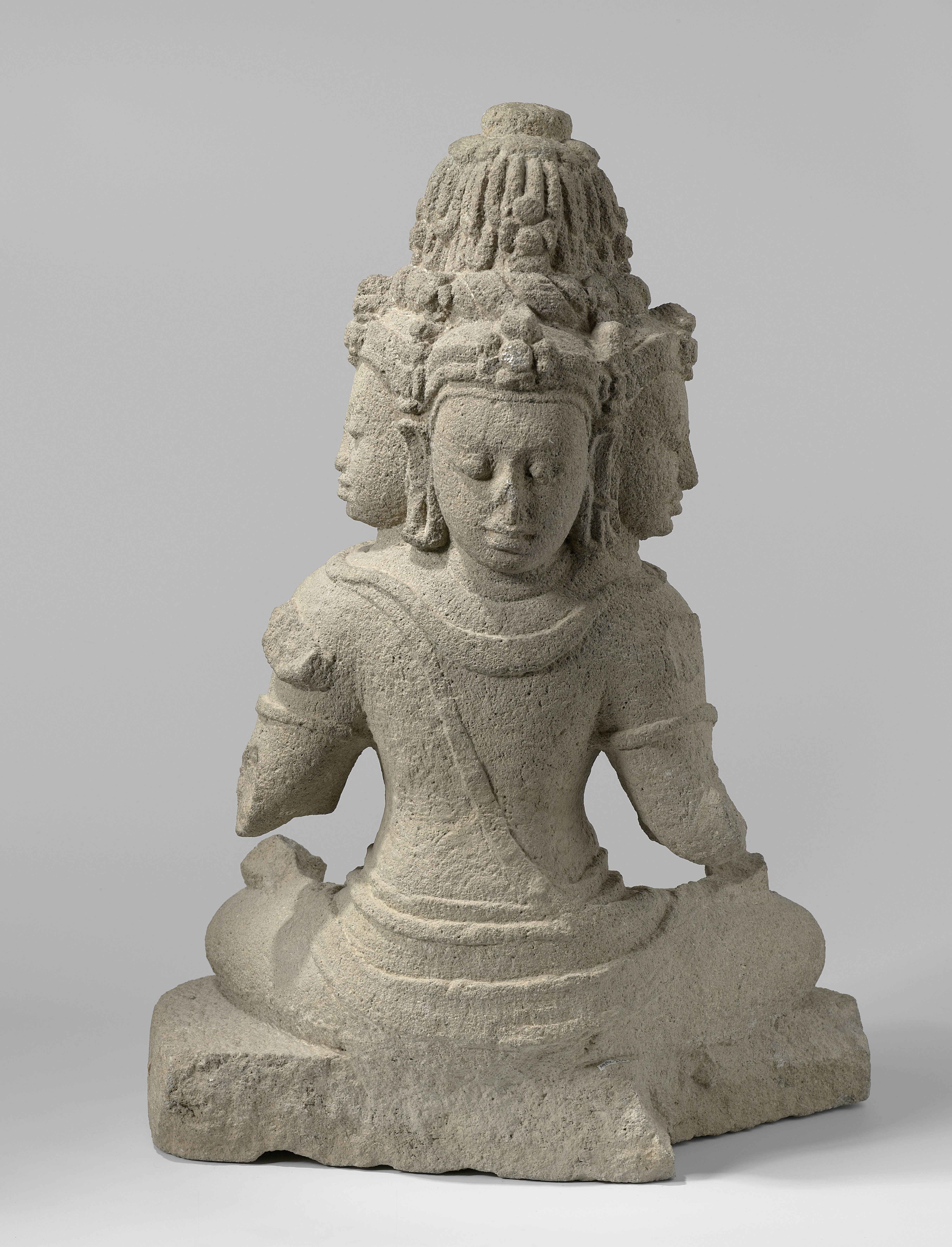
Brahma
Rijksmuseum
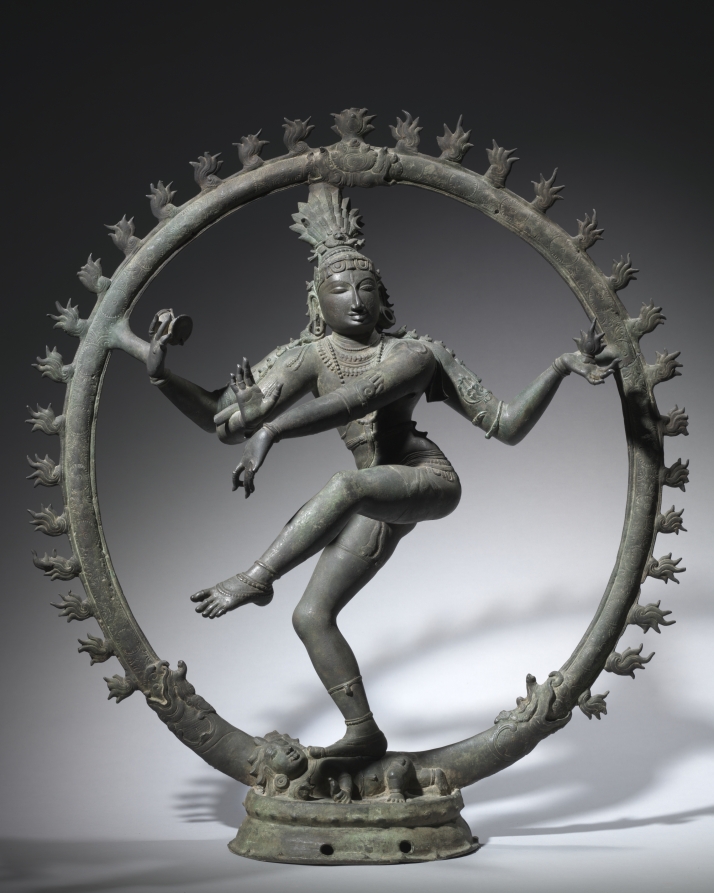
Nataraja, Shiva as the Lord of Dance
Cleveland Museum of Art

Uma-Maheshvara
Minneapolis Institute of Art
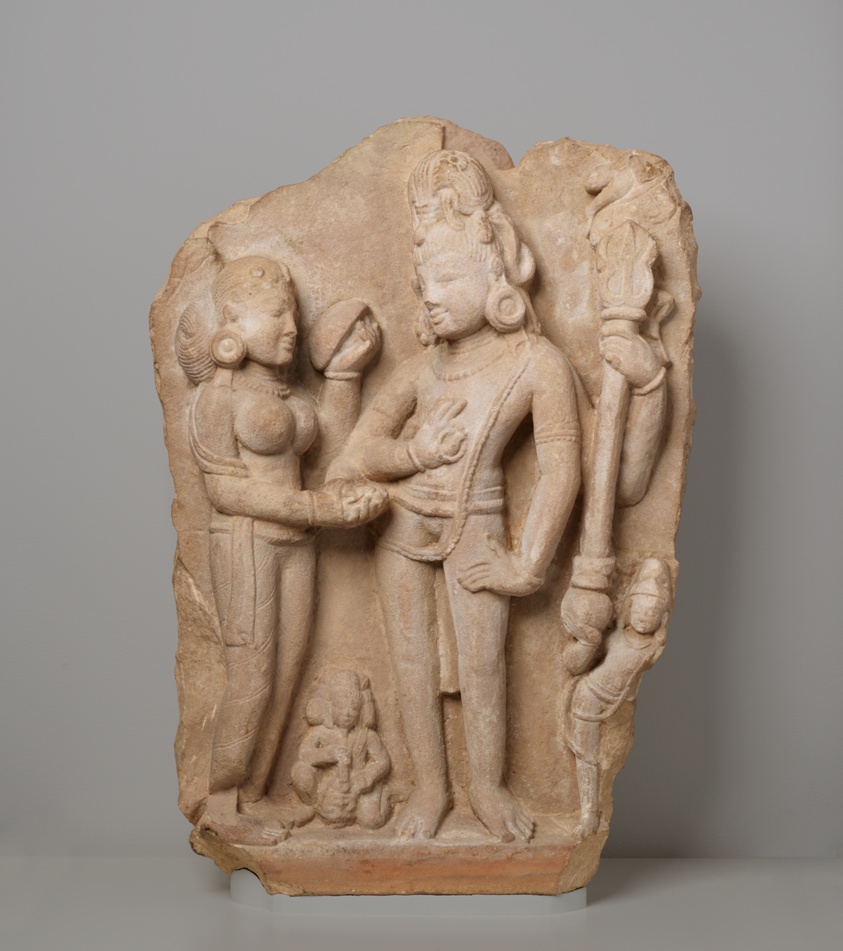
Marriage of God Shiva with Goddess Parvati (Kalyanasundara)
Art Institute of Chicago
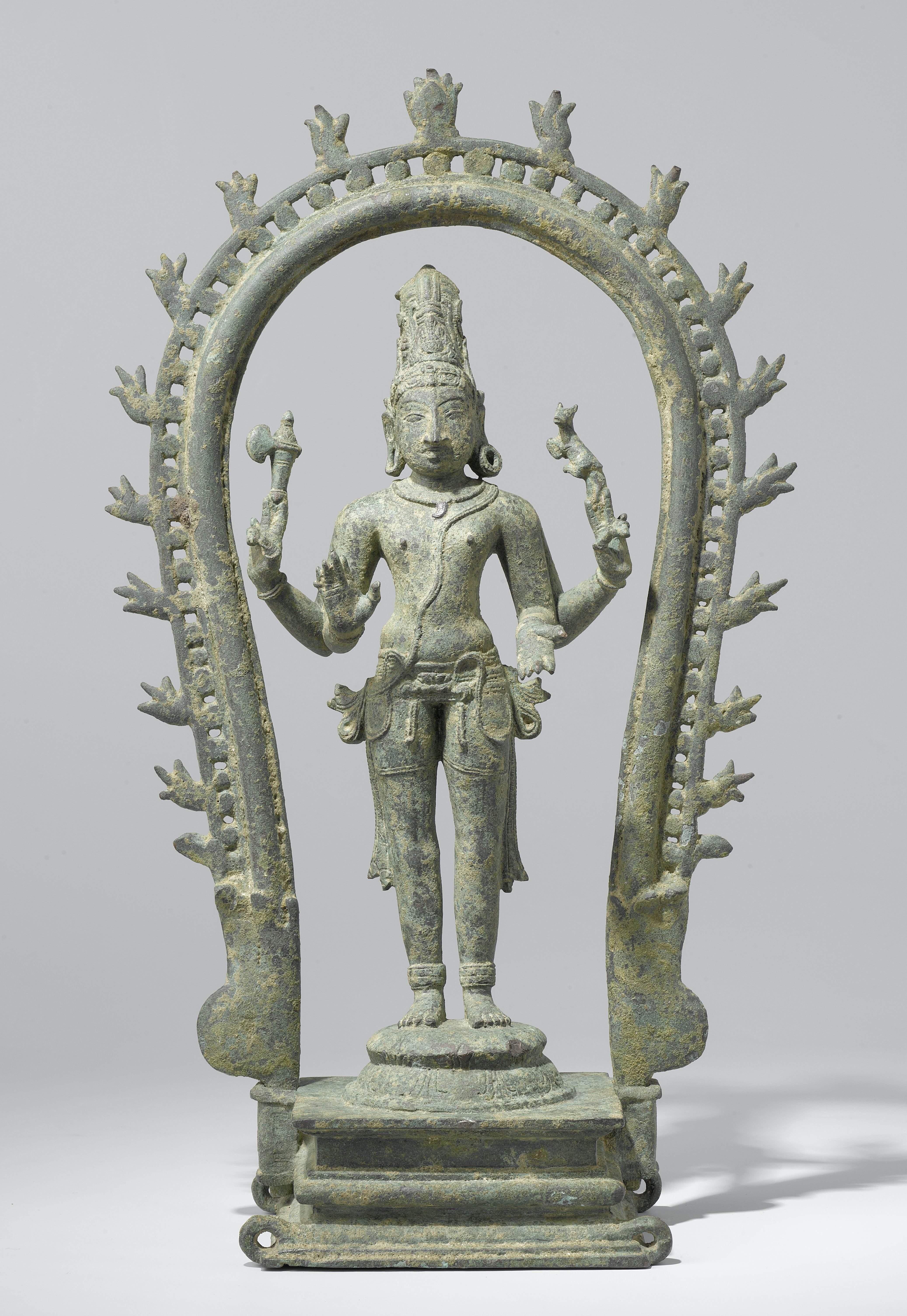
Shiva met de maan in het haar
Rijksmuseum
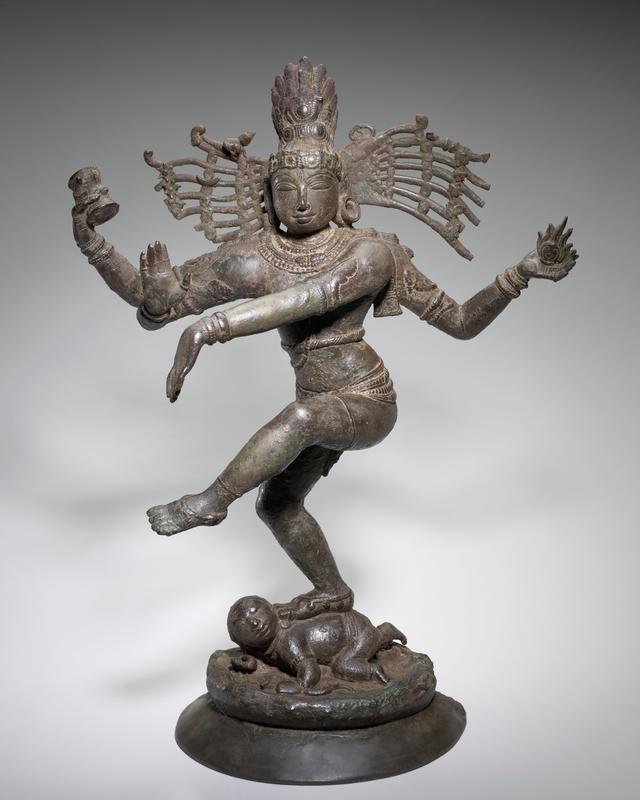
Shiva Nataraja (Lord of the Dance)
Minneapolis Institute of Art
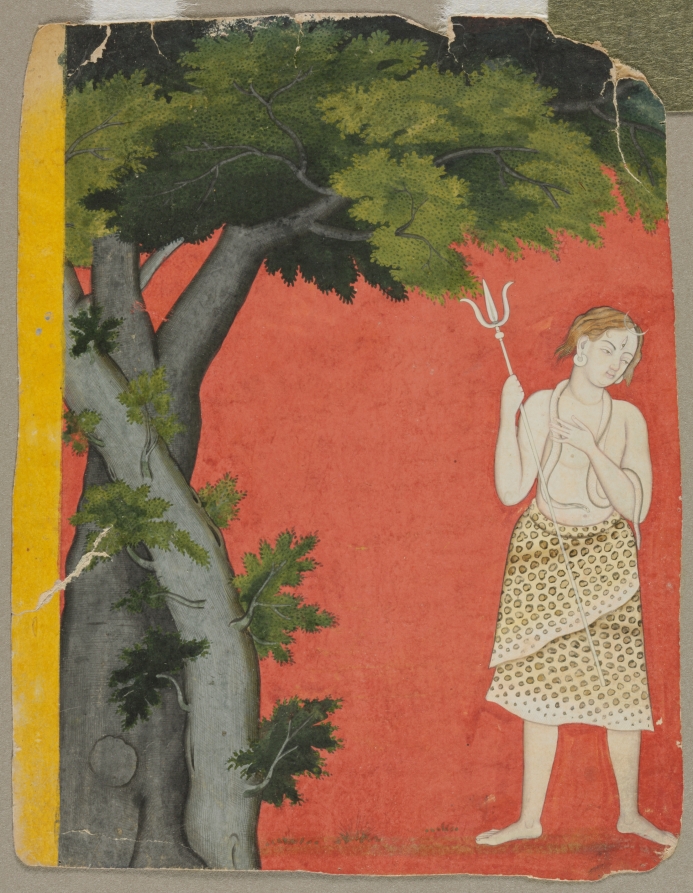
Shiva under trees
Cleveland Museum of Art
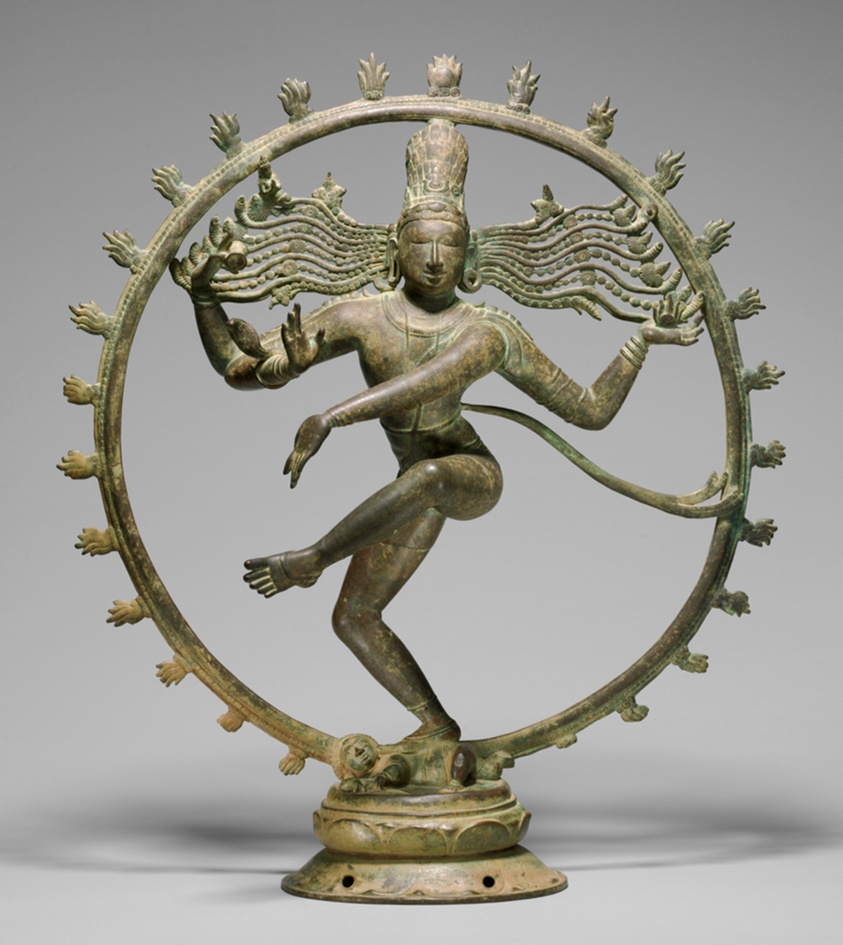
Shiva as Lord of the Dance (Nataraja)
Art Institute of Chicago
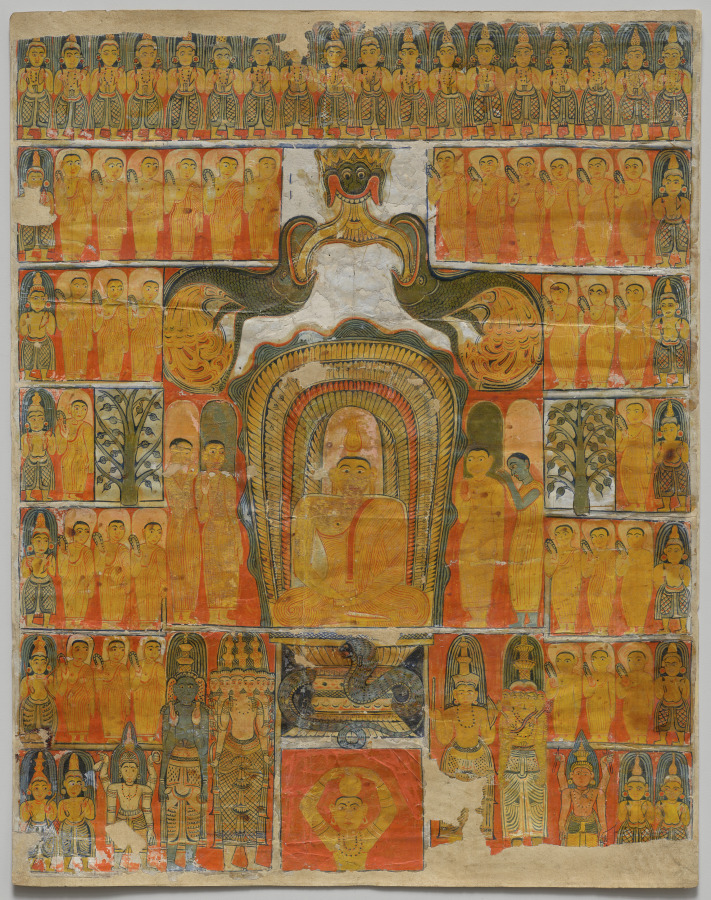
Blessed Lord Buddha
Cleveland Museum of Art